The Nigerian experience is physical, emotional, and sometimes international. No one knows it better than our features on #TheAbroadLife, a series where we detail and explore Nigerian experiences while living abroad.
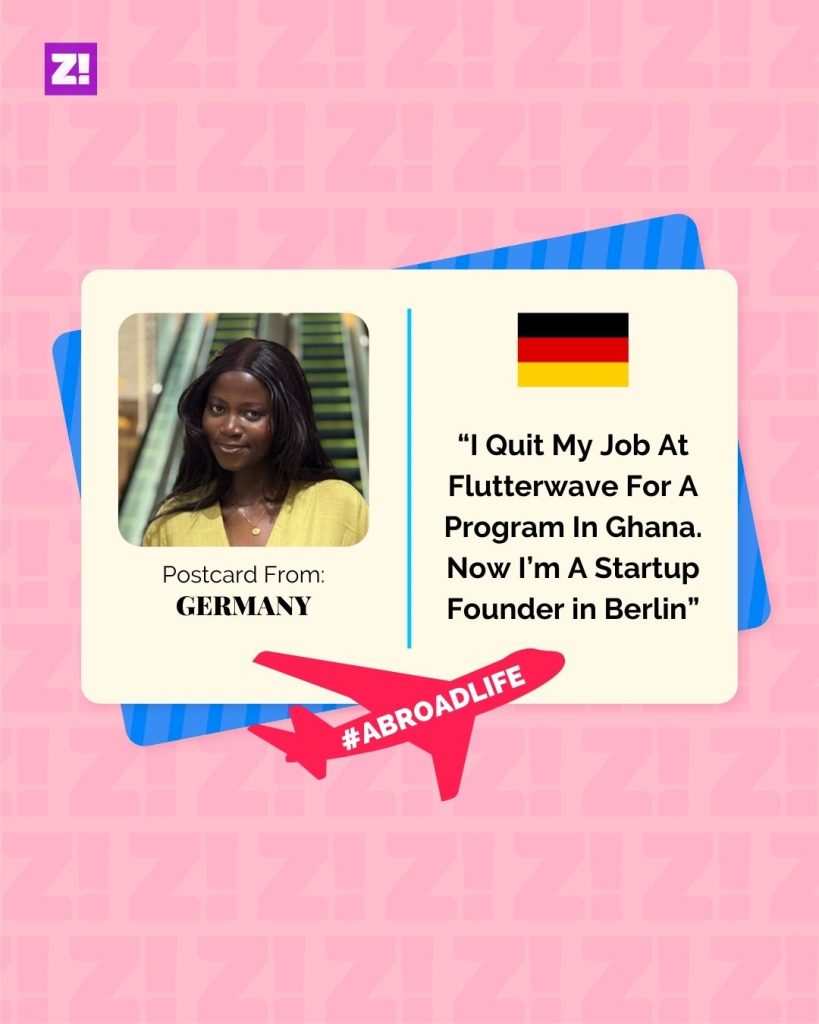
Precious (25) is a co-founder of Beeva AI, a beauty-tech startup, currently living in Germany. In this story, she talks about quitting a stable job at Flutterwave to chase a tech entrepreneurship dream in Ghana, and how five months of “locking in” led to her eventually finding her tribe within Berlin’s running and tech communities.
Where do you currently live, and when did you leave Nigeria?
I live in Berlin. I left Nigeria for Germany in March 2025.
Was that the first time you left Nigeria?
No, it wasn’t. In 2023, I moved to Ghana and lived there for a year. Then I moved back to Lagos, stayed for a few months, and finally moved to Germany, where I currently live.
What made you move to Ghana?
I had just finished university, and I got into the Meltwater Entrepreneurial School of Technology (MEST) Africa Training Program. I quit my job as a product manager at Flutterwave and went to Ghana for the program.
Were you working at Flutterwave while in university?
Yes, I was.
What made you take that risk of leaving a stable role for an uncertain program?
It was a huge risk because my career was going very well at Flutterwave. When I submitted my resignation, it was rejected at first, and there were counter-offers to make me stay. Honestly, I never thought I would go to Ghana to be an entrepreneur. I always wanted to work in finance at places like the Bank of America. That’s where I thought my career journey would go.
But I’ve realised that I’m more excited when I don’t know what to expect. I felt like I knew what my trajectory would be at Flutterwave. It was too linear, too predictable. I needed something more.
In early 2023, my friends and I made a sort of pact that 2023 would be “our year of international opportunities.” We even created a WhatsApp group and basically pushed ourselves to apply to as many international opportunities as possible. We went on an application spree. I found the MEST Africa application and just applied to see what more there could be.
How was the experience in Ghana?
Ghana was life-changing. There were about 50 of us from 19 different African countries in the program. I learned so much about interacting with people from different cultural backgrounds. It really changed my perspective.
Did you get to see much of Ghana outside the program?
I lived in Accra. To be honest, it was expensive, and I was just a humble student at the time, so I didn’t go out a lot. Still, I don’t think there is much to see in Accra compared to Lagos, for example. But I did like the Kwame Nkrumah Memorial Park. We also went on a trip to the Volta Region, which was super nice. We went to the mountains and did hikes. I love sports and active movement, so hiking was great.
The only things I didn’t like in Ghana were some of the food and the weather. It was actually hotter than Nigeria.
What about the people?
Ghanaians are nice. I was in a bit of a bubble with other members of the program, but the Ghanaians I did interact with were very sweet.
Did you make new friends during the program?
I met a lot of amazing people. I still have a relationship with practically everyone from the program. I can pick up my phone now and call them. So having that network is a great benefit of the program. Also, one of my co-founders at Beeva AI is from Ghana, and she was also in the program.
So you moved back to Lagos after Ghana. What was the plan then?
Honestly, I didn’t have a plan. At the end of the program, everyone pitches their startup with the opportunity to get a $100,000 investment. But my startup wasn’t selected, so I returned to Lagos with no job, and the stipends from the program had stopped.
I had a job with a US-based startup lined up as a buffer, but after my first month back in Nigeria, the founder ghosted everyone without paying. It was messy. And I had already used my savings to get an apartment in Lagos, so I was basically stranded.
Wow. How did you get by?
I was broke, but I didn’t want to call home because I struggle with being vulnerable like that.
If I wrote a book about my life, the chapter about those five months in Lagos will be titled “The Great Lock In.” I had no choice: either eat something or get eaten. I had to get a job, or I had to get an investment for my startup. I applied to over 200 opportunities in one month.
So how did the Germany opportunity come up?
Interestingly, at one point, I stopped applying for jobs. I am a Christian: I prayed, and God told me to stop applying, which was so weird because I had no money. So, I stopped and put all my focus into finding funding for my startup.
Then one day, I got an email from an accelerator program in Berlin. They liked what I was doing, so we started the interview process. In November, I got the final acceptance email. They told me I could join the March 2025 cohort so I would have time to get my visa.
Thankfully, in January, a former colleague from Flutterwave randomly recommended me for a remote product manager role. I took that because it didn’t require much effort, and it helped me survive until I moved.
What is the status of your startup and the program now?
The program ended in October 2024. It came with some grants that helped us stay afloat for a bit, but we are currently bootstrapping, trying to raise funds.
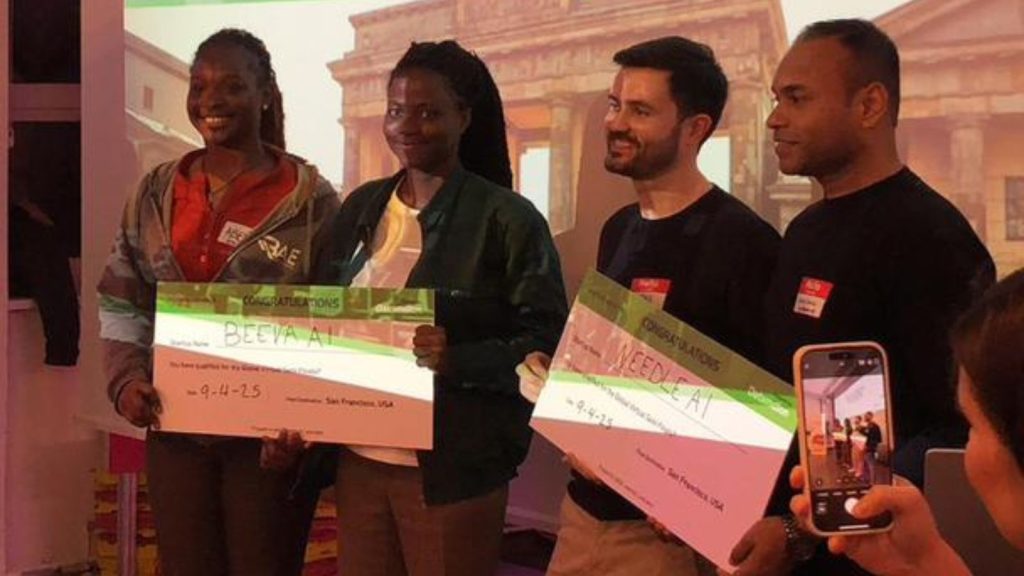
In April 2025, we won the Datamellon Global AI Ignite Pitch Battle in Berlin, which qualified us to represent Berlin in San Francisco. Then in October, we won the “Highest Growth Potential” award at the Grace Accelerator Demo Day. In November, we won the Venture Cafe Berlin Pitch2Tokyo event in Berlin which qualified us to represent Berlin in Japan. And in February 2026, at the Pitch2Tokyo Finals in Tokyo, we won the “People’s Choice Award.”
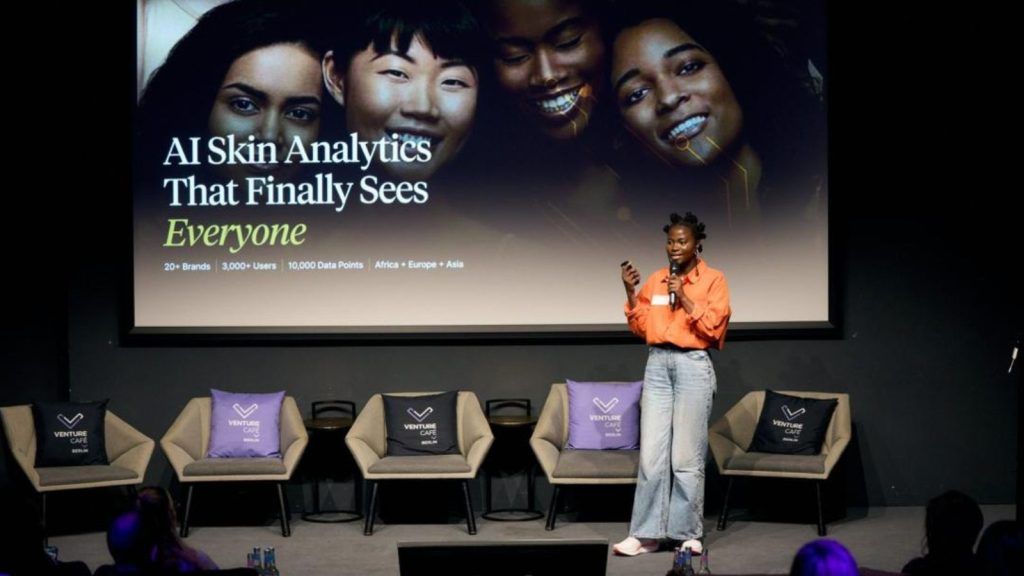
So, good things are happening that make me feel like I didn’t entirely mess up my life, but we still have a long way to go with fundraising.
The program brought you to Germany. But are you staying there permanently now?
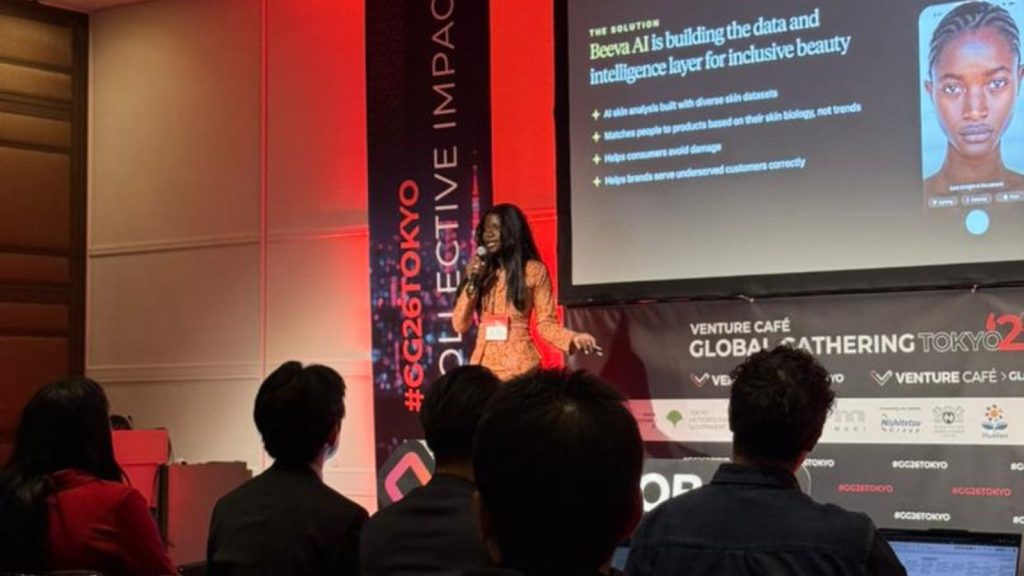
I am a legal resident of Germany as a self-employed person. I will be here for a while. I’m young and open to growth, even if that means moving elsewhere eventually, but for now, Berlin is home.
What has the experience in Germany been like?
I love it. I’ll speak about Berlin because that’s where I live, and I think every city in Germany is different. In my 25 years of life, Berlin is the first place I’ve ever felt at home.
It felt that way basically from the moment I arrived. On the day I arrived, a friend from university connected me with someone they knew in Germany. He came and picked me up from the airport at midnight. I stayed with him and his wife for a few days, and they made me feel so welcome. That first week, I followed him to his church, Hillsong Berlin. They have this sign that reads “Welcome Home”, and I felt like it was speaking to me. Two weeks later, I also joined a running club.
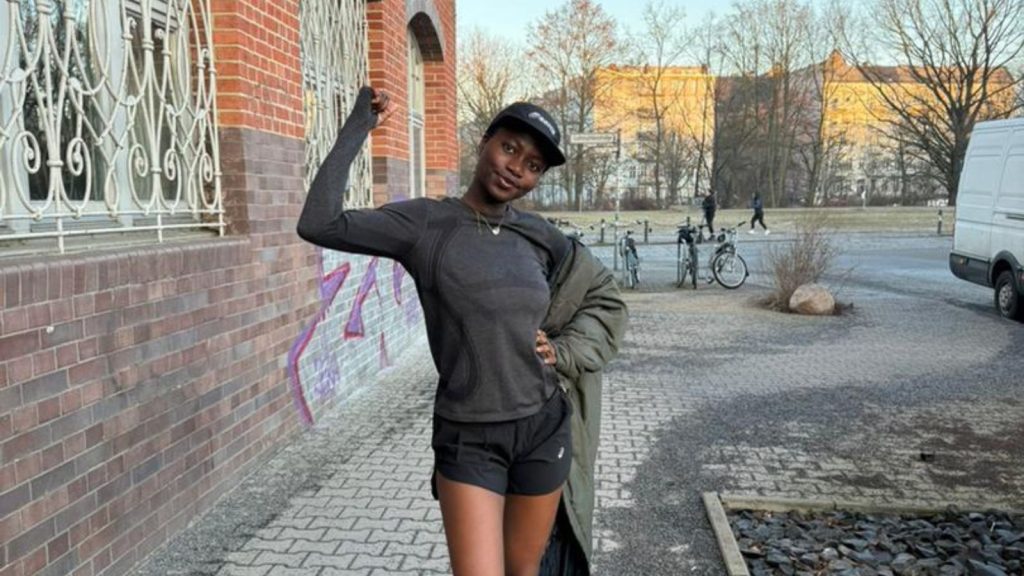
I’ve only been here 11 months, but it feels longer because of the communities I have joined. Berlin is often labelled as the “capital of loneliness,” but I never felt lonely because I found my tribe in the running community and at church. I didn’t experience the kind of stories we often hear about people who travel abroad and are lonely and don’t have friends.
I’m now a very active part of the Berlin running community; I’m a captain in my running club. I now sing at church. I’ve made friends in the Berlin tech ecosystem. I feel very supported and have great people around me.
Sounds like you’re having a great time in Berlin.
Yes. I’ve also realised that location is very important. My life has changed because I no longer worry about the basic things. I’m an ambassador for ASICS, the sportstyle brand. I would not have been eligible for that opportunity if I was resident in Nigeria. Being here has opened doors that were closed just because of where I lived.
Have you been back to Nigeria since you moved to Berlin?
No. It’s not that I don’t want to visit, but when you look at the ticket prices, it makes you think twice. I’m a startup founder, not a millionaire. I want to visit when I can maximise my stay.
How did your family feel about you moving to Germany?
I’m the black sheep of the family, the rebel. My dad really wanted me to be a chartered accountant, and I even started writing the Institute of Chartered Accountants of Nigeria (ICAN) exams. But after I got the first level certification, I decided I didn’t want to do it. So I just called him and said, “Daddy, I’m sorry, but I can’t do this.” I was already working at Flutterwave then and not taking money from home, so that gave me the confidence. I also didn’t carry my parents along when I moved to Ghana.
Those acts of rebellion prepared them for the move to Germany. I think now, they just see me as someone who likes to figure things out. I prefer to figure it out and then tell them; if it doesn’t work, they never have to know about the failures.
What were the biggest culture shocks for you in Germany?
There were a lot of shocks, actually. Let’s start with the food. German food is mostly based around bread, sausages and cheese. I don’t like to cook, but I’ve had to adjust and cook more than I did when I was in Accra or Lagos.
I think it’s common knowledge that Germans aren’t really communal people. But it was still a bit of a shock. Once, I saw a lady with a baby struggling to get up a staircase with the baby’s stroller. So, I went to help her, and she waved me off. I later learned that if someone hasn’t asked for help, offering it can be considered rude here.
I also used to hold the train doors open for people if I noticed they were running to catch it, expecting us to bond over the gesture, but they didn’t even care. They don’t appreciate things like that. Still, it’s about finding your own people. I know many Germans who are really cool.
I was also surprised by the amount of smoking. People smoke and vape everywhere, even middle school kids. It’s not seen as a big deal here. Also, the music. They do techno and house music with no lyrics, just beats.
I’ve also had to remove my “African time” mentality. If an event is at 4:00 p.m. and I show up at 4:20 p.m., they’d have already started. They are very on time. I’ve never been to any event here that didn’t start when they said it would. Actually, there was one, but it was organised by Nigerians.
The winter was also a shock. I arrived with just a hoodie, and even though it was still spring, I was shocked by the cold that hit me. I still get chills just thinking about it. Then winter came. People told me to get a proper jacket, but I had one I got in Paris that I thought was good enough. It wasn’t.
One day, I went for a run with thin gloves and almost lost my fingers. They were frozen, black, and swollen. It was so painful. It made me understand that you can never know more than the locals.
What has been your worst experience in Berlin?
I honestly can’t think of a really bad experience. The transport system was confusing at first. One day, I entered the wrong train four times. I was so frustrated. But I’ve learned how it works now.
What has been your best experience in Berlin?
I’ll say two. First, I ran my first half-marathon here. It was the beginning of winter, and it was freezing. I didn’t expect anyone to show up for me, but when I had one kilometre left, I saw people from my run club screaming my name. At the finish line, my friends from church were also waiting. It moved my heart so much.
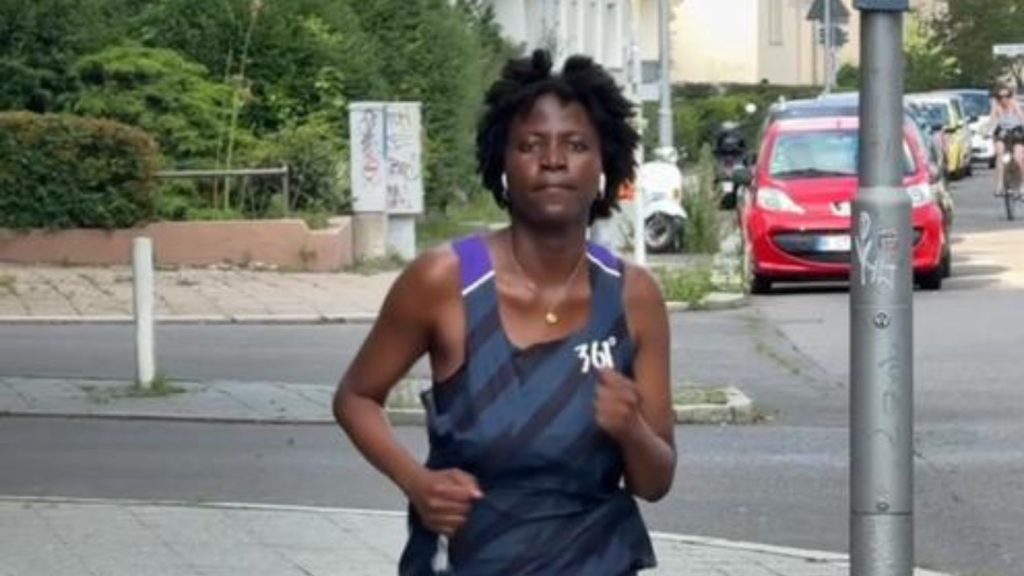
Second, I sing at Hillsong Berlin. Most people in my run club aren’t religious, but they saw a video of me singing on Instagram and asked when I was singing next. And they came to church to watch me sing. It made me so grateful. Also, winning pitches to represent Berlin in Tokyo and being interviewed on German radio for running have been major highlights.
What is your least favourite thing about Berlin?
The winter is very grey; there is no sun. You have to take Vitamin D supplements. You learn in school that the early morning sun gives vitamin D, but it feels only theoretical. In Nigeria, where the sun is always out, you take it for granted.
I didn’t take the supplements seriously at first, and after a few months, I was actually depressed. It was such an ugly feeling that I still cannot describe properly with words.
I went to a clinic, and they told me it was likely linked to Vitamin D deficiency. Once I started the supplements, I saw a massive difference in my mood. So yes, I don’t like that it’s always like it’s cold, dark, and grey here. That’s just not a good combination; it’s my least favourite thing about the city.
It really sounds grim. What is your favourite thing about Berlin?
It’s the people I’ve met. It’s not the usual narrative for Berlin, but I’ve met amazing people. I love the running culture. I think it’s really cool that people ride bicycles everywhere. I love how much people read on the trains. It’s not like Tokyo, where everyone is on their phone on the train. Seeing people read makes me feel like I’m living the “mountain life” even in the city, and I like that.
What do you do for fun?
I hang out with friends, but mostly I have fun being in my room by myself. I read books in the summer.
What are you hoping for in the near future?
My goal is to live fully. Right now, that means running, building a startup, and video editing. I’m training for my first full marathon and will be travelling as a sponsored athlete, which I still almost can’t believe.
I’m hoping my startup gets major funding this year. I also want to start a creative agency team in Berlin. I’m considering further education, too, but nothing is certain yet. I just want to be more involved in the Berlin tech and running communities.
On a scale of one to ten, how happy are you in Berlin?
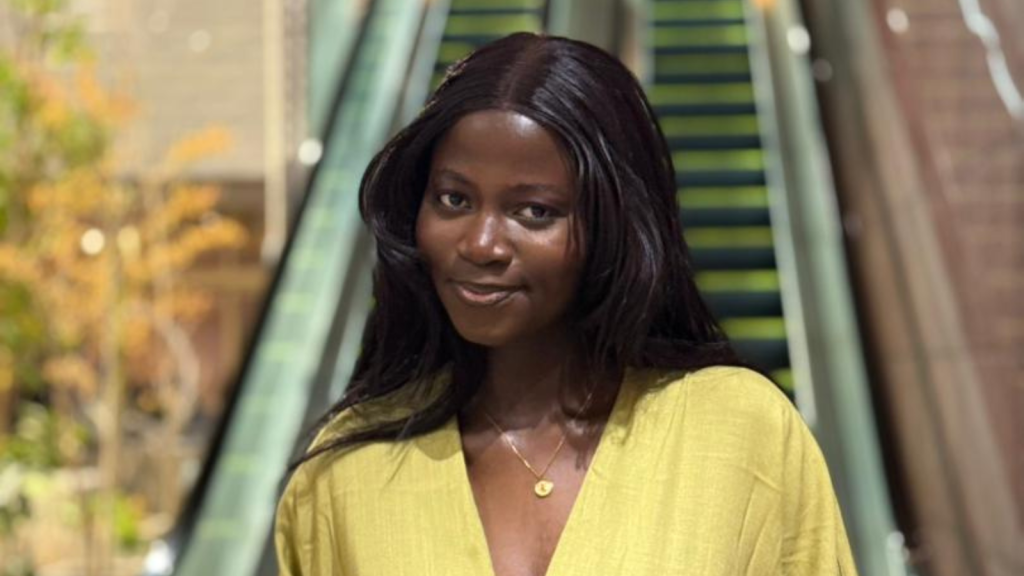
Nine point five. It’s not a ten because I’m currently trying to move apartments, and the Berlin housing market is not great. It’s expensive and hard to find a place, even if you have the money. Other than that, life is great.
Do you want to share your Abroad Life story? Please reach out to me here. For new episodes of Abroad Life, check in every Friday at 12 PM (WAT).
How are Nigerians navigating romance today?
Zikoko surveyed over 10,000 people across Nigeria to get their honest opinions about love, dating, marriage, intimacy and more. Read our State of Love report.
Click here to see what other people are saying about this article on Instagram