Nigeria carries the heaviest malaria burden of any country, accounting for 30.3 percent of global malaria deaths. That is one insect and one disease. Add the cockroaches behind the fridge, the flies moving between bin and table, and the ants in the sugar, and insect protection for homes in Nigeria stops looking like housekeeping. The diseases caused by household insects are ordinary here, and the households that stay ahead of them never stop.
The Household Insects in Nigeria You Live With
Four insects turn up in almost every home. The risks are not equal.
Mosquitoes
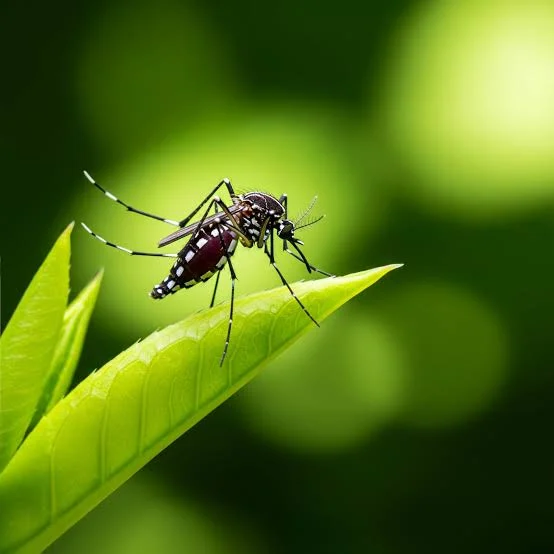
Alt text: “Common household insects in Nigerian homes”
Anopheles mosquitoes carry the malaria parasite and bite mainly between dusk and dawn, which is the fact everything else rests on, because the highest-risk hours are the ones you spend asleep.
So how do mosquitoes spread malaria? One bites someone infected and picks up the parasite, which develops inside it over several days and passes on at a later bite. The diseases caused by mosquitoes go beyond malaria, since Aedes species carry dengue and yellow fever, but malaria is the one Nigerian households meet most.
Cockroaches
Cockroaches move between drains, bins and food surfaces, the contamination problem everybody assumes. The part most households have never been told is the allergy one.
Their droppings, saliva and shed body parts contain proteins that go airborne in house dust, and these rank among the most common indoor allergens. Exposure is linked to asthma, and children in heavily infested homes are most affected. So a cockroach problem is not only what they walk across. It is what everyone is breathing.
House Flies
Asking “what diseases do house flies carry” is a fair question, and the answer is that they mostly transport rather than carry. A fly lands on waste, then on your food, moving organisms across on its feet and body.
Houseflies are documented mechanical vectors of Shigella and other organisms behind diarrhoeal disease, and fly-control trials that cut fly density saw diarrhoea cases and child deaths fall alongside. Covered bins and covered food do most of the work here, well before any spray does.
Ants
Ants are the least dangerous of the four, worth saying plainly rather than inflating the risk to make a point. They are a contamination and nuisance problem, following chemical trails to food, getting into sugar and bread and anything sweet left uncovered.
The health case against them is far weaker than the case against flies or cockroaches. The reason to deal with them is simpler. Food you throw away is money, and an ant trail in your kitchen does not speak so well about your hygiene..
Why the Dry Season Is Not a Break in Nigeria
Transmission peaks with the rains, roughly June to October, when standing water multiplies and mosquitoes breed faster and survive longer. Nobody argues with that.
What gets misread is what happens afterwards. Malaria transmission continues year-round across most of Nigeria, running all year in the south and shortening to around three months in the far north. The rains raise the stakes. They do not create them.
The other three are not seasonal at all. Cockroaches, flies and ants live indoors on what your household produces, and December makes no difference to them.
That is the case for year-round mosquito protection, and for treating the rest as continuous. Stopping in November gives populations room to rebuild.
What “Reliable” Actually Means
Reliable is not the same as strong.
Consistency beats intensity. Something used every night at moderate strength beats a heavy use once a month, because populations recover in the gap.
Cover the hours you cannot defend yourself. Dusk to dawn is when Anopheles feeds and you are asleep, so that window needs something running on its own.
Use layers that do not overlap, since a net protects whoever is under it, a plug-in mosquito repellent covers the room, and a spray handles what is inside.
Building Protection That Works
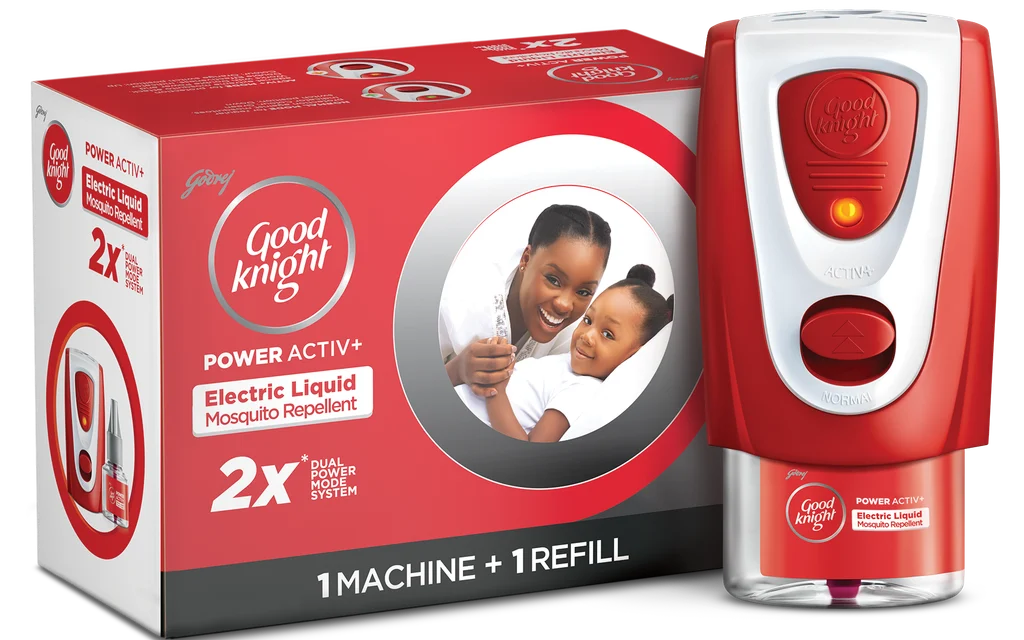
Alt text: “GoodKnight Power Activ+ plug-in mosquito repellent”
For most homes this runs three deep. A treated net over anyone sleeping is the baseline, with more evidence behind it than anything a household can buy.
GoodKnight Power Activ+ is the continuous overnight layer and the part people skip. The combi pack comes with the machine and a 45ml refill, and runs two settings, normal for quiet nights and Activ when the room is busy. Switch it on before bed to start your night with peacefully.
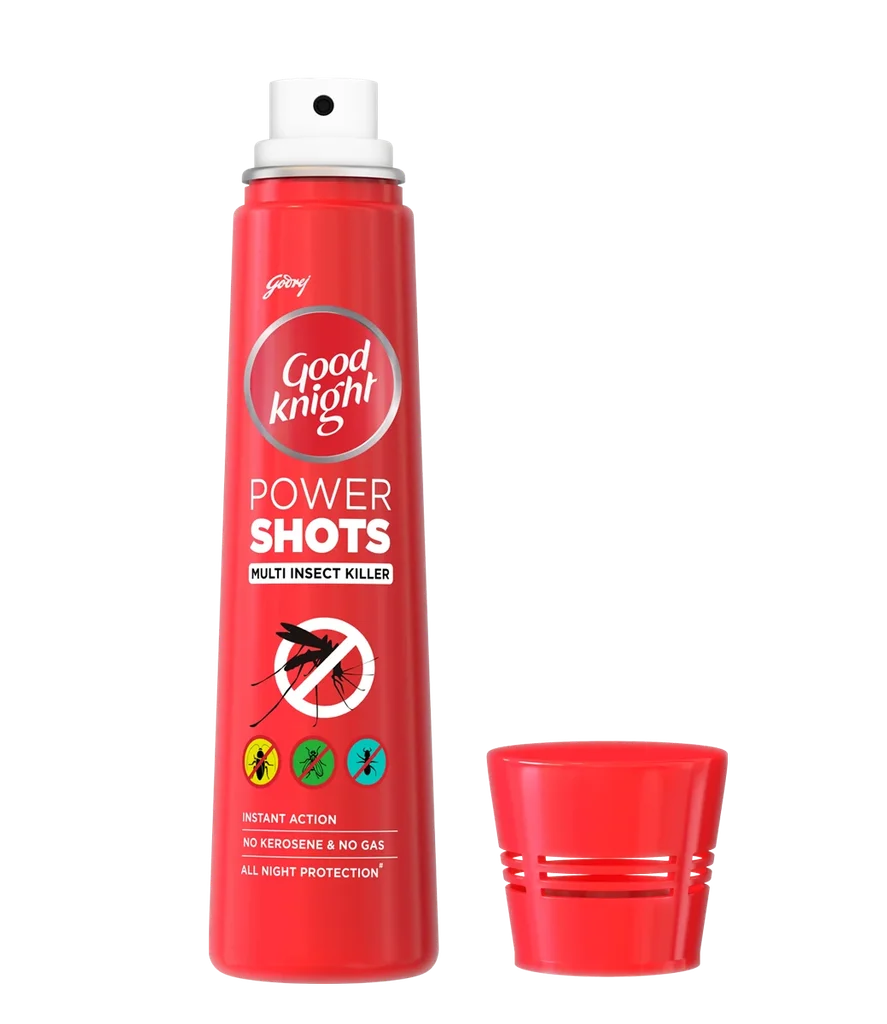
Alt text: “GoodKnight Power Shots multi insect spray”
GoodKnight Power Shots covers the rest. It acts on mosquitoes, cockroaches, ants and flies with up to eight hours of protection, handling the fly in the kitchen and the cockroach behind the fridge as well as the one you hear at 2am. Power Activ+ holds the night, Power Shots deals with what walks in, and both are in the GoodKnight range at The Diva Shop.
Underneath those, nets on windows and doors, bins with lids, weekly water clearing all matter too to protect your family.
Protecting Children and Older Family Members
Children under five and pregnant women carry the highest malaria risk, so their sleeping space is where protection should be strongest, while older relatives with asthma or a chest condition are the ones most affected by cockroach allergens.
Nets first, tucked under the mattress and checked nightly, since a child pressed against loose mesh can be bitten through it. For the room, a plug-in beats anything that burns, and GoodKnight states that Power Activ+ is safe around children and families.
If a child runs a fever, get a malaria test.
FAQs
What Diseases Do Household Insects Spread?
Mosquitoes transmit malaria, and Aedes species carry dengue and yellow fever. House flies move Shigella and other organisms behind diarrhoeal disease from waste onto food. Cockroaches contaminate surfaces, and their droppings are a documented asthma trigger. Ants are a contamination problem rather than a disease risk.
Do I Need Insecticide During the Dry Season?
Yes. Malaria transmission continues year-round across most of Nigeria, running all year in the south and shortening to around three months in the far north. Cockroaches, flies and ants are not seasonal at all. Stopping in the dry season lets populations rebuild before the rains return.
Are Cockroaches Dangerous to Health?
Yes, in two ways. They move between drains, bins and food surfaces, which is the contamination risk most people know about. Their droppings, saliva and shed body parts are among the most common indoor allergens and are linked to asthma, with children most affected.
Conclusion
Insects in a Nigerian home are not an event. They are a condition, and conditions get managed rather than solved. Pick two or three things covering different hours and rooms, run them without gaps, and the problem stops rebuilding every time you look away.