Your salary has entered, and you’ve already divided it between transport, food, data, and the bills waiting to humble you. Now, imagine adding another expense to the list because some of your favourite products have become more expensive. That’s why young Nigerians should pay attention to the conversation around Nigeria’s new tax stamp system.
In January 2026, the Nigeria Customs Service introduced new rules for tracking products like alcohol, tobacco, and sugary drinks using physical stamps and digital technology.
If you’re wondering what a stamp has to do with your life, stay with us.
So, What’s the Big Deal?
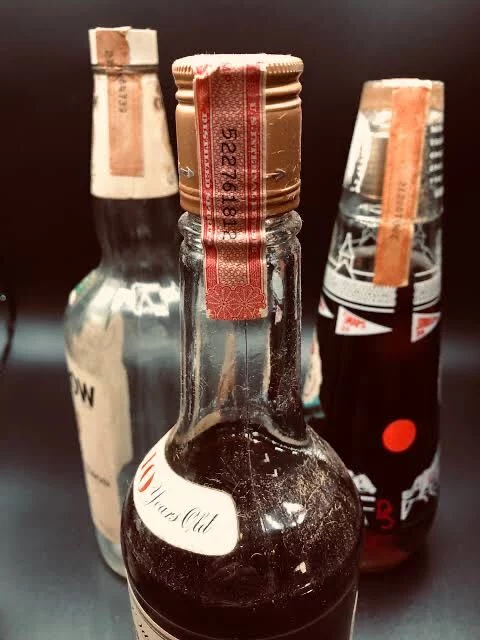
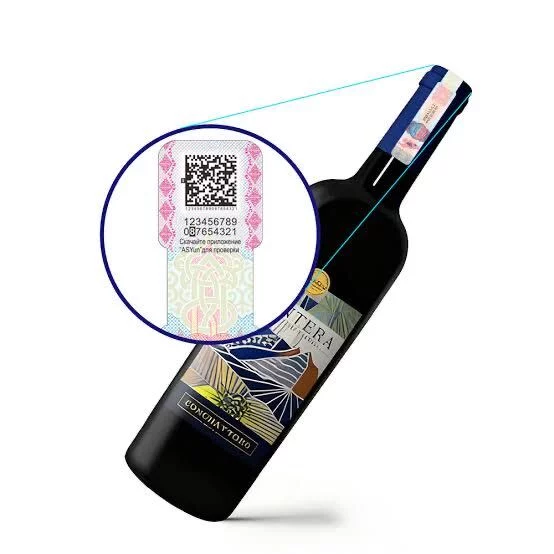
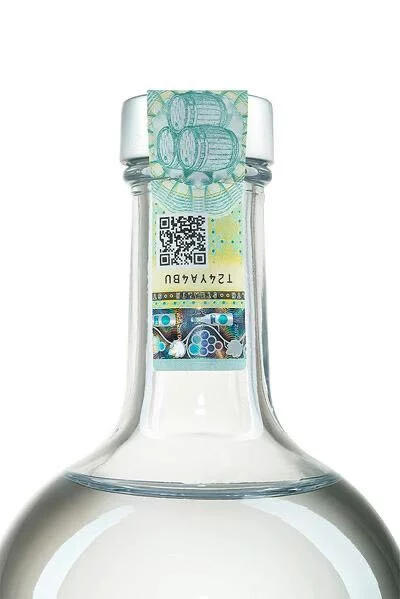
An excise stamp is basically an official mark that helps the government track certain products and check whether the right taxes have been paid. The idea is to make it harder for untaxed or illegal products to enter the market unnoticed.
Fair enough, right? But the way the government plans to make this happen has manufacturers asking questions.
Could This Affect Your Pocket?
Let’s be clear: the stamp itself won’t come with a separate charge when you buy your favourite drink. The concern is how much it will cost manufacturers to comply with the new rules.
Setting up the equipment and technology needed to stamp and track products could add to production costs. And when businesses have to spend extra money, there’s always the possibility that some of that cost will find its way to the customer.
In real life, that could mean paying a little extra for certain drinks and other affected products. Your usual weekend spending could start looking different, but only if manufacturers decide to increase their prices.
So, no, this doesn’t mean your favourite drink is automatically getting more expensive. It means there’s a possibility, depending on how much the system costs and how manufacturers respond.
Why Are Manufacturers Complaining?
Manufacturers aren’t saying the government should stop checking products or collecting taxes. Their concern is the cost of introducing another system, especially when digital tracking tools already exist. Government agencies already possess homegrown tracking tools like the Nigeria Customs Service’s B’Odogwu Automated Excise Register System and FIRS e-invoicing, making physical stamps unnecessary.
Their argument is simple: if some of the tools needed to track these products are already available, why introduce another layer that could make production more expensive?
The government, on the other hand, wants to improve tax compliance and make it easier to track products. Both sides have a point. The big question is whether the new system can do its job without creating extra costs that businesses might eventually pass on to consumers.
So, What Does This Mean for You?
You probably weren’t planning to spend your free time thinking about excise stamps. Fair enough; however, when a government policy could affect the cost of products you buy, it’s worth knowing what’s going on.
For now, there’s no guarantee that prices will go up. But if manufacturers spend more to comply with the new rules and decide to pass those costs on, consumers could feel the difference.
You might never think twice about an excise stamp while buying your favourite drink. But if the cost of introducing it pushes prices up, your wallet might notice before you do.