Women have often taken to the streets when their lives, rights and communities were under threat. Whether they demanded better working conditions or challenged colonial rule, these protests show what collective action can achieve. Some changed policies, others helped shift public opinion, and many laid the groundwork for movements that continued long after the demonstrations ended.
1. The Uprising of the 20,000, 1909 (USA)
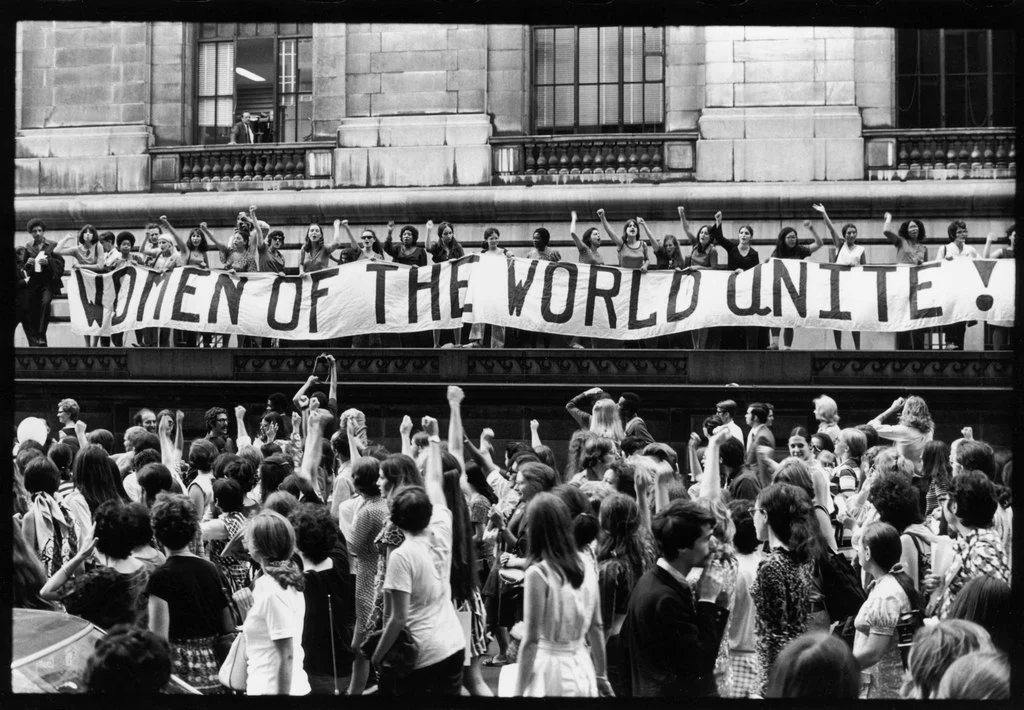
Frustrated by low wages, long working hours and unsafe factory conditions, 23-year-old garment worker Clara Lemlich called for a general strike at a labour meeting in New York. Her speech inspired more than 20,000 mostly immigrant women to walk out of garment factories and picket their employers, despite arrests and police violence. The strike secured improved wages and working conditions in several factories and became a defining moment in America’s labour movement.
2. The Chipko Movement, 1973–1980 (India)
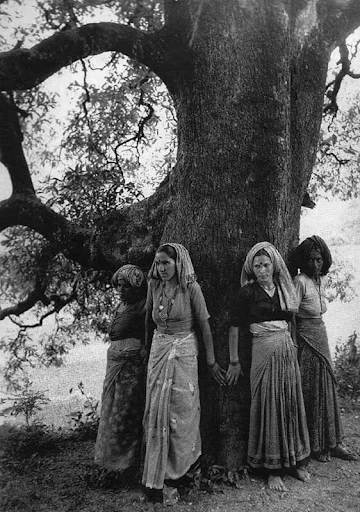
When commercial logging threatened their forests and livelihoods, women in India’s Himalayan villages began embracing trees to prevent them from being cut down. Activist Gaura Devi became one of the movement’s most recognised leaders when she mobilised women in Reni village in 1974 to confront logging contractors, and their resistance helped secure a 15-year ban on commercial tree felling in parts of the Himalayan region, inspiring environmental movements around the world.
3. The Escravos Takeover, 2002 (Nigeria)
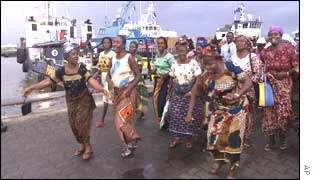
Completely livid over environmental destruction, unemployment and the neglect of their communities by oil companies, hundreds of Itsekiri women occupied ChevronTexaco’s Escravos oil terminal on July 8, 2002. For ten days, they blocked access to its docks, airstrip and helipad, initially preventing hundreds of workers from leaving while demanding local jobs, clean water, schools, and healthcare. Their occupation forced the company into negotiations and led to commitments to employment and community development, inspiring further women-led protests across the Niger Delta.
4. Black Monday / Czarny Protest, 2016 (Poland)
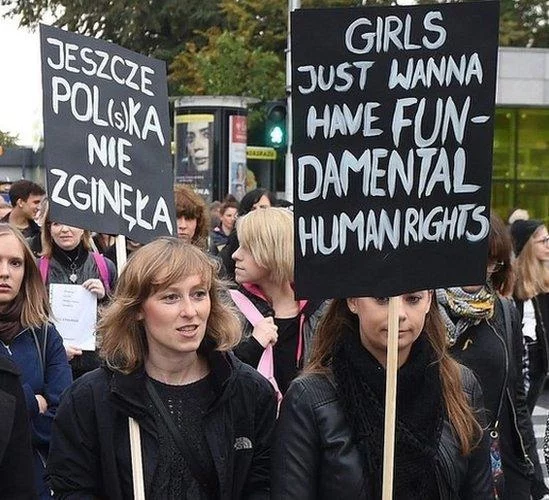
When Poland’s government considered a bill that would have introduced an almost total abortion ban, women organised nationwide demonstrations and refused to attend work or school. Inspired partly by Iceland’s 1975 women’s strike, thousands dressed in black and took to the streets to protest the potential loss of reproductive rights. The demonstrations generated significant public pressure, and parliament rejected the bill days later, marking a major victory for Poland’s reproductive rights movement.
5. Women’s March on Versailles, 1789 (France)
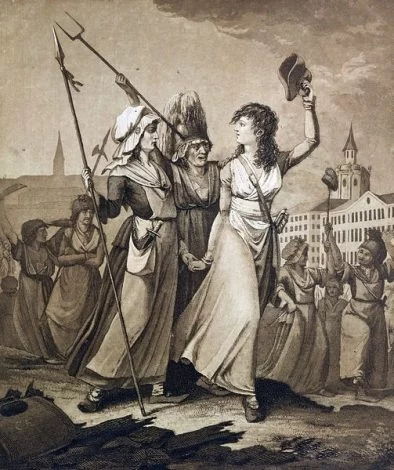
When bread prices began to soar and food shortages worsened in Paris, thousands of women, especially the market traders, marched to the Palace of Versailles demanding affordable bread and political action. They also confronted the royal family, forcing King Louis XVI and the royal household to return to Paris and live at the Tuileries Palace. The relocation brought the monarchy under close revolutionary scrutiny, weakened its independence and marked a major turning point in the French Revolution.
Next Read: Cynthiaisafxxkingbitch was Born Out of Failure
6. Woman Suffrage Procession, 1913 (USA)
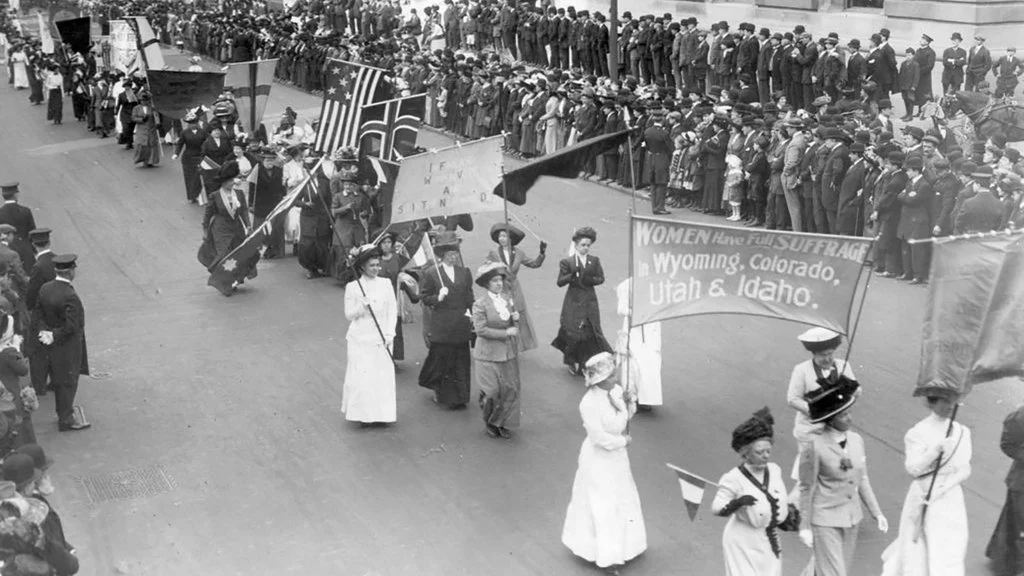
Organised by women’s rights activist Alice Paul and Lucy Burns, more than 5,000 women marched down Pennsylvania Avenue in Washington, D.C., demanding the right to vote. Held the day before President Woodrow Wilson’s inauguration, the marchers faced hostility and physical attacks from spectators. The demonstration attracted national attention to the suffrage movement, strengthened demands for voting rights and helped build momentum towards the ratification of the 19th Amendment in 1920.
7. The Aba Women’s War, 1929 (Nigeria)
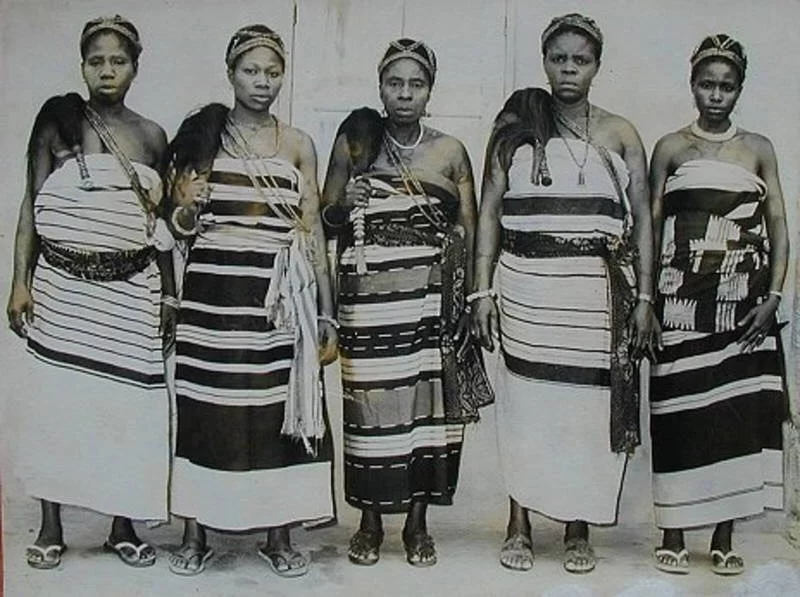
When rumours spread that colonial authorities intended to impose taxes on women, thousands of Igbo, Ibibio and other southeastern Nigerian women mobilised against British rule and the growing power of warrant chiefs. Known as Ogu Umunwanyi, the uprising involved mass demonstrations and traditional public shaming tactics. The protests led to the abandonment of plans to tax women, the removal of several warrant chiefs and a review of the colonial system of local administration.
8. Abeokuta Women’s Revolt, 1946–1949 (Nigeria)
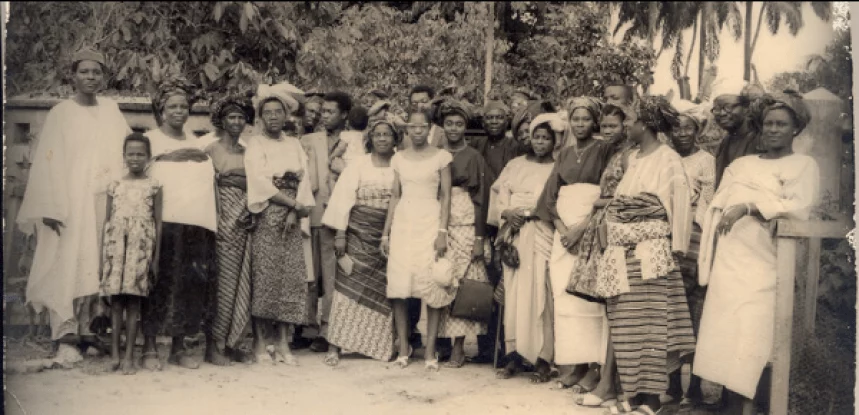
Led by Funmilayo Ransome-Kuti, the Abeokuta Women’s Union (AWU) rallied thousands of Egba women against unfair taxation and the authoritarian rule of the Alake (ruler), Oba Ademola II. Through demonstrations, resistance to tax and protests outside the palace, they demanded political representation and an end to discriminatory policies. Their campaign secured the abolition of women’s taxation, forced the Alake into temporary abdication and strengthened women’s participation in local government.
9. Women’s March on Pretoria, 1956 (South Africa)
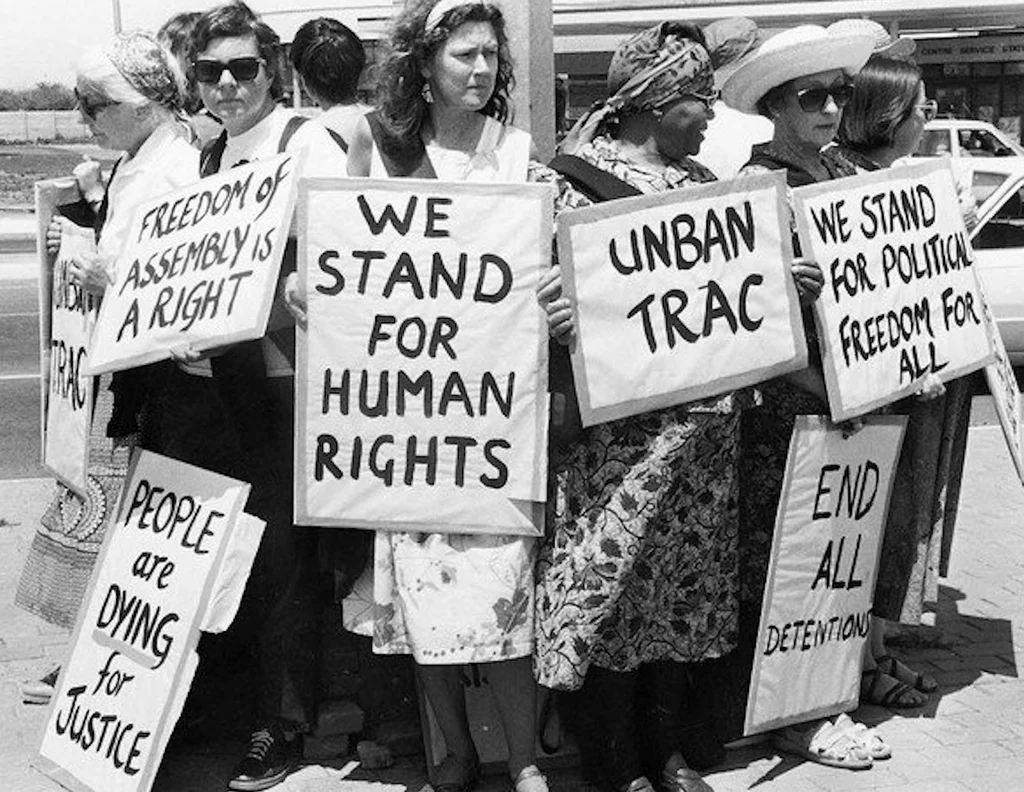
Approximately 20,000 women marched to Pretoria’s Union Buildings to protest apartheid pass laws. The demonstration was organised by the Federation of South African Women, with leaders including Lilian Ngoyi, Helen Joseph, Rahima Moosa, and Sophia Williams-De Bruyn. They delivered petitions containing 14,000 signatures against restrictions on Black women’s movement, and even though the laws remained in place, the demonstration became a defining moment in the anti-apartheid struggle, and August 9 is now celebrated as National Women’s Day in South Africa.
10. Women’s Day Off/ Kvennafrídagurinn, 1975 (Iceland)
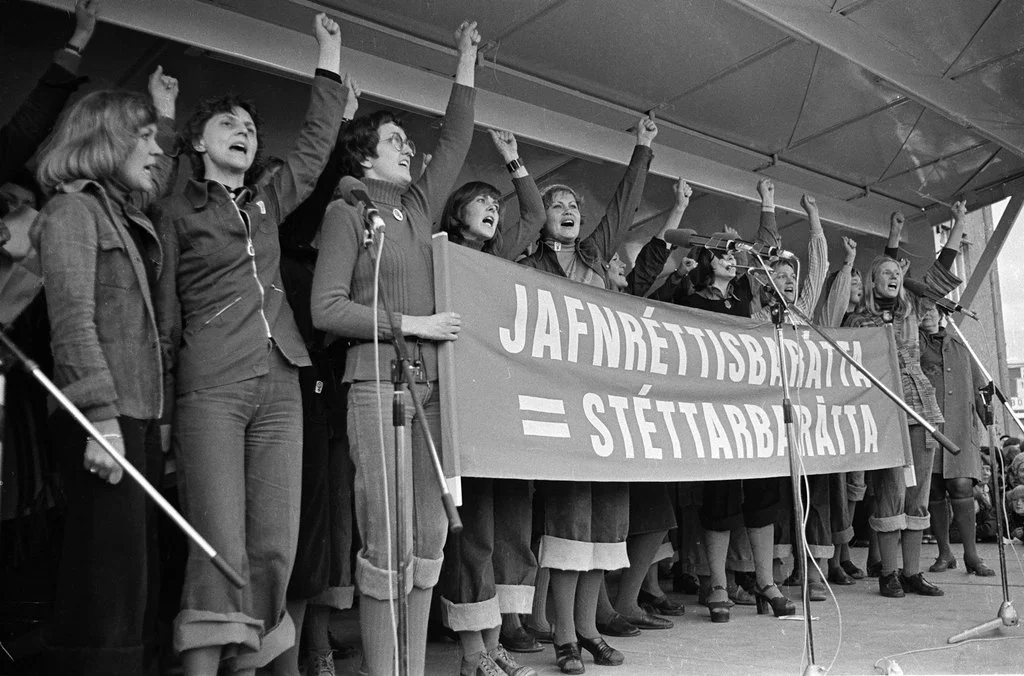
On October 24, 1975, roughly 90% of Icelandic women refused to work, cook, clean or perform childcare duties to demonstrate how much society depended on their labour. Organised by women’s rights groups, the strike brought the country to a standstill as businesses, schools and essential services struggled without their contributions. The demonstration strengthened the campaign for gender equality and helped build momentum for Iceland’s 1976 Gender Equality Act.
11. Mothers of the Plaza de Mayo, 1977–Present (Argentina)
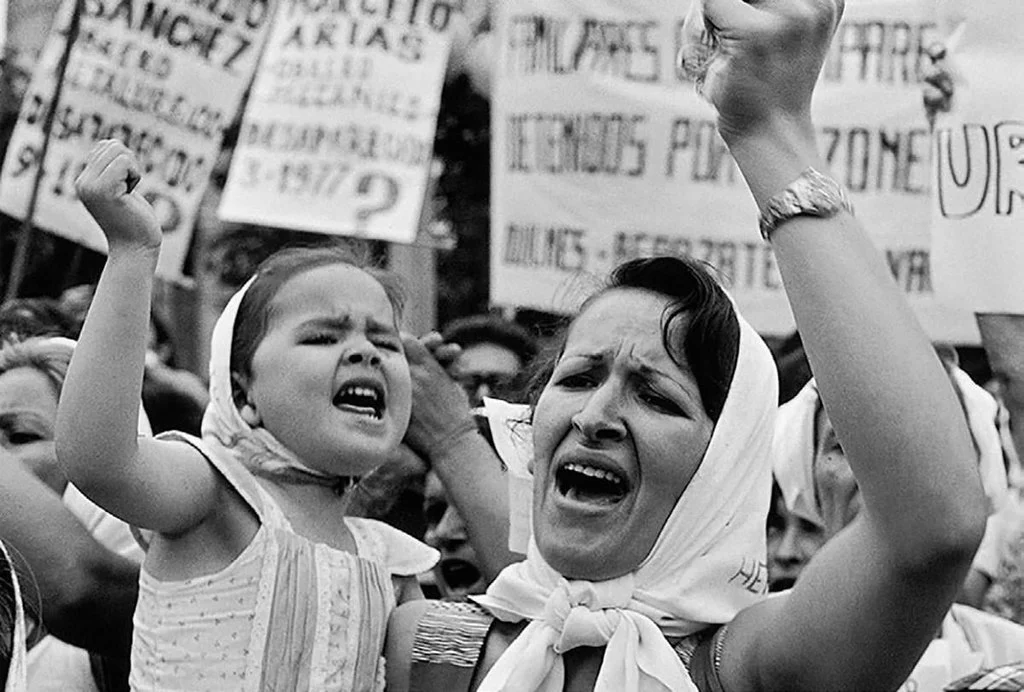
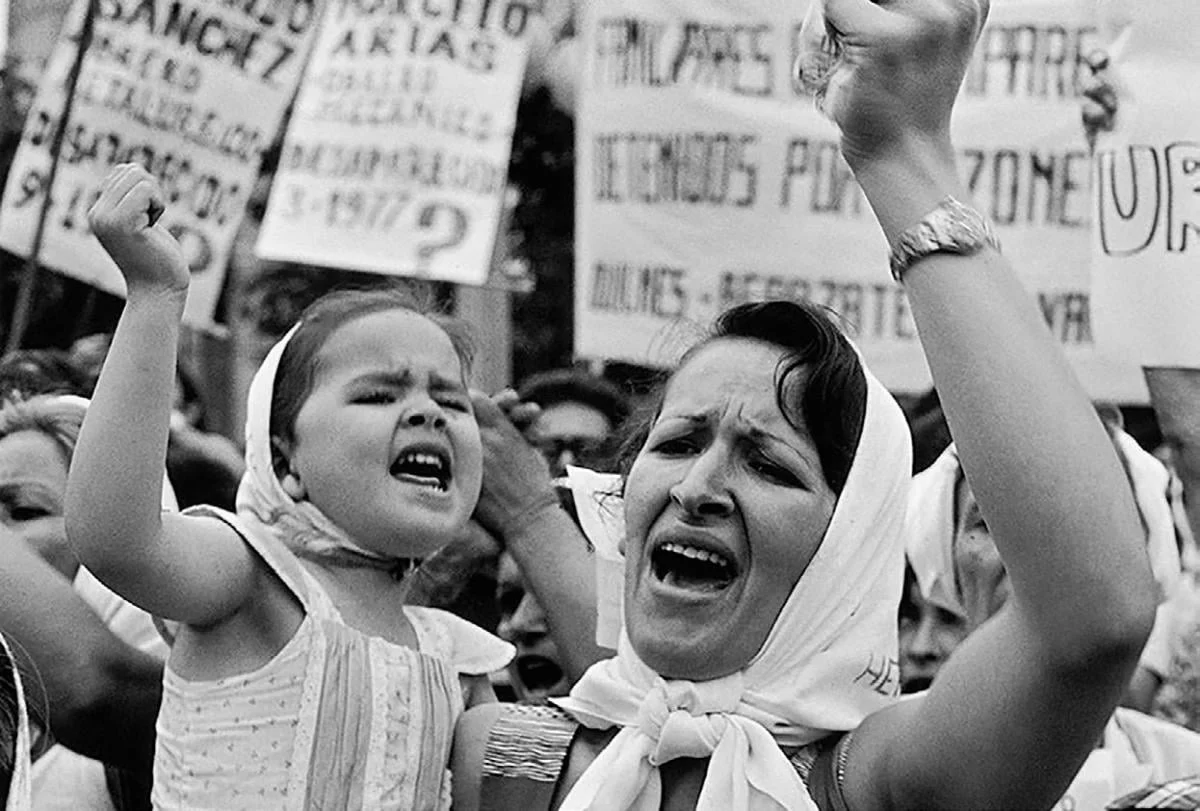
After Argentina’s military dictatorship began forcibly disappearing people, mothers whose children had been taken started gathering in Buenos Aires’ Plaza de Mayo. Led initially by women including Azucena Villaflor, they wore white headscarves and marched every Thursday, demanding answers about their missing children. Despite intimidation and the abduction of several founding members, they continued their demonstrations, drawing international attention to the dictatorship’s human rights abuses and becoming a lasting symbol of resistance and the fight for accountability.
12. Mass Action for Peace, 2003 (Liberia)
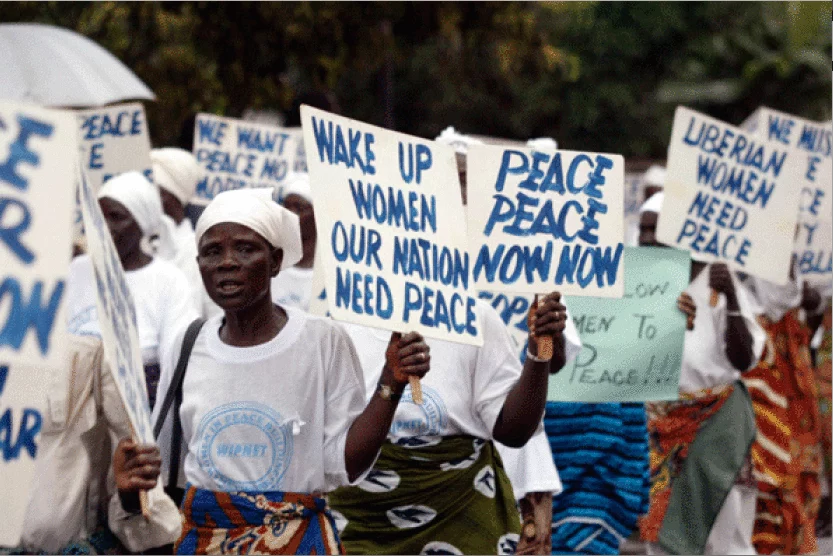
Led by Leymah Gbowee, Liberian women from Christian and Muslim communities united to demand an end to the country’s brutal civil war. They organised demonstrations, staged sit-ins, and eventually occupied a venue for peace negotiations in Ghana, refusing to let the warring parties leave until they reached an agreement. Their campaign helped pressure the parties into signing the 2003 peace agreement, contributing to the end of the war and Liberia’s transition towards peace.
13. Bring Back Our Girls, 2014 (Nigeria)
After Boko Haram abducted 276 schoolgirls from Chibok, Borno State, women’s rights advocate Oby Ezekwesili and activist Aisha Yesufu became prominent figures in the #BringBackOurGirls campaign. They helped organise daily demonstrations in Abuja, demanding urgent government action while mobilising international attention through social media. The movement kept the girls’ disappearance in the public consciousness, increased pressure on the Nigerian government and helped turn their abduction into a global human rights issue.
14. Woman, Life, Freedom Protests, 2022 (Iran)
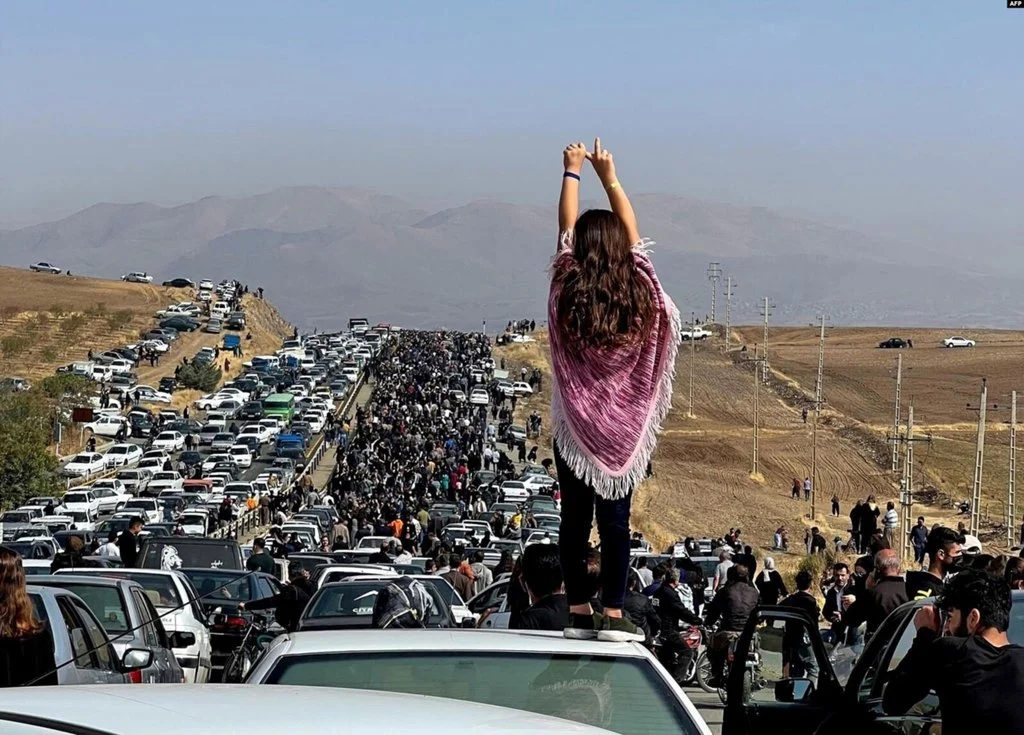
When 22-year-old Mahsa Amini died in police custody after her arrest over alleged hijab violations, Iranian women took to the streets demanding freedom and an end to compulsory veiling. Women and girls cut their hair, burned their headscarves and led demonstrations despite violent government crackdowns. Although the protests did not overthrow the government, they challenged the enforcement of compulsory hijab laws and inspired a lasting wave of resistance to restrictions on women’s freedoms.
You’ll Love: What She Said: My Ex Married a Man But Is Holding Our Business Hostage to Keep Me Close