Between trying to make money, building a career, maintaining relationships, and figuring out life, it’s easy to put your health on the back burner. If you’re not feeling sick, you might assume everything is fine.
But some health conditions can develop without obvious symptoms. High blood pressure, diabetes, sexually transmitted infections, and early changes that can lead to cervical cancer can go unnoticed without appropriate testing.
You don’t have to wait until something feels wrong before paying attention to your health. Here are 12 health tests to consider getting before you turn 40, why they matter, and when you might need them.
1. Blood Pressure Test
This measures the force of your blood against the walls of your arteries. It’s usually done with an inflatable cuff around your arm and takes only a few minutes.
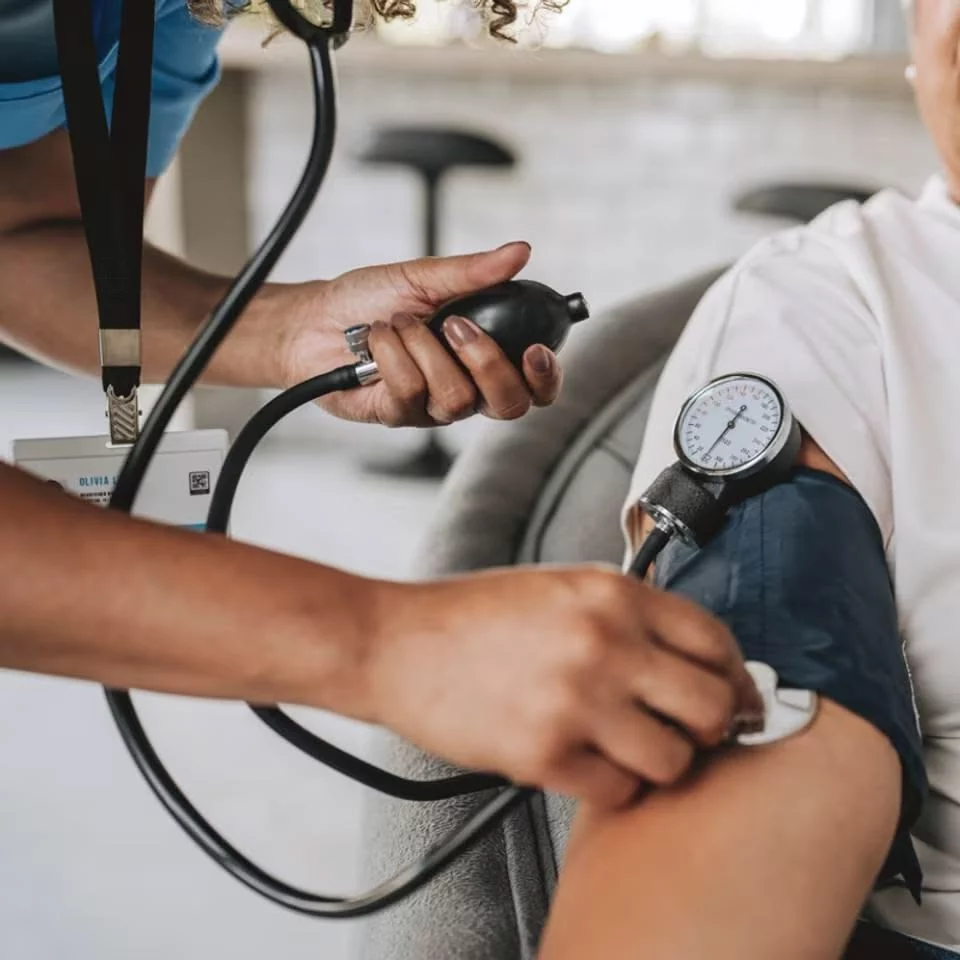
Why you need it: High blood pressure often has no symptoms, but it can increase your risk of heart disease, stroke, and kidney problems if left uncontrolled.
When to take it: Get your blood pressure checked regularly during routine healthcare visits. If your readings are high, your doctor may recommend repeat measurements or home monitoring.
Price Range: ₦0 – ₦5,000
2. Blood Sugar Test
A blood sugar test measures the amount of glucose in your blood. Depending on the test, you may need to fast beforehand. An HbA1c test can also estimate your average blood sugar over the previous few months.
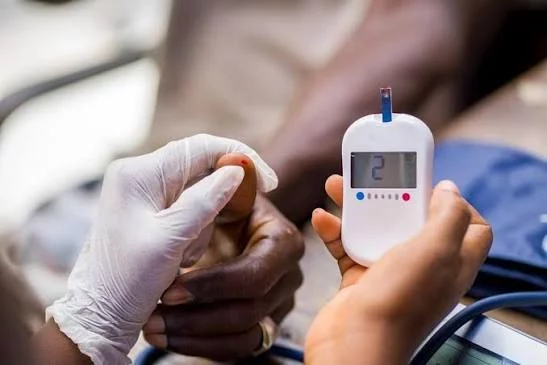
Why you need it: Diabetes can develop gradually without obvious symptoms. Testing can identify high blood sugar before complications develop.
When to take it: Ask about screening if you have a family history of diabetes, PCOS, previous gestational diabetes, or symptoms such as excessive thirst and frequent urination.
Price Range: ₦2,000 – ₦25,000
3. Cervical Cancer Screening
Cervical cancer screening checks for high-risk HPV or abnormal cells in the cervix that could eventually become cancer. Depending on what’s available, it may involve an HPV test, Pap smear, or another approved screening method.

Why you need it: Certain types of human papillomavirus (HPV) can cause changes in cervical cells that may eventually develop into cancer. Screening can detect these changes or high-risk HPV before cancer develops.
When to take it: WHO recommends routine screening from age 30 for the general population, with earlier screening for women living with HIV. Depending on availability and guidelines, screening may involve an HPV test, Pap smear, or visual inspection. HPV vaccination does not eliminate the need for recommended screening.
Price Range: ₦4,000 – ₦30,000+
4. Breast Examination
A breast examination involves checking the breasts and surrounding areas for unusual lumps, swelling or other changes. A healthcare professional can perform a clinical breast examination, and imaging, such as a mammogram or ultrasound, may be recommended based on your age and risk.
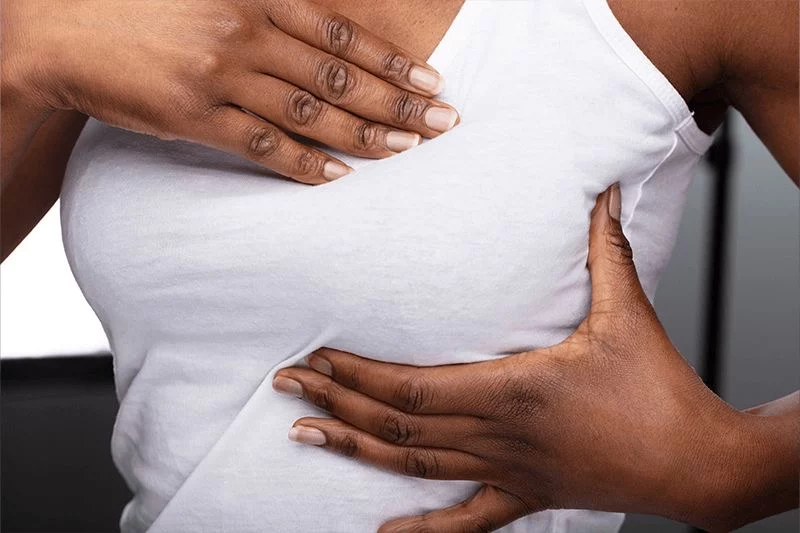
Why you need it: Breast cancer can occur in younger women, too. Knowing what is normal for your breasts can help you recognise changes that need medical attention.
When to take it: Discuss your breast health and personal risk with a healthcare professional, especially if you have a family history of breast or ovarian cancer. Routine mammograms are not necessary for every woman under 40, but women at increased risk may need earlier screening. Report new lumps, skin dimpling, or bloody nipple discharge promptly.
Price Range: ₦5,000 – ₦30,000
5. HIV Test
An HIV test checks your blood or another sample for evidence of HIV infection. Different tests detect the virus or your body’s response to it.
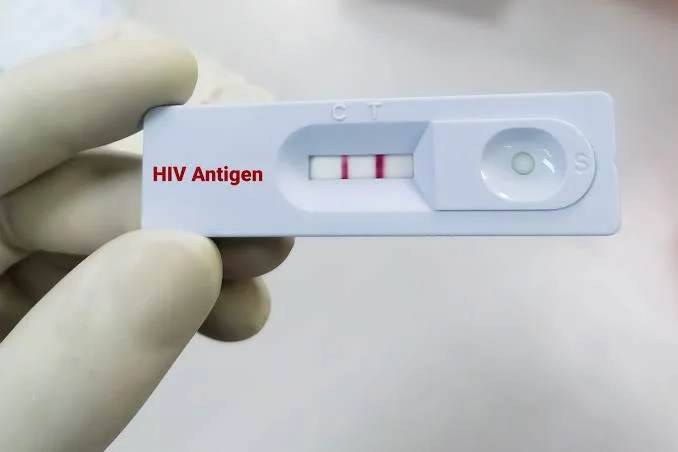
Why you need it: HIV can remain undetected for years. Knowing your status helps you access treatment early and protect your health.
When to take it: Consider testing if you have never tested before, after a possible exposure, or when you have ongoing exposure risks. If a possible exposure occurred within the last 72 hours, seek urgent medical attention to discuss post-exposure prophylaxis (PEP).
Price Range: ₦2,000 – ₦8,000
You’ll Also Like This: Why Do Hyper-Religious Women Have A Problem With Feminism?
6. STI Tests
STI screening checks for sexually transmitted infections such as chlamydia, gonorrhoea, syphilis and trichomoniasis. Depending on the infection, testing may require a blood, urine, or vaginal/cervical swab.
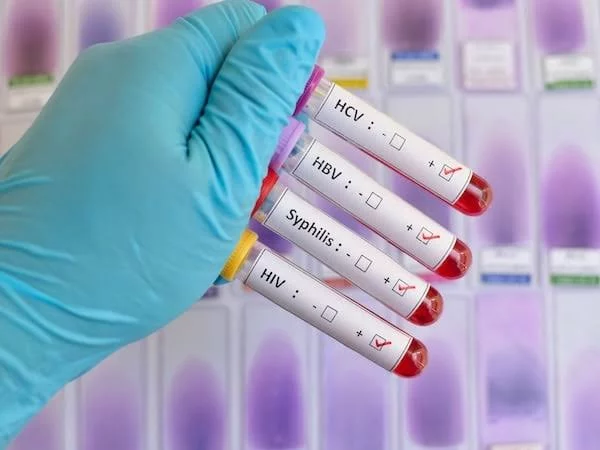
Why you need them: Infections such as chlamydia, gonorrhoea, and syphilis can occur without symptoms. Untreated infections can cause complications, including pelvic inflammatory disease and fertility problems.
When to take them: Consider testing after a possible exposure, when starting a new sexual relationship, if a partner tests positive, or if you develop unusual discharge, sores, or painful urination. The appropriate tests depend on your sexual history and possible exposure.
Price Range: ₦3,000 – ₦30,000+
7. Full Blood Count (FBC) and Iron Tests
A full blood count checks different components of your blood, including haemoglobin and red blood cells. Iron tests, such as ferritin, can assess your body’s iron stores.
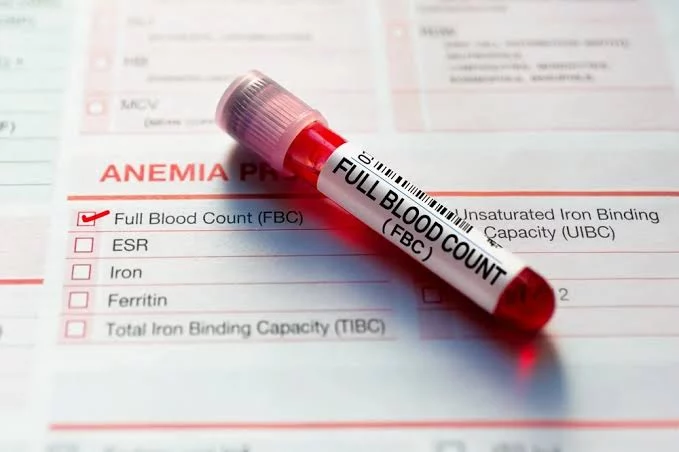
Why you need it: Anaemia can cause persistent tiredness, dizziness, weakness, and shortness of breath. Women with heavy menstrual periods may be particularly vulnerable to iron deficiency.
When to take it: Ask your doctor about an FBC if you experience persistent fatigue, heavy periods, or other symptoms suggestive of anaemia. Additional tests, such as ferritin levels, may be needed to assess your iron stores.
Price Range: ₦4,000 – ₦20,000
8. Cholesterol Test
A lipid profile is a blood test that measures different types of cholesterol and fats in your blood.
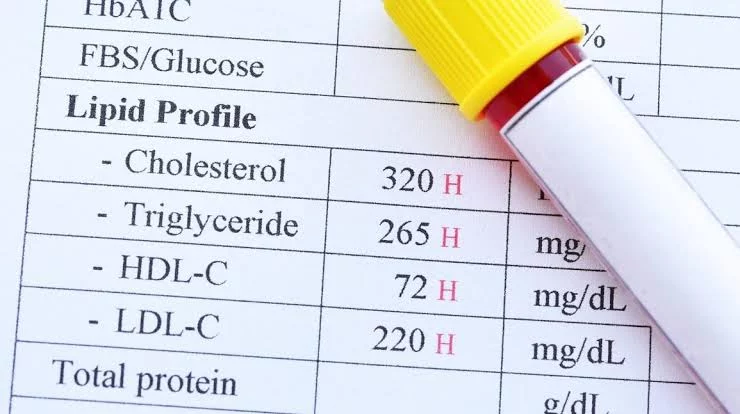
Why you need it: High cholesterol usually has no symptoms but can increase your risk of heart disease and stroke over time.
When to take it: Discuss a lipid profile with your doctor, particularly if you have a family history of high cholesterol or early heart disease, diabetes, or high blood pressure. How often you need testing depends on your risk factors and previous results.
Price Range: ₦8,000 – ₦25,000
9. Hepatitis B Test
This is a blood test that checks whether you currently or previously have hepatitis B and whether you have immunity.
Why you need it: Hepatitis B affects the liver and can cause chronic infection, liver damage, and liver cancer. Some people have no symptoms for years.
When to take it: Ask about testing if you have never been screened, have a possible exposure, or are pregnant. If you are not vaccinated, ask about hepatitis B vaccination, too. Testing identifies your status, while vaccination helps prevent infection.
Price Range: ₦3,000 – ₦12,000
10. Thyroid Function Test
Usually starting with a TSH blood test, thyroid testing checks whether your thyroid gland is producing the right amount of hormones.
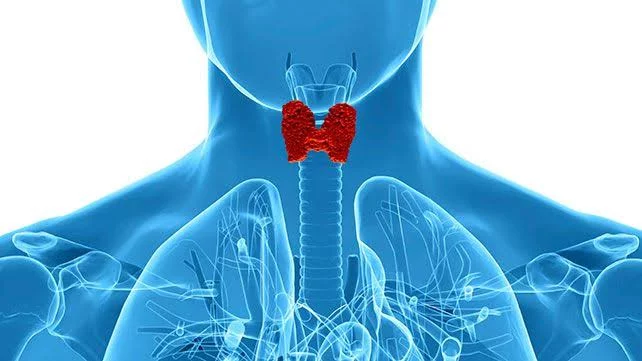
Why you need it: Thyroid problems can affect your energy levels, metabolism, menstrual cycle, and fertility. Symptoms such as unexplained weight changes, persistent fatigue, and unusual sensitivity to heat or cold may warrant investigation.
When to take it: Ask your doctor about a thyroid-stimulating hormone (TSH) test if you have suggestive symptoms, a thyroid condition in your family, or certain fertility or pregnancy-related concerns. Routine testing is not necessary for every healthy woman.
Price Range: ₦20,000 – ₦50,000
11. Pregnancy and Fertility-Related Tests
This isn’t one single test. Depending on your situation, fertility assessment can involve tests such as an ultrasound, hormone tests, ovarian reserve testing or semen analysis for a male partner.
Why you need them: There is a lot of misinformation about fertility, particularly about age. If you’re trying to get pregnant and haven’t conceived, testing can help identify possible reasons.
When should you take them: You don’t need a fertility test simply because you’re approaching 30 or 40. If you’re under 35 and have been trying to conceive for 12 months without success, or 35 or older and have been trying for six months, speak with a healthcare professional. Seek advice sooner if you have irregular periods, known reproductive conditions or other concerns.
Price Range: ₦8,000 – ₦65,000+
12. Pelvic Ultrasound
A pelvic ultrasound uses sound waves to create images of your reproductive organs, including your uterus and ovaries. Depending on the situation, it may be done through the abdomen or with a transvaginal probe.
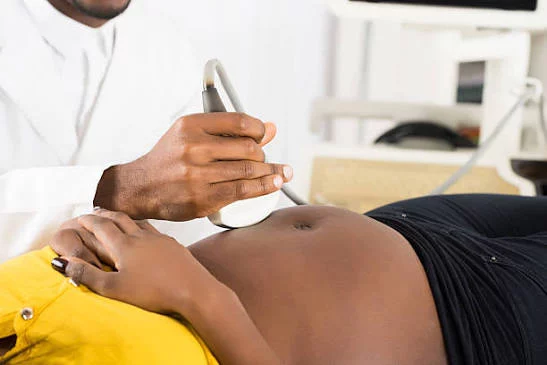
Why you need it: It can help investigate problems such as fibroids, ovarian cysts, abnormal bleeding, pelvic pain or certain fertility concerns.
When should you take it?
This isn’t a routine test every woman needs. Your doctor may recommend one if you have persistent pelvic pain, unusually heavy or irregular bleeding, infertility concerns, or symptoms that suggest fibroids, cysts or another reproductive health issue.
Price Range: ₦8,000 – ₦25,000
Next Read: What Type Of Feminist Are You?
Before You Spend Money on These Tests
You don’t necessarily need all the tests at once, and most are not tests you need to repeat every year.
Start with a general health check, discuss your medical and family history, and ask which screenings are appropriate for your age and risk factors. If you have symptoms, don’t wait until a routine screening is due before seeking medical attention.
Also, remember that an abnormal screening result does not automatically mean you have a serious illness. It may simply mean you need another test or further assessment.
The goal isn’t to become anxious about every possible health problem. It’s to catch what you can early, protect your future health, and stop treating hospital visits as something you only do when you’re already sick.
Disclaimer: This article is for general information and is not a substitute for medical advice. Screening recommendations vary, so consult a qualified healthcare professional about the tests you need.