How much does it cost to get your hair done in Nigeria? That depends on who you ask. The knotless braids that go for one price in Ibadan can somehow double once you cross into Lagos, and Abuja hairstylists are charging like the rent is due, because it is.
So we asked hairstylists across four Nigerian cities, Morenikeji of Olowora Salon in Lagos, Tega of Tega Gold Hairs in Abuja, Bevvy of Beefabs Beauty Palace in Port Harcourt and Sewa of Asewa Beauty Clinic in Ibadan, what it actually costs to do your hair in 2026, from braids and wigs to silk presses and installs. Consider this the price list your group chat has been trying to put together for years. Verified by Selasi for Green Parlour Salon, Surulere.
Note: All prices are in naira and exclude attachment prices.
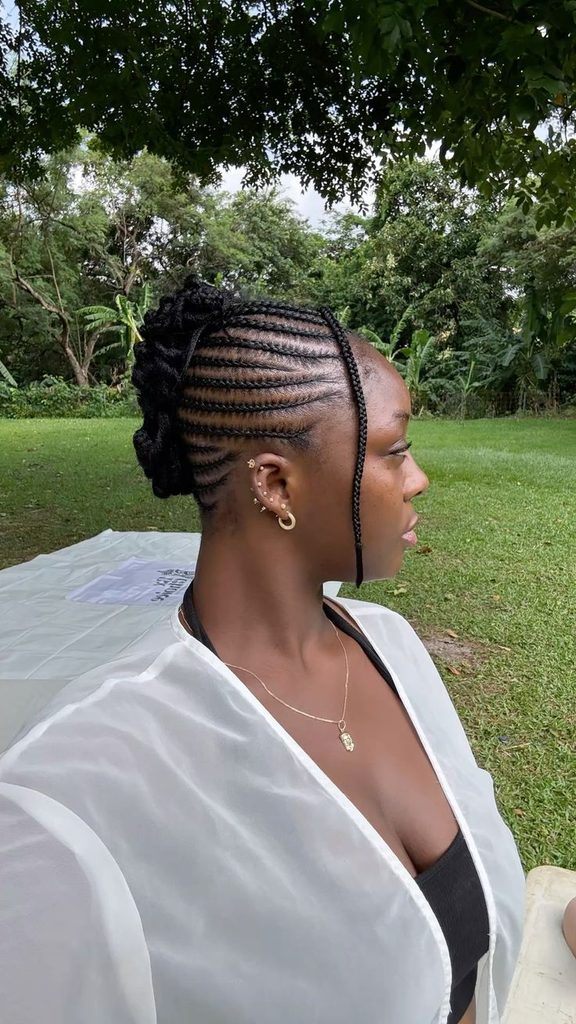
1. Patewo
Patewo is named after the Yoruba word for “clap.” It is made by weaving cornrows from the left and right sides of the head to meet symmetrically in the centre, mimicking the motion of two hands clapping together.
Lifespan: 2 to 4 weeks, depending on your hair texture, whether you used extensions, and how well you protect it at night.
How to Maintain: At night, wear a silk or satin bonnet/scarf or use a satin pillowcase. Lightly oil your scalp and hydrate your braids every day. You can apply styling mousse, but avoid heavy products.
How Much Does it Cost?
Ibadan:
N 3,000
Abuja:
N 10,000
Lagos:
N 8,000
Port Harcourt:
N 3,000
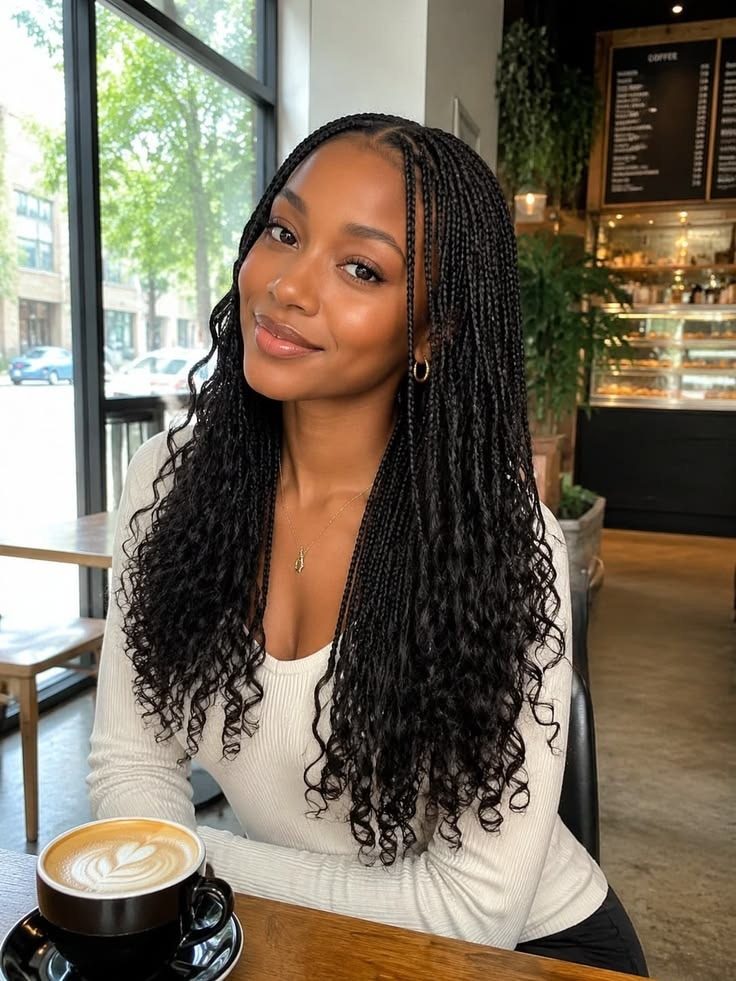
2. Knotless braids with wavy ends:
Knotless braids start with your own hair and feed extensions in gradually, so there’s no tight knot pulling at your roots. The ends are left unbraided and waved, which gives the style its soft finish
Lifespan: 4 to 6 weeks. The waves usually drop before the braids give out, so the ends set the real timeline.
How to Maintain: Wrap with a silk or satin scarf at night. Lightly oil your scalp every few days and use mousse on the braids to keep flyaways down. Finger-detangle the wavy ends gently; no combs.
How Much Does it Cost?
Ibadan:
N 12,000
Abuja:
N 25,000
Lagos:
N 45,000
Port Harcourt:
N 20,000
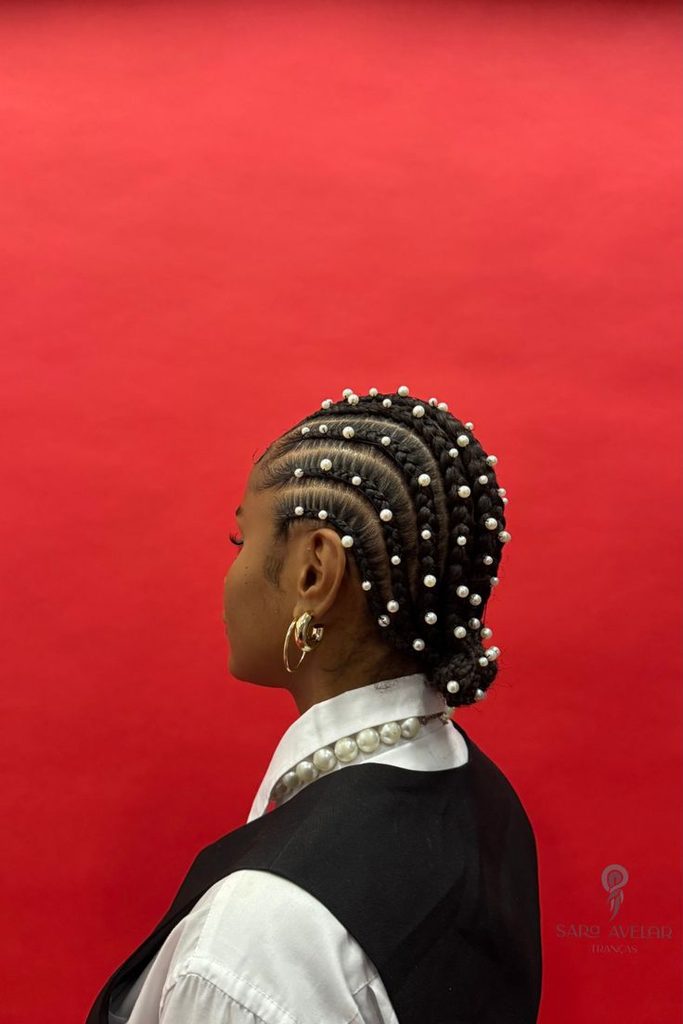
3. Pearl Cornrows
Cornrows braided flat to the scalp with pearl beads threaded onto the ends or along the parts. Same base as regular cornrows, dressed up.
Lifespan: 1 to 2 weeks. The braids can hold longer, but the pearls and threading start to loosen and slide.
How to Maintain: Sleep in a satin bonnet so the pearls don’t snag. Keep the product light around the beads, and cleanse your scalp with a damp cloth or diluted shampoo using an applicator bottle.
How Much Does it Cost?
Ibadan:
15,000
Abuja:
15,000
Lagos:
20,000
Port Harcourt:
10,000
You’ll Like: 25 Gorgeous Cornrow Hairstyles That Are Chic and Low-Maintenance
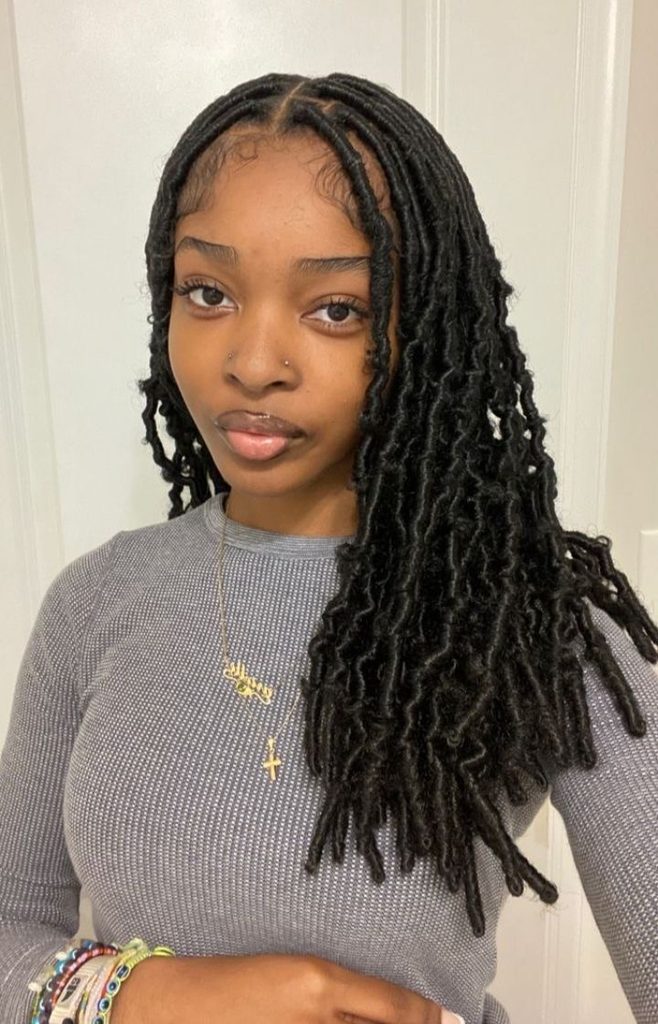
4. Faux Locs
Hair is braided or twisted, then wrapped with extension hair to form locs. You get the loc look without locking your real hair.
Lifespan: 4 to 8 weeks, depending on how fast your roots grow out and how neat you want them to stay.
How to Maintain: Oil your scalp weekly and wrap your hair at night. Don’t restyle them too often; constant pulling loosens the wrap at the roots.
How Much Does it Cost?
Ibadan:
10,000
Abuja:
25,000
Lagos:
30,000
Port Harcourt:
10,000
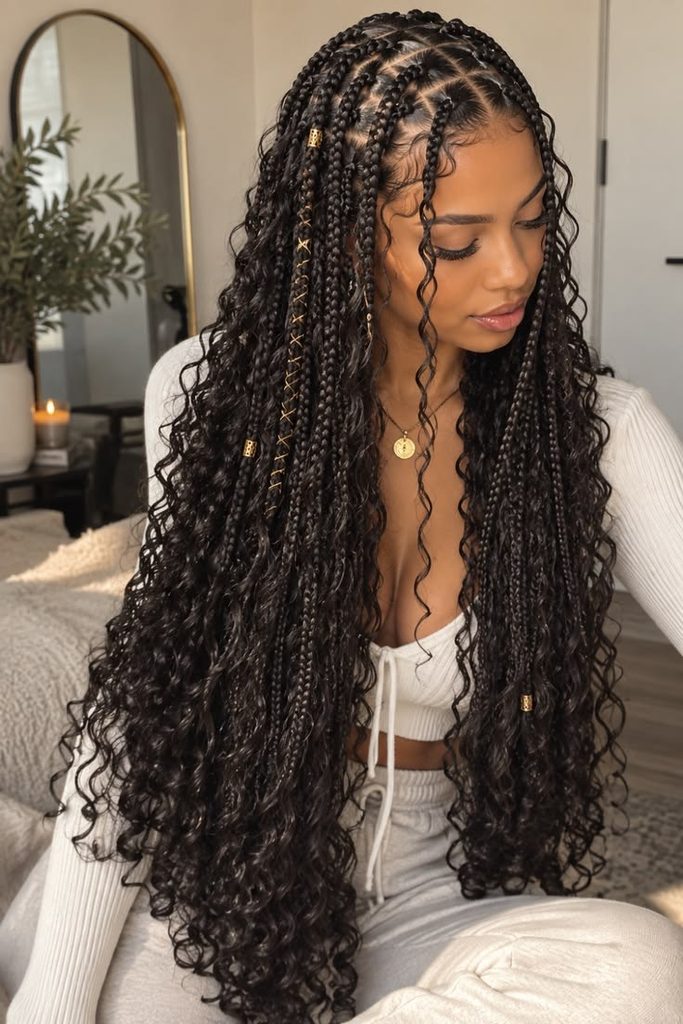
5. Goddess Braids
Chunky cornrows braided close to the scalp, usually with curly strands left out along the braids or at the ends for a softer look.
Lifespan: 2 to 4 weeks. The loose curls frizz first, so the style looks freshest in the first two.
How to Maintain: Satin bonnet at night. Refresh the curls with a little water and leave-in conditioner on your palms, and keep your scalp oiled.
How Much Does it Cost?
Ibadan:
26,000
Abuja:
25,000
Lagos:
35,000
Port Harcourt:
18,000
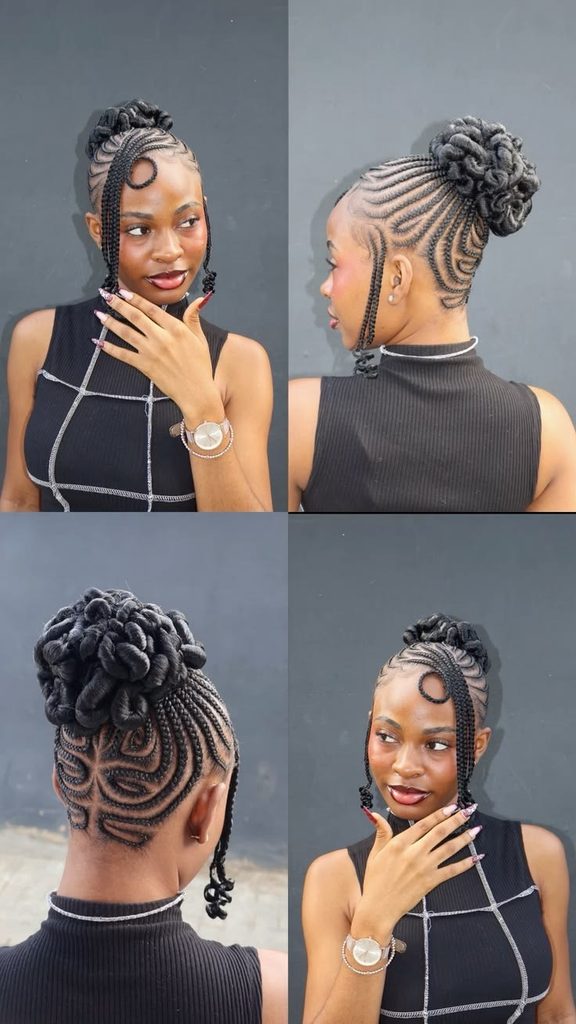
6. Shuku (suku)
Cornrows braided upward from the hairline to meet in a raised crown at the centre of the head. A classic Yoruba style, worn on its own or as a base under wigs.
Lifespan: 1 to 2 weeks on natural hair, up to 3 with extensions.
How to Maintain: Wrap at night and lightly oil your scalp. Don’t pull the crown into tight ponytails, or it will loosen early.
How Much Does it Cost?
Ibadan:
8,000
Abuja:
25,000
Lagos:
25,000
Port Harcourt:
10,000
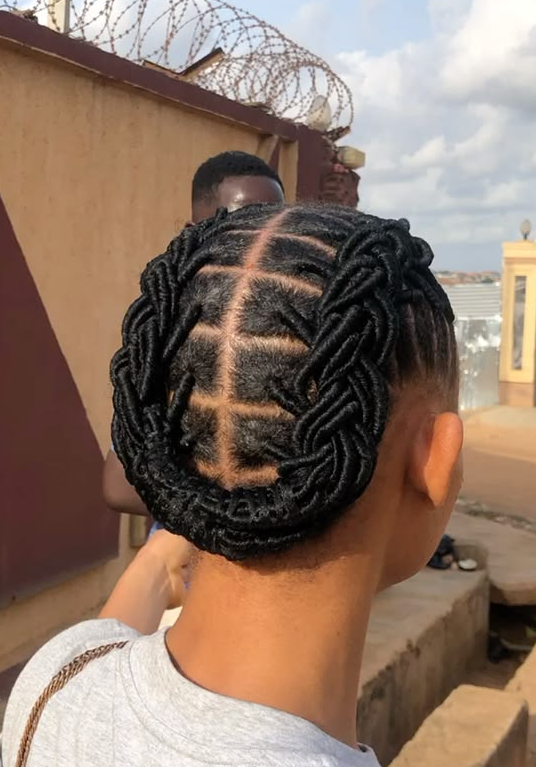
7. Irun Kiko
Irun kiko is Yoruba for “knotted hair.” Sections of hair are wrapped tightly with thread from root to tip, forming firm, sculpted strands. You might also hear it called African threading.
Lifespan: 2 to 4 weeks. The thread holds well, but new growth and fuzz at the roots show after the second week.
How to Maintain: Keep the thread as dry as possible and oil your scalp between sections. Sleep with a satin scarf so the strands don’t bend out of shape.
How Much Does it Cost?
Ibadan:
5,000
Abuja:
10,000
Lagos:
10,000
Port Harcourt:
2,000
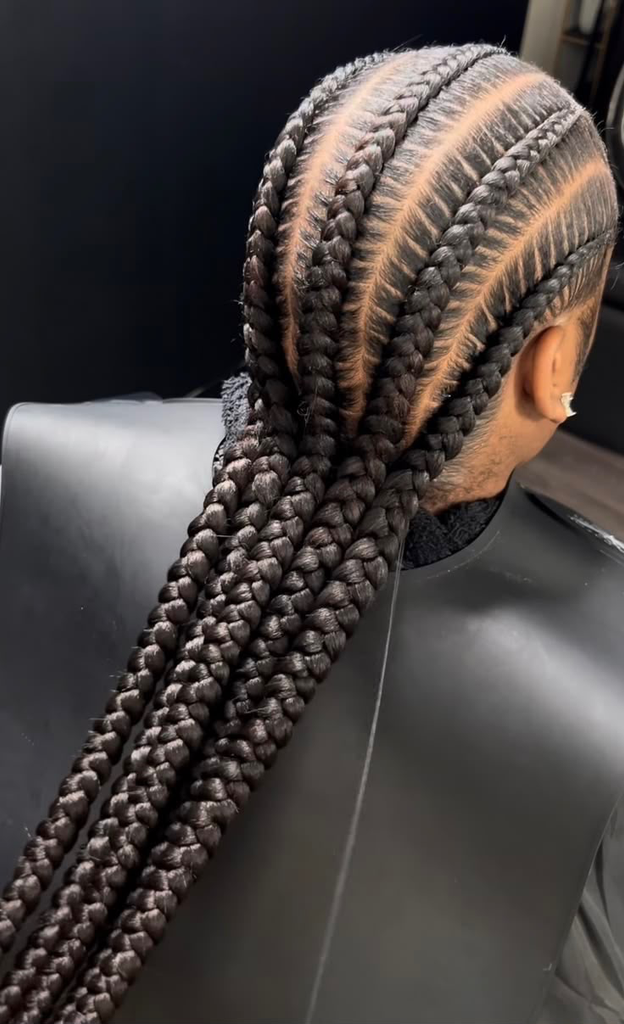
8. All Back (Cornrows)
Straight-back cornrows braided flat from the hairline to the nape. The simplest protective style on this list and the base for many of the others.
Lifespan: 1 to 2 weeks on natural hair, 2 to 3 with extensions.
How to Maintain: Satin scarf or bonnet at night, light scalp oil every few days, and edge control only when needed. Daily edge gel builds up fast.
How Much Does it Cost?
Ibadan:
8,000
Abuja:
20,000
Lagos:
15,000
Port Harcourt:
8,000
9. Koroba
Koroba means “basket” in Yoruba. The braids are woven from the sides of the head into a rounded crown at the centre, so the finished style sits like an upside-down basket.
Lifespan: 2 to 4 weeks, depending on hair texture and how well you protect it at night.
How to Maintain: Satin bonnet or pillowcase, light scalp oil, and hands off. Constant touching roughs up the crown fast.
How Much Does it Cost?
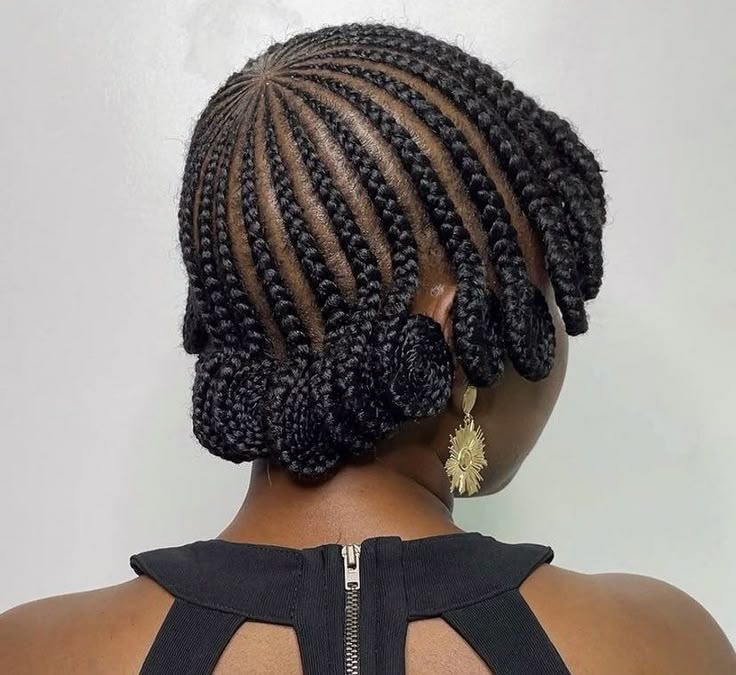
Ibadan:
10,000
Abuja:
18,000
Lagos:
20,000
Port Harcourt:
10,000
10. Dolly Braids
Box braids finished with curled ends, usually set on rollers or rods for that bouncy 90s finish.
Lifespan: 4 to 6 weeks. The curls loosen over time, but you can reset the ends with hot water and rods.
How to Maintain: Wrap at night and oil your scalp weekly. To revive the curls, dip the ends in hot (not boiling) water.
How Much Does it Cost?
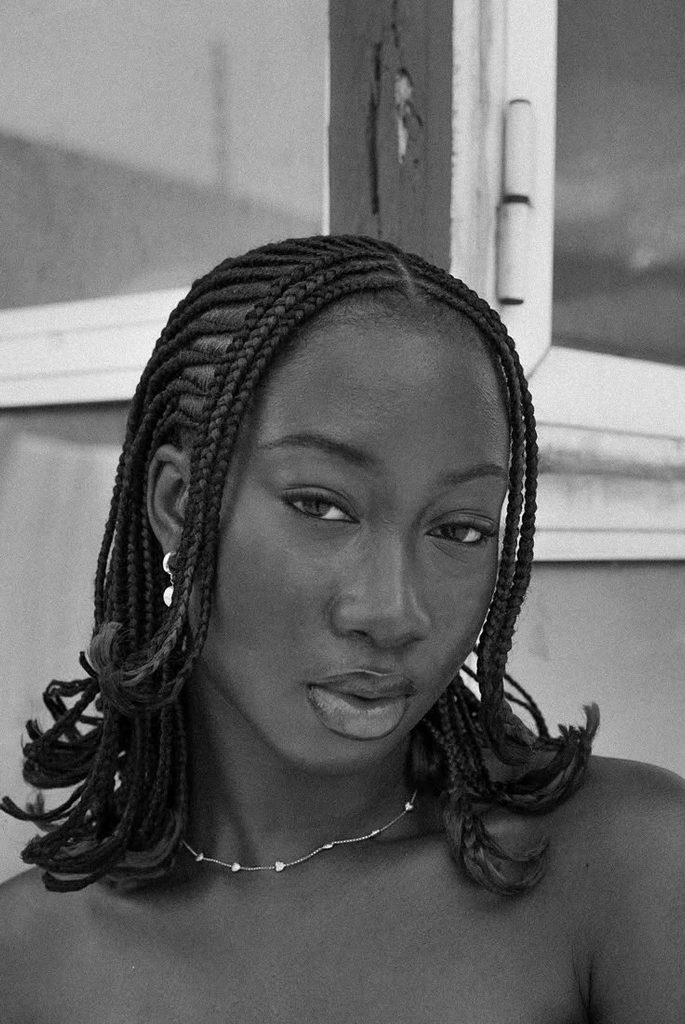
Ibadan:
7,000
Abuja:
15,000
Lagos:
30,000
Port Harcourt:
15,000
Next Read: Why Does This Popular Hairstyle Have the Girlies in a Chokehold?
11. Dija Braids
Made popular by the singer Di’Ja: medium braids with soft curly ends, usually worn with a deep side part.
Lifespan: 3 to 5 weeks. The curled ends lose definition first.
How to Maintain: Satin bonnet at night, mousse on the braids for flyaways, and refresh the curls with water and leave-in on your palms.
How Much Does it Cost?
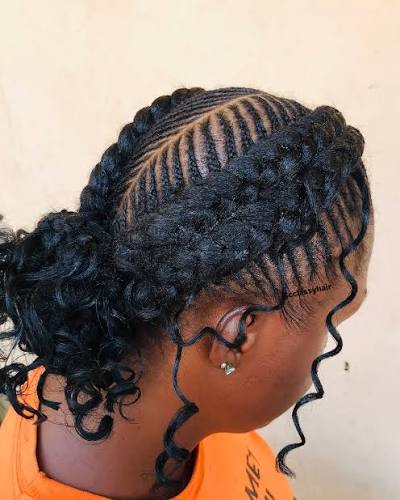
Ibadan:
5,000
Abuja:
15,000
Lagos:
20,000
Port Harcourt:
10,000
12. Beaded Braids
Braids of any size finished with beads at the ends. The beads do the talking, so the braid itself stays simple.
Lifespan: 2 to 4 weeks. The braids often last longer than the beads stay put.
How to Maintain: Sleep in a satin bonnet so the beads don’t snag or crack. Keep products light near the ends and oil your scalp between the parts.
How Much Does it Cost?
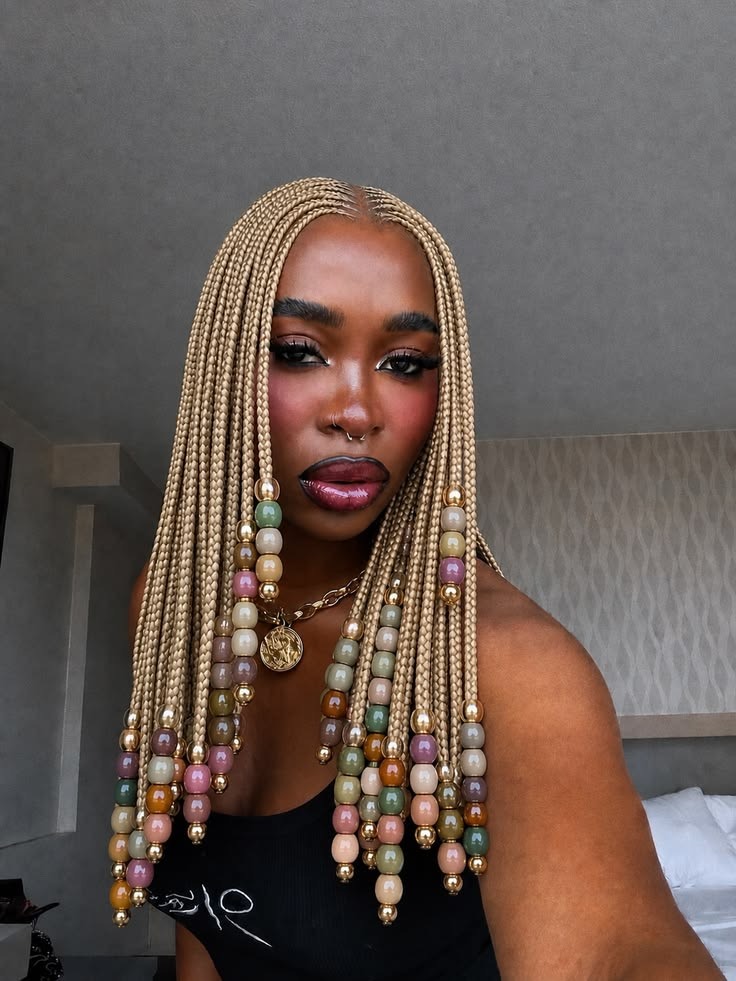
Ibadan:
8,000
Abuja:
20,000
Lagos:
35,000
Port Harcourt:
20,000
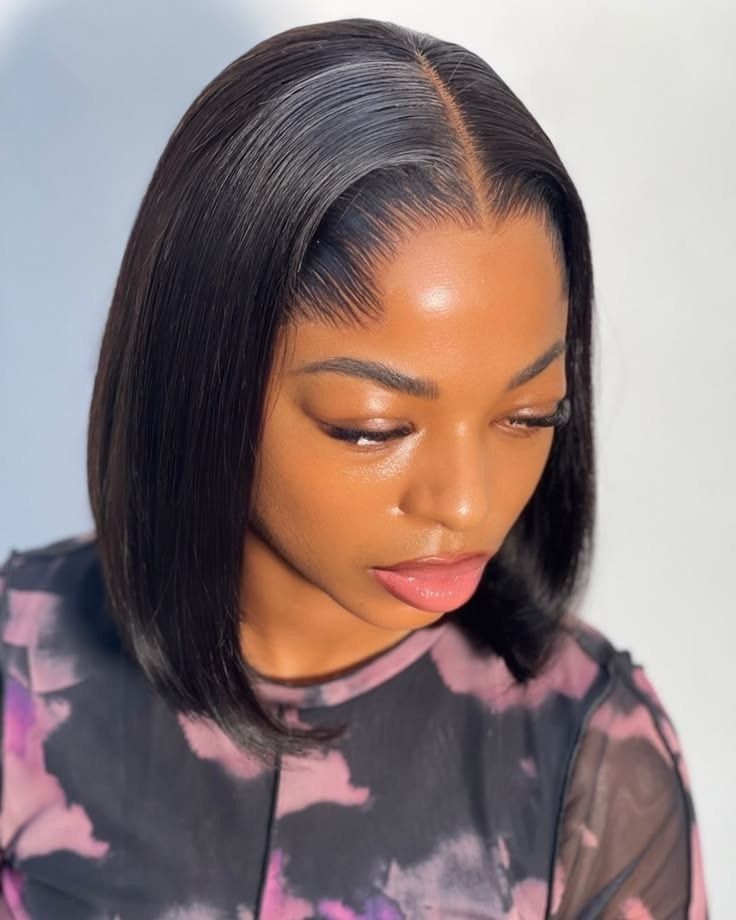
13. “Lagos Hairline” Wig Finish
A wig install styled so the hairline melts into your skin and mimics natural edges. The finish is what you’re paying for, not the wig itself.
Lifespan: The install holds 1 to 2 weeks before the hairline starts to lift. The wig itself can last months with good care.
How to Maintain: Tie your edges down with a scarf for 10 minutes after styling and before bed. Keep glue or spray layers thin, and clean your hairline properly between installs so buildup doesn’t irritate your skin.
How Much Does it Cost?
Abuja:
30,000
Port Harcourt:
25,000
Lagos:
25,000
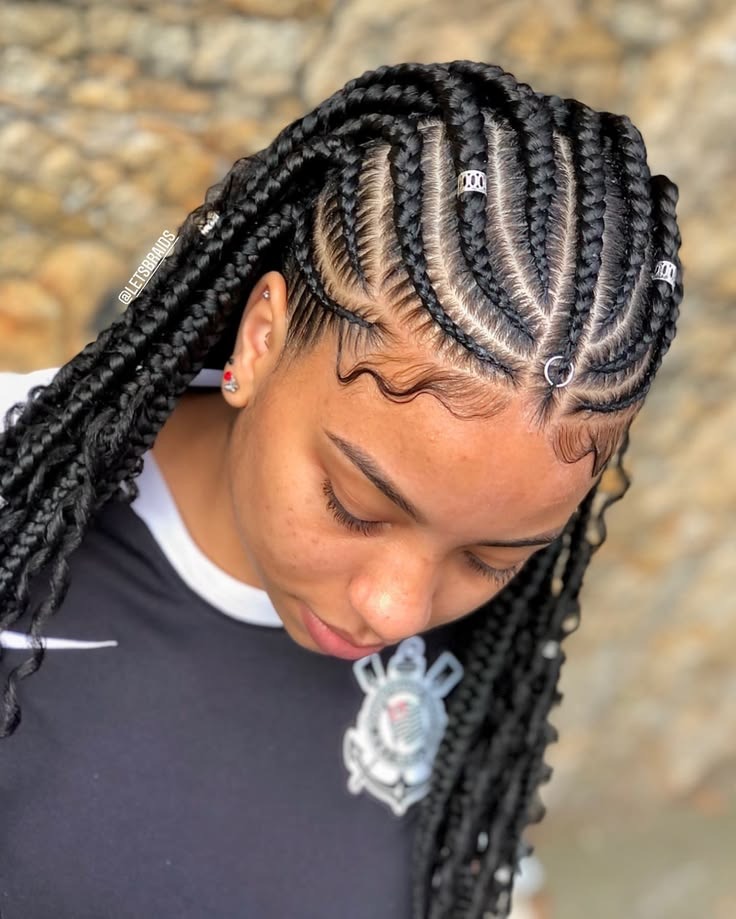
14. Jumbo Braids + Boho/Fulani Braids:
Jumbo braids are large box braids that are quick to install. Boho versions leave curly strands loose throughout, and Fulani braids add the signature centre part with side cornrows and beads.
Lifespan: 3 to 5 weeks. Bigger braids frizz sooner than small ones, and the loose boho curls tangle first.
How to Maintain: Satin bonnet at night and light scalp oil. For boho pieces, finger-detangle with water and leave-in, never a comb. Snip stray frizz instead of pulling it.
How Much Does it Cost?
Ibadan:
6,000
Abuja:
15,000
Lagos:
20,000
Port Harcourt:
12,000
We surveyed 5,000 workers across Nigeria’s formal and informal sectors to examine what Nigerians earn, where the money goes, and whether hard work actually translates to financial security. This is what we found. Download the Zikoko State of Income Report.