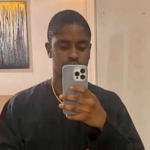
Emmanuel Tomori was a rising motion graphics and visual effects artist working on some of Nollywood’s biggest shows when a stray bullet from a Nigerian police officer hit his right arm in 2011. It has been 15 years, and he’s still fighting to get the police to pay what a federal court ordered. This is Emmanuel’s story, as told to Orame.
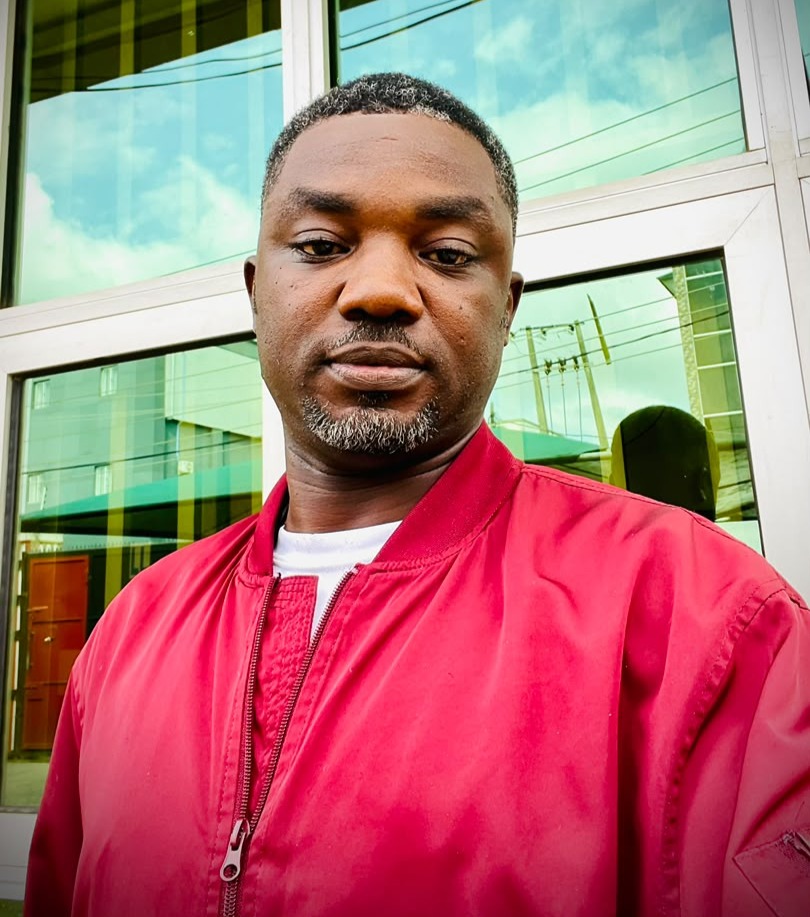
Before September 30, 2011, my life was on track. I studied geography and regional planning at the university, but there were no jobs when I graduated, so I chose what I actually loved: movies.
By 2008, I was working with one of the biggest production companies in Nigerian entertainment, Wale Adenuga Productions (WAP), doing motion graphics and visual effects. I was the go-to person for opening title sequences on shows like Papa Ajasco and Company, Super Story, and This Life. I had opportunities to leave the country, but I turned them down because I believed I could contribute something to the industry here.
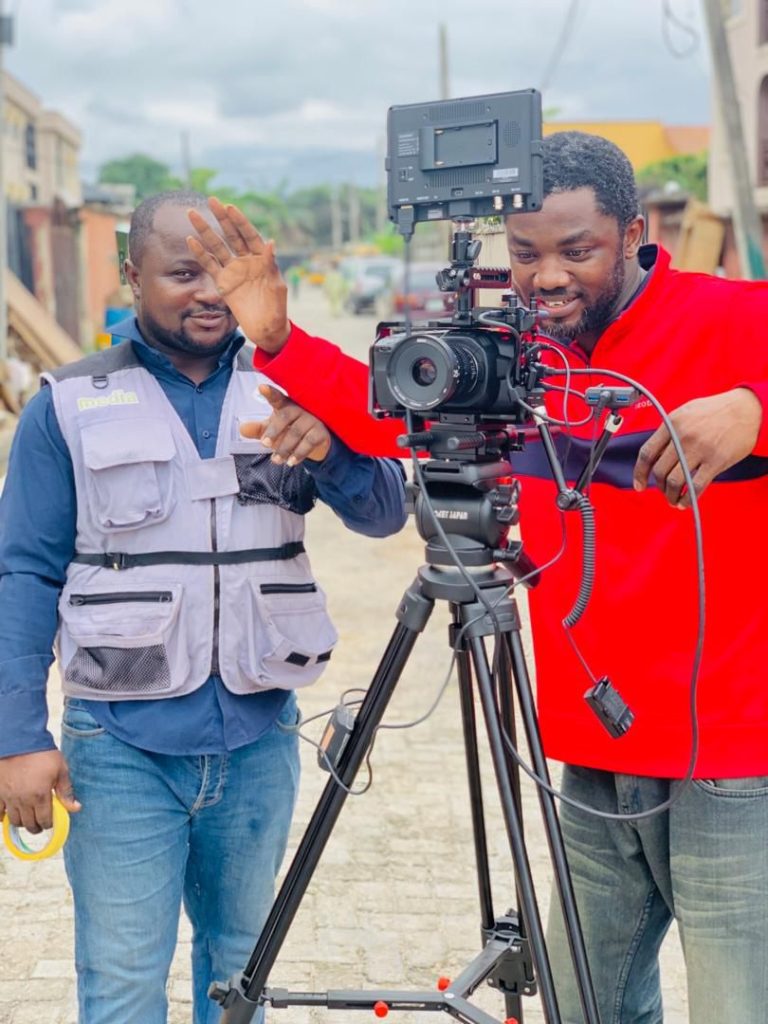
My plan was to spend five years at WAP, learn everything I could, and then start directing my own shows. I’d already started shooting music videos on the side. I was 32, and everything was pointing in the direction I wanted it to go.
Then came September 30, 2011.
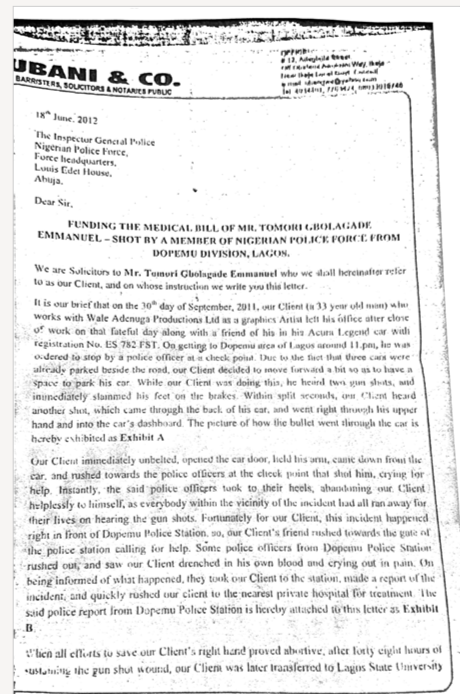
We’d just wrapped preparations for a children’s Independence Day event, Nnenna and friends, at the National Theatre. I was supposed to sleep at the office, but around 9:30 pm I decided to head home instead. I picked up a friend on the way, and by 10:15 pm, we reached the police checkpoint I pass almost every night.
The officer asked for my ID; I handed it over, and while I waited for him to hand it back, I heard shouting from further down the road, then two gunshots.
I didn’t even see what happened next. The third gunshot came through the boot of my car and hit my right arm, which was resting on the armrest. I felt my whole arm jerk forward, and blood was everywhere. It felt like something out of a horror movie.
My friend took cover from being shot while I got out shouting that I’d been shot. The officer who’d been questioning me looked back at the others, and they just scattered, like someone had given them a signal to run. My friend and I ran toward the nearby police station instead, and I remember tearing off my shirt to tie around my arm to slow the bleeding,
I don’t remember much after that. I collapsed near my car and blacked out. When I regained consciousness, I woke up to a crowd surrounding me, people were shouting that the police had killed somebody, and a woman nearby was crying, convinced I was dead. It turned out the officers manning that checkpoint had been drinking since 6 pm, celebrating the eve of October 1st.
We eventually got a police report and identified the officer who shot me. His name is Ayuba Philip, tag number: 257745. I can never forget it. Afterwards, I was rushed to Lagos State Teaching Hospital (LASUTH), where I spent the next month.
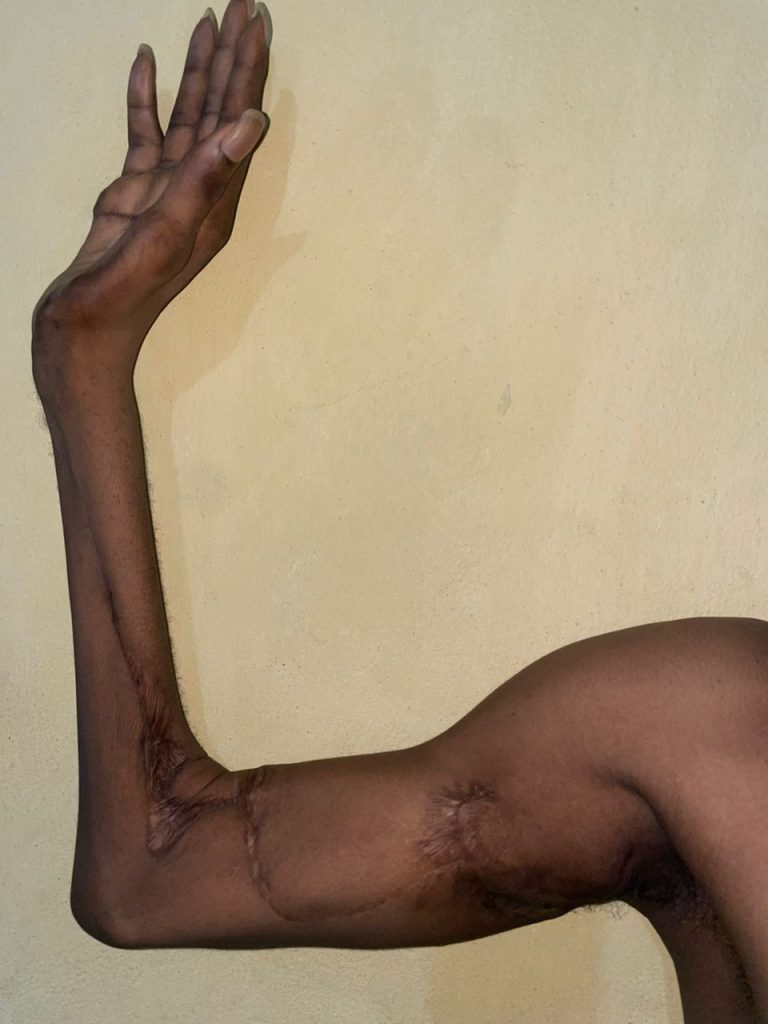
The bullet had hit the major artery supplying blood to my arm. The first surgery, where doctors took a vein from my leg to try to restore blood flow, failed within 72 hours. I passed out again from blood loss and had a second near-death experience in that hospital. Doctors told my family they might have to amputate. We prayed instead, and tried physiotherapy, but by the time I was discharged, my doctor’s advice was that the only way to save the hand was to undergo reconstructive surgery in India.
WAP held my position and helped where they could, but the hospital bill was mine to pay. When the Divisional Police Officer (DPO) finally visited a few weeks later, they brought Milo and milk. I remember this so clearly because there was no sugar, and I kept asking for sugar. The DPO promised that the police would cover the bill, but that promise never materialised.
When I eventually found a hospital in India for the surgery, they saidand the entire procedure would cost $10,000. In order to raise the money, I sold everything I owned that was worth selling, including the car I got shot in. I borrowed from my family and took out a loan from my office.
In India, doctors told me the hand needed nine separate procedures across three stages: restoring blood supply, then flexibility, then transplanting new tendons, since mine had died from lack of blood flow. I could only afford the first stage. I came home, unable to raise money for the second time, and that’s what pushed me to get a lawyer.
I wrote to the DPO first and got no response. I hired a Barrister who wrote to the Commissioner of Police and received no response for eight months, until we took the case to court in 2012. It dragged on for four years. The police sent one lawyer to the proceedings, a very subpar lawyer, if I say so myself.
In 2015, we got a judgment from the Federal High Court; the police were held responsible for my medical bills and trauma, close to $47,000 combined, part of it in naira for the trauma I’d suffered.
Getting the judgment turned out to be the easy part. When we tried to get the money from the police accounts, every bank we approached said the police no longer held individual accounts; everything had moved into the Treasury Single Account (TSA) set up under the Buhari administration, which meant we needed the Attorney General’s consent to touch federal funds at the Central Bank of Nigeria (CBN). My lawyer wrote to every Inspector General who came and went after that, but still nobody replied.
Around 2020, my story got picked up by the BBC during the heat of the EndSARS movement. Punch and Vice News interviewed me, too. My case got admitted into the panel set up on Lagos Island to review police brutality cases, but the panel couldn’t override a federal court judgment; it could only compile findings and forward them to the federal government. That went nowhere as well.
In 2024, after the AGF finally acknowledged our petition and formally requested comments from the police, months passed with no response. So I did what I had learned works: I put the Inspector General on blast online, with a wanted poster and everything. That got a reaction, but only a promise to follow up again. When that AGF was replaced, we lost that thread entirely. I’ve since done the same to the current IGP, and my lawyer, who has some access through his current role, was invited to Force Headquarters. We submitted a fresh petition earlier this month. I’m still waiting.
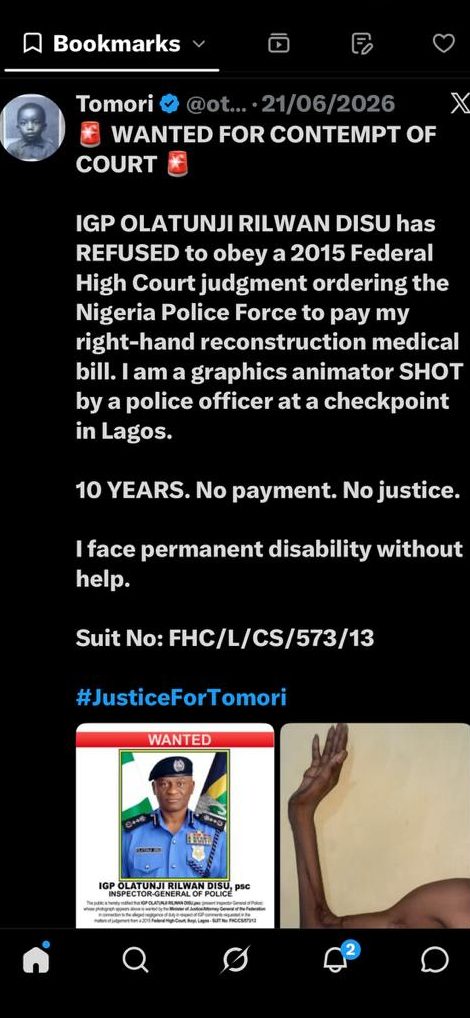
I’ve told this part of the story before. What I haven’t talked about as much is what living with this injury actually did to me.
I went back to work at WAP, and they were generous; they even assigned someone to assist me, knowing I’d struggle to work at my former pace. But learning to do everything with my left hand, tying my shoes, buttoning a shirt, eating, was its own kind of hell. The moment that broke something in me was realising I could no longer shake someone’s hand. That’s when it hit me: I was disabled now, not just injured.
During a company reorganisation a while later, WAP eventually had to let some staff go, and it affected me. Finding new work afterwards was nearly impossible. I could still do the job; I’d adapted to using my left hand for everything, but employers would see my hand and say they’d get back to me and never did. I leaned on my wife and my family to survive, and i’m currently raising funds to complete the second and third stages of reconstructive surgery on his hand in India.
The pain never left. It’s still there right now, as you’re reading this. I switched from painkillers to nicotine because the veins relax and it eases things, though it comes back whenever I need to use the toilet. My hand is permanently stiff. I can’t turn my palm to look at it. I had to invent my own ways of coping with the pain because there was no other option.
There were years when I thought about suicide, more than once, without knowing that’s what it was. I tried a couple of things that didn’t work. I’ve survived on remote gigs, ten dollars here, twenty there, and the belief that something will eventually change if I don’t give up.
In the years right after the shooting, I wasn’t looking for justice. I was looking for vengeance. What pulled me back was talking to actual police officers and realising most of them are victims of the same broken system; underpaid, undertrained, some of them drunk on duty because nobody’s holding them accountable either. The ones who pull triggers carelessly are the exception, not the rule, but the system protects them exactly the same way.
Justice for me now isn’t revenge. It’s the Nigerian police obeying a Federal High Court judgment that’s been sitting unenforced for over ten years. It’s an institution meant to enforce the law and actually respect it.
Amnesty International has documented close to 10,000 Nigerians killed by the police over two decades, and almost nobody outside those families is talking about it. Everyone’s debating police reform and state police right now, but nobody’s asking how any of that protects the next person who gets caught in a bullet meant for someone else.
I’m 47 now. I was a young man with a dream when this happened. If I could tell anyone one thing, it’s this: know your rights before you ever interact with the Nigerian police. Know what they can and cannot do to you. If you understand the law, you’ll instinctively resist unlawful treatment, and if you’re recording, they’ll usually back off once they realise you know what you’re doing. There are always bad actors within the force, no matter how clean the public image looks.
I’ve survived for a reason, and I still believe something will give. But surviving shouldn’t require this much.
Emmanuel Tomori is currently raising funds to complete the second and third stages of reconstructive surgery on his hand.