For Abuja residents in Gwarinpa, demolition day came with the kind of plot twist nobody puts in their house plans. Residents and business owners lost buildings, shops, and money they had invested over the years.
On Thursday, August 20, 2026, Minister of the Federal Capital Territory (FCT), Nyesom Wike, ordered the removal of about 30 buildings along the Ring Road 3 corridor linking Karsana, Gwarinpa and Kubwa.
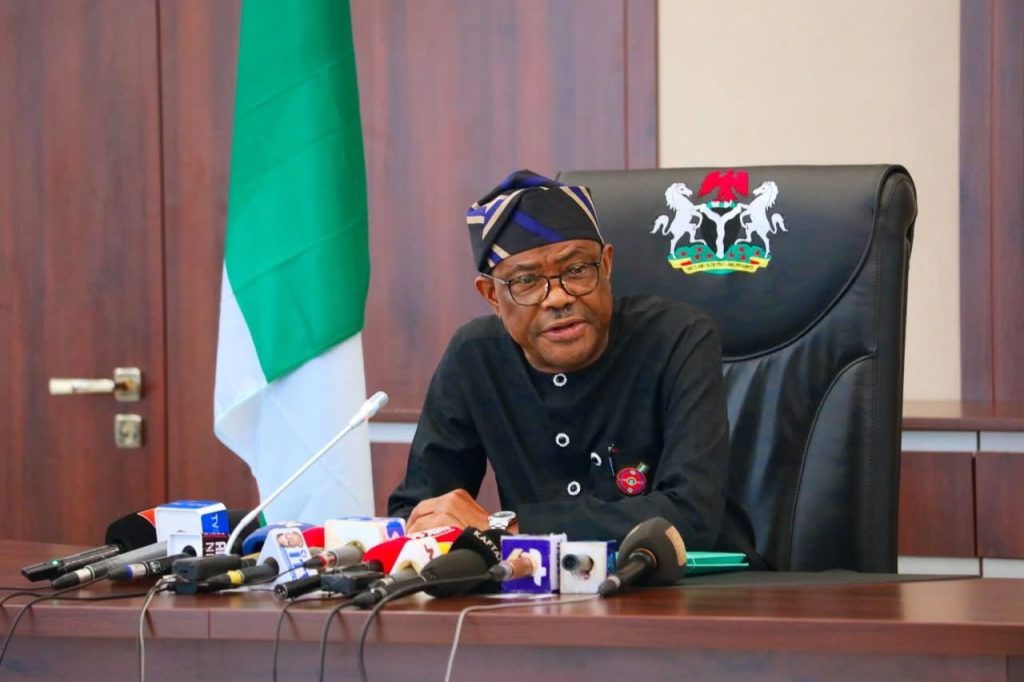
- FCT Minister Nyesom Wike/Photo: TheCable
This was three days after the Acting Executive Secretary of the Federal Capital Development Authority (FCDA), Richard Dauda, told Wike that the structures were encroaching on the Right of Way reserved for the road project.
Someone who has spent years paying for land, constructing a building or running a business from a property can lose much more than bricks and concrete when a bulldozer arrives.
Some of those affected have raised alarms about the notice they received before the demolitions, saying they didn’t have enough time to respond or make alternative arrangements.
Affected renters have also shared similar concerns. In a video that has now gone viral, an occupant of one of the affected buildings alleged that authorities had demolished the building less than five days into its 21-day vacation notice.
Why are these demolitions happening now? And why at this frequency?
It’s a planning problem
Abuja has an interesting relationship with buildings. If you have enough money and the right people around you, there always seems to be somewhere to put a structure, sometimes even where a road, drainage channel, or green area was supposed to be.
For years, some of these developments have stylishly become part of the FCT landscape. Then the rain came, the flood followed, and suddenly the bulldozers came looking for the guilty buildings.
A closer look at the Gwarinpa demolitions revealed they are part of a larger crackdown in which the FCT Administration has pulled down structures across Abuja.
The reasons for the demolition also vary. Some structures are accused of obstructing roads, while others are said to block waterways or occupy spaces reserved under Abuja’s master plan.
In the case of Gwarinpa, a major road corridor is not exactly the kind of place that should be difficult to identify on a planning map. If the area had already been reserved for infrastructure, developments along it should have been stopped before they became buildings worth demolishing.
Instead, the city now has to deal with the more expensive version of enforcement as it tears down over 30 structures after people have invested money in them.
First came the flood…
The heavy rainfall on August 15 left parts of Abuja underwater, with residents dealing with flooded roads, damaged property and stranded vehicles. Maitama, one of the capital’s most affluent districts, was among the areas affected. Naturally, Abuja residents called out Wike over the incident, prompting the minister to conduct inspections in the city.
After inspecting some of the affected locations, Wike said some buildings had been constructed on waterways and drainage channels identified in Abuja’s planning documents. He ordered the immediate demolition of structures obstructing the flow of water and said the exercise would not spare property owned by politicians and other influential Nigerians.
The FCT administration said the exercise is part of a larger effort to restore Abuja’s drainage system and enforce the city’s development plan. That means the bulldozers are not only responding to the flood but also being used to reclaim spaces that the authorities say were never meant for buildings in the first place.
That, exactly, is where Abuja’s demolition story gets complicated because these buildings didn’t appear overnight.
A completed building can take months or years to plan, approve, and construct. Before someone puts a roof over a property in the FCT, there are supposed to be documents, planning approvals, inspections, and officials responsible for ensuring the development complies with the city’s masterplan.
Yet some of the structures now being demolished have reportedly been standing for years. Wike himself said some of the buildings affected by the demolition were constructed between eight and ten years ago.
That means the current demolition campaign is also exposing a long-running enforcement problem. If a structure was built illegally on a waterway, how did construction continue until the building was completed?
If it were on a road corridor, who failed to stop it when the foundation was being laid? And if the owners obtained approvals for developments that should not have been approved, what happened inside the system that issued those approvals?
The people who built on restricted land have a responsibility to obey planning rules. But the government agencies responsible for enforcing those rules cannot simply become relevant when the bulldozers arrive.
The Big Daily is your weekday shortcut to the biggest news shaping Nigeria. We cut through the noise, connect the dots, and explain why the news actually matters, all in one quick read.
The planning problem didn’t start today
The demolition has also extended to other parts of the capital, including areas where the FCT Administration says structures have been built on green areas and waterways.
Some of these areas have gradually been converted into commercial or residential spaces, making what was once intended as open land part of the city’s built environment.
Abuja’s planning problems did not begin this year, nor with Wike’s arrival. At the same time, they cannot be solved simply by counting the number of buildings a bulldozer has brought down.
Who approved all the buildings?
Abuja’s development is regulated by a system comprising the FCT Administration and agencies like the Department of Development Control (DODC) and the Federal Capital Development Authority (FCDA), which are responsible for land allocation, development control, planning and infrastructure.
These agencies are supposed to ensure that buildings comply with approved land use and that developments do not interfere with roads, drainage channels and other public infrastructure.
When an illegal building is completed and occupied, there has already been a failure somewhere along that chain.
Sometimes the failure may be the fault of the developers who ignored the rules. Sometimes it may involve an official who approved or overlooked the development after money had changed hands.
Whatever the excuse, the public deserves to know how buildings that allegedly violate Abuja’s planning rules survived for years before enforcement suddenly became urgent.
This is important when the government is demolishing expensive properties. The cost does not disappear when a bulldozer arrives. It is transferred to whoever paid for the land, constructed the building, rented the space, or built a business there.
So, what happens to the people losing their property?
The people whose buildings, shops, and businesses have been demolished are not interested in the debate about Abuja’s masterplan. No. It is about the money they spent, their crumbled livelihoods, and homes lost.
The government has the power to enforce planning regulations, but enforcement must still follow due process.
Property owners and businesses affected by the demolitions have raised concerns about notice and the speed of the exercise.
For anyone whose property is genuinely built on a waterway or another protected area, the fact that money was spent on the property does not automatically make the development lawful.
But there are two sides to this coin. A person who bought land and obtained documents from government authorities would expect those documents to mean something.
If the government officials who allowed an unlawful development to occur are now returning to demolish the structure on the same land, then maybe the government should clean its own house before going after people’s homes.
Wike’s demolition won’t stop the flooding
Removing buildings from waterways can help restore drainage channels. Clearing road corridors can also make room for infrastructure projects. Protecting green areas can help preserve the planning structure that Abuja was originally designed around.
But flooding is not caused by buildings alone. Blocked drainage systems and indiscriminate waste disposal have been identified as other causes.
Abuja’s rapid expansion has also changed how rainwater moves through the city. More roads, buildings and paved surfaces mean less natural ground for water to soak into. That means the government will need more than demolition exercises to deal with the problem.
Experts say the city needs functioning drainage infrastructure, proper waste management, consistent development control and a planning system that catches illegal construction before it becomes a multi-storey building.