On Saturday, August 22, the All Progressives Congress (APC) unveiled a 223-member Presidential Campaign Council, with Tinubu as chairman, Vice President Kashim Shettima as vice-chairman, former Zamfara governor Abdulaziz Yari as Director-General, and several serving governors, ministers and lawmakers taking up key positions.
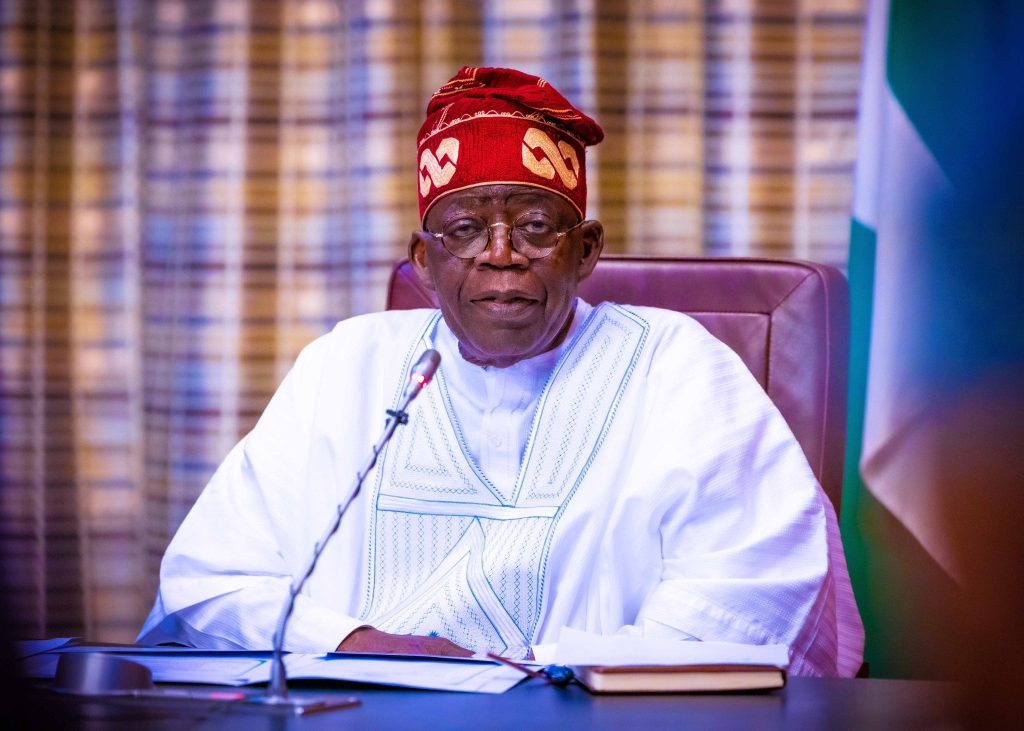
On paper, it looks like a formidable political machine. But Nigeria’s politics is not always as it seems.
We took a closer look and discovered that some of the appointments raise questions about conflicts of interest, public accountability and the people the APC has chosen to represent Tinubu’s re-election bid.
Amidst all these, we have compiled a few things Nigerians should be concerned about regarding this council.
Officials managing Nigeria’s money are also managing Tinubu’s campaign
One of the big names in Tinubu’s Presidential Campaign Council is Zacheus Adedeji, chairman of the Nigeria Revenue Service, who was named a Deputy Director of Fundraising.
Tanimu Yakubu, Director-General of the Budget Office of the Federation, was also listed as Secretary of Finance/Treasurer.
If any consultations were conducted during the drafting of this list, they did not seem to have been thorough, because these men, by virtue of their sensitive offices, should not have been appointed to these positions.
There is nothing wrong with politicians supporting their party’s candidate. But these are not simply politicians looking for jobs. They currently occupy public offices meant to serve Nigerians across party lines.
Section 95 of Nigeria’s Electoral Act 2022 says state resources must not be used to advantage or disadvantage a political party or candidate. Adedeji and Yakubu are not guilty of any wrongdoing, but this part of the law exists because of that possibility.
Putting the heads of two institutions that control critical aspects of the country’s finances at the heart of a presidential campaign is, at the very least, a bad look.
So, it’s justified for Nigerians to question the inclusion of officials like the chairman of Nigeria’s Revenue Service and the Director-General of the country’s Budget Office because public resources and officials paid by taxpayers should not be used for personal campaign purposes.
The people meant to check Tinubu are also campaigning for him
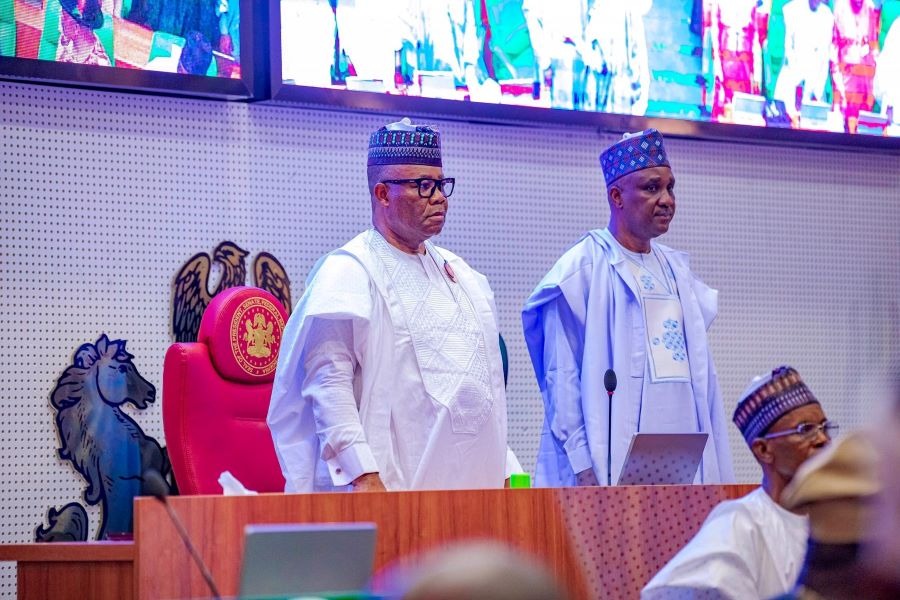
Nigeria’s Senate President, Godswill Akpabio, was appointed Deputy Director-General (DDG), South l, of the campaign council. The Speaker of the House of Representatives, Tajudeen Abbas, and Deputy Senate President Barau Jibrin are also DDGs for North.
Again, this isn’t about whether politicians can belong to political parties. They obviously can.
The concern is about the extent to which the country’s legislative leadership is becoming part of the president’s re-election campaign while they still occupy offices that are expected to represent the legislature as an institution.
Sections 88 and 89 of Nigeria’s 1999 Constitution say the National Assembly is supposed to supervise the executive. But when its top leadership is now holding senior positions in the president’s campaign council, Nigerians need to react because that creates an uncomfortable political situation.
This becomes harder to ignore given how closely the current National Assembly has aligned itself with the Tinubu administration. From lawmakers singing the pro-Tinubu songs, “On your mandate” during plenary, to the swift passage of different bills like the one restoring Nigeria’s old national anthem, the legislature has repeatedly been criticised for appearing more supportive of the presidency than willing to challenge it.
And allowing its top leadership to be at the centre of Tinubu’s re-election campaign does little to ease those concerns
So, can the people expected to scrutinise the president’s government also be senior officials in the team trying to keep him in power? We don’t think so.
Familiar names with scandals
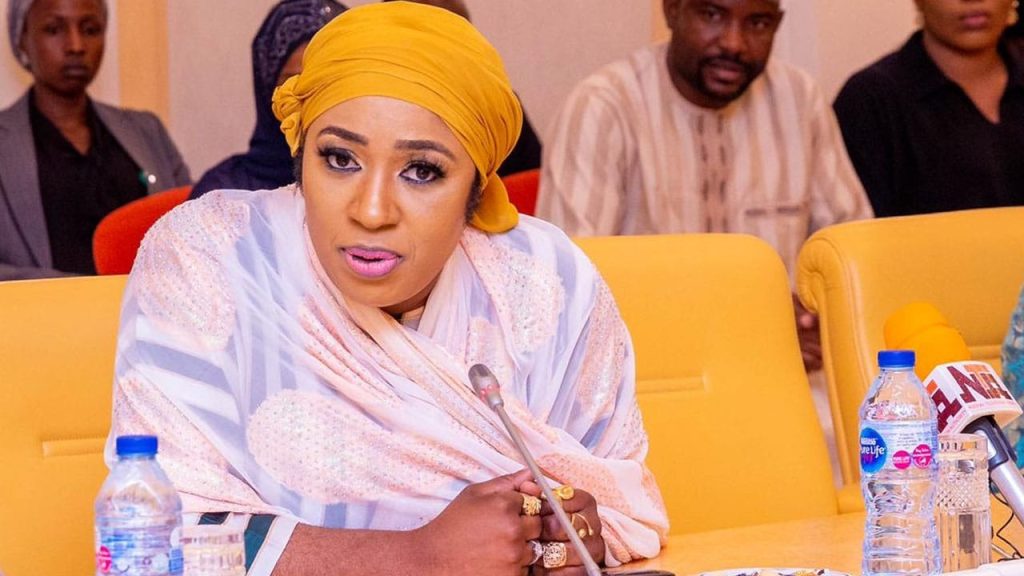
As if we haven’t received enough shockers, the campaign council also includes politicians who have been mentioned in one or two corruption scandals.
One of them is Betta Edu, the former Minister of Humanitarian Affairs and Poverty Alleviation, who was named Director of Women Mobilisation.
Edu was suspended by Tinubu himself in January 2024 after a controversy involving the transfer of ₦585 million to a private account. The Economic and Financial Crimes Commission (EFCC) also investigated the matter, but Edu was not convicted of a crime over the payment.
The controversy nevertheless raised questions about compliance with Nigeria’s Financial Regulations 2009. Section 713 of the Regulations states that, “Any officer who pays public money into a private account is deemed to have done so with fraudulent intention.”
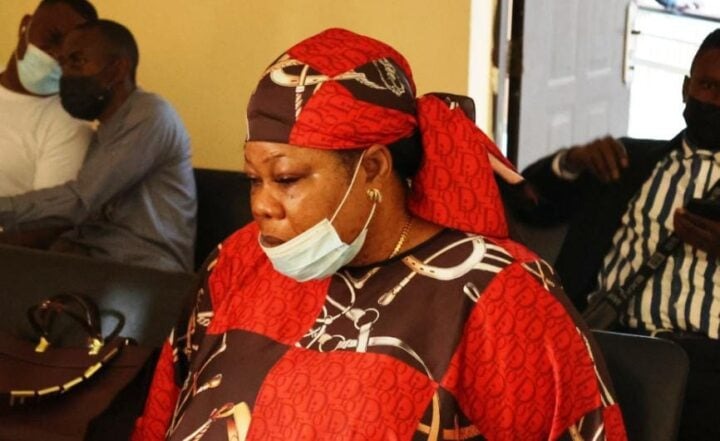
There’s also Ngozi Olejeme, former chairperson of the Nigeria Social Insurance Trust Fund (NSITF) board, who was named South-South Zonal Director for Election Planning, Coordination and Mobilisation.
Just last year, in October 2025, she was arraigned over allegations of embezzling ₦1 billion when she was the chairperson of NSITF.
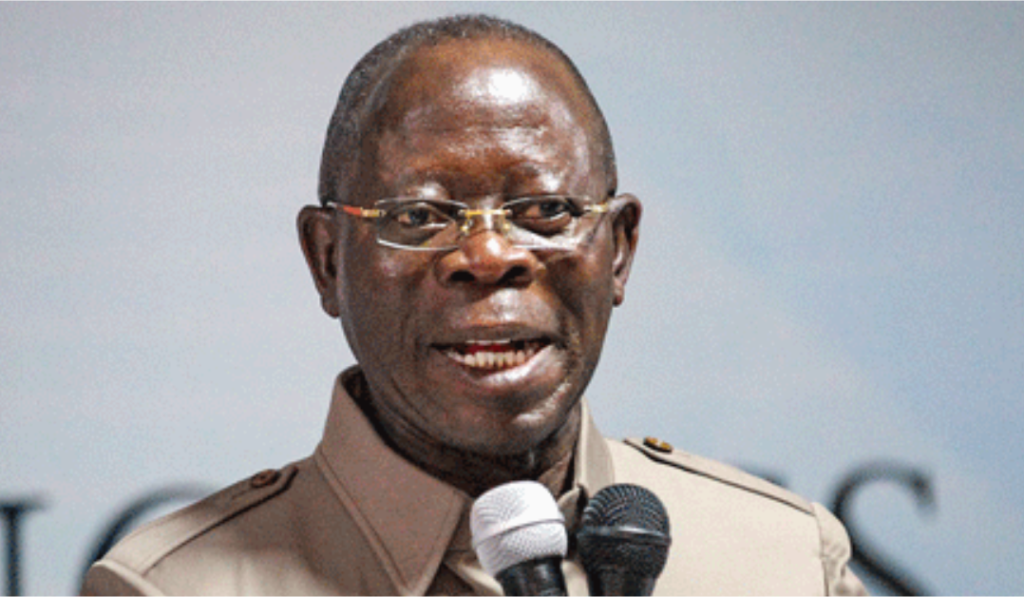
Then there’s Adams Oshiomhole, the former Edo State governor and current senator representing Edo North Senatorial District, who was appointed Deputy Director-General for Mobilisation.
In October 2018, a Federal High Court ordered that court processes be served on him over allegations of financial fraud during his time as governor. The allegations included claims that he diverted public funds and acquired properties beyond his legitimate income.
The court, however, later refused to compel the EFCC to investigate him.
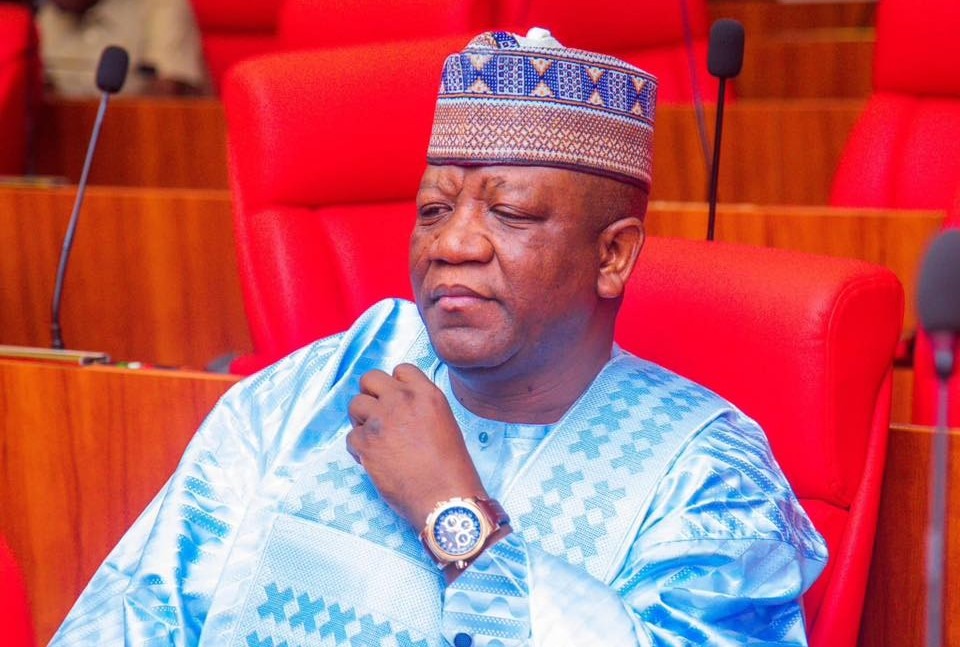
We also have Abdulaziz Yari, the former Zamfara governor, who is now the Director-General of Tinubu’s campaign council. In 2022, the Independent Corrupt Practices and Other Related Offences Commission (ICPC) got court orders for the forfeiture of ten properties linked to him while investigating alleged corruption.
Yari was also arrested by the EFCC in May 2022 as part of an investigation into an alleged ₦84 billion fraud involving former Accountant-General of the Federation, Ahmed Idris.
Meanwhile, in January 2021, the ICPC got a court order for the forfeiture of over $669,000 linked to Yari after he failed to explain how he got the money.
The commission also secured the final forfeiture of about ₦279 million and other funds traced to him in 2019.
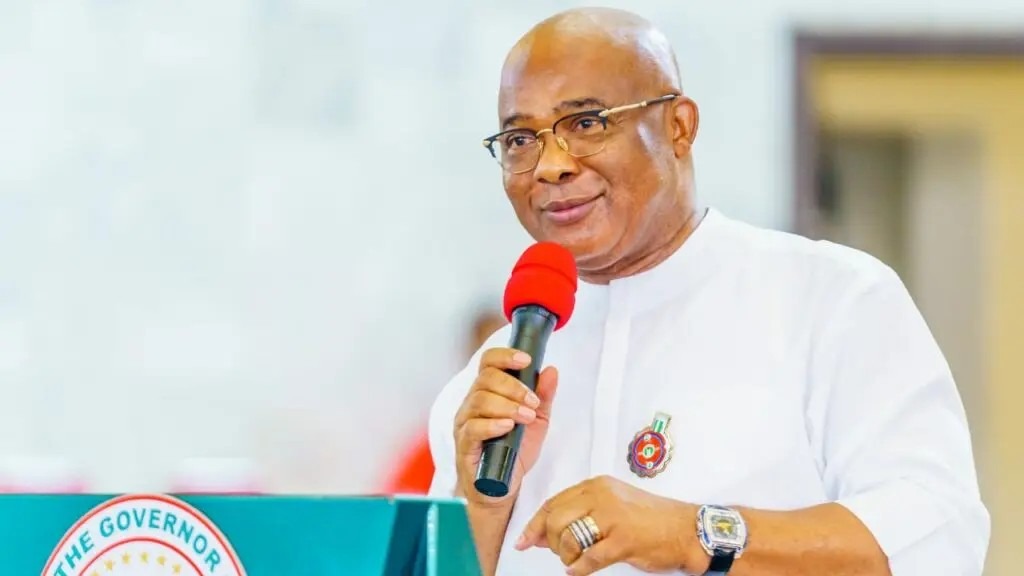
Hope Uzodinma, the Imo State governor and another member of the campaign team, also has a financial controversy in his political history. In 2018, a court in Abuja ordered his arrest over an alleged ₦200 million dud cheque.
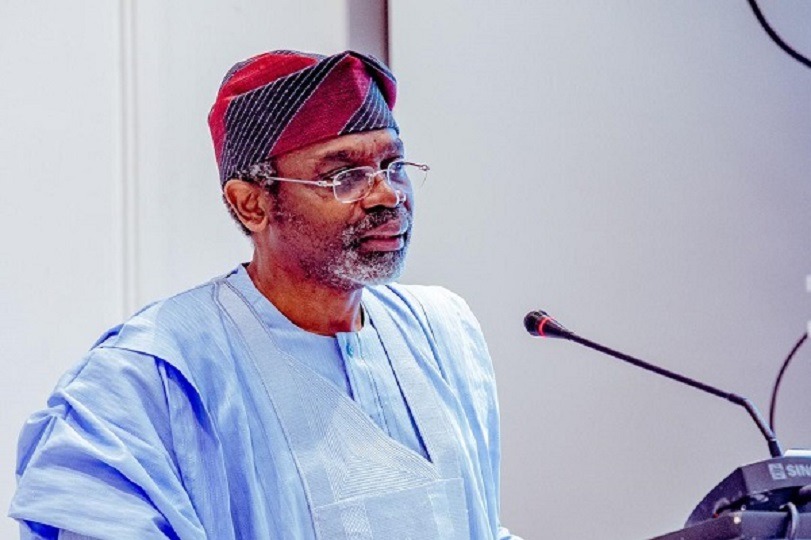
Femi Gbajabiamila, Tinubu’s Chief of Staff and a Deputy Director-General of the campaign council, was in the spotlight recently. His name appeared in the controversy surrounding the fake Presidential Foreign Intervention Promotion Council (PFIPC), an organisation that was not a legitimate government agency but somehow found its way into the 2026 budget with a ₦1.3 billion allocation.
Gbajabiamila was questioned by the ICPC after the alleged head of the fake agency accused him of demanding money in connection with his appointment. Gbajabiamila, later cleared by the ICPC, has since sued the DG of the PFIPC.
Being accused or investigated for corruption is not the same thing as being convicted of a crime. The issue isn’t that their inclusion proves they are corrupt. It doesn’t. The issue is why a party seeking another term in government would choose people whose public records have already generated questions to represent its presidential candidate.
APC wants Nigerian voters to trust them for another four years, but the same party is comfortable putting politically controversial figures at the centre of the president’s re-election campaign.
Why it matters
The Presidency is already reviewing the list because of controversial inclusions and omissions. But what does this say about the campaign?
Tinubu’s campaign is entering an election in which voters are likely to judge him heavily on his record in office.
On August 19, Reuters reported that nearly 80% of Nigerians surveyed by SBM Intelligence believe the country is heading in the wrong direction, with economic hardship and insecurity among their biggest concerns. This means the campaign will have to do more than assemble a long list of political heavyweights who have question marks in their portfolios.
It will have to convince Nigerians that the people behind the president are capable of defending his record, explaining his policies and making a credible case for another term.
That’s why the composition of the campaign council matters. And since some of those choices are already raising questions, it says everything you need to know about how serious the APC takes Nigerians.