Solana can’t remember what inspired the first song she wrote at six years old, but she does know that there has never been a time when music wasn’t part of her life. Following the release of Okunkun, she reflects on the journey that shaped her as an artist.
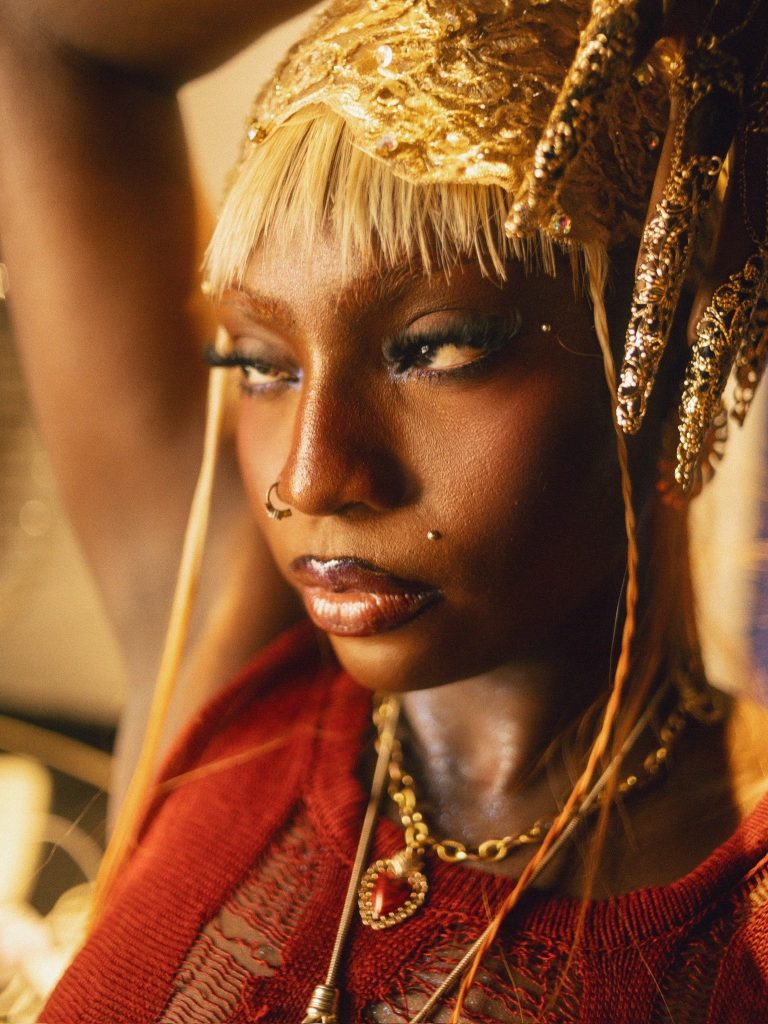
This is Solana’s Story As Told To Sofiyah
I don’t remember much about my childhood, but I do remember music. My mum played a lot of Sunny Ade, K1 De Ultimate, and other Yoruba artists she loves around the house, so those sounds were a core part of my earliest memories.
Maybe that’s the reason why music always felt natural to me. I wrote my first song when I was six, although I honestly can’t remember what inspired it. People often ask me when I decided I wanted to become an artist, but I don’t think there was ever a specific moment. One could say music has just always been the way I express myself in this world. If I feel a certain emotion, experience something, or have a story I want to tell, I usually process it by writing and singing. There was never a time when I sat down and decided to start making music. It has always just been my normal way of life.
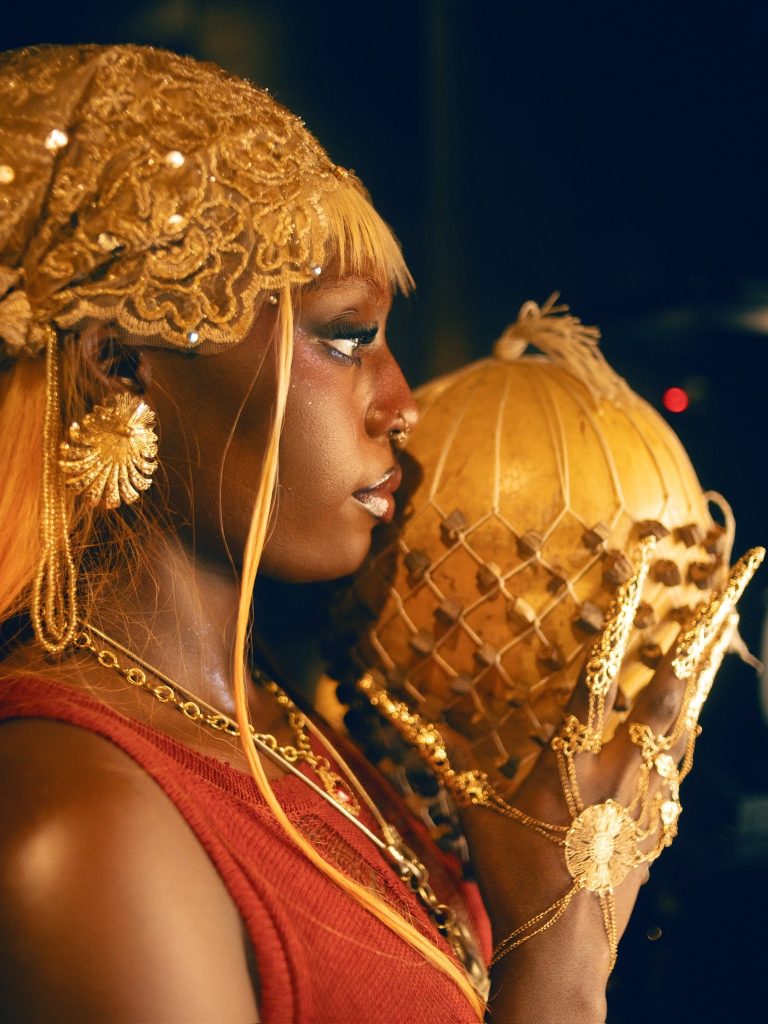
It wasn’t until my second year at university that this normal part of my life began to feel like something more. I had a roommate who worked at a recording studio, and she would always see me writing and singing in our room. One day, she decided to take me to the studio, and I believe that was when I started recording properly. Looking back, that was the beginning of my journey as an artist, but at the time, I wasn’t thinking about it as a career decision. I just found myself doing something I had always done.
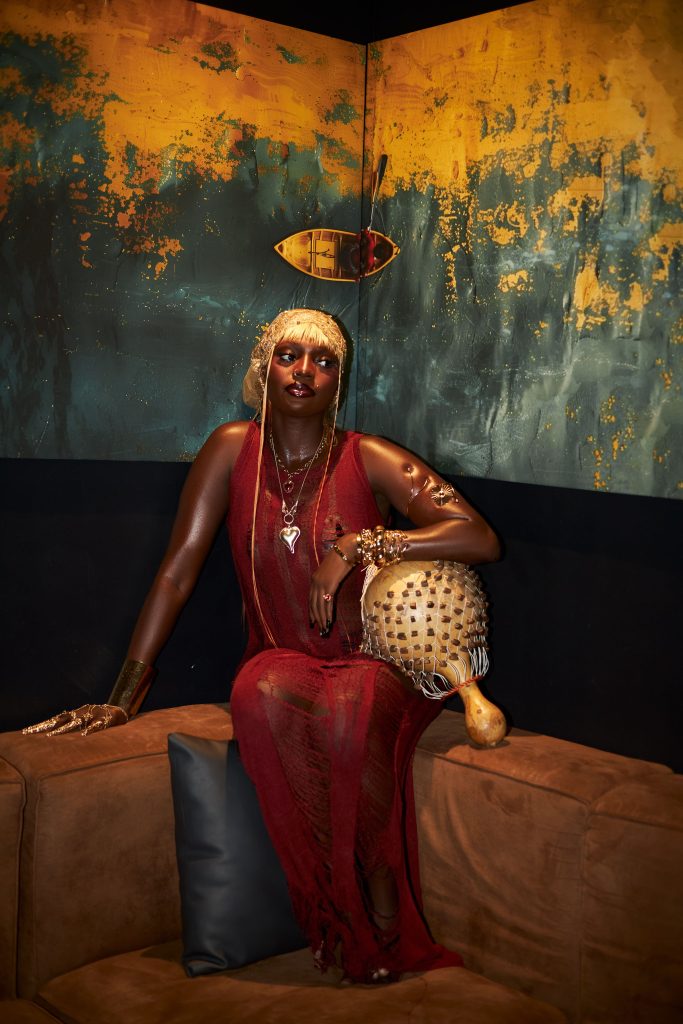
It also explains why I’ve never really questioned whether music was the right path for me. While I do love fashion and creating things, music is the one thing I feel I can truly excel at. It is the one thing I can do well, and anything else I try would probably not give me the same joy and satisfaction.
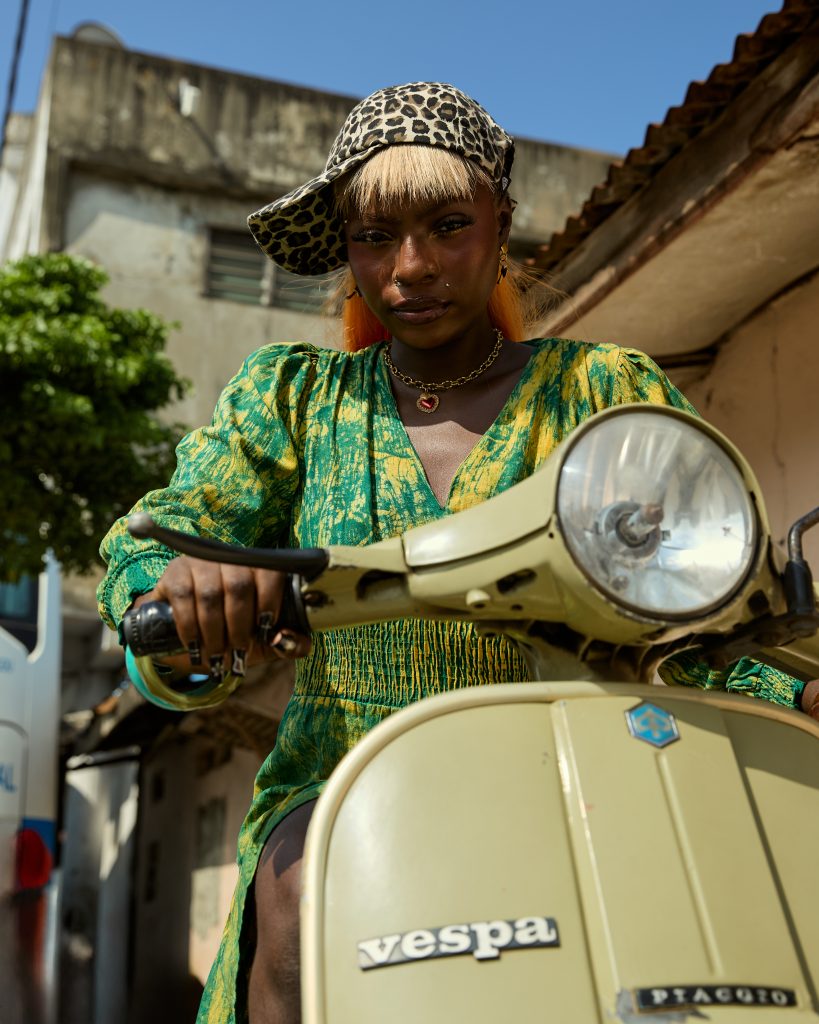
Even though music has always been a part of me, and I was sure of what I could create, I didn’t get to where I am today alone. My friends were some of the first people who believed in me. I was always the girl writing songs and singing, and they were the ones reminding me that what I was creating was really good. Their encouragement gave me the confidence to keep taking myself seriously.
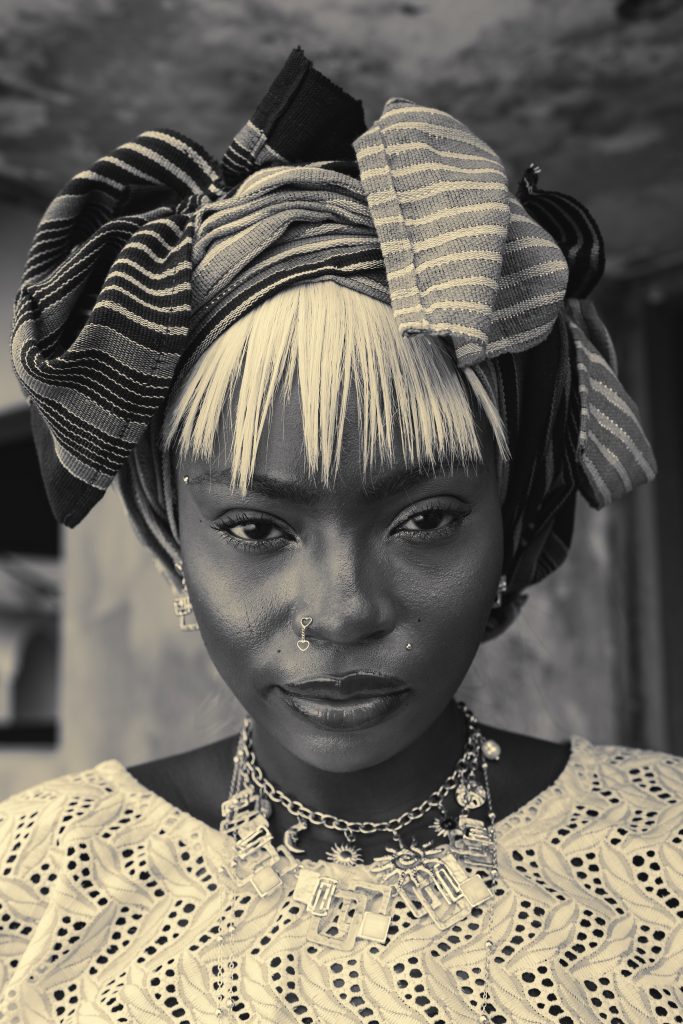
That confidence grew even more when I started working with Killertunes. He helped me develop my sound, pushed me to explore more creatively and gave me a safe space to express myself. One thing you should know is that we both love experimenting, so working together has always felt seamless and easy.
That shared love of experimentation is also why I have never liked putting myself into a single genre box. People often describe my sound as Yorupop (Yoruba Pop), and I understand why, because my culture is a big part of who I am, but Yoruba music is only one part of my identity as an artist. I don’t want to create from a place where I feel boxed in.
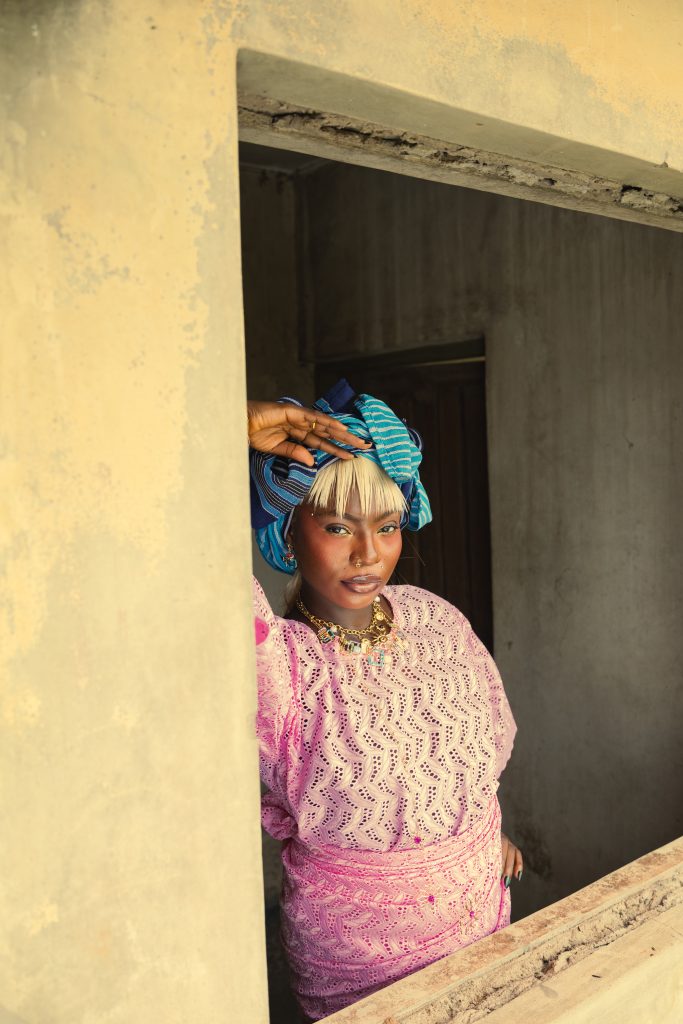
I would love to keep exploring different sounds and finding new ways to express myself. If someone who has never heard my music asked me to describe it, I would say I’m an experimental artist, but no matter what sound I explore, I still want people to always hear that Solana stamp.
That exact mindset shaped Okunkun. The title means “darkness” in Yoruba, and the song is about leaving a difficult place behind, but to be honest, I didn’t want it to feel like a sad song. I wanted it to show that you don’t have to leave darkness in a sad way. You can leave it happily, step into the light and find joy again. It is a song that carries a heavy message, but it is still a lot of fun.
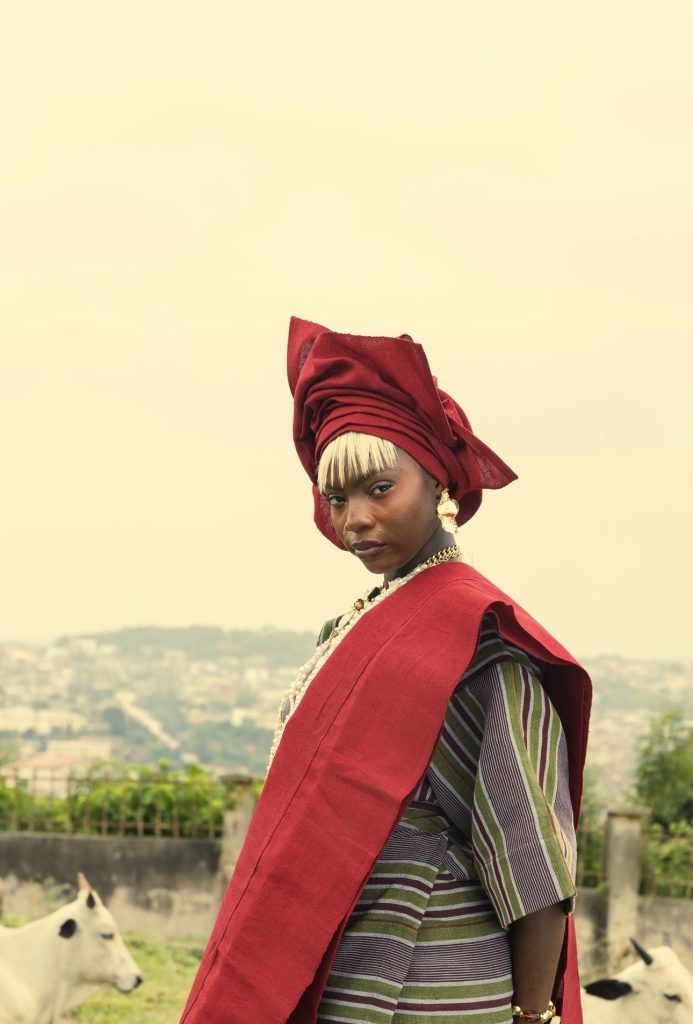
Looking back, it’s quite interesting that Okunkun almost stayed unreleased. I recorded it in 2023, but when some people in the industry heard it, they had their reservations. They questioned whether Nigerians would connect with it. They felt it wasn’t the kind of sound people were used to hearing and wondered whether listeners would embrace a song that wasn’t Amapiano-led.
At the time, those opinions affected me more than I admitted. The song remained unreleased for years because I started to question whether they were right, but eventually, I realised I couldn’t keep creating based on what other people expected from me.
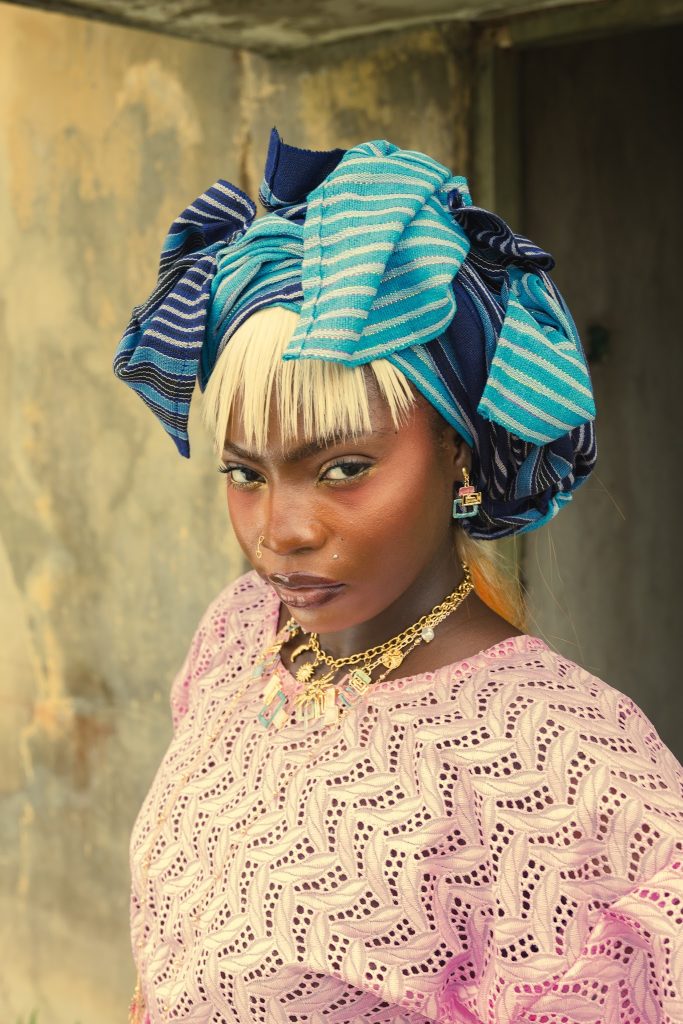
I had to remind myself why I started making music in the first place. I was making music for myself, and if I loved a song, that had to be enough. The people who connected with it would find it, and if they didn’t, I would still be proud of what I created.
When I finally started teasing Okunkun online, the response reminded me that trusting myself was the right decision. People from Nigeria, Europe, and America connected with the song and loved how different it sounded.
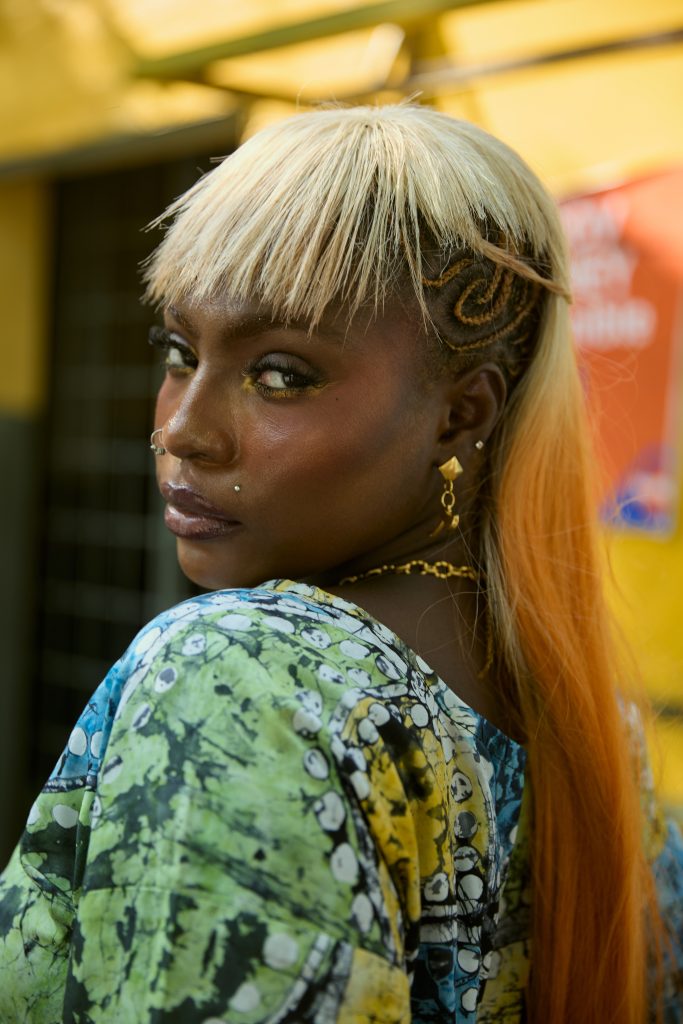
One of my favourite things since releasing Okunkun has been seeing the different meanings people find in the song. Yoruba is such a deep language, and people have interpreted the lyrics in ways I never expected. I love that because it shows how a song can grow beyond the person who created it.
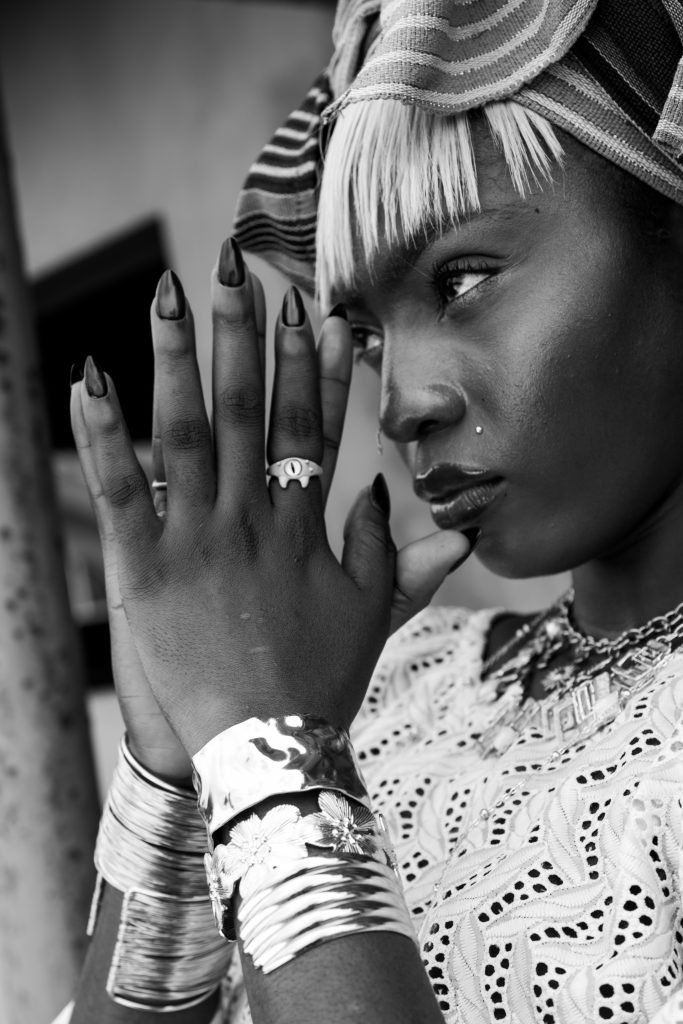
That experience has made me even more excited about everything else I have to share. After releasing Dide and Okunkun, I’m preparing an EP produced entirely by Killertunes that drops next month. I also have a lot of unreleased songs, some dating back to 2019, that I can’t wait for people to hear finally. Watch this space.
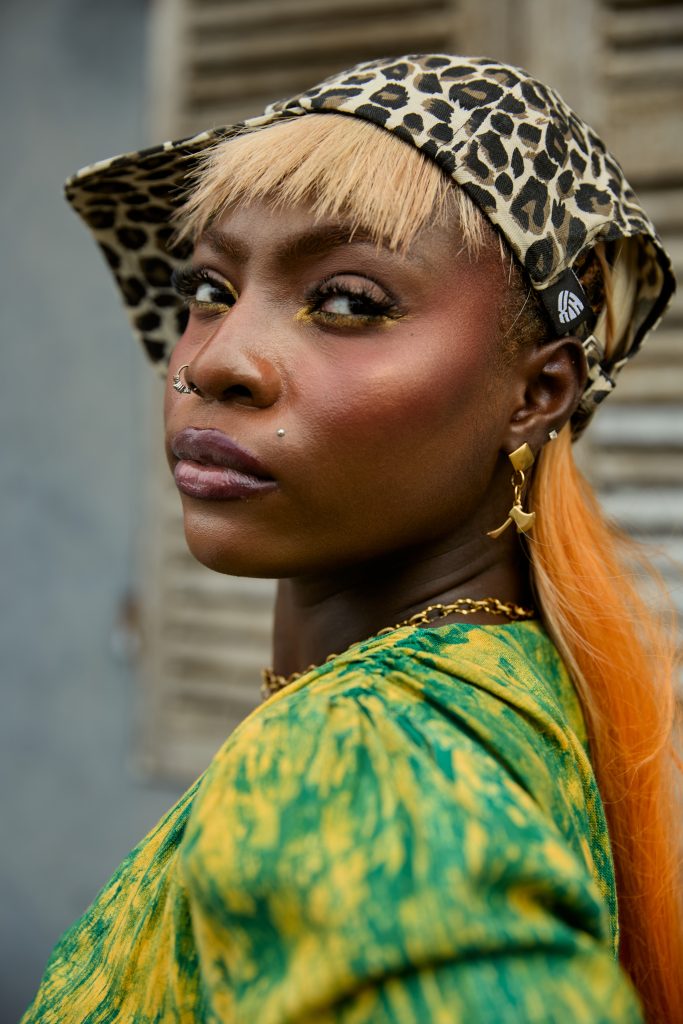
More than anything, I want to keep making music that feels true to me. I’ve realised that I don’t have to fit into anyone else’s idea of what my sound should be. As long as I keep creating, experimenting and sharing the parts of myself that I put into every song, I know exactly where I’m meant to be.