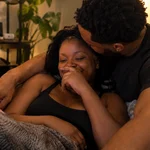
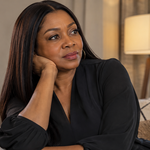
Just months before his wedding to Tobi (26), Femi (29) was diagnosed with nasopharyngeal cancer. What followed was the hardest season of their lives. But through every breakdown and setback, they found the strength to keep fighting.
Here’s how they made it out.

Femi: Tobi and I have been together since 2018, and after waiting and saving, we were finally able to afford the kind of wedding we’d always dreamed of.
In April 2025, I returned to Nigeria from South Africa for our introduction, and we fixed our wedding for October.
Around that same time, I started having pain in my ear and one blocked nostril. I thought it was just the weather, and decided to get it checked when I returned to work in South Africa. They found a growth in my nose and took it for testing.
Tobi: I was with him when he got the results. I still remember the shock that went through me when the doctor said the growth was cancerous.
Femi: When the doctor diagnosed me with nasopharyngeal cancer, I laughed because it didn’t feel real. I kept saying it wasn’t possible. Maybe they’d mixed up my results with someone else’s.
Tobi: A few minutes earlier, we’d been talking about our wedding plans. Suddenly, nothing mattered more than Femi surviving. I was terrified, but I knew I had to stay calm for him.
Femi: Thankfully, I had incredible doctors and oncologists who helped me pull through. Everything moved very fast after the diagnosis. While we were still trying to process the news, the doctor had already given me a personal referral to a specialist in Cape Town, which helped fast-track the process.
Once chemotherapy started, survival became my only focus.
The treatment was aggressive because the tumour was in a sensitive spot. I had to do chemotherapy first to shrink it before combining it with radiation. Every weekday for seven weeks, we woke up around 5 a.m. so I could make my 7 a.m. radiation appointments.
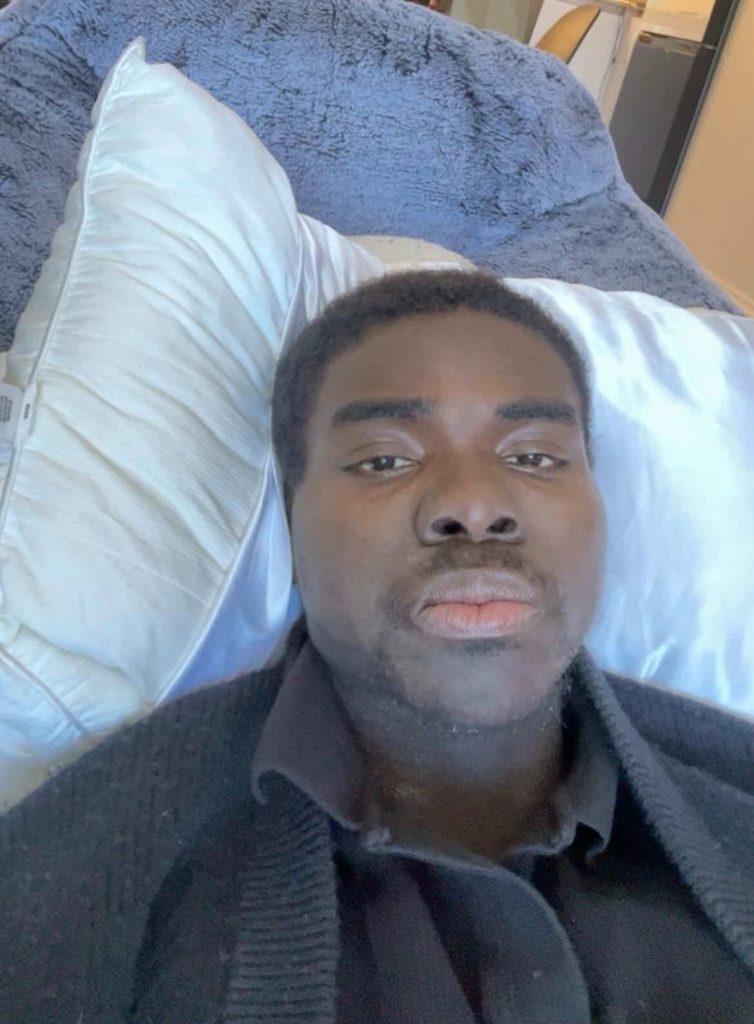
Through all of it, Tobi stayed very supportive. She kept researching, encouraging me, and even surprising me with things she knew I’d need during treatment.
Tobi: There was a point when our parents became frightened by some of the things they read online about chemotherapy and suggested we come back to Nigeria. But I believed Femi and I would get through it together, so we kept pushing.
There were days we were both emotionally exhausted, but somehow, whenever one of us was struggling, the other person would find strength and become the encourager.
Femi: Radiation was one of the hardest parts. They would pin my head down so I couldn’t move while the machine targeted my nose, throat, and forehead. Sometimes I’d lie there for almost an hour.
But the hardest thing emotionally was losing the desire to keep going. During treatment, the urge to go about my day disappeared. Some mornings, I’d wake up with no motivation even to sit upright.
Most nights, the only thing that carried me through till morning was gospel music playing beside me. At one point, I begged the doctors to stop treatment because I didn’t think I could take any more of it.
Tobi: I remember when he fainted during the first week of chemotherapy. He’d complained about feeling strange, so we went to the restroom together. Suddenly, his eyeballs rolled back, and he collapsed before I caught him. I remember just screaming his name.
He regained consciousness after a few minutes, but that was the closest I felt to losing him.
What helped was taking everything one day at a time. Every positive result became a celebration for us. I also had a strong support system. Our families constantly prayed with us and reminded us not to lose hope. Whenever things became overwhelming, I’d call my parents and just cry.
As the weeks passed and we slowly got used to the symptoms and routines, I became more hopeful. Every positive scan result became a celebration for us. I remember when the ENT specialist said the tumour was no longer visible, just a few weeks in. That gave us so much hope.
I also distracted myself by focusing on my business and going to the gym once in a while, though I could never stay away from home for too long because I was always worried about him.
Femi: I decided against using a feeding tube because of the possible long-term damage to my oesophagus. But eating became extremely painful. Most times, I’d hide while eating because I didn’t want to worry anyone with how much pain I was in.
Tobi: One thing I really admired during that period was his strength. Despite how weak he became, Femi was never fully admitted to the hospital. He always recovered enough between sessions to continue treatment from home.
His treatment finally ended in the last week of October 2025, and it felt bittersweet because that was originally supposed to be our wedding month.
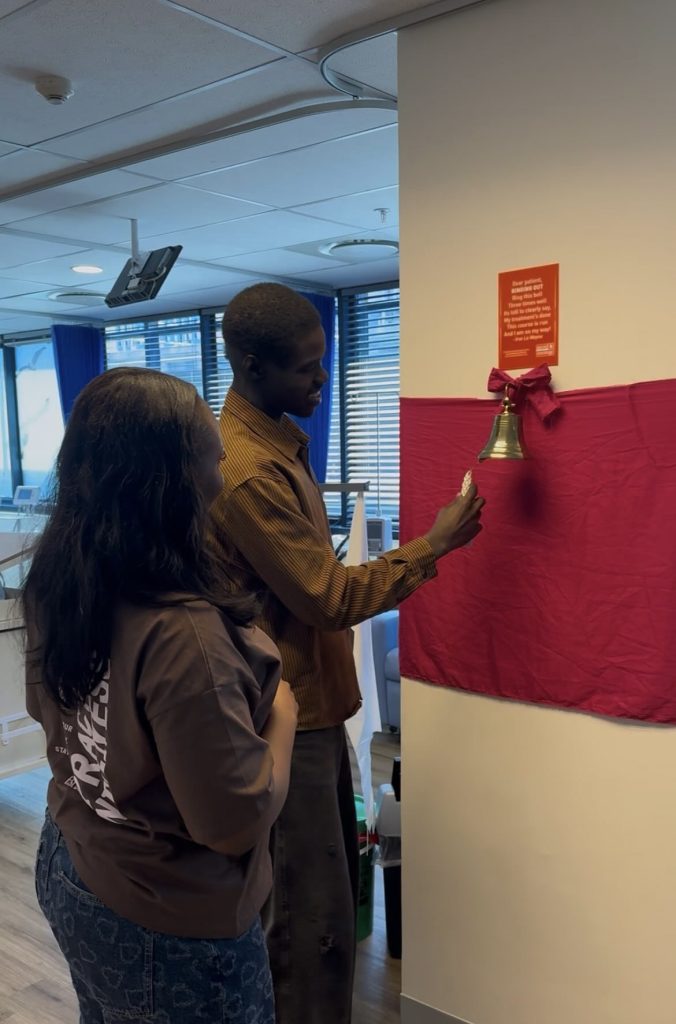
Femi: I thought everything would immediately become easier once treatment ended, but my throat had been badly damaged from radiation. Eating felt like pouring fire into an open wound.
On top of that, I became dependent on pain patches. When I tried stopping them, the withdrawal was terrible. I was constantly sweating and restless.
Then one day, I heard a pastor preaching about healing and faith. He said if you’re praying to God for healing, you also have to believe it is possible. That message pushed me to stop depending on the patches completely. It was difficult, but I began getting better.
Tobi: During that period, we focused on small victories. I encouraged him to start eating solid foods little by little. I still remember the first solid food he ate properly was beans, and we were so excited that we celebrated it.
He started working out again and even learnt how to ride a bike. Seeing him try so hard felt emotional because only months earlier, he could barely move.
Femi: My physical recovery didn’t happen immediately. My hair had fallen out, my skin had changed, and I’d lost 20kg. But I didn’t fully realise how much cancer had changed my body until my parents arrived in South Africa in November. My mum cried throughout the drive home because she could barely recognise me.
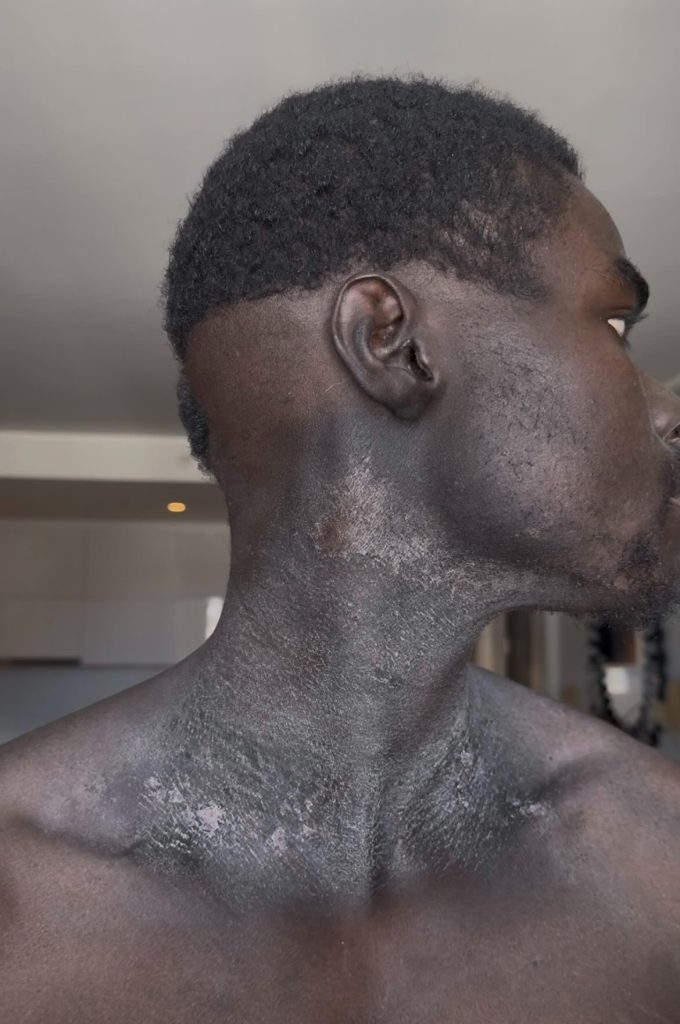
To everyone’s surprise, I recovered really quickly. By December, I felt like myself again, apart from slight pain on one side of my throat. Looking back, everything about that season felt like God’s grace.
Tobi: Another thing that kept us going during treatment was knowing that eventually, when it ended, we’d still have our wedding to look forward to.
We resumed wedding planning and initially chose February 21 for the wedding, but since my church wasn’t available, we moved it up to February 14.
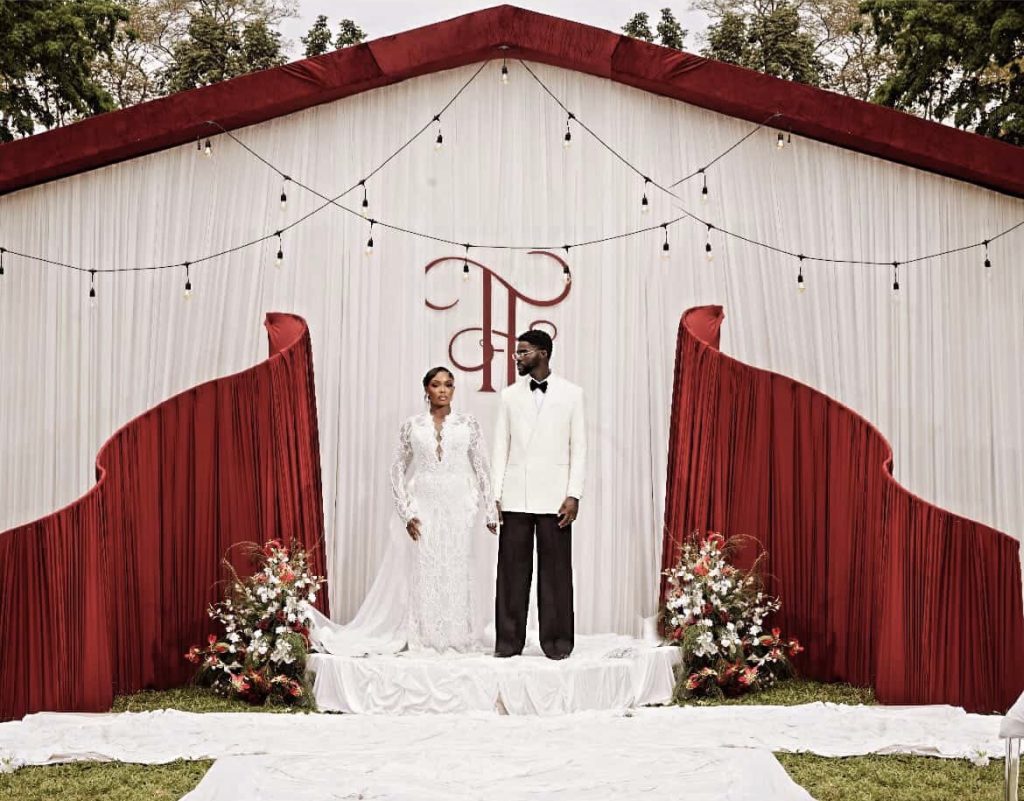
Femi: Getting married on Valentine’s Day felt symbolic after everything we’d survived together. I was already certain about Tobi, but surviving that season together doubled my certainty.
Tobi: There was never a moment when I doubted our love. The foundation of our relationship already existed before cancer. Nothing was going to change that.
Femi: More than anything, surviving cancer changed my perspective on life completely. I’m more patient and grateful for every single day.
One reason I’ve become more open about my experience is because I know what it feels like to sit in fear during treatment. I’ve met other cancer patients since then, and I want people going through it to know there’s hope, even on the hardest days.
Tobi: Before his illness, I was more reserved and anxious about life. Now, I’m more upfront. We take more pictures, express our love more easily, and try new things because life is short and can change overnight. There’s no point waiting endlessly to live fully.
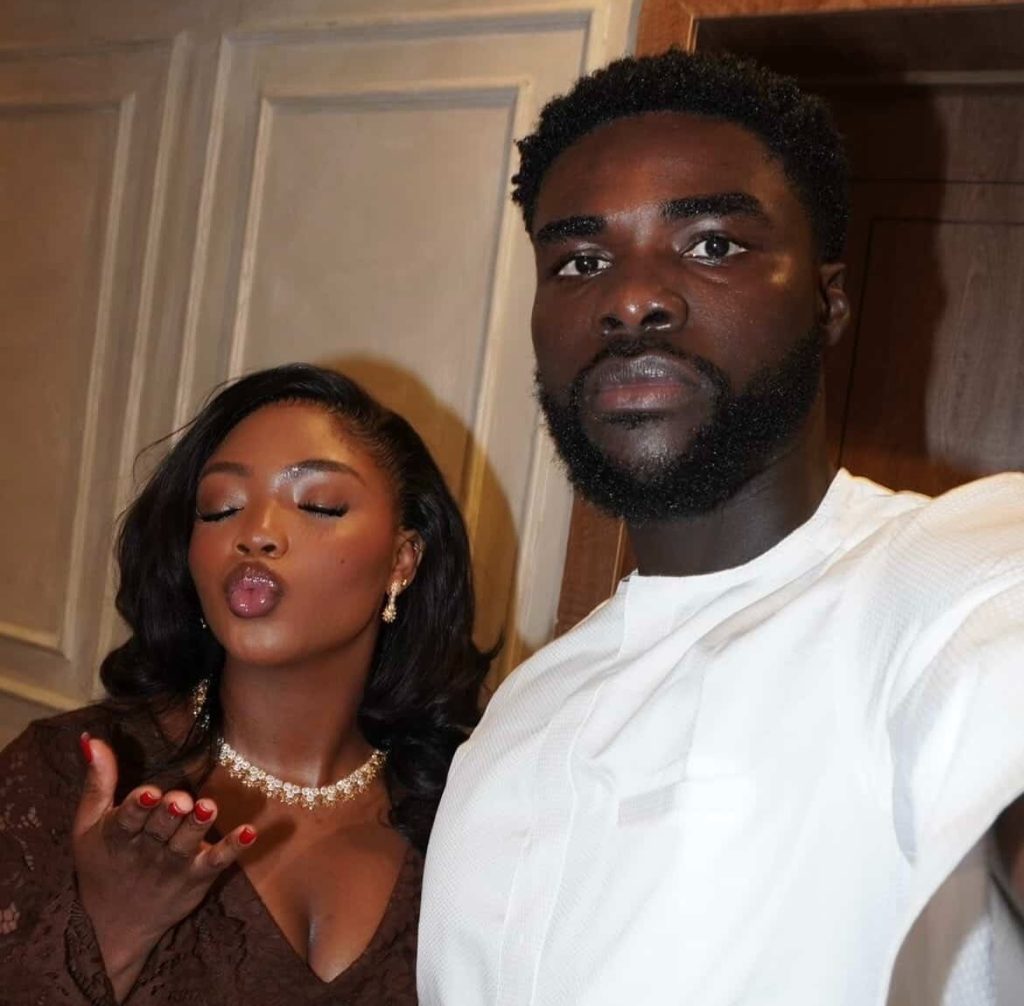
Femi: Through everything, I’m most grateful to God for carrying me through the hardest season of my life and giving me a strong support system that refused to let me give up.
I believe this second chance comes with a purpose. I talk about my journey on social media and have started DavKings foundation to support cancer patients and survivors. I want people on this journey to know they’re not alone and recovery is possible.
Do you have a story to share? Fill this form
Read Next: I Lost Two Husbands Before I Turned 30