Oluremi Martins is the founder of Nigeria’s first hair laboratory for lab-made hair. She also owns the trademark for a fibre that is skin and scalp-safe, engineered to perform exactly like human hair. Seven years in, nobody warned her that she would need to fight for respect in every room.
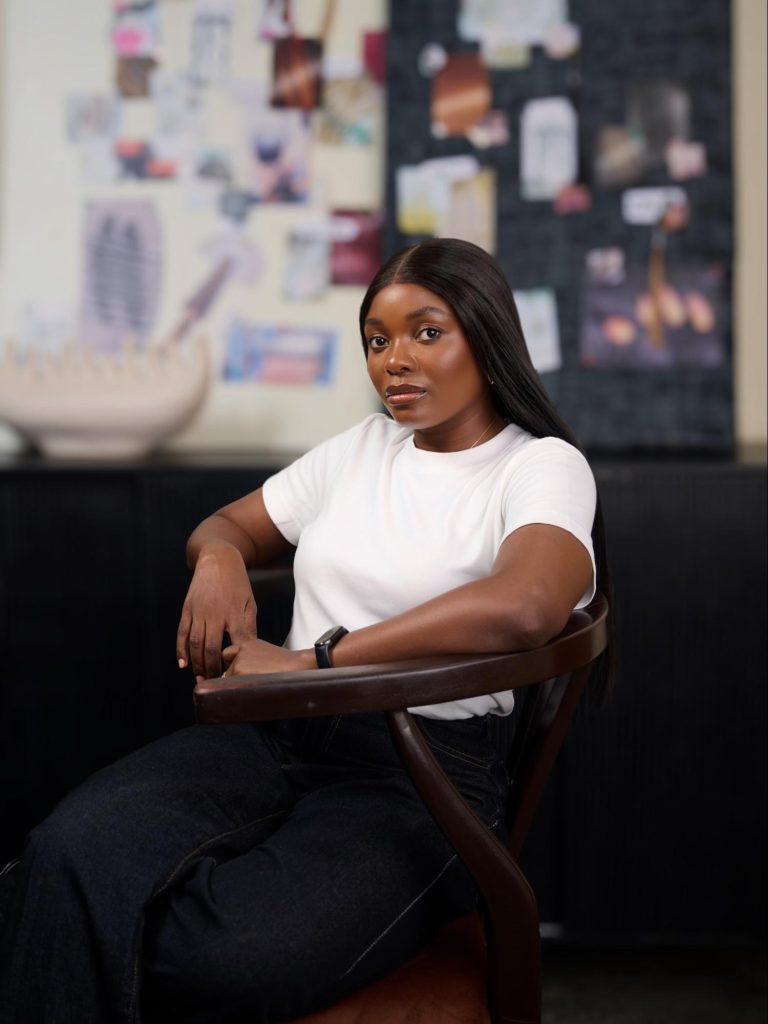
This is Oluremi Martins’ story, as told to Sofiyah
The Beginning
I didn’t grow up thinking I wanted to be a CEO. I always said entrepreneurship wasn’t my cup of tea. But looking back, it was all around me. From my grandma to my dad, who always made sure contracts and jobs were happening. My mum is the same way. It was never about any one of their businesses specifically. It was the spirit of, “if you really want something, you can get it done.” I just didn’t know I’d absorbed it until much later.
I expected to take the traditional corporate path. And for a while, I did. I was head of digital marketing at a boutique agency in Lagos. But I was always curious about systems: how things work and why they work the way they do. That curiosity eventually became what changed everything.
The First Attempt
The first time I tried to start a business, it didn’t work. Hair was always the plan, because I always knew there was something in it for me, but unfortunately, I went about it the wrong way. I thought: save enough money, then start. I learned very early that money is not one of the top two or three things you actually need to begin.
So the second time, I went about it differently. I was working in digital marketing and had seen how people were picking things up on Instagram. It was the beginning of that whole vendor culture. I thought: ‘before I sell anything, I need to know people actually want this.’
I started a blog called Brown Girl NG and posted inspiration for black women around beauty and hair: Tiwa Savage, Kelly Rowland, and women in deeply rooted natural hairstyles. Stuff people were saving on Pinterest but couldn’t find anywhere to buy. I was being very strategic about what I posted, using it to validate the textured extensions I eventually wanted to sell. And then the comments came: Where can I get this? Can you source it?
Even when I knew the demand was there, I kept stalling. What if it doesn’t work? A friend finally said: If it doesn’t work, you can just make it a permanent blog. That was enough.
On a Sunday evening, we took pictures of the wigs in my compound and posted them. By the second day, someone was interested. Our first unit was ₦12,000. We were sourcing synthetic extensions from Lagos and China, and human hair from India. That’s how it all started.
“I would respond to people in the comments at 2 a.m. I was genuinely excited about this thing I had created.”
I was still at my agency job for the first six months. Growing Brown Girl NG meant work breaks, late nights, not sleeping, because I was genuinely excited about this thing I had created. I would respond to people in the comments at 2 a.m. I tested so many things: feed designs, story engagement, all of it. I worked in digital marketing, so I knew how. The energy I put in became reflective of the brand.
The community grew in a way that didn’t require too much from me. There weren’t many options for people looking for what we were selling, so they found us naturally, through hashtags or customer tags. People were just happy they’d found a brand that catered to their needs and that they could trust to actually deliver. It was just an exciting time.
Why She Walked Away
That validation is what became Natural Girl Wigs. But the more I understood the business, the more I understood its limits. It taught me everything. But it also showed me all I didn’t want.
The hair supply chain is deeply opaque. You could order from a supplier you’d trusted for years, and what arrived would be something completely different. No audit trail, no accountability. I kept asking myself: if I want to build something I actually believe in, how do I build it on a foundation I can trust?
“I believed the future of hair extensions was zero human hair. Not the bad synthetic people dismiss, but something engineered.”
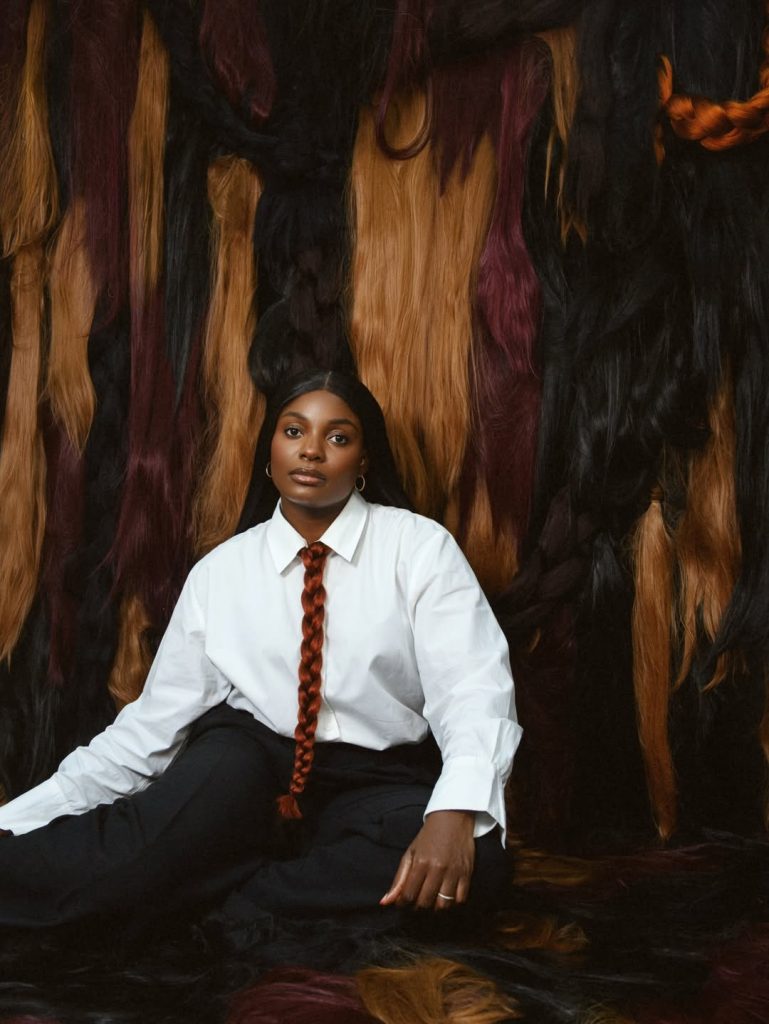
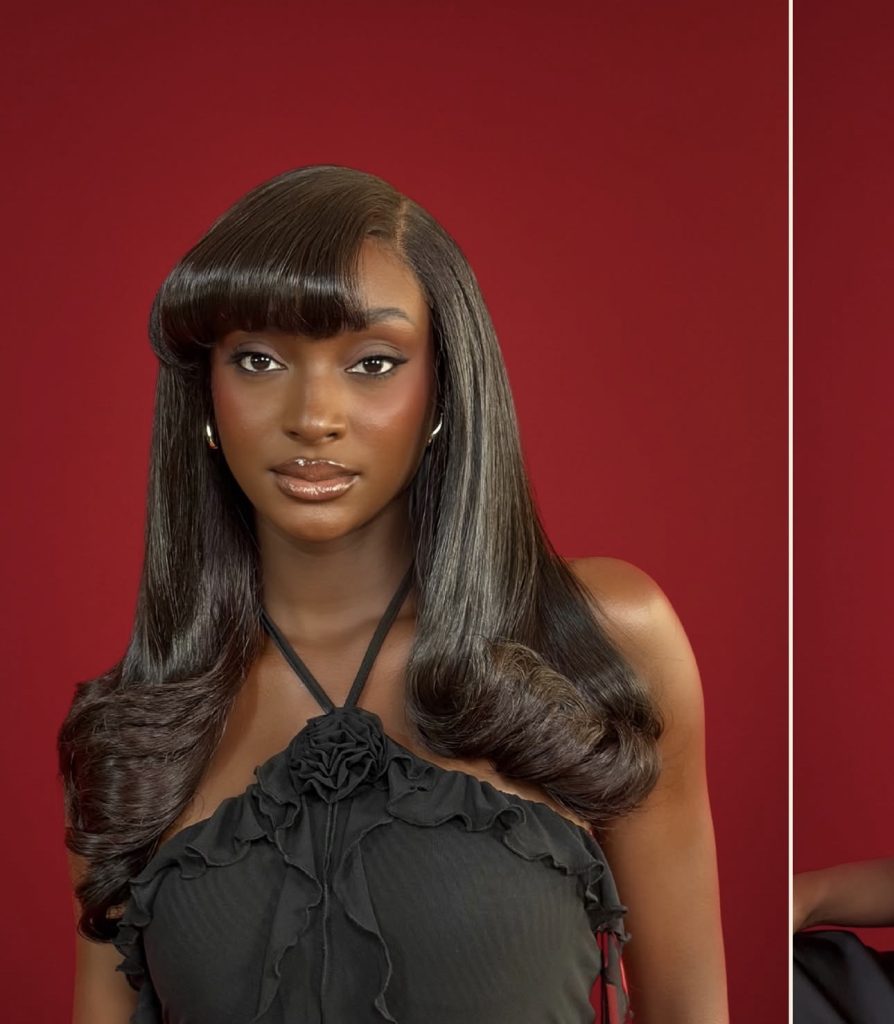
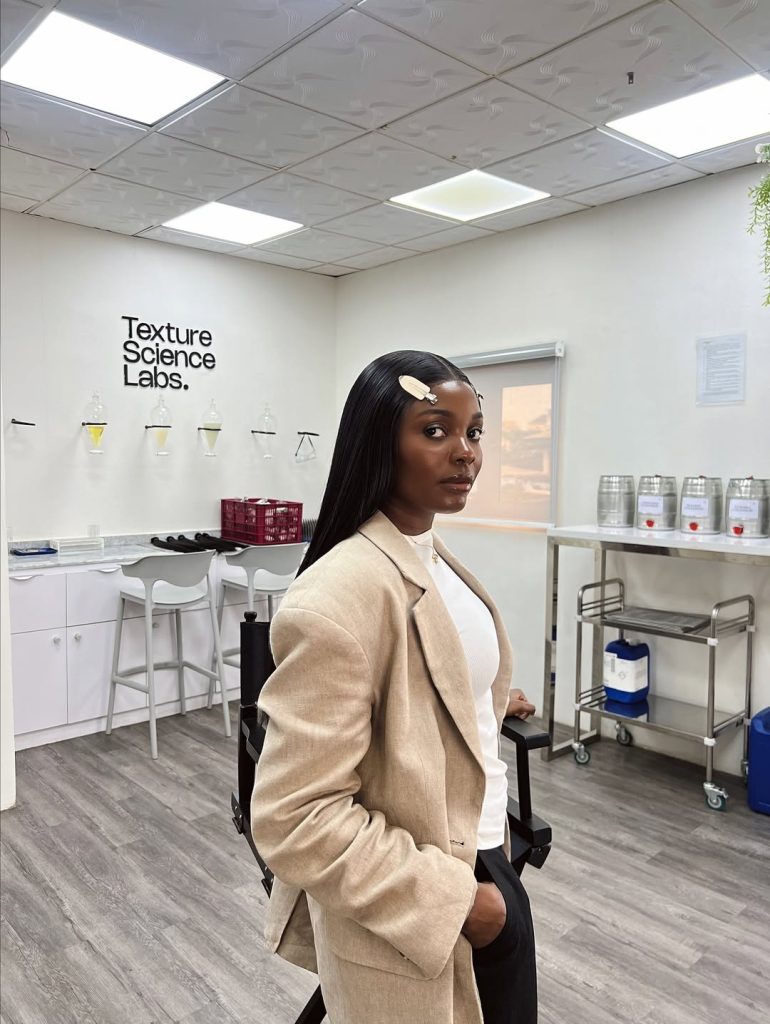
I believed the future of hair extensions was zero human hair. Not the bad synthetic people dismiss, but something engineered. Something safe for skin and scalp. Something that performs like human hair because it was developed in a lab to do exactly that. So I started Texture Science Labs as an R&D company. For a whole year, that’s all it was: researching the industry and figuring out how to build this thing. What came out of it is ReXI™ Lab-Made Hair, and Regirl is the brand we sell it through.
Natural Girl Wigs was the foundation. Texture Science Labs is the bigger picture. Regirl is how that innovation reaches people. And in the middle of building all of it, for a very long time, I did not feel like a leader. I felt like I was just out here hustling.
On Leadership
Manufacturing is a different beast from anything I’d done before. There’s no playbook for what we’re building. The industry doesn’t have one. I’d never run a manufacturing company, and I genuinely underestimated the layers involved.
The first time I actually felt like a leader was late last year. I was on vacation, and my phone had gotten bad. I couldn’t do morning standups or review content going out. And the team did brilliantly. For the first time, I thought: I can breathe. These people are more capable than I even gave them credit for.
What I know about leadership now is very different from when I started. Then, it was all ideas, mission, and philosophy. Now it’s setting the direction, building systems, hiring people smarter than me in their lanes, making the calls nobody else can make. I’m a conveyor and curator now, more than an idea person. That took a long time to accept.
Walking Into Rooms
Part of that is also knowing how to show up. When I walk into a room, I show up confident. I dress intentionally, I overprepare, and I know my numbers and my supply chain. If there’s something I don’t know, I say so clearly. I don’t perform warmth to make people comfortable enough to approach me. I’m not rude. I’m just not doing that particular emotional labour.
I also look for the women. How many there are, who they are. It tells you a lot about the DNA of that space before anyone says a word.
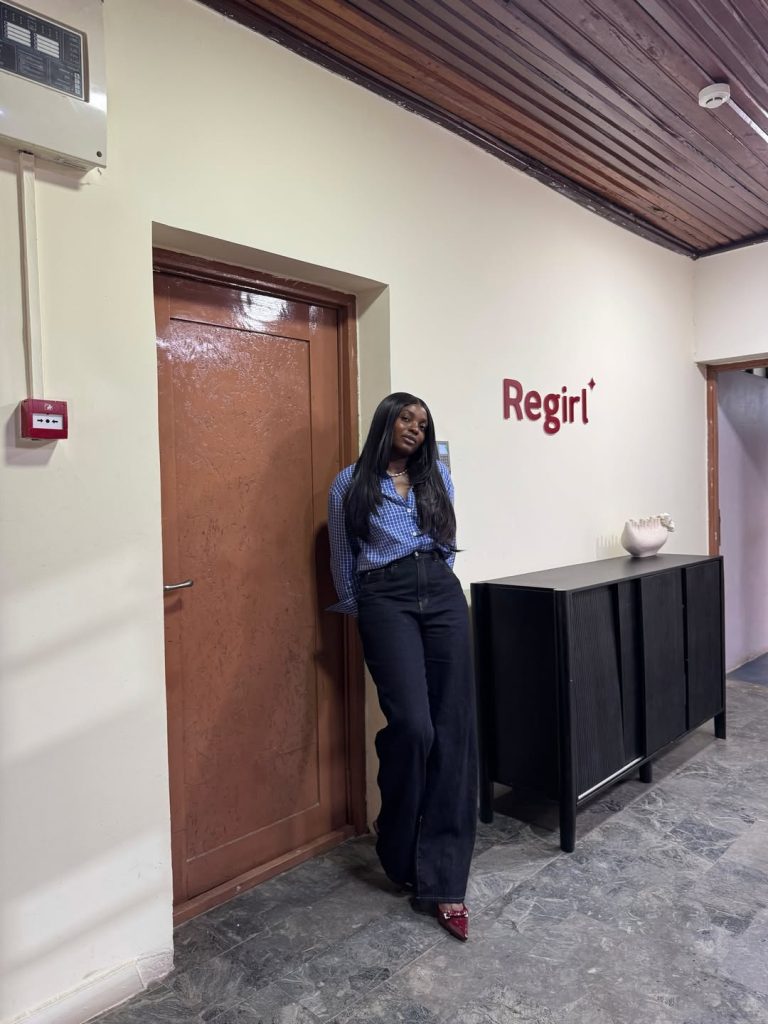
“I don’t perform warmth to make people comfortable enough to approach me. I’m not rude. I’m just not doing that particular emotional labour.”
I’ve had one moment that truly made me feel the weight of being a woman in business. Someone who was supposed to believe in what we were building said, casually, that “this is why they prefer dealing with men.” I didn’t react. I kept listening. But that was the moment: someone looking me in the eyes and saying that out loud. It was interesting in the way that things are when they also sting.
What They Don’t Tell You
Nobody prepared me for how hard respect would be as a Nigerian woman in business.
There’s this persistent undercurrent of not being taken seriously enough. It’s not always loud. It’s in how quickly someone responds to your requests, their body language, the assumptions people make about what you want or don’t want, simply because you’re a woman. And then you have to decide how to handle it. Do I come in firm? Do I soften this? Do I frame this as a leader, or am I being reduced to framing it as a woman? Men don’t have to do that calculation in the middle of trying to build a company.
I don’t think that’s fair. But that’s the reality, and I’m learning to factor it in.
The Real Cost
The real cost of all of this? My social life has shrunk. There’s constant self-doubt, the kind that makes you ask: Am I delusional? Am I good enough? We’ve had to invest a lot of our own money. The mental health battles are real, and I’m not going to romanticise them. Let’s just say: we are still in the trenches.
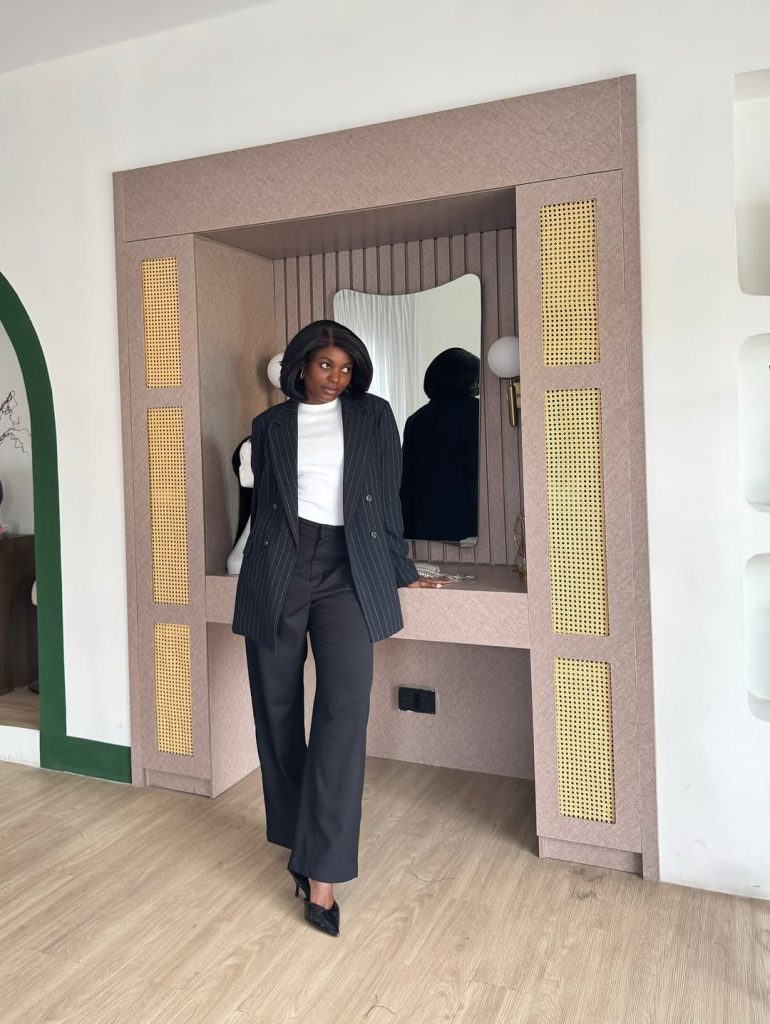
But to the next woman building something from Nigeria: good work is still the best foot you can have at any door. You don’t need permission. Women always want clarity before they start, advice before they move. I understand it. But you never really know until you do. The rest, you figure out as you go.
Whenever you wake up is your morning. Go.

The Naira Life Conference is returning on August 22, 2026, in Lagos! Come learn from finance experts and industry leaders, and partake in unfiltered conversations about building wealth and diversifying your income stream in a country like Nigeria. Real stories, expert advice you can actually use, and a community ready to build wealth together. Secure your spot here.