Nigerians are dangerously confident. They tell themselves “it can never be me.” This same confidence makes Nigerians skip annual health check-ups, and never ask a new partner when they last were tested for sexually transmitted illnesses (STIs). Dr. Gbonjubola Abiri, consultant psychiatrist and CEO of RediMed Consulting Services, and Dr. Shakirat Smith-Okonu, consultant obstetrician and gynaecologist have both seen where that confidence leads.
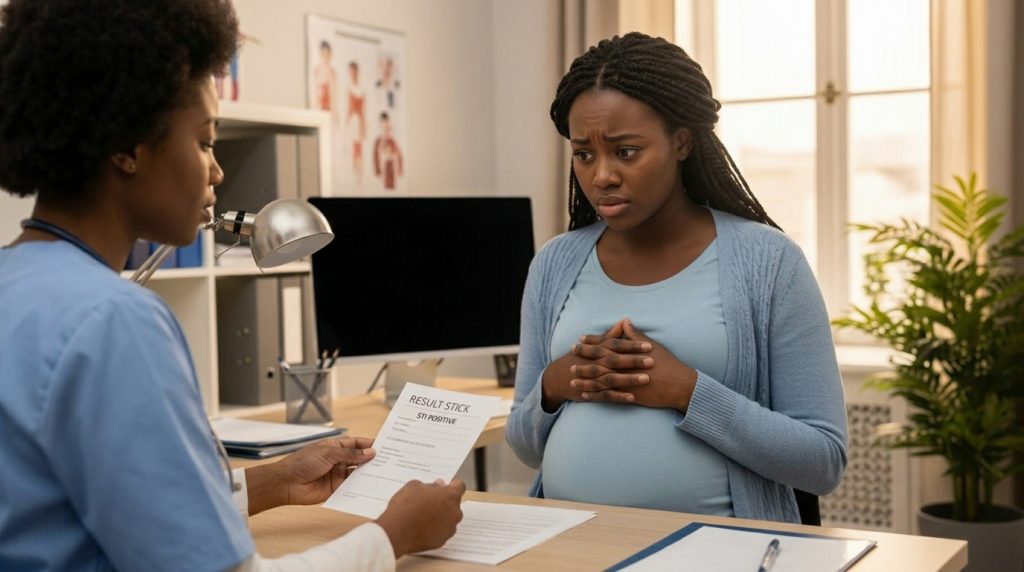
They explained what unsafe sex actually costs, financially, physically, and mentally.
1. Looking Fine Is Not a Diagnosis
The first thing both doctors want to retire is the idea that no symptoms means no problem. “Many infections are silent, including HIV, gonorrhoea, chlamydia,” Dr. Abiri says. “People can look perfectly healthy but still be carriers and transmit infections.”
Dr. Smith-Okonu takes it further. “Most STIs are asymptomatic. People have them and do not know.” Her prescription is to stop waiting for your body to send a memo.
2. We Did the Maths and It’s Not Cute
According to Dr. Smith-Okonu, emergency contraception sits under five thousand naira if you know where to look. An IUD from a government facility can be close to free, while a private clinic charges between ten and twenty-five thousand.
Then there’s abortion. Because it’s illegal in Nigeria, most people procure unsafe ones, which means complications, which further means that costs spiral fast. “It can vary between twenty-five, fifty, one hundred thousand, depending on where it’s being done,” she says. And if things go wrong, which they often do, “the cost of getting into an ICU is about one and a half million for blood transfusions, dialysis, and surgeries.” She lost a patient to those complications recently. “Prevention is definitely cheaper than cure.”
3. The Bill Always Finds a Woman
Both doctors are clear on the fact that women carry the heavier bill. “Because of the female anatomy, women are more likely to acquire an STI from a man than a man from a woman,” Dr. Smith-Okonu explains. Pregnancy, complications from unsafe abortions, and fertility damage from untreated infections. All of it lands primarily on one body.
Dr. Abiri brings up the cost that rarely makes the conversation. “The children are often forgotten bearers of the cost.” Kids born from unplanned circumstances grow up with limited resources, unstable environments, and emotional difficulties they didn’t sign up for. “Unsafe sex is not just an individual decision. It can create family, economic, and emotional strains, as well as generational impact.”
4. The Part That Lives in Your Head Rent-Free
Dr. Abiri describes the psychological toll as “one of the most underrated and underestimated costs.” Even waiting for results does damage. A patient of hers described the weekend between doing an HIV test and waiting for results as “the longest weekend he ever had.” According to her patient, “Food tasted bland, and colours looked dull.” He was negative, but those days still cost him something.
A positive diagnosis can trigger grief, shame, emotional withdrawal, and a complete reshaping of how someone approaches intimacy afterwards. “Unsafe sex affects the body,” she says, “but it can also affect the mind. It affects confidence, and it affects how a person relates to others, long after the event has passed.”
Both doctors will be the first to say this isn’t about judgment. It’s about information that could genuinely save your life. “Don’t allow a few minutes of fun and excitement cost you a whole lifetime of pain and suffering,” Dr. Smith-Okonu says. Test regularly and communicate before things get complicated. Choose yourself, even when it’s awkward.
Next Read: This Nigerian Woman Turned Her Concern For Brides Into a Business