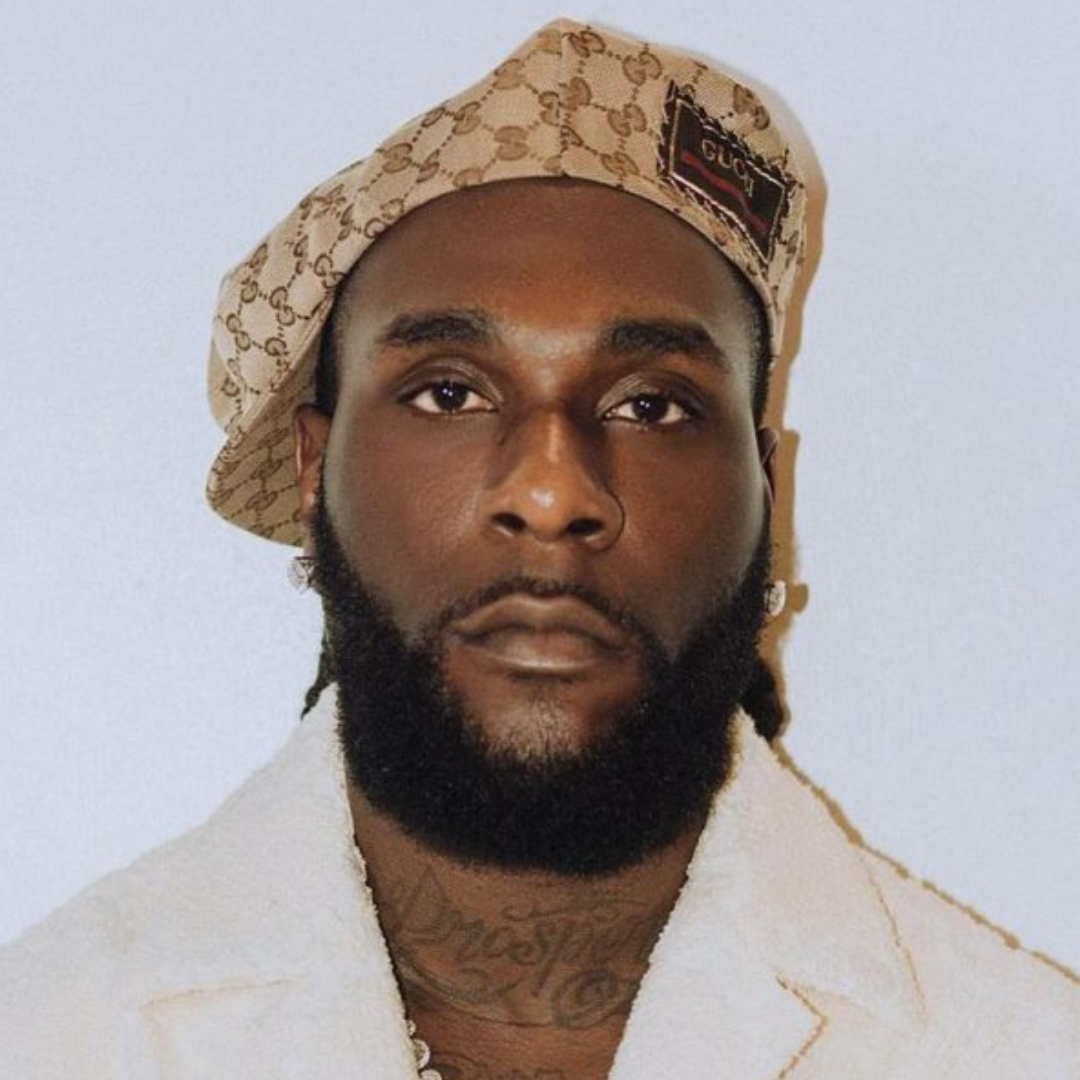
Early this month, a video of DJ Tunez, Wizkid’s longtime DJ and associate, sprawled on the ground at Obi’s House went viral. The clip surfaced hours after whispers began spreading about an assault on a well-known Afrobeats DJ. Reports across Nigerian outlets, alongside Tunez’s own account, claimed Burna Boy struck him from behind during a dispute over which songs were being played. A fight followed, drawing in members of his entourage.
Burna Boy later told Shallipopi on Instagram Live that he acted alone, insisting his crew never touched the DJ, while admitting he gave him “two slaps.” In response, the Nigerian DJ Association announced a temporary ban on his music among its members pending review. Then came the part that soured everything further: a clip of Burna Boy, wrapped in a white towel, dancing to Tunez’s “Money Constant” and mocking the fall as a joke.
This brings up an old question in music criticism: what do you do with great music made by a problematic person? None of the usual answers feels satisfying.
You can separate the art from the artists, which is a tidy lie many eventually stop believing. You can boycott, which feels righteous until you notice the algorithm doesn’t care, and your skips are little drops in an ocean the artist is already swimming in. You can stay on the fence, which works only as long as nobody brings it up at the function. None of them really solves the problem.
Afrobeats stars have a way of exposing what the scene is built on: the unspoken agreement that talent is a kind of indemnity. A man who can make thousands of people at home and abroad scream a hook back to him in a language many of them don’t speak is, by the logic of the culture around him, too valuable to be fully held accountable for what he does with his hands, whether violently at Obi’s House or erratically on social media.
That agreement can be seen in the bookings that keep coming, the brand deals that still get signed, the podcast and interview appearances where hosts laugh through the beef stories, and the stan accounts that keep receipts as banter fuel for the next got-you moment.
Subscribe to Zikoko Pop newsletter, The Feed, for the most important pop culture news
What interests me here is not whether Afrobeats has terrible people in it. Every genre does. Rock has entire canons of them. Hip-Hop’s relationship with its worst figures is a behemoth of its own. The more pressing question is whether Afrobeats, specifically, has the cultural infrastructure to do anything about them. In 2026, the honest answer is: not really. Whatever passes for infrastructure is running on the wrong incentives.
Those incentives produce the messy content that dominates our timelines. A fight at Obi’s House becomes both a news cycle and a marker of being unfuckwithable. A backstage headbutt at Rhythm Unplugged becomes a trending topic on X before the scuffle gets sorted. An elevator confrontation at a hotel in Uyo. Spitting at a talent manager at a fashion show in London. A hundred threatening messages scattered across platforms. Gleefully acknowledging an assault on a record label staff member. All of this now lives inside Afrobeats.
Violence is slowly shifting from being a glitch in the coverage of Afrobeats to being a feature of it. The blogs, the stans, agenda-raisers and even the artists themselves now wield this ugliness efficiently to produce more ugliness.
The existing structure rewards bad behaviour. Even the algorithm eats it up. DSPs don’t distinguish between streams driven by genuine fanlove and ones driven by rubbernecking.
So when grown men in their thirties, generational talents with great music, choose violence and public disorder, it shouldn’t be dismissed as bad judgment. It’s simply a calculated move from artists who know what this culture will tolerate.
What makes the Afrobeats version of this problem worse than the usual pop-culture one is the intimacy of the music itself. Afrobeats isn’t really a genre to consume at arm’s length; it’s music for enjoyment, weddings, owambes, house parties, raves, and even bad days. And the truth is, the music follows us into our own lives, terrible artists or not.
When a Burna Boy song like “Onyeka (Baby)” sits at the top of your romance playlist, or an OdumoduBlvck verse is what got you through final year, the question is no longer abstract. It becomes harder to separate the voice from the man behind it, whether he is the one accused of ganging up to beat a DJ or assaulting and harassing a fellow artist and his team. “I just like the music” stops working once the music is soundtracking how you cook, unwind, grieve and even fall in love. When you are that immersed in an art form, you don’t get to hold it at a distance. You are already inside it.
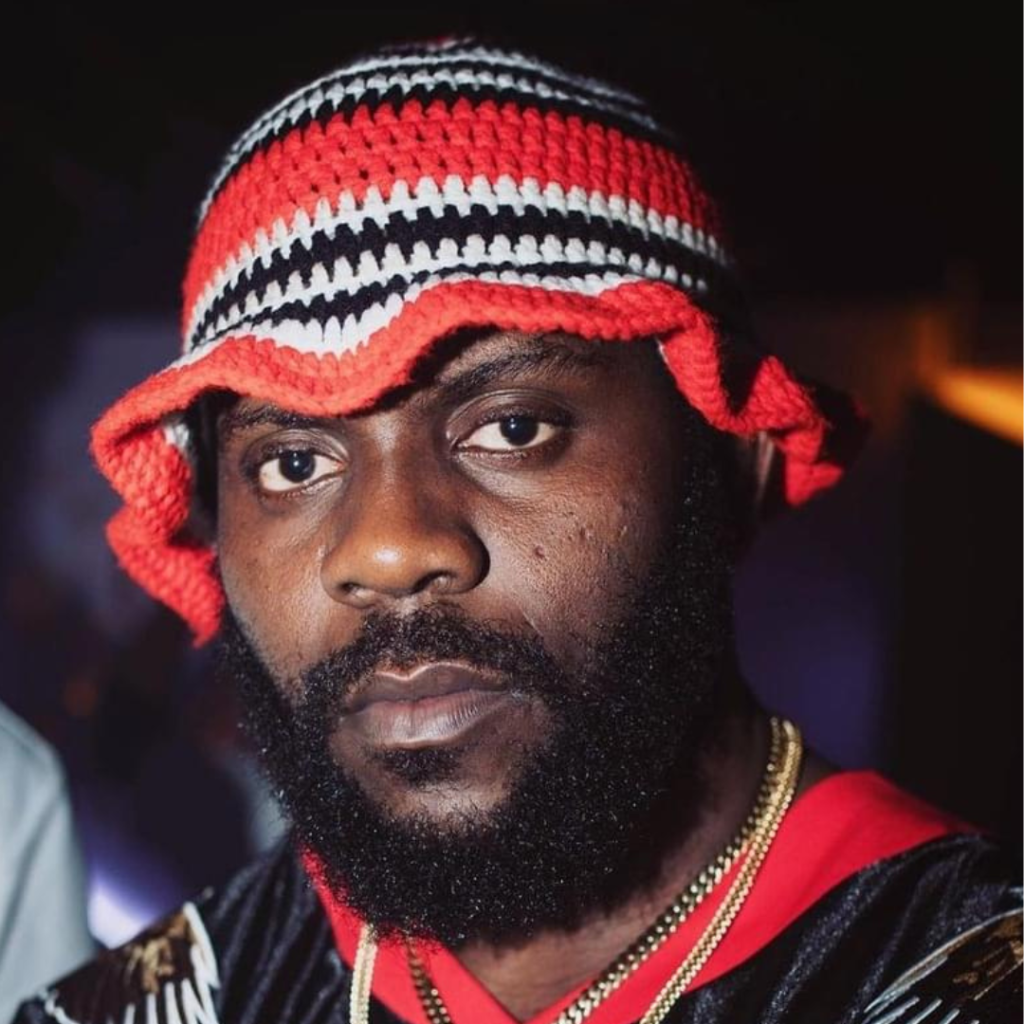
So talent becomes an armour that works in ways subtle enough to be denied. A show booker or promoter doesn’t say, “I’m giving platform to a man who allegedly shot a couple at a club.” He says the numbers make sense. A label doesn’t say, “We’re insulating him.” It says it’s waiting for the facts, or says nothing at all. A fan doesn’t say, “I’m defending cruelty.” They say you’re a hater, an FC supporter, or a Chocolate City plant, then keep scrolling. Individually and collectively, these moves build a wall around the artist that no one ever admits to helping construct. This is how industries everywhere protect their worst people. The difference in Afrobeats is that these walls aren’t just protecting the artists; they’re becoming the foundation of a rapidly expanding genre.
READ NEXT: Is Afrobeats In Decline?
And on closer look, this isn’t new. We saw it happen with Mohbad. The 27-year-old singer spent the last year of his life telling the internet, on camera, with blood on his shirt, that he was being hurt. But even while he was alive, his pain was processed as content. He died in September 2023, and the outrage was enormous and justified, then mostly gone within months. The case of violence against him, also dead and gone, wasn’t seen to the end. What remains on record, however, is what the culture did while he was still alive: it watched, consumed and moved on.
Every viral fight and violent episode since then — such as the OdumoduBlvck vs. Blaqbonez and Chocolate City, Burna Boy in a towel dancing over a man he had just hit, whatever is brewing up next week — is the same culture running the same play on a slightly different body. The only difference is whether the body survives.
The most uncomfortable thing to admit, especially for someone like me who still plays songs by problematic artists, is that separation doesn’t work here, and boycotting is more posture than practice. What might work is smaller and less satisfying. It’s refusing the idea that talent is a get-out-of-jail-free card, and saying plainly that acts of violence do nothing but short-term entertainment and long-term destruction to Afrobeats and the culture around it.
Real change, however small, starts with naming the guilty artists and holding them responsible, and treating the manager who got hit and spat on, the label staff and the DJ who were physically assaulted as protagonists of their own stories rather than side characters in endless beefs. No one should be absolved on a curve because they can sing or rap.
An industry that cannot protect a DJ at one of its popular flagship club nights, cannot stop a feud from ending in hospital admission, cannot caution artists who go rogue, has really big problems. Afrobeats has bad apples, as every industry does, but the issue is that the orchard has stopped checking.
The art of Afrobeats is real. So is the ugliness within it. And it’s okay to be bothered about it. It’s also, I must say, a fair ask to require the media and music journalists to speak out on these important issues. But Afrobeats is mature, and so are the majority of its stars. We can’t always be parents to grown-ups who refuse to act grown.
With that said, Afrobeats, in a healthy sense, will only go far when it accepts that it has bad players and reprimands them for being bad. We aren’t there yet and we might not get there. But the least we can do, while the beat is still on, is stop clapping to the wrong one.
ALSO READ: Why Are Nigerian Pop Albums So Forgettable These Days?