The Nigerian experience is physical, emotional, and sometimes international. No one knows it better than our features on #TheAbroadLife, a series where we detail and explore Nigerian experiences while living abroad.
Emeka (30) was driven to leave Nigeria by the failed promises of the Buhari presidency. In this story, he talks about his experiences in the U.S., having to watch his father’s burial virtually and the difficult process of joining the U.S. Navy.
The views expressed are those of the subject and do not reflect the official policy or position of the U.S. Navy, Department of War or the U.S. Government.
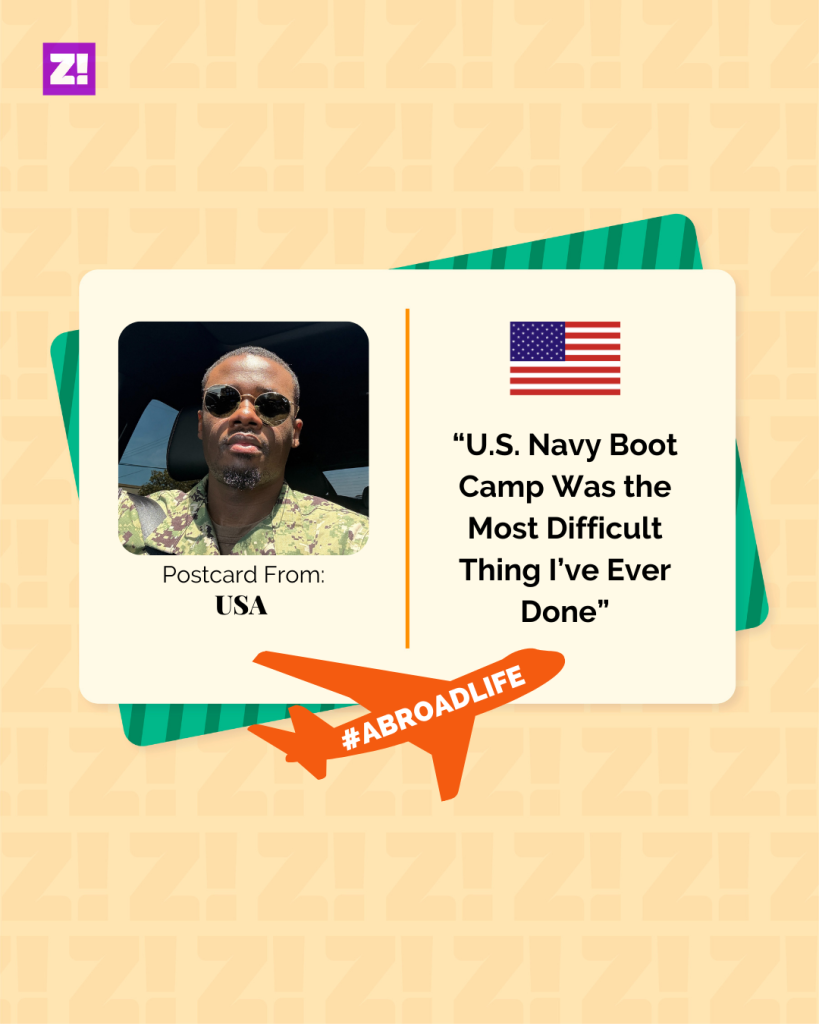
Where do you live currently, and when exactly did you move?
I live in California, United States (US). I have been here since 2019.
What inspired you to leave Nigeria?
A few things, but it was mainly Buhari’s presidency. I was part of those who were deceived that change was coming. I was in university during the Occupy Nigeria protests, and it felt like Nigerians had finally had enough of bad governance, and this was the man to change things. But I very quickly realised my support for him was a big mistake.
I remember one thing that was really frustrating before I left was the electricity bills. Around 2018, I was earning about ₦150,000, which was good money for a young man back then. But some months, around 40% of my salary went towards electricity bills alone. It felt like I was working, but I wasn’t seeing what my money was being used for. As soon as I got the chance to leave, I did.
Was that your first time leaving the country?
No. As part of the Young African Leaders Initiative (YALI), I went to a few West African countries. I was shocked by how organised life was in those places. These countries are smaller and have fewer resources than Nigeria, but things were just working. I interacted with people from Liberia and Kenya and realised how far behind we were. It was embarrassing.
During Liberia’s civil war, Nigeria acted like a “big brother” to help them out, yet things there were much better when I visited than in Nigeria. I came back knowing I definitely needed to leave.
Did you move to the US to study or work?
It was to study. At that time, I thought I wanted to be a software engineer like my sisters, but I realised I didn’t enjoy coding. I did cybersecurity classes at New York University (NYU), but it was boring to me. I decided to focus on marketing since that was what I liked. I doubled down on product marketing, which is what I do now.
How did you fund your trip?
My mum. She is my biggest hero, my pride, and my joy. She saved up and used her network to get us here. I owe her a lot. It’s why I don’t believe in “black tax,” because it takes a village to raise a child. My focus is on trying and praying to have the capability to take care of my family as they did for me.
What was it like when you first arrived in the US?
The weather was a big shock. I moved to New York first, and it would get very cold. In Nigeria, you don’t check the weather before you pick what to wear. But here, you have to, and you must dress accordingly. I actually really miss the Nigerian weather.
I was also shocked by the amenities, like the constant light. Even during intense snowstorms, the lights didn’t blink. If you tell someone here that you are excited about constant power, they won’t understand.
I couldn’t wrap my head around how they passed gas and water through pipelines directly into houses. Back in Nigeria, I once got into an argument on social media over whose responsibility it was to dig boreholes for homes. I said it was the landlord’s, one guy said it’s the government’s job to provide water to all households. I couldn’t believe it. I really argued. But that’s exactly how it is here. Seeing how everything works made me ashamed of how much Nigeria had affected my mindset.
How did you cope socially?
I struggled at first. I think I only made one friend in my first year. But about a year after moving, I met a friend from secondary school who was also in New York. She helped me realise I needed a community to help me avoid mistakes. I became more intentional about connecting with people. You cannot do life in the US without a community.
There are Nigerian-US communities like NIUS on Twitter and WhatsApp that help people moving to new cities. So, if you want to, you can find people to connect with and build your own community.
Have you been back to Nigeria since you left?
No. It has just worked out that I’ve never had the need and opportunity to travel back. Every year, there has always been something that keeps me here—work, school, or my service in the military.
Now, my mum and sisters are all here too, so I don’t really have a reason. But I am planning to visit soon just to see how much or how little things have changed. I think I’ll experience a different type of culture shock.
You’re in the US military?
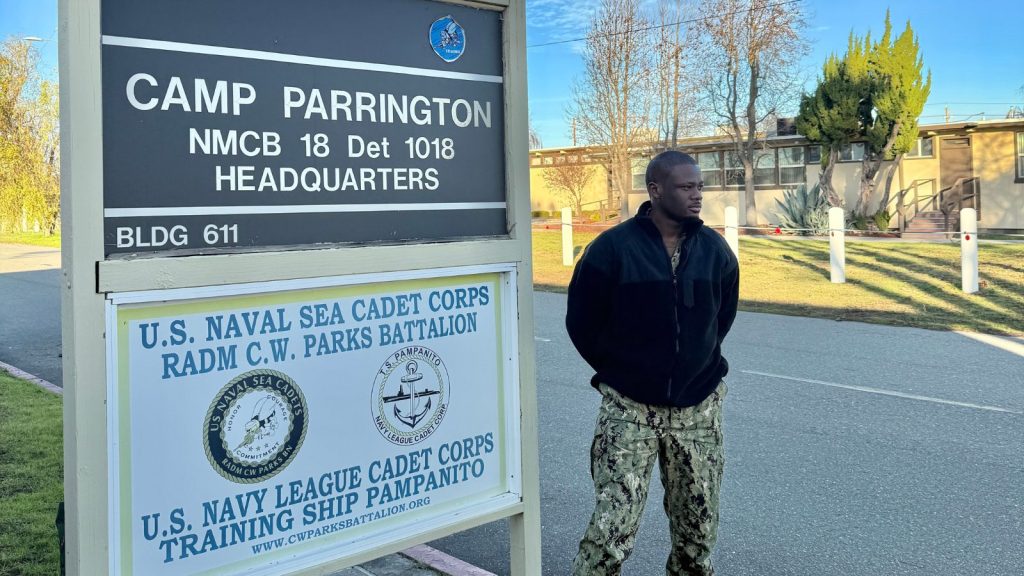
Yes. Aside from my tech career, I serve in the U.S Navy. Joining the US military feels like a badge of honour. It’s amazing to be a Black man from Nigeria, be given so many resources in the U.S., and to be able to give back by way of serving in the most powerful military force in the world. I knew when I came here that I didn’t want to be just another average immigrant; I wanted to distinguish myself. Joining the US Navy has done exactly that.
But it wasn’t easy. Whatever you see in the movies is like 2% of reality. Boot camp was intense. I had to learn to swim like a fish in the winter. By the end, I had lost 12 pounds. I really pushed myself beyond my physical and mental limits.
For the graduation, my family all flew in. Marching in front of them during the parade was a beautiful moment.
So, is the US home for you now?
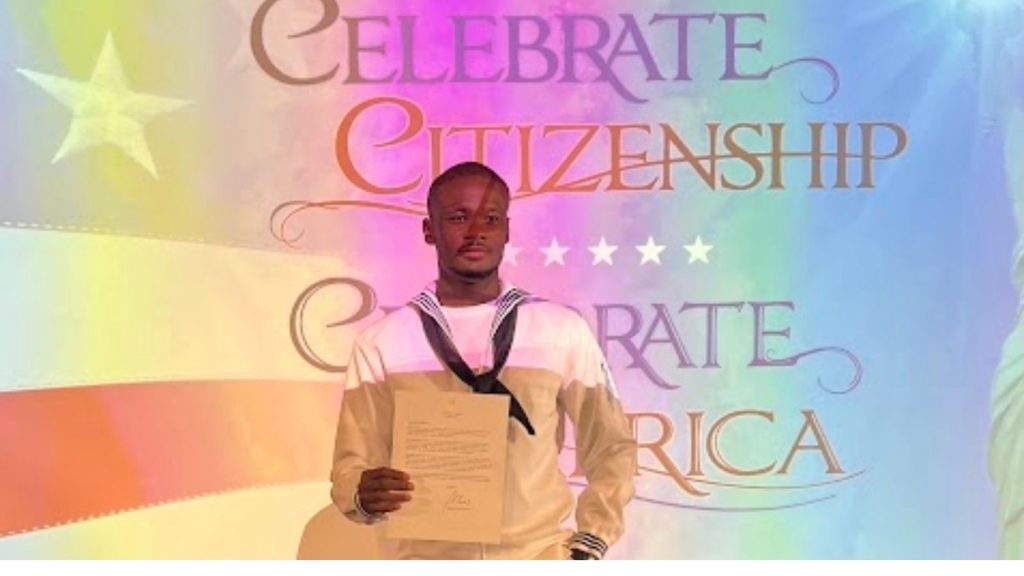
Yes. My family is here, I am schooling here, I proudly serve in the US Navy, and I see myself raising my own family here.
I don’t see myself moving back to Nigeria permanently. Nigeria has taken so much from me, from all of us. You could be a billionaire, and a truck will fall on you at Ojuelegba bridge, and all your money won’t matter because there are no emergency services to respond in time.
Have you felt discriminated against in the US?
Not to my face. There might have been microaggressions, but I don’t dwell on things like that. I don’t like positioning myself as a victim. Honestly, I think an average Nigerian will experience more tribalism back home than they will experience racism in the US.
On social media, you will see people telling you to go back to where you came from, even if you were born, raised, and pay taxes in Lagos. The mayor of New York City wasn’t even born in the US, yet he holds office. That tells you everything.
What has been your worst experience in the US?
It was my father’s passing. He died in Nigeria during the COVID-19 pandemic, so I couldn’t even travel back. It was hard being so far away while it all happened. I didn’t even get to talk to him before he died, and I had to watch his burial on Zoom.
So sorry you had to go through that. What about your best experience?
Watching my sister get married. I walked her down the aisle because my dad was gone. I watched her grow up, helped her with homework, so seeing her get married made me feel like a father. It felt like a culmination of so many things. Definitely a high point for me.
What about your love life?
I am currently single. I’m a really family-oriented person, but I’m not ready to commit to a serious relationship at the moment. Right now, I’m building a startup with my long-time friend. My Master’s, and the U.S. Navy also demands so much of my time. I don’t want to be in a situation where I’m neglecting my family responsibilities because of the goals I’m chasing.
That makes sense. Can you compare dating in Nigeria and the US?
In my experience, dating in the US is better than in Nigeria. In Nigeria, a man often leads with money. Here in Silicon Valley, if you try to approach things that way, the women here will think you’re trying to insult them. They’ll ask you if you think they’re poor or orphans. It really changes your perspective on what a relationship should be.
On a scale of one to ten, how happy are you in the US?
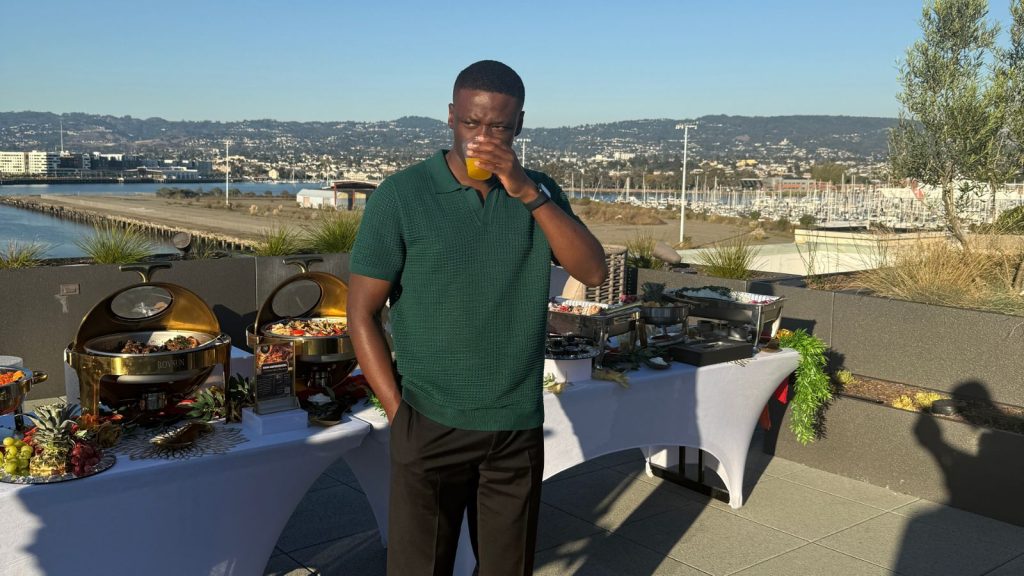
Ten. I feel like I have everything I need here. The only thing I miss from Nigeria is the sense of community. As a kid in Nigeria, you could be walking home, get picked up by a neighbour driving by. That doesn’t happen here. But otherwise, life is good, and it keeps getting better.
Do you want to share your Abroad Life story? Please reach out to me here. For new episodes of Abroad Life, check in every Friday at 12 PM (WAT).
Politics affects your life everyday and in so many ways. And you should have a say in who gets to decide things that affect you. At the second edition of The Citizen Townhall, we’ll be answering the big question: Who gets to shape our lives and what can we do about it?

February 28, in Lagos, there won’t be a more important place to be. Come through and join the conversation. Register here.
Click here to see what other people are saying about this article on Instagram