Like every serious business with moving parts, Afrobeats has never been good at standing still. Every year, it aspires to new peaks and tones. 2026, no doubt, will be another chance for the genre to grow and stretch in multiple directions.
Instead of guessing from the sidelines, I asked the people inside the engine rooms: the executives, A&Rs, community founders, music journalists and culture drivers who, for the most part, help determine where Afrobeats goes next. Most are optimistic. Some are cautious. All of them have opinions.
From music evolution and a new crop of artists to local relevance and what success might look like in 2026, these 10 Nigerian music industry players share their predictions on where Afrobeats is headed in 2026.
“This year is less about volume and more about impact.” — Omolola Ige (Head of Marketing, Sony Music, West Africa)
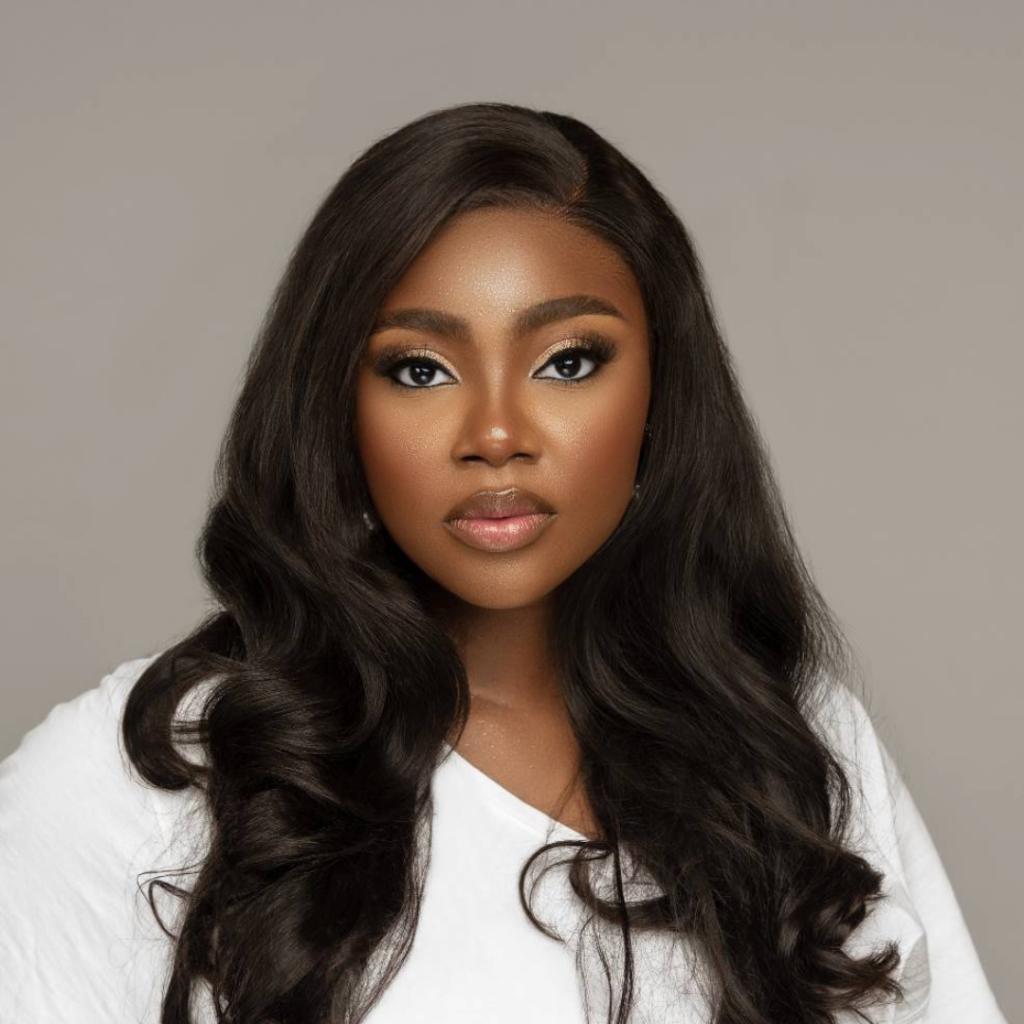
“In 2026, Afrobeats will continue to grow globally, with Spotify still leading discovery and scale. But creatively, the genre is at a turning point. Toward the end of last year, we saw shorter audience attention spans around albums. Many artists released projects, but very few produced true global hits. That has created a real hunger for new sounds and more intentional records. We’re moving away from formulaic releases toward originality and stronger sound identities, especially from emerging acts like Mavo and Zaylevelten. This year feels less about volume and more about impact.”
“Same as 2025. More polarising music styles.” — Ayomide “AOT2” Tayo (Culture Journalist and Podcaster)

“I think 2026 will be a continuation of what we saw in 2025; new acts emerging with polarising grunge, trap, and progressive street-hop records, as well as Naija-fine-tuned Amapiano cuts. A lot of big names might be phased out this year if their singles and albums don’t make a mark.”
Subscribe to Zikoko Pop newsletter, The Feed, for the most important pop culture news
“People in Afrobeats will become more disciplined this year.” — Dolapo “tGM” Amusat (Founder, WeTalkSound)

“From the industry side, there will be greater discipline around deals and advances that labels are offering. They will be more measured this year, based on the lessons from the previous year. And that’s already happening, because labels are a lot more intentional about what they’re offering because there’s now enough historical data to predict what the economics and finances will look like.
People will become more disciplined, too, because they’ll realise that audiences now know they’ve been overpaying for certain things and not getting their value back.
Some songs have already dropped and received acceptance this year. It’s clear that Afrobeats has taken a freer form. People are making whatever they want. This will lead to greater overall success for Afrobeats this year, but the flip side is that the audience will get tired of the unpredictability and want some level of structure.”
“This year, there will be a huge focus on home, Nigeria.” — Joey Akan (Music Journalist, Podcaster and A&R)

“In 2026, the pendulum will move back a bit. Afrobeats is going to move into sustainability. We had it once, briefly, then we pushed past that to the stage where we’re seeing people with money release music, and we call it “Nepopiano” because the funding institution is stalling for the mid and lower-tier creators and the business. There’ll also be a huge focus on home, Nigeria and winning in other parts of the African continent.”
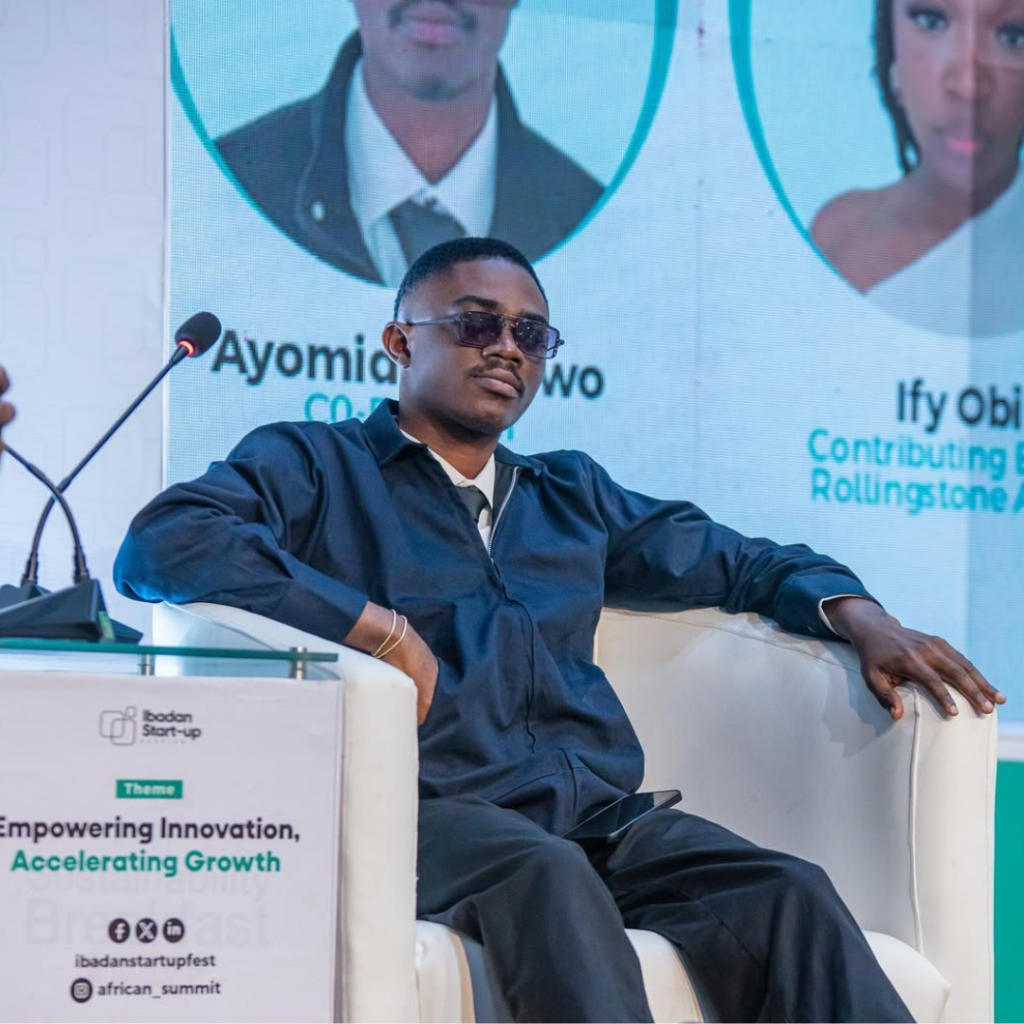
“The market will be unpredictable.” — Ayomide “K-D” Oriowo (Co-founder TurnTable Media, Data & Analytics)
“My only prediction for Afrobeats in 2026 is that the market will remain unpredictable. Afrobeats will be fine, though, maybe even score a global smash hit or two.”
READ NEXT: 20 Things We Predict Will Happen in Nigerian Pop Culture in 2026
“This year, we’ll have another massive Billboard hit.” — Motolani Alake (Label/Marketing Manager and A&R Coordinator (Africa), Virgin Music)
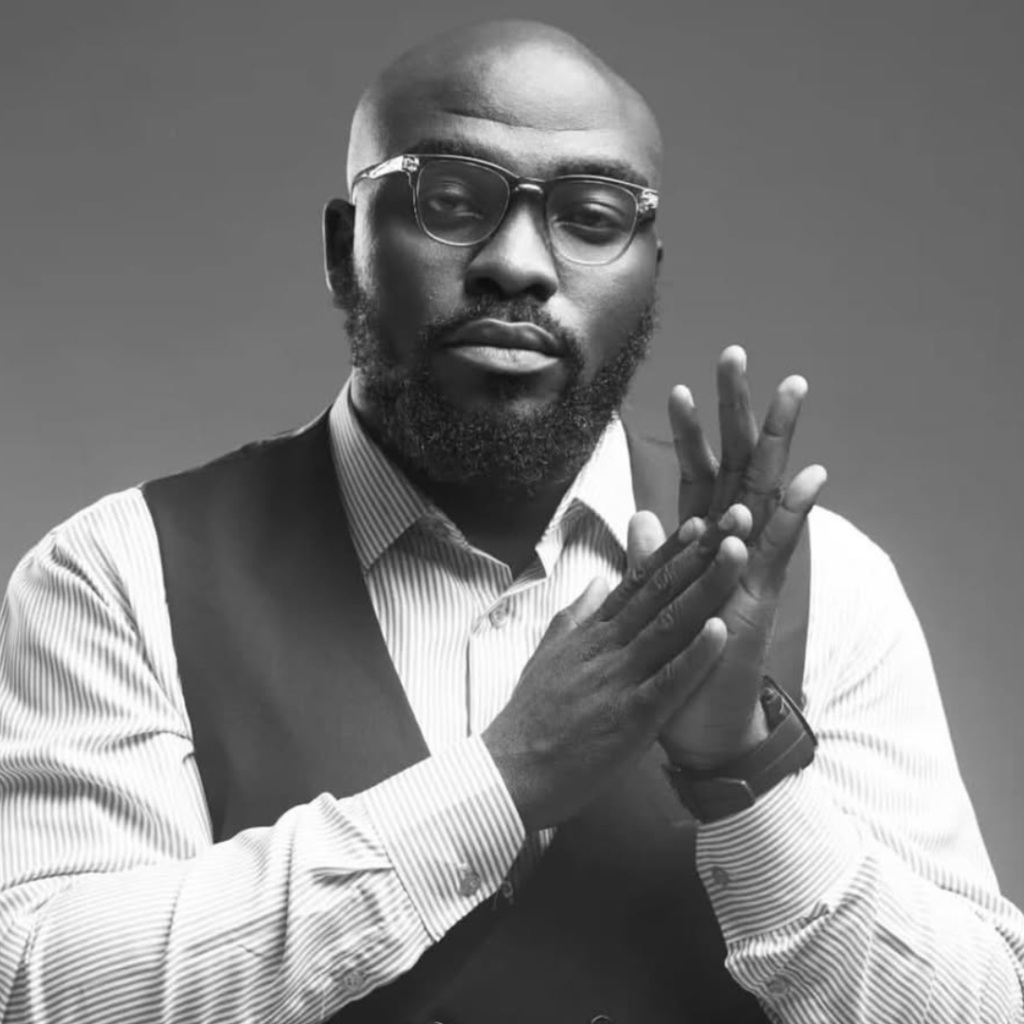
“My prediction is that afrobeats this year will be more experimental and unconventional; shout-out to Rema for that. This year, Afrobeats will have another massive Billboard hit, though I’m not sure who’ll deliver it.”
“Expect Afrobeats in more film and TV soundtracks, fashion collabs and global brand tie-ins.” — David Adeyemi, (Founder, Pizzazz Media and Lead PR & Marketing, BFA Agency)

“Afrobeats won’t just be “hot overseas” anymore. In 2026, we’re moving past curiosity into permanent placement. Expect the genre in more film and TV soundtracks, fashion collabs, and global brand tie-ins that aren’t tokenistic. The sound is becoming a fixture in pop culture, not just a moment.
This is the year where major Afrobeats artists lean harder into owning infrastructure like labels, publishing companies, creative houses, fashion and startups. They’ll export the business models alongside the music. There will be new benchmarks for commercial success, too. Chart placements, streaming numbers and playlisting will still matter, but 2026 will bring new metrics: fan engagement rituals, direct fan support systems (think NFTs or fan tokens that actually have utility), and more localised monetisation strategies that don’t rely solely on global platforms. The audience’s tastes will sharpen too. Fans will be able to differentiate between styles, regions, producers and eras. It’ll push artists to be more distinct.
It’s also important to note that marketing power has clearly begun to shift from gatekeepers (media houses and influencers) to fan communities. The communities will have the upper hand and power to market and promote this year.”
“Afrobeats artists will try to blend with electronic-dance music (EDM) this year.” — Olamide “Lammy” Ademeso (Founder, The DIY Collective)
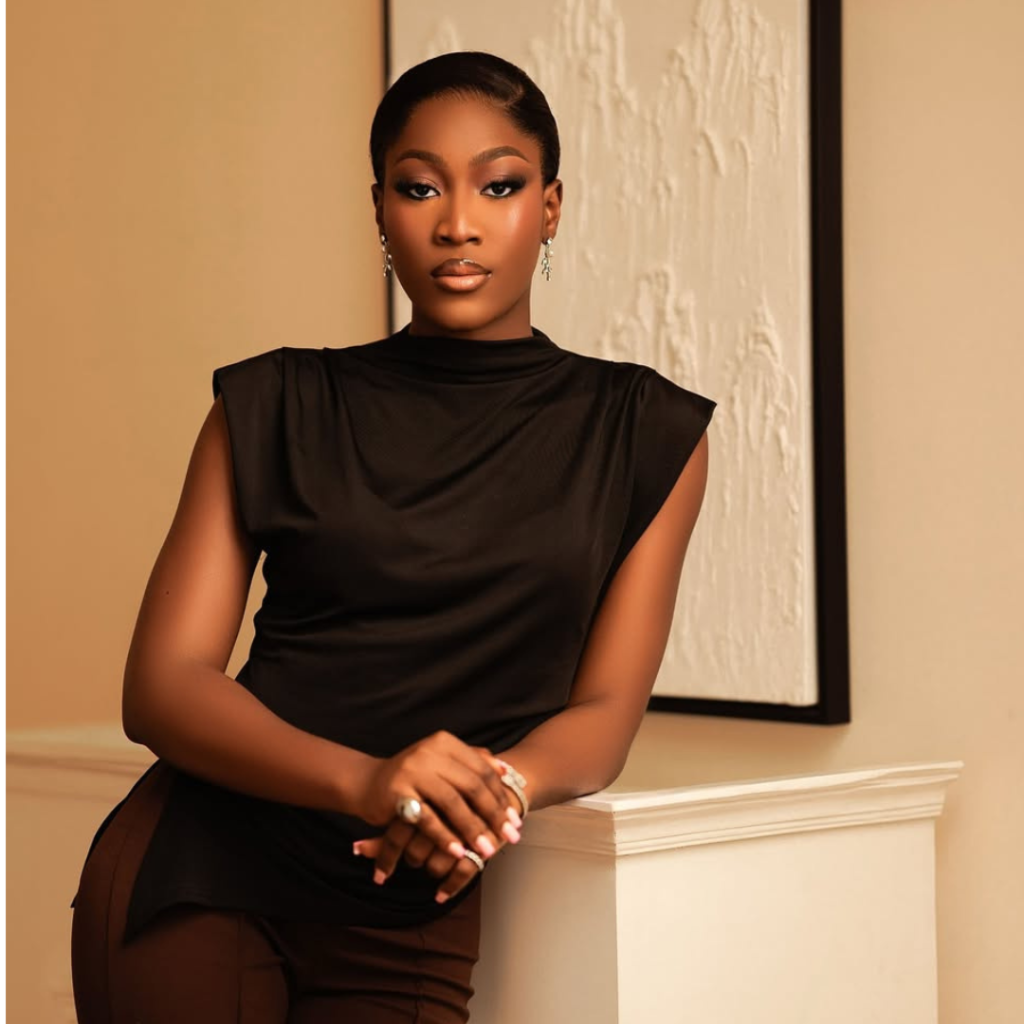
“We have been talking about sonic reset in Afrobeats for the longest time, but this 2026 and from here on, people will look for depth in songs. Also, more artists, especially those who broke out a year or two ago, will release more albums this year. The reason is, everyone is building their catalogue, and no one wants to be a one-hit wonder. It already costs a lot to get a viral moment; artists now need to sustain it and keep people hooked.
Afrobeats will also have fewer one-hit wonders to international success trajectories. We’ll get more community-driven projects and initiatives at home this year.
The electronic-dance music scene will grow bigger, too. Afrobeats artists will even try to see how much they can blend with electronic-dance music (EDM) this year, from afro-house remixes to techno remixes.”
“It’s the year of music producers, especially the new ones.” — Moronfoluwa Alabi (Founder, The 49th Street)

“This is the most exciting time in Afrobeats for me. There’s more versatility (sub-genres and artists) in our music now, and it’s just the beginning. It’s also the year of music producers, especially the new ones. We’ll see fewer full-length albums and more collaborations this year too.”
“Audiences will start craving familiarity again.” — Temitope Olowo-Ake (Digital lead, NATIVE Records)
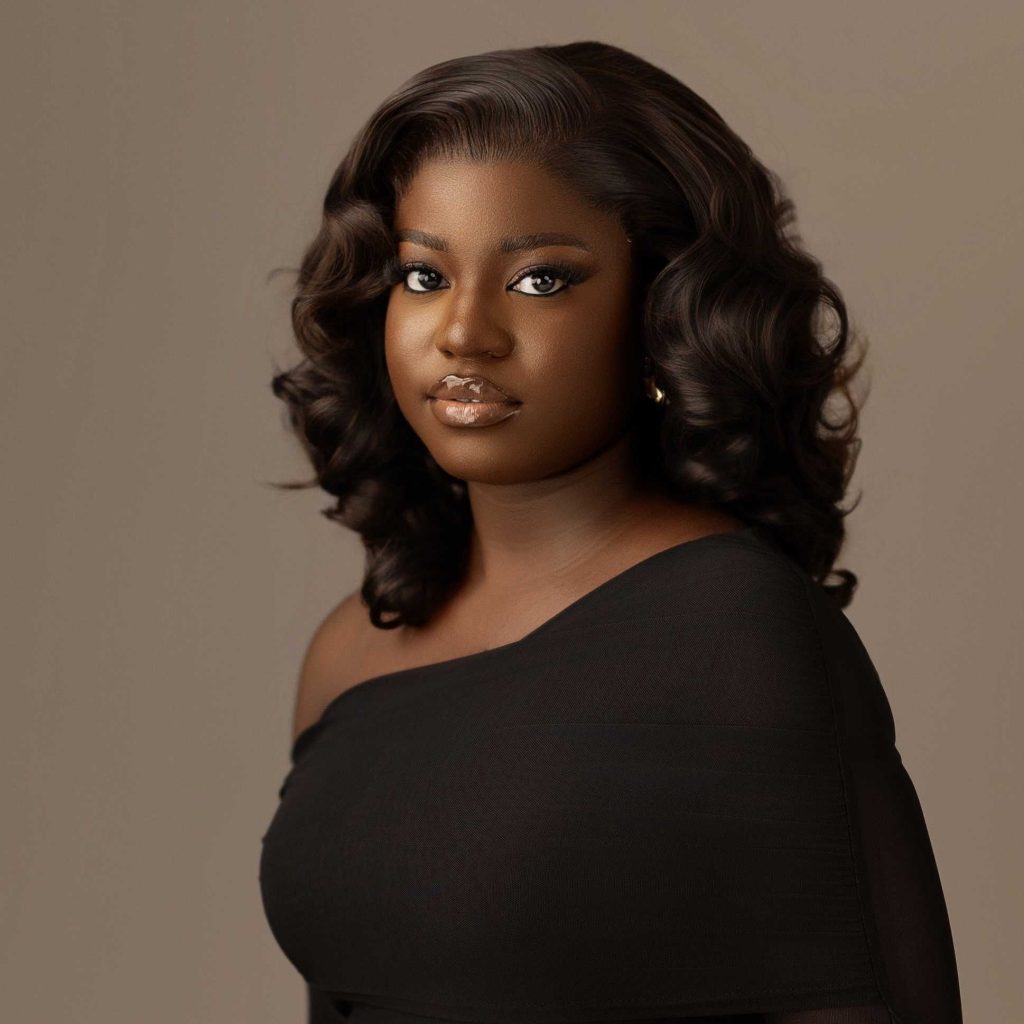
“For Afrobeats in 2026, I think we’ll see more viral moments than breakout artists. Songs will travel fast, but fewer artists will fully break through in a lasting way. Right now, there’s an influx of experimentation, genre-blending, new sounds, and global influences, as always. But it’ll reach a point where audiences start craving familiarity again. It’s a year of contrast. Fast virality on one side, and a deeper hunger for relatable and long-lasting music on the other.”
ALSO READ: 10 Nigerian Artists We Should Be Obsessed With in 2026