The internet is a strange place. Sometime last year, a soon-to-be bride posted a video of using a Keke napep to go get her bridal makeup done, and Twitter lost its collective shit. How dare she prepare for her wedding on a budget? How dare she not fly in a celebrity makeup artist? How dare she post this non-aspirational experience? Does she not know that if it’s not giving BellaNaija Weddings, we don’t want it?
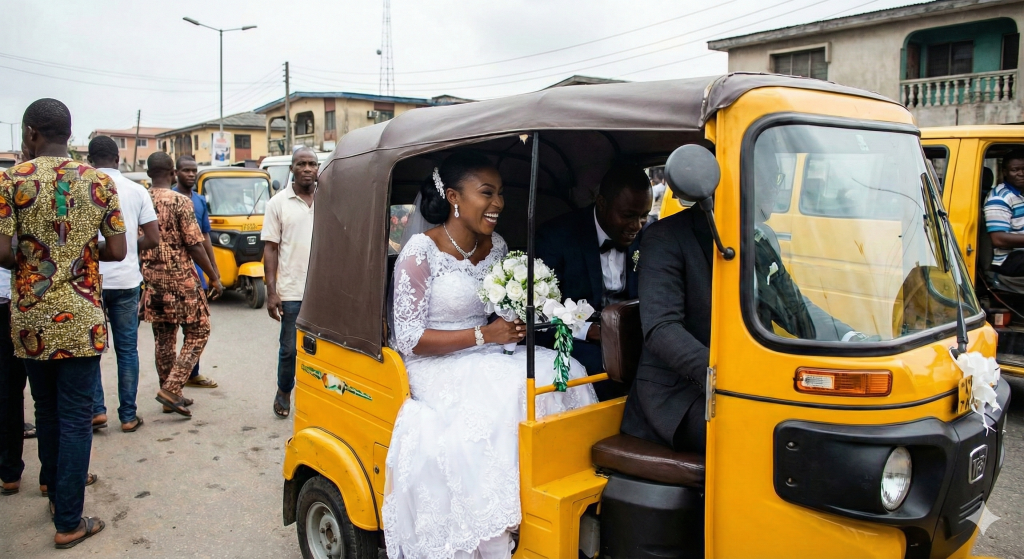
Maybe they were mad because it went against their idea that weddings must be fairytale-esque. And that if you’re going to post your wedding online, it better look like it belongs in Vogue; if not, keep it in your drafts. Because God forbid you create content that doesn’t make strangers aspire to Otedola money.
Simply put, weddings are no longer just intimate celebrations of love; they must also feature ostentatious displays of wealth.
We have slowly moved away from weddings as just parties to weddings as content. And in doing so, imposed unbeatable standards on ourselves and projected that pressure onto regular people just trying to get to their appointment on time.
A new dispensation for weddings
Social media is here to stay, and as the algorithms evolve, it continues to redefine how we navigate every single aspect of our lives. Weddings are no exception. In fact, for weddings specifically, it has created an entirely new industry.
”These days, couples are prioritizing aesthetics over guest satisfaction,” says Deborah Ayinla, a Lagos-based event planner. “You’ll see them spend millions on event decoration, videography, and content creators, but the budget for food is almost nonexistent.”
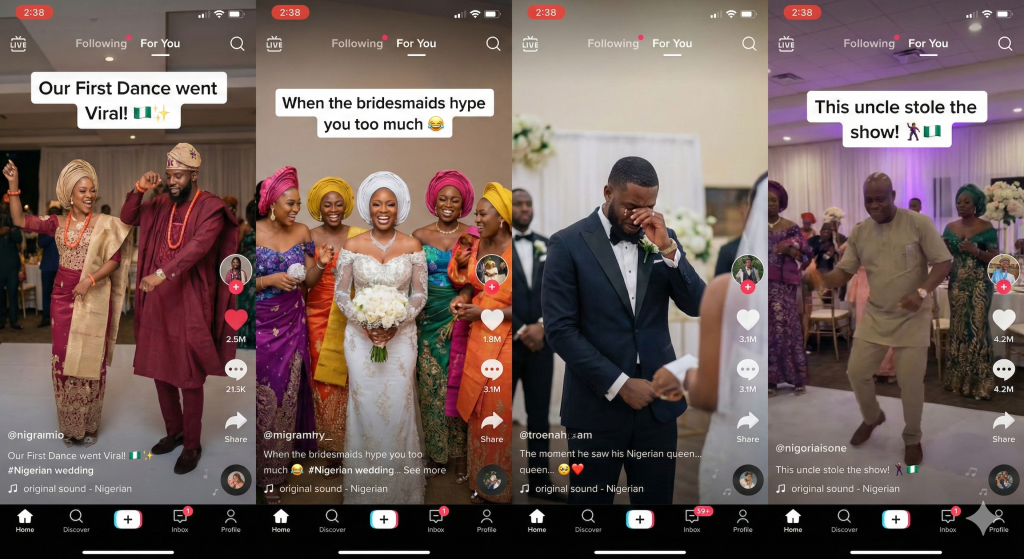
The rise of the wedding content creator is the clearest sign something has shifted. Nifesimi, a Lagos-based mobile videographer, confirms this: “There has definitely been a rise in wedding creators. And it is not just couples; even makeup artists, gele artists, and event planners all require their own creators, so there’s demand there.”, she tells me.
What makes traditional videographers different from content creators? For one, speed.
”The content creator I used for my wedding was posting on my Instagram stories in real time. I liked that my friends and family who couldn’t make it to the wedding could actually feel like they were there,” says Amaka*,a 2025 bride.
ALSO READ: Everyone Is an Influencer Now
Going viral is a feature and not a bug
Sure, you could argue that people create content out of their weddings just to document their special moments. However, that is just one side of the coin. Posting on social media is now a strategic way to launch a content creation career, especially if your wedding content screams luxury and “soft life.” And let’s be honest, people eat that up.
For already established influencers like Temi Ajibade, a carefully curated wedding rollout solidifies her position as a high-end fashion enthusiast and validates her taste. While, in the case of upcoming creators, it can be an investment scheme. What better way to claw back the millions spent on the wedding than to chase those views?
People don’t post content they believe will flop. “Couples typically come to me with specific viral TikTok trends they’d love to recreate,” Nifesimi tells me.
We crave aspirational content. When weddings look high-end and luxurious, we are more likely to engage. It explains why the Indian billionaire Ambani wedding or the union of Temi Otedola & Mr Eazi broke the internet.
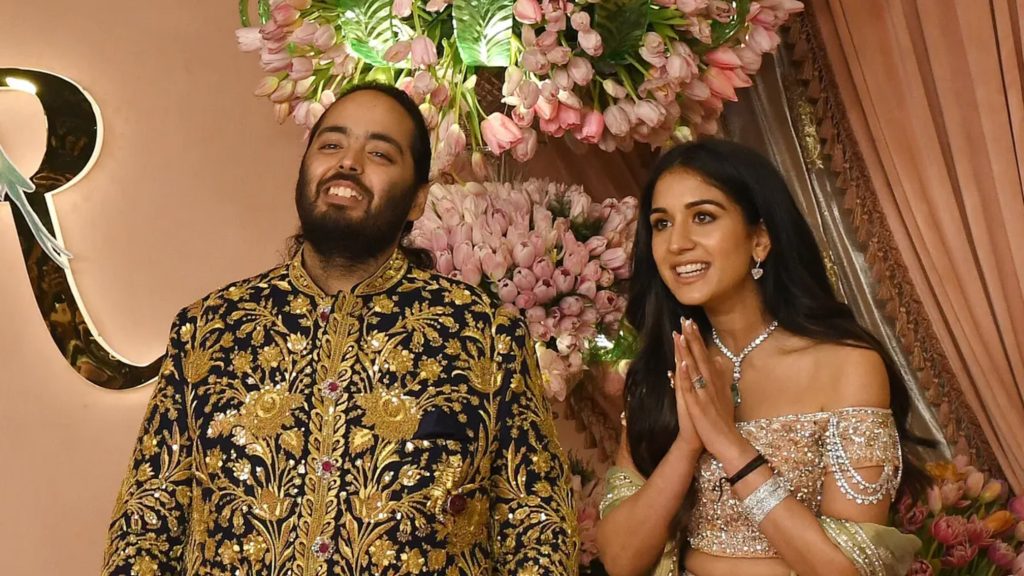
Then again: Who am I to judge? I am a huge fan of celebrity weddings. From the comfort of my favorite bed-rotting position, I am “aww-ing” and “ouu-ing” where necessary. If everyone wants their wedding to go viral, I am definitely part of the people propelling the algorithm to push this content further.
The opportunity cost of tiktok first weddings
Content creators aren’t exactly cheap. That being said, is anything cheap in this economy? The problem is, when we normalise them as “essential vendors,” we are increasing the already blood-pressure-raising cost of Nigerian weddings.
When we chop up our intimate lives into commodities just for a pinch of validation from the algorithm, we invite unwelcome comments into our private space. Sometime last year, a clip of a bride crying over cash gifts was vilified, with people making no space for the fact that her love language is—very validly—cash.
Mistura Orilonishe, a sociologist I spoke to, explains it even better. “Traditionally, weddings were mainly for people who had emotional ties to the couple. With social media, the audience has expanded to include online strangers.”
And yes, there actually is a science to why this feels so performative.
“Drawing from Erving Goffman’s theory of self-presentation, social life functions like a performance, where individuals adjust their behaviour based on the audience observing them,” Orilonishe adds. “In this case, social media transforms the wedding into a front-stage performance, ultimately reducing intimacy.”
So, where do we go from here?
Here’s the thing: weddings have always been exaggerated performances to some extent. It didn’t start with Mark Zuckerberg inventing facebook in 2006.
You may argue that these singular downsides don’t point to a broader issue. You might be right. The bad news about weddings and their extravagance is hardly new.
The only thing that has fundamentally changed, at least in the social media era, is the audience. For your grandma, it was probably a handful of guests and the few family members who flipped through physical photo albums. For you, it is a million strangers, all thanks to the limitless nature of the internet.
And sure: I can’t dictate if social media weddings are good or bad, but I know the pressure to keep up with the joneses is hurting us. And when we start vilifying regular people for not meeting unrealistic standards, something in our zeitgeist needs to be fixed.