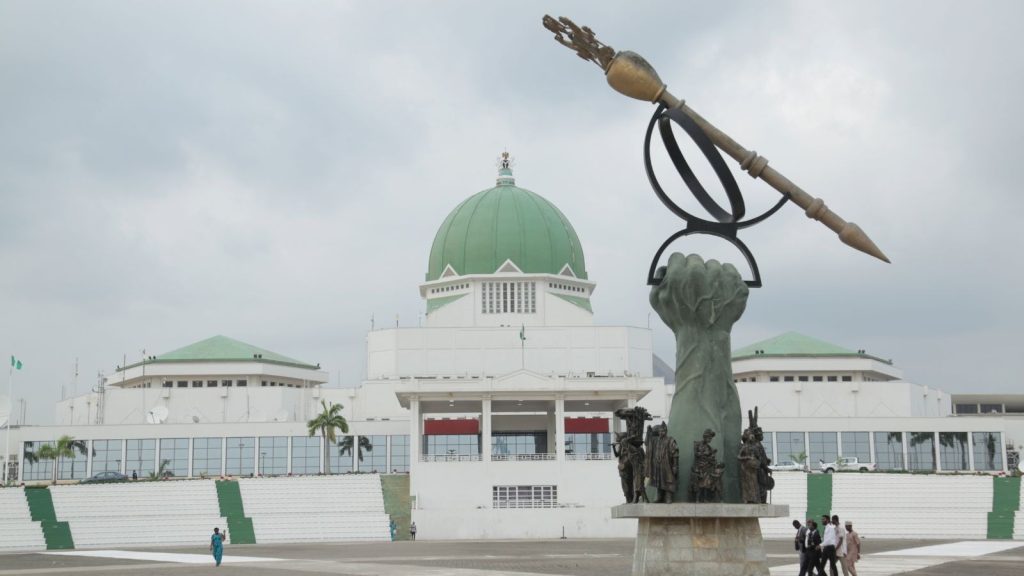
The tenth National Assembly has a reputation for spending way too much time on holidays and stretching their breaks whenever they get the chance. When they are actually at work, it feels like they spend most of their time just rubber-stamping whatever President Tinubu wants.
But even with all of that, they have passed some pretty big laws this year. Here are five of the most important bills passed in 2025.
2025 Budget Appropriation Bill
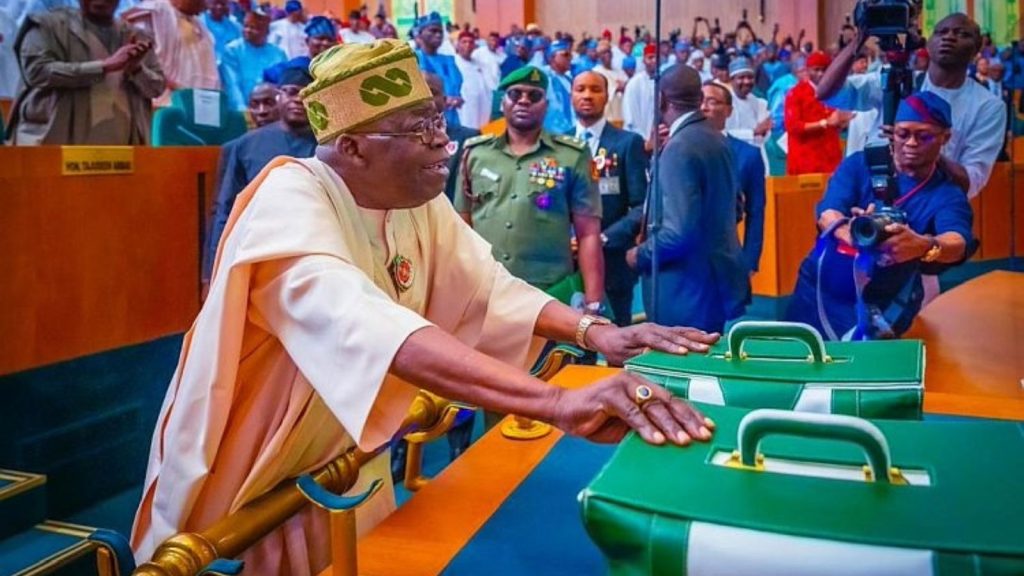
The Budget Appropriation Bill is usually the first bill to be passed every year, and it is also usually the most important. It sets the tone for everything else that follows.
The 2025 Budget presented by President Tinubu and signed by the National Assembly this year was ₦54.99 trillion. It is the biggest budget we’ve ever had and is a massive jump from our old budgets.
For context, the budget was ₦27.5 trillion in 2024. It was ₦21.83 trillion in 2023, ₦13.08 trillion in 2022, and ₦10.8 trillion in 2021. So there has been a steady rise, which is expected, but the 2025 budget is double what we had in 2024.
Basically, the tone set for 2025 seems to be one of very heavy spending. Even with all this money, we still aren’t spending it in the right places.
But where’s all the money?
The Academic Staff Union of Universities (ASUU) threatened to go on strike many times this year. One of their biggest issues with the government has been a demand for an increase in education funding.
ASUU wants the government to try to get education spending closer to the UNESCO recommendation of 15 to 20% of the budget. Meanwhile, the Federal government only set aside about 7% of the 2025 budget for education. It is the same story in the health sector. The World Health Organisation (WHO) has asked the Nigerian government to raise its health spending to around 20% of the budget. Instead, they set aside only 5.18% in the 2025 budget. To protest for better working conditions and pay, the Nigerian Association of Resident Doctors (NARD) spent all of November on strike.
Even more worrying is how we are trying to pay for this massive budget. Let’s just say the federal government was very optimistic about how much money it would make from selling crude oil. Unfortunately for all of us, oil did not sell very well this year. That means we made much less money than we planned for.
Halfway through the year, the International Monetary Fund (IMF) was already worried. In July, they warned Tinubu that low oil prices meant he needed to recalculate the budget.
But Tinubu’s preferred way to meet his money goals has been to squeeze the life out of Nigerians. We have seen public agencies increase the cost of their services and, of course, taxes, taxes, and more taxes.
ALSO READ: A Year of Strikes: How FG is Failing Nigeria’s Most Essential Workers
Tax Reform Bills
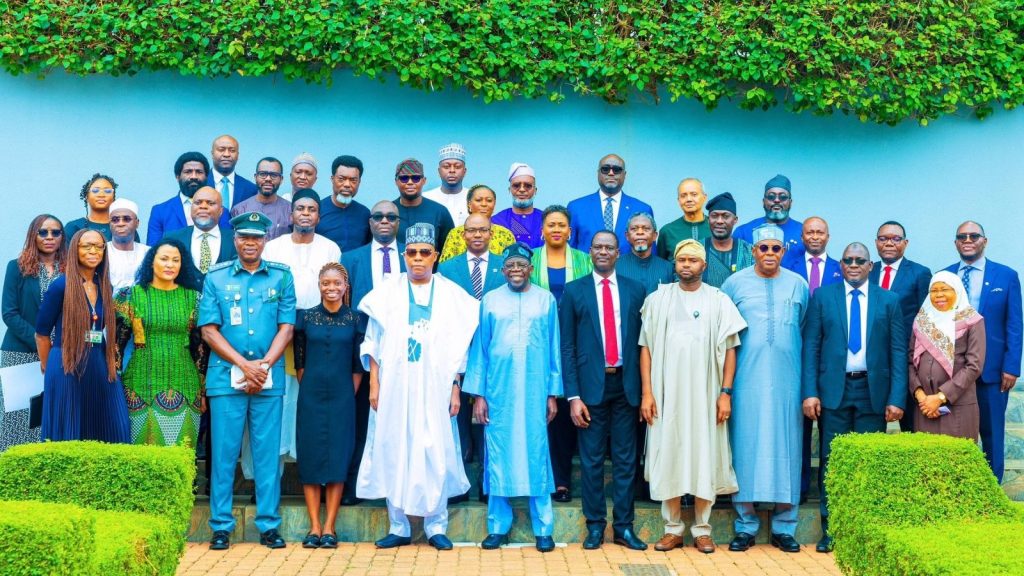
The tax reform laws are the most talked-about legislation of 2025 for a good reason. They are going to drastically change the lives of almost all Nigerians. These reforms are actually made up of four different bills:
- Nigeria Revenue Service Act
- Joint Revenue Board Act
- Nigeria Tax Act (NTA)
- Nigeria Tax Administration Act (NTAA)
The National Assembly did not come up with these bills on their own. Tax reform was a top priority for Tinubu. As soon as he became president in May 2023, he got straight to work on it.
He set up the Presidential Committee on Fiscal Policy and Tax Reforms in August 2023. The committee looked at Nigeria’s entire tax system, which honestly had too many confusing and overlapping taxes, and they came up with these four bills.
They gave the bills to the National Assembly in October 2024. By June 2025, NASS had finished working on the laws, and Tinubu signed them into law.
The Nigeria Revenue Service Act changes the name of the Federal Inland Revenue Service (FIRS) to the Nigeria Revenue Service (NRS) and gives the agency more powers.
The Joint Revenue Board Act creates a board to help federal, state, and local governments work together better. It also sets up a Tax Appeal Tribunal to handle arguments and an Office of the Tax Ombud to look into complaints from taxpayers.
The Nigeria Tax Act (NTA) creates a single rulebook for taxes. It replaces many old laws, puts everything in one place, and introduces tax rates that go up based on how much people earn.
The Nigeria Tax Administration Act (NTAA) sets simple rules for how taxes are collected.
ALSO READ: T-Pain but the T is for “Tax”: What You Need to Know About Tinubu’s Tax Reforms
We’ll be talking about this in 2026, too
These laws have been controversial, and there has been a lot of confusion over what they will mean for Nigerians. To make things worse, Nigerians have discovered that the laws being shown to the public were tampered with and are different from what NASS actually passed.
Though the committee set up to investigate the issue has barely had any time to start its work, NASS has already ordered the law to be re-gazetted. Despite experts and civil society groups calling for the laws to be delayed, the Federal government is determined to start using them on January 1, 2026.
Investments and Securities Act (ISA)

We all regret not taking Bitcoin seriously early on, right? Well, the National Assembly decided to catch up by passing the Investments and Securities Act (ISA) of 2025. This law replaces the old Investment and Securities Act of 2007 and finally recognises digital assets like cryptocurrencies and tokens.
This marks a big shift in how the Nigerian government feels about digital money. Back in 2021, the Central Bank of Nigeria (CBN) banned cryptocurrencies because it claimed people were using them for illegal activities. This new Act shows that the government is moving from banning to regulation.
The main goal of this law is to make our capital market more modern and transparent. It gives the Securities and Exchange Commission (SEC) more power to oversee the market and protect everyday investors from scams.
It also introduces tougher punishments for people who try to cheat the system. Essentially, the government wants to make the Nigerian market look more attractive to big spenders from both home and abroad.
It is definitely a win for younger Nigerians who have already fully embraced digital currencies.
ALSO READ: The Best-Performing Cryptocurrencies of 2025
South-West and South-South Development Commission Acts
In March 2025, Tinubu signed the South-West Development Commission (SWDC) Act and the South-South Development Commission (SSDC) Act. This move means that each of the six geopolitical zones in Nigeria now has its own dedicated development commission.
These commissions are meant to work like the Niger Delta Development Commission (NDDC). They will get money directly from the federal government to fix roads, build schools, and handle environmental issues in their specific regions.
While the government says this is all about balanced development, it is also creating more agencies and more salaries to pay, instead of fixing the ones we already have.
In May, less than two months after the bills were signed into law, the National Assembly amended the laws to create the additional offices of Executive Directors for both commissions. Also, a lot of the work these commissions are supposed to do is the same thing state governments are already responsible for.
These new commissions also create more chances for corruption and “missing” money. For example, the NDDC is currently being investigated for mismanaging over ₦6 trillion between 2000 and 2019.
These new commissions could lead to better development in the South-West and South-South states. Or, it could just be more of the same.
Nigeria Police Force Pension Board (Establishment) Bill
On Wednesday, December 3, 2025, the National Assembly passed the bill to create a dedicated Police Force Pension Board. President Tinubu has not signed it yet, but it is almost certain to happen in 2026.
The new board is meant to handle pension payments for retired officers. Most importantly, it finally takes them off the Contributory Pension Scheme (CPS), which they have been complaining about for a long time.
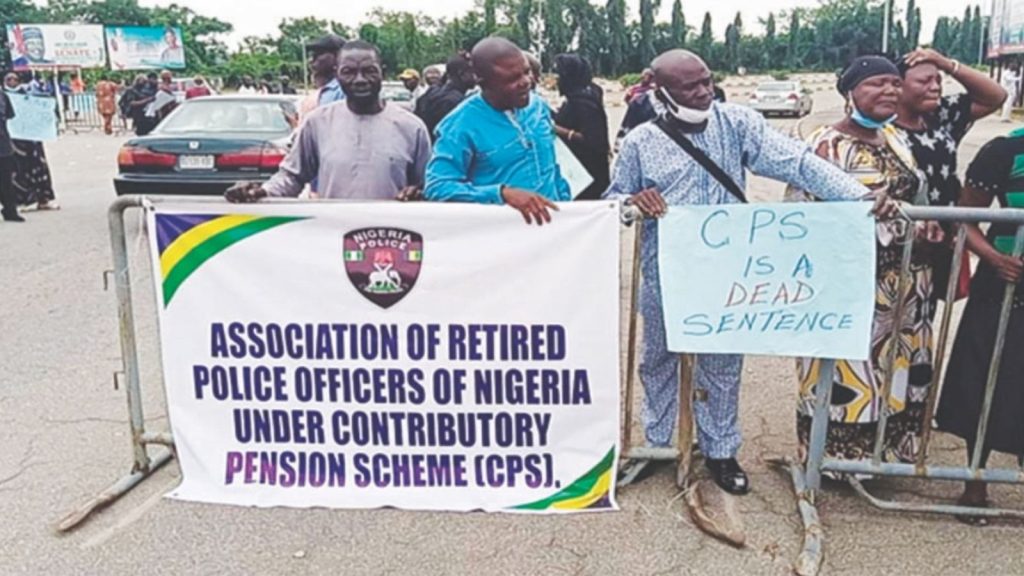
This issue has caused a lot of drama between the police and the government for years. Retired officers organised multiple nationwide protests this year to make sure their voices were heard. On July 21, 2025, the Nigerian Union of Retired Police Officers protested in Abuja. They demanded to be removed from the CPS, which has some of them receiving as little as ₦18,000 a month.
When they were not happy with the government’s response to the July protest, they promised to carry out what they called the “father of all peaceful protests.” The union said its members and their families would occupy the National Assembly premises until they got what they wanted.Now, NASS has finally given them a win by passing this bill. This move does not just make current retirees happy; it could also be a great way to find new recruits. With Tinubu ordering the police to hire 20,000 more officers to help deal with insecurity, new officers will be glad to know their futures are more secure.
Before you go, help us understand how you and other young people feel about the 2027 general elections by taking this 10-minute survey.
Ever had a moment where Nigeria’s systems made life harder—or unexpectedly easier? We want to hear about your personal experiences that reflect how politics or public systems affect daily life in Nigeria. Share your story with us here—we’d love to hear from you!
Click here to see what other people are saying about this article on Instagram