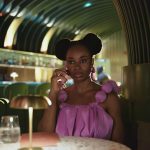
I was scrolling through TikTok one afternoon when I saw a girl with a little over 200 followers posting her OOTD (Outfit Of The Day). A few people in the comments asked where she got the dress, but she ignored them. Later on, she posted a follow up video explaining that she wouldn’t reveal details of where she got the dress because the brand didn’t pay her to promote them.
It is tempting to judge her for gatekeeping her outfit details. But, she is well within her rights to gatekeep. She purchased that outfit with her own money and doesn’t owe any brand unpaid visibility. Maybe she didn’t want to share her vendor. Or she doesn’t want other people copying her look. All completely fair.
Her story, however, is symptomatic of a bigger issue we have on our hands: everyone is an influencer now. But people aren’t even working towards being influencers, they just wake up one day and decide that they are, which is not how it works. And this identity crisis has warped how they view themselves and also, relate with other people.
How did we get here?
It all started in ancient Rome. Gladiators were the first product influencers. Yup. Influencer marketing predates the Kardashians and has existed for thousands of years.
It also means that the scene in Disney’s Hercules where he becomes famous for defeating the hydra so they have him on billboards for sports sandals and energy drinks is lowkey accurate.
But I’m digressing.
Millennia after gladiators used their glistening muscles to help bottles of olive oil fly off store shelves, influencer marketing has taken on a life of its own, but with a twist. Everyday people—regular internet users—now have the ability to command influence. COVID accelerated this shift, showing brands that Influence doesn’t need to come from star studded celebrities.
YouTubers filming from the comfort of their bedrooms now wield the ability to influence their audience in a way distant TV celebrities can not. Influencers are relatable. Celebrities are not. When people stuck at home can sell out products from their bedrooms, the line between regular users and influencers blurs.
With social media influencers, it is pretty simple. They spend years building up their social capital through relatable content and strong audience engagement. Brands, in turn, leverage the social capital of these social media personalities to exert influence on audiences who have developed interpersonal relationships with the influencers.
Everyone wants free PR packages and sponsored trips
Imagine sitting in your room all day, dressing for the fun of it, putting on makeup and just talking in front of a camera. And then at the end of the month, a big fat cheque lands in your bank account.
The monetary benefits aren’t even half of it. All the gatemen at the estate know you by name because of how frequently dispatch riders have deliveries for you. The most wanted PR packages. Every other day, you are being invited to exclusive brand events or even more exciting, sponsored trips across the world. Meanwhile all you do is sit in front of a camera and talk. Just talk.
“Seeing Peller making videos off of doing dumb stuff made me consider pursuing TikTok influencing as a career path”, Chika*, an upcoming TikTok creator tells me. “I see content creation as a pathway to ‘blow’ and make a lot of money. I’m currently considering taking a gap year to focus on it”, he says.
While influencing looks very glamorous, the behind-the-scenes are not as glitzy. There is frequent burnout and having to show up as bubbly and happy-go-lucky on camera even when your life is falling apart off screen. For social media personalities who have made influencing a career, content creation is not happenstance. There is a carefully crafted content strategy down to even intentional posting times.
We are all main characters
Let’s pause for a second. When was the last time you went someplace fancy without someone around you trying to create content? You can’t think of a time, can you?
We live in a world where we live to create shareable content on social media. Bonding activities with friends are turned into pristine Instagram boomerangs. Nothing feels real anymore. We have stopped experiencing life, instead we are performing it for our 46 followers.
Basic life moments are constantly being turned into content themes. It is not a gym session, but rather a ‘that girl aesthetic’ complete with the hideous green smoothie we all secretly hate.
Did you just go through a bad breakup? You’re not just crying over your ex. You’re having a “healing era” that needs to be documented with moody lighting and a trending sound on Tiktok.
We actually need to have a conversation about crying on camera, but that’s a topic for another article.
The last concert you went to? You watched half of it through your phone screen because you needed to create FOMO for your Snapchat viewers. We’ve ensnared ourselves in this trap of being the main character online that we’ve forgotten what it feels like to just live our lives.
If every moment is instagram worthy or every hobby needs to be sold as content creation, what do we have left for ourselves alone?
ALSO READ: How Much Money Is There To Be Made Being Funny Online?
Why is this a problem?
While people are well within their rights to live their lives any way they choose. This illusionary feeling of being an influencer has a number of downsides which need to be discussed.
The most insidious part is that we are losing our sense of self. When you spend a good chunk of time performing for an audience, the line between who you are and the persona you have so carefully curated becomes non-existent.
Do you like journaling or does it just look good in your daily vlogs? Are you actually into makeup or has the internet convinced you that is the best way to record GRWM videos?
I spoke to Joy*, a lifestyle creator who started sharing vlogs on TikTok one year ago. “I make a conscious effort to keep it real when posting content. I don’t want people to see me in real life and accuse me of double standards”, she said.
After I probed further, she goes on to share, “But then, content creation is about aesthetics too. On days I want to get my hair done and I know I am going to vlog, I actively choose upper end salons”
And it’s making people meaner too. If someone walked up to you, complimented your outfit and asked you to share where you got it from, the first thought would not be, this brand hasn’t paid me. But, when we believe we are the future Charli D’Amelio, we start to be uncharitable.
There’s also the problem of oversharing. In the bid to perform relatability like a typical influencer would, people tend to share details of their lives that quite frankly the general public has no business hearing or even knowing about. How can we not overshare when “performative vulnerability” sells?
As influencers are posting aesthetically pleasing day-in-the-life vlogs with pristine white Houses, brown carpets and artsy couches, the pressure to live curated lives has never been more intense. For the influencers, it is a performance. It is their job to put up that front. As a normal person posting on TikTok, your house does not have to look like that. You are a normal adult with a normal house, and that is completely okay.
My biggest grouse with this whole issue is how it has deeply affected our interactions with social media. Instagram doesn’t feel casual again. Every single time, I scroll through my explore page, I see curated photos with the best lighting in the most aesthetic restaurants.
Nothing feels real anymore. While photo dumps were supposed to take us back to laid back instagram, even those feel curated. Off guard selfies that look very on guard. That “candid” laughing photo probably took seventeen tries. And the “random” screenshots were carefully selected.
We have gotten so entangled in performing a perfect life on social media as if we are influencers when we are not. It feels like people are not allowed to be just basic anymore. And that’s a big problem.
Is there a way out?
Yes. If we are willing to collectively boycott social media and go back to the age of internet-less phones. But that is a pipe dream. Social media has become such a pivotal part of our lives, that it is almost impossible to imagine a life without it.
We cannot throw the baby with the bath water. But we can throw some of it away. Like making a conscious decision to not turn every single moment of your life into content. Doing things without documenting them to post. Or posting a selfie without thinking about how many likes it’ll get. Most importantly, sharing outfit details without thinking about payment.
It does not have to be a big shift. Maybe the most radical thing you can do right now is to be ordinary. Go to that restaurant and don’t take a photo. Experience your life fully without thinking of an imaginary audience. Even if it is just for a day.