In the ’90s and early 2000s, a generation of Nigerian actresses defined what the industry looked and felt like: its drama, glamour, emotional depth and unforgettable characters. These women shaped early Nollywood and influenced how audiences understood love, family, conflict and identity. They became the cultural icons who raised an entire generation of film lovers.
This list highlights twelve Nigerian actresses whose talent, charisma and screen power helped lay the foundation for what Nollywood is today.
Bukky Ajayi

Bukky Ajayi was one of Nollywood’s earliest pillars and a theatre-trained actress whose experience grounded early films with authenticity. Long before Nollywood became mainstream, she was already a household name through classic television shows like Village Headmaster and Checkmate. She often played the quiet and wise matriarch whose presence shaped the moral arc of stories.
Clarion Chukwura
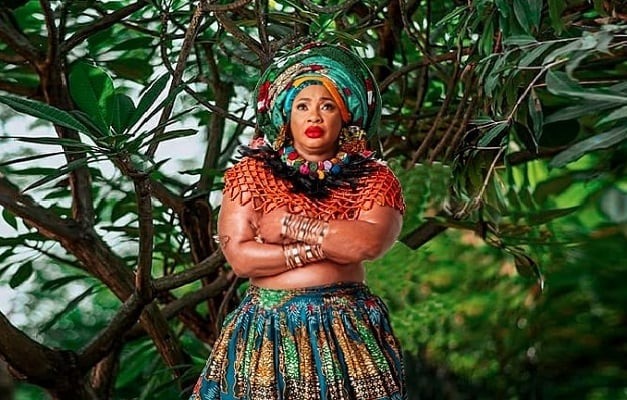
Clarion Chukwura’s acting style set a high bar for female actresses at a time when Nollywood was still experimenting with tone and form. From the home videos in the 1990s, she has stood out for her ability to dominate the screen with roles that demand range. She shaped the template for strong female leads. Whether playing a baddie, the defiant mom, the wronged woman, or the outspoken matriarch, she elevated any movie she was in.
Subscribe to Zikoko Pop newsletter, The Feed, for the most important pop culture news
Genevieve Nnaji
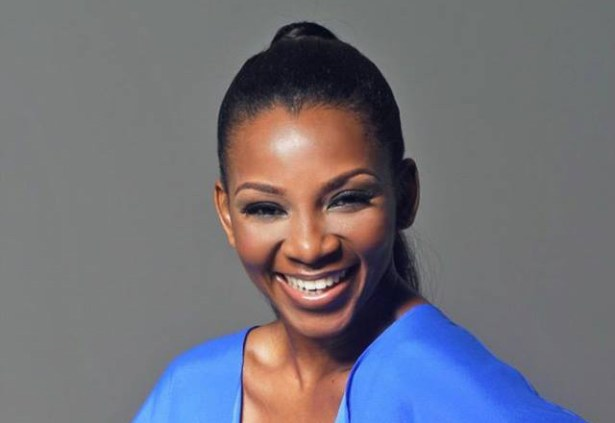
Not only has Genevieve Nnaji shaped Nollywood on-screen, but she also has seamlessly bridged local fame and global relevance. Her early roles in romantic and family dramas, as well as coming-of-age movies, showcased a refined acting that goes beyond the theatricality of many early Nollywood actors. Beyond acting, Genevieve’s crossover success as the producer and director of Lionheart, Netflix’s first Nigerian original movie, has solidified her as an industry trailblazer.
Joke Silva
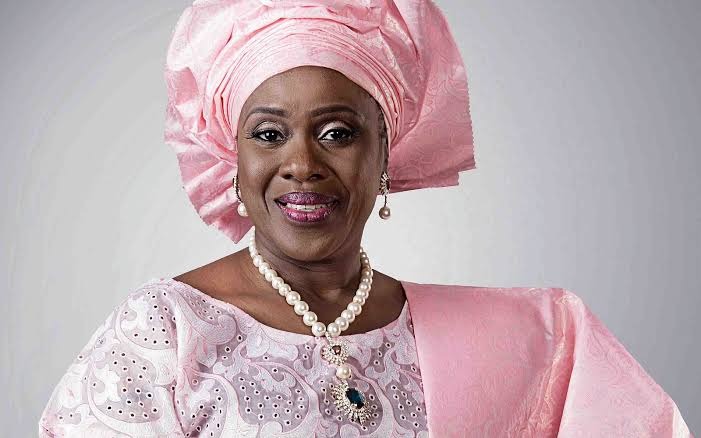
With a background in stage and film training, Joke Silva’s acting carried a level of class that elevates any movie she touches. Her usual portrayal as the calm and graceful mother or aunt has made her one of Nollywood’s most respected figures.
Joke Silva’s influence also goes beyond acting. She’s a mentor, educator and co-founder of Lufodo Academy (Film) with her husband, Olu Jacobs. If we’re talking about legacy and stewardship of the industry’s future, we’re never leaving Joke Silva out.
Kate Henshaw
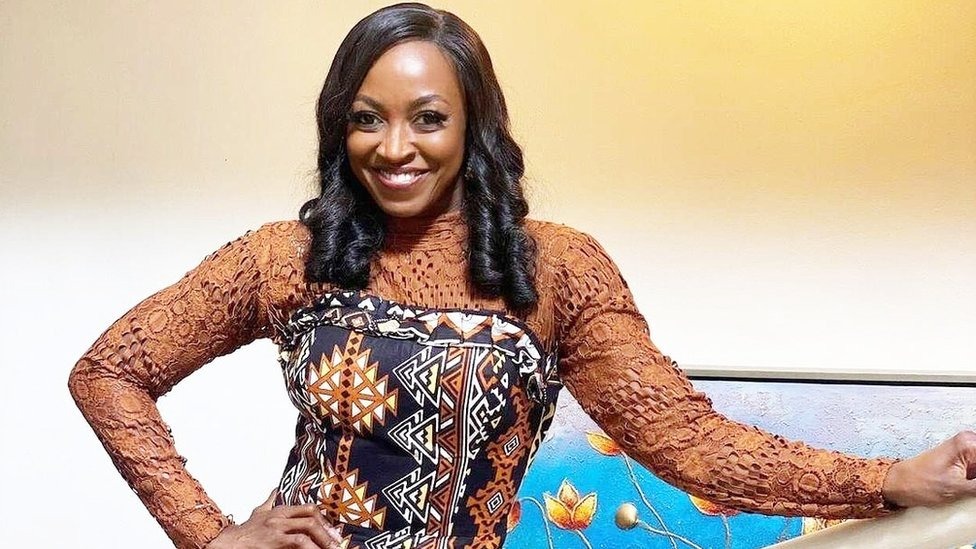
In the early 2000s, Kate Henshaw brought a youthful dynamism to Nollywood. She became synonymous with strong-willed women, romantic leads with charming characters that lit up our screens. Over time, she has become one of the most durable actresses and has transitioned into a respected veteran. Kate Henshaw is proof that longevity is possible when talent meets adaptability.
Liz Benson
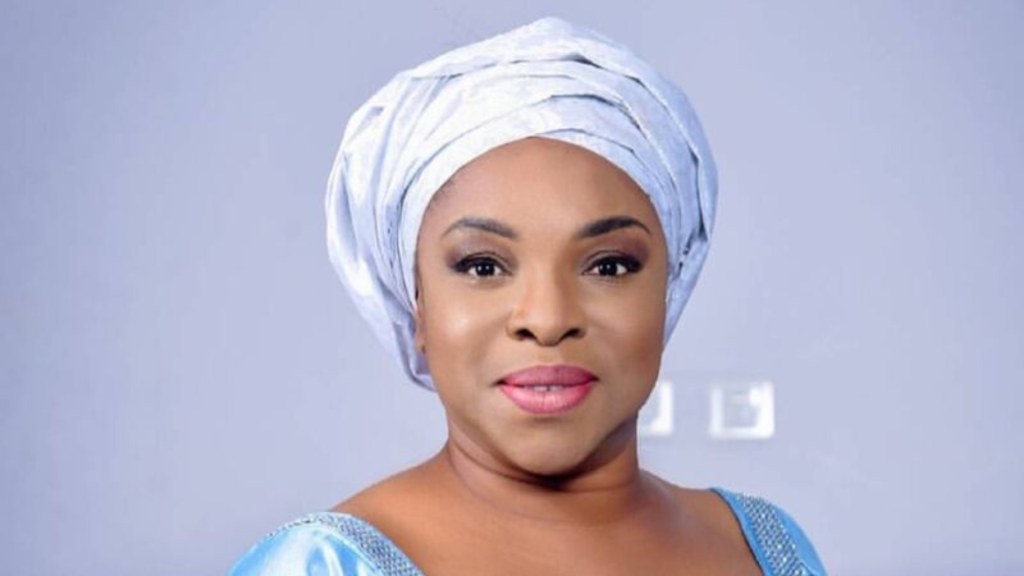
Liz Benson was, in many ways, Nollywood’s first true superstar actress. Her breakout roles in movies like Glamour Girls made her the industry’s symbol of sensuality and drama. Her range allowed her flexibility to shift between drama and romance, and made her one of the most recognisable faces of the VHS era. Even after stepping back from mainstream acting, Liz Benson’s influence remains.
READ NEXT: Nigerian Reality TV Shows that Need to Make a Comeback
Idowu Philips (AKA Iya Rainbow)
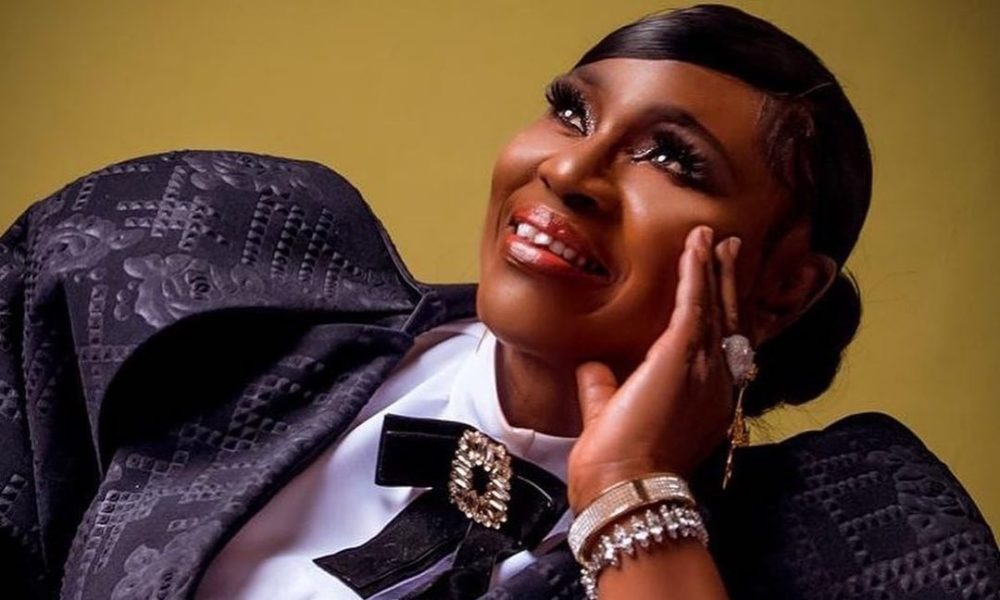
Idowu Philips, popularly known as Iya Rainbow, is a foundational mother of Yoruba Nollywood, having shaped and acted in numerous movies. She often starred as a mother whose love was both tough and tender; possibly bringing her experience as a trained nurse into her roles. She has helped shape the Yoruba movie industry through roles that balanced tradition, morality, family and humour.
Iya Rainbow remains one of the most influential actresses of her era.
Omotola Jalade-Ekeinde (AKA Omosexy)

At her peak, Omotola was a larger-than-life actress who brought confidence and emotions to every role. She was a popular face and supernova who dominated screens as a magnetic leading actress, from family dramas to romance. She helped redefine the celebrity culture around Nollywood.
Her star power extended beyond film into music, activism and global recognition, including being named one of TIME’s most influential people. She shaped Nollywood not just through acting, but by building one of its most iconic personal brands and competing on a global stage.
Patience Ozokwor (AKA Mama G)
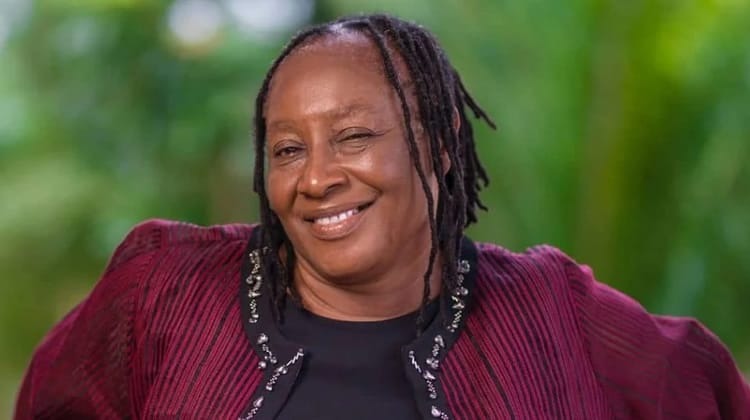
Patience Ozokwor is a memorable face that brought an unforgettable ferocity to Nollywood. She mastered the role of the wicked mother-in-law, conniving aunt, or overbearing parent, becoming a cultural icon. Yet beneath the villainous roles is a comedic appeal and emotional depth.
Her characters became a signal of the chaos and drama of Nigerian family life. Antagonists can be beloved, and Patience Ozokwor is an example of this. Her influence continues to echo across meme culture and dialogues.
Regina Askia-Williams
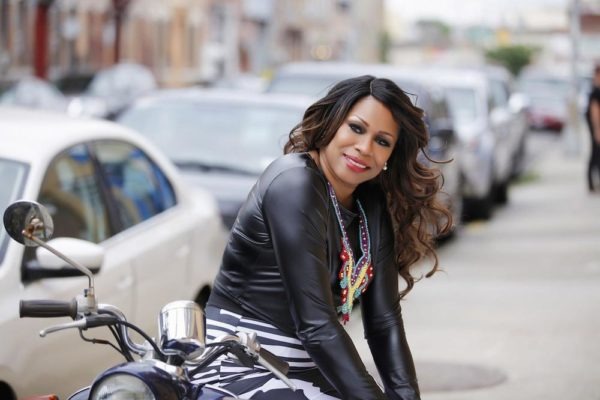
Regina Askia was the gorgeous IT-girl of the 1990s. She was a former beauty queen-turned-actress who represented Nollywood in the late 1990s and early 2000s. With her looks and self-assured presence, she quickly became one of Nollywood’s most recognisable stars, symbolising youthful, fashionable Nollywood in the early years.
She often played the stylish career woman, the desirable love interest, or the romantic lead. Although her acting career was relatively short compared to her peers, her cultural impact was deep.
Sola Sobowale
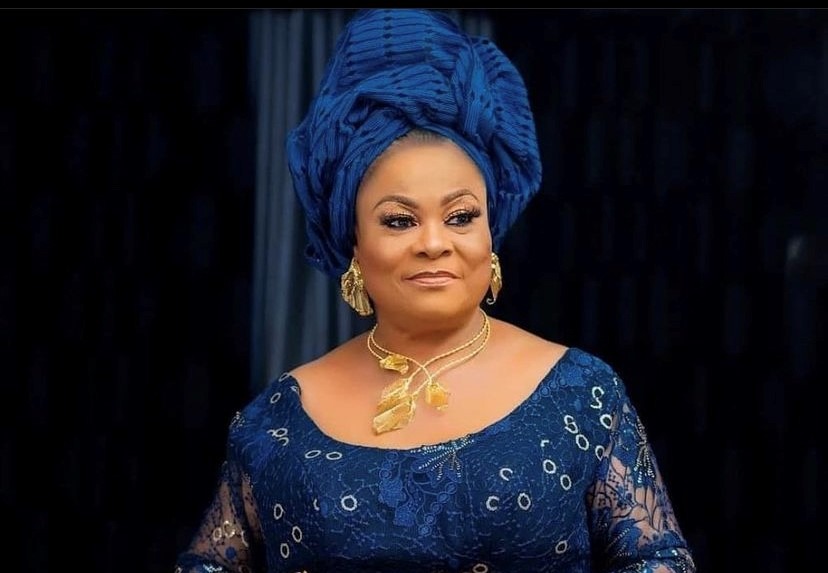
Sola Sobowale has always been a force: loud and expressively unrestrained in the best way. In the Yoruba movie industry and early Nollywood, she has established a reputation for playing fearful, no-nonsense women. Her exaggerated yet deeply human performances contributed to Nollywood’s most chaotic moments.
Her comeback in 2016’s The Wedding Party proved her timelessness and relevance, but her OG legacy began decades earlier. Sola Sobowale shaped Nollywood by embracing the full spectrum of female emotions, from joy to rage to heartbreak.
Stephanie Linus
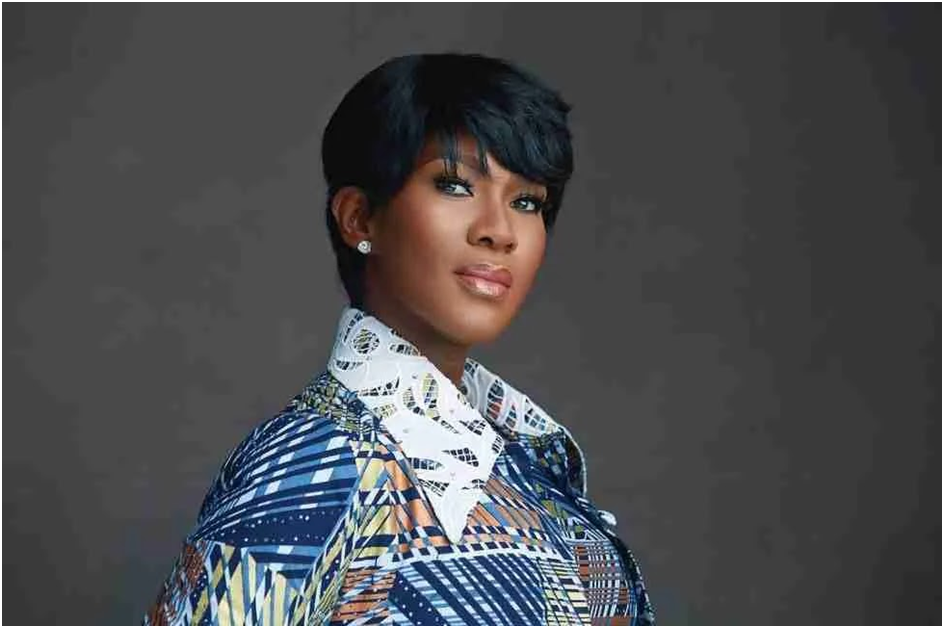
Stephanie Linus emerged in the early 2000s in Nollywood, bringing a calmness that set her apart from the loud, melodramatic style of the era. She mostly acted as characters of women grappling with love, trauma, injustice or personal transformation. Her performances in films like Emotional Crack showcased her ability to dive into complex and emotionally demanding roles, helping shift Nollywood’s focus toward more socially conscious storytelling.
She became one of the first Nollywood actresses to adopt a strong activist lens in filmmaking. Her award-winning film Dry addressed child marriage and gender-based violence, earning her international recognition and positioning her as a social storyteller.