In primary school, I had the option to choose taekwondo as an extracurricular activity, but I chose the JETS club instead. In secondary school, a sporting injury I suffered playing football meant I had to be exempted when my school made karate self-defence classes a compulsory part of Friday morning sporting activities. I could only watch as my classmates practised their roundhouse kicks with the instructors.
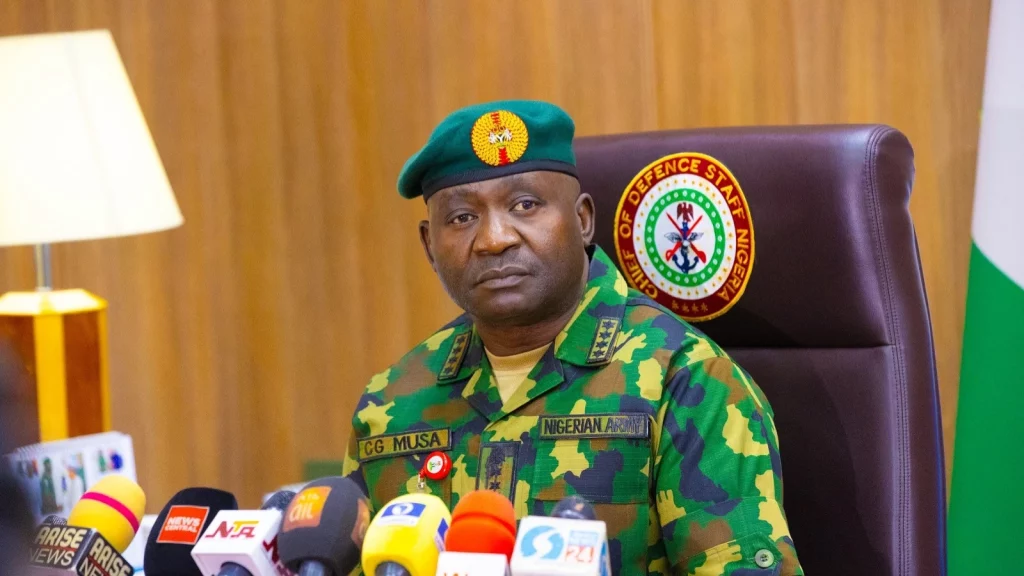
What this means is that, according to Nigeria’s Chief of Defence Staff, General Christopher Musa, I am hopelessly unprepared to defend myself should I encounter a bandit wielding an AK-47 because we all know that a good roundhouse kick could be the difference between life and death in that scenario.
Can they kidnap Bruce Lee?
While discussing the insecurity in Nigeria during an interview with Channels Television on August 21, General Christopher Musa advised Nigerians to take up Judo or Karate and stay physically fit. So yes, you might want to renew that gym subscription.
When asked how martial arts training would help Nigerians survive being shot, General Musa replied, “Avoid where bullets will fly.”
It is hard to overstate how deeply insensitive that statement is.
In the early hours of June 13 2025, armed attackers stormed the village of Yelewata in Benue State. People were woken from sleep by gunfire, with their homes and farms set ablaze. At least 200 people were killed, many more were injured and displaced. They were in their homes.
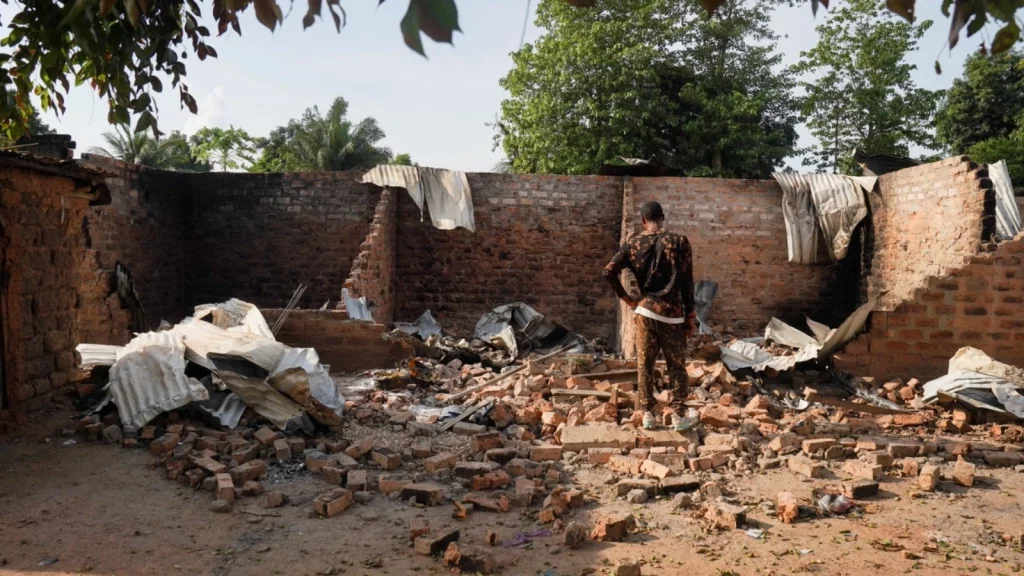
Three years earlier, in June 2022, at least 40 people were killed and over 60 injured in a mass shooting and bombing at St Francis Xavier Catholic Church in Owo, Ondo State. Worshippers were attacked on sacred ground.
Let us go further back. In April 2014, 276 girls were kidnapped from their school in Chibok, Borno State. They were there to take their final school exams.
There have been too many such tragedies, but the question remains: what should these people have done differently?
They shot you, but did you run fast enough?
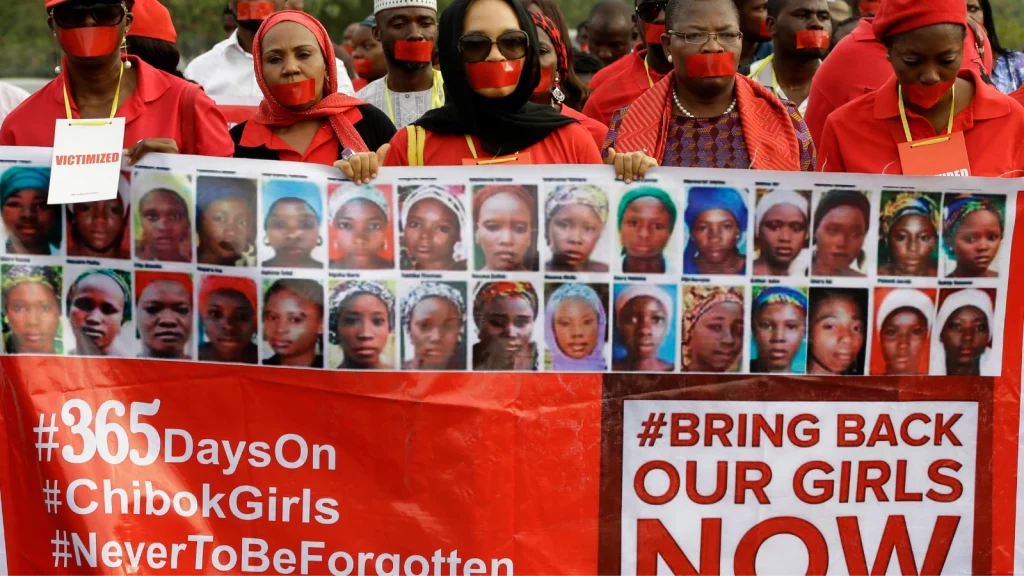
Should the residents of Yelewata have avoided their own homes? Should the worshippers in Owo have skipped church? Should the Chibok girls have stayed away from school? Would a karate kick have changed anything?
The violence in Nigeria reaches places that should be safe and sacred. Suggesting that survival is simply about avoidance is not just impractical; it is a betrayal of those who had no choice. It shifts responsibility from the state to the victims, as though their suffering was due to poor judgment rather than systemic failure.
And that is the real problem with General Musa’s comments. The idea that security is the responsibility of the individual, not the people with guns who are constitutionally bound to protect the nation.
If only Nigerians knew some Karate and went to the gym once in a while, perhaps the North would not be ravaged by religious terrorism. Is that the message we are meant to take home?
How can he preach avoidance in a country where even escaping violence can prove deadly? On 29 August 2025, at least 15 people died in Zamfara when their boat capsized while they were fleeing a bandit attack.
Are you the fastest gun in Nigeria?
This idea of shifting security responsibility to citizens is not new. Several politicians have pushed for looser gun laws to allow more Nigerians access to firearms.
Senator Ned Nwoko, for instance, has called for regular citizens to be armed. In January 2024, he proposed a bill to legalise civilian gun ownership, arguing that armed citizens would deter kidnappers and bandits.
In 2022, while serving as governor of Zamfara, Bello Matawalle directed residents to arm themselves for self-defence. Other pro-gun politicians include former governors Aminu Masari of Katsina and Samuel Ortom of Benue, who called for citizens to bear arms.Darius Ishaku, former governor of Taraba State, argued that everyone should own AK-47 rifles. According to him, that would prevent attacks. And if an armed assailant attacked an armed citizen, it would simply be a matter of “who is faster.” Like in a cowboy film.
Ishaku is currently being prosecuted by the EFCC for allegedly converting ₦27 billion in public funds. One wonders how much of a difference that money could have made towards security and relief for victims. But his solution was assault rifles for all.
Was peace the answer all along?
It seems that when Nigerian politicians do spend money on security, it is simply handed over to criminals and terrorists.
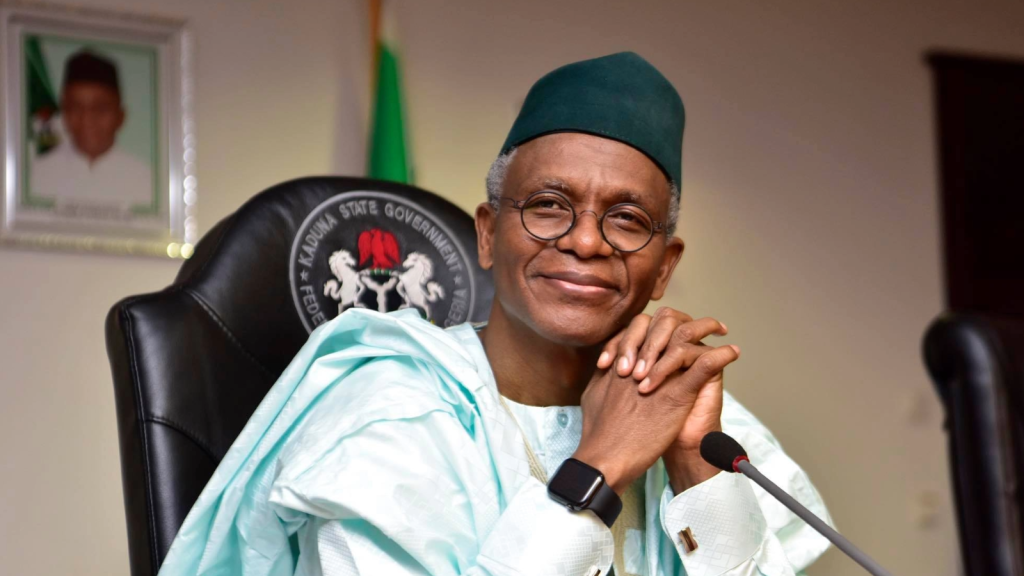
Former Kaduna governor Nasir El-Rufai accused the current government of adopting a “kiss-the-bandits” policy, paying them not to cause chaos. Critics have called him out for hypocrisy, since he admitted to doing the same in 2016.
When they are not writing fat cheques to bandits, the government is shaking hands with them. Several Northern governors, past and present, including El-Rufai, have been criticised for their friendly stance towards criminals terrorising the region.
In January 2025, during an interview with BBC Hausa, the current Governor of Kaduna State, Uba Sani, defended his decision to enter negotiations with bandits saying, “I would rather negotiate with bandits than bear the weight of a single life lost in Kaduna. If not, I will be held accountable on the day of resurrection, having promised and sworn an oath.”
With all this talk of dialogue with terrorists, bandits and kidnappers, it is surprising General Musa did not recommend conflict mediation classes instead.
In 2022, Ado Aleru, a terrorist leader wanted by Katsina State Police since 2020 with a ₦5 million bounty on his head, was given the traditional title of Sarkin Fulani of Yandoto Emirate in Zamfara. In June 2025, he was a guest speaker at a peace meeting in Katsina attended by government officials and military personnel.
Following public backlash, Katsina’s commissioner for security, Nasir Mua’zu, said Aleru had surrendered, renounced crime, and released some hostages as a sign of good faith. Mua’zu said it is Islamically “wrong for the government to continue fighting them since they accepted peace.”
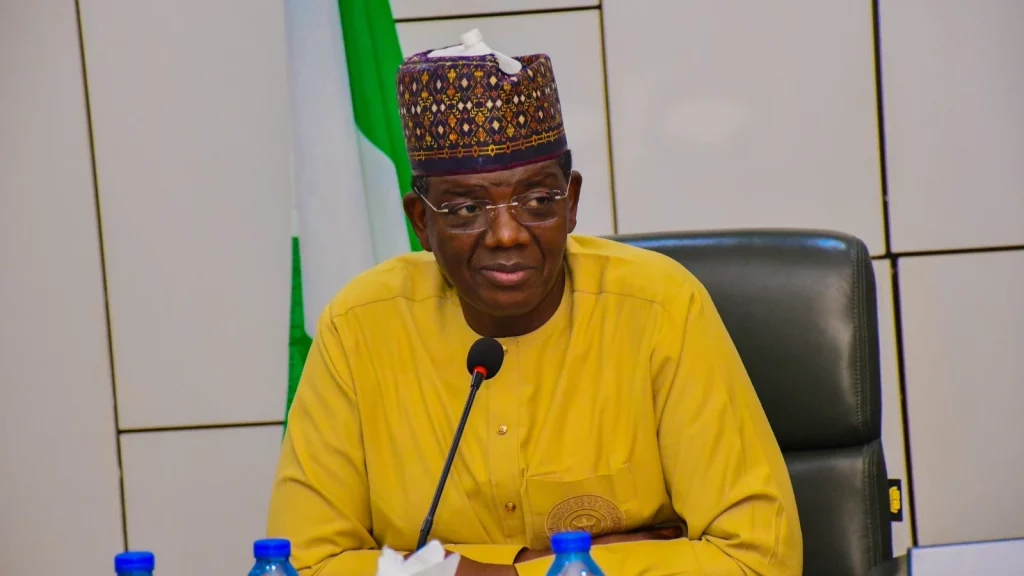
To highlight the irony, it was under Bello Matawalle, the same former governor of Zamfara and current Minister of Defence who advocated arming civilians, that Aleru was given his title. The current Zamfara government accused Matawalle’s administration of pampering bandits and gifting them Hilux trucks.
“From all the information we are getting, my predecessor was fully involved in some of these banditry issues,” Dauda Lawal of Zamfara State said during an interview with TVC NEWS in September 2024.
So while the government cosies up to terrorists, citizens are told to fend for themselves. While public funds are spent on handshakes and peace meetings with violent criminals, we are expected to practise karate chops and kicks.
I missed my chance to learn martial arts in school, but they say it is never too late to pick up a new skill. If you know any instructors, let me know.
Ever had a moment where Nigeria’s systems made life harder—or unexpectedly easier? We want to hear about your personal experiences that reflect how politics or public systems affect daily life in Nigeria. Share your story with us here—we’d love to hear from you!