Oladoyin Olasehinde (30s) has spent most of her life being reminded of how different she is. As a little person navigating love, friendships and self-worth in Nigeria, the world has never let her forget it. But after years of disappointing romantic experiences, she’s choosing to protect her peace and stay single until the right kind of love finds her.
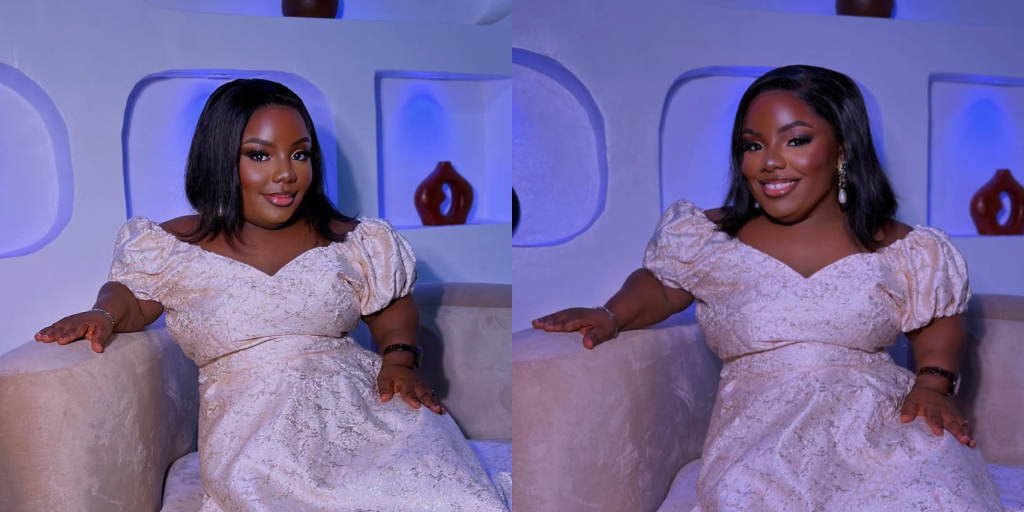
This is Doyin’s story, as told to Adeyinka
Growing up, I knew I was different, but it hit harder when I got to primary school. It was around Primary 5 when I became properly aware. It wasn’t just that I looked different from other kids; it was how everyone acted around me.
My teachers were extra strict, constantly hovering and telling me what I could or couldn’t do. I remember always wanting to clean the board during lessons. It was a big deal for us back then; you felt special if your teacher picked you to wipe the board. But I never got the chance. Little things like that chipped away at me. I couldn’t help but compare myself to my classmates, watching them play, run, climb… all the things I couldn’t do.
It didn’t help that I had really bad bow legs at the time. I couldn’t stand like everyone else on assembly days, so I’d sit aside and watch. But when I tried to mix back with them afterwards, some would tell me to leave them alone, that I didn’t know how stressful it had been to stand in the sun. They’d complain I got “special treatment”. It hurt. More than anything, it reminded me that I wasn’t like them.
I even begged my parents to talk to my teachers so they’d let me join in normally. Of course, they didn’t. They knew it was all for my good, but that didn’t make it easier to swallow. Those experiences in primary school made me painfully aware that I was different. But interestingly, my parents say it wasn’t always obvious. My dad told me that I looked like every other baby when I was born. It wasn’t until I turned three that they realised something wasn’t right. I wasn’t growing like other kids, so they took me to the hospital. That’s when they found out I had dwarfism.
They took it in good faith, especially because our family had no history of it. They accepted what they couldn’t change and did everything to support me. My parents have always been my biggest cheerleaders, constantly encouraging me to go for whatever I wanted.
Even now, in my 30s, when I have tough days — like when I hear strangers whisper or throw snide comments my way — my parents’ words help me keep my head high. My mum, bless her, gets more emotional. During uni, there were days I’d call her, frustrated or in tears, and I could hear how hurt she was on the other end of the line. She always tried to hide it, but I could tell. Eventually, I started calling my dad instead. He always knew exactly what to say to make me feel better.
Their love and support have grounded me in ways I can’t fully explain. Sometimes, I think about my life and wonder where I’d be without the unconditional love they’ve poured into me from the beginning. It’s a rare, beautiful kind of love; no words will ever feel enough to thank them. But even with all that, navigating life outside our home was a different story, especially regarding friendships and love.
I first became aware of romantic love during my secondary school years. My friends were getting asked out, sneaking off to meet boys, all those teenage thrills. But for me? Nothing. Nobody asked me to be their girlfriend, and nobody flirted or showed interest. I just watched from the sidelines, hyper aware that love existed, just not for me.
Looking back, I realise I carried that into my friendships, too. I was so desperate for acceptance that I constantly lowered my standards. Even when people treated me badly — picking fights, teasing me, ignoring me — I stayed. I knew I was different. I also knew I needed friends. So I became a people pleaser. I would do anything to be liked, to feel included.
That desperation followed me into my first real relationship. I couldn’t speak my mind. I walked on eggshells, always scared of saying the wrong thing, of doing something that would make him leave. But in the end, all that carefulness still wasn’t enough. He said horrible things — that he wouldn’t stay with me out of pity, and he didn’t want to spend his life nursing regrets about the kind of partner he chose. Then he left. And that was how I learnt my lesson.
Since then, I’ve kept my standards high, maybe even higher than most would expect. But honestly, it’s necessary. As a little person, you deal with enough. The stares. The whispers. The jokes that aren’t funny. You can’t afford to let love become another space where you’re made to feel small.
That’s probably why dating in Nigeria has been… well, disappointing. For little women like me, the options are limited. Men like to chase tall, slim, curvy women, not dwarfs. The men who do show interest? It’s often out of curiosity or fetish, never anything genuine. I’ve watched my male counterparts — also little people — date more easily. But for us women, it’s an entirely different ballgame.
To be honest, I’ve never experienced true romantic love. Lust? Maybe. But love? Not yet. The only real, unconditional love I’ve known is from my family. I’ve been single since 2017. Eight years. And I’ve chosen to stay that way. People think it’s sad, but for me? It’s peace. No lowered standards, no fear of being treated like a charity case, no shrinking myself to be loved. Just me, choosing myself.
If I could tell my younger self anything, it would be this: don’t let anyone take advantage of you. And honestly, that advice still applies to me today. When a man says he loves you? Be careful. Even in the relationship, stand firm on your wants and boundaries. The moment you start to feel like they’re doing you a favour by loving you? Leave.
Being a little person in this world comes with its battles. Your mental health, confidence, and sense of worth are all tested daily. But if there’s one thing I refuse to compromise on, it’s how I let people treat me.
Love is beautiful, but peace is everything. And right now, that’s what I’m choosing.
Navigating life as a little person in Nigeria can feel lonely, but your mental health matters.
If you’re feeling overwhelmed or just need someone to talk to, reach out to mental health support groups like Mentally Aware Nigeria.
Click here to see what other people are saying about this article on Instagram