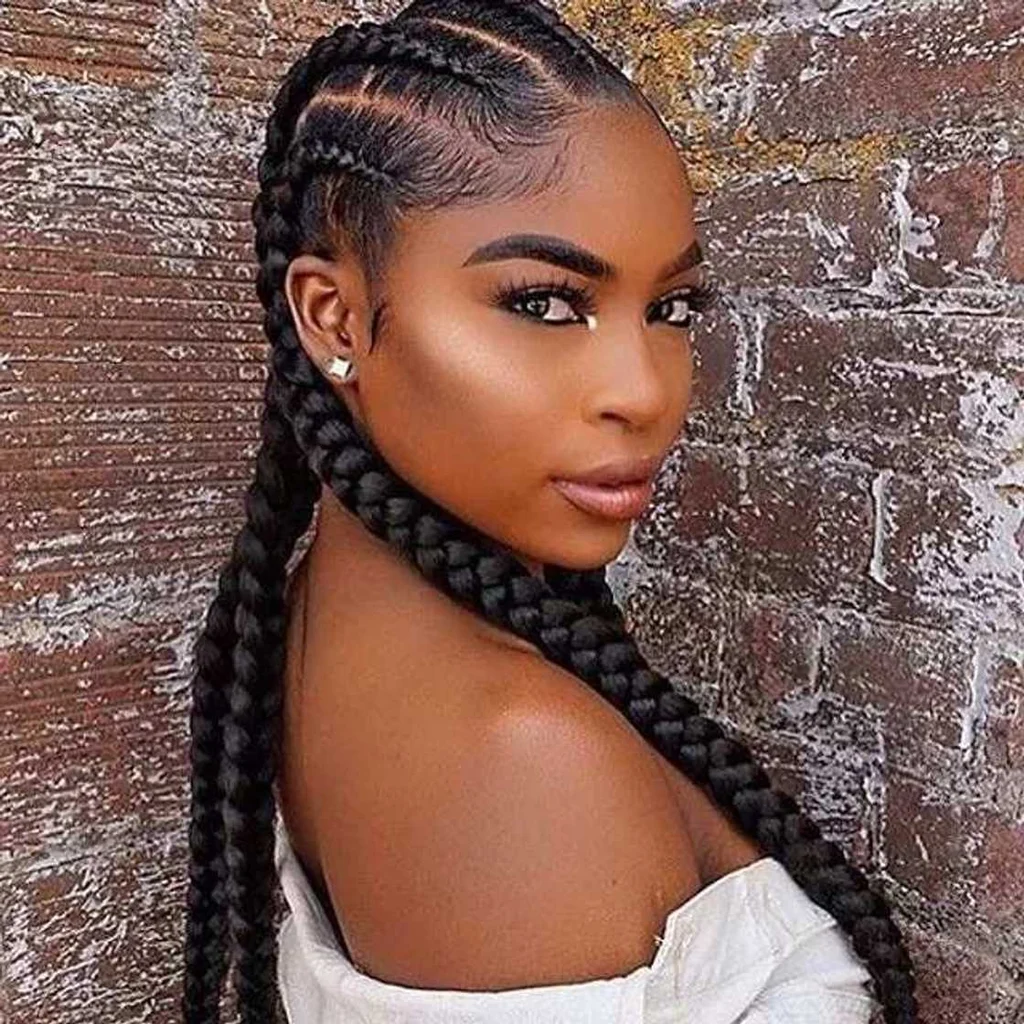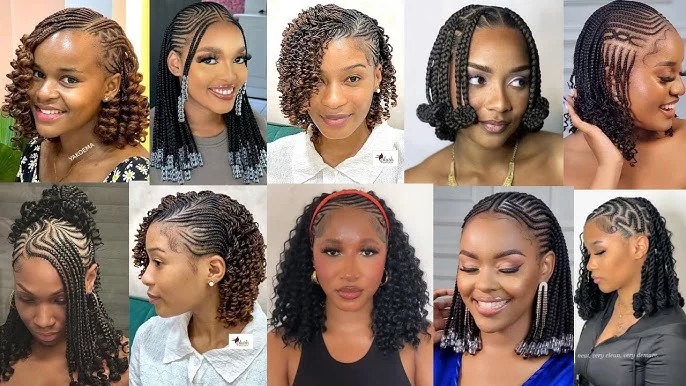
• Alt text: The best braids for every face shape

    Face shape is a useful guide and a bad rule. It tells you something real about where hair should sit, then gets treated like law, which is how people talk themselves out of styles that would have suited them. So here is the honest version of the best braids for your face shape, plus the two things that decide more than shape does.

    How to Work Out Your Face Shape

    Alt text: How to identify round, oval, square, heart and long face shapes

    Do it properly and it takes a minute. Pull your hair back, stand square to a mirror in good light, and look straight ahead. Compare three widths first, forehead, cheekbones and jaw, and note the widest. Then compare the length of your face to its width.

    ‘Round’ is width and length close together, with soft angles rather than corners.

    ‘Oval’ is length greater than width, with the three widths fairly balanced.

    ‘Square’ is a strong jaw, with width and length close.

    ‘Heart’ is a wider forehead narrowing to a smaller chin.

    ‘Long’ head is one with length noticeably greater than width.

    Most people land between two of these, which is fine. The nearest one is close enough.

    The Two Rules That Matter More Than Shape

    The first is proportion, which means your whole frame, not your face alone. A big volume of hair looks completely different on someone five foot tall and slight than on someone tall and broad, so the same braids can swallow one person and barely register on another. Judge the amount of hair against your body, not just your jaw.

    The second is finishing. Clean partings, edges that are not straining, ends properly sealed. A well-executed style on the supposedly wrong face shape beats a badly executed one on the right shape every time, and it is not close.

    Matching Braids to Your Face Shape

    Find your shape below. Each section stands on its own.

    Braids for a Round Face

    Alt text: Braids for a round face with Darling Super Star

    The best braids for round face shapes add height and length, which means long braids and twists past the shoulder. Length carries the eye downward, so width across the cheeks is not what anyone registers first. What works against you is heavy volume level with those cheeks, pushing width out where you already have plenty.

    Waist-length knotless braids are the reliable pick. Long two-strand twists do the same job, and a high bun with the rest hanging adds height at the crown. Darling Super Star gives cornrows a firm strand that holds its line without fluffing at the sides, while Darling Natural Twist handles the twisted version with texture that passes for your own hair.

    Braids for an Oval Face

    Alt text: Braids for an oval face with Darling Natural Twist

    Braids for oval face shapes are the easy case, since balanced proportions carry almost anything. This is the shape all the other rules are quietly written for, so your real question is not what suits your face. It is what suits your week and your patience on a Monday morning.

    Choose on lifestyle instead. Cornrows if you want four weeks of no thinking, a braided bob if you are tired of the weight, curls if you want movement. The whole Darling range is open, from Darling Super Star cornrows to Darling Natural Twist for something softer. The only thing to watch is very long, very straight braids with no texture, which stretch the proportions.

    Braids for a Square Face
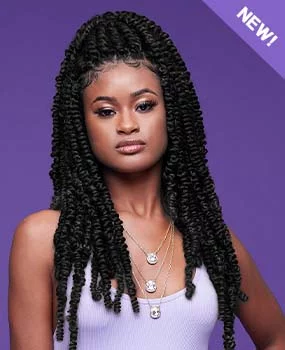
    Alt text: Braids for a square face with Darling Bohemian Passion Twist

    With braids for square face shapes, soft texture at the jawline does more than anything pulled back tight. A strong jaw is a feature worth keeping. The job is putting something soft beside it so the outline reads rounder. Slicked-back styles with hard lines sharpen the corners you already have.

    People search for what hairstyle suits a strong jawline and expect a style name back. The real answer is texture at the right height. Bohemian twists are the strongest option, because the wavy pieces sit where the softness needs to be, and Darling Bohemian Passion Twist is the range. Darling Boho Braids does it in braided form, with loose curly pieces breaking the line down the side.

    Braids for a Heart-Shaped Face
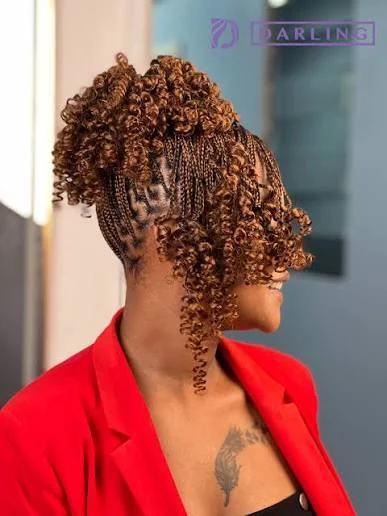
    Alt text: Braids for a heart-shaped face with Darling Curly Braids

    Fullness low around the chin is what braids for heart-shaped face proportions need, because a wider forehead reads better when the weight of the hair sits near the bottom. Volume piled at the crown does the reverse, adding width where there is already width.

    Braids finishing in curls are the cleanest way there. The braid stays lean and opens out at the ends, landing the fullness around the jaw and collarbone. Darling Curly Braids gives you the French and Spanish curl for exactly that finish. A shoulder-length set does more for you than a very long one, since the curls then sit near your face rather than halfway down your back.

    Braids for a Long Face
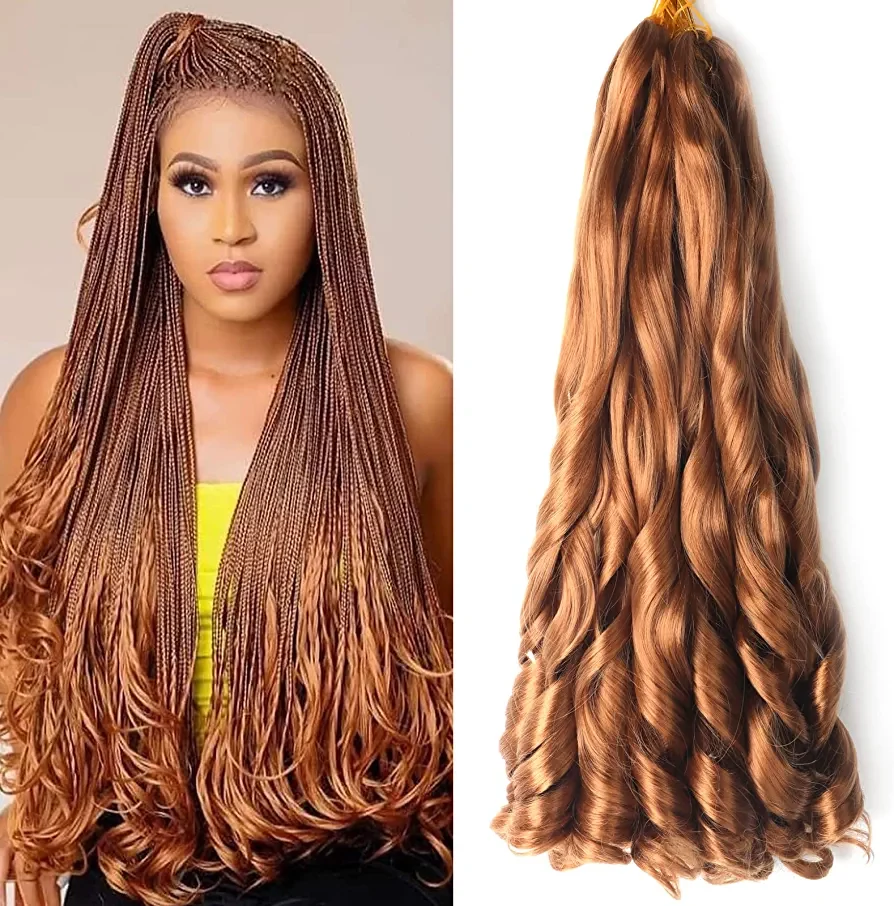
    Alt text: “Braids for a long face with Darling Curly Braids

    Braids for long face shapes want width at the sides, and curls or loose boho pieces at mid-length deliver it better than anything else. The eye picks up width across the middle and the proportions settle. Very long straight braids do the opposite, running the line downward and drawing the face out further.

    Look for texture that begins between cheekbone and jaw, not only at the ends. Darling Curly Braids work beautifully cut to collarbone length, and Darling Bohemian Passion Twist builds soft width through the middle without much weight. Curtain-style side pieces are worth asking for. Skip a blunt centre parting on very sleek braids, which lengthens the line again.

    The One Thing to Tell Your Stylist

    Tell her where you want the hair sitting against your face. Not the style name, the position. Saying you want the curl at your jaw and not your cheekbone changes where she places the loose pieces in a set of Darling Boho Braids, and that is the difference between a style suiting you and the same style not landing. Look through the full Darling range at The Diva Shop so you can point at what you mean.

    FAQs

    Which braids suit a round face?

    Long braids and twists falling past the shoulder suit a round face best, because length carries the eye downward. Waist-length knotless braids, long two-strand twists and high buns all work. Avoid heavy volume level with the cheeks, which adds width where the face is already widest.

    How do I know my face shape?

    Pull your hair back, face a mirror straight on, and compare the width of your forehead, cheekbones and jaw. Then compare your face’s length against its width. Round is close in both, oval is longer than wide, square has a strong jaw, heart narrows to the chin, and long is clearly longer than wide.

    Do braids make your face look slimmer?

    Braids change proportion, not size. Length and vertical lines make a face read longer and narrower, while width and volume at cheek level make it read wider. Nothing about your actual face changes. What changes is where the hair sits, and what the eye notices first.

    Conclusion

    Treat your face shape as a starting point and let proportion and finish decide. The best braids for your face shape are usually the ones you were already drawn to, installed properly and placed where you want them.
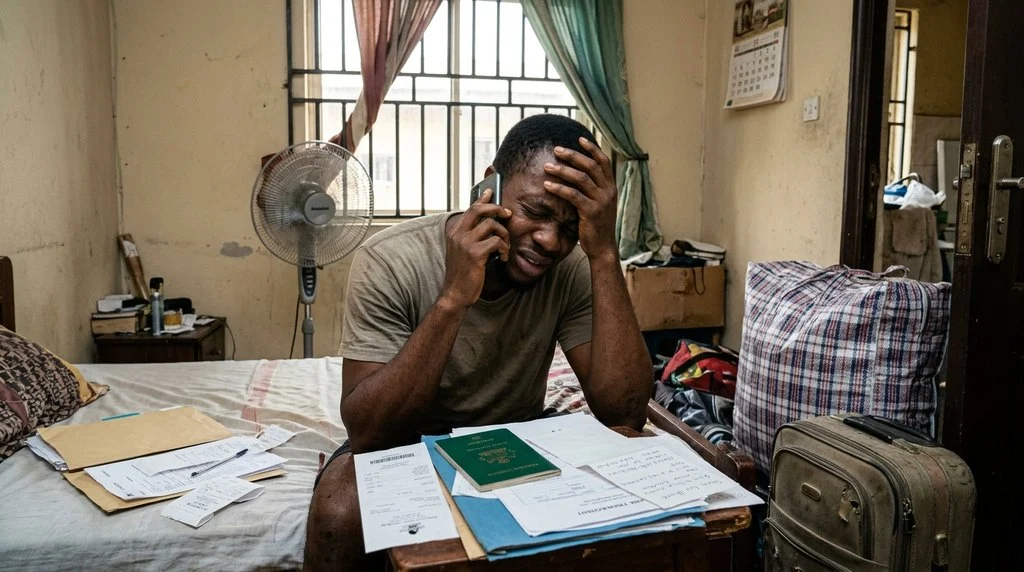

  • Ademola (34)* paid a travel agent ₦18 million between November 2025 and July 2026, and signed a fake marriage certificate to japa to the UK for work. He was given a 12-month job offer, but when he arrived, the company named in the letter denied issuing it. Everything went downhill from there. 

    This is his story, as told to Babatunde.


    Nigeria makes people desperate to leave 

    In 2025,  I decided to relocate to the United Kingdom because almost nothing is working in this Nigeria.

    After I made up my mind, I contacted a Nigerian travel agent who is based in the UK to help me with the process. I planned to go there first, build a life, and then, when the coast is clear, I would bring my wife and two children too. 

    Between November 2025 and July 2026, I made payments to the agent at different times. The total amount came to about ₦18 million. I was paying for the relocation arrangements.  I relied on him to handle the whole process without any issues.

    On April 7, 2026, I received a job offer from a film and theatre production company in Scotland, UK. I was happy because I thought everything had turned out well. And because I sold a few properties to come up with the ₦18 million  I spent. 

    The offer was for the Unit Production Manager Intern position for 12 months. It stated that I would resume on June 29, 2026, and earn £19,827.60 per year. That’s about ₦35 million. 

    I relied on the arrangements made for me and the employment offer. Eventually, I was granted a UK Temporary Work (Exchange) visa.

    But there was a difference between the job offer and the permission I had to stay in the UK. My initial permission was for six months, from June to November 2026. The employment offer, however, was for 12 months. So, I was expected to apply for an extension to remain in the country for the full duration of the job.

    But before I travelled, something else happened. The agent and the other people he  worked with in Nigeria asked me to sign a marriage certificate

    My  fake marriage

    One day, the travel agent called and asked me to go somewhere to sign a document.

    When I got there, they brought out a marriage certificate. The lady who wanted to act as my wife was also present. The document had already been prepared. They only asked me to fill in my name and sign it.

    I was shocked because I was not trying to get married. I was already married and had children. I did not understand why I needed to sign a marriage certificate to travel.

    From what I was made to understand, the arrangement was intended to make the woman and me appear to be a couple so that she could also travel.

    I was uncomfortable with it, but I felt pressured to go along with the process. Eventually, I signed the document because there was no agreement to refund my money, so I had no choice but to go along with it. 

    I knew the arrangement wasn’t right, but I was under so much pressure. It wasn’t until later that it hit me really hard:  the certificate wasn’t from ,the relevant Nigerian authorities. I had signed a marriage document with a woman whom I did not consider  my wife. 

    It was one of the most difficult decisions of my life. I could not tell my wife. 

    The ultimate shocker

    When I arrived in the UK in June, I was staying at the travel agent’s home. That was the arrangement until I could afford my own space. After a few days, I went to the address listed in my employment offer.

    I expected to begin the work I had been promised. Instead, I was told that the company had not issued the offer letter and had not authorised any such document. I almost fainted. 

    This was confusing because the letter carried the company’s letterhead and included details of the position, duration and salary.

    I had travelled all the way to the UK, believing that I had a job waiting for me. Now, the company was telling me that the offer was not theirs and that the employment arrangement was fake.

    I shared my story with them, and they said they would give me a job. But when they gave me the job description and payment structure, I knew I couldn’t stay there. 

    Meanwhile, I had already been spending weeks at the travel agent’s house with his family. He kept saying he would address the job issue, but nothing happened.

    After spending two months in the UK without the promised employment or secured accommodation, I decided to return to Nigeria.


    The Big Daily is your weekday shortcut to the biggest news shaping Nigeria. We cut through the noise, connect the dots, and explain why the news actually matters, all in one quick read.


    The Home Office wanted to know why I left

    After I returned to Nigeria, I received emails from the UK Home Office. They had noticed I left the country before the end of the period covered by my permission to stay. They wanted to know why.

    The employment offer was for 12 months, but my initial permission to stay was for six months. I was expected to apply for an extension to remain for the full employment period. 

    The company I was duped with also reached out and told me that the Home Office had contacted them to ask about my departure, since the employment arrangement was part of the information provided for my visa.

    I asked for my money back

    After I returned, I contacted the travel agent and asked him to refund the ₦18 million I had paid for the relocation process.

    There was another problem. Because of the marriage document, I now had difficulty getting the arrangement dissolved. The lady involved was unwilling to admit that the certificate was fake.

    I am worried about the implications, especially because I already have a family and do not want this arrangement to affect them or any future relocation plans involving them.

    I had spent ₦18 million on a process that had not delivered the job I was promised. I wanted my money back, but I was not getting the resolution I expected.

    I had to involve a lawyer

    Eventually, I retained a lawyer to write a formal letter to the travel agent.

    In the letter, my lawyers demanded that he confirm that the relocation process had not been properly coordinated and that the marriage certificate I had signed was fake.

    They also demanded that the agent refund my ₦18 million.

    I entered the process hoping to relocate for work. Instead, I returned to Nigeria without the job I had been promised, with a disputed marriage document to resolve and ₦18 million still at stake. 

    I have not been the same since I returned back to Nigeria. 

    Get More Zikoko Goodness in Your Mail

    Subscribe to our newsletters and never miss any of the action

  •  Crypto might be one of the riskiest forms of investing, but the Nigerians in this article took the risk, got lucky and walked away with unbelievable wins.

    From a Bitcoin wallet forgotten for years to a game played in the back of a class, they shared the biggest crypto wins of their lives and what they did with the money.

    “I forgot about my bitcoin for years and found my profit had tripled — Chidera*, 29, F.

    In 2019, I had a coworker who wouldn’t stop talking about Bitcoin. I didn’t even know how to invest, but all his talk got me excited enough to try. For my birthday that year, my uncle gifted me ₦50k, and  I invested it all in Bitcoin.

    Several things happened in my family during that period, and I soon forgot that I had kept ₦50k somewhere.

    Fast forward to 2025, I was applying for a Master’s programme abroad and needed my old email address to retrieve a transcript. While looking through the inbox, I found a verification email from the crypto app. I thought, “Let me just check this thing,” expecting to see the same ₦50k. 

    However, I opened the app to see that my money had grown to a little over ₦3m. I was stunned. I shouted so loudly that my friend staying with me at the time thought I was dying. 

    I put most of it into my Master’s fund. I’ve also started investing properly since then.

    “I played a Telegram game in classes, and made ₦300k — Tobi*, 22, M.

    In 2024, there was a  “coin tapping” trend everyone was doing. The idea was that you would play a game on Telegram, like tapping a coin, upgrading game animals, or inviting your friends for bonuses, and eventually win crypto tokens.

    It seems fake, and back then I thought so too. Everyone in my department was obsessed with it while I scoffed at the idea. But I was a bored 300-level student, and I love a trend. So, soon, I started tapping this coin.

    For months, I tapped during boring classes, in my room while watching movies on my laptop, and while waiting in queues. It became a mindless habit.

    When the token finally launched and landed in my wallet, I thought there was a mistake. I sold quickly and walked away with about ₦300k.

    It’s not a lot of money to me now, but as a broke uni boy, it was substantial. I never got back into crypto, though. I think it only worked back then because I didn’t feel pressured to be good at it. 

    “My son talked me into putting ₦100k in Solana.” — Emeka*, 55, M.

    I used to think crypto was for yahoo boys and people who like to gamble. But in 2021, my 16-year-old son got very involved in Solana and convinced his mum and me to join. 

    I invested ₦100k, an amount I could afford to lose. By the end of the year, that ₦100k was worth over ₦1.5m. I didn’t even know what to do with it or how it worked, but my son told me to sell it, and I did.

    To be honest, I didn’t really need the money, so I put it in an account for my son and gave it to him when he got into university in 2023. He used it to start his own crypto journey. Today, I think his investment is worth millions. I’ve never been so proud of somebody in my life.

    Get More Zikoko Goodness in Your Mail

    Subscribe to our newsletters and never miss any of the action

    “I started with ₦30k, and now I do this full time.” — Zainab*, 27, F.

    In 2022, a colleague showed me how to buy and sell USDT on peer-to-peer platforms for a small profit. I wanted extra cash, so I tried it. I started with ₦30k, and my first profit was ₦900. It was small but motivating, and I continued. 

    I also lost some money, though. I once lost ₦40k to a fake payment receipt. The buyer sent a screenshot; I released the funds, and the alert never came. After that, I never released anything until the money showed up in my bank app. 

    I kept reinvesting my money, and after a year, I was moving over ₦2m a week. I resigned from my bank job in 2024 and now trade full-time. I’ve also employed two people to help me manage the amount of money I move. 

    “I wrote crypto threads for ₦150k, and the tokens did a 40x.” — Juma*, 31, M.

    I’m a freelance writer, and in 2023, a small crypto project paid me to write a thread series explaining their product. They offered me half of my ₦300k payment in cash and the other half in their tokens. I wanted all cash, but they insisted, and I grudgingly took the offer.

    I didn’t think about the token for months. Then in 2024, the project got listed on a major exchange, and the price shot up. By the time I checked, my tokens had grown 40x in value. I was terrified it would crash, so I sold it over two weeks and ended up with a little over ₦6m.

    I used some of it to pay my rent and the rest went into my savings.

    “I bought ₦20k of Polygon on a whim, and it paid for my wedding.” — Adaeze*, 26, F.

    In January 2021, my cousin and I watched a talk about crypto, and, inspired, we randomly put ₦20k into different coins. Mine was a recently rebranded coin called Polygon. I regretted it the second I did it, but for my cousin, I decided I’d see it through.

    Later that year, I saw news that its value had shot up. I checked my account for the first time in months and discovered that my ₦20k was worth around ₦2.4m. I sold immediately and converted the money to dollars so it wouldn’t lose value.

    I left the dollars alone for four years. When my fiancé and I started planning our wedding in 2025, that money covered the venue, the food, and my white dress. My cousin never sold his, and he lost a lot of money. It still makes him upset.

    “I lost ₦400k to a scam, then I learnt my lesson.” — Ifeanyi*, 33, M.

    I’m a big risk taker, but initially that landed me in trouble. In 2023, I put ₦400k into a platform that promised to “double my money in 30 days” and called itself a crypto company. It turned out to be a Ponzi scheme. The website disappeared before the month ended.

    I felt so ashamed of myself, but instead of quitting, I decided to learn what I’d done wrong. I spent months watching tutorials and reading about how real exchanges work. In January 2022, I made a rule: ₦20k every month into Bitcoin, no matter what the price was or how scary the crash looked.

    There were months when the market was crashing, and my friends told me I was wasting money, but I stuck to my plan. Today, I’ve made about ₦3.5m from Bitcoin. I still can’t believe it.


    READ NEXT: I Escaped Poverty and Became a Multi-Millionaire in My 30s. Here’s How 

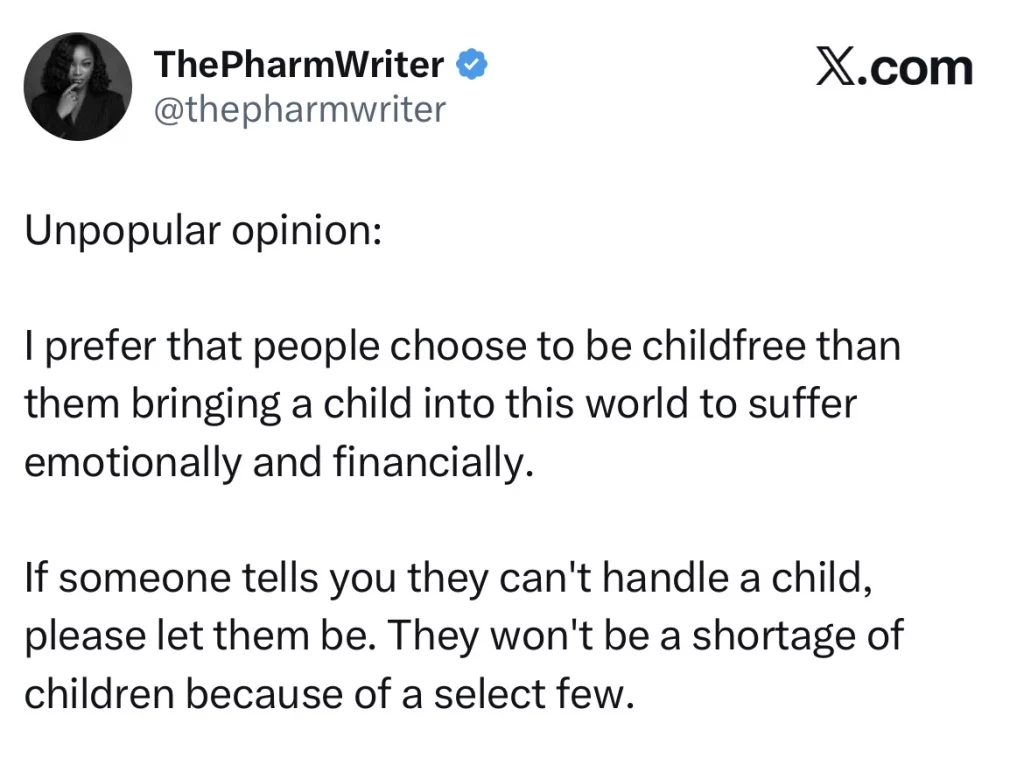
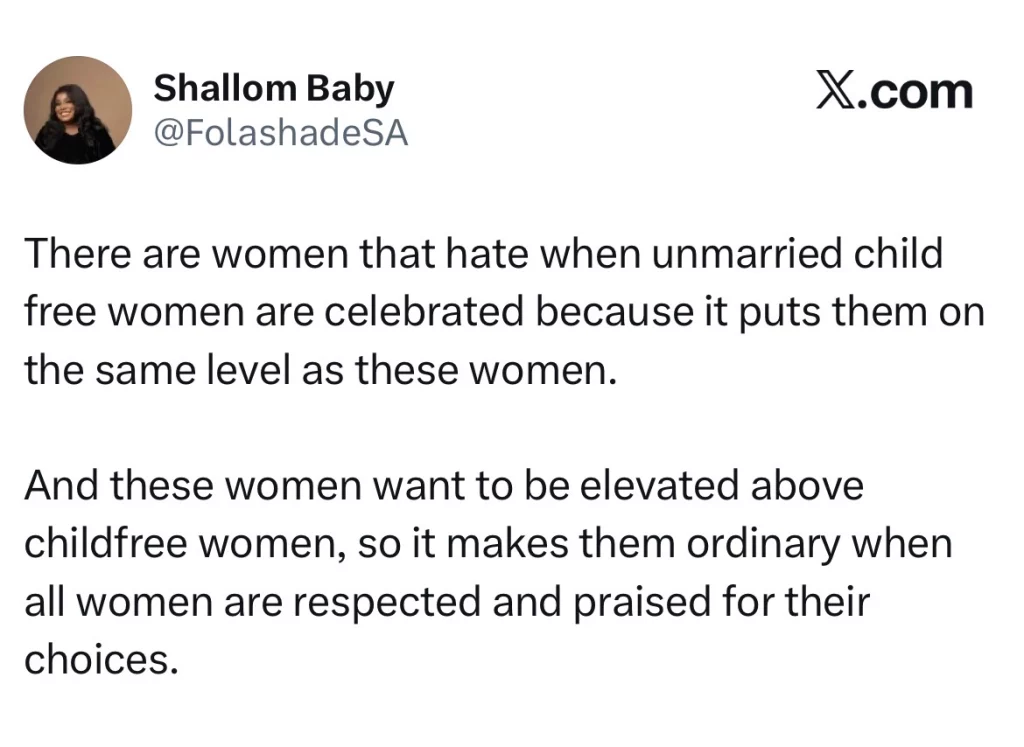
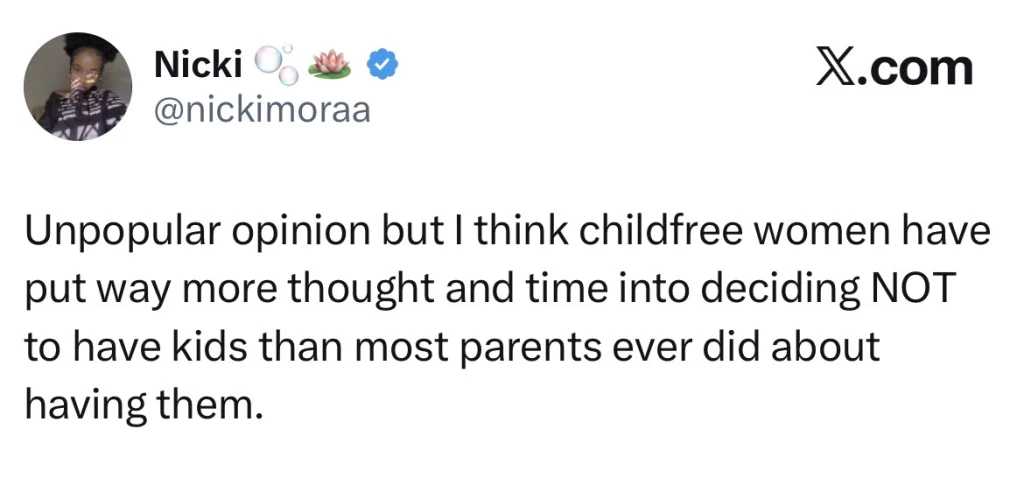
  • If there’s one thing society struggles to accept, it’s a woman who says she doesn’t want children. Somehow, making a personal decision about not becoming a mother is enough to invite unsolicited advice, religious lectures, predictions of future regret and, occasionally, questions about whether something is wrong with you.

    It’s almost as though a woman cannot simply say she doesn’t want children without having to defend her decision to an entire committee.

    child-free

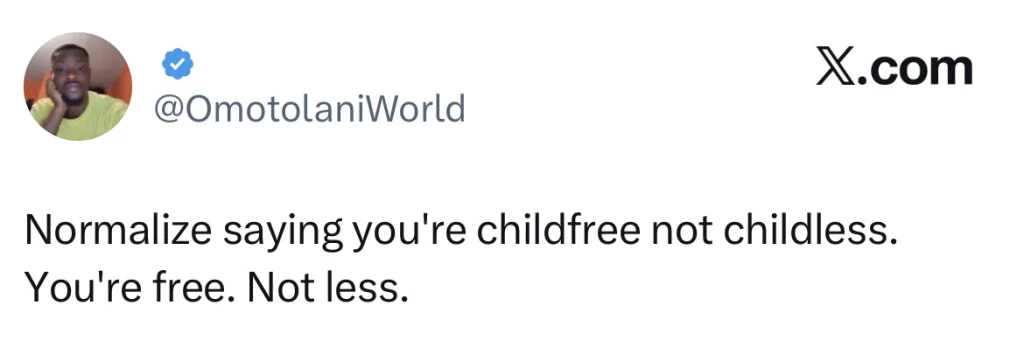
    First, let’s establish something: being child-free is not the same as being barren or experiencing infertility. A child-free woman is someone who chooses not to have children, regardless of whether she is biologically capable of having them. Infertility, on the other hand, is a reproductive health condition that can make it difficult to conceive. While some women who experience infertility may eventually choose to live without children, there’s a significant difference between not being able to have children and not wanting them in the first place.
    But somehow, when a woman says she doesn’t want children, people are quick to assume she hasn’t thought it through or that she’ll eventually change her mind.

    The questions are almost predictable. What happens when you get older? What if you meet a man who wants children? Won’t you regret it? Who will take care of you when you’re old? Don’t you want to experience the joy of motherhood?

    Apparently, the possibility that a woman has considered all these things and still doesn’t want children is too difficult for some people to comprehend.

    And this pressure doesn’t just come from family members who are eager to become grandparents. Religious leaders also contribute to conversations that frame choosing not to have children as going against God’s will.

    In many Nigerian Christian communities, women are constantly reminded of the biblical instruction to be fruitful and multiply. Sermons about marriage and family often present procreation as an essential part of God’s plan, with some religious leaders suggesting that women who deliberately choose not to have children are being selfish, disobedient or refusing to fulfil their purpose.

    A similar expectation exists in many Muslim communities, where marriage, family and raising children are strongly encouraged. Islamic teachings describe children as blessings and a source of joy, and some religious leaders use these teachings to encourage women to embrace motherhood. While there’s nothing wrong with celebrating motherhood as a blessing, problems arise when these conversations suggest that a woman who deliberately chooses not to have children is going against her faith or failing in her religious responsibilities.


     You’d Also Like: Women – Led Protests That Made A Difference History


    But does believing that children are a blessing mean every woman must have them? Can a woman not be devoted and faithful, maintain her relationship with God and live a purposeful life without becoming a mother?

    The problem isn’t that religious teachings celebrate having children. It’s when those teachings are used to make women feel guilty about choosing otherwise. Why is a woman’s reproductive decision being treated as a spiritual obligation she cannot opt out of?

    The irony is that these conversations rarely acknowledge that motherhood is a significant, lifelong responsibility. It involves physical, emotional, financial and psychological commitments that shouldn’t be undertaken simply because a woman has been told it’s what God or society expects of her. And if we’re going to talk about God’s will, shouldn’t we also consider that people can have different purposes, callings and definitions of fulfilment?

    Get More Zikoko Goodness in Your Mail

    Subscribe to our newsletters and never miss any of the action

    Read next: My Ex Is Holding Our Business Hostage


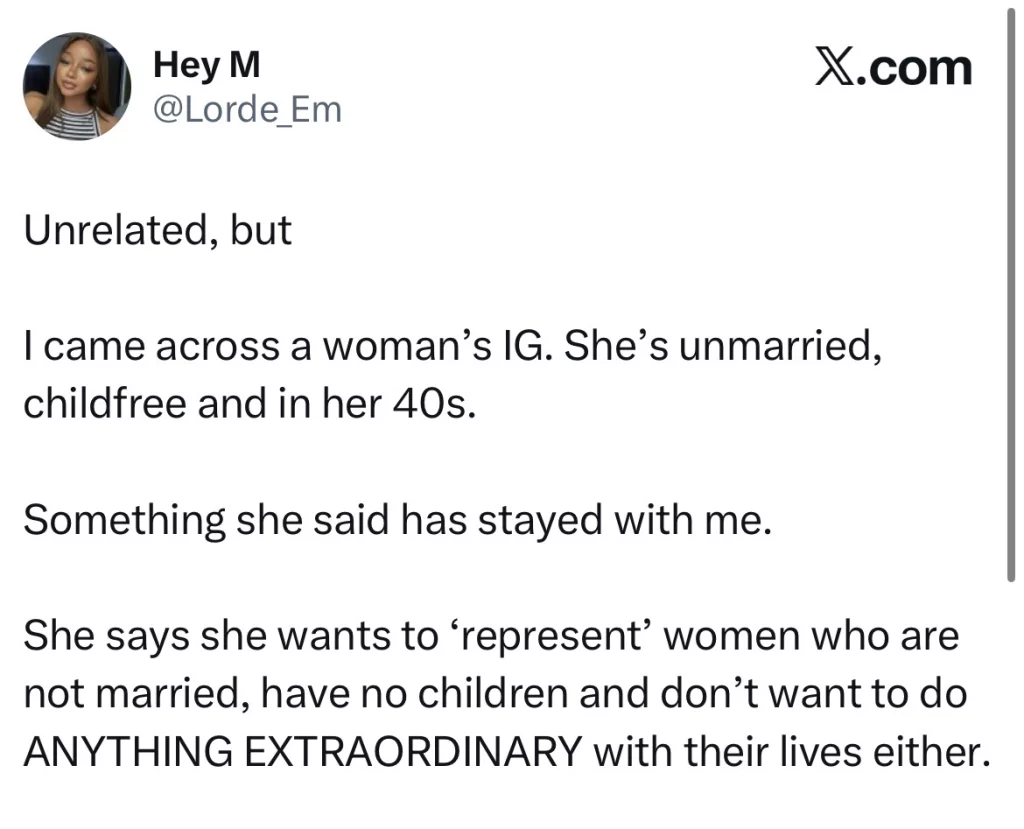
    Some women don’t want to experience pregnancy or childbirth. Others don’t want the responsibility of raising children. Some would rather dedicate their time, resources and energy to their careers, businesses, relationships or personal interests. And some women simply don’t want children. They don’t have to be traumatised, financially unstable or secretly unhappy to arrive at that decision.

    Yet, society seems to struggle with the idea that a woman can find fulfilment outside motherhood.

    This is particularly interesting because many women grow up with the assumption that marriage and children are inevitable parts of their future. From childhood, conversations about their lives frequently revolve around finding a good husband, getting married and having children. Motherhood is presented as the natural destination of womanhood, and women who choose a different path are treated as though they’ve missed an important appointment.

    Even when a woman is firm about her decision, people are quick to tell her she’ll change her mind. Apparently, she’s too young to understand what she wants, hasn’t met the right man or hasn’t developed her maternal instincts yet. It’s almost as though people would rather believe a woman doesn’t know her own mind than accept that she might genuinely have no interest in motherhood.

    And speaking of men, why is one of the first questions women are asked whether their husbands or future partners agree with their decision? Why does a woman saying she doesn’t want children immediately become a conversation about what a man wants? Of course, having children is something partners should discuss before committing to a life together. However, a woman’s personal decision shouldn’t be treated as invalid until a man approves of it.

    There’s also the argument that choosing not to have children is selfish. But what’s particularly interesting about this accusation is how little consideration is given to the sacrifices women are expected to make when they become mothers. Their bodies, finances, careers, time and personal ambitions can all be affected by parenthood, yet choosing not to take on those responsibilities is somehow considered selfish.

    Nobody should have children simply because their parents want grandchildren, their church expects them to, their religious community demands it or society has decided that motherhood is the ultimate measure of a woman’s success. Children deserve to be wanted, and parenthood should be a decision people make willingly, not out of fear of disappointing everyone around them.

    And this isn’t an argument against motherhood. Women who want children should absolutely have the freedom to become mothers without being judged for that decision. But that same freedom should extend to women who don’t want children. Neither decision should make a woman more or less deserving of respect.

    At the end of the day, being a woman shouldn’t come with a compulsory motherhood clause. A woman’s purpose cannot be reduced to her ability or willingness to reproduce, and her life doesn’t suddenly become incomplete because she doesn’t have children.

    Maybe the real question isn’t why some women don’t want to have children. It’s why everyone else feels so entitled to convince them otherwise.


    Also Read: 16 Single Women Share The Worst Things Their Married Friends Have Said

  • We all have that one wishlist. That one tab you leave open on your browser, the cart you’ve been stacking since H1, and the items you randomly go back to stare at when you’re bored or wish you were holding them in your hands. 

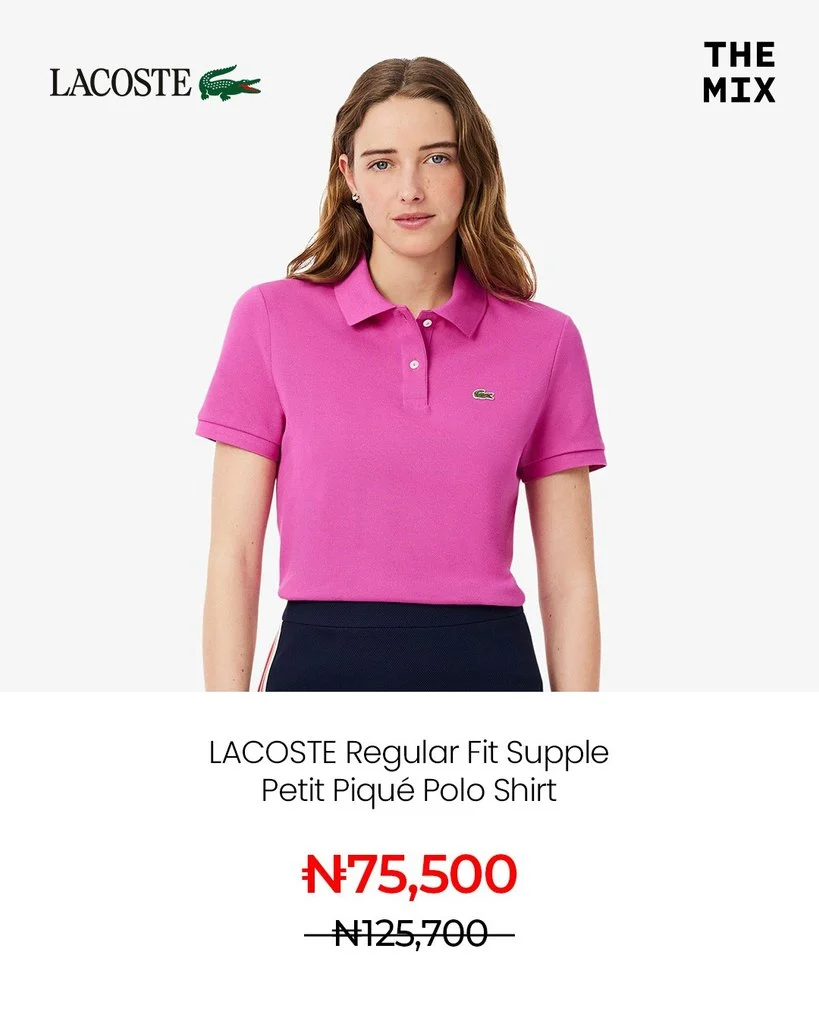
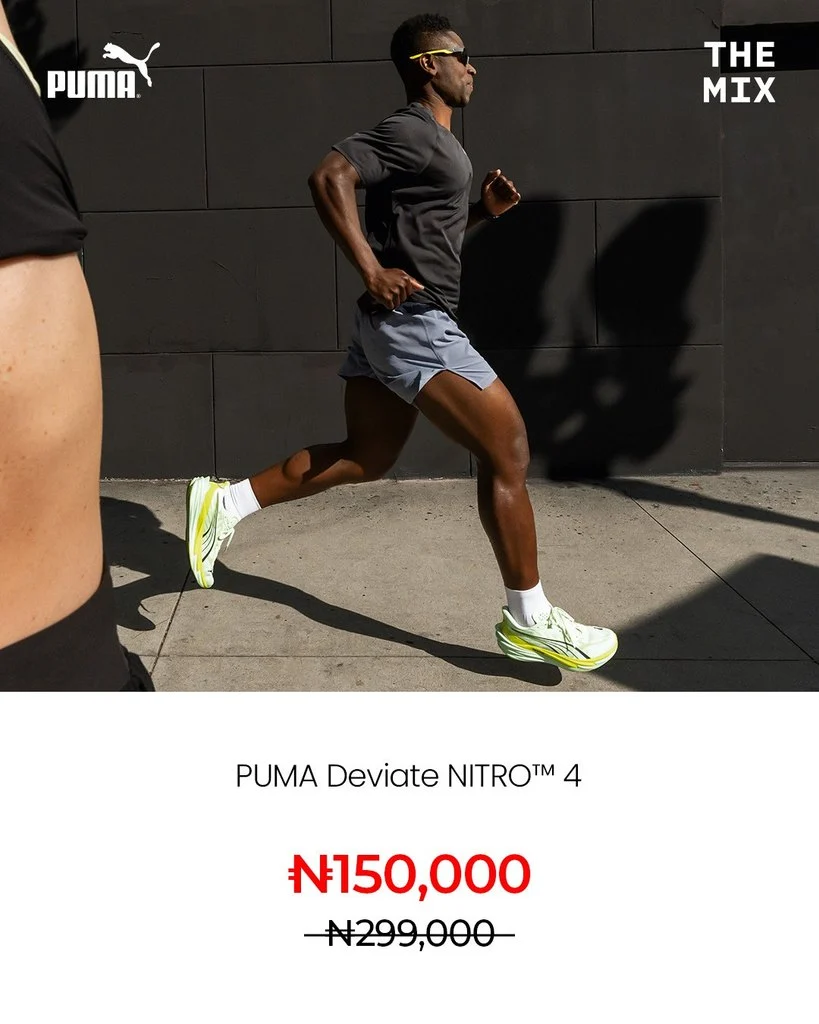
    Well, it’s Black Friday season, which means the universe is giving you the green light to hit checkout like a sweet offer of a 70% discount if you shop with themix.ng. So, if you’ve been waiting for a sign to change your wardrobe and get new fashion accessories, these are seven reasons to stop looking and start buying.

    1. Black Friday with your favourite brands

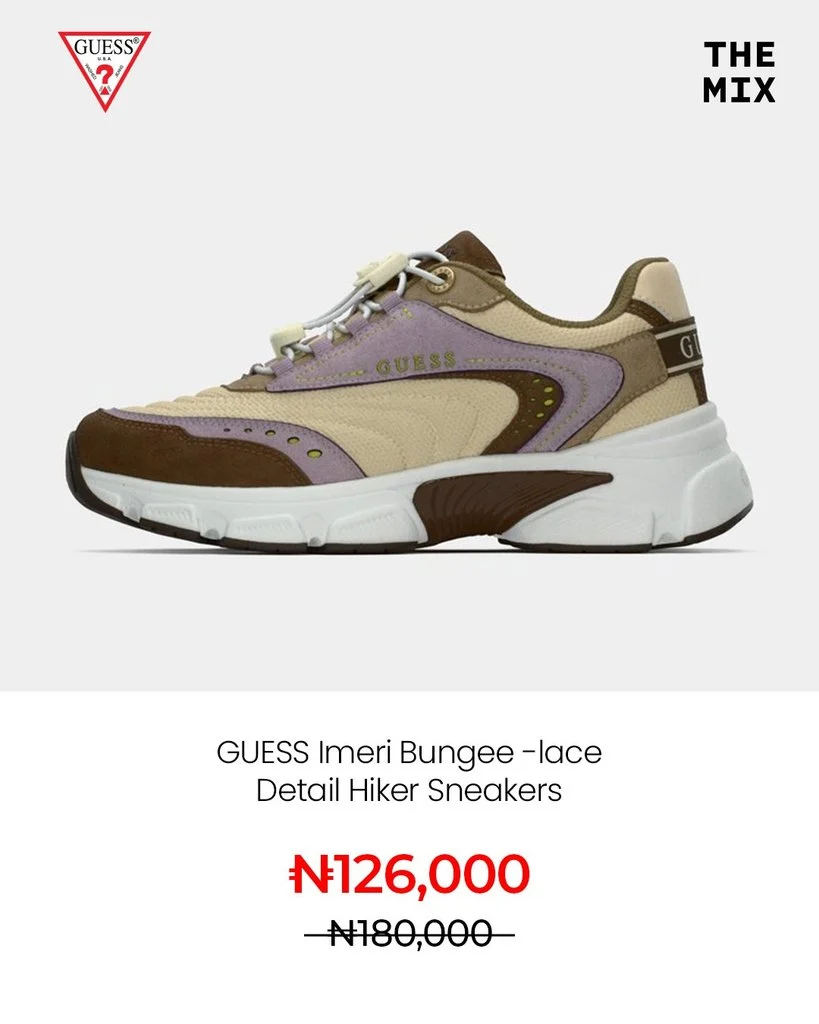
    It’s Black Friday, and your favourite fashion brands are offering friendly prices on the pieces you love. Open your purse and grab your favourite brands like PUMA, Lacoste,e and GUESS asap.

    2. Staring at the same cart for months

    You’ve added, removed and re-added the same items so many times that your cart might start charging you for space. My friend, it’s Black Friday, and it’s the best time to get your wishlist for less. Shop now at themix.ng.

    3. Wardrobe doesn’t match moodboard

    You know what you want for your Detty December:to be outside and look like a million bucks. If you want to spice up your fashion with the best fashion pieces to go this season, GUESS is calling your name. Pick up the call.

    4. Rich look without breaking the bank

    You love the idea of looking sophisticated and wealthy. When you walk past people, you want them to wonder if you own a yacht. Lacoste is what you need. And you don’t have to spend all your money to get it.

    5. Need new sportswear for the gym

    If you’ve been hitting your fitness goals, or plan to start next week, you need sportswear that keeps you dry and focused through every rep. A fresh pair of PUMA sneakers or sportswear will never go wrong.

    6. You want to look like a Pinterest board

    Whether you’re shooting content for Instagram, filming a TikTok “Get Ready With Me”, or just outside enjoying life, you want your outfit to hit. Best bet? Get yourself some PUMA pieces.

    7. You love discounts

    Honestly, there’s a special type of joy that comes from catching your favourite pieces on sale. So what are you waiting for?

  • Building a career comes with challenges. Working as a Nigerian woman comes with its own special package: the pressure to say yes before the opportunity passes you by, figuring out money while everyone assumes your salary is plenty, the labels that follow women who speak up in meetings, and the family obligations that arrive with your first real salary. Sometimes what you need is to hear another woman say it out loud first.

    That’s the whole premise of Don’t Let the Smile Fool You, Uche Ofodile’s podcast about what’s really going on underneath the calm of leadership. No aspire to perspire to maguire. Just honest talk about the things women are actually navigating at work and with money. 

    We went through the catalogue so you can start with the essentials: five episodes to get you on your way. 

    1. “Somehow the financial floor doesn’t feel as solid as it should”

    Don’t Let the Smile Fool You, EP38, with Lisa Aladekomo

    Earning good money still comes with a specific kind of shame: if the salary is this nice, why doesn’t it feel like freedom? 

    Uche and Lisa explore why a good salary doesn’t automatically mean financial freedom. There’s the delivery trap  where the reward for hard, good work is more work. And the “your work will speak for itself” trap, this advice Uche calls almost criminal.

     Then the visibility tax, where panels, advisory seats and co-investment deals go to the women people actually see speaking, not the ones with their heads down and letting the work speak for itself. Finally,  the family tax every first daughter knows by heart: being the one who books grandpa’s doctor’s appointments costs you, and the first step is naming it so you can share it or outsource it.

    The most useful part might be the silence they name between senior women who trust each other with everything except investments, salary ranges and deals. Plus negotiation gems worth the hour on their own: no number is crazy, and every woman should know her ‘get out of bed’ number before any offer lands.

    2. “Later in your career the challenge changes. Your scarcest resource is time.”

    Don’t Let the Smile Fool You, EP37

    Saying yes builds early careers, and Uche has the receipts: a last-minute flight to London that put her in rooms she otherwise couldn’t access, and a Ghana move people called a demotion that ended with her as Chief Marketing Officer (CMO). But as you get more established in your career, your scarcest resource becomes time.

    Every yes now carries a cost: focus, time, energy, reputation. And the advice that made you visible doesn’t come with an expiry date. You just discover it stopped serving you.

    This solo episode gets into what happens when the yes stops working. Her example: a diversity, equity and inclusion committee she said yes to out of pure passion, without asking the practical questions. Did the committee have influence? Would the senior leaders she wanted to be seen by actually show up? Would its recommendations ever be executed? A good opportunity is not the same as a good opportunity for you. And her advice to women in their twenties: start training the no muscle now, not in your forties.


    You May Also Like: My Best Friend Set Me Up With a Man She Was Dating


    3. “It’s okay to doubt but never let doubt lead your life”

    Don’t Let the Smile Fool You, EP1, with Annick Atougbe

    If you’re waiting to feel ready before you raise your hand, press play. CEO of the Day, an initiative Uche and her team started to make International Women’s Day less performative, one young woman in the company is chosen to be CEO for a day, literally walking in the CEO’s shoes for 24 hours. Other companies were challenged to join. Seven did at the start; 33 joined in 2025.

    Annick, the 2025 winner, perfected her application all weekend and still sent it on deadline day; she was so sure she had lost that she asked for a few days to recover, then walked the floors so confidently that Uche wondered if she was even needed. 

    Her lessons are clear: leaders don’t need to have every answer; they need to ask the right questions. Strategy isn’t people deciding things in a room; it’s customers reacting to what you bring to the table.

    4. “Self-awareness can make you better. Self-consciousness will make you smaller.”

    Don’t Let the Smile Fool You, EP27 

    “She’s too aggressive.” “You’re being emotional.” “Too direct.” Uche calls these “unintentions”, words that are rarely meant to wound, but repeated often enough, they become instructions. 

    After one meeting comment turned into office gossip, she went quiet for almost a year, and nobody asked her to. That’s the point. No one had to tell her to disappear; the safest version of leadership had simply started to look like silence.

    If one throwaway comment ever made you start editing yourself, this episode is the reminder that not every softening of yourself is growth.

    5. “Your intention does not erase the impact.”

    Don’t Let the Smile Fool You, EP16 (“Am I the Drama?”)

    Inspired by Cardi B’s album (yes, really), this episode sorts workplace drama into three types. 

    Unaware Drama: The teammate whose good intentions keep producing chaos, because if ten people are telling you the same thing, it’s not gossip, it’s data. 

    Misunderstood Drama: Being read wrong for your face, your outfits, your presence, where the fix is not shrinking but giving context, like “I’m being direct because I care”. 

    Self-imposed Drama: Apologising  for existing, where the prescription is a proof list of your wins and retiring “sorry, can I just”. Confidence is clarity, not volume.

    Send this to the friend who needs it. Or the one who is the drama and needs to be told.


    Read Also: “You Love Your Child & Still Miss Who You Were Before” — Podcast Episodes Every Woman Should Listen To At Least Once

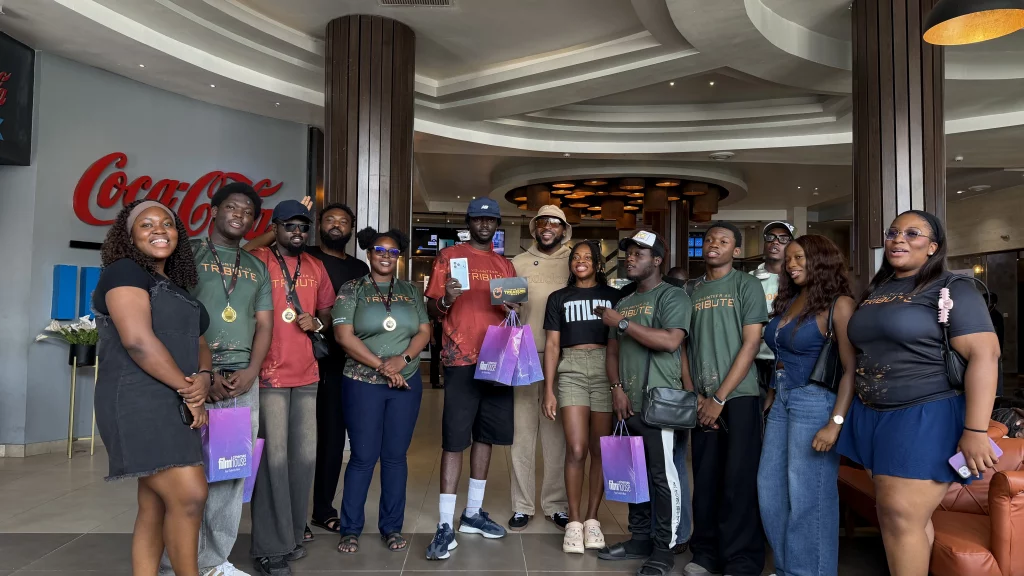
  • Do you remember where you were when Katniss Everdeen volunteered as tribute to replace her sister during the first Hunger Games? We definitely do! All the excitement and the fear during the games, what a rush. Anyway, because we in Lagos couldn’t be left out, Filmhouse organized a treasure hunt inspired by the newest Hunger Games so we too could feel like we were in Panem on the streets of Lagos. If you missed it, we have the perfect recap for you.

    Hunger Games treasure hunt

    We had our own tributes 

    No Hunger Games experience is complete without tributes and this treasure hunt had people come to participate from all over Lagos. We all know Panem has 12 districts so imagine how many districts Lagos would have, what do you think?

    It’s not the Hunger Games without a games master

    Every Hunger Games has the very scary but captivating games master. Most recently we had Viola Davies as Dr. Volumnia Gaul, the iconic leader of the games. In our Lagos version we had Kenzy Udosen as our games master, controlling the tributes on their hunt for the grand treasure of the day. 

    The games had an arena

    All Hunger Games have an arena and for this treasure hunt it spanned from Filmhouse Palms to Filmhouse Lekki IMAX. So participants had to follow a path of clues and hints from Palms To Lekki. There were no iconic bows and arrows this time but if you were fast on your feet and quick to decipher all the hints, you were definitely primed for success!

    One tribute prevailed 

    Hunger Games treasure hunt

    All the competition was in pursuit of the grand prize of an iPhone 18 Pro. We know that all Hunger Games have only one winner (except you’re Peeta and Katniss) so only one person was successful in winning the grand prize at the treasure hunt. 

    There were prizes for everyone 

    The Hunger Games experience in Lagos had something for everyone. Even if you didn’t win the coveted iPhone 18 Pro, there were a host of other prizes and gifts like Zaron skincare and hair care products to be won so all the tributes went home happy. Now, which other Hunger Games can boast of that? 

    This experience was organised in celebration of the upcoming release of The Hunger Games: Sunrise on the Reaping, which opens in cinemas on Friday, November 20, 2026. So, if you missed the treasure hunt then you definitely shouldn’t miss the movie behind it. 

    You’ll get to meet a whole new generation of tributes in a never before seen arena and with some tragic love stories. Who doesn’t love that? So, make sure you dash to the Filmhouse website and cop your tickets to the next Hunger Games and may the odds be ever in your favour.

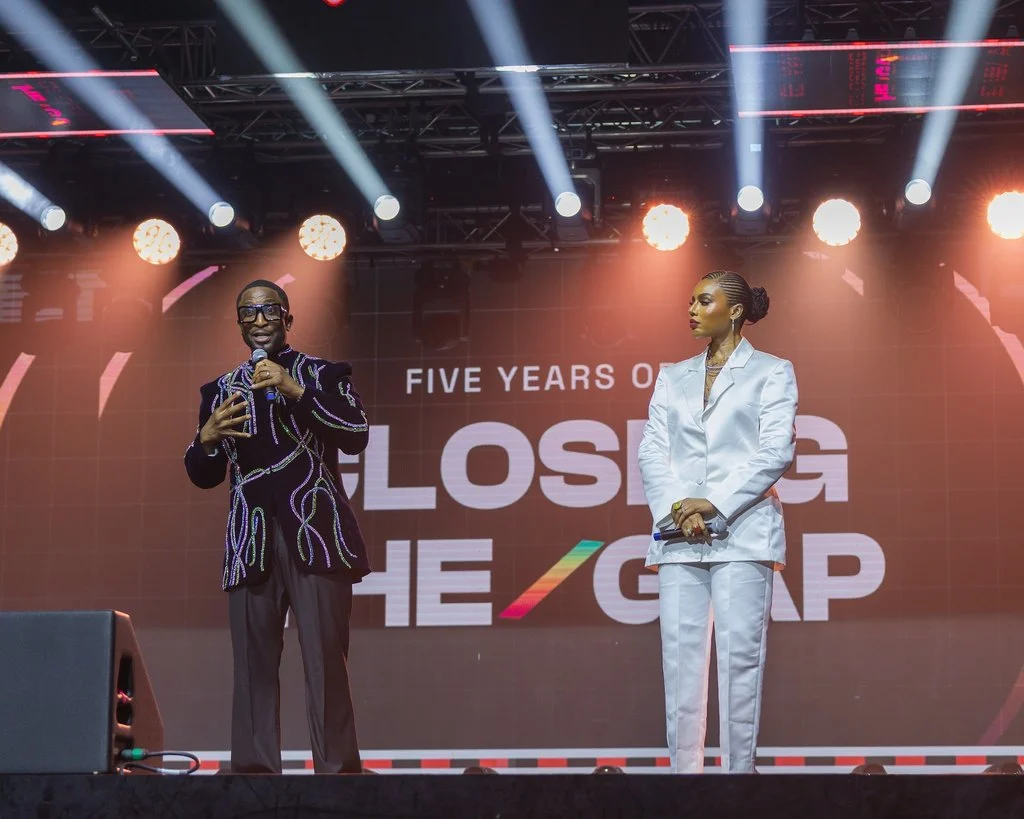
  • As a creative living in Lagos, Entertainment Week Africa (EWA) is the place to be. The event kicked off on Wednesday, November 18th at Livespot Entertainment Centre, where it officially opened its fifth edition which runs till 21st.

    EWA is celebrating five solid years of uniting Africa’s creative community, and this year’s theme is “Closing The Gap.” From music and fashion to film and tech, the night was a mix of creative economy conversations, money talk, music, performances, style and good times.

    entertainment week

    If you missed the opening night, here’s a quick rundown of everything that went down:

    1. The hosts with the most

    After the Awajo Dancers opened the stage with an epic dance, the hosts, Darey Art Alade and Nancy Isime, steered us through the opening night with speeches, activities, banter, and style.

    entertainment week

    2. Robot took the stage

    As part of an industry that’s rapidly intersecting with global innovation, EWA tapped into robotics and AI at the opening night. On stage, a robot called Libo was introduced as the third host. It walked to the front, greeted the audience and engaged. That was cool.

    3. An exclusive movie preview

    Livespot Studios decided to feed our eyes with a 35-minute exclusive preview of their new movie, University of Side Hustle. The cast includes Tobi Bakre, Martha Ehinome, Mike Afolarin, Vine Olugo, Shine Rosman, etc. There was also a performance of the movie soundtrack by a music group called 11ven.

    4. More music performances

    What’s an entertainment event without music? Ghaffar, Meji the One, Martins Feelz, Töme and many others rocked the stage.

    5. Fashion was served

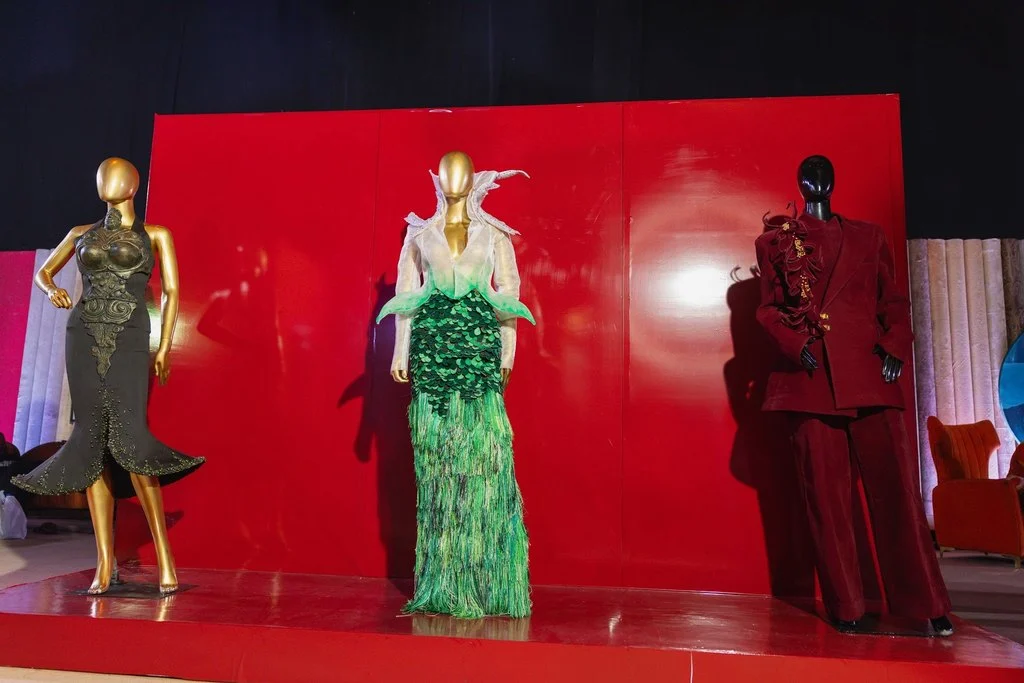
    EWA officially launched its 2026 Fashion and Beauty Track with a runway showcase of African style and design. A showroom was also set up to exhibit the pieces—African excellence.

    fashion at entertainment week

    6. Government co-signs

    It wasn’t just about entertainment, glitz and glamour. There were talks of business and infrastructure. Kwara State’s First Lady, Olufolake Abdulrazaq, gave development updates on the Sugar Factory Film Studio, the Ilorin Innovation Hub and an ongoing Fela exhibition at ICAAF. Ministers Hannatu Musawa and Jumoke Oduwole also sent their goodwill. EWA’s grab of the government’s attention is a seat at the table for creatives.

    7. Taking African talent global

    Darey reflected on how EWA has hosted over 67,000 participants in five years. The goal now is to turn creative connections into sustainable dollars. With initiatives like the Deal Room, Content Market, LABSPOT, and the invite-only EWA Creative Connect (which has already touched down in London and LA), they’re closing the gap between African talent and the global market.

  • Image Credit: Pinterest

    Alt: “Choosing the right soap for acne-prone skin”

    If you’ve dealt with breakouts for years, chances are somebody has told you it’s because your skin isn’t clean enough. Well thanks to this article, you can go back and tell them that is untrue. Acne isn’t a hygiene problem, and no amount of scrubbing will fix what’s happening under your skin. What you actually need is the best soap for acne-prone skin, paired with a routine that protects your skin barrier instead of attacking it. Once you understand what causes acne in the first place, choosing the right soap gets a lot easier.

    What Acne Actually Is

    Acne is not about how often you wash your face. What causes acne is a mix of blocked pores, too much oil production, dead skin cells that don’t shed the way they should, and inflammation. Bacteria plays a part too, but it’s not the main driver; hormones and genetics do most of the damage. Once that clicks, it’s easier to stop blaming yourself and start treating your skin the right way. This one shift in thinking is often the difference between people who stick with a routine and people who give up on it after two weeks.

    Why Washing More Often Makes It Worse

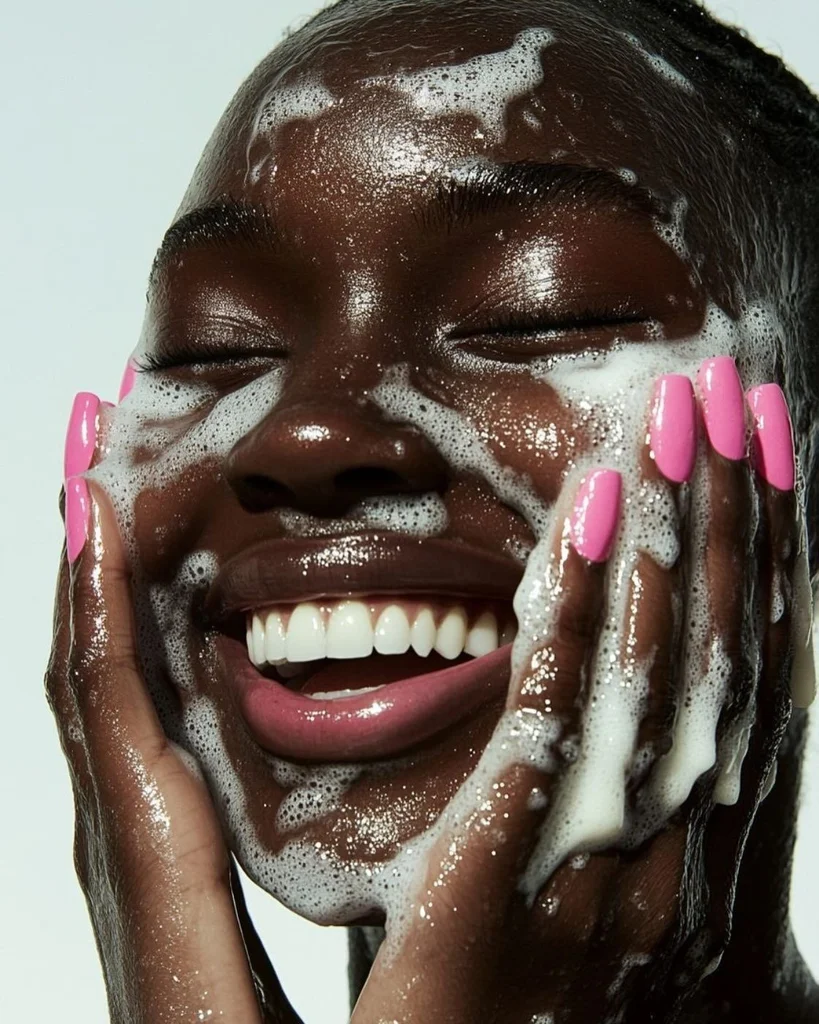
    When a new pimple shows up, the first instinct for most people is to wash more, scrub harder, or reach for hot water. This is exactly the wrong move. Stripping your skin’s natural oils only tells it to produce more oil to compensate, and that leads to more irritation and more breakouts, not fewer. If you’ve ever wondered why my acne gets worse when I wash more, this is your answer: your skin barrier is under attack, and it’s fighting back the only way it knows how. Twice a day, with a gentle cleanser and lukewarm water, is really all your skin needs.

    Image Credit: Pinterest

    Alt: “How washing too often affects acne-prone skin”

    What a Soap Can and Cannot Do

    So does soap help acne? Yes and no. A cleanser can lift off sweat, oil, and dirt sitting on your skin, and that matters because it clears the way for other products to actually work. What it cannot do is unclog a pore that’s already blocked deep down. Soap also spends less than a minute on your skin before it’s rinsed away, which is why it can never do as much as a leave-on treatment. If you’re serious about tackling breakouts, ingredients like benzoyl peroxide, retinoids, and salicylic acid for acne are the ones with real evidence behind them. No soap on the shelf, antibacterial bars included, contains these at treatment strength, but knowing this keeps your expectations where they should be.

    Where an Antibacterial Bar Fits

    An antibacterial soap has its place, just not everywhere. It works well for oily skin that needs a proper deep clean, and it holds up on tougher, spot-prone areas like the back, chest, and shoulders. It’s not built to be a facial acne treatment, especially if your skin leans dry or sensitive. If you do use one on your face or body, follow it up with a light moisturiser so your skin doesn’t dry out after. Tura Medicated Soap from The Diva Shop Nigeria is a good example of this kind of soap, built for oily and spot-prone skin, not marketed as a miracle cure.

    Body Acne Is a Different Problem

    Body acne treatment isn’t the same conversation as facial acne. Sweat trapped under tight clothes, gym wear left on too long after a workout, and hair products running down your back are common triggers most people never think about. Your back and chest skin can also take a stronger cleanser than your face, so you have more room to work with. Shower as soon as you can after sweating, wash your gym clothes and bedding regularly, and let your soap sit briefly on the affected area before rinsing off. This is where something like Tura Medicated Soap earns its keep, helping deal with the oil and sweat that keep body breakouts coming back.

    Image Credit: Pinterest

    Alt: “Washing for body acne on the back and chest”

    How to Wash When You Have Acne

    Knowing how to wash your face with acne properly makes a bigger difference than people expect. Stick to lukewarm water, not hot. Use your fingertips in soft, circular motions instead of a washcloth or scrub brush that can tear at your skin. Pat dry with a clean towel rather than rubbing. Do this morning and night, consistently, and give it time to work before you decide it isn’t. If you’re looking for a soap built with this kind of gentle routine in mind, you can check out the antibacterial range here and see what suits your skin.

    FAQs

    Can soap alone clear acne?

    Soap alone cannot clear acne because it only deals with the surface of your skin. A good cleanser removes oil and sweat, but acne comes from things happening underneath: hormones, clogged pores, dead skin buildup, and these need proper active ingredients or medical treatment to fully clear.

    What soap is good for back acne?

    Body skin is thicker than facial skin and can handle a stronger cleanser built for oil control. An antibacterial bar, used with a short lather-and-leave approach, can help manage sweat and oil across the back, chest, and shoulders.

    When should I see a dermatologist about acne?

    See a dermatologist if you’re dealing with painful cystic bumps, visible scarring, or acne that hasn’t improved after weeks of gentle, consistent care. This isn’t extreme; it’s a normal step for anyone whose skin needs more than over-the-counter products can give.

    Conclusion

    Clearing your skin takes patience and the right approach, not harsh scrubbing or expensive miracle products. Once you accept that your breakouts were never your fault, it gets easier to stick to a gentle, consistent routine. Focus on the basics, protect your skin barrier, and don’t be afraid to see a dermatologist if your skin needs more help than soap alone can give.

  • Everybody knows the pattern. The rains start, and within a few weeks you are killing three of them before bed instead of one. Rainy season mosquitoes are not a feeling, though. The numbers really do climb, and they don’t appear immediately when the rain falls, which is why the worst nights arrive weeks after the first heavy rain.

    Why the Rains Bring Them to Nigerian Homes

    Rain creates temporary pools, and Anopheles gambiae, the main vector across much of Nigeria, breeds in exactly that kind of shallow, sunlit water. Mosquito numbers rise within a week or two of the rain. The rise in malaria in rainy season months follows about two months behind.

    The second half is less obvious and matters more. Humidity keeps adult mosquitos alive longer, and a mosquito has to live long enough for the parasite inside it to develop before it can pass anything on. A study in north central Nigeria measured adult longevity at 6.8 days in the dry season and 16.95 days in the rains.

    More of them, living more than twice as long.

    The Breeding Sites Around Your Home

    Alt text: “Mosquito breeding sites around a Nigerian home”

    The standing water mosquitoes need is far smaller than people picture. 

    The usual mosquito breeding sites around a Nigerian house: buckets and storage drums, especially uncovered ones, blocked gutters along the roofline, old tyres in the yard, plant saucers under the pots, bottle caps and tins in the corner nobody sweeps, uncovered tanks, and puddles that sit for days.

    Egg to flying adult takes ten to fourteen days for Anopheles, so anything holding water a fortnight is capable of producing mosquitos.

    The honest limit is that mosquitoes travel. Your compound being clear helps, and helps much less when the one next door is not.

    The Problems Everybody Recognises

    Four of these will sound familiar.

    The Ones That Get In When You Open the Door

    You open the door for ten seconds and three come in with you. Then the light goes on and they vanish into the ceiling until you are lying down.

    How do I stop mosquitoes coming in when it rains is really a question about gaps. The doorway is one. Windows without nets, or nets torn at one corner, are the rest, and most get in around the frame rather than through the mesh.

    Standing Water You Cannot Control

    You clear your own compound. Then there is the gutter outside the fence that has not drained in years, the empty plot next door holding water across half of it, and the street drainage everybody complains about and nobody fixes.

    That part is outside your control, which is why indoor protection is more important here than where the outdoor side can be solved.

    Power Cuts on the Worst Nights

    The plug-in is running, the light goes, and it stops. It always seems to happen on the night they are loudest.

    There is no way to dress that up. A vaporiser needs a socket, and no socket means no cover for as long as the outage lasts. Which is the argument for a second layer that you can spray and get protected.

    Children Playing Outside at Dusk

    Six in the evening, the rain has stopped, the compound has finally cooled, and no child is coming inside voluntarily.

    That hour is the start of the mosquito biting window. You are not keeping them in, so the workable version is long sleeves as the sun sets.

    What to Do Before the Season Peaks

    Everything here works better done in May than in August.

    Walk the compound weekly and empty whatever holds water. Cover the drums and the tank. Clear the gutters before the rain tests them. Check every net and door gap now, while you can still get somebody to fix them.

    Alt text: “GoodKnight Power Activ+ for rainy season mosquito protection”

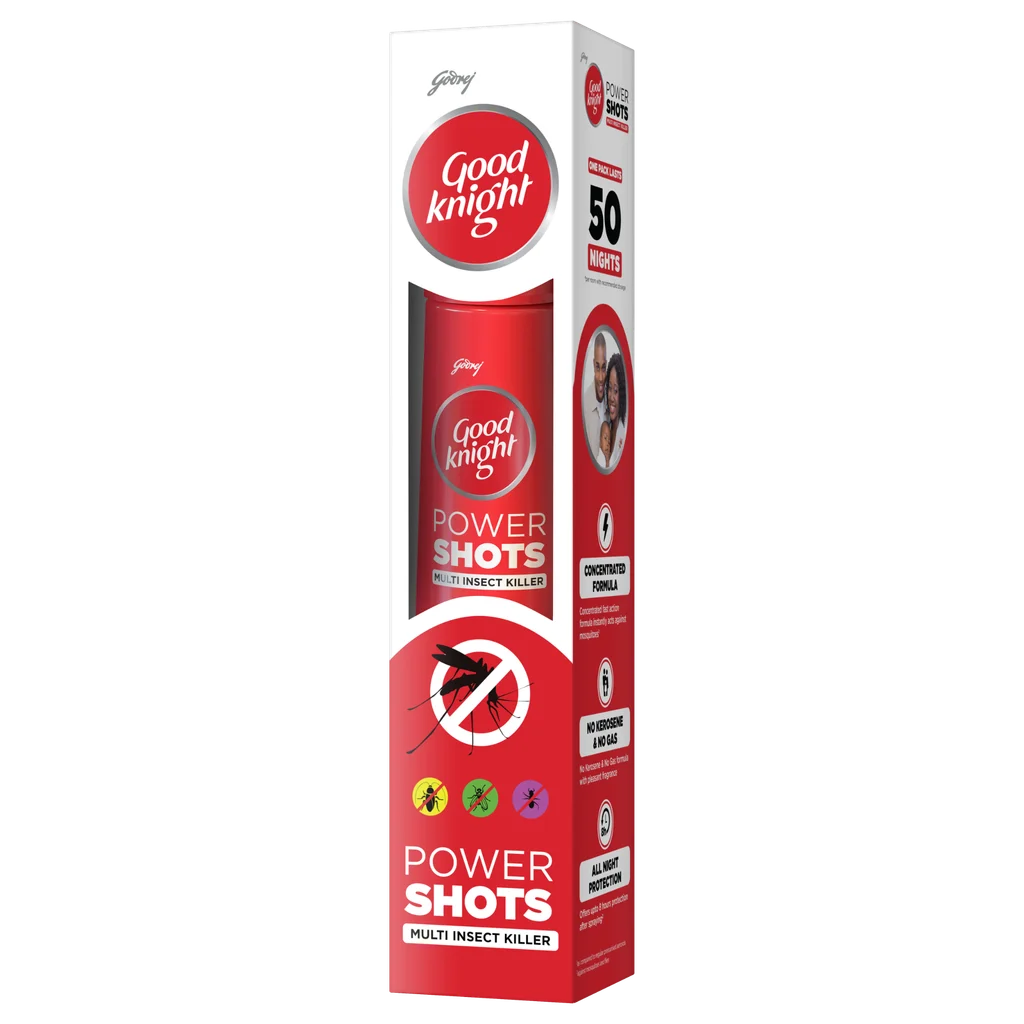
    Then get the overnight layer running. GoodKnight Power Activ+ is the one to have going through the peak, and starting early means you are not reacting at 1am. Keep a spare Power Activ+ refill on standby. A can of Power Shots alongside it covers the rest. That is most of how to prevent mosquitoes during the rainy season.

    Keeping It Up Through August and September

    Alt text: “GoodKnight Power Shots spray for indoor mosquitoes”

    August and September are the peak. Malaria cases in Nigeria climb from June and top out around then, so this is where the routine has to be consistent the most.

    GoodKnight Power Shots deals with whatever gets in, and it is the answer on the night the power goes, you can spray it while your family is indoors. Spray the room, corners and behind the curtains, you can still have your family time while it does its work. 

    Keep Power Activ+ is great for every night protection, just plug it in or dedicate a wall socket to it that you can switch on whenever you are indoors. The value of a continuous layer is that it is continuous. The GoodKnight range at The Diva Shop has both, and the case for year-round protection covers why none of this stops in November.

    FAQs

    Why Are There More Mosquitoes When It Rains?

    Rain creates the shallow temporary pools Anopheles gambiae breeds in, so numbers rise within a week or two of heavy rain. Humidity also extends adult survival, and in north central Nigeria longevity measured almost 17 days in the rains against under 7 in the dry season.

    When Is Malaria Season in Nigeria?

    Transmission peaks roughly June to October, with cases climbing from June and topping out in August and September. It is not a season with an off switch, though. Malaria transmits year-round across most of Nigeria, all year in the south and around three months in the far north.

    How Long Does It Take Mosquitoes to Breed in Standing Water?

    Around ten to fourteen days from egg to flying adult for Anopheles, depending on temperature. That is why emptying containers weekly works. Anything holding water for a few days produces nothing, and anything holding it for a fortnight or more is producing mosquitoes.

    Conclusion

    The rains do not create the problem, they enlarge it. Clear the water weekly, close the gaps before June, and have the overnight layer running before August rather than after the first bad night.