• Someone you know has left or is planning to leave. 1,000 Ways To Japa will speak to real people and explore the infinite number of reasons and paths they use to get to Japa.


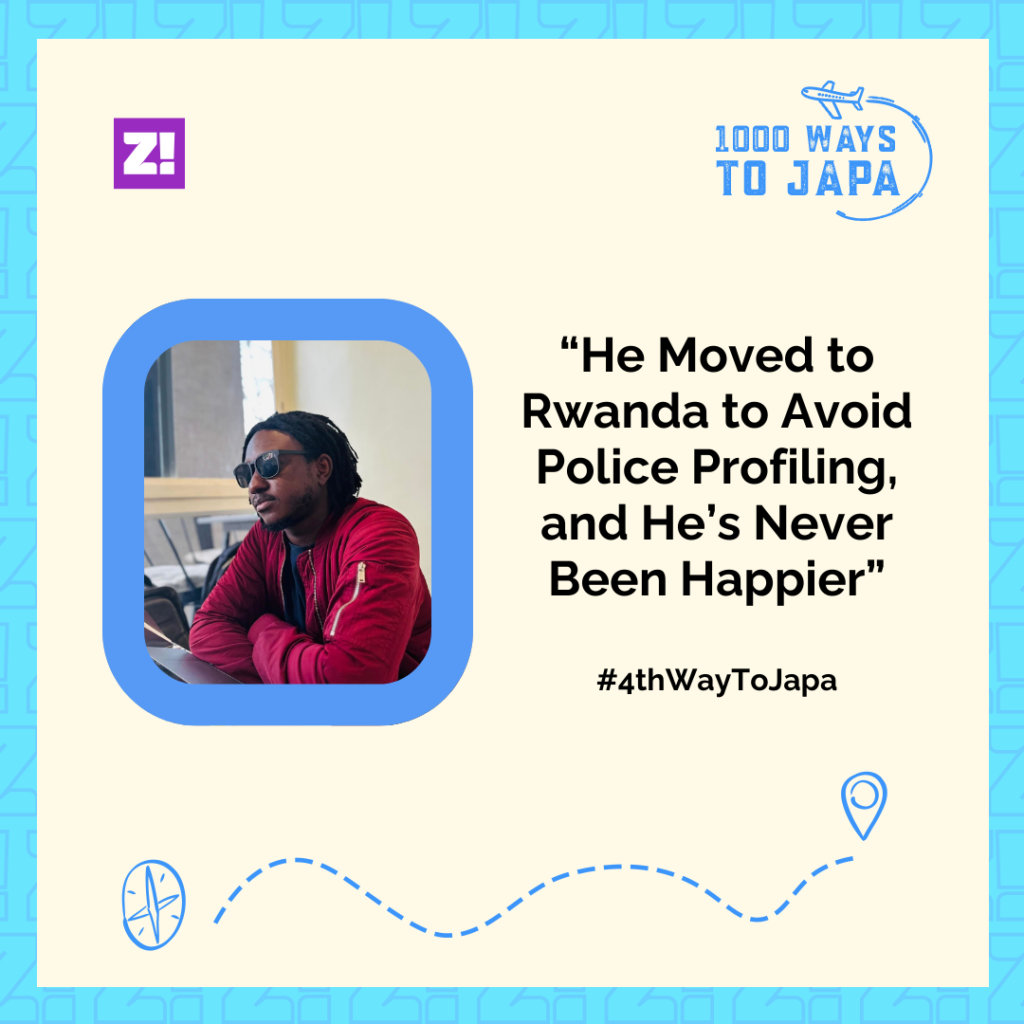
    Daniels James, the subject of this week’s 1,000 Ways to Japa, had plans to move to Dubai, but the universe redirected his steps to Rwanda. He tells us how a journey that was only supposed to last for a few months is starting to feel more permanent.
    When did you move out of Nigeria, and where do you currently live?

    I moved out of Nigeria in 2022, and I’m currently in Rwanda.

    Why did you leave Nigeria for Rwanda?

    So I was initially supposed to move to Dubai. That was my plan, majorly because I’m into marketing and tech in general–I felt like it was the best and easiest place for me to migrate to, but the day I started processing the visa was the same day they placed that ban on Nigerians. A friend of mine suggested moving to Rwanda, and I remember doing research about the country a few months before the Dubai ban, so I was like, okay, fine. I did a little bit of research on how to move, and I found out that it was quite easy. I made plans to stay there for a few months until the Dubai ban is lifted. The “few months”  is now over two years.

    LOL. Why did a few months become two years?

    So the reason is that I feel like, if you stay in Rwanda,  you’ll get really comfortable; that was what happened to me. Rwanda is a very chill place, so I naturally love it because I’m not someone who likes noise, even when I was in Nigeria. I’ve actually never been to Lagos; it’s too crowded and noisy for me. I would rather stay in Abuja than go to a place like Lagos. Rwanda gives me the Abuja vibe because it’s very chill, you hardly hear noises, and everything is peaceful. It’s also neat, and you don’t have all these police issues.

    I’ve heard of other African countries where Nigerians get profiled on the street, but as far as you mind your business here, you’ll be safe. Plus, at that time. we didn’t have unlimited internet in Nigeria. Rwanda has 24/7 electricity and great internet access, so I felt like it was better to stay in Rwanda than remain in Nigeria.  I believe that one of the reasons I have stayed here this long is because I got a little bit too comfortable in the country.

    What did your life look like in Nigeria before you moved to Rwanda?

    I lived in Abuja, but I’m originally from Benue, state. My place in Abuja was a serviced apartment–there was steady electricity for the most part, but since it’s Nigeria, there were bound to be a few hiccups. Plus, I was spending so much on data subscriptions. It wasn’t a bad life, but I wanted more. 

    In Nigeria, I walked around with a constant fear of police officers. I knew I could be easily profiled either because of my dreads or my iPhone.  But I think the moment I really decided to leave Nigeria was when some police officers in  Abuja extorted me. They returned my money the following day, but the experience left me with a fear that I’ll always need to watch my back so that I  don’t get profiled by them. That’s not a good way to live, so I knew I had to leave the country.

    Is life in Rwanda any different?

    So in Rwanda, things are more expensive, but that’s something that comes with leaving Nigeria.  Rent is way more expensive here, and they charge monthly for it. If you’re looking for an apartment here, you should budget $500 and above for a furnished one; It’s expensive, but I think it’s worth it, considering the level of peace that comes with living in Rwanda.

     One time, I met with some of my Nigerian friends met up for coffee and I left the cafe at around 1 am.  I was holding my MacBook in my hand because I didn’t go to the cafe with a bag; I saw police officers on the way home, but nobody stopped me and was not scared of getting robbed that day, the same way I’ve never had to worry about being robbed since I came to Rwanda. The chances are not zero, but they are low. I mostly step out by 4:00 am to go to the gym. You’ll see police officers and soldiers patrolling on foot around that time, but you don’t have to worry about anybody talking to you. So yes, the peace of mind that comes with living in Rwanda is worth everything. 

    The internet subscription is cheaper too. I spent almost ₦200,000 monthly on internet subscriptions when I was in Nigeria, but here, I spend around an equivalent of ₦30,000 monthly on an unlimited internet plan. I also never have to worry about the national grid collapsing because here, you will always have light as long as you have the unit in your prepaid meter. I’ll say there are a few times that they’ve taken it for about 30 minutes or one hour, especially when there’s a heavy storm but that only happens, like once in six months or something.

    [ad]

    Do you think things are very expensive because you’re staying in the country’s capital?

    So that’s something I’ve been looking at. I think things will be cheaper outside the capital, but what you want to put at the back of your mind is that Kigali is the heart of Rwanda. The country is small – It’s smaller than  Benue which is probably 10,000 kilometres bigger than the whole of Rwanda. So if you’re looking at going to live outside Kigali, you’ll most likely still need to travel down to the capital to get certain things. That’s why I’d rather live in the city and, if anything at all, probably just visit other provinces for vacation.
    What are some of the biggest culture shocks you’ve experienced?

    So when I was coming to Rwanda, I was told that the citizens don’t speak English as their primary language, but I didn’t realise it would be that bad. The younger generation can actually speak and understand you, but the majority of the elderly people or motorcyclists that you’re going to come in contact with are going to be non-English speakers.

    Another thing I didn’t anticipate was the level of patience you’d need to live in Kigali. Their service can be really slow. For example, you can order food in a restaurant and not get it for an hour. If you interact with Rwandans, they’ll tell you that they don’t like to rush; even the Americans that I’ve met in this country complain about that. For the language part, it will be helpful to pick up a few French lessons before moving to the country.

    Duolingo to the rescue. Can you explain what the visa application and relocation process looks like?

    I’ll tell you how I figured out the entire process based on my experience.  Rwanda doesn’t offer any digital nomad visas for remote workers like me, so I applied for a business visa to build my social media marketing agency in Rwanda.  At the time,  I had already established an agency in the US, but I wanted to create a separate one that would cater to people who need social media services here in Africa. That’s why I got a business visa. But for anyone who wants to move here, the first thing you should know is that Rwanda offers a 30-day free visa when you’re a first-time visitor in the country. So what you’re going to need is proof of accommodation that’s booked ahead,  your flight ticket and a yellow fever card. Your flight ticket should always be a return ticket, and you have to get the yellow fever card like 10 days before your flight.  I usually advise people to do it months before the flight, but usually, it’s supposed to be 10 days before your flight. Those are basically the things that you need.

    That’s it? 

    Now this is unofficial, but I’ve heard some people say that it’s better to have cash at hand when you’re coming into the country for the first time, so another thing that I always like to advise people is to hold some cash. I usually recommend that people have at least $500 to $1000 in their hands, just in case they ask you at the immigration front desk; I have never experienced it, but if it comes up at all, you’ll be able to show that you have enough cash to take care of yourself within the 30-day period of your free stay.

    Once your 30-day visa is about to expire, you can then apply for a more permanent visa. Some people use the student visa but I got a business visa. It’s easier to apply for either of these visas when you’ve already entered the country using the 30-day free visa. All you need to do is go to the immigration office and apply for a new one. If you want to get a business visa, I recommend applying for a business inquiry visa; It’s about $60. With that, you’ll get a one-month stay in Rwanda to set up your business; then you can apply for a proper business visa. You don’t even have to go to the counter to do that. They have a website called irembo.gov.rw. You’ll find more details about other visa types there. You can also apply and submit your visa application on that website. 

    Can you give me a range of how much it will cost to move from Nigeria to Rwanda?

    When I left Nigeria in 2022, I got the return tickets for about ₦285,000, and with miscellaneous, it added up to about ₦380,000  for a return ticket. But I just came back from Nigeria two weeks ago and I got my ticket for 1.8 million naira. That’s to tell you that flights have become super expensive. So if you want to move to Rwanda, you must budget at least ₦1.6 to ₦1.8 million for flight alone. When it comes to rent, you have to be looking at anywhere between $500 to $700 if you’re looking for a good single bedroom. I also recommend eating what you cook when you move here because it’s cheaper. If you want to buy food daily here, you will run out of cash–Their food is very expensive, especially if you’re Nigerian and want to stick to Nigerian dishes. In a month, $200 should feed you. So in total, you need roughly about $3,000 to move to Rwanda. I highly recommend this move for every remote worker that earns in dollars.

    Thank you. On a scale of 1-10. How happy are you in Rwanda?

     I’m very happy. This feels like the perfect way to live, so on a scale of 1-10, I’ll say my happiness level is 10.
  • The Nigerian experience is physical, emotional, and sometimes international. No one knows it better than our features on #TheAbroadLife, a series where we detail and explore Nigerian experiences while living abroad.


    Nigeria’s economy may be hard, but you don’t need to abandon your travel dreams. In this week’s Abroad Life, we gave you the cheat code for five cheap countries you can visit on a budget.

    The life of a Nigerian ‘9-5er’ is not an easy one. From hustling in traffic to meeting up with crazy deliverables and KPIs, it could be a stressful life.

    Hence the need to sometimes spoil yourself with some elements of a “soft life”. And how else can you do that but by travelling? 

    For today’s Abroad Life, we have curated a list of affordable countries to consider for vacations, so you don’t have to.

    But first, you need to know the following:

    Factors Considered in Choosing Travel Destinations 

    When analysing the cheapest countries to travel to from Nigeria, many analogies must be considered.

    1. The country concerned’s standard of living.

    2. Ease of transportation to and within the country.

    3. Possibility or opportunity to get a job

    4. Ease of setting up a business as a startup.

    5. Easiest way of getting a visa to the country, better still, if it is a visa-free country

    Now, let’s dive into the list:

    Benin Republic 

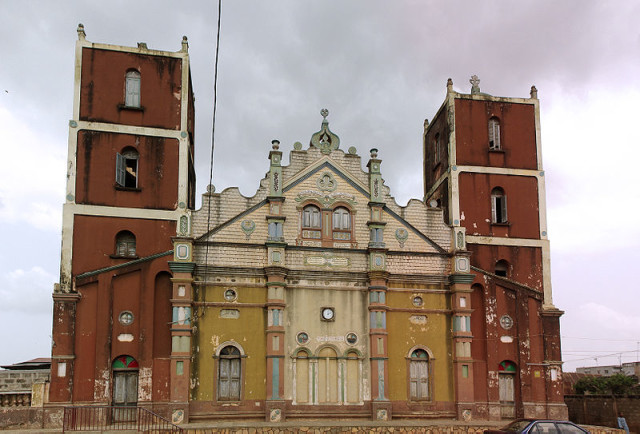
    Grand Mosquee de Porto Novo, Benin Republic [Guardian Newspapers]

    A cheat code to getting cheap travel destinations is to look out for any of Nigeria’s neighbours, especially the Benin Republic. If you use Lagos as your taking-off point, getting to most of the Benin Republic’s towns is easy and cheap. It has some downsides, however, and you can learn more about this through the lens of this Nigerian living in Benin here

    Because you’re living in an Economic Community of West African States (ECOWAS) member country, you can enter and stay for 90 days visa-free. Afterwards, you can apply for a residence permit if you continue your stay. However, if you’re smart enough, just move across the border and get an entry stamp, and you will have another 90 days visa-free.

    Morocco

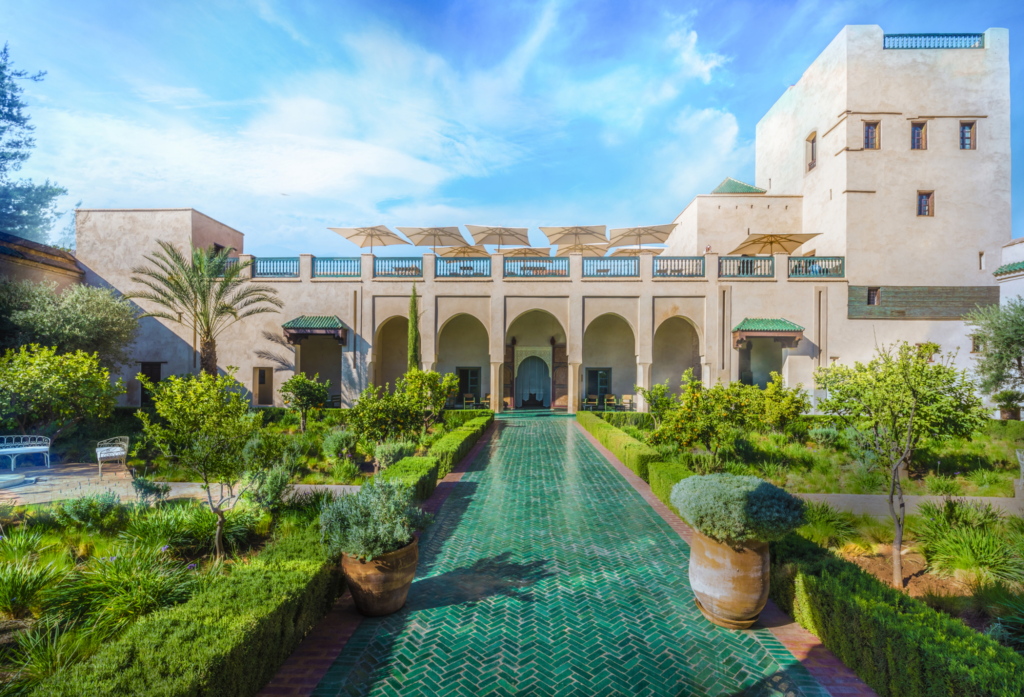
    The Le Jardin Secret, a botanical garden in Marrakech, Morocco

    According to the World Bank, Morocco’s standard of living is comparatively European. The cost of living here is much lower than in almost all European countries. Morocco is one of the cheapest countries with good facilities in the world.

    By African standards, Morocco is not a poor country, and it’s on record that it enjoys a stable economy and government. Morocco is one of the few northern African countries you can travel to by road from Nigeria with little-known fears.

    The beautiful aspect of travelling to Morocco is that getting an entry visa as a Nigerian is not difficult. When you enter and intend to stay, you have the freedom to extend your stay by applying for a residence permit.

    Rwanda

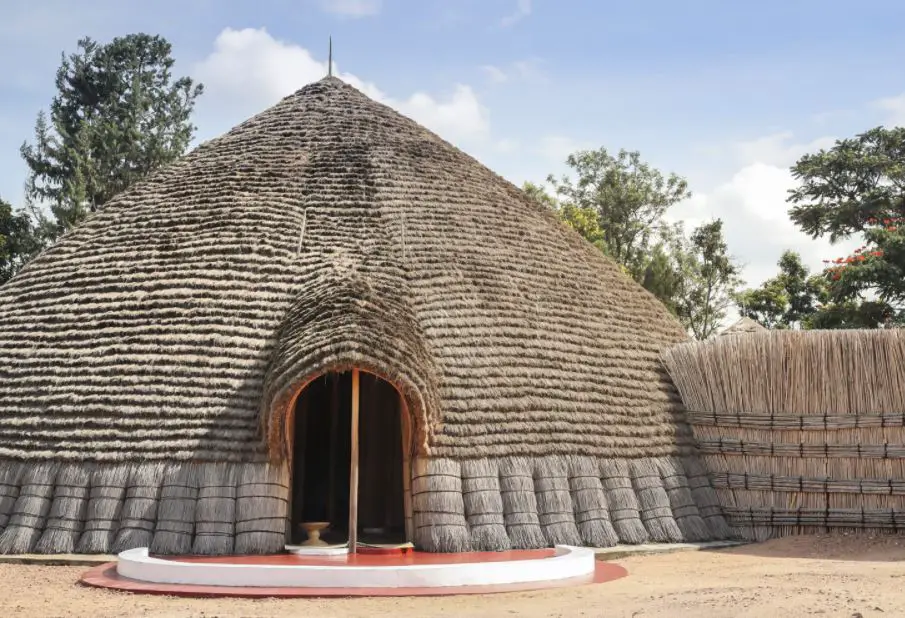
    King’s Palace Museum, Rwanda

    If you love wildlife, you’d love Rwanda. It is popular for its volcanoes, waterfalls, and rainforests, home to wildlife animals such as mountain gorillas and hippos. 

    An all-expense paid trip from Nigeria to Rwanda costs nothing less than N600k online. 

    Turkey

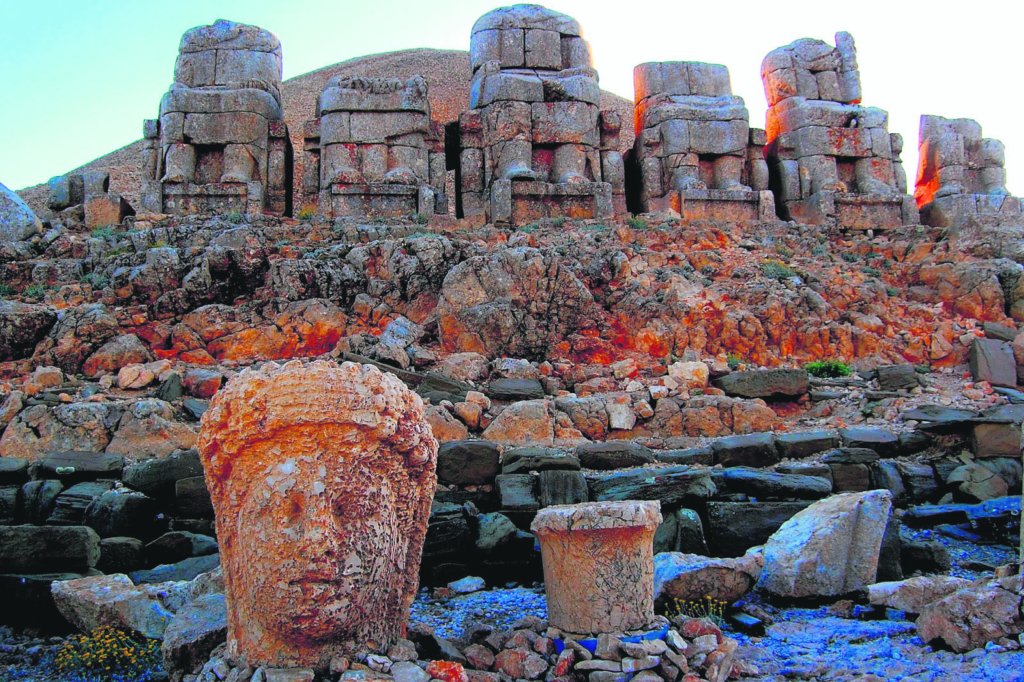
    Mount Nemrut, Turkeyo

    Turkey is gradually becoming a preferred destination for many Nigerians, and if you’re looking for the cheapest country to travel from Nigeria, Turkey, a gateway country to Europe, Asia, and the Middle East, is a place to go.

    The country is immigration friendly, with many budget flight providers you can approach to do it for you, depending on your needs.

    In most Turkish cities, goods and consumable items are relatively cheap and readily available.

  • Navigating life as a woman in the world today is interesting. From Nigeria to Timbuktu, it’ll amaze you how similar all our experiences are. Every Wednesday, women the world over will share their experiences on everything from sex to politics right here. 

    Today’s subject for #ZikokoWhatSheSaid is Daniella Gaza, a 25-year-old Rwandese woman. She talks about her mischievous adventures in Kigali, the influence of her parents’ lives as refugees to chase a career in human justice, an unexpected turn after COVID, and a guide to a fun girls’ night out.

    Tell me about growing up in Rwanda.

    My father served in the Rwandan army, so my family lived in a military barracks in Kigali. For most of my childhood, his job took him away on long missions. I understood his absence was for our country, but I missed him. 

    While my father’s job took him away, my mother was also occupied with work. The fun part of Kigali was typically my younger siblings. I had two sisters and a brother — each born a year apart. We connected seamlessly because we were almost the same age. I’d say we were best friends, and it was exciting. For my mother, on the other hand, It was messy.

    What do you mean by “messy?”

    The mischievous misadventures of having four kids who were almost the same age. I’d imagine it was overwhelming for my parents. On one of those adventures, my siblings and I were bored. Since the neighbours were moving out, we decided to go to their empty house and play. It was easy to sneak away because the maids were distracted. We got in and found a sofa that looked abandoned. Apparently, it wasn’t. Our neighbour came back to find us jumping around in a fort we made from the cushions. He wasn’t mad about it, but that evening, my mother got the gist when she came back from work.

    LOL. What did she do?

    She yelled at us, but that was as far as she’d ever go. My parents were pretty relaxed — Rwandans are chill. There was never a time they’d beat us for our shenanigans. They didn’t know half of it, but I’m sure it wouldn’t have changed anything. 

    When I was 16, we started having arguments about going out. Kigali had a lit night scene, and I wanted to experience it. One night I didn’t get my parent’s approval, I snuck out for a birthday party. When I got back in, they were waiting for me in my room.

    Ah…

    Nothing happened. They just wanted to talk through it. There was a lot more freedom after that. So, a bit of rebellion went a long way. 

    Nigerian parents must not see this chat.

    LOL. My parents never shied away from being vulnerable. Our hardest conversations were about their experiences as refugees in 1959 and the genocide of the Tutsis when they returned in 1994. Days without food to nights hiding in bushes — we talked about everything. 

    “Last last, you’ll always come back to Kigali” was the premise of their recap; a conveyance of hope for the future. It stuck with me, unconsciously. Moving to Canada for uni made me even more aware of the unsaid responsibility to represent my country and experience new cultures.

    What was different about moving to Canada?

    Nigerians. I met Nigerians. They were so loud about their culture — I loved it. Unlike Rwandans, they were cutthroat and direct. I remember getting into a conversation with two Nigerian girls. I was feeling their braids, and I walked up to let them know I loved it. They said they braided it themselves and I was lost. My mother never braided my or my sister’s hair, talk less of braiding it ourselves. If it wasn’t happening at the salon, then it wasn’t happening at all. 

    Then the cooking part. When I told them I was learning to cook, the exclamations were hilarious. I got plenty “Ah, by the time I was 10, I was already cooking…” Then they’d list dishes like ogbonno and their cherished jollof rice. In Rwanda, we didn’t have many special meals. There was fufu eaten with isombe (cassava leaves) and some beans, but that wasn’t something we ate often. Cooking wasn’t something we had to learn. Once we learnt to fry an omelet or cook mashed potatoes and a salad, we’re good. 

    My Nigerian friends showed me to braid my hair and of course, cook jollof rice. I’ll be honest, when I tasted Nigerian food, I knew Rwandans were missing out on something. 

    What’s that?

    Flavour! LOL. I loved the samosa and mandazis (puff puffs) my mother makes on very special occasions, but when I went back to Kigali for holidays, I had to introduce my family to spicy food. 

    And?

    They didn’t enjoy the peppery taste of stew or jollof rice. 

    LOL. 

    I met other Africans who grew up in Canada didn’t seem to care much about their cultures, then  East Africans like the Burundians with cultures similar to Rwandans. But the Nigerians? From indomie to jollof and Wizkid, it was lit. Their flair for their culture made me just as proud to be a Rwandan in Canada. The intense cooking wasn’t for me though.

    LOL. How did the rest of uni go?

    I studied human justice and focused on women’s rights. It was something I always wanted to explore. My father’s dedication was an inspiration, but I really fell in love with the idea of justice in Grade 7. True-crime documentaries were my kryptonite and Les Enquêtes impossibles was my favourite show. On the weekends, I spent the whole day waiting for it to come up on TV and binged. Seeing the witty ways lawyers represented their clients riled me up; they seemed invincible. 

    When I became a teenager, it was How to get away with murder that stole my heart. I wanted to be Annalise Keating; the woman in heels, red lipstick and a black briefcase walking into court. When it was time to choose, human justice was close enough to the dream. 

    Why women’s rights?

    I wanted it for two reasons. First, women were key players in rebuilding Rwanda after the genocide in1994. 60% of the seats in parliament were held by us, and I wanted to be a part of those numbers. Second, I was a budding feminist that loved her country. Once upon a time, Rwandese women weren’t allowed to go to school. Our policies changed in 1994, but for many African countries, it’s stayed the same. I was hoping my degree would allow me to join the race for gender equality in Africa — the dream of every feminist. 

    I love it. How did that go?

    The plan was to move back to Kigali to practice in a human rights firm, but the pandemic had other plans.

    What happened?

    There weren’t a lot of opportunities because of the lockdown. Initially, it felt like a nice vacation after uni. There were parties and one or two beers at the pub almost every night. I was having a damn good time and burning a hole in my pocket. 

    Tourism presented itself as an opportunity when a friend’s aunt wanted to expand her firm to Rwanda. At first, I wasn’t keen on it. I was worried about the big goals I had in human rights, but there weren’t a lot of options. My parents also encouraged me to try it, so I took up the job. It’s been one of the best decisions. 

    And the dream to become Annalise Keating?

    I’m on a different path, but I’m still driven by the same passion to push Rwanda forward. From our mountain gorillas to the volcanic landscapes, we’re monetising the beauty of my country for revenue. Everything syncs to the future. If it changes, I can always circle back to human justice. Right now, the Annalise Keating dream is evolving.

    Nice. I’m curious: did moving back to Kigali as an adult feel different?

    Kigali had always been a small town, but moving back, it felt smaller. Everyone knew everyone. There were hangouts every night after work. I was either at the pub for a beer or a friend’s house gisting over a glass of wine. But enjoyment in Rwanda can leave you broke. I needed to find balance. Right now, if I need some downtime, I have a glass of wine and watch a true-crime documentary

    LOL. What’s a girls’ night out in Kigali like? 

    I never know what we’re celebrating, but Rwandans are always up for a drink. So we’d definitely go to a club or a pub. We’d eat brochettes and dance all night. While we’re hungover the next morning, I’d take you to see mountain gorillas at the volcano park. More beer after that.

    I need to tell my boss to consider Rwanda for our new office…

    Please bring jollof rice.

    LOL. What’s your next plan?

    My big girl dream is to take a trip around Africa and explore the food. I’ve ticked Tanzania off my list, maybe Nigeria will be next. Right now, I’m saving up for a new apartment. I stay with my parents and it’s great, but I need my own space. Some of my aunties think that kind of move will scare men, but the right person will find me. 

    Can’t relate. We’re on the streets here—

    LOL.

    Nigerian women gave you jollof. What’s something you want to give us?

    French music. I want Nigerian women to experience the serenity of it. I’d say, start with Tayc. Play Le Temps to serenade the love of your life this week or yourself!

  • As told to NerdEfiko

    Since the beginning of the COVID-19 pandemic, there’s been a justifiable fear that underdeveloped countries like Rwanda will experience a rise in cases of human trafficking due to an increase in unemployment. 

    According to research, unemployment is the most significant factor that facilitates human trafficking in Rwanda, with about 80% of the victims being women and children between the ages of 16 and 40. 

    *James, 29, and his girlfriend, *Dami, 27, had lived in Nigeria for most of their lives before relocating to Rwanda for work in 2019. While there, they decided to spice up their relationship by finding a Rwandan woman for a threesome.

    James thinks that decision almost ended in his girlfriend being trafficked.


    East Africa has some of the most beautiful women in the world. Rwandan women, in particular, are the cream of the crop. My girlfriend feels the exact same way, and that’s why we came up with the idea to try a threesome when we had settled in Rwanda.

    The first thing we needed to do was find someone we both liked, so we went straight to Tinder because the people there know exactly what they want. We decided to use her picture because I doubt there are many women who would be interested in hearing a threesome proposition from a random guy on a dating app. After we set everything up, we started swiping for potential candidates.

    This was actually how I found out that Rwanda has a thriving lesbian community; well, gay and lesbian community. We were looking for a Rwandan woman who was nice, looked good, smelled good and was interesting. They also needed to be willing to take a bunch of STD tests before anything happened. We were able to find a few people who seemed to fit the bill. 

    For the first woman, Dami went to meet up with her, but she wasn’t feeling her — she didn’t smell very good and was a bit shallow. The second woman didn’t seem too eager to get tested. She also lacked the unmistakable Rwandan features we were both hoping for: ridiculously thick and stop-in-your-tracks stunning. 

    The last woman we picked was really nice at first, but then she quickly became very forward. I mean, it’s weird to say someone is too forward on Tinder, considering what the app is for, but she was a bit much. After Dami told her exactly what she was looking for, this babe proceeded to send her a bunch of unsolicited nudes. 

    At first, we were like, “This person is super excited,” but little red flags started popping up. For starters, the nudes she sent were of different people. The skin tone was pretty similar across pictures, and they were all taken from the torso down, but I could tell they weren’t taken by the same person.

    Then she sent a raunchy video of two women fondling each other in public, and when we asked if she was one of the people in the video, she said it was a friend, not her. In our heads, we were like, “Why are you sending us a video you’re not even in?” That was another red flag.

    Still, Dami and I decided to meet her in a public place to decide if we wanted to go through with it. So, we set a time and a date. When we tried to call her to confirm the meeting, she didn’t answer the phone. She tried to call us back and was conveniently inaudible. She said her network was bad, so we just continued texting. That was another red flag.

    When we finally got to the restaurant, she wasn’t there yet. We ordered food that took about 45 minutes to come out — welcome to Rwanda — and she still hadn’t arrived. We reached out, and she swore she was on her way. A few minutes later, a very cute lady walked in and sat down. The babe had also sent us a bunch of pictures of her face, but we didn’t want to assume we actually knew what she looked like.

    Dami and I kept checking this lady out, but she only seemed interested in ordering food. We figured, if she was the one, she would have texted or called us the moment she got there. Dami was getting a bit anxious, so I decided to walk up to her and ask if she was waiting for anyone. She said she wasn’t, so we had to keep waiting.

    After about half an hour, a man, who Dami later realised used to work out at the same gym as she did, walked in. He went to the table right behind us and sat down, giving him a full view of us and the restaurant. A moment after, we got a text from the babe saying she was outside, so we told her to come in. I should point out that this person had no idea I was with Dami — she thought she’d be coming alone.

    Five minutes later, she still hadn’t come in, so Dami hit her up to ask where she was. She said she needed her to come outside and escort her into the restaurant. It was a strange request because the farthest distance between the parking lot and the entrance was 2 metres at most, and it was already pretty dark outside. This was another red flag.

    There was optimal lighting in the parking lot, but it was also quite scanty due to the pandemic. So, I decided that I should go out and scout the area since she didn’t know what I looked like. We asked her to describe herself, and she said she was in black RAV4. I went out and walked around, pretending to be on a call, but I didn’t see anyone inside or around the car. It wasn’t even warm. There was absolutely no way someone had just driven it.

    I decided to go back in, and as I was entering, I saw the guy from my babe’s gym sitting with her and talking. As he saw me, he quickly wrapped up the conversation and left. A few minutes later, the babe texted, angrily asking why Dami sent me to get her. This was when it clicked that something sketchy was going on because I didn’t see anyone outside. I’m guessing, this person was lurking somewhere in the dark, waiting for Dami to come out, so they could pounce, throw her in a car and drive off. 

    We immediately called a cab and headed to a hotel. Obviously, we couldn’t drive home in case we were being followed. After we were safe, I took the pictures we’d been sent and did a reverse Google image search. That’s when I found the person that was being impersonated — a nice family woman, recently married with kids. 

    Her social media accounts were open, so they just took a bunch of her pictures. As for nudes, I’m guessing they just sent a bunch of random porn. Most of these red flags that seem really glaring now only became apparent after the fact. Hindsight is 20/20 after all. 

    I don’t think a threesome will be happening anytime soon. Hopefully, something more organic and less life-threatening comes our way, but for now, we are just going to have to make do with each other.

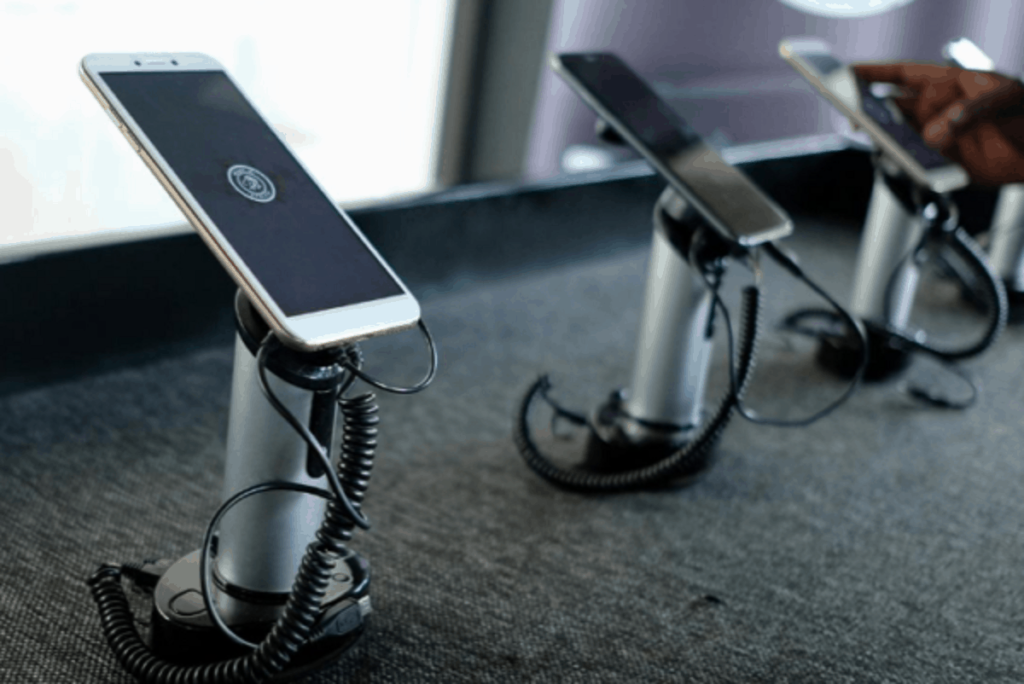
  • While Nigeria is busy engaging in a lot of shenanigans that are not moving the country forward in any way, Rwanda recently established the first smartphone manufacturing plant in Africa — Mara phones.

    This is a feat that has been a longtime coming and I can’t help but applaud it.

    What about the Giant of Africa?

    This makes me wonder about the sorry state of the Giant of Africa whose Minister of Technology, Dr Ogbonnaya Onu, whose post is hardly remembered (since he doesn’t seem to be doing anything).

    It’s gonna be a whole new level with the “Made In Rwanda” smartphones as Rwanda plays the perfect host, creating more employment for its citizens.

    Considering that Nigerians seem to be smartphone collectors, I’m pretty sure the appeal of a made in Africa smartphone will make Mara Phones storm the market and oh, the Lion insignia on the phone cover is so cool.

    What are your thoughts? Will you feel comfortable buying a made in Africa smartphone?

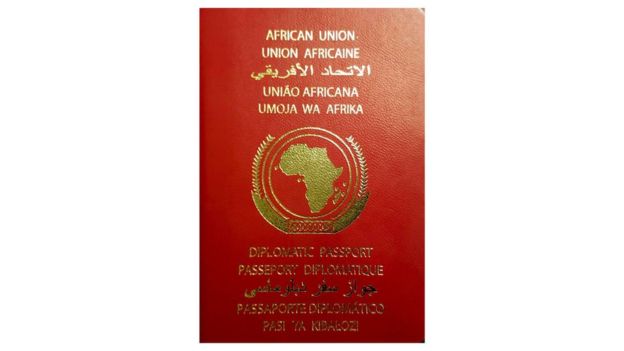
  • Finally, we can all now get a red passport!

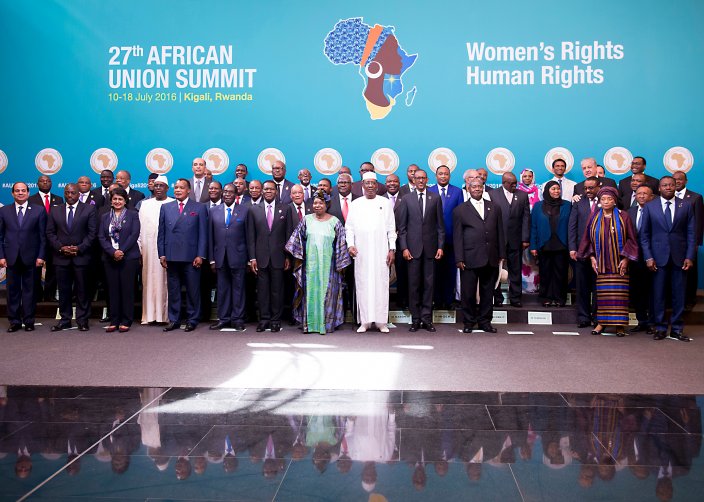
    For the record, it’s a pan-African passport which was launched on July 17 during the 27th African Union Summit in Kigali, Rwanda.

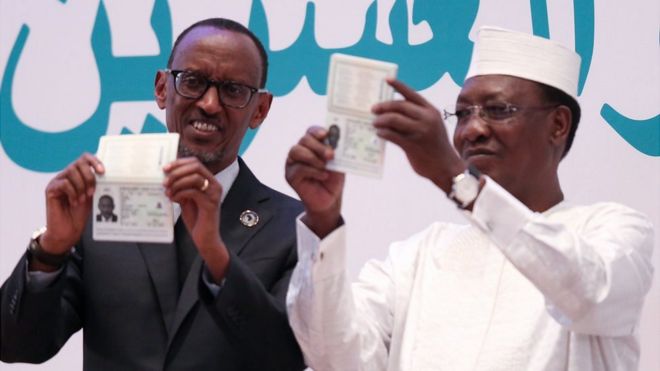
    However, the first recipients of this passport were Idriss Deby, who is the Chairperson of the African Union and President of Chad, and Rwandan President, Paul Kagame.

    The passport was launched in an effort to promote opening of borders and more efficient trans-African relations.

    According to officials of the AU, the passport will be available in 5 languages including French, English and Swahili and will also have high security features.

    By 2018, the passport will be available to citizens of the 54 member-countries of the African Union except Morocco, which left the Union in 1984.

    Some Africans couldn’t be more thrilled at this development.

    And can’t wait to start travelling across Africa.

    Some others believe this passport only confirms a certain stereotype – although this is highly illogical.

    Africa certainly has more things to worry about than a general passport.

    The passport should be made readily available for citizens.

    There are no details about the registration process for this passport. However, we hope it makes travelling across Africa more convenient.