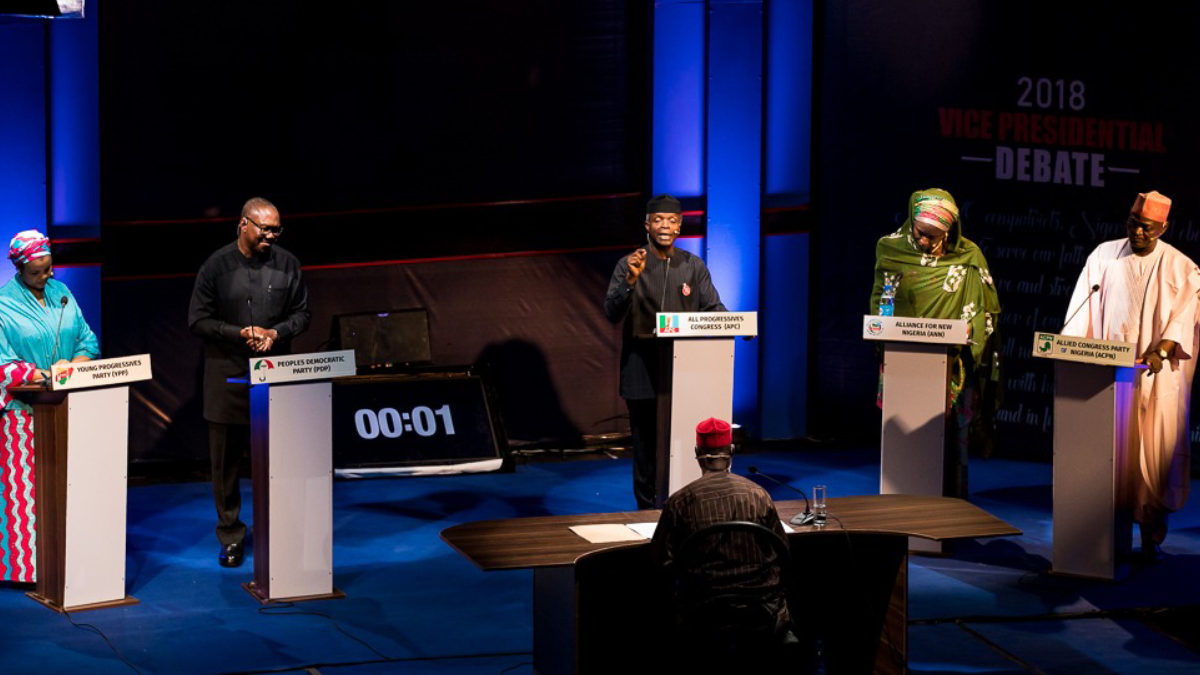
• Photo credit: Premium Times

    Nigerian politicians are probably the only people in the world who apply for a job and then blatantly refuse to show up for an interview after their potential employer asks them to. For the longest time, this behaviour has bothered Nigerians but there’s a possibility it’ll stop soon.

    Reports have it that lawmakers in the House of Representatives are preparing to empower the Independent National Electoral Commission (INEC) to conduct compulsory debates for candidates vying for the posts of President and Governor. This move was made possible by a private member bill sponsored by House of Reps member, Ikeagwuonu Ugochinyere. 

    What are the specifics of the bill? 

    The bill is proposing to change the Electoral Act to add a new section (24) saying that:

    1. INEC must ensure that a Presidential and Gubernatorial Debate is conducted for people seeking to be elected into the offices of President and Governor on a date it picks.
    2. Anybody looking to be the President of Nigeria must participate in the Presidential Debates, during which they are required to present a detailed analysis of their manifesto and plans for Nigeria as its potential President.
    3. Anybody looking to be the Governor of a Nigerian State must participate in the Gubernatorial Debates, during which they must present a detailed analysis of their manifesto and plans for the State as its potential governor.

    Timeline of Nigerian Presidents who refused to appear in debates

    Refusal of candidates to participate in debates has been a thing in Nigeria for so long that it has become almost normalised. It’s kind of bizarre too because all the Presidents of Nigeria since its return to democratic rule in 1999 have been candidates who refused to show up to election debates.

    1999—Obasanjo won his election into office even though he refused to debate Olu Falae, his major rival.

    2003—Obasanjo still won his reelection bid after he turned down a debate against his major opponent, Muhammadu Buhari.

    2007—Umar Musa Yar’Adua refused to debate against Muhammadu Buhari and won the election by a landslide.

    2011—Goodluck Jonathan won the Presidential election after failing to show up to the debate

    2015— Buhari who had attended debates for his past Presidential campaigns, did not attend the 2015 debate and went on to win the election.

    2019—Buhari refused to attend the Presidential debate but, after a bit of pressure, participated in a political town hall program known as The Conversation. However, that hardly counts as a debate as the audience was mostly made up of his and Atiku’s (his main opponent at the time) supporters.

    Governorship candidates also do the same thing and go on to win their election bids. In the just concluded Edo State governorship elections, for instance, APC candidate, Monday Okpebholo did not attend the debate, yet he went on to win the elections. If this bill becomes law, however, no candidate will refuse to appear in debates again because it will become a requirement rather than an option. Once this becomes a necessity.

    Why does this bill matter?

    You can draw a straight line from Nigeria’s poor leadership problem to the refusal of candidates to participate in debates. Political economist and Professor, Pat Utomi thinks so too. 

    Speaking to journalists before the 2023 general election, Utomi gave an example of South Korea’s situation.

    “The fortunes of South Korea were turned around because the electoral commission was so despondent about the quality of their politics that they decided that the thing that should matter the most for elections are debates between candidates,” he said, explaining it was incorporated into conventions in the country’s politics.

    “Once debates came to define (the) elections, moneybags and all kinds of criminals and charlatans ran away and their electoral process became one of a sustained, enormously developed country,” Utomi continued.

    Will this bill be successfully passed?

    I’ll hold your hands when I say that the chances of this bill going on to become law aren’t a 100 per cent, partly because it still has to pass through five more stages, and mostly because the bill has been around before and was not successful.

    In July 2014, a similar bill seeking to make Presidential Debates compulsory did not get past the fourth stage (reference to a committee) because the committees rejected it. They took the decision because they felt election debates “should remain outside the purview of the law.”

    What can you do to help the bill become law?

    1. Track the bill’s progress as it moves through different stages by monitoring official channels for media updates.
    2. Talk to other people about it. You know that saying about “power in numbers.” 
    3. Participate in Public Hearings: The National Assembly usually organises public hearings for bills under consideration, and Citizens are allowed to attend to express their opinions.
    4. Reach out to your representatives: you can contact the lawmaker representing your constituency via email or phone to let them know you support the bill. Here is the list of all Senators and House of Rep members with contact details attached.
    5. Launch or sign digital campaigns through platforms like this.
    6. Advocate for the bill on social media platforms by using hashtags.
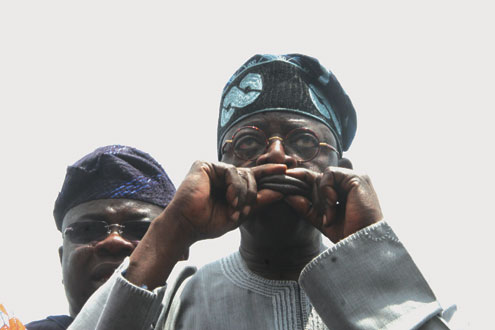
  • On November 6, 2022, Nigerians were given another opportunity to scrutinise the presidential candidates. This time, at a town hall hosted by Arise TV in Abuja. 

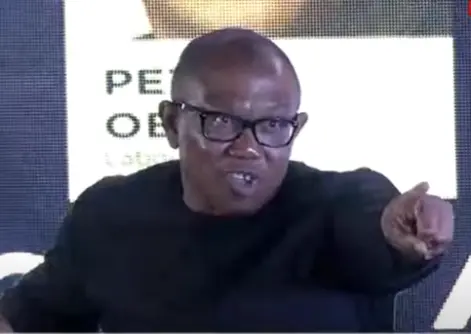
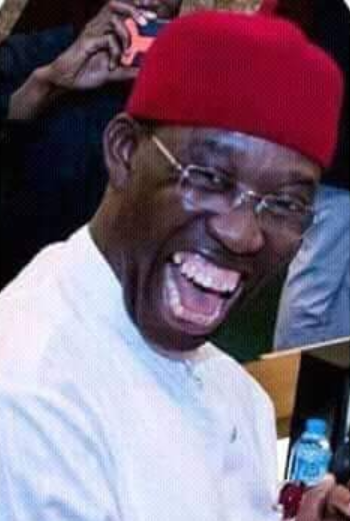
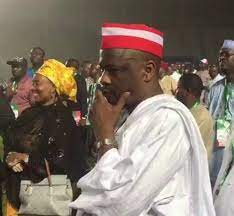
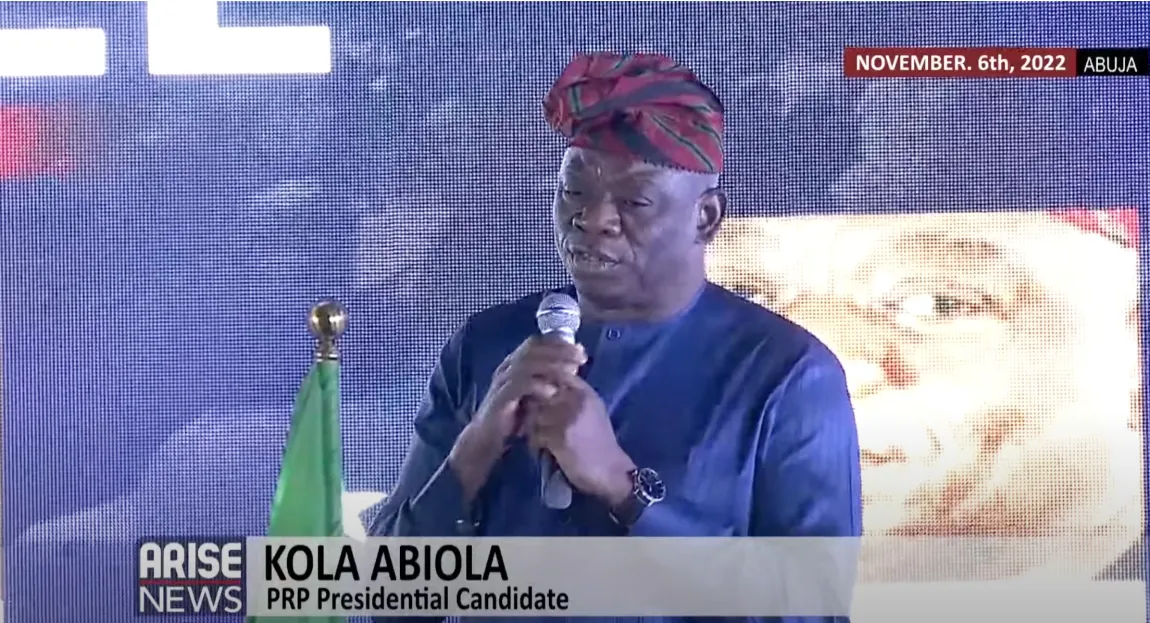
    It’s no news that your usual suspect (read: BAT) and Atiku Abubakar did not show up but four major parties were represented in varying capacities — Rabiu Kwankwaso, the presidential candidate of the New Nigeria Peoples Party (NNPP). Peter Obi, the presidential candidate of the Labour Party (LP). Kola Abiola, the presidential candidate of the Peoples’ Redemption Party (PRP), and Ifeanyi Okowa, vice presidential candidate of the Peoples Democratic Party (PDP).

    If you are looking at the trends on Twitter and wondering what you missed, we’ve got you covered. 

    The BAT ghosts again

    In a country where almost nothing is predictable, like what value the naira will trade against the dollar tomorrow, or what country Buhari will zoom to next, you can be sure of one incontestable truth — Bola Tinubu, aka BAT, will not turn up for a presidential debate.

    And so like clockwork, the BAT was absent. It would have been bearable — even if not tenable — if the BAT was far away from the debate venue, like at his favourite London abode, or in his bullion home of Bourdillon.

    However, the BAT was in Abuja — the same city where the town hall was held. And while his mates were busy talking to Nigerians about their plans for the country, the BAT had more pressing matters to deal with — like the latest owambe in town.

    Later, his campaign team released a statement explaining why he couldn’t attend. We could explain the silliness of it, but it’s better to just show you.

    BAT doesn’t send you and he wants you to know it. His campaign team has already announced he will be your president whether you like it or not. Over to you, Nigerians.

    The rock is no longer playing with you

    Depending on who you ask, Obi’s (aka The Rock) performance was either meh, or excellent. 

    But that’s by the way. While Obi touched on different matters ranging from the economy to security, the most interesting soundbite came off the cuff. At different points during the town hall meeting, Obi was posed questions from Dino Melaye, spokesperson of the PDP. 

    But it appeared Dino the skitmaker eventually took his antics too far, prompting Obi to say “enough”.

    Obi often projects a calm mien, so to see him so visibly annoyed suggests that Dino rattled him. His supporters say he handled it well. We’ll leave you to draw your own conclusions.

    Okowa got a rough reception

    The early videos that came out at the start of the town hall meeting showed Okowa getting some tough love. The crowd present was pissed that his principal, Atiku Abubakar, failed to turn up for what was billed as a “presidential debate”. 

    https://twitter.com/KnightSirdam/status/1589331486779805696

    Okowa would later explain that it had been relayed to Arise TV ahead of schedule that the PDP would be sending a representative in Atiku’s stead. He said they didn’t object to it. Well, despite the initial gra gra, the show went on.

    Okowa didn’t seem shy to take on issues, sharing ideas on how to deal with stuff like insecurity. Besides defending the PDP’s legacy in government, he took a swipe at Kwankwaso, a former member of the PDP, and Obi who until May was a member of the PDP and the former running mate of Atiku in 2019.

    And he didn’t stop there. He fired more shots at Obi for prioritising saving when the economy was dire.

    It would have been smooth sailing for Okowa except that around the same time he was throwing punches offline, another story on him was doing the rounds online. Talk about timing.

    Kwankwaso won a lot of fans

    If anyone came out ahead, it was probably Kwankwaso. Most commentaries from across political divides seemed to suggest he handled himself well. 

    And despite Okowa carpeting him for being a former PDP member, he kind of held his own.

    Kwankwaso threw his own shots. 

    While speaking in support of Okowa over the absence of his principal, he disclosed that it was at least better to have someone turn up instead of one other candidate that didn’t send anyone at all. Ouch.

    But it was not all rosy. He claimed that he left no debt when he left his office. Maybe he didn’t think the fact-checkers would go and verify. But they did, and came back with their final verdict.

    Kola Abiola was a mixed bag

    To be fair, we loved his outfit. The blue senator and that red fila probably made him the best dressed of the four candidates.

    Still, he was the least popular of the mix.

    Abiola spoke eloquently. Unlike other candidates, he noted  that Nigeria already had adequate security infrastructure but it just failed in addressing gaps in manpower training. He also spoke on the economy, making the case for a market-driven one.

    Yet, not everyone was pleased with his performance.

    And like Kwankwaso, he also got a spanking from the fact-checkers.

    ALSO READ: Peter Obi Wants Your Shishi, and Other 2023 Campaign Lessons

  • In case you just got back from Mars, the USA Presidential Debates kicked off at New York’s Hofstra University yesterday, and it was one tense moment! Republican candidate Donald Trump, who is widely known for his aggressive approach towards well, everything, was on the attack against Hilary Clinton, the Democratic candidate. Polls show Clinton is currently ahead of Trump, and financial markets are cheering her for the victory. Nigerians even stayed up to watch the show, and apparently, a few people took notes.

    1. First of all, we are very surprised Nigerians actually stayed up to watch the debate.

    2. This person was just awed at the technology that was used; should Nigerians look forward to this at the 2019 polls?

    https://twitter.com/farouqzaib/status/780604428613214208

    3. To be very honest, we need to demand more from political aspirants.

    https://twitter.com/Don_Kane/status/780656089767485440

    4. Even though we let the last Nigerian presidential debates slip, it really should not happen again.

    5. This person was just here to drag Trump sha, even though we should be dragging the cheats in our own backyard.

    6. And one more person hates Donald Trump.

    7. It appears the US Presidential elections will set the tone for the polls in 2019.

    8. And all institutions must be ready to participate, even our universities.

    If you’ve not seen the Debate, let’s bless you with this.