The year 2024 was such a wild year, and in many ways, many Nigerians feel like they’re absolutely different people than they were at the start of the year. No, we are not Spotify, but we’ve made you a list of the craziness that shaped your year in case you forgot.
Band A, Band B, freezer drama
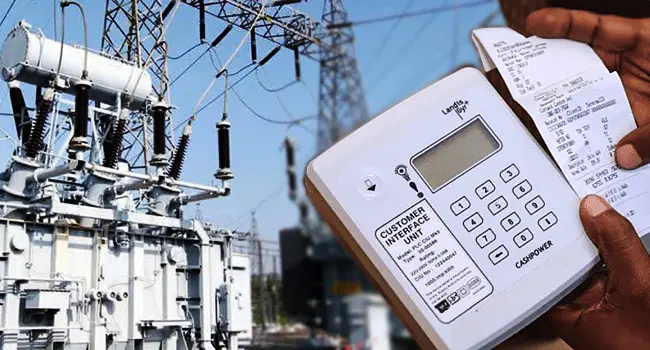
The thing about this particular event was that it happened so close to April Fool’s Day, it almost seemed like a dumb prank because many Nigerians were on different social media platforms saying “ain’t no way” in different forms immediately after the news dropped.
On April 3, the Nigerian Electricity Regulatory Commission (NERC) announced it was going to increase the electricity tariff on Band A feeders by 230.8%. The implication of their announcement was that Band A customers would be billed ₦225 per kilowatt hour (kWh) instead of the ₦68 per kWh they were being charged.
NERC said they were introducing the increase to reduce the burden of the electricity subsidy the government was paying. According to them, FG was going to spend an estimated 3.13 trillion on subsidising electricity in 2024, but with the increment of tariff price for Band A customers (who enjoy up to 20 hours of electricity), the government’s payment would be reduced by 63.58%, making the amount they’d pay to be ₦1.14 trillion.
Nigerians were so livid about this because the economy was already showing everyone pepper due to the removal of fuel subsidies. As if this wasn’t painful enough, less than 24 hours after the announcement, the Minister of Power, Adebayo Adelabu told Nigerians to start turning off their freezers once in a while if they want Nigeria’s power issue to get better.
Fuel scarcity
Nigeria experienced fuel scarcity at different points of the year, but in April 2024, the fuel queues in different parts of the country became too long. People complained about this on the streets and on social media platforms, but that was all they could do because the NNPCL was busy arguing with the Independent Petroleum Marketers of Nigeria (PETROAN) over whose fault it was that there was no fuel. The scarcity lasted way into May, but you know what they say about Nigerians and the survival spirit.
Mass marriage of orphan girls
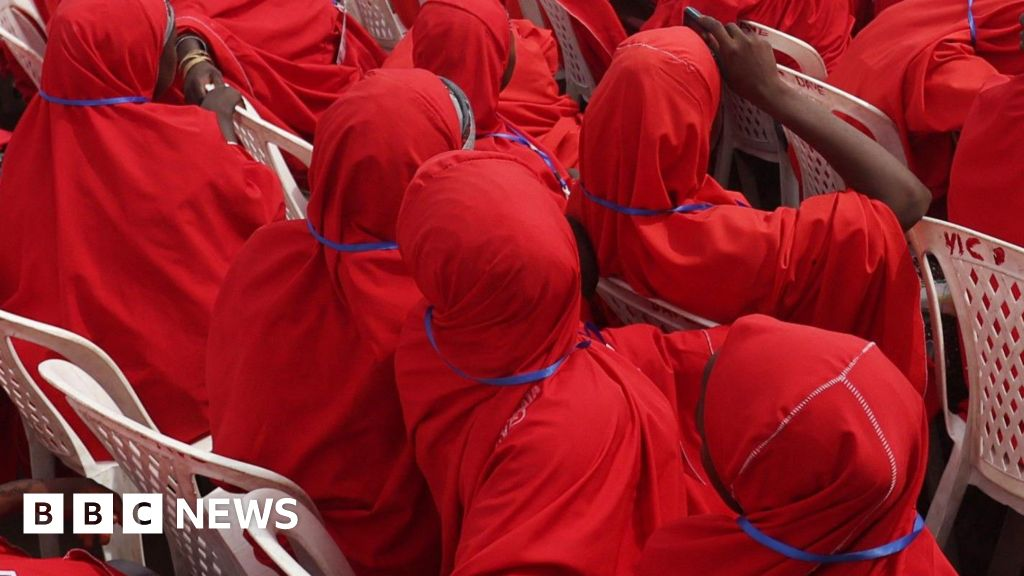
Nigerians were still being crushed under the weight of the fuel scarcity when a lawmaker dropped his own shocker. On May 10, Speaker of the Niger State Assembly, Abdulmalik Sarkindaji, decided that marrying off 100 girls orphaned by banditry attacks in the Mariga Local Government Area of Niger State was a genius idea that would help alleviate the poverty the girls were suffering.
Sarkindaji’s Plan was met with criticism from different quarters; one of the most promising pushback was from the former Ministry of Women Affairs, Uju Kennedy Ohanenye, but Nigerians barely got the opportunity to dance in celebration before she grabbed an invisible mic and yelled sike! In our faces— after some back and forth, Uju backtracked, saying, “I did not intend to stop the marriage but to ensure the girls are of marriageable age and were not being forced into it.” On Friday, May 24, two weeks later, all 100 of the girls were married off in separate ceremonies.
Minimum wage gbas-gbos
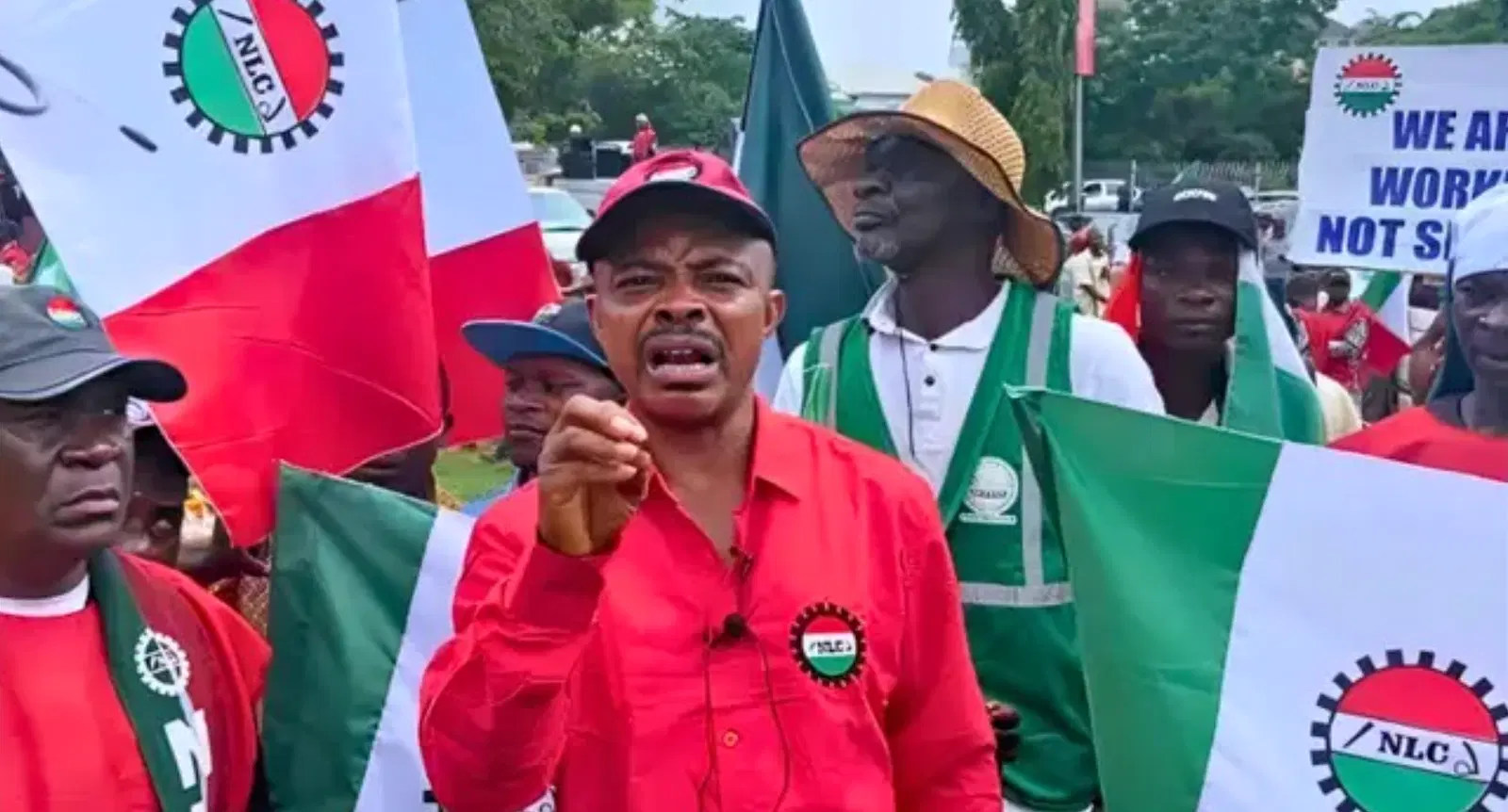
No thanks to the five-year Minimum Wage Act (of 2019), Nigerian workers were paid ₦30,000 minimum wage, but the Nigerian Labour Congress (NLC) could hardly do much about it. Following the expiration of the Act in April 2024, the NLC said it was time for a review because the ₦30,000 was barely going anywhere for workers.
NLC demanded 615,000 from the Federal Government (FG), but FG said they didn’t have it, and both parties entered a boxing match that lasted from April to July when they finally settled on ₦70,000 which has now been passed into law as the country’s official minimum wage.
National anthem change
In May, Nigerians realised that surprises might be one of President Tinubu’s love (or torture) languages because his last surprise announcement (fuel subsidy removal) was still showing Nigerians shege but just in time for the commemoration of his one year in office, the President pulled out another shiny surprise from his pocket— a new national anthem.
The bill legalising the anthem change was an even bigger shocker because it literally came out of nowhere. For context, this bill was passed in one week—the House of Representatives debated it on Thursday, May 23, and passed it on the same day. Then, it was handed over to the Senate, which passed it on Tuesday, May 27, while President Tinubu signed it into law the following day, Wednesday.
Dangote rants
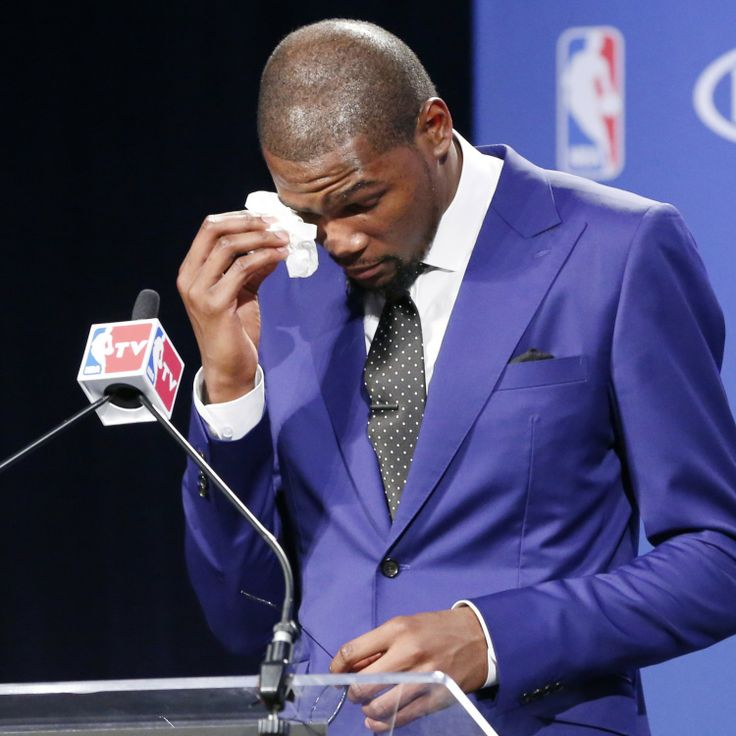
Before now, Billionaire businessman Aliko Dangote was on that laidback mysterious aesthetic but after the astronomical levels of shege Nigeria showed him in 2024, he has now left that aesthetic for Beyonce.
Dangote had plenty of back and forth with oil institutions and officials this year, but it all mostly began with him coming out to raise the alarm about alleged plots to sabotage his new refinery. Dangote said that the Nigerian National Petroleum Company Limited (NNPC) and the International Oil Companies (IOCs) refused to sell him the crude oil needed to start production at his refinery, so he had to go all the way to the United States (US) to buy some.
As if that wasn’t enough stress for him, the CEO of Nigerian Midstream and Downstream Petroleum Regulatory Authority (NMDPRA), Farouk Ahmed alleged that Dangote’s oil was substandard and that the imported ones were better than it. Alhaji was stressed but had to pick up a mic to debunk the claim. He also had another spat with the NNPC over the petrol pricing as well as other side frustrations surrounding his refinery. It’s just been a hell of a year for Alhaji, and we all sort of went through it with him.
National asoebi
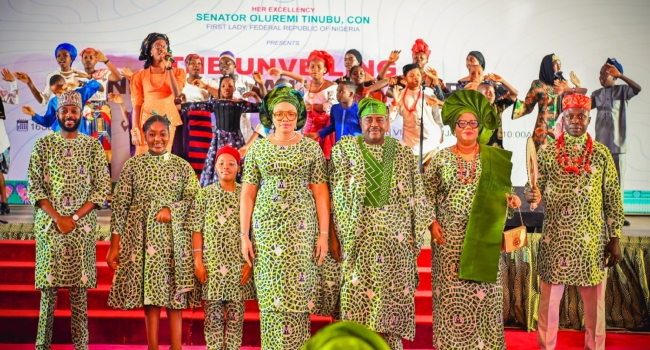
Albert Einstein shakes when Nigeria’s First Lady enters the conversation because only she can rival his genius. This year. Remi Tinubu spiced up our lives with her bright innovations; after starting her own garden and telling Nigerians to do the same (“to boost food production”), she launched an Asoebi for the country.
The asoebi (or national unity fabric if you’re fancy) was launched ahead of Nigeria’s independence day in order to help Nigerian citizens “break down tribal barriers to identify as a people of one nation.”
She didn’t just launch with an empty hand, either. The unity fabric was rolled out with a Fabric Designs Competition with a ₦25m prize money. We stan an innovative queen.
Hunger protests
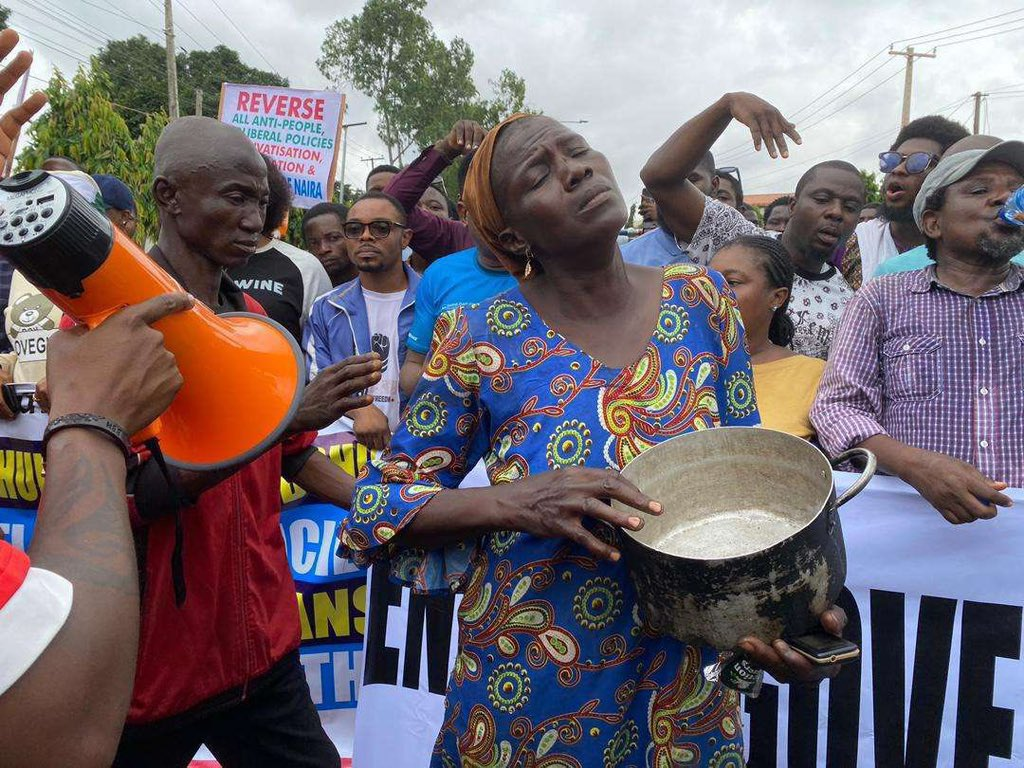
2024 has been an especially hard year for Nigerians. What was even more frustrating was that the government seemed not to be listening. In August, Nigerians trooped out to make their voices heard through the #EndBadGovernance or hunger protests.
But the 10-day protests, shadowed by subtle threats even before they started, did not end well as protesters were met with brutal force by the Nigerian Police. Later, on November 28, Amnesty International released a report revealing that at least 24 protesters were killed as a result of this force. Amnesty International said that “in all cases, the victims were shot by the police, firing live ammunition at close range often at the head or torso, suggesting that officers were shooting to kill.
Cabinet reshuffle
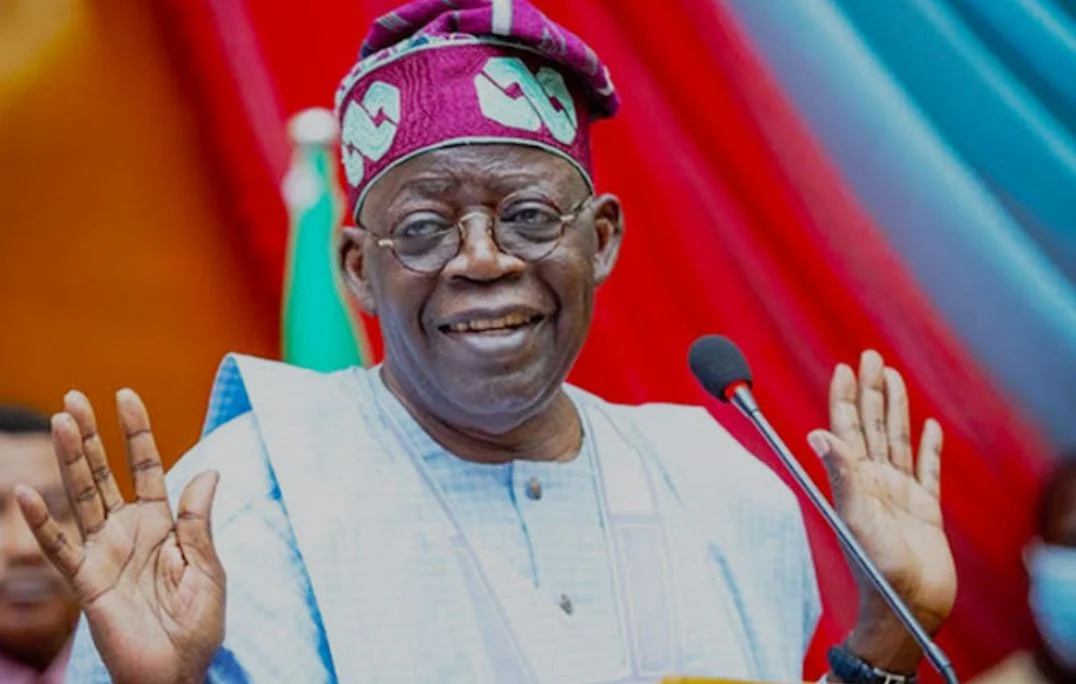
On Wednesday, October 23, President Bola Tinubu shook the internet when he surprised everyone and announced his cabinet reshuffle. The reshuffle involved the sacking of five ministers from his record-high 45-member cabinet, hiring of seven new ministers, and reassignment of ten others to new positions.
This move got Nigerians talking, with some saying not enough ministers were sacked and others saying the President should have included his own name in the list of sacked people.
Arrest of minors
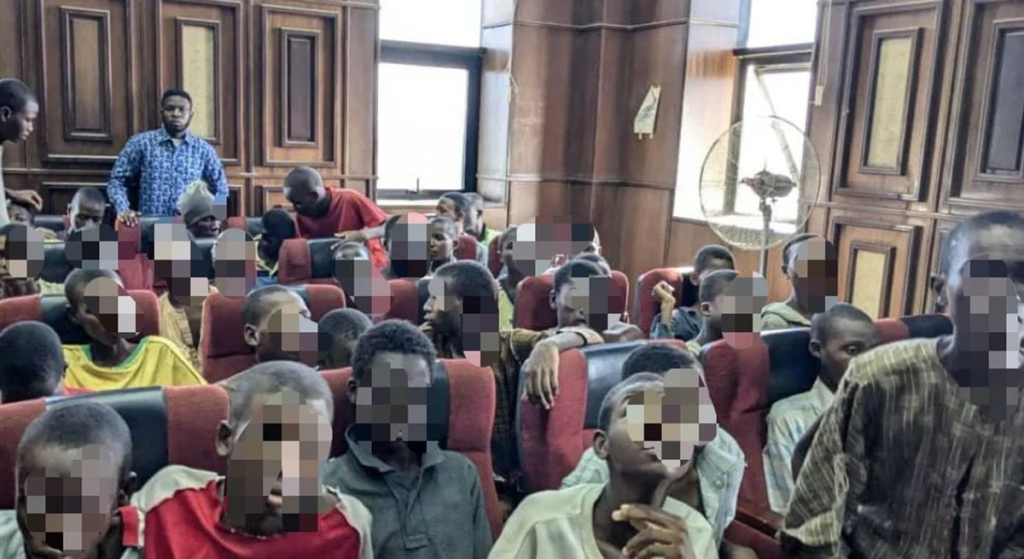
Another thing the government did this year was show Nigerians it wasn’t above manhandling kids as much as it did adults. On Friday, November 1, the Inspector General of Police arraigned about 72 minors at a Federal High Court in Abuja on ten-count charges over their participation in the #EndBadGovernance protests of August. The minors, who had been detained for three months, were accused of treason and trying to destabilise Nigeria, among other things. But after many Nigerians and Civil Rights Organisations (CSOs) condemned the government and pointed out that it was against several laws to detain minors in the way that they did, President Tinubu ordered that they be released, and a committee set up to look into the arrest and detention of the minors.