• Everyone wants to “make money while they sleep,” but what does passive income actually look like for Nigerians today?

    In this article, we spoke to five Nigerians who are doing just that — from dividend stocks to short-term rentals and side hustles that now run themselves. They shared how they got started, how much they earn, and what it really takes to build an income that doesn’t require your 9–5 energy.

    Spoiler: It’s not always as “passive” as it sounds.

    “Agritech investing brings me extra money without getting my hands dirty” — Tunde*, 29, Bank Executive 

    What drove me to start: I’ve always liked the idea of making money from agriculture, but I couldn’t farm full-time. Then, in 2023, a friend introduced me to an Agritech platform that pools investors for farms and pays returns after harvest. My friend’s colleague runs the platform, and at the point my friend brought it to me, he’d made a 30% profit on his own investment. It seemed like a good way to make extra money without getting my hands dirty.

    How I did it: I began with ₦300,000, split among three projects: poultry, maize, and plantain. I didn’t want to put all the money in one project to reduce risk. By harvest time, I had made a total profit of about 25% across the three different projects.

    What I earn now: I mostly reinvest my profit, and right now, I have ₦1.5 million in two crops. These bring me around 20% ‑ 25% in annual returns during good cycles. So, that’s approximately ₦300,000 per year on my portfolio, or ₦25,000/month. Payments don’t come in monthly, though. It’s usually per harvest, which is yearly or quarterly. It feels like a reward for just leaving my cash somewhere.

    That said, there’s risk in Agritech investing, and sometimes, crops just don’t do as well as you hoped. In 2024, I invested ₦400k in fish farming and barely made my capital back because most of the fish died. So, I try to study risk levels and farmers’ track records before putting my money.

    “I wake up to see money in my account” — Diane*, 28, Digital Marketer

    What drove me to start: I got my first digital marketing job out of uni in 2019. I handled social media content and ads. After a while, I realised I was always reading blogs and forum posts about affiliate marketing: you share a link, someone buys, you earn. I liked that I didn’t need to worry about stocking and delivering physical goods. The risk was lower. So around 2022, I decided to try.

    How I did it: I chose a niche I understand — beauty & skincare, because I love trying new creams and products. I converted my amateur writing blog into a space where I reviewed products, wrote “before/after” content and shared discount codes. I also started posting regularly on my Instagram and TikTok. 

    Everything I read about affiliate marketing pointed to the need to have an audience I could actually sell to. So, my goal was to invest time upfront: create high-quality content and build a following. Plus, if affiliate marketing didn’t work, I could use my page as evidence of my work to apply for social media management jobs. 

    Then I joined Jumia’s and Selar’s affiliate programs (the latter to sell digital products). After that, all I needed to do was insert my affiliate links to the products I referred to in my content, and I made money when people made purchases with my link. Initially, I made random ₦10k here and there. Then Jumia started moving funny in 2023/2024, so I abandoned them. 

    Fortunately, Temu reached out to me around that time, and I now make money through their influencer program. I’m not sure if they have an actual affiliate program, but they allowed some influencers and creators to earn commissions from sharing referral codes and links for new members to sign up. 

    What I earn now: I make about ₦30,000 to ₦150,000/month passively from affiliate sales on Temu and Selar. Most of my Selar earnings come from repeat content I posted long ago, which continues to bring in clicks. I rarely create new content these days because I get so busy with my main job. I literally wake up and see money in my account. I still have to do videos for Temu, but I don’t consider it “active work” because I’d still create content for my social media regardless.

    Get More Zikoko Goodness in Your Mail

    Subscribe to our newsletters and never miss any of the action

    “My shortlet apartment pays my bills” — Sean*, 33, Music Producer

    What drove me to start: I inherited a two-bedroom apartment in Lagos from my dad in 2018, and for the longest time, I rented it out on an annual basis. However, I kept having troublesome tenants who either delayed payments or frequently requested that I fix one thing or another. 

    Then, in late 2023, I came across the idea of running a short-let business. Some friends came to my area for a daycation, and I learnt they paid ₦50k per night for four nights. The apartment they rented was almost the same size as mine, and the owner made ₦50k practically every day. Yet, I was there struggling to get tenants to pay ₦1.2 million a year. I decided then that I needed to change my approach to renting.

    How I did it: I evicted my tenant and spent ₦1.8m renovating and furnishing the apartment. Then, I listed it online (Instagram and Booking.com) at ₦45k/day and also did a lot of word-of-mouth advertising. 

    The first few months were rough. I hardly got bookings, and I didn’t realise how stressful managing guests could be. Guests would literally steal pillow cases and damage the entire place if one isn’t careful. 

    Thankfully, things got a bit smoother towards the end of last year, and it has now become a more passive source of income. I have a manager on standby to handle cleaning and operations when needed. So, it runs without me. I just get paid.

    What I earn now: In a regular month, I book about 12 nights, which translates to about ₦660,000 in gross income (I now charge ₦55k/day). Out of that, I spend around ₦350k on staff fees, utility bills (NEPA, fuel, Wi-Fi, etc), platform fees (Booking takes about 10–15%) and occasional maintenance. So, my net monthly income ends up somewhere around ₦310,000, depending on how well the month goes. At least it covers a good chunk of my bills.

    “I make ₦200k ‑ ₦500k monthly from dropshipping” — Ebere*, 32, Teacher

    What drove me to start: My friend was into dropshipping, and I liked how it worked. She only needed to list the products; the supplier handled shipping when customers made orders. Zero capital, just handle customer service and marketing. I wanted that kind of ease, too. So, I started in 2022.

    How I did it: I set up an online store on Instagram, sourced trendy items from local suppliers and tested small batches to see what people were more interested in. I found early success in female fashion and home decor, so I focused on that. Also, I ran multiple ads and kept my profit margins small to stay competitive. 

    What I earn now: I make between ₦200k ‑ ₦500k/month. I now have an online store on TikTok, and I also post my products on declutter pages to find new audiences. These pages charge a 10% – 15% commission on every item sold through their page. 

    When I first started, I managed day-to-day orders and connected buyers with suppliers. However, since last year, I’ve had a virtual assistant who handles that task. I pay her ₦85k/month to respond to customer messages and get pictures from the supplier. I only come in occasionally to tweak ads and ensure everything is running smoothly.

    “For me, investment feels like earning money just to hold onto it” — Sotayo*, 33, Product Designer  

    What drove me to start: I’ve always been a chronic saver, but as I started earning more and interacting with people in similar income brackets, I realised I was just doing myself a disservice by leaving all my money in my savings account. I could take calculated risks in investments and actually get rewarded for that.

    How I did it: I opened a brokerage account in 2020, and with professional advice from finance colleagues, I started buying shares in established Nigerian firms that consistently pay dividends (banks, telecoms, consumer goods). 

    I started with ₦1.5 million, diversifying among four to five companies. Since then, I’ve directed at least 20% of my monthly income to investments. The goal is long-term growth, so I reinvest most of my returns. I hardly sell.

    What I earn now: My portfolio is currently worth ₦16m. With an average annual dividend yield of 10%, that’s ₦1.6m in returns. Of course, that’s a modest estimate. Some stocks do more than that, and the stock market has been on a bull run recently. So, I’m sure of making something. I also try to pick companies with stable earnings to minimise my risk and heavily lean on financial advice from professionals. 

    So far, my investment journey has been pretty interesting. It feels like earning money just for holding onto it. 


    *Names have been changed for the sake of anonymity.


    NEXT READ: How This 27-Year-Old Built a Steady $500 Monthly Income from Investing in Real Estate

    [ad]

  • Relying on one income source is a risky game in Nigeria. Prices are rising, salaries are stagnant, and most people are stuck in a cycle of earning just enough to survive.

    But there’s another way to make money: passive income.

    Passive income is money you earn without actively working for it every day. It’s not magic, though; it takes setup, time, or capital. But once it’s running, it can make money for you while you focus on other things.

    From dollar-paying platforms to local ideas that require small capital, these are passive income streams Nigerians are sleeping on in 2025, and how to start making them work.

    1. YouTube Automation (Faceless Channels)

    You don’t need to show your face or speak to make money on YouTube in 2025. Just run it like a business, hire people (or use AI) to write scripts, record voiceovers, and edit videos. Once your videos go live, they keep earning. This is great for people who love content but prefer staying behind the scenes.

    • Why It Works
      YouTube pays when people watch ads. More views = more passive income.
    • How to Get Started
      Pick a niche (e.g. true crime, AI, celebrity gossip), study what works, use freelancers or AI tools to create content, then post consistently.
    •  Income Potential
      Income can grow steadily, depending on traffic, with exponential spikes when a video goes viral. It’s paid in dollars.
    • Starting Capital
      You can start small with time and free tools, or outsource for faster results.

    2. FGN Savings Bonds

    FGN (Federal Government of Nigeria) Savings Bonds let you lend money to the Nigerian government, and get paid interest every six months. Once you invest, you don’t have to do any work; just put your money in and watch it grow. It’s passive, stable, and ideal for Nigerians who want predictable returns without daily effort. It’s a long but safe game.

    •  Why It Works
      Backed by the government, so there’s very low risk. Returns are fixed and paid regularly, regardless of inflation or market swings.
    • Income Potential
      Income depends on your capital and interest rates, usually between 12%-15%.
    •  Starting Capital
      Small to medium. It requires a lump sum to lock in returns.

    3. Print-on-Demand (POD)

    Create a design once and sell it forever. POD lets you upload your designs to be printed on shirts, mugs, or tote bags whenever someone orders. This is perfect for creatives, students, or side hustlers who want to earn while they sleep.

    There is no inventory, no delivery stress, just passive profits. 

    • Why It Works
      You upload the design once. The platform handles printing, shipping, and customer service.
    • How to Get Started
      Create simple designs (using Canva or Photoshop), sign up on platforms like Printify or Spring, connect to an online store like Etsy or Shopify, and start promoting.
    • Income Potential
      Slow build at first, but scalable as your shop grows.
    • Starting Capital
      Free to low-cost to start, depending on tools and promotion.

    4. Laundromat B2B Rental Model

    Instead of running your own laundromat, rent out industrial washing machines to other laundromats or dry cleaners and earn per use or via a monthly fee. It’s passive income once you set up: no customers, just business-to-business income. It’s ideal for people with capital who want stable returns and minimal daily hassle.

    • Why It Works
      Most laundromats can’t afford top-tier machines. You solve that problem and charge them to use yours.

    • How to Get Started
      Buy a few heavy-duty washers, install them in a shared location, and partner with laundromats or dry cleaners. Charge per wash cycle or on a fixed monthly plan.
    • Income Potential
      Moderate but stable, depending on the number of machines and demand.
    • Starting Capital
      Requires upfront investment for machines and location setup.

    5. Stock Photography

    Take photos once, upload them to stock sites, and earn royalties when someone downloads your images. This business model is great for photographers, hobbyists, or anyone with a decent camera and an eye for what sells.

    • Why It Works
      You create once. Then multiple people buy your photos over time, generating ongoing royalties.
    • How to Get Started
      Shoot high-quality images in popular niches (business, lifestyle, nature). Upload to sites like Shutterstock, Adobe Stock, or iStock. Tag your photos well and watch sales grow.
    • Income Potential
      Starts slow but builds with volume and niche selection.
    •  Starting Capital
      You only need a good camera, a smartphone, and basic editing software.

    Join 1,000+ Nigerians, finance experts and industry leaders at The Naira Life Conference by Zikoko for a day of real, raw conversations about money and financial freedom. Click here to buy a ticket and secure your spot at the money event of the year, where you’ll get the practical tools to 10x your income, network with the biggest players in your industry, and level up in your career and business.

    6. Vending Machine Business

    Buy vending machines and place them in busy spots, such as schools, offices, banks, or malls. You earn passive income as people buy snacks and drinks. Once the machines are set up and stocked, it’s hands-off. This is ideal for people who want a physical business with minimal daily effort.

    • Why It Works
      Machines sell 24/7 without you needing to be there, turning everyday foot traffic into steady income.
    • Income Potential
      It varies by location, but it can be profitable even with one machine.
    • Starting Capital
      Medium to high: requires upfront machine and stocking costs.

    7. Farming Lease/Rent Model

    You don’t need to farm to profit from Nigeria’s growing agriculture sector. Lease your farmland or farming equipment to local farmers who pay you rent or a share of their harvest. This is perfect for landowners or investors wanting to enter farming without hands-on work.

    • Why It Works
      Farmers need land and equipment, but can’t always buy outright; you provide access and earn stable returns.
    • How to Get Started
      Own or lease farmland, identify farmers or agribusinesses to partner with, and draft clear rent or profit share agreements.
    • Income Potential
      Seasonal but stable. Income is linked to harvest cycles.
    • Starting Capital
      Varies depending on land access; some start from inherited plots.

    8. Fixed Deposit & Treasury Bills

    Put your money in a fixed deposit or buy treasury bills from Nigerian banks or fintech apps. You’ll earn guaranteed interest without lifting a finger. This is great for low-risk investors who want steady, passive returns without any effort.

    • Why It Works
      Your money earns interest while sitting in a bank or government-backed security.
    • How to Get Started
      To invest in T-bills or fixed deposits, use banks or apps like Cowrywise, PiggyVest, or your bank’s mobile app.
    • Income Potential
      Reliable and low-risk, but the income is not sky-high.
    • Starting Capital
      Medium, you need capital to make the returns worthwhile.

    9. Dividend-Paying Nigerian Stocks

    Buy shares of Nigerian companies that pay out part of their profits as dividends. You earn money just for holding the stock. This is perfect for patient investors building long-term wealth.

    • Why It Works
      You get paid regularly (usually yearly) for owning the right stocks.
    • How to Get Started
      Open a stockbroking account with apps like Trove, Chaka, or Bamboo. Research dividend-paying stocks like GTCO, MTN, or Nestlé, and invest.
    • Income Potential
      Steady, especially when dividends are reinvested.
    • Starting Capital
      Low-to-medium, you can start small and build a dividend portfolio over time.

    10. Remote US Real Estate 

    Own a piece of U.S. real estate without leaving Nigeria. With apps like Risevest, you invest in rental properties and earn your share of the rent and value appreciation. There’s no landlord or tenant stress. It’s ideal for those seeking real estate returns without buying full properties.

    • Why It Works
      You earn in dollars from U.S. rental income and property growth, managed entirely by the platform.

    • How to Get Started
      Download investment apps like Risevest, create an account, choose a real estate plan, and fund your wallet.
    • Income Potential
      Small but stable dollar income with long-term growth.
    • Starting Capital
    • Low to medium, you can start on Risevest from as little as $5 and scale as you go.

    Bottom Line

    The smartest Nigerians earn without burning out in a country where the hustle never sleeps. Passive income isn’t a luxury; it’s a survival strategy. Whether it’s a faceless YouTube channel or farmland you’ll never step on, the point is this: your money, skills, or assets should be working harder than you do.

    You can start building systems that pay you even when offline, asleep, or on vacation. The choice isn’t easy, but it’s clear.

    Pick your income stream and start now.


     Also Read: 10 Investment Apps Nigerians Are Using to Build Wealth in 2025


    Get More Zikoko Goodness in Your Mail

    Subscribe to our newsletters and never miss any of the action

    [ad]

  • “I wanna be a billionaire, billionaire.”

    This is a line from Teni’s hit song titled Billionaire. This describes my mood every day. Every month I ask myself “How can I make more money?” “What must I do to eventually blow?” “Am I destined to forever be broke?”

    There’s a quote that goes:

    “There is a time to be born, to die, to plant, to harvest, to find money in the unexpected of places.” If you can tell, I added the last part to make a point. The point is that sometimes you find things, especially where you are not looking.

    So, I decided to share some of the things I have found. What have I discovered exactly?

    Brokeness is a great lesson teacher.

    I graduated from university in 2016. I got a job some months after graduation that required me to have a camera or a phone with a good camera. My biggest dilemma was that I was broke as I had been cut off allowance some months prior. So, I could not afford one even though my new job which was going to make me stop being broke required it.

    There are times in life where you are ranting and someone casually mentions the solution to your problem. This was one of them. After narrating my dilemma to a friend, he raised up the option of selling off old laptops for a small fee to raise money.

    He then linked me with his plug who arranged for a meeting the next day. I found the biggest bag available in the house and hauled as many old laptops as I could in a single trip.

    For me, this was an eye-opening moment as I never realized you could get cash from selling practically dead devices. Needless to say, there are no dead computers lying around my house any longer.

    Old Yoruba women see and know things.

    It’s easy to write off the old woman that comes around the house every day asking for empty bottles that once contained water. Month in and out you hand it over diligently until one day you ask (in Yoruba): “What do you do with these empty containers?” when she breaks down the maths behind it and how much she earns per full bag, you understand how it makes her life a whole lot easier.

    Sprinkle some “Yaya Aiki” when buying suya and you just might get a business deal.

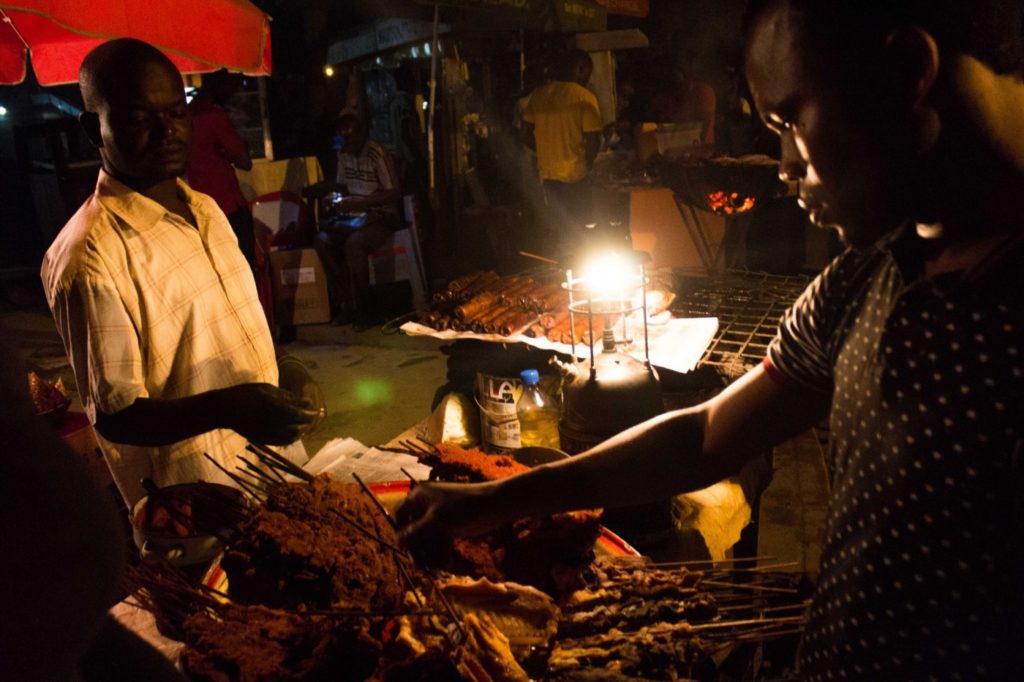
    So, here I am. After a long day of fighting Lagos traffic, flexing my small Hausa in hopes of getting extra suya. Just because a sweet boy deserves sweet things. The suya man beams up, impressed by my effort. Adds extra pieces of meat.

    I return another time. He beams “customer”. It becomes our routine. He speaks his small English, I speak my abysmal Hausa – communication ensues. At least supported by gesticulations.

    One random conversation touches upon the fact that he has been struggling to get newspapers and he is worried. I tell him (with my bad Hausa and gesticulations) that my father has a tonne of newspaper stored away with no use for it. He beams up and goes “customer.”

    He offers me some money as payment, I refuse. After much deliberation, we settle upon regular extra pieces of meat as payment. I eat happily ever after.

    I am man of steel.

    One Sunday afternoon as idle as a painted ship on a painted sea, someone convinces my dad to sell off the old run-down generators at home. My dad not interested puts me in charge. The guy then brings along a guy who values the items and hands me more money than I was hoping to get. At least for run-down generators older than me.

    Ever since that experience, no single piece of unused steel in the house has been safe from me. From worn-down appliances to old televisions to curtain rods, I collect them all. This is to be resold.

    In case of financial emergency, sell off rods.

    Not all heroes wear capes. Obviously.

    Don’t judge a book by the cover…unless you plan to resell.

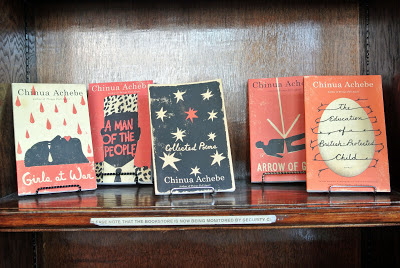
    If you have a rare book, signed, and in good health, it’s surprising how much people are willing to pay for it. I have had a couple of people offer to pay me a large amount of money for my books. Also, I found a site that offers to buy lovingly used professional textbooks for a small fee.

    The lesson I have learned in all of this is that if there are many undiscovered sources of passive income. I think the trick is to keep an open mind and obviously not be broke like me but that’s by the way.

    These days, you can find me always on the lookout for how to increase my money.

    If you have any idea, as you can see from my post that I am very open-minded, holla at me. As long as it legal.