• Mayowa Balogun has been trying to attend Ojude Oba for three years. But this year he finally got his wish and was one of the horsemen representing the Alatishe ruling family of Ijebu, even though he is not Ijebu himself.

    “It was such an honour,” he told Zikoko in an interview. Though for him it was just as adrenaline-filled as sky diving, he is already preparing for next year.
    This is Mayowa’s experience as told to Dennis.

    I had no intentions of being a horseman at Ojude Oba. I didn’t even think it was possible for me, as someone who isn’t Ijebu. I am from Ekiti State. But two years ago, I told my friend Adedoyin Alatishe, who is from one of the Ijebu ruling houses that ride horses and perform in front of the king, that I wanted to come. He asked if I would also like to ride a horse with his family. I jumped on the offer.

    I couldn’t make it that year because the date was in conflict with another trip I had planned. Ojude Oba is held two days after the Sallah. The Sallah date is not decided until well into the new year. I also planned to attend last year but I couldn’t make it because of schedule problems.

    This year, it was the same thing. I had a trip planned for Sunday, the day chosen for the Ojude Oba festival. But I didn’t want to move it again. I wanted to be a part of the action. So I moved my trip to Monday.

    We had two Zoom calls with the Alatishe family. People who could make it drove down to Ijebu for the meeting in person. I couldn’t, so I joined on Zoom. We had a WhatsApp group chat. We paid ₦200,000 to cover the cost of the horse, matching agbada and fila, a handkerchief and a hand fan with “Alatishe” branded on it. I didn’t buy the walking stick, the rope, or the horsetail. Some people who bought them and other accessories spent as much as ₦400,000.
    I left Lagos for Ijebu by 6 a.m. I went through Epe. I have driven to Ijebu many times because I have a factory there. That early, the traffic was already building. A drive that would normally have taken me an hour and thirty minutes took way more. I drove straight to the Alatishe compound. When I got there, it was past 8 a.m.

    Horses lined up at the compound—there could have been 30 to 50 of them. Their stable hands stood with them, brushing their furs, cleaning them, training them, preparing them for the long day.

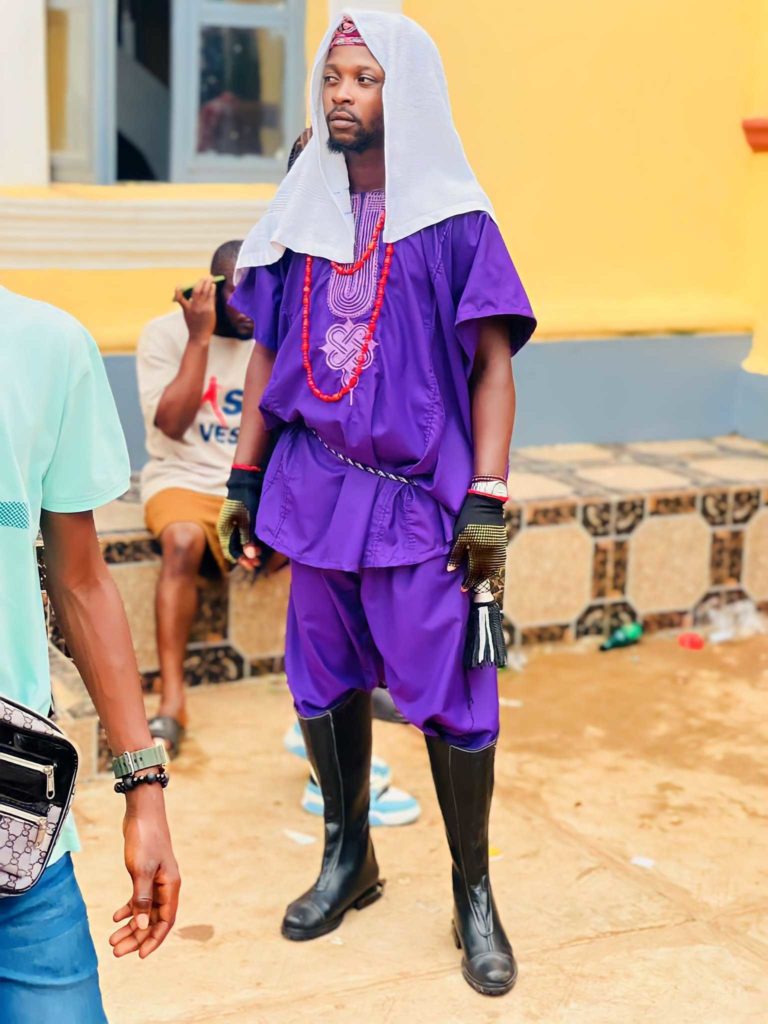
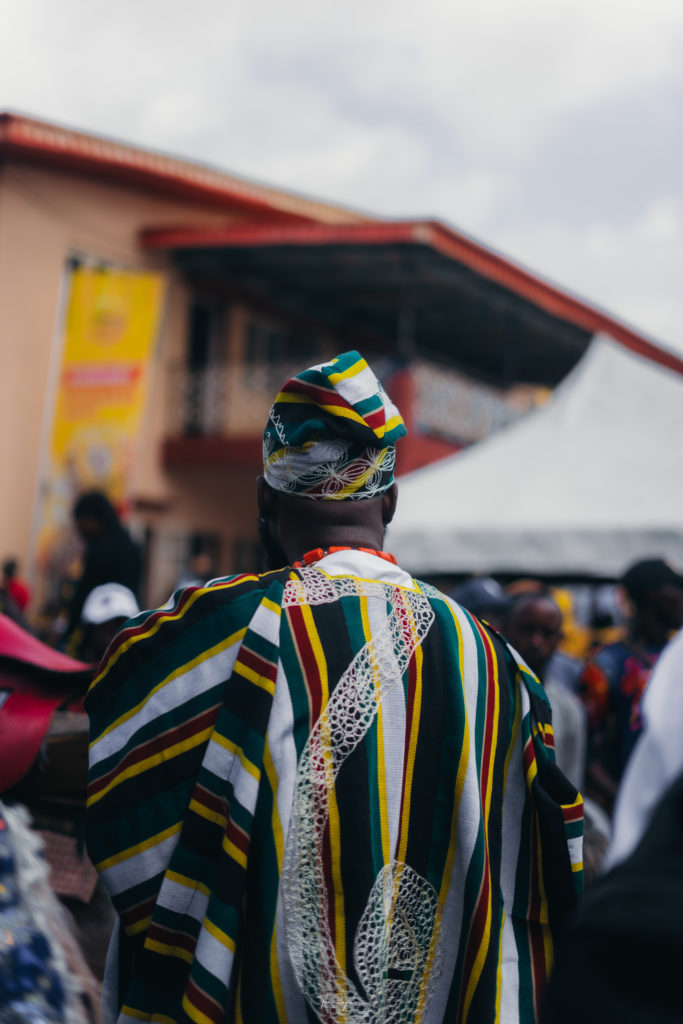
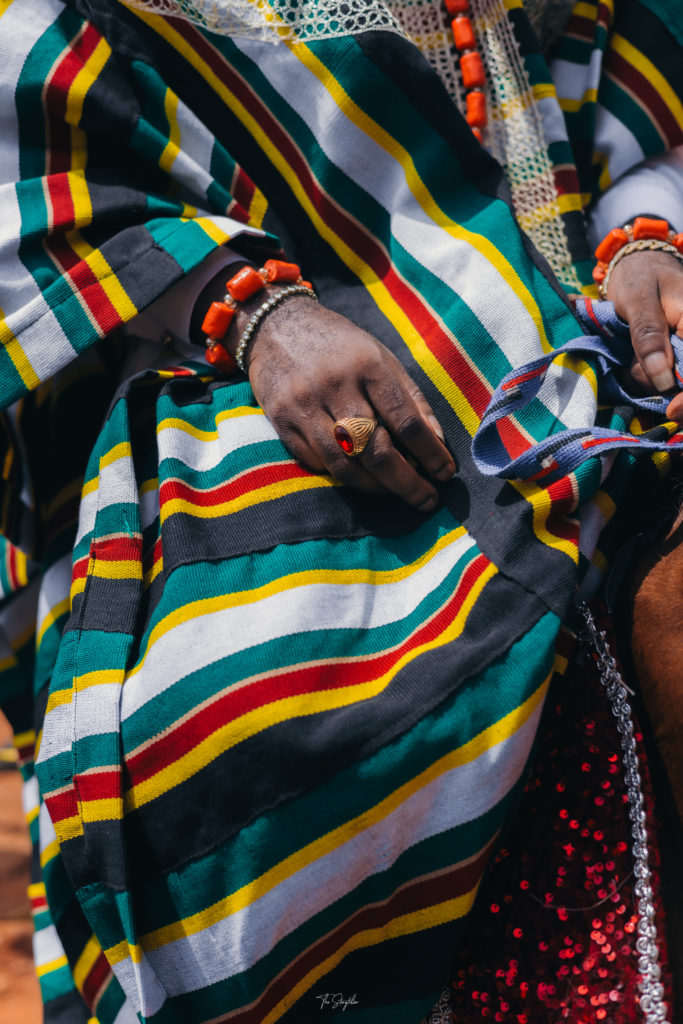
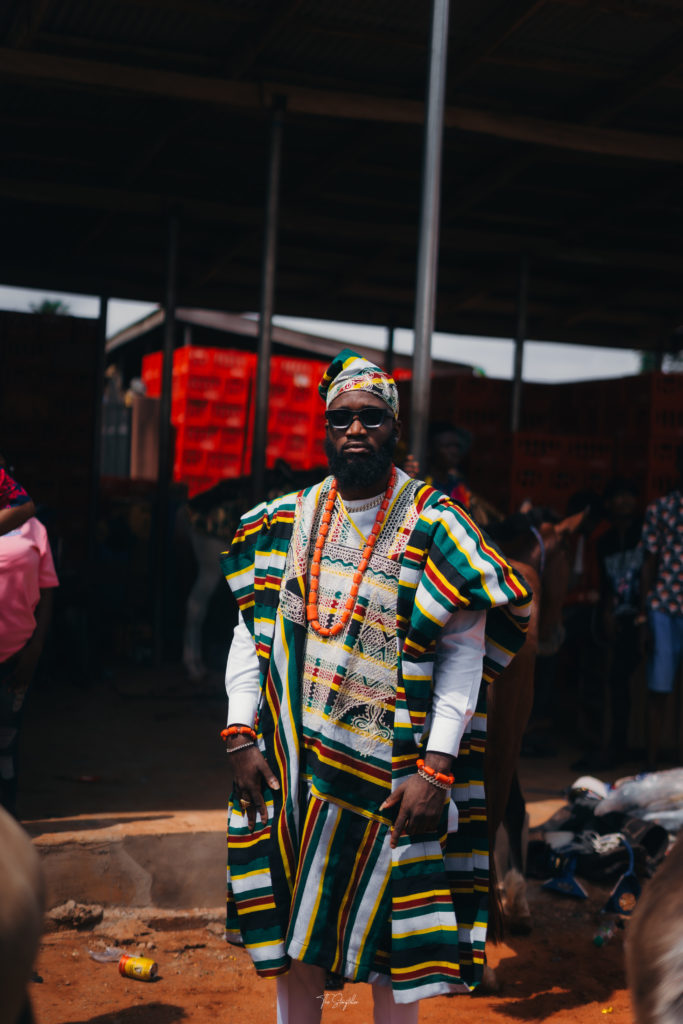
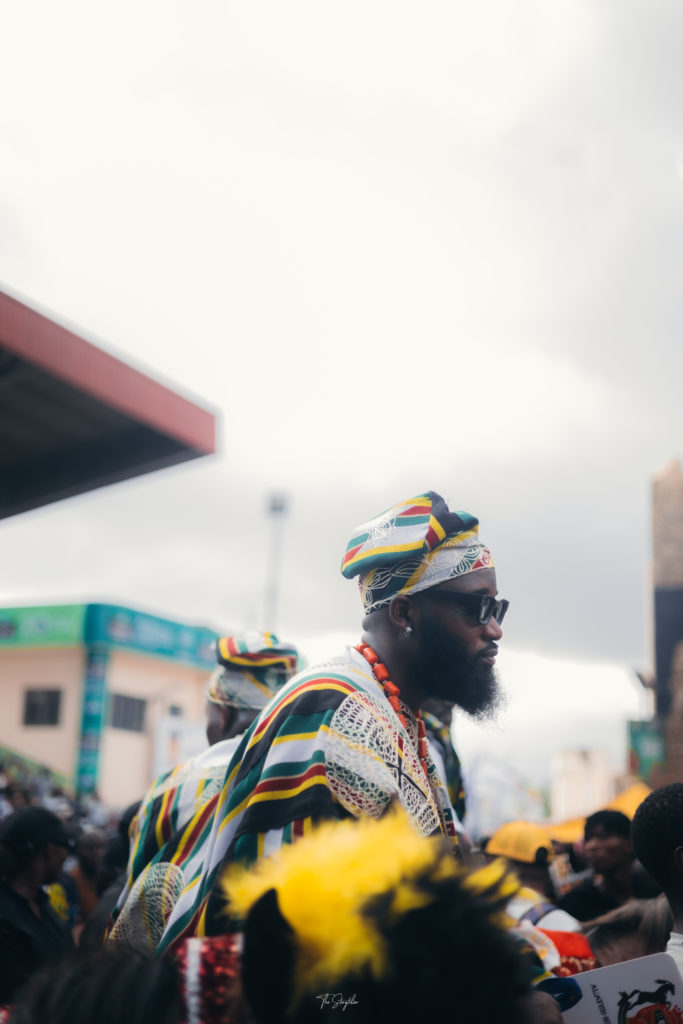
    They asked us to wear white, so I wore a white slim-fit kaftan. When I got to Ijebu, they gave us the agbada and fila. Ours had green and yellow stripes. I wore red coral beads. No one had told me to buy them, but I had seen photos from previous Ojude Obas and saw that the men wore them. I had old ones at home, but I wanted new ones for Ojude Oba. So I bought these ones from Lagos Island. It came in a set of three: a long necklace and two bracelets. I wore one on each hand.


    Get More Zikoko Goodness in Your Mail

    Subscribe to our newsletters and never miss any of the action

    ALSO READ: All the Looks Worth Seeing at the 2025 Ojude Oba Festival


    I also wore a gold chain I already owned and two gold bracelets. I wore simple dark sunglasses. I had no experience riding a horse and had never been to Ojude Oba.

    My friend, Adedoyin, had been training with his horse for months. He would be one of the lead performers when we rode before the king. Some of the other horsemen, like me, friends of his and other cousins, had also been training with their horses.

    This was my first time on horseback. This was my first time at Ojude Oba. But I had some experience with adrenaline-filled activities. I had done skydiving and bungee jumping. Also, my horse couldn’t do those strenuous activities.
    I practised some movements with the stable hands, just how to move the horse around. The stable hand stood by my side, guiding the horse. By 11:30 am, we were ready to head to the Ojude Oba arena. It was not a walk in the park.

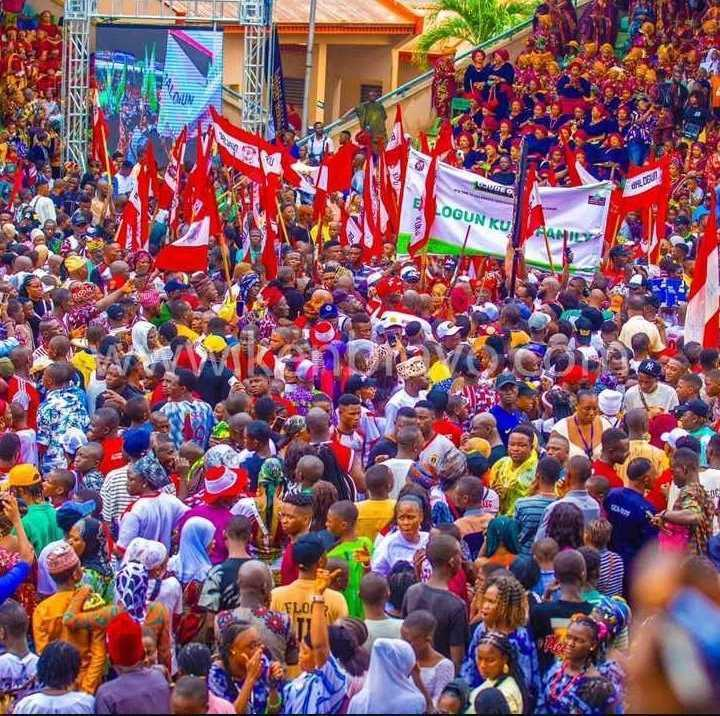
    The streets of Ijebu Ode were packed full. Fathers and sons wore matching agbada. Uncles reunited with nephews. Land disputes were suspended. Friends, foes, rivals—all on horseback—waved at each other.

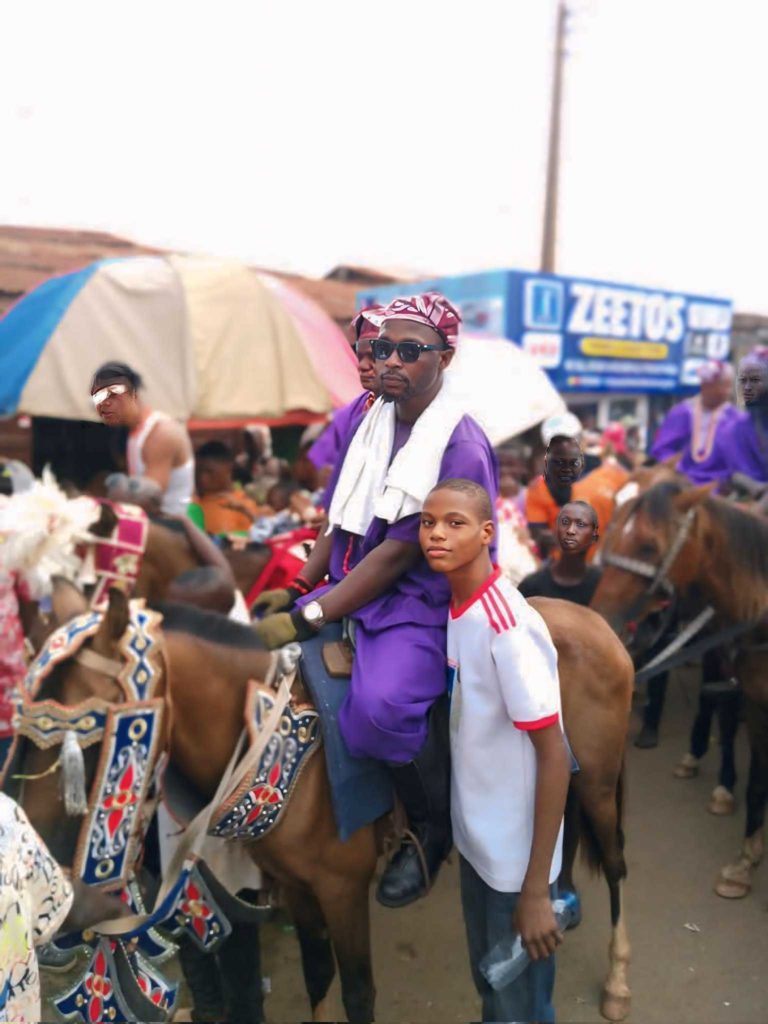
    I sat on my horse. I felt regal. There is no other way to describe it.

    The Alatishe family had north of 30 men on horseback heading to the arena. Other families had similar numbers. Indigenes of the community came out to watch the procession. There were people who had no interest in Ojude Oba but needed to move around in their area. Some were heading to church. Some were tourists who had come to witness the Ojude Oba festival. They were all outside. The road was blocked.

    Adedoyin began performing just as we took to the streets. His horse’s acts were jumping, standing on two legs, and dancing. Companies that had come to support families lined the streets offering drinks.

    What would have taken less than 15 minutes took hours. By 2 p.m., we were still on the road on horseback. I could hear loud gunshots from the arena. Convoys blocked the road, and horses blocked the road. I hadn’t eaten all day. I didn’t want to have a running stomach or anything that would make me feel disoriented, yet I felt disoriented.

    My feet were numb. My ass was on fire. I squirmed from side to side, just to get the blood flowing. But relief was impossible. I saw someone from another house faint from dehydration. Even the people who had participated last year said that this year was different. More people had come to witness Ojude Oba this year. I got off my horse just for a while to reset.

    I thought about it too—turning back, not doing it anymore. Just going back home to the peace and quiet. But I thought, never. I must do this.

    By 4 pm, we got to the arena. I sat resplendent on my horse. There was cheering. There were gunshots. Some people were spraying money. People were taking pictures of us. Some were stopping to ask for money. I felt like a celebrity. Adedoyin’s horse had picked up speed. I nudged my stable hand to move faster. I had to be where the action was. I had to be as close to Adedoyin as possible.

    As he was heading to perform before the king and other dignitaries, I told my stable hand to move closer to him. You have to be hyper-vigilant. There are many things to distract you, and in the crowd, you can lose the spotlight. So I made sure I was alert, and my stable hand was alert. The chaos had more than tripled. The horses were hitting each other. The gunshots were getting louder.

    Adedoyin finally performed in front of the dignitaries, and we were riding back. Someone stopped to make a video of me. As I rode out on my horse, a young mother asked if her son could ride with me on my horse. So I lifted him on the horse. The young lad, in dark sunglasses, was beyond elated.

    There is no way I won’t be here next year. I made a mental note of all the things I would buy: the rope, the walking stick, the shekere, the horse whip, the glove. I will be back next year fully prepared. I would spend more time with my horse preparing.
    It was such an honour to have performed with the Alatishe family this year. As we rode back home, the traffic was beginning to subside. But the road was far from free. It took us 15 minutes to get back to the Alatishe compound. As I dismounted my horse, I squeezed my hand and said to myself, “Please remember. Please remember.”


    ALSO READ: How Much It Costs a Family to Prepare for the Ojude Oba Festival

    [ad]
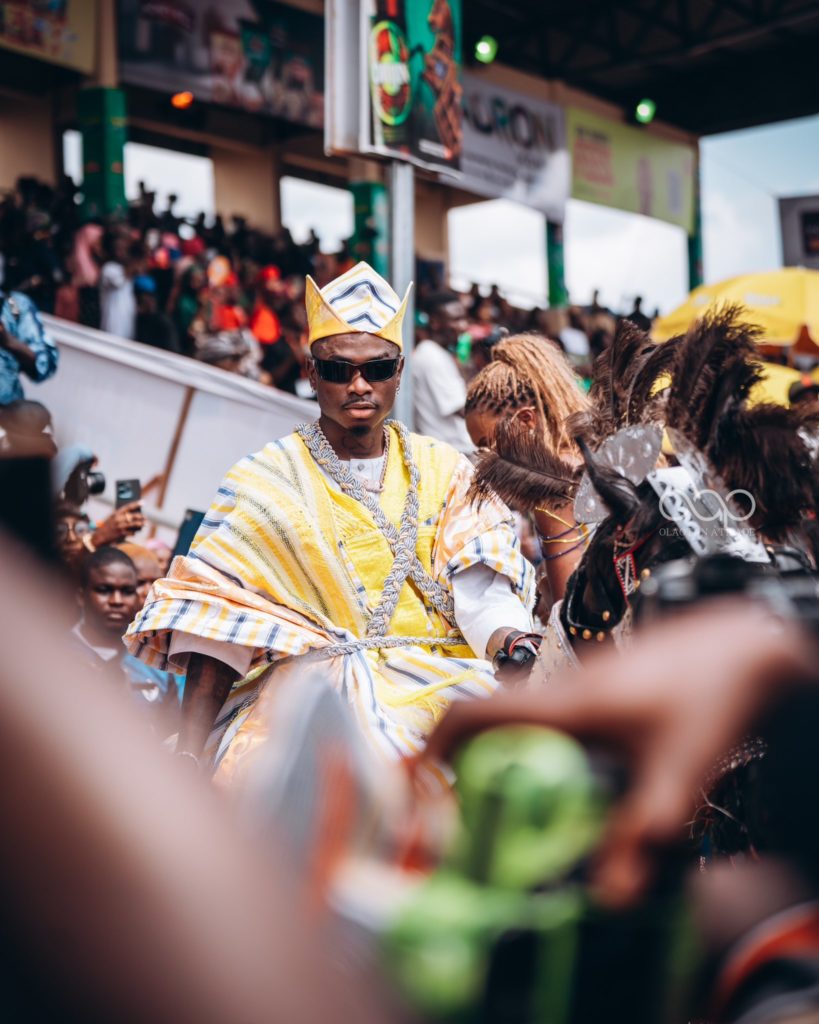
  • The Ojude Oba festival, where people from Ijebu come together once every year to pay homage to their king, the Awujale of Ijebuland, after the Eid al-Kabir celebration, was held on Sunday, June 8, 2025. In the past few years, the event, once a local affair among the Ijebus, has taken root across the country to become a national fashion event.

    This year the event saw rich aunties in matching aso-ebi shutting down Instagram streets. We were live at the Ojude Oba Arcade in Ijebu Ode, bearing witness as the Ijebus celebrate this year.

    Here are all the must-see looks from the 2025 Ojude Oba festival.

    Lil Kesh

    Image by Olaotan Atilade

    Akin Faminu in Deji & Kola

    Image by Daniel Coast x Niyi Fagbemi

    Tomike Adeoye

    Niyi Fagbemi in Deji & Kola

    Image by Daniel Coast

    Farooq Oreagba in Rhobes

    Image by Bodunde Olowu

    Princess Adesile

    Image by Fasanmi Afolabi

    Ebunoluwa Dosumu in Shakara Trybe

    Tobi Bakre

    Tayo “Sindodo” Odueke

    Image by Yemi Blaq

    Gov. Dapo Abiodun on Ogun State

    Minister of Art, Culture, Tourism and the Creative Economy, Hannatu Musawa

    [ad]

  • Whether you’re an Ijebu Ode indigene or not, you’ve probably witnessed the display of cultural excellence that is the Ojude Oba festival on social media. 

    Every year, after the Eid al-Adha celebrations, Ijebu people from around the world return home to pay respects to the Awujale of Ijebuland and show off their ancestral pride in a regal display of colour, tradition and bold fashion. 

    Ojude Oba is THE event of the year for the Ijebu people, and they spare no expense for the festivities. But how far does this cost go? What does it take to show up in matching outfits, ride out on horses, and give the world a show? 

    We spoke to Oladayo Kuku, a member of Ijebu Ode’s prominent Balogun Kuku family. He talked about the extensive planning and heavy financial obligations that go into a successful Ojude Oba outing. 

    As told to Boluwatife

    Oladayo Kuku at Ojude Oba 2024

    To my family, Ojude Oba is beyond a festival; it’s our legacy. My great-grandfather, Balogun Kuku, is known for rebranding the Odeda festival to Ojude Oba. In all the years since then, the Balogun Kuku family has never missed a festival.

    Ojude Oba starts early in the morning, with different groups coming to show themselves to the Awujale. The age groups (regberegbe) are first in the procession. Most people, including me, belong to an age group, and we come out in matching outfits to pay respects to the king.

    Next are the 16 Eleshin (horse-rider) families. They come out on their horses, dressed in beautiful attire, with drummers, and display before the king. Then we have the Baloguns (the warlords). This is where my family falls, and there are 8 Balogun families in Ijebu Ode. We also come out on horses, but the difference between us and the Eleshins is that we come with guns due to our war privilege. We add ceremonial gun salutes to the drumming and horse display. 

    The Eleshin and Balogun families have five minutes for their displays and are judged by our coordination, composure, dressing, and even the crowd in our processions. The best three families get the first, second, and third position awards. The Balogun Kuku family has come first eight times in the last nine years. 

    When we came first in the 2024 festival, the award came with a ₦500k cash prize. It’s a good thing we don’t participate for the prospect of winning money. The prize doesn’t come close to the time, effort and costs of preparing for the festival. 

    Get More Zikoko Goodness in Your Mail

    Subscribe to our newsletters and never miss any of the action

    Planning takes up to a year

    Planning for the following year’s Ojude Oba festival starts as early as two months after the festival. This is especially necessary for my family, as we’re the largest family in Ijebu and have family members worldwide. 

    We divide ourselves into factions in the different cities we live in, and hold multiple meetings to discuss our plans. Every single aspect of our outing is discussed, from the number of horses, the horse riders and those who will come in as foot soldiers, to the clothes we’ll wear. 

    The clothes are particularly a closely guarded secret. No family knows what colour another family is wearing until the festival day. In fact, not everyone within a family knows the colour to prevent leaks. You just show up and collect your clothes. 

    The endless meetings and discussions help us have a clear picture of what we need in advance. For instance, we often have to rent horses because not every rider has one. This year’s display will include 100 horses, but we only own about 20, so we rent the rest at ₦200k each. We’re also using a chariot, so our discussions also cover our entry style, the number of guns and drummers and everyone joining the procession. 

    Then, there are the rehearsals. I live in Lagos, but I’m a rider for my family, so I’ve had to travel to Ijebu Ode almost every weekend in the last two months to rehearse and ensure everything is set. 

    I believe the intensity of our planning is part of what sets my family apart from others. Some people just come into the arena on the festival day for their display, but we meticulously plan to execute something extraordinary. Our numbers also favour us. 

    Other families often have to rent flag boys or get friends to join their procession, and while this isn’t wrong, my family never has to because of our massive numbers. We have at least two thousand people following the riders on foot, and these are family members who understand our tradition, why we do this and what it means for our family. They undoubtedly put more energy and enthusiasm into the display, which is why we always deliver.

    The Balogun Kuku family at Ojude Oba 2024

    When it comes to finances, it’s all hands on deck

    A big part of delivering our best every year involves finances. Planning a successful outing requires a lot, and budgets are a major agenda item in many of our meetings.

    Several factors take money during Ojude Oba, and as a member of a prominent participating family, the family factor is very important. My family organises parties in Ijebu during Ileya and Ojude Oba, and everyone contributes to the budget for DJs, food, logistics, decoration, house maintenance, and other associated costs. 

    We also have a foundation through which we support Ijebu Ode indigenes with scholarships, medicals and packaged food items. These outreaches are done about twice a year, and Ileya/Ojude Oba is one of those periods. Some of the money raised from the contributions goes toward this as well.

    Everyone pays through their branch for easy collection of these contributions. For instance, people living in Lagos pay through the Lagos branch of the family. The same goes for people in the UK, Canada, America and other parts of Nigeria. Then the branches pay to the national to get everything we need in Ijebu Ode. 

    There’s no minimum amount of money to contribute. The main planners just tell us how much they expect from each of us and encourage us to contribute as much as we can. I contributed ₦100k and paid another ₦150k for my clothes. Some of my uncles contributed in the range of ₦500k – ₦10m. 

    I don’t have the specifics of what my family spent in total this year, but it’s definitely above ₦30m. This includes the cost of bringing in horses from the North, feeding them, parties, and other personal expenses incurred by family members. It may not even cover the travel costs of people coming in from the diaspora. 

    We have about 50 family members travelling down from other countries, and I can’t even imagine what the cost of their flights and other personal arrangements would amount to. So, if we add everyone’s personal expenses, the total budget is almost infinite.

    Personal financial cost: A total breakdown

    Beyond my obligation to my family, I also have to handle personal expenses like contributions to my regberegbe, renting and dressing my horse, hotel accommodation, and entertaining my friends. My total expenses this year will likely exceed ₦1m. 

    • Horse (renting and dressing) – ₦250k
    • Family (clothes and contribution) – ₦250k
    • Regberegbe (clothes, accessories and contribution) – ₦400k
    • Riding boots – ₦70k
    • Hotel accommodation – ₦25k/night for seven or eight days

    This breakdown doesn’t include entertainment because I can’t put a number to it. I’ll buy drinks for my friends coming to Ijebu to celebrate with me, and maybe even book extra rooms and sort out transportation for them. There are also miscellaneous expenses — like the ₦150k I sent to someone a few days ago to help me arrange mint cash.

    Cultural pride outweighs any cost

    Ojude Oba is time, energy, and money-consuming, but we don’t focus on that. What matters most is keeping our culture and legacy alive. It’s who we are as a people. Every year, everyone comes home, and it’s beautiful to see. It’s easily my best day of the year.

    Also, Ojude Oba isn’t just a show; its impact brings development to Ijebu Ode. You’ll see people renovating their homes, and the streets of Ijebu burst into colour. Businesses also thrive. 

    There’s currently no available hotel room in Ijebu because it’s all booked. These hotels usually cost ₦15k or ₦17k, but Ojude Oba weekend allows them to increase prices to around ₦25k/night. Companies see this opportunity and keep entering the town. Photographers and makeup artists are booked and busy. 

    It’s a full-on celebration that touches every aspect of life in Ijebu Ode, and I’m proud to be a part of it. 


    If you enjoyed this, you’ll love our Ojude Oba documentary:


    ALSO READ: Don’t Attend Ojude Oba 2025 Without Reading This First

    Join 1,000+ Nigerians, finance experts and industry leaders at The Naira Life Conference by Zikoko for a day of real, raw conversations about money and financial freedom. Click here to buy a ticket and secure your spot at the money event of the year, where you’ll get the practical tools to 10x your income, network with the biggest players in your industry, and level up in your career and business.

    [ad]

  • The prestigious Ojude Oba Festival returns on June 8, 2025, to Ijebu Ode — and this year, Orijin steps in as the headline alcoholic beverage sponsor, promising a celebration deeply rooted in culture, pride, and Afro-urban flair.

    Let’s look at some of the things to look forward to at the most talked-about festival in 2025: 

    1. Sultry Soul Snatching Orijinal Night

    As the sun sets on June 7, Orijin is lighting up Ijebu Ode with its headline experience: Orijinal Night. An evening of all the dreamy owambe vibes where tradition meets big-stage energy.

    Live music, free-flowing Orijin, cultural heat, and enough rhythm to make you dance without cares or worries. Whether you’re there for the roots or just the records, this night is for the culture.

    2. The Music Lineup Is Straight Lit – Saheed Osupa, 9ice, Many More

    We’re not joking. The lineup is eclectic; there will be Fuji, Apala, and Yoruba classics that’ll make your spirit high.
    Let’s start with the legends: Saheed Osupa will be delivering pure Apala & Fuji goodness with that signature spiritual voltage, 9ice will be repping with that Alapomeji flavour and his street credibility. Reminisce for sure is bringing bars, while Abey & Awesome are bringing energy.

    3. The Orijinal Village Is Where the Party’s At

    The name says it all. This is Orijin’s home base in Ijebu Ode for the Ojude Oba, but no, it won’t be just about beer. Expect games, chill zones, branded corners, photo booths, small chops, gist circles, and the perfect spot to hang with your regberegbe or toast with strangers who feel like family.

    It’s the kind of place where you stop by for five minutes and end up staying till the talking drums kick in.

    4. Drip, Steeze, and Regalia That Speak Culture Fluently

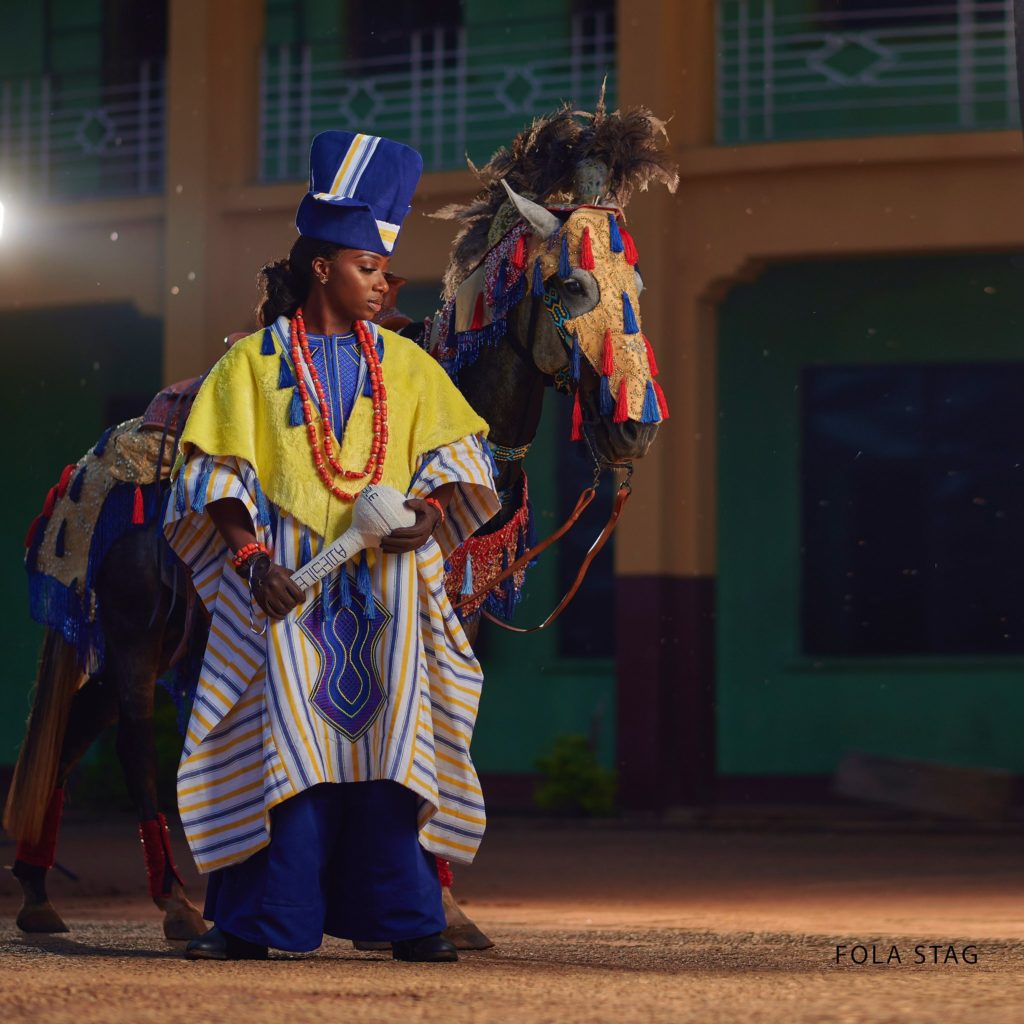
    Ojude Oba is basically the High Fashion Gala of Yoruba land, where everyone is a star, and Orijin is there to toast the steeze. From coral beads to sky-high geles, agbadas with attitude to horsemen in full-on royalty. This is where ancestral drip meets modern slay.

    Spoiler: Be on the lookout for Orijin-branded looks and accents that will be part of the Ojude Oba steeze this year.

    5. Royalty, Regberegbe, and That Iconic Horse Parade

    The parade is where it all comes together: age-grade squads marching in unison, adorned in full Yoruba splendour.
    Horses decked out. Riders up and regal. Brass bands echoing down the road. It’s the heartbeat of Ojude Oba. And right amid all this cultural magic? Orijin, standing proud with the people, celebrating the roots with them with every step.

    6. Toasts, Free Drinks, and Photo Moments for the Culture

    Again, the intention to keep everyone joyful is crystal clear. There’ll be free Orijin moments, branded lounges for chilling, and immersive photo booths for you to capture your outfit, your crew, and your vibe in full cultural glory. Every toast at Ojude Oba 2025 will taste like roots, rhythm, and pride.

    7. That Deeply Rooted, “We Belong Here” Feeling

    More than the music. More than the drip. What Orijin is really offering is that feeling of being seen; of having your culture not just represented, but respected and celebrated.

    From the first sip to the last photo, you’ll know that this is a homecoming. So, what is it going to be?
    Will you be told, or will you be there?