• We all know that one onigbese who refuses to clear their debt until they get dragged through intense stages of embarrassment, but I never thought I’d live to see the day that Nigerian banks would become that onigbese. 

    If you’ve been relying on Unstructured Supplementary Service Data (USSD) codes to quickly send urgent ₦2k to your friend or to check your account to figure out how you’ll survive until salary day, you might want to brace yourself because telcos are threatening to suspend USSD payments.

    Nigerian banks are responsible for the looming suspension because they reportedly owe telecom companies over ₦200 billion for USSD services. Apparently, the banks have been enjoying the service for years but have been acting strangely when it’s time to pay.

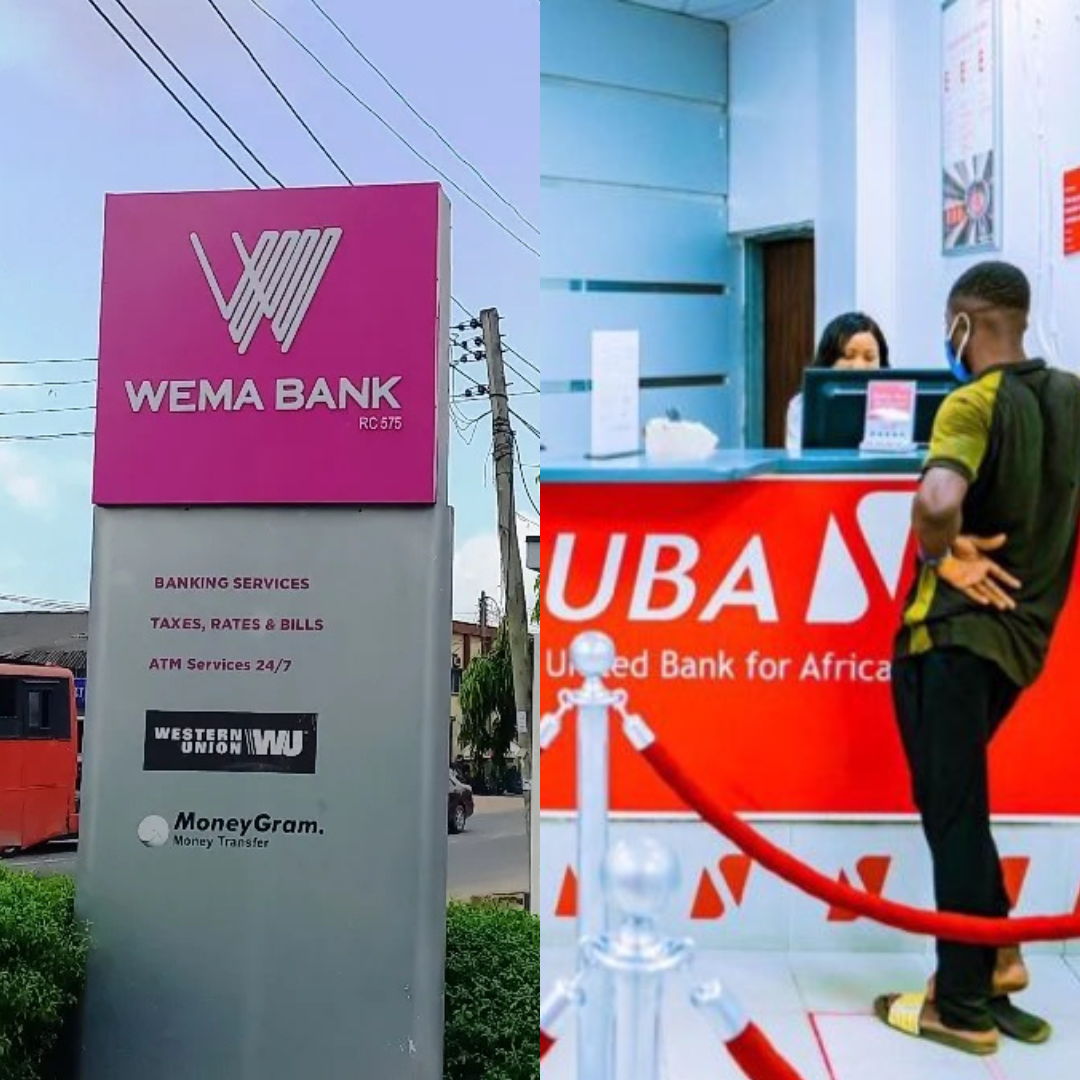
    The Nigerian Communications Commission (NCC) on Wednesday, January 15, confirmed that nine of the 18 banks owing money to the telecommunication sector have fully cleared their debt, while the other nine have refused to pay up. NCC also added that some of them have been owing for as far back as 2020, and as a result, they (NCC) have decided to punish this coconut head behaviour with the suspension of USSD codes for the following banks –  Fidelity Bank Plc, First City Monument Bank, Jaiz Bank Plc, Polaris Bank Limited, Sterling Bank Limited, United Bank for Africa Plc, Unity Bank Plc, Wema Bank Plc, and Zenith Bank Plc.

    When will the suspension kick-off?

    The NCC announced the suspension on Wednesday, January 15, but it is gracious about the possible suspension because it will not take effect until January 27. That gives your faves enough time to save face since their names are now publicly associated with an unnecessary debt. 

    What does this matter?

    According to the Central Bank of Nigeria,  252.06 million transactions worth ₦2.19 trillion were processed via USSD between January and June 2024. That gives you an idea of how loved and necessary this easy payment method is, especially in rural areas where about 68% of Nigerians cannot afford smartphones for mobile banking. Now, paint a mental picture and imagine the millions of people that will be affected.

    This is even more triggering because USSD services are supposed to be straightforward: the telcos provide the platform, the banks use it to serve their customers, and everyone plays their part. But what the banks listed above are doing is a classic case of institutions prioritising profits over accountability even though they continue to charge you for everything—SMS alerts, transfer fees, maintenance charges, and even USSD transactions

    Are these banks going to get away with this misbehaviour?

    The only form of punishment the NCC is proposing, for now, is suspending USSD codes for the customers of the listed banks. However, the NCC will likely impose stricter punishments if the banks refuse to clear their debt.


    News is boring, but we make it fun. Subscribe to The Big Daily to be the first to know the day’s biggest news. 

    [ad]

  • Cross-border payments aren’t always a walk in the park. When you aren’t worrying about the exchange rate and affordability of the transfer, it’s hoping the recipient gets the money as soon as possible. This article will solve that problem.

    Whether you’re sending money from Ghana to Nigeria to support loved ones or sending money outside of Ghana for other reasons, we’ve outlined the fastest and most affordable options to send money from Ghana to Nigeria. 

    Bank Transfer

    Several traditional banks offer seamless transfers between Ghana and Nigeria, and these banks are the most accessible:

    Guaranty Trust Money Transfer (GTMT)

    Image: TechCabal

    This service allows GTBank account holders and non-account holders to enter any branch in Ghana and transfer funds for free to GTBank account holders in Nigeria. All you need to do is provide the recipient’s Nigerian bank details and full name at the bank branch.

    Pros

    The funds transfer is instant, and the recipient doesn’t have to worry about converting cedis to naira since the bank sends the exact naira equivalent. The bank also doesn’t charge the recipient for the transfer fees.

    Cons

    The sender must visit the bank branch to initiate the transfer. The maximum amount per transfer is $10,000.00 (or the equivalent in cedis).

    AccessAfrica

    Image: TechCabal

    This is a payment product by Access Bank that allows Ghanaians to send money (in cedis or dollars) to Nigeria. If the money is sent in dollars and the recipient has a domiciliary account, the recipient in Nigeria will receive it in dollars. Otherwise, they’ll receive the money in naira. 

    To send the money, the sender requires an approved means of identification, their Access Bank account number (if they’re an account holder), and a transfer “send form” filled out at the bank to initiate the transaction. The recipient receives the money for free, but the sender pays a $5 flat fee + 1% variable fee on the principal per transaction. This means that the total transfer fee depends on the transaction size.

    Pros

    Money transfers are immediate and trackable. The recipient in Nigeria gets the money straight to their account (for Access Bank account holders) and doesn’t need to show up at the bank. The recipient also doesn’t have to be an account holder and can choose to walk into the bank to pick up the funds.

    Con

    The sender needs to be physically present at the bank to initiate the transaction.

    Africash by UBA

    Image: Abacus

    Much like GTBank and AccessAfrica, you can visit any UBA branch—either as a UBA customer or not—to transfer money to anyone in Nigeria by filling in your details and choosing a PIN code for verification. Africash also offers the option to cancel, modify, and request refunds for unpaid transfers.

    Pros

    The service is available to both account holders and non-account holders, and transferred funds are instantly available. There is also no limit on receiving transfers.

    Con

    Currently, the service is only available at UBA bank branches across Ghana and other African countries.

    Internet Banking/Digital Payment Platforms

    These platforms offer the convenience of requesting money transfers right from the comfort of your home. We’ve outlined some of the best options available:

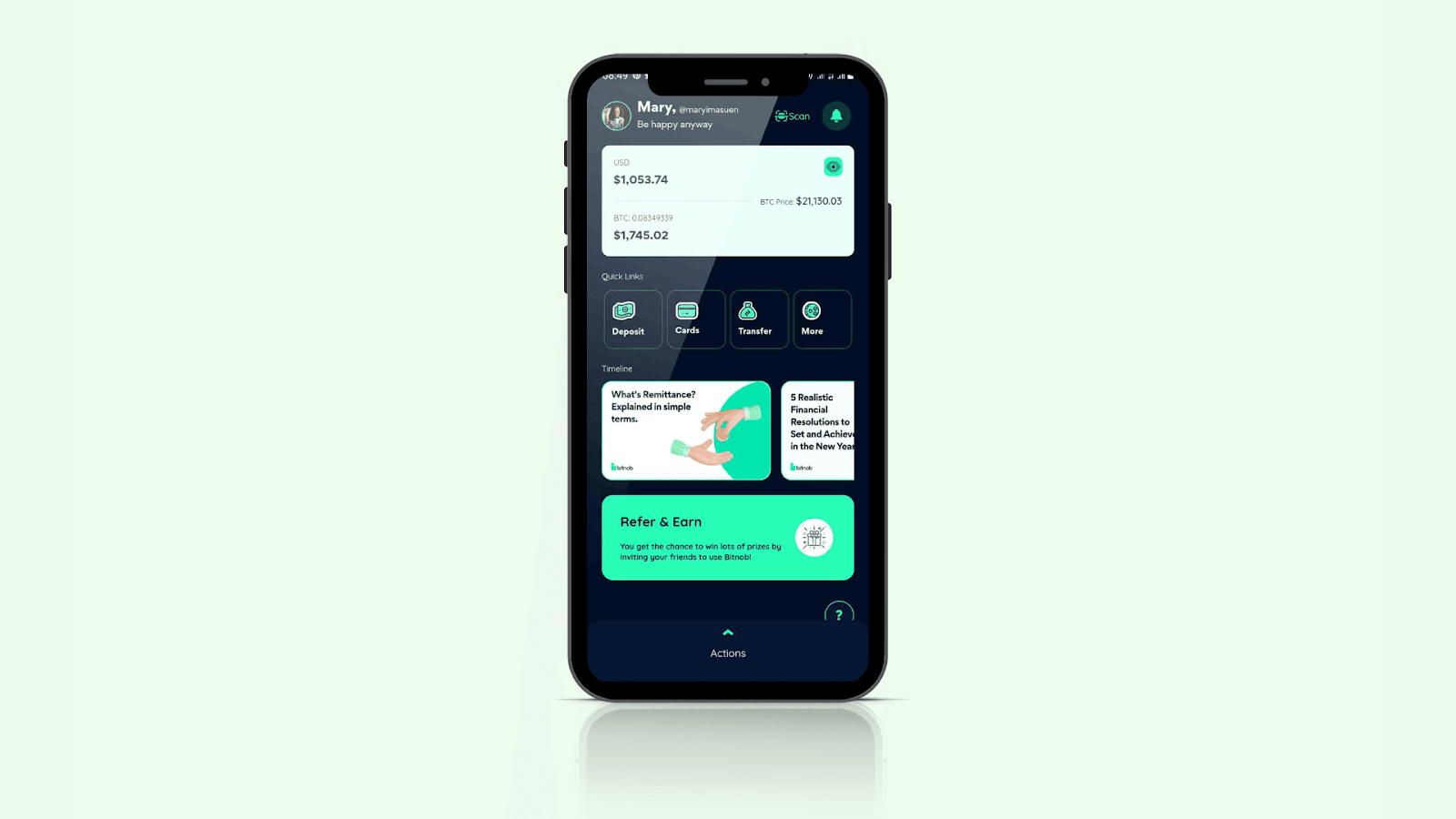
    Bitnob

    Image: Bitnob

    Bitnob is a digital payment platform that enables money transfers across eight African countries, including Ghana and Nigeria. 

    To get started, you’ll need to download the Bitnob app, create an account and fund it. Next, under the “transfer” section, you can choose to transfer to a bank account or Momo wallet and change the currency to Nigerian naira. You can then input the amount you want to transfer and the beneficiary details. 

    Pros

    Bitnob only charges a 1% transaction fee, and the recipient gets the funds immediately in real time.  

    Con

    Transactions are only done in-app.

    ATL Money

    Image: ATL Money

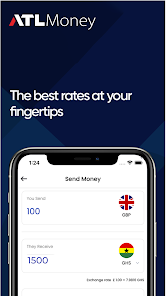
    This online money transfer platform offers users the opportunity to transfer money to over 60 countries, including Nigeria.

    To initiate a transfer, visit the ATL Money website and create an account. Next, click on “transfer cash”, enter the amount you want to send, and indicate the country you are sending to. After entering the beneficiary’s details, the site redirects you to a payment channel where you can fund the transfer with your credit or debit card or bank transfer. After confirmation, the funds are then transferred to the recipient in Nigeria. Transaction fees range from 2 – 4% of the total amount sent.

    Pro

    Money transfers can be done via the website or the ATL Money app. 

    Con

    Transfers can take up to three days to reflect in the beneficiary’s bank account.

    Yellow Pay 

    Image: Yellow Card

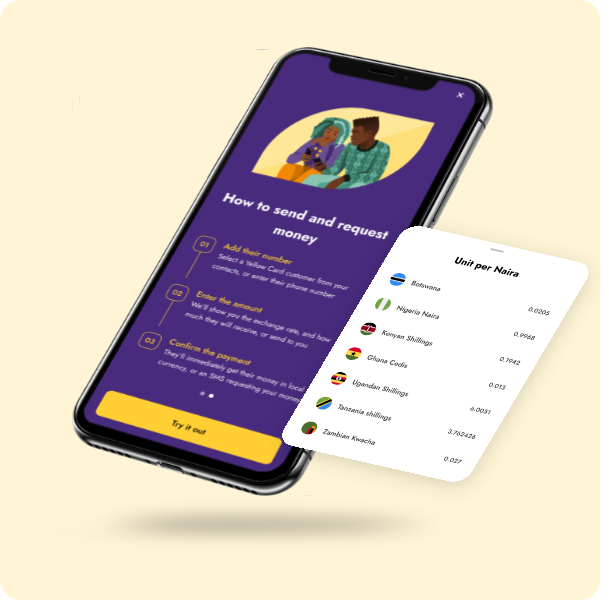
    Yellow Pay allows users to send Ghana cedis to someone in Nigeria who will receive the equivalent in Naira. The recipient must be a Yellow Pay user to receive the funds. 

    To transfer using Yellow Pay, download the app and create an account. Next, click on “Pay” and then select “Send.” The app will ask you to select the country code, the beneficiary’s details, and the transfer amount. Then, you’ll see the amount the beneficiary will receive and can confirm the transaction. 

    The transaction fee depends on the size of the transaction.

    Pro

    Transaction fees are competitive compared to traditional bank money transfer options.

    Con

    You can only send funds to Yellow Pay users or recipients willing to open Yellow Pay accounts. 


    Disclaimer: Please don’t take this as financial advice. We advise you to do your research before using any of these platforms.


    NEXT READ: How to Instantly Convert Airtime to Cash in Nigeria

    [ad]

  • We’re in the days of 5G and cardless ATM withdrawals, yet somehow banks will still ask you to take out a newspaper ad just to correct the arrangement of your name on your own bank account. 

    We listed some of the requirements we consider quite unnecessary, and got a bank official to explain why banks need them.

    Why do prospective current account holders need references who already have current accounts?

    To start, we’ll need to clarify what a savings and current account is meant to achieve. The savings account was designed initially to deposit funds, with limited withdrawals. This is very obviously not the case on our side of the continent. LOL.

    A current account accommodates more transactions, which is essential for the business person. The bank doesn’t accept references from a savings account holder because it’s believed that, unlike a current account, the savings account holder doesn’t make use of their account regularly, may not be easily reachable, and can’t be a reliable guarantor if yawa gas.

    Why do banks require proof of address? Can’t a homeless person have a functioning bank account?

    They can have a tier 1 account. In this case, the bank marketers may just write down the address of the place they met the customer since it isn’t really necessary.

    The challenge with this is, such type of account will have restrictions on the amount of money they can receive, and if an amount above the limit is received, the account is immediately restricted. Think of it as a fraud measure — the bank should be able to account for the legality of its customers.

    The proof of address is required when the customer wants to upgrade their account to higher tiers and fewer restrictions. So why not just fulfil the requirements from the beginning?

    Utility bills too. What if I owe NEPA; does this affect my ability to open an account?

    The accounts that require a utility bill are the tier 3 accounts — the highest level of savings account in Nigeria. In simple terms, you can have as much money there as you like.

    And honestly, the bank doesn’t care if you owe NEPA or not; that’s your wahala. They just want to make sure the address you gave them exists, and you actually live there.

    Why’s it necessary to take out a newspaper ad just to make a small name adjustment? Isn’t the affidavit enough?

    You know how the country only recognises your marriage under the law when you have a court wedding? The newspaper ad shows you’ve officially changed your name under law, and the country now has your new name on record. The affidavit is legal too, but the newspaper ad is an additional public notification.

    Is my mother’s maiden name really necessary to make changes to my account?

    It’s not entirely necessary. It’s just more of a security question to prevent unauthorised persons from accessing your account. It’s not foolproof, which is why other documents and your signature are also required.


    NEXT READ: 6 Working Mums Tell Us What They Wish They’d Done Differently in Their Careers

  • Everyone knows that rich people have to spread their money across multiple banks. So if you can ace this quiz, you should be doing regular giveaways.

  • How well do you know your bank logos? This quiz is here to test that. If you can get at least seven of this logos correctly, then we know you have plenty money in the bank.

    Go ahead:

  • Even if you want to avoid Nigerian banks, they cannot avoid you. They’re in your face begging you to open accounts, everywhere you go.

    How Many Nigerian Banks Can You Name in 1 Minute?