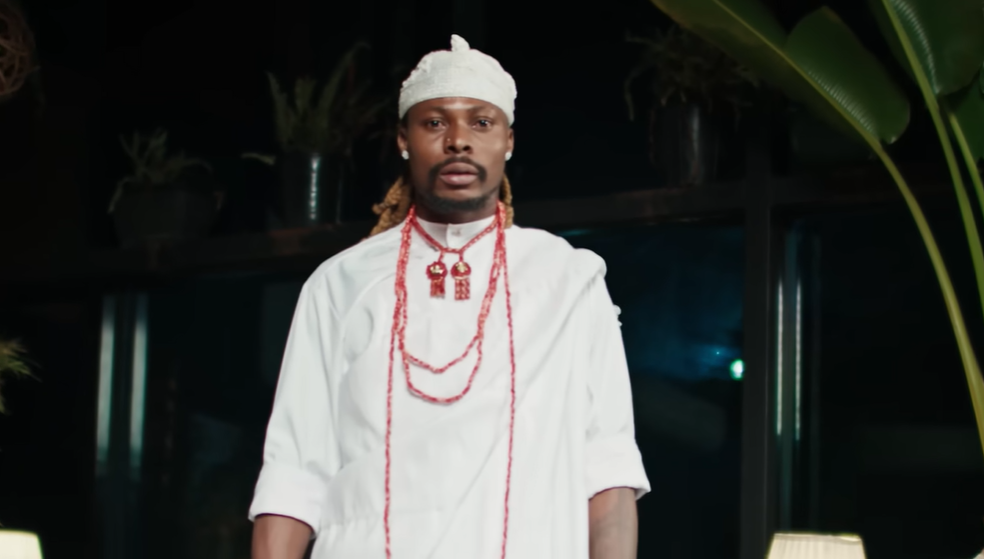
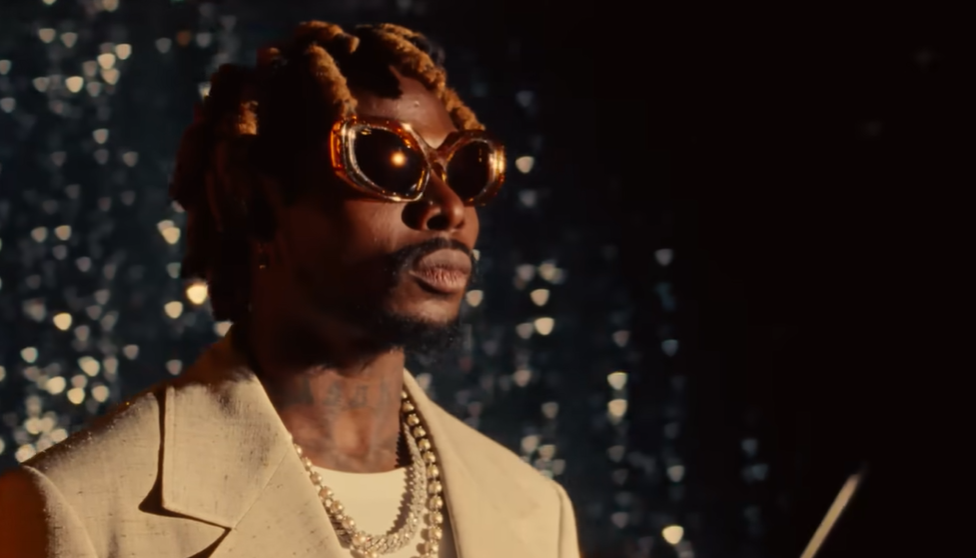
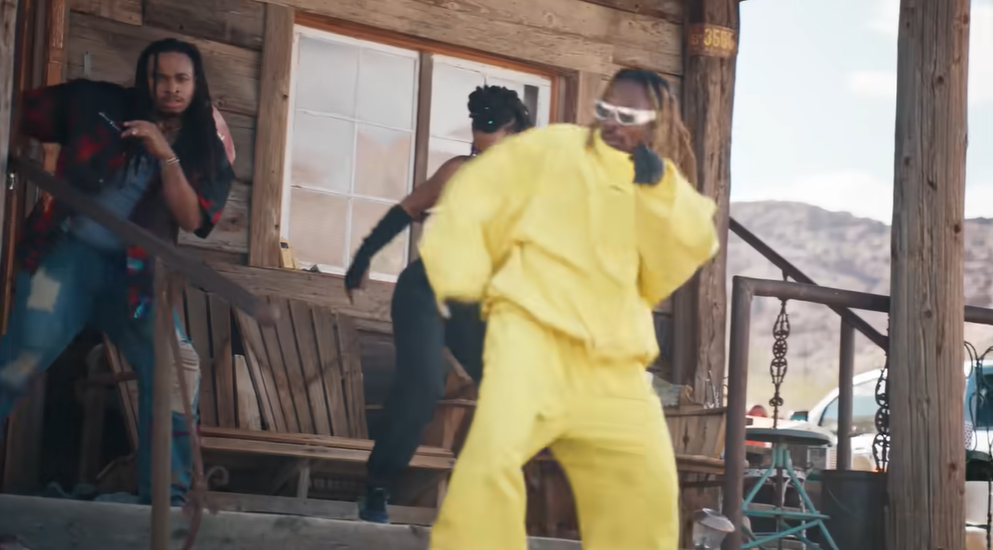
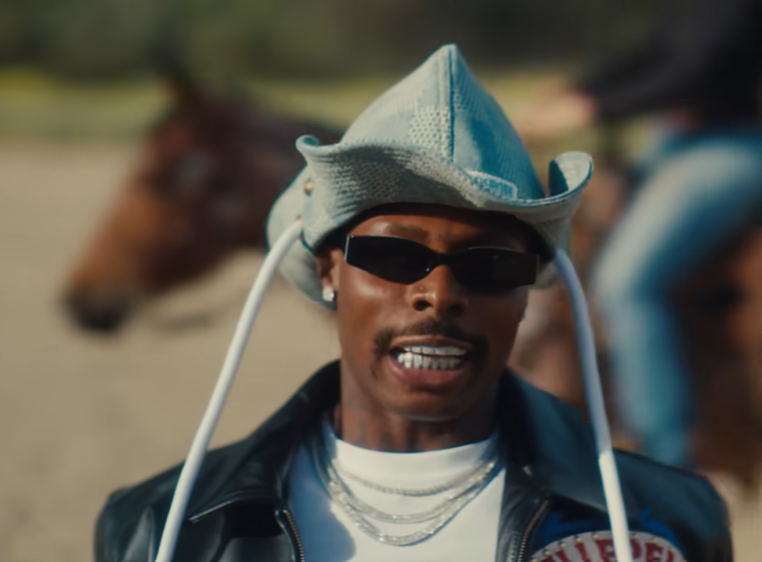
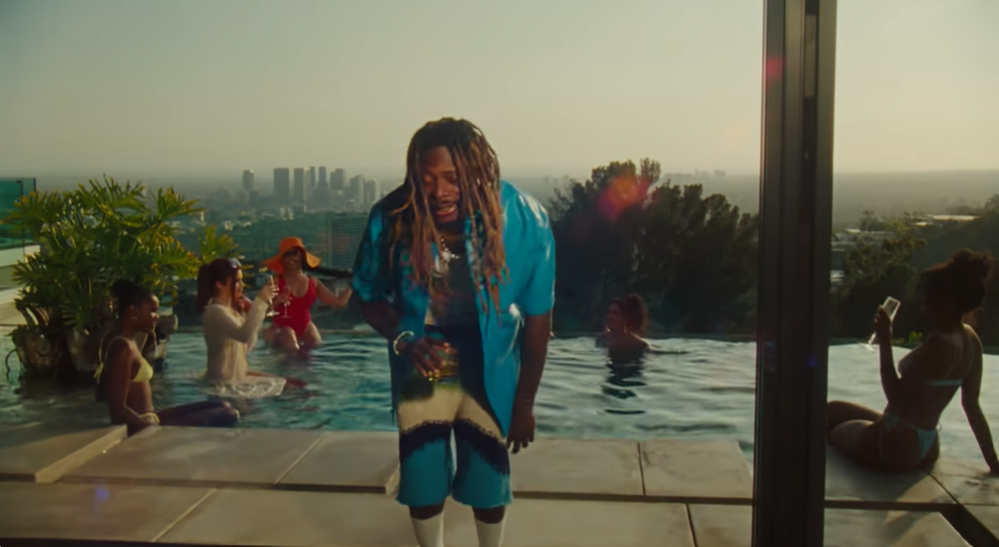
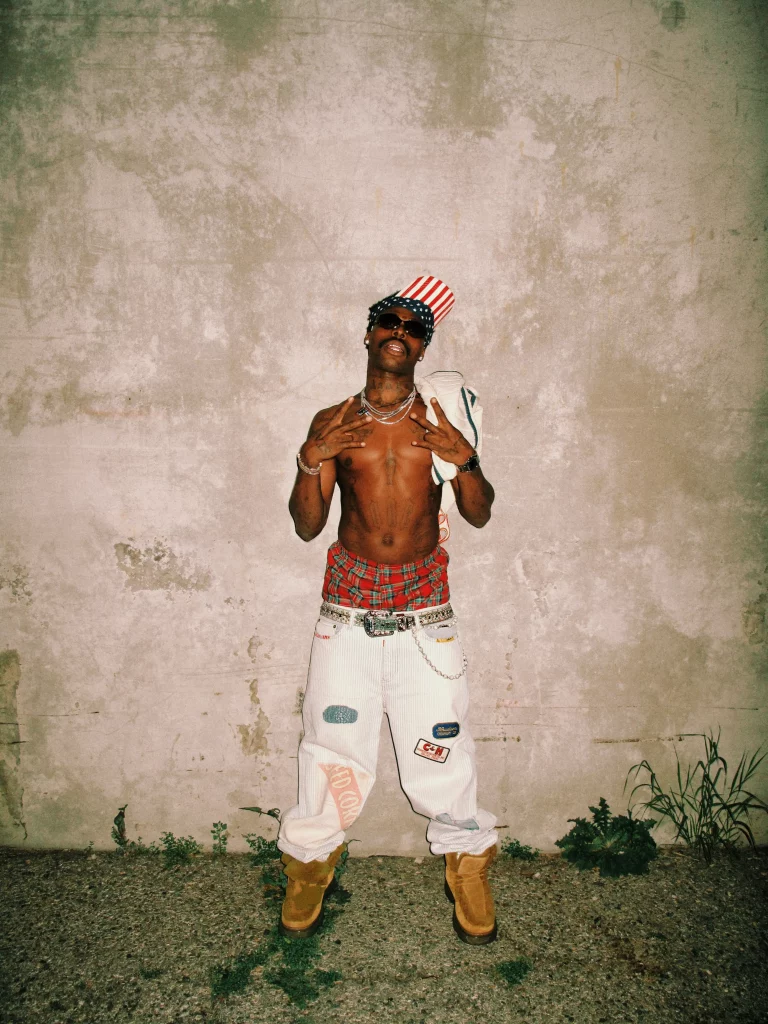
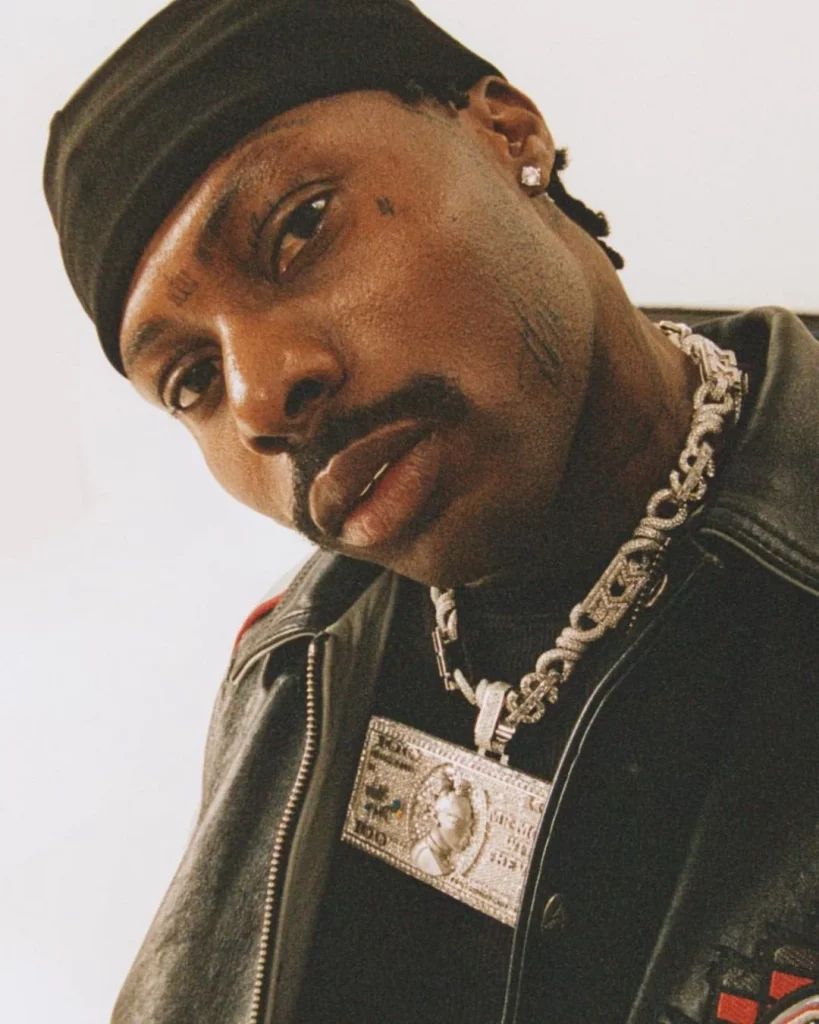
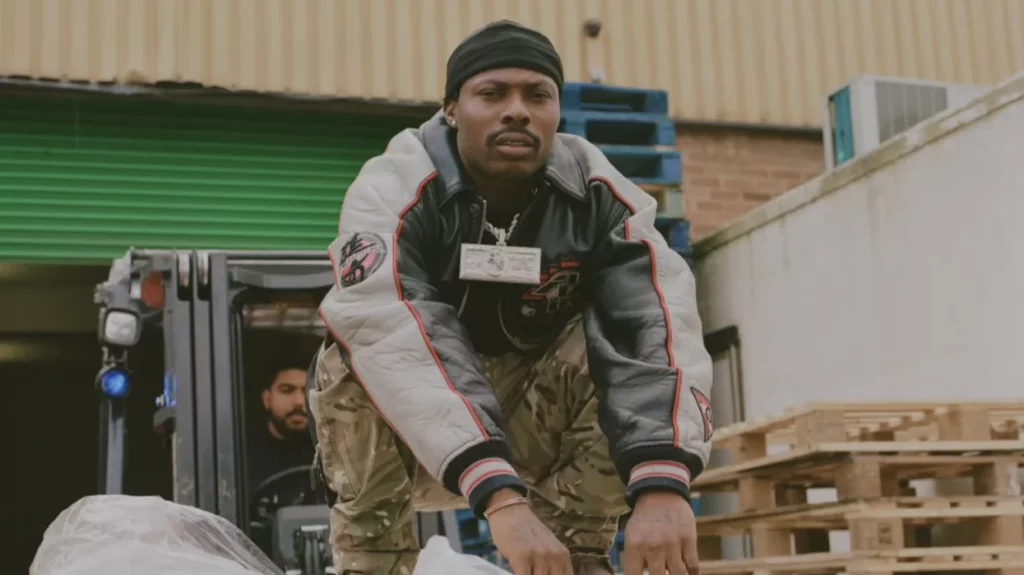
When Asake went viral with his 2022 hit Omo Ope featuring Olamide, his arrival on the scene was welcomed by music heads, from the streets of Agege to the silent parties at only God knows where. It was clear that a new music star had entered the group chat.
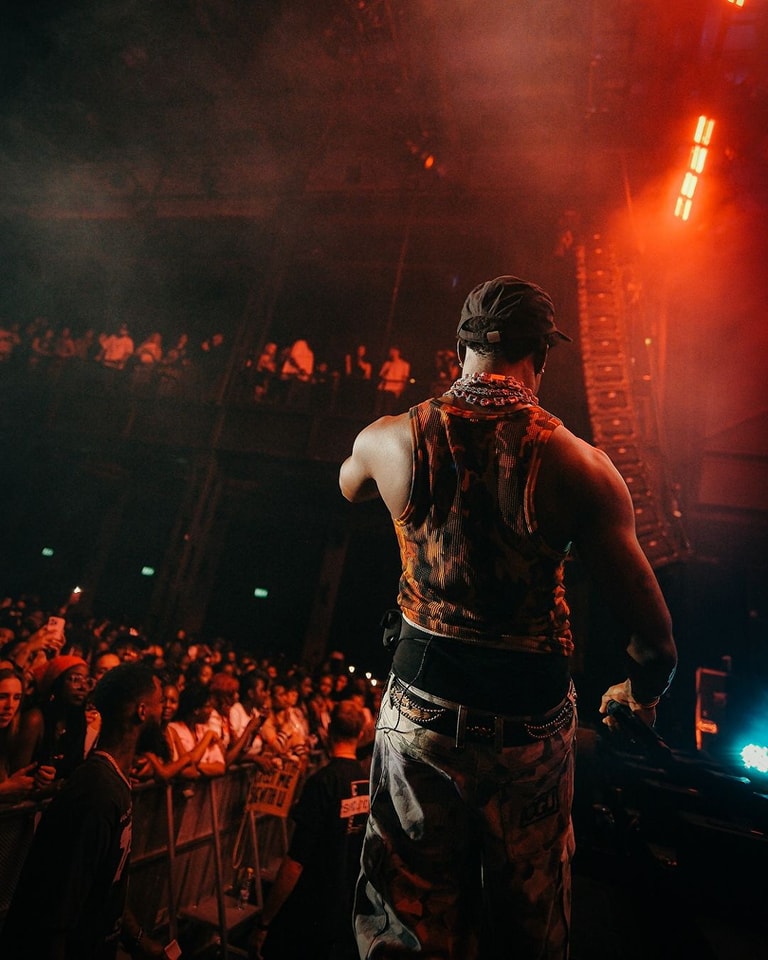
Last year he sold out the 20,000-capacity London O2 Arena following the release of his sophomore album “Work of Art,” a feat only the biggest names in Afrobeats, Burna Boy, Wizkid, Rema, and a few others have been able to accomplish. But Mr Money with the Vibe had only just started.
On September 21, 2024, Asake sold out London’s O2 Arena for the second time. How did he do it? We got busy deciphering the Asake blueprint for you to follow.
Build a cult following
It can’t be denied that the consistency of Asake’s music has kept his fans, both in Nigeria and abroad, loyal to him for years. Even before he became famous, he had a cult following in his days as an undergrad at Obafemi Awolowo University. Now, people don’t just love his music; they pay to listen and see him in concert.
Go global
We may argue from now till tomorrow that we shouldn’t depend on the white man’s Billboard chart. But its effect in propelling local acts to the global forefront can’t be underestimated. Asake’s first album, “Mr Money With the Vibes,” charted at number 66 on the Billboard US 200 chart and became the highest-charting Nigerian debut album of all time. His sophomore, “Work of Art,” also debuted at number 66 on that chart. In August 2024, nine songs from his latest album, “Lungu Boy,” appeared on the Billboard Afrobeats Chart. The world is listening.
Snag a Grammy nomination
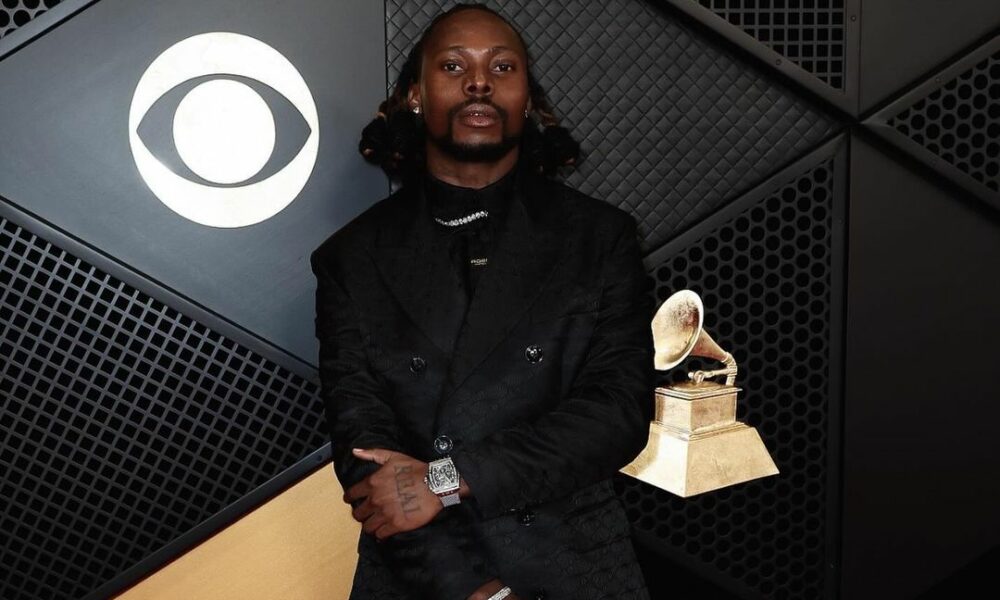
A Grammy nomination definitely helps if you’re looking to sell out the O2 twice. Asake’s Amapiano song with label boss Olamide bagged a Grammy nomination when the African Music category debuted at the awards for the first time this year.
Late-night show performance
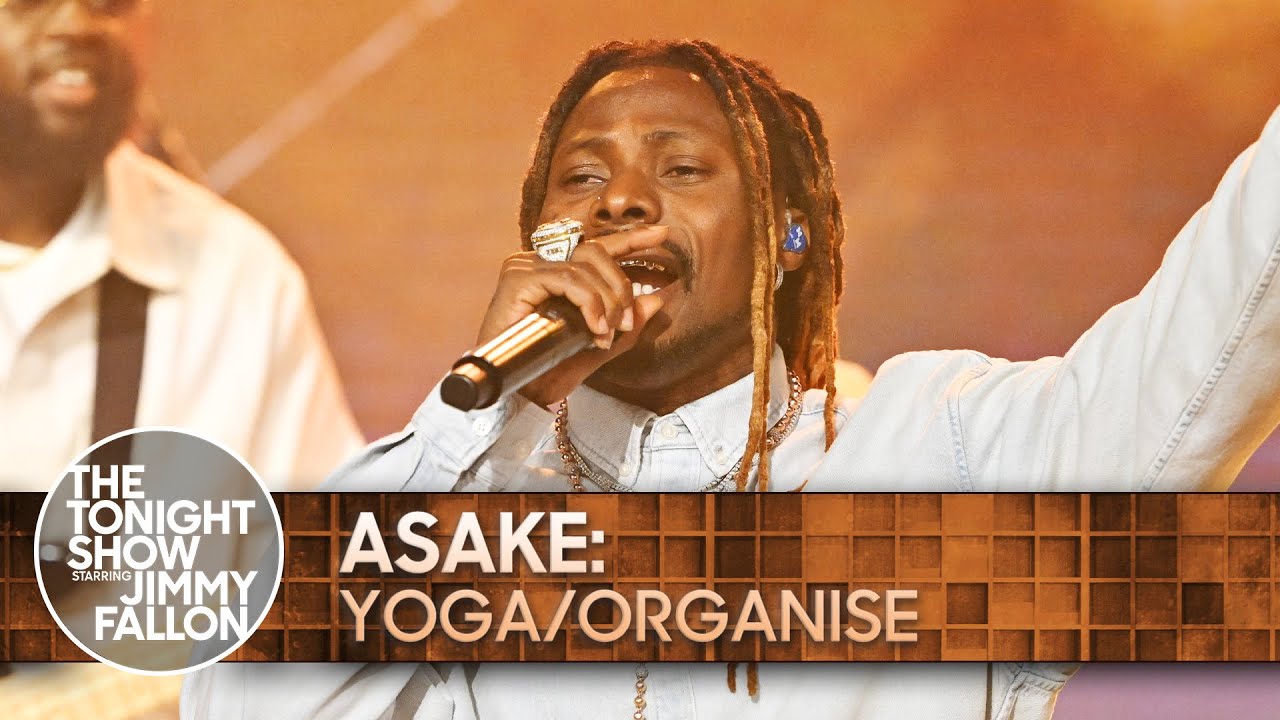
Performing at late-night shows has never hurt anybody before, certainly if O2 is in the future. Asake has performed his music at Stephen Colbert and Jimmy Fallon’s shows. Going on famous late-night shows like The Late Night Show With Stephen Colbert and Jimmy Fallon’s The Tonight Show to talk about and perform his music is effective in global standing strategy. Millions of people watch TV and YouTube globally.
Book the O2
After you’ve built a reliable and paying large audience that’ll be up for your party at 2 AM, the O2 Arena isn’t a bad venue. After all, it’s currently Afrobeats’ biggest hall, so book it.
You’re obviously the first citizen of the Giran Republic. We hail you.
You got #{score}/#{total}
You try small. But it seems you’ve missed out on more Asake videos than you think.
You got #{score}/#{total}
No go warm eba chop. Olodo.
Every meeting place has a designated name. Where smokers and mostly closet drug-addled folks freely indulge in Southwest Nigeria is called Lungu. Another interpretation of Lungu is ghetto. It could also signify a corner, a personal space, a comfort zone, or a place of abode.
This “razz Lungu” word has now found its way into pop culture and urban vocabulary and can be open to broader contexts. Your office space is your lungu. Your favourite hangout spot, your precious kitchen. This will be the Asake effect. “Lungu” is the adjective in his new album title. It modifies the noun Asake. It’s where the Nigerian singer finds a sense of belonging, his loyalty to his proletariat beginning, if not a specific nod to his Lagos Island origin. “Lungu Boy” is his third studio album, a speculated trilogy, just released after his modern classics, “Mr Money With the Vibes” (2022) and “Work of Art” (2023).
Start opens the album. Forty seconds after the sample of Asa’s Eye Adaba, a morning reverie, Asake sets the album tone. He’s a party rider. He sings, “Mr. Money killing show / Anywhere I enter, it’s a big intro.” After the mellow post-Work-of-Art singles, Happiness and Only Me, nothing screams “We’re so back!” more than those opening lines. He pleads positivity, and disregards distractions. “Me I wan free mind, make I no yarn too much / Elevate my mind, make I not talk too much.”
Mr. Money Sound (MMS) comes in next. Reflection is written all over this. This therapeutic type of production requires acknowledging a higher power, going down memory lane, waxing philosophical about vanity, or getting deep into the pain points of desiderium, as Wizkid’s verse expresses. One hears this type of performance from Wiz and wonders, “This guy talks?” It builds an expectation that he likely has more to say on his forthcoming album than recycled smug brags, canal tales and frolicking gists of his lovers’ musings.
The party finally picks up on Mood. It’s groovy, though not necessarily happy; it’s a mix of moods. Optimism is almost dimmed, and Asake contemplates with a resigned attitude. The fleeting emotions he sings about here is a universal phenomenon; it’s happening in every life. This song makes thoughts sober rather than turnt on a tipsy or drunk night. One may feel aligning chakras and white light on the forehead in more profound listening. The angelic “Oh, oh, oh, ohhh” between his verses shifts the song from a groove towards the realm of meditation. Asake repeats his first verse in the second but in broken Spanish. It’s hard to tell why he subjects us to español. Perhaps he’s learning a new language and testing his proficiency, or it’s the influence of Los Angeles living since his blow-up. Or maybe it’s an expansion move into Southern America, which makes sense considering the Bolero-styled bridge performed by French-Gabonese singer Anäis Cardot on the following track, My Heart. According to Asake, the song describes the kind of woman he wants. The song lyrics and love interest’s name, Marissa, further confirm his interest in the Latino experience, specifically a babe.
Adding that up with his global breakthrough in the music space, Worldwide takes the follow-up spot. In a larger context, Asake wants to be more than a guy from Africa. The tempo almost dragged until he gets Active with US rapper Travis Scott on a funky urban-fuji inflected with log-drums and a sample of Jazzman Olofin and Adewale Ayuba’s Raise the Roof. They’re hyperactive, junking on adrenaline. This song’s the album’s zinger!
Suru, the next song (meaning “Patience”), is admonishing, almost like Asake’s looking out for impatient people. The chorus bites Musiliu Ishola’s Ise Oluwa Ko Seni Toye. It features Stormzy, a UK rapper, to say that good comes to those who wait.
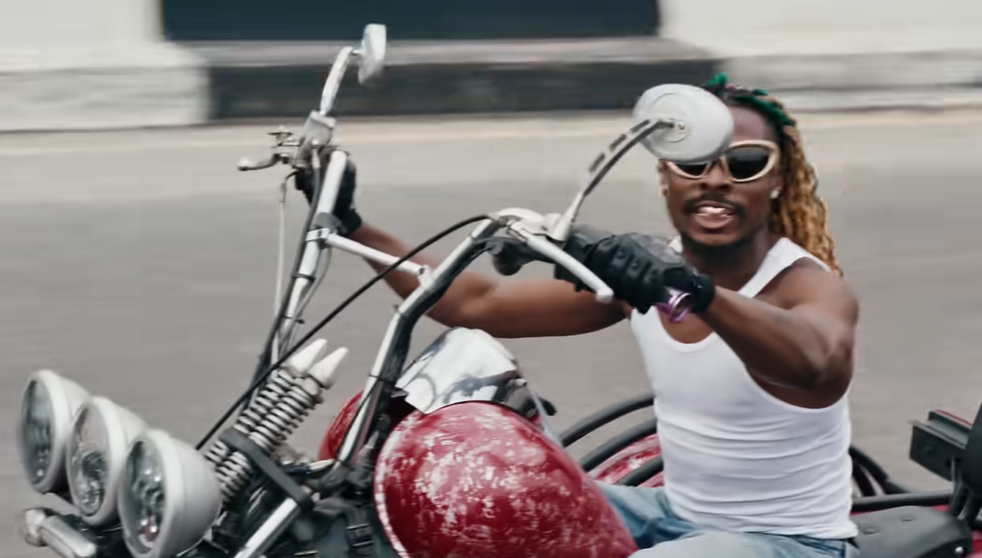
Asake picked up a new hobby turned lifestyle this year. It’s skating. The outdoor sport that was once a rebellious underground subculture and became popular through the likes of Pharrell Williams (Skateboard P), Lil Wayne and Lupe Fiasco is very mainstream now. However, it’s a developing culture in Nigeria. Not to be classist, but a younger Asake who possibly made a fun ride from a motorcycle tyre and a stick would likely look at the version with a skateboard with yearning and envy. As regular as skateboarding may be, it’s a boujee sport for those with nothing to think about other than survival. This song is about the joy of finding fun (again) in adulthood. Also, it’s interesting that a Nigerian artist sings about a fun activity that isn’t a vice.
Magicsticks, his go-to producer over the last two albums, finally sticks one production to us with Wave featuring Central Cee from the UK. It’s the twin to Active with Travis Scott, although it might as well be a Central Cee record. Far from peer pressure and insecurity cop-out, Mentally relates to nightlife spenders and hustle savviness impacted by street smart. He makes enough cash to disregard a lame. Uhh Yeahh comes up in the middle of a rave and possesses the party energy — Fuji, EDM and Jersey club music have become one spirit. This song gets the dancefloor going in the drench of sweat and deafening subwoofers. The beat is so hypnotic that Asake gets lost in the sauce. It’s a reminder that Sarz isn’t your mate. [ad][/ad]
As a Nigerian, one word at the tip of one’s tongue from birth is I Swear. The slang means “I’m dead serious”, and it needs no serious conversation to slip in. Here, the listener moves to Asake’s message of self-importance and love for luxury. At this point, this album has become a slow burner. Three songs to the finish, totalled at 48 minutes, “Lungu Boy” feels longer than his previous 30-minute-long albums that play incredibly fast and beg for a repeat.
Ligali is a term popularised by Fuji musician Pasuma Alabi over two decades ago. More than a reference to coitus stimulation, “ligali” encourages dancing and gyration. Asake continues to be influenced by Fuji music, a constant sonic element in his upbringing. Brazilian singer LUDMILLA joins Asake on Whine that melds Afrobeats groove and ragga-dancehall to advance Mr. Money’s quest into the Afro-Latin music market. He closes out with a live-performance version of Fuji Vibe, a long-time recorded song he played as an interlude during one of his shows. Its opening beat breaks share similarities to Olamide’s Wo, including their hyper-fast BPM. The thumps of gangan and omele drums, jazziness of modern drum set and trumpet, instrumental renditions of Adewale Ayuba’s Ijo Fuji, and Asake’s breakout single Mr Money, send the crowd into an àríyá (party) frenzy. Then it slowly descends into a Mara music vibe, carrying Gen-Z of the inner cities. This song will be as hard as any entry at the famous Oluyole West NG Carnival in Ibadan. Fuji Vibe will go down as one of the fans’ favourites.
With P.Priime credited as producer on the first four songs (Start, MMS, Mood, My Heart) and three others (Suru, Skating, I Swear), it now goes without saying who the producer of the year is. Sarz, P.Priime’s sensei, did the production on Worldwide, Active, Mentally, Uhh Yeahh, Ligali. The three remaining production credits go to Haitian producer SAK-PASE on Whine, Magicsticks on Wave, alongside Asake and The Compozers on Fuji Vibe. The album’s production value is elite.
Conclusion
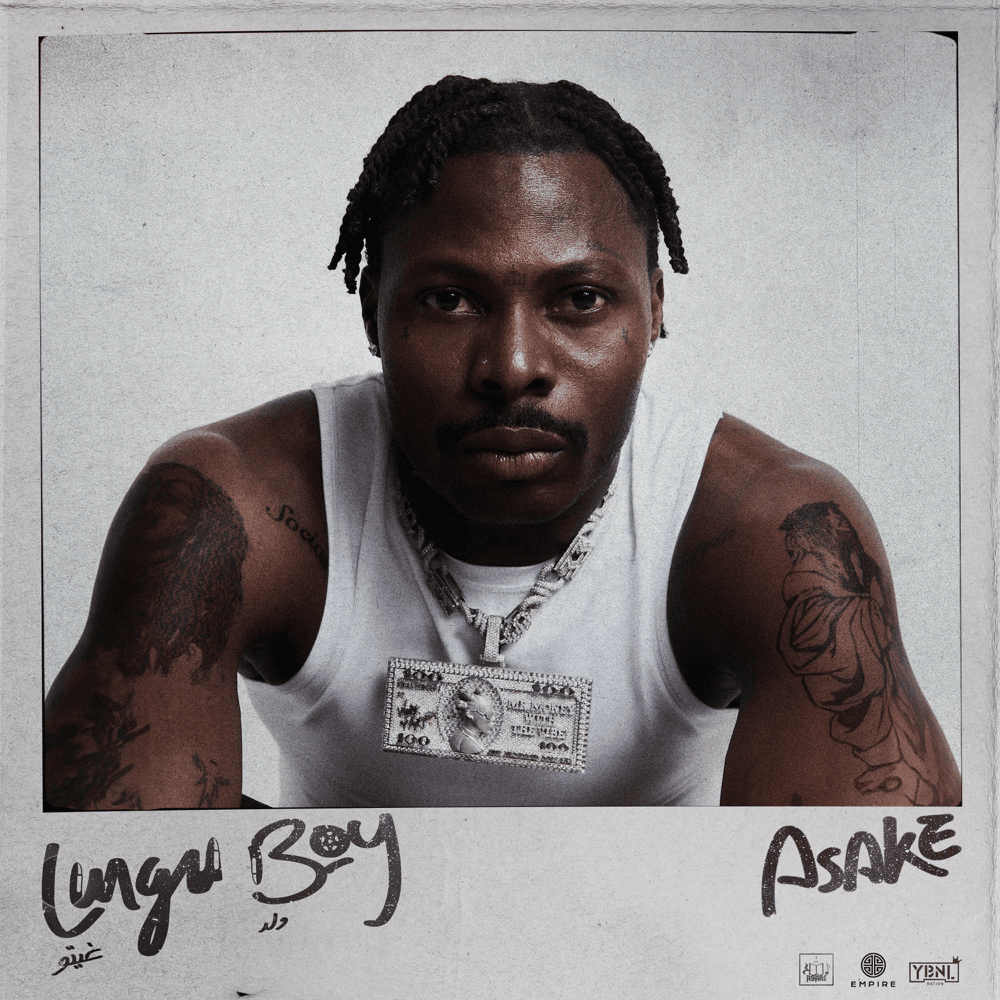
“Lungu Boy” is the repeat of stories he’s already told, laden on experimental Afropop, neo-fuji and urban-tungba. Rather than an autobiographical audio entry, this album is a party drilled in heavy, uptempo, ADHD-induced sounds, rigorous jolts, and dance moves. Although Asake remembers God and that he’s a vanity slave, there’s little reflection in the body of work, not what the title and portrait album art suggest. The music is hot on gaiety, ballers’ night out, house parties, counting cash and spending it on baddies with chop-life agendas. One wonders if these women are aware that he’s convinced that one drunk man is more intelligent than three women.
Asake’s performance seems more relaxed, but the music is still shindig and restless.
Compared to his debut album “Mr. Money With the Vibes (MMWTV)”, “Lungu Boy” is a slow-burner, just as his second album “Work of Art”. The difference is the latest album misses the preciseness of his self-written debut, and lacks the focus of the sophomore, his best. Perhaps the exclusion of Olamide, his label boss, in its songwriting is glaring. Or maybe this is a pushed work that fulfills and ends his YBNL contractual obligations. “Lungu Boy” seems to miss its intended message. It gives little to the ghetto kids. Nothing more than weak songwriting, surface music and steeze.
Considering the album hype and Asake’s reputation as a hit-making machine, the listeners’ conversation would be torn into an emphatic “Asake delivered” and a puzzled “What’s this?” Lungu Boy is an unsuccessful experiment, a 7/10 at best. It doesn’t feel like a convincing trifecta—at least not yet.
This is a premature evaluation anyways.
People will still dance to his music.
Speaking of Experimental Albums, We Reviewed Rema’s “HEIS” too.