When travelling across West Africa, you come across one too many interesting facts about the people who make up the area. You discover the things that distinguish us as West Africans and the things that make each country unique. The Jollof team just left Burkina Faso and here are some new things they learned.
Burkina Faso is a former French colony.
A brief history lesson here: just as Nigeria was colonised by the British, a lot of Africa was shared among other European countries such as France for colonisation purposes. The West African countries colonised by France were under a collective federation called French West Africa.
The federation consisted of eight French colonial territories: Mauritania, Senegal, Mali, Guinea, Ivory Coast, Burkina Faso, Benin and Niger. The capital of the federation was Dakar. The federation existed from 1895 until 1960. This should explain why the official language in some countries in West Africa is French.
Burkina Faso used to be known as “Upper Volta”
This was the name used during the colonial period. Upper Volta indicates that the country contains the upper part of the Volta River. When Thomas Sankara came to power, the name of the state was changed from Upper Volta to Burkina Faso, meaning “the homeland of upright men.”
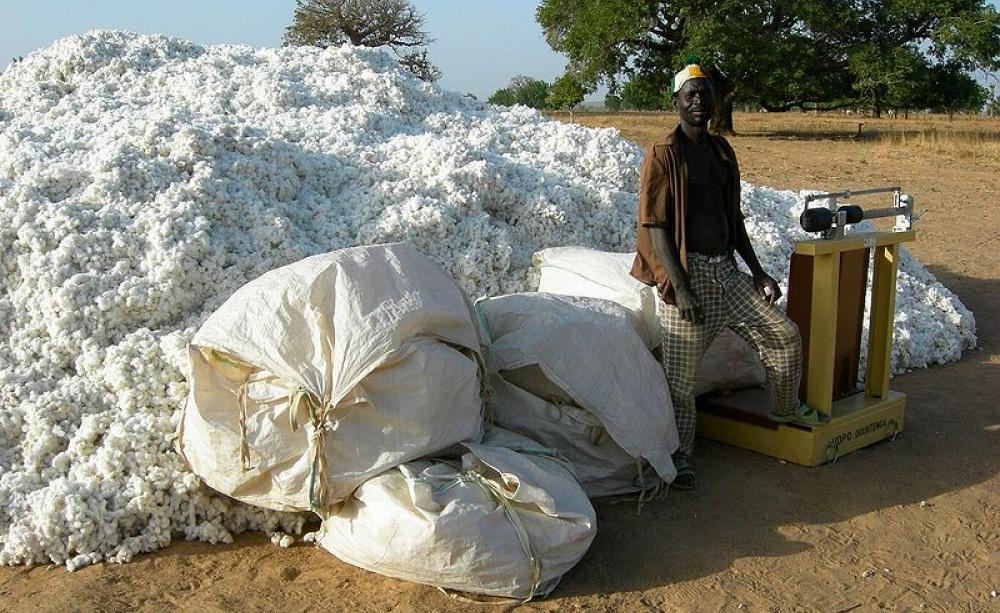
In Burkina Faso, Cotton is “white gold”
Apparently, Burkina Faso is one of Africa’s largest producer of cotton. Local farmers call it their ‘white gold’. Cotton is the mainstay of the country’s economy, earning over 200 million dollars in revenue each year.
Burkina Faso wasn’t a country for a period of time.
The French only colonised it because it was a bridge between their coastal territories of Benin and Ivory Coast and their desert holdings in modern-day Mali and Niger. It even stopped being a country for 15 years from 1932, when it was carved up between its more important neighbors.
A six-day school week
The school week runs from Monday through Saturday. But schools are closed on Thursdays.
For more indepth stories about West African countries, follow the Jollof team on the Jollof road. They’re on Twitter, Facebook or Youtube. You can also subscribe to the Telegram or WhatsApp channels for all the behind the scenes gist.
So you live in Lagos, or somewhere in Nigeria and you feel like you need a break from the stress of being Nigerian or living in Nigeria, you don’t have to look far out when you’re thinking of places to run to and hide for a few days or weeks.
The Jollof road team has been travelling through West Africa for the past 55 days. They’ve been telling a lot of deep stories about what it means to be West African in West Africa today, meeting people from Marlians to foreigners who can zanku better than the average Nigerians. But importantly, they’ve been chronicling some of the places you should go to for your next vacation. If beaches are your thing, then this article will recommend five beaches you should consider putting on your travel wishlist.
1. Grand Popo, Benin Republic
Labadi Beach, Ghana
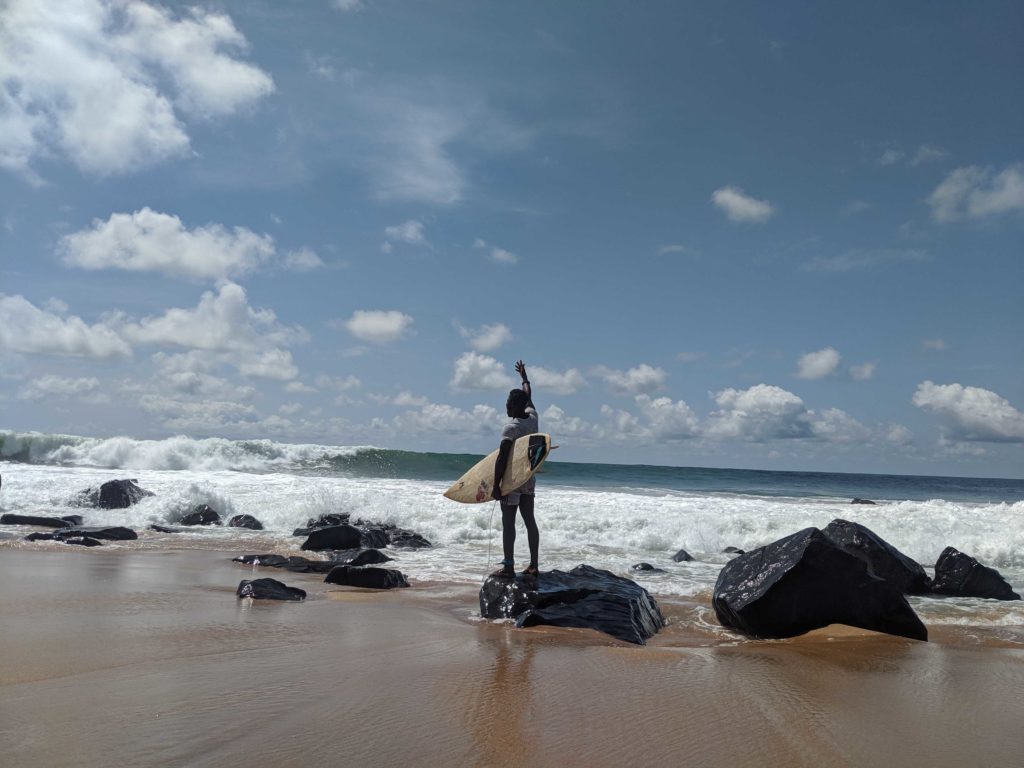
Robertsport Beach, Liberia
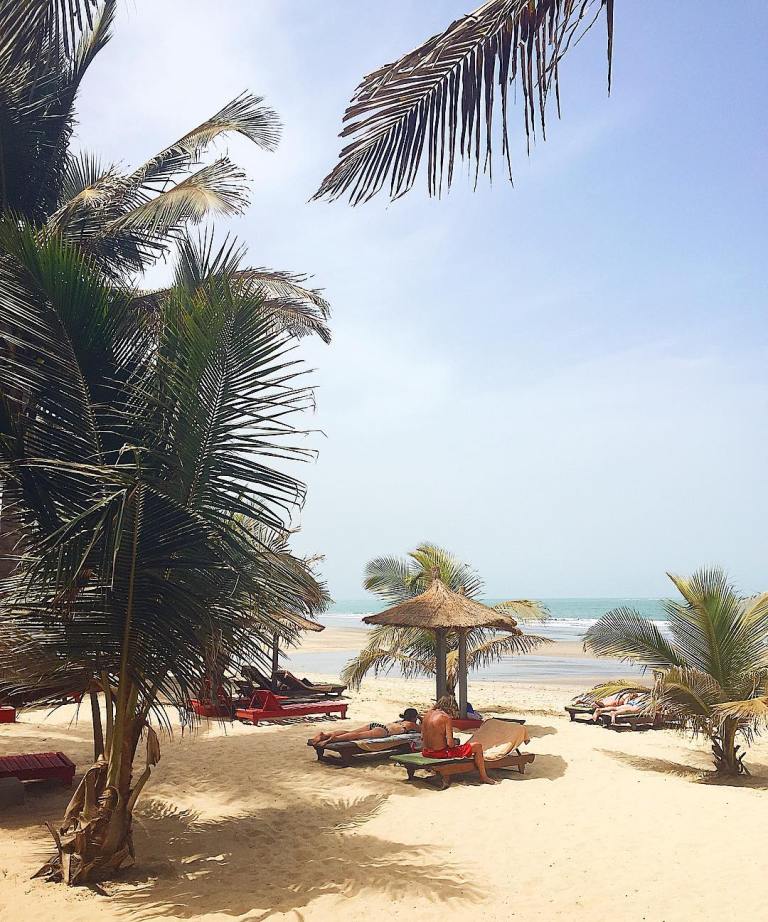
Kotu Beach, Gambia
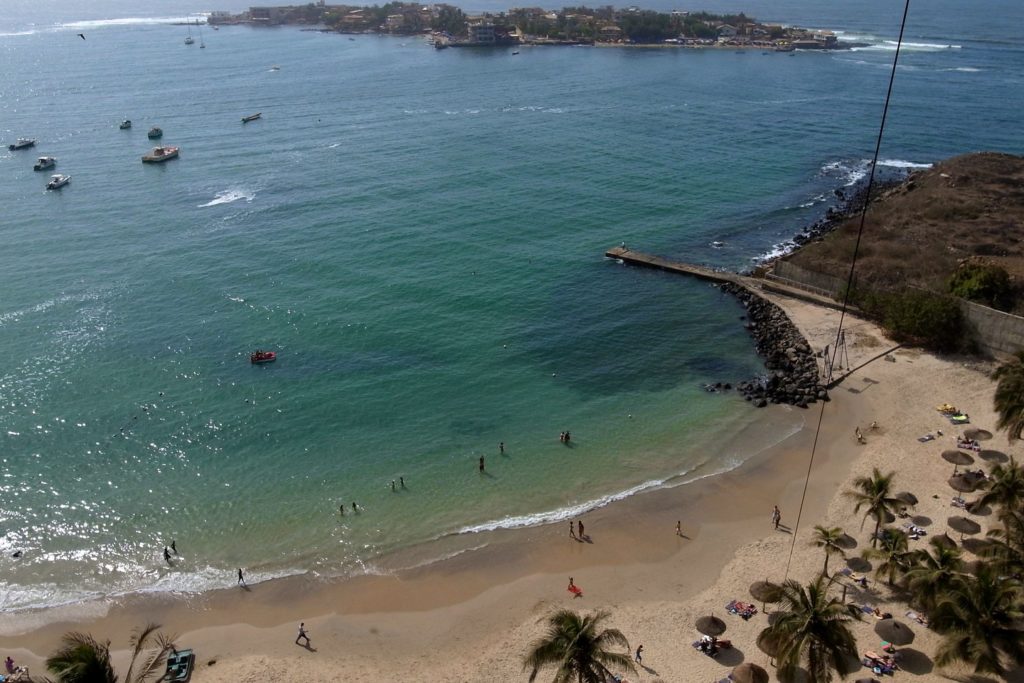
Ile De Ngor, Senegal
When planning a vacation, no one ever really thinks of Sierra Leone as a holiday destination. But I’d like to change that.
Sierra Leone is a small country with a population of about 7 million people. It is famous for “blood diamonds” that were mined and sold during a civil war in order to purchase armaments. Fascinating, right?
There are also many cool attractions that would leave you in awe of the country’s beauty. Here’s a list of things to do while in Swit Salone:
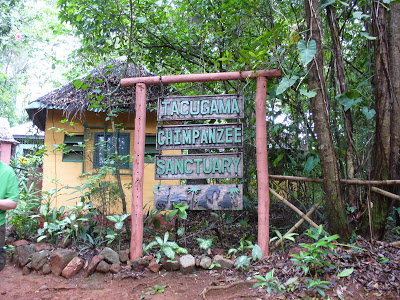
Experience Nature & Wildlife at the Tacugama Chimpanzee Sanctuary
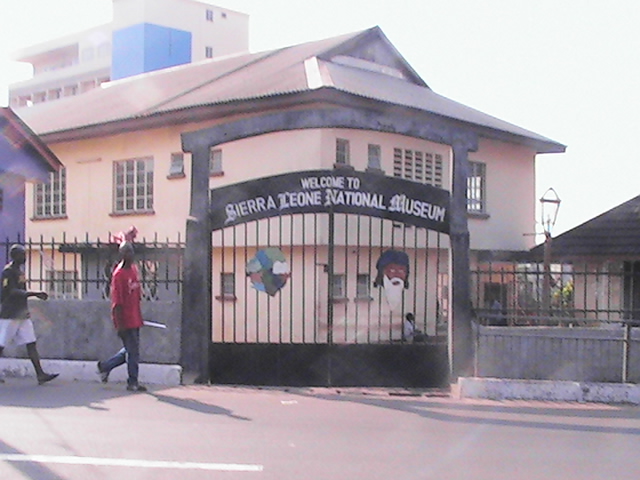
Let your inner History buff out at Sierra Leone National Museum
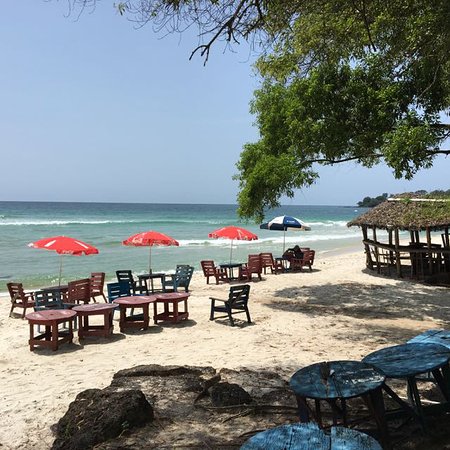
Take a dip in the ocean at River Number Two Beach
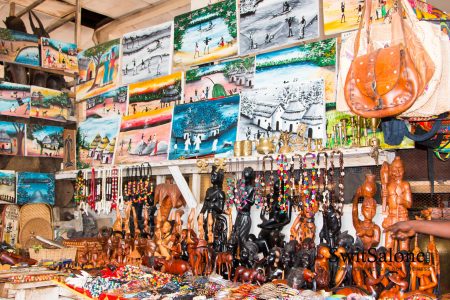
Stock up on some Salone souvenirs at Big Market
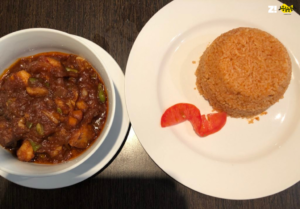
Be plunged into the world of bomb rice at Crown Express
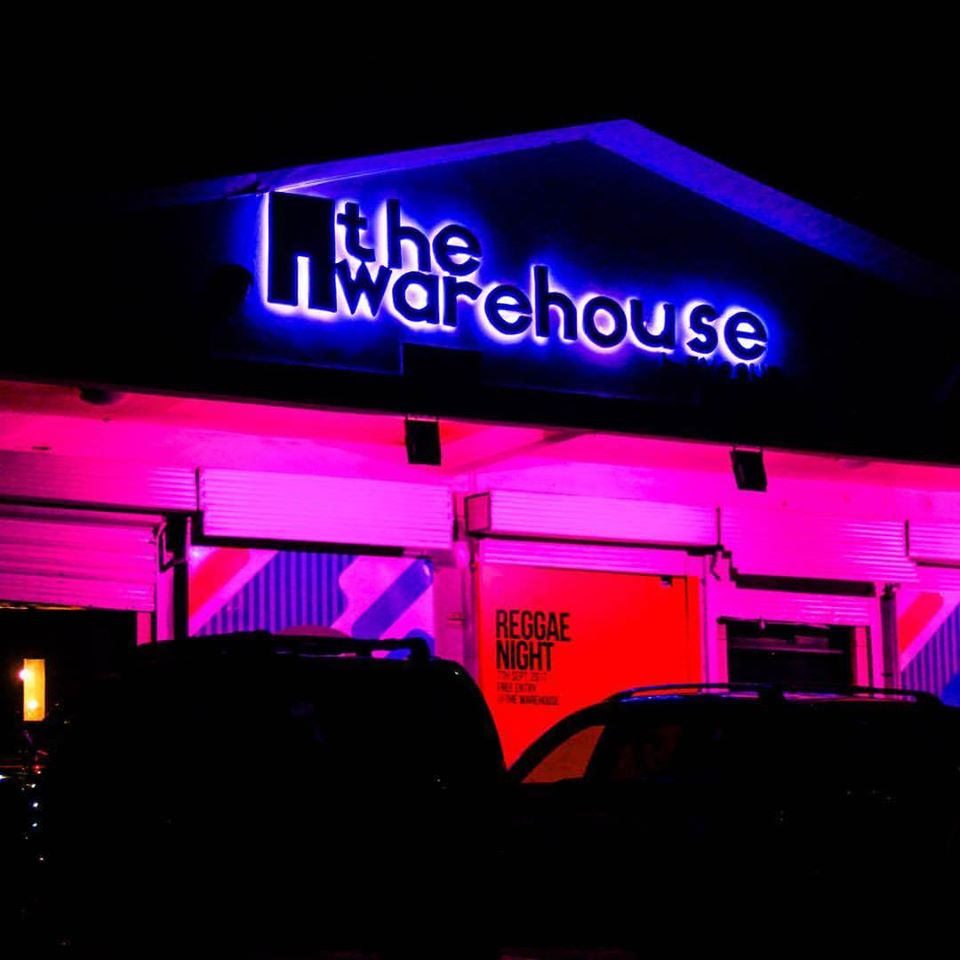
Unwind after a day of exploring at The Warehouse
The Jollof Road squad was in Sierra Leone for a few days. Find out what they got up to here.
Every week, Zikoko seeks to understand how people move the Naira in and out of their lives. Some stories will be struggle-ish, others will be bougie. All the time, it’ll be revealing.
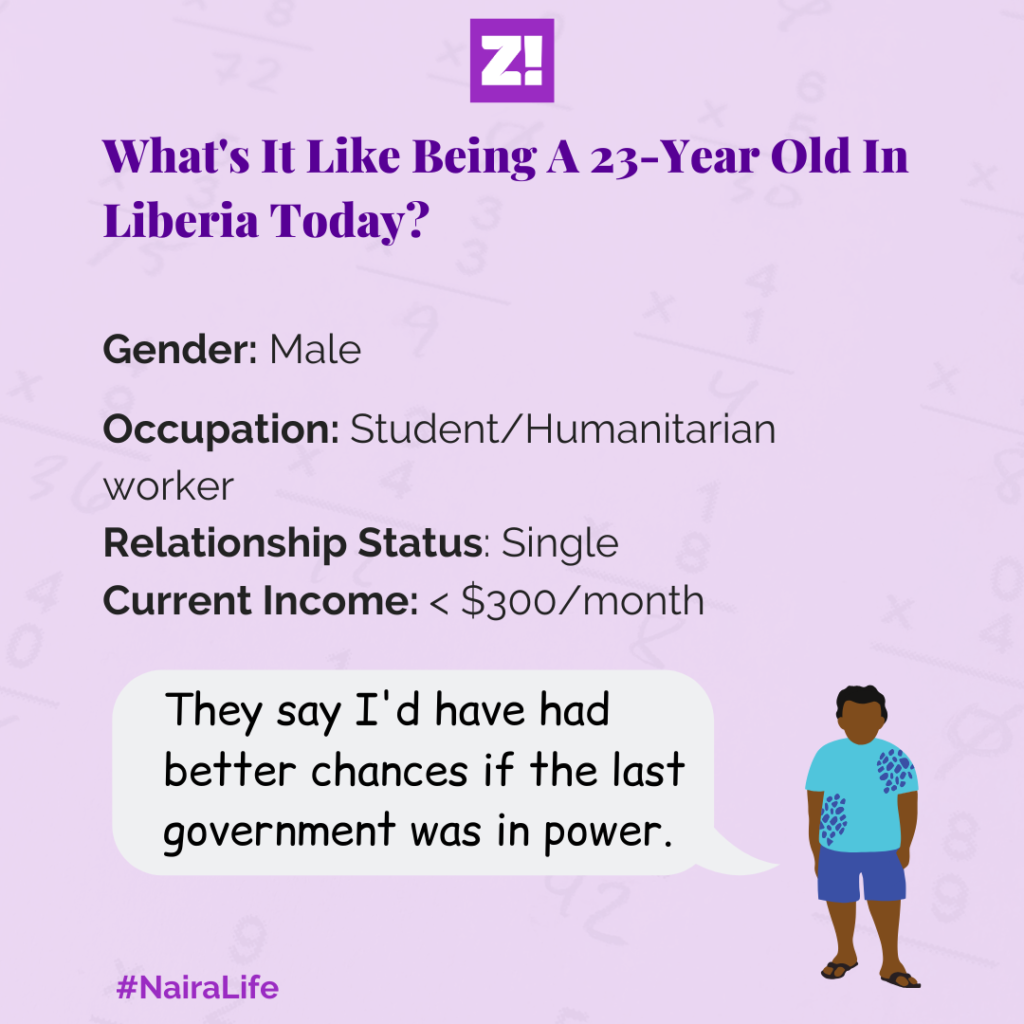
The subject of today’s story lived in Nigeria for a while, but he currently lives in his home country, Liberia.
Tell me about that first cash that you felt was yours.
Let me start by saying I’m the laziest person I know. When I was a kid, my dad wanted to imbibe reading as a habit into my siblings and I. So what did he do? He’d give us a reading challenge – a book – and then he’d give money to whoever finished first. I always finished first and got the money. This is where the laziness came in. Because I hated doing my laundry, I’d bribe my sisters with the money I got so that they could do my chores. Everyone was happy.
But my first real gig was teaching on holidays at a secondary school while I was in Uni. I was getting paid like ₦15-20k per month, in 2012.
Okay, post school?
Some quick context before we continue, I haven’t lived in Liberia all my life. I actually moved back here after University in 2015.
You lived in Nigeria.
Yeah. I wanted to go to Law School here in Liberia – it’s three years – but what happened was, people that were supposed to enter Law School in 2014 didn’t start till the next session in 2015.
Why?
Ebola. Everything stopped, including school. So that means that I couldn’t go to Law School immediately. I gained admission for a Masters Degree in the UK, but I couldn’t afford it. My parents couldn’t too.
So, still in Nigeria and feeling a little trapped, I applied to volunteer at an NGO. I showed up at the interview, and somehow left with a fulltime job. The gig paid ₦60k a month, and this was 2016. I worked with some of the most amazing people there. But then I left after a few months.
Something else clicked?
My Masters. My parents raised that money, somehow. After my Masters, I made up my mind to move back to Liberia. So in January of 2018, I moved back here. You want to hear something funny?
Hit me.
I celebrated one year of unemployment in January this year.
That escalated quickly. What were you doing for one year?
I’d come back to Liberia with the hopes of making a difference in my country. I was coming back as a 22-year old with two degrees. I know in Nigeria where you’re coming from, that’s pretty normal. In Liberia, it’s not. Because if you grew up in Liberia, you’re not finishing your first degree till you’re in your late twenties at best. That’s what happens when you factor in a cumulative 14 years of war.
For example, I worked as a lecturer briefly – I’ll get to that part – but most of my students were older than me.
So, it wasn’t completely rare, but you don’t just run into a 22-year-old like me everywhere you turn.
I had big prospects coming back to Liberia and making at least $600 a month, working in the government. I’ll give you context to understand this number.
I’m listening.
I almost got a job to work with the EU delegation in Liberia for a media role. I was shortlisted, but I didn’t get it. That job would have paid me $2000.
In Ellen’s government, I was more confident about getting a job. But when I came, the government had changed, and this government was employing based on party alliances. There’s a song people sing now, it’s called “In The Photo”.
What’s that?
“When they took the photo, I was there. But when the photo came out, I was not there.” Basically, people are saying ah, when you were campaigning, I was there. Now that it’s time to reap the rewards, I’m not there. People loyal to the ruling party still can’t get jobs, and they’re the priority.
Inside life.
I remember going to one Bureau, and the man looked at me and shook his head. He said, “If you had come under the last government, you would have had a job by tomorrow. But look,” then he brought out a list. 40 people. “These are the people I’m supposed to assimilate into my jurisdiction, and I don’t even have the need for 10 people.”
I said, oya let me work for free. He said, “I don’t even have space for you to sit down.”
Case closed. What did you do for the one year?
I started writing. I really had nothing else to do.
I’m trying to draw a straight line from this writing to how food entered your mouth. Help me out.
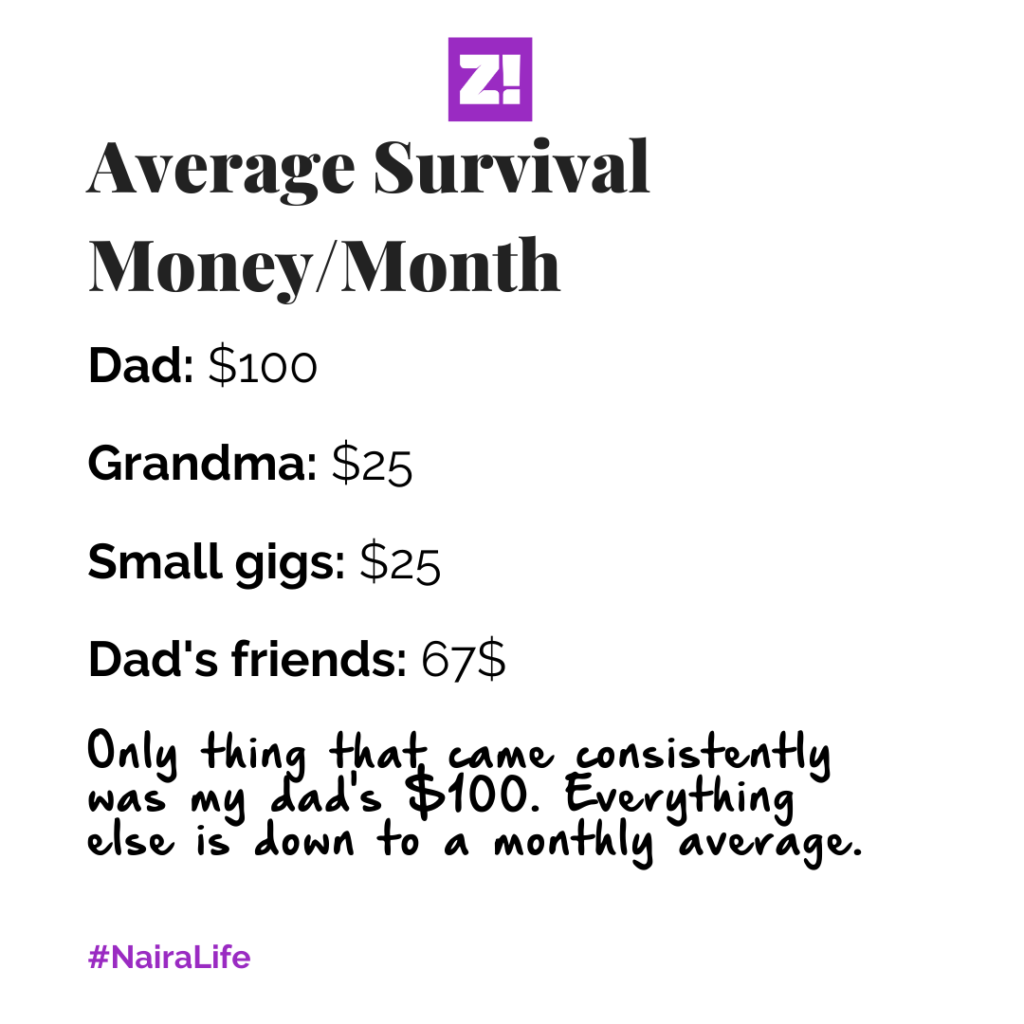
Ah, my father sent me money every month, since he’s the chief supporter of me coming back to Liberia – he’s not in the country, by the way. He helps his boy, as my boss meh. I started helping people research whatever they were working on, for school or work – about six in total. Also, my father has plenty friends, so when I first came back, all those “Ah how are you?” handouts helped a lot.
How did you end your job drought?
My dad came visiting for something else, but it was a good time to have a sitdown. And he went, “You’ve been here for a whole year, and nothing’s happening. Your mother and I have been thinking, and we’ve concluded that we don’t have $100 to be giving you every month.”
I mean, I understood what he was saying. He’s always had lots of mouths to feed. Every Liberian family fortunate enough, definitely has a lot of mouths to feed. Not like he’s a rich a man.
By the end of the conversation, we settled on a February deadline for my last $100.
My uncles said I came at the wrong time. “When Ellen was here,” they’d say, “there were a lot of NGOs and International Organisations.”
Back to your dad’s deadline. How did that go?
I somehow managed to get a teaching job. I wanted to teach at the Government University, that would have paid me like $300-400 per month. The process was taking too long. Another Private University I applied to gave me an offer, and I was hired.
Also, I applied for an internship at an NGO, and got that. My job there was to work with them in documenting stories of change in Liberia, and it felt good to be part of that. Because of this, I actually made up my mind that I was going to teach for only one session, so that I could perhaps, end up working full time for the NGO.
So, I was teaching thrice a week, one hour on each day. I was getting paid $120. Then the NGO is paying $150.
I freelanced on small research projects too, but it hasn’t come consistently, or paid significantly enough for me to really think of it as a proper source of income. It’s fetched only about $300 this year.
Oh wait, another window opened.
What?
Remember when we talked about Law School? I got admitted, so it was extra incentive to leave the teaching job. That’s costing $1500 per semester for tuition, but my parents are covering that.
2019 looks super packed and busy! And you’re juggling this with the NGO?
Yeah. Although, my current contract with the NGO just expired. We’re currently negotiating new terms, and that might pay me between $300-$500, hopefully.
What are your running costs these days?
Tithe: $50
Data: $30
Transport and stuff: $30 x 4
Obligations: $50
I’m curious, what does $500 fetch you in a city like Monrovia
It’s decent. The place I want to get for example is in an estate. It’ll be a two or three-bedroom apartment and I’ll be spending about $150-$200 every month on rent, if they don’t ask for a six-month advance that is. Most people I know pay their rent on a monthly basis.
There are apartments that go for up to $1500 per month, fully furnished. Those ones tend to go to the expatriates, and there are a lot of them in Monrovia.
Also, food is not expensive here. I asked my aunty, and she said $25 is enough to cook Jollof Rice for 5 people. Keep in mind that the portions are larger here, and it’s generally richer that y’all’s Jollof. There’s meat, fish –
– Let’s be civil, please.
Hahaha.
Talking about expatriates, I haven’t heard you mention the Liberian Dollar since we started talking.
Yeah, we juggle the two currencies. If you’re working for the U.N. for example, how often do you have to interact with the Liberian Dollar? You’re not buying Pure Water or food for Lapper-Be-Door –
Lapper be what?
Wrapper. Be. Door. It’s like Bukas in Nigeria. They call it that here because most of them have wrappers as doors.
Ohhhh.
So yes, there are people in Liberia that rarely use the Liberian dollar.
How are salaries paid then?
Some places give you in LD, some pay 50% LD, 50% USD. Government pays roughly between the two currencies. The USD is generally more stable to be paid in.
Talking about stability, how unstable is the LD?
It just became unstable two years ago. Before, it was plugged at 100. At the beginning of 2019, it wasn’t even up to 200. Now it’s 210 to the USD. People live in the country with two currencies.
I actually gathered some of my thoughts about it here. What do you think?
It’s amusing how strange it is to you. This is how it has always been in Liberia. And there’s a long Americo-Liberia history about it that we can’t even digress to right now.
How much do you imagine you’d be earning five years?
Over a $1000 for sure. I’d be working with an international NGO, with a Law Degree. The good thing is, I’m schooling and working. So I’m building my work experience while getting another degree.
You keep talking about NGOs.
Yes, those are some of the most aspirational jobs here. And then the government. During Ellen’s government, salaries and benefits were huge. Now, it’s mostly cost cutting. Even some of the NGOs have left. But I still want to work in government. I feel like there’s only so much impact you can make from the outside.
Another thing is, Liberia doesn’t have that big of a private sector.
How do you use money here?
I just put it in my wallet. I haven’t gotten an ATM, because I don’t need it.
Is that just you or it’s a Liberian thing?
I think it’s a mixture of both. Because most places you’re going to buy things, there’s no POS. The only reason I’d eventually get an ATM is so I don’t have to queue at the bank. Then there’s also mobile money.
About you now, how would you rate your financial happiness? Over 10?
Three because I could be making more money, but this is the part where I take a small step back, so I can make more money in the future. Because I’m trying to get a law degree full time – it’s three years here – I can’t give work the full time attention it should be getting.
So every time I think about it, I just tell myself, a little patience, man. A little patience.
This conversation was had over lunch at a restaurant in Monrovia in Monrovia a few weeks ago, while on the JollofRoad. The best part? Food was paid for with my Nigerian account; A scan from my app. And pim pim, done. It’s Ecobank Pay.
The Republic of Benin is Nigeria’s next door neighbour. Although we have so much in common, a WHOLE LOT of us do not know anything about the country.
The Jollof road team was in the Republic of Benin for a short time. While there, we got so immersed in the culture that we can now call ourselves experts in it. Take this quiz so we can school you a little.
Watch the Jollof Road team during their time in Cotonou, Benin Republic and visit jollofroad.com to learn more about Benin Republic.
So far on Jollof Road, we’ve visited four countries. But nothing comes close to the dynamic experience we had while we were in Ivory Coast aka Cote d’Ivoire aka land of Jesus’ 13th disciple.
So here are four places you should visit if you’re ever in the coastal city. Do it!
Our Lady of Peace Basilica
If you don’t stop by this monumental beauty, your trip will be incomplete. Why? Because it’s the largest church in the world. It is located in Yamoussoukro – the political capital of the country and birthplace of Felix Houphouet-Boigny, the first Ivorian president.
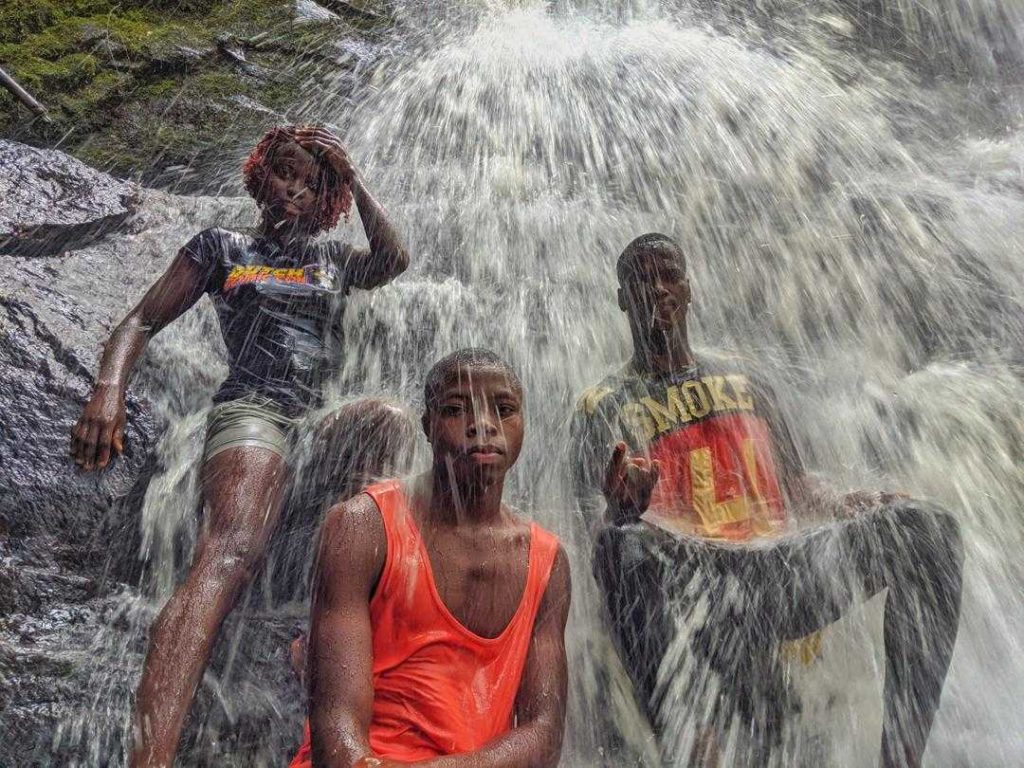
Waterfall in Man
If you enjoy the view of water cascading down layers of rock or are just a Mami water, this is the place for you. However, to avoid getting overwhelmed by screaming teenagers, pick a weekday to visit.
Pont De La Victoire
In English, Pont de la Victoire translates to Bridge of Victory. It is located in Grand Bassam. In 1949, the bridge was constructed to memorialise a women-led march that fostered the rescue of Ivorian nationalists.
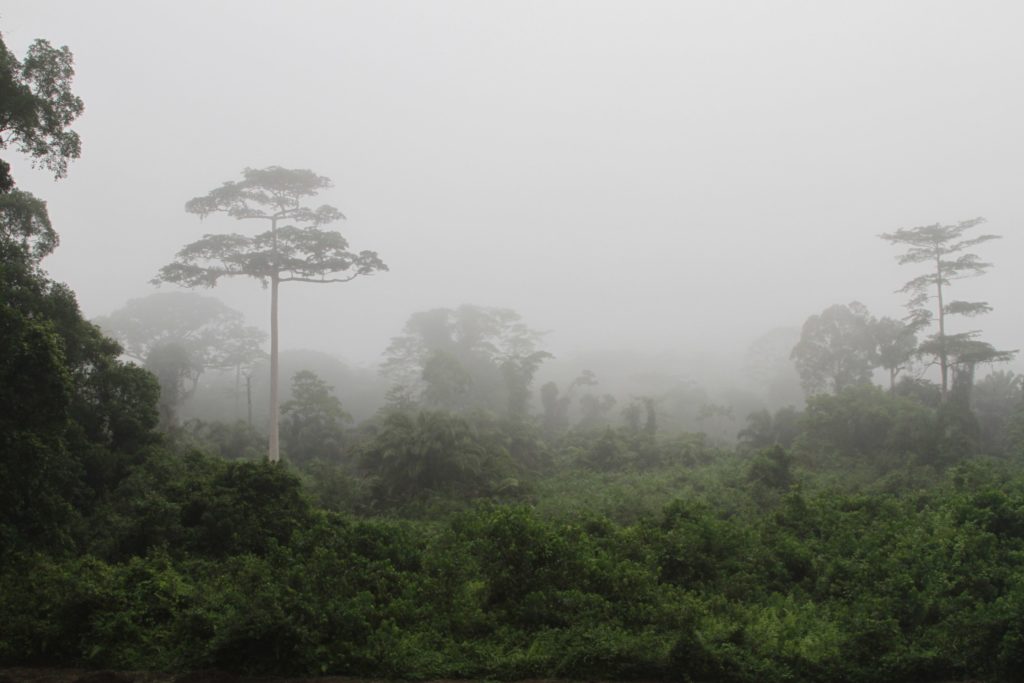
Tai National Park
This national park was established in 1972. It is located in Bas-Sassandra. It preserves one of the last areas of primary rainforest in West Africa. And in 1982, the park was marked as a World Heritage site.
Rainforest
Comptoir Des Artisans
Comptoir des Artisans is both a restaurant and concept store selling art, jewellery etc. It is located in Abidjan. The restaurant can transport you to France with its fancy cuisine. And most importantly, it’s the perfect spot for the hippies.
Forget all the noise about leaving Nigeria for Canada (your so-called real country) for a moment, what if your real country is actually a West African country? Have you thought about that?
Well, since we left Nigeria and have been exploring countries on Jollof road, we discovered that our neighbouring West African countries are actually not that bad oh. Now, we would like to help you choose your new home.
One meal that connects all of West Africa is Jollof rice. Although we have different names for it and can never agree on who has the best recipe, Jollof rice has overtime become a West African marker.
However, travelling on the Jollof road, the team discovered that beyond Jollof Rice, we have so many similar meals. They left Nigeria on the 22nd of September and since then, have been to four West African countries: Benin Republic, Togo, Ghana and Côte d’Ivoire. In each country, they’ve discovered so many similarities especially in terms of food.
It’s World Food Day, so we decided to compile a list of different Nigerian foods and their #JollofRoad country version.
Eba
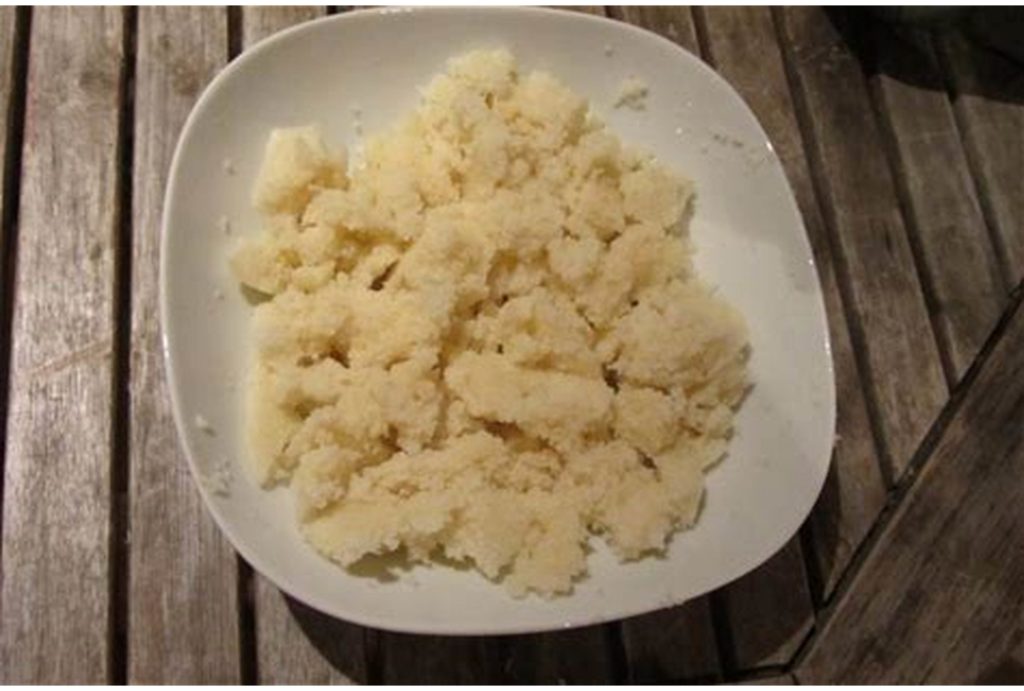
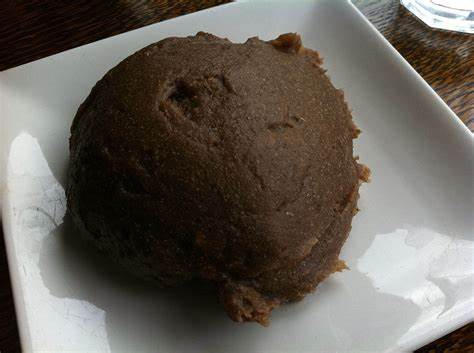
Attiéké (pronounced A-CHE-KE) is a traditional Ivorian dish. Let me tell you, Attiéké and Eba are one and the same. The only difference is that while Attiéké is cooked in tiny lumps, Eba is cooked till it’s a firm dough.
Eba
Attiéké
Pounded Yam
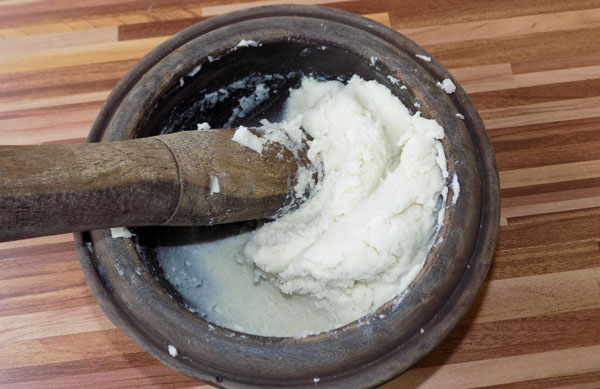
Igname Pilée (pronounced EE-nyam Pee-lay) is the Beninese version of pounded yam. It is also eaten in some other parts of West Africa. And as the name suggests, it is cooked with boiled yam. And someone’s sweat, possibly.
Amala Lafun
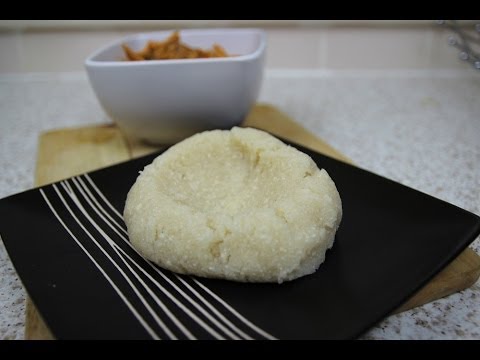
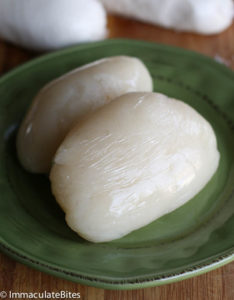
Amala is known as Pate de Manioc in the Republic of Benin. Wherever you are, legend has it that every consumer of this epicurean goodness always succeeds in life.
Okra
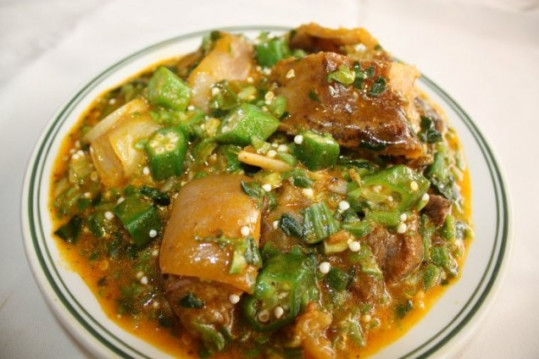
“Le Gombo” is the Ivorian name for Okra soup. It’s also the same name in some other West African countries. The Nigerian and Ivorian version have similar recipes. You either hate it or love it. There’s no in-between. Absolutely no grey area here.
Ivorian
Nigerian
Fufu
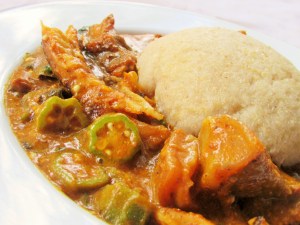
Across all the Jollof Road countries we’ve visited so far, Fufu has been the most common. It’s usually accompanied by different soups that are specific to each country and as a result, the taste is never the same.
Watch the Jollof Road team tell us about some of these foods:
On October 7, we (the Jollof team) headed to Abidjan, Côte d’Ivoire from Cape Coast, Ghana. Our experience in Ivory Coast started off on the wrong foot – arrogant officials at the border at Elubo and then, rude staff at the hotel we lodged at. It felt all too familiar; Abidjan reminded us of Lagos with its striking similarities – from the food to mad drivers, the city had it all.
In case you missed it, here’s a rundown of everything that happened while we were there:
We discovered Attieke!
Attieke is a staple food in Cote d’Ivoire. It is made from Cassava and looks just like Eba, a staple food in Nigeria. Thesquad tried it with some chicken and you bet it was so good.
We met so many cool people!
There was Francis, who let us use his concept store to film; Frederique, who was kind enough to provide us everything we requested – from a bottle of water to contacts in some countries we’ll be visiting; Stephanie, who was very cheerful and ready to supply us with hot cocoa; and Awa Sanoko – the supermodel whose beauty caused Toketemu to quake in her boots.
Awa Sanoko, the model
DJ Arafat fans are the most loyal.
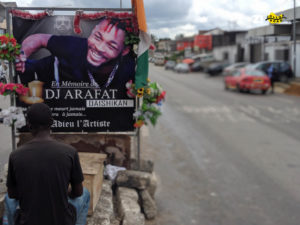
We attended a memorial for DJ Arafat, the singer who died in a bike accident two months ago. There, we met a super fan who quit his job and now lives at a shrine where he keeps a candle burning for the deceased Ivorian star.
Comptoir Des Artisans the Restaurant Cum Concept Store
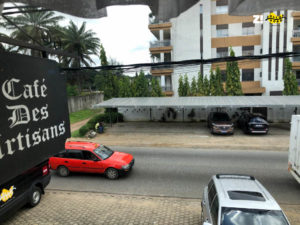
You should visit Comptoir Des Artisans if you’re ever in Abidjan. It doubles as a restaurant and a concept store. We had an interesting conversation with our hosts about the Fashion scene in the country and compared it to other West African countries.
Nearly died when we saw the price list at one restaurant:
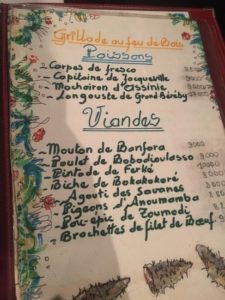
The price menu for Aboussouan – a fancy restaurant, nearly gave some of us heart attacks, so the gang opted for street food.
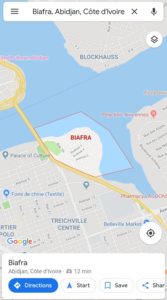
In a neighbourhood in Abidjan called Biafra, Fu’ad went on a mission to find an Igbo speaking Nigerian that could tell him the history of the district, but was unsuccessful. How frustrating!
At the Basilica of Our Lady of Peace…
Toketemu wasn’t allowed in here, the largest church in the world located in Yamoussoukro, for wearing a “short” dress, so a good Samaritan gave her a headscarf to tie around her waist.
Before
After
Jesus’ 13th Disciple lived in Yamoussoukro
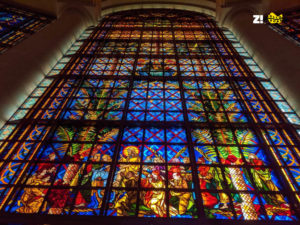
We discovered that on a stained glass window at the Basilica, Félix Houphouët-Boigny – the first Ivorian president, had himself painted at the feet of Jesus.
What’s a trip without going close to a body of water?
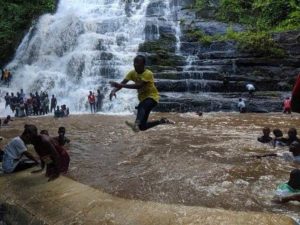
Our visit to the Waterfall in Man, Cote d’Ivoire, was a bit of a damp squib as some teenage rascals made lewd comments at Toke and Tosin.
Mann Waterfalls
That’s it, folks! If you don’t want to be diagnosed with a severe bout of FOMO, keep following the #jollofroad journey on our website, Telegram Channel and Youtube.
Ghana is known for its warm people. Don’t believe me? Ask the Jollof Road gang! Are you visiting Ghana soon? You probably are. Literally everyone is visiting Ghana in December. Here’s a list of recommended places to visit while you’re there:
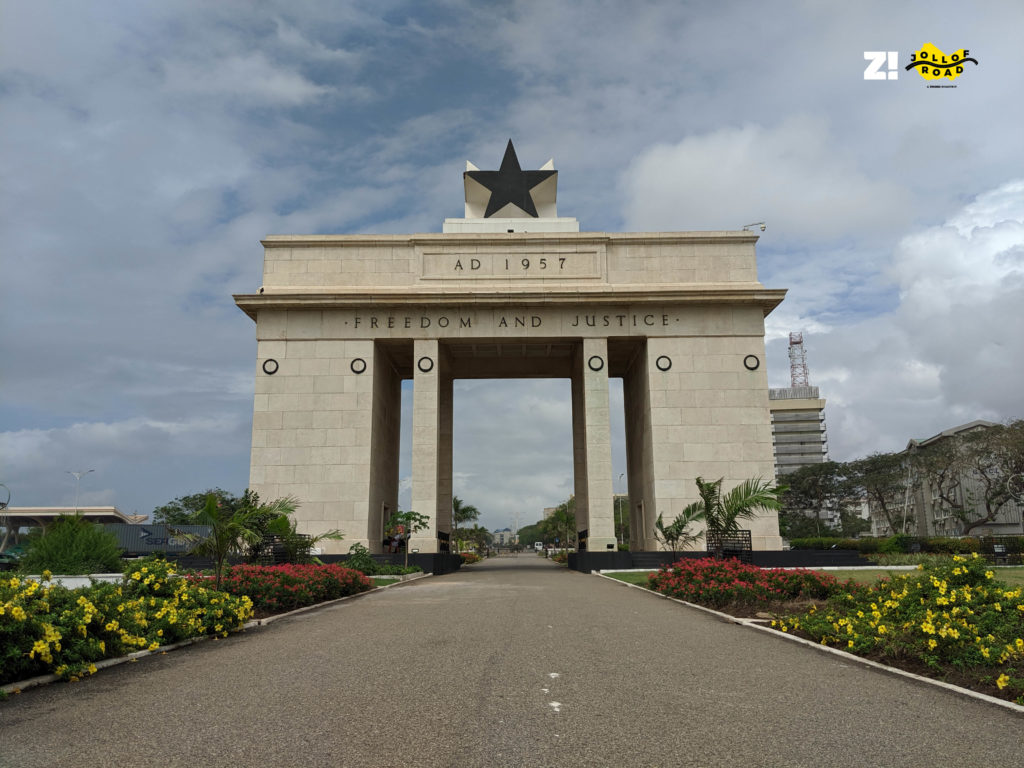
1. Black star square
The black star square is a public square located in Accra. In 1957, Kwame Nkrumah – former Prime Minister and President, commissioned the construction of the square to celebrate the country’s independence. It was finally completed in 1961 to honour the visit of Queen Elizabeth II. Interesting, right? I know! We visited this beautiful monument and had fun taking pictures.
2. Osu Castle
The Osu Castle – also known as Fort Christiansborg, is located in Osu, Accra. It was built around 1659 by the Danes to initially serve as a site for trading activities. It also served as the seat of the Ghanaian government until 2013. The tour is free and only open to visitors on Fridays.
Fun fact: Barack Obama was here during his visit to Ghana in 2009
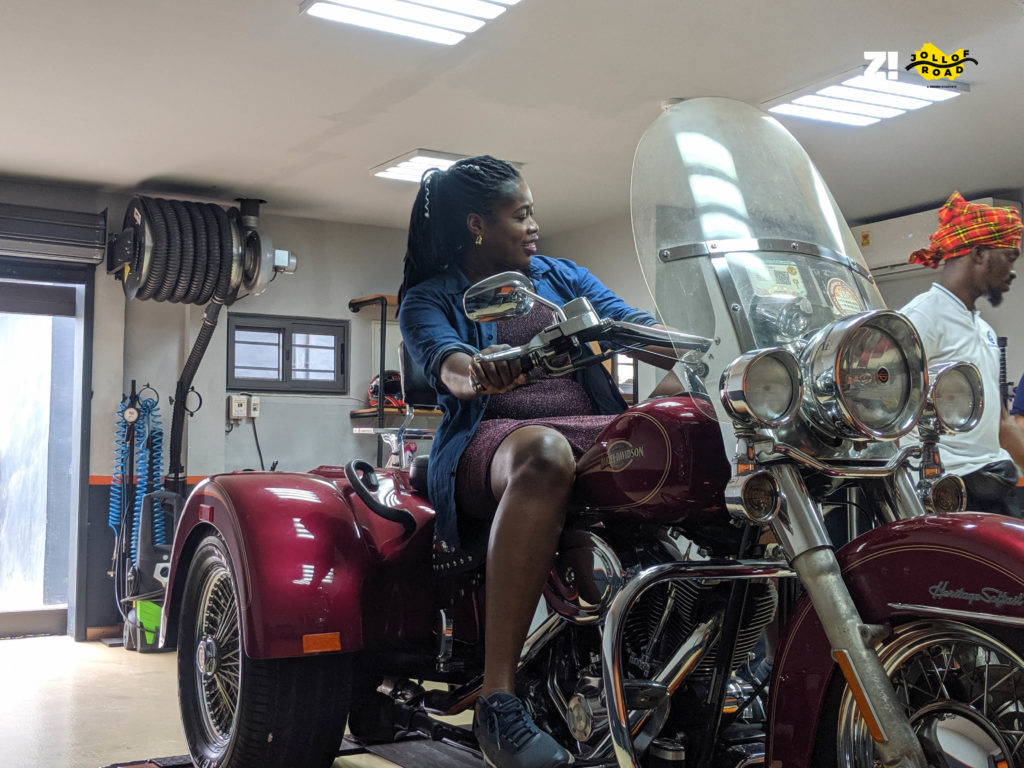
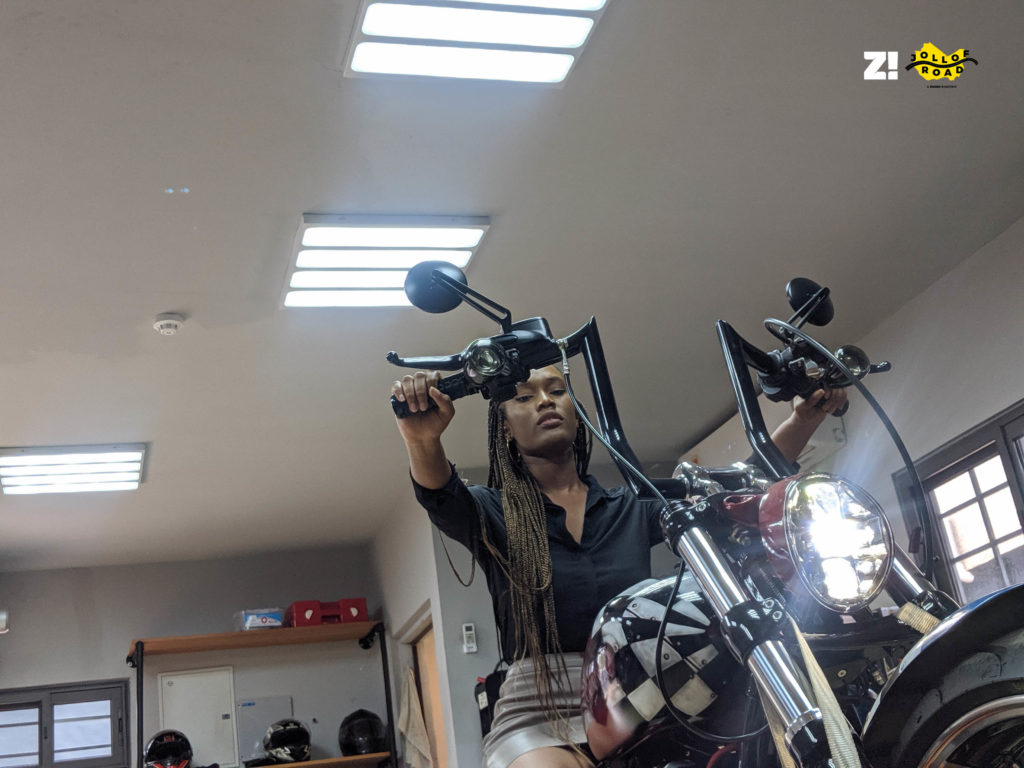
3. Harley Davidson
Harley Davidson is an American owned motor company with a showroom in Accra, Ghana. It is the only showroom in Western Africa. If you love motorbikes and are familiar with this iconic brand, you should definitely visit to get rad photos and have a test ride.
Fun fact: you can find a community of bikers in Accra
4. Starbites Restaurant
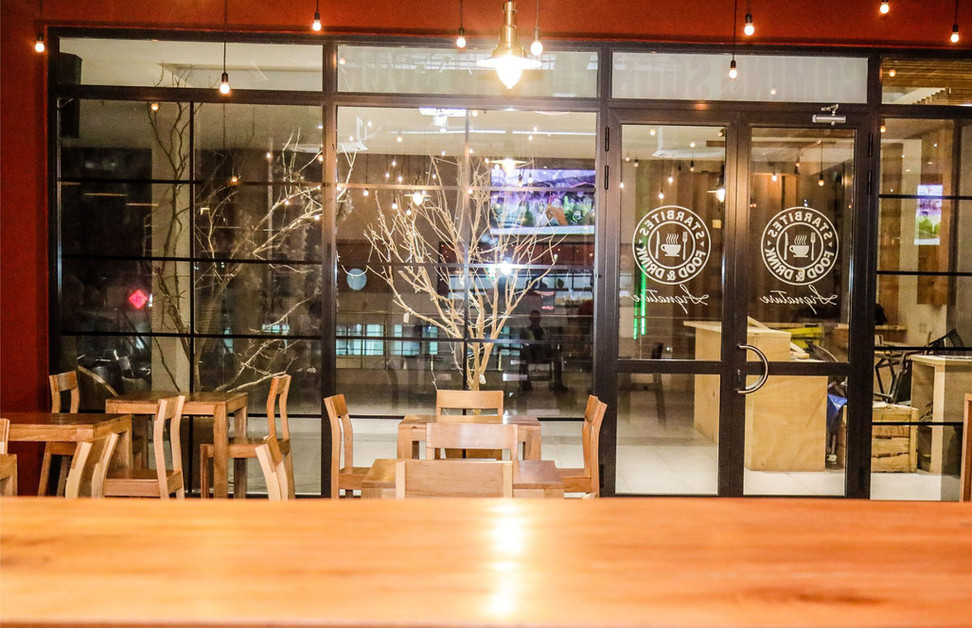
A sage once said that the best things in life are free. Well, guess what? They lied. Good food isn’t always free. This intercontinental restaurant is located in East Legon, Accra. You should definitely stop by this restaurant if you want to try some bomb ass food that can solve all your life problems.
5. Bloombar
For my nightcrawlers, you weren’t left out. This is a good place to unwind after a long day of sightseeing and doing tourist-y things. You get live music, yummy food and great drinks all in one place.