• Between 20 and 22 August 2025, Japan hosted the Ninth Tokyo International Conference on African Development (TICAD 9) in Yokohama. Japan has been organising this conference since 1993, alongside the UN, World Bank, and African Union, to strengthen ties with Africa and promote development.

    Nigeria’s participation at the event was not exactly inspiring. Despite President Tinubu arriving early on 18 August, Nigeria’s booth was left completely unmanned on the opening day. Two Nigerians attending the event had to step in and represent the country, calling out the government in the process. The Ministry of Foreign Affairs later claimed they planned to “inaugurate” the booth on 21 August.

    These booths are not just for show. They are key platforms for attracting foreign investment and showcasing economic potential. Ahead of the conference, the Japanese Finance Ministry pointed out that Japanese investors have a very risk-averse attitude towards Africa. For context, just  0.5 per cent of Japan’s Foreign Direct Investment (FDI) in 2024 went to Africa.

    So, the booths offered an invaluable opportunity for each country’s representatives to answer questions from potential investors and hopefully ease whatever concerns they may have. Nigeria needed to make a strong impression. Instead, it stumbled out of the gate.

    A Japanese Hometown for Nigerians

    On day two of the conference, Japan made a surprising announcement: the city of Kisarazu has been designated as the official “hometown” for Nigerians who want to live and work in the country.

    Nigeria was not the only African country to receive this gesture. Japan also named the cities of Nagai in Yamagata Prefecture the hometown of Tanzania, Sanjo in Niigata Prefecture the hometown of Ghana, and Imabari in Ehime Prefecture the hometown of Mozambique.

    Sounds generous, right? But let us look closer.

    Get More Zikoko Goodness in Your Mail

    Subscribe to our newsletters and never miss any of the action

    Africa: your sure plug for labour shortages

    Japan is not rolling out the red carpet to welcome Nigerians and other Africans out of goodwill. It is facing a severe labour crisis. With the oldest population in the world, 14 per cent of Japan’s workforce is made up of senior citizens.

    Japan is also experiencing declining birth rates, and fewer births mean fewer future workers to replace the ageing ones.

    Sectors like healthcare, construction, and manufacturing are struggling. For example, in the construction sector, there are about five jobs for every applicant. Japan needs workers fast. When developed countries need cheap labour for tough jobs, guess where they often look?

    Is This a Win-Win?

    Nigeria has one of the youngest populations on Earth. Half of the population is younger than 18 years.

    But Nigeria is wasting its youth. Unfortunately, approximately 57 per cent of Nigeria’s youthful population that are able to work are unemployed or underemployed.

    On paper, Japan’s offer looks like a perfect match. They need youthful workers; we have plenty, they have many jobs, we have few.

    But history tells a different story. We have seen this before. Countries like the United States, the United Kingdom, and Canada have opened their doors to skilled Nigerian professionals, only for Nigeria to suffer brain drain.

    The medical sector is a damning example. According to the Coordinating Minister of Health and Social Welfare, Prof Muhammad Pate, over 16,000 Nigerian doctors have left the country in the last seven years, while Nigeria suffers a devastating shortage of medical professionals. Currently, there is only one doctor for every 10,000 patients in Nigeria. 

    And now, some of these countries are tightening migration rules and making it harder for workers to send money back home. 

    The UK, for instance,  has raised the skill threshold for migrant workers. Where A-level holders were once eligible for sponsored migration as skilled workers, a bachelor’s degree is now the minimum requirement.

    In Canada, new restrictions limit the number of migrant workers that companies can hire in low-wage jobs to just 10 per cent of their workforce.

    Meanwhile, in the United States, the recently passed “Big Beautiful Bill” includes a 3.5 per cent tax on remittances sent by migrant workers to their families in their home countries.

    So what is Nigeria really gaining here? If Japan follows the same playbook, we could lose our best talent with little to show for it.

    The Japanese Red Flags

    Let us talk about those “hometowns.” On the surface, it sounds like a warm welcome. But it also feels like segregation—a move to separate the incoming African workers from the Japanese population by neatly packing them into designated zones.

    Rather than seriously addressing it, the Japanese government has essentially refused to acknowledge the existence of racism within its borders. Yet, reports of discrimination against Black people, such as catcalls, differential treatment, and rude stares, are not uncommon in the country.

    The Japanese government has been taking steps to fill its labour gaps with foreign workers. The first notable effort was the Technical Intern Training Program (TITP), which allowed foreign workers to come to Japan for a period of up to five years.

    In 2019, Japan introduced the Specified Skilled Worker System (SSWS). This framework created a pathway for foreign workers in industries facing severe labour shortages, such as nursing, manufacturing, and construction, to earn long-term employment and residency if they passed the required skills and language tests.

    The Japanese government is now working on a new framework called the Employment for Skill Development (ESD) Program, scheduled to start in 2027. The ESD aims to increase foreign talent in Japan and ensure they stay in the country long term.

    Even with these recent policy shifts by the Japanese government to attract foreign workers, only about 2 per cent of Japan’s labour force is non-Japanese. A think-tank commissioned by the Japanese government has projected that Japan will need around 7 million foreign workers by 2040 to keep its economy afloat.

    But can Nigeria afford to send that many people abroad, especially when we are already struggling to keep key sectors running?

    Has this become a pattern?

    If you said this is becoming a pattern, you would not be completely wrong. In June 2025, Tinubu visited Saint Lucia as part of his administration’s commitment to strengthen diplomatic ties between Nigeria and Caribbean nations. That visit came with promises to export skilled Nigerian workers to the Caribbean.

    Now, this visit to Japan is likely to be followed by a mass migration of Nigerians to the Asian country. 

    Sending Nigerians abroad appears to be a deliberate policy under the current administration. In 2023, during the United Nations General Assembly (UNGA), President Tinubu unveiled the National Talent Export Programme (NATEP), an initiative aimed at boosting Nigeria’s foreign exchange earnings by positioning the country as a global hub for talent outsourcing.

    This seeming slave trader foreign policy of the Tinubu administration deserves serious scrutiny.

    A Disappointing Outing

    President Tinubu said Nigeria’s participation in TICAD 9 was meant to unlock over a billion dollars in trade and investment, drive green innovation, boost industrial growth, and create opportunities for Nigerian youth.

    At the end of the conference, the African Development Bank and Japan’s JICA signed a Memorandum of Understanding to mobilise only 5.5 billion dollars for private sector projects in Africa. How much of that money Nigeria will get remains unclear.

    What is clear is that Nigeria started the event with an empty booth and ended it with yet another plan to export its citizens—this time to Japan—where they may be worked to the bone for the benefit of a foreign economy.

    In the meantime, I suppose it is time to reinstall Duolingo and start learning Japanese. Sayōnara.


    Ever had a moment where Nigeria’s systems made life harder—or unexpectedly easier? We want to hear about your personal experiences that reflect how politics or public systems affect daily life in Nigeria. Share your story with us here—we’d love to hear from you!


    Click here to see what other people are saying about this article on Instagram

    [ad]

  •  Someone you know has left or is planning to leave. 1,000 Ways To Japa will speak to real people and explore the infinite number of reasons and paths they use to get to Japa


    Mfon* (28) was broke, depressed, and recovering from the psychological effects of a toxic job, until she decided to change her life. In this story, she shares how getting a foreign job and relocating to Japan with less than ₦7 million has taken most of her problems away. 

    Where do you currently live, and when did you move out of Nigeria?

    I currently live in Japan. I moved in March 2025 because I needed a break from Nigeria. It was the easiest and most affordable place for me to live. 

    Why did you need a break from Nigeria?

    I was depressed at the time, and it all went back to 2023, when I had to quit a toxic job for my sanity. I moved in with my parents after quitting my job. I was doing nothing with my life, and it continued that way until 2024. I decided I couldn’t continue living like that, so I started focusing on fashion design, but I didn’t find satisfaction in it because the mental effects of that toxic job still haunted me. I also wanted to do something tangible with my life. That’s why I started considering relocation. 

    I’m sorry you went through that. How did Japan come into the picture?

    I got a job that came with a visa sponsorship. In pursuit of tangible achievements, I stumbled on websites where I found international job listings. That’s usually the easiest way to get a job in Japan. The website is called GaijinPot. Some Japanese companies have websites where you can apply for jobs directly.  I did both–I applied through company websites and GaijinPot – but the one that went through was the company website job listing.

    Get More Zikoko Goodness in Your Mail

    Subscribe to our newsletters and never miss any of the action

    Can you share more job-hunting tips?

    From personal experience, you can’t do much to influence the Japanese hiring process. However, having basic qualifications goes a long way.

    I applied for a language teaching assistant job, and I needed at least a bachelor’s degree, which means that I was required to have 12 years of education. They also added that I needed to be a native English speaker or from an English-speaking country. I couldn’t meet that requirement, so I substituted with something close.

    What did you do?

    I acquired a Teaching English as a Foreign Language certificate from Alison.com. This worked for me, but other people’s journeys might be different. Just do your research, find out what your employer wants and tailor your application to match their requirements. Whatever the case, having teaching experience helps when applying for a teaching job. I only had three months of experience, and I got the job.

    Thank you. What was the immigration process like for you?

    After I got the job offer, the company asked me to send some documents to process my Certificate of Eligibility (COE), which is a necessity in the visa application process. 

    Here’s how it works: The party sponsoring the visa (the company) has to apply for the COE in Japan. When it’s out, the sponsor sends it to you. Once you receive it, you can apply for the visa. You have to book an appointment at the embassy, go with your passport, COE, and the rest is pretty straightforward. The visa is typically ready within a week. It was a fast process for me. I got the job in December, my COE was prepared in February, and I moved in March. 

    How much did the process cost you?

    The company’s sponsorship didn’t cover much, so I had to pay for my visa and every other minor expense. My company recommended budgeting 600,000 yen for the relocation process, which is about ₦7 million. My flight cost me about $1,000. I needed a police character certificate, which cost around ₦50,000, and the visa cost me ₦12,500. Those were the major expenses.

    Oh, that’s relatively affordable! How’s life in Japan going?

    It’s been two months, but I love it here already. I’ve always wanted a life outside Nigeria.

    Life didn’t magically become great, but it’s easier because there’s a system in place here. And as someone who loves nature, it feels like a perfect fit because of the beautiful parks. I can go to the park anytime I like because it is free. The only thing I’m still trying to get used to is how much they mind their business. Even when you try to greet them, they won’t respond sometimes. But everything else is great!

    Is that because of the language barrier?

    I don’t think so. The primary requirement of my job is that I speak no Japanese to my students, because the school is trying to encourage them to use English as much as possible. So I don’t speak Japanese at all at work. That is the entire point of my job. 

    When I’m outside work, I use a translator app or speak the basic Japanese I know. But that’s not why they like to mind their business. I’ve concluded that it’s either a national trait or they are shy.

    Aside from the solid system in Japan, what are the perks of living there?

    It’s a really safe country, and my salary here is much better than what I earned in Nigeria. My favourite part is that there’s stable electricity, and it doesn’t cost that much. The transportation system is also solid. There are more perks that I’ll discover the longer I live here.

    Is Japan your final destination?

    It’s a beautiful country and a great place to raise children, but Japan is famous for not being completely accepting of immigrants. Most of the time, you can only get English teaching jobs. With my visa, that’s the only career I can explore here. Getting permanent residence can also take 10 years if you don’t have a really good job. So, I’m not sure if this is my final destination.

    I was not happy in Nigeria. I was broke, depressed, and without electricity. It sounds funny, but it was a big deal. I was a tailor, and I needed constant electricity, but the power supply was nothing to write home about. I was spending too much on fuel. 

    On a scale of one to ten, how happy are you in Japan?

    A solid nine. I’m just happy to be away from Nigeria. 


     Want to share your japa story? Please reach out to me here.


    Click this to see what other people are saying about this article on Instagram.

    [ad]

  • If you watch a lot of anime, and you call yourself an otaku, chances are, you probably learnt these Japanese words while watching anime and now you use them to terrorise people in your day-to-day conversations. 

    1. Ohayo/Ohayo gozaimasu: Good morning

    Bonus points if you shout this loud enough for your entire neighbourhood to hear. To be fair, it is a much sweeter way to say good morning and everyone should use this more often.

    2. Sayonara: goodbye

    Nothing beats a character saying this when they are about to die. It’s usually one of the top two worst things you’ll ever hear in an anime series and it’s not number two. 

    3.  Baka: stupid

    You use this one playfully to describe a character that behaves foolishly or is an idiot. Shout while using it or it doesn’t count.

     4. Nani: what?

    Two distinct characters use this word:  the softhearted, concerned side character that will most likely die soon, and the loud comic-relief character that almost always wants to kill the main character. 

    5.  Senpai: senior

     A senpai is someone who is your senior, mostly at school. In many ways, Japanese people are just as notorious as Nigerians in  hunting for respect. If you are watching any anime where this is said a lot, I dare you to watch it with your parents. I’m not saying it has sexual undertones, but, “Notice me, senpai!” is popular for a reason.

    6. Hai: yes

    This word is only popular because in some movies, their sensei will tell them to run one million meters and the character will just shout yes, no question asked. Could never be me. Rock Lee, I’m looking at you. 

    7. Okasan: mother/Otousan: father

    You’ll probably learn this Japanese word first because they are usually the first characters to die in every anime. What sort of hero will you be if the deaths of your parents do not motivate you? 

    8. Oniisan/Oniichan: brother Oneesan/Oneechan: sister

    These words are almost always used by the little sister character in the show, and their Oniichan and Oneechan are usually the sweetest older siblings you’d ever see on TV. Many anime writers must have been the only child in their households because people that grow up with siblings know that if they are being too nice, something bad is about to happen. 

    9. Nandemonaiya: nothing/nevermind

    Anime characters will have their guts spilling out and when a character that cares about them asks, they will still lie with their full chest and say nandemonaiya. I’m not saying otakus lie a lot, but….

    10. Arigato gozaimasu: Thank you

    I can’t explain how simply saying thank you in Japanese can sound so wholesome, but it is a thing. Just try it and you’ll see what I mean. 

    11  Gommenasai: I’m sorry

    Name a character from Naruto that didn’t say this before they died and I’ll name ten that did. Why the writers always make characters who are about to die to say this, I’ll never understand. But, if anyone ever uses this Japanese word to apologise to me, I will 100%  accept their apology.  


  • We were all a little mad when we were younger.

    How else do you explain girls between the ages of 9-13, actively anticipating a river of blood coursing out of their bodies for days on end? I remember feeling downright robbed, but having to fake excitement when everyone else got their first period.

    When mine finally came, I only half-heard what my mother said about being responsible now that my ‘menses’ had started. I was already happily three-tap texting the news to my friends on my little Nokia 6230i.

    These days, the only thing I feel when my period arrives is dread

    When I get that first tell-tale pimple or crink in my back, I take 5 minutes to seriously consider getting pregnant – just so I don’t have to bother with my period for 9 months.

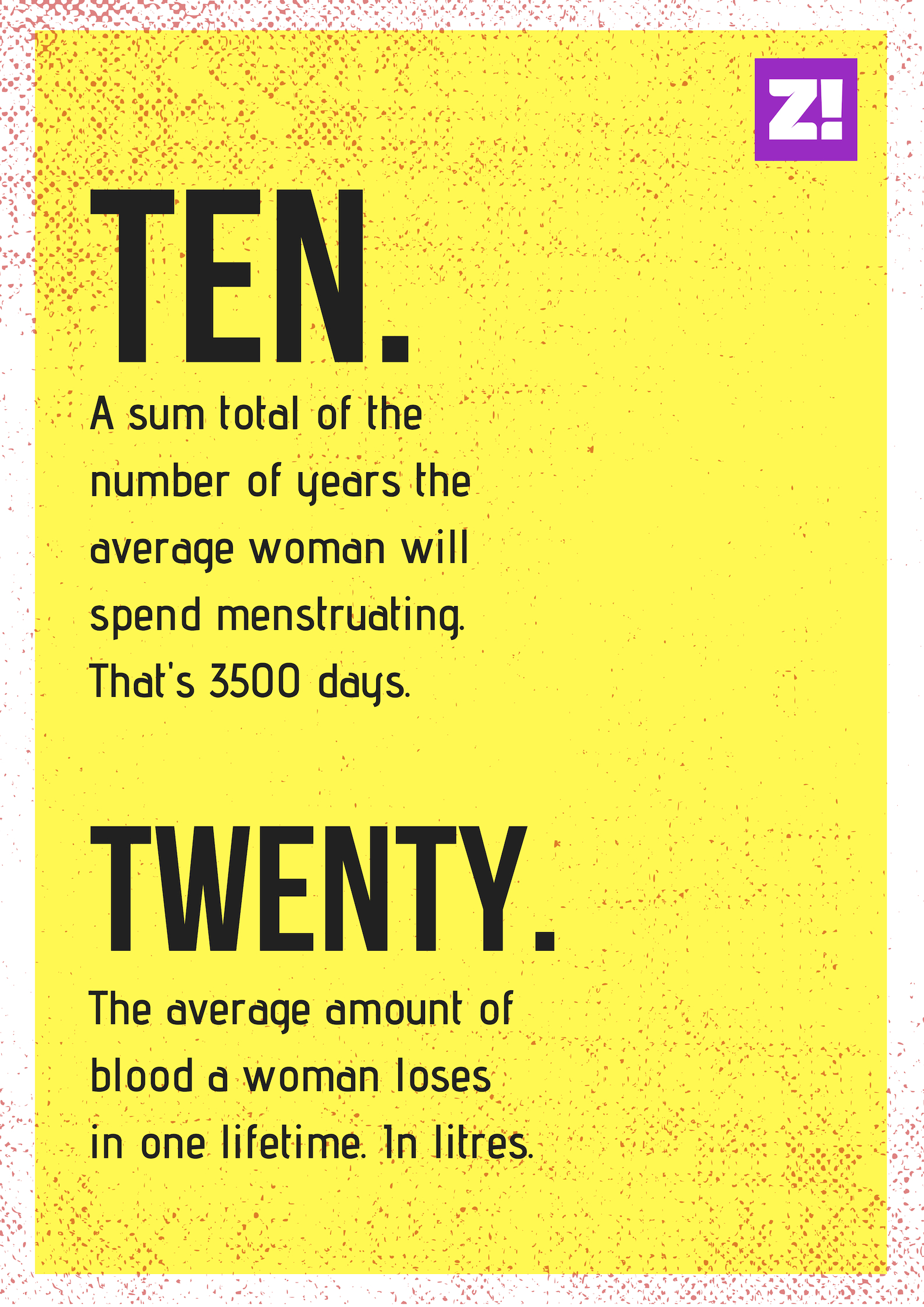
    But then I remember my very Nigerian, very Yoruba mother and I’m forced to await my punishment for being a responsible, celibate adult – pretty much. Most times, it feels like my period is looking for the most innovative way to off me, trying out a different pain metric every month until it finds the one. Seeing as women have on average 500 periods in a lifetime, I need to survive about 360 murder attempts till I’m off the hook.

    Great.

    Periods have always been tough for me.

    I remember a dreary day when I had to get my Bencher’s Form signed (a requirement to write the Nigerian Bar Exam). It felt like someone had shackled an anchor to my hip-bone, just so they could intermittently practise puppetry with my insides. All pain meds refused to stay down and I remained affixed to the floor. That floor was a toilet’s – fervent diarrhoea and vomiting are just some of the goodies in my menstrual package.

    Hours later, with the pain unrelenting, I was forced to drag myself — back pain, cold sweats, diarrhoea and nausea in tow, to get my form signed.

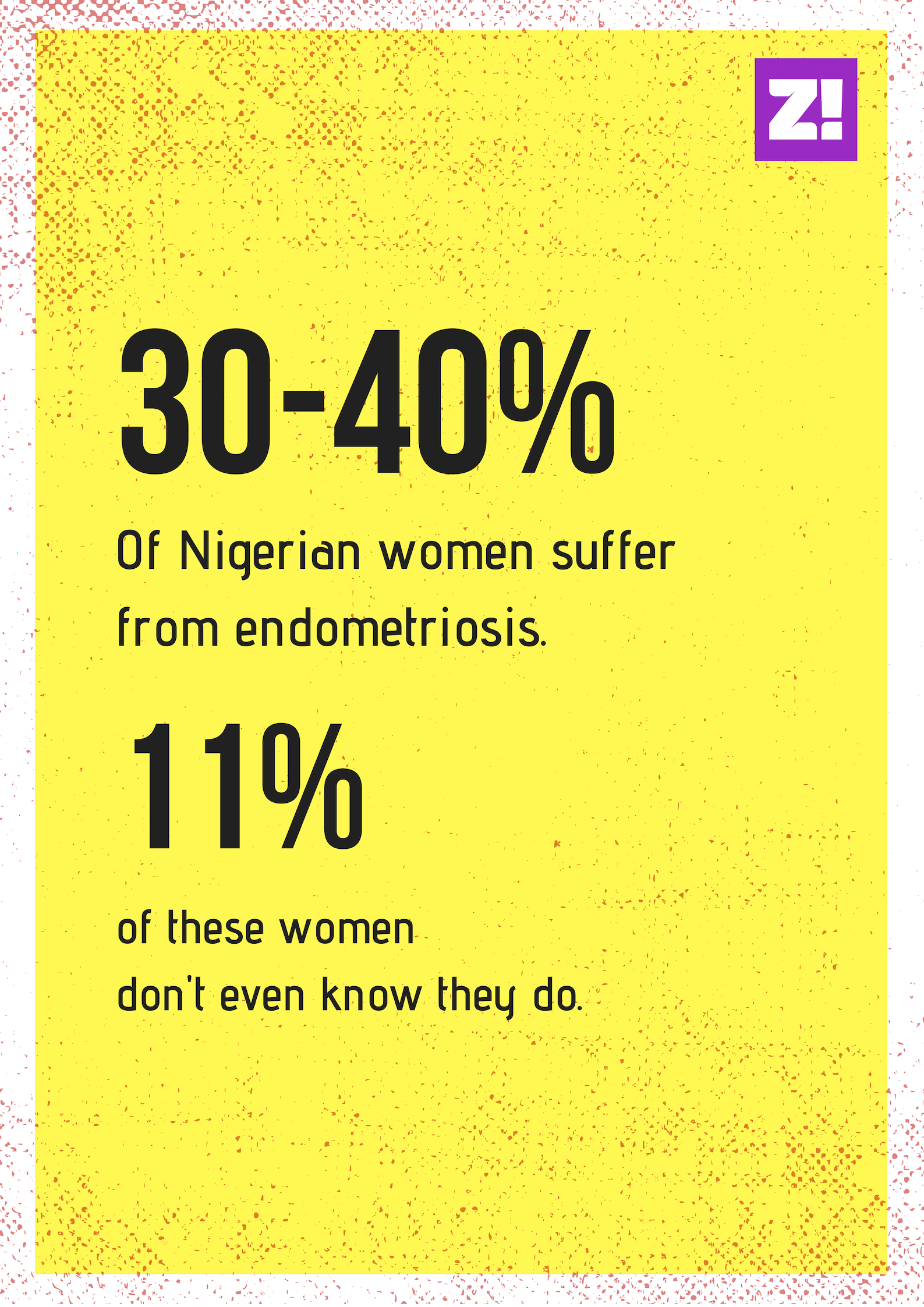
    While my dramatic pain is symptomatic of dysmenorrhea – a condition affecting almost 72.5% of female students in Southern-Nigeria alone – another condition that is nothing but horror to live through while being on your period is endometriosis.


    Endometriosis is a condition in which the tissue lining the uterus grows outside of it, resulting in terrible pain during periods, intercourse and in certain instances – infertility.

    To get an idea of what the pain of endometriosis feels like, one woman described it saying: “it feels as if someone took a pickaxe to my uterus and is trying to break out”

    With many women, pain during periods is the rule and not the exception.

    It’s maddening how little talk there is about it. Not in the media — where the most period representation you’d get is a bunch of school-girls just frolicking in glee at the thought of their periods, merrily check-checking each other for stains.

    And most certainly, not in the workplace.

    I’d always wondered how to handle the monstrous duo of work and having periods thrown in the mix.

    With secondary school, I’d always been able to contain the worst of my period pains by befriending the school nurse (she still sends me the best parental Whatsapp BCs) and turning the sick-bay into a second home of sorts. Uni, I could dip at the first sign of period troubles.

    With work, there was no telling what would happen – there’s a whole other energy.

    The whole purpose of your presence is productivity. Work in Nigeria involves people dodging queries and doing their best semblance of productivity while sneak-watching the fifth season of SGIT. It’s the last place you’d want to display weakness or vulnerability, even if it is beyond your control.


    In the third month of my service year, I was attacked by the period Chimera.

    I was having the worst cramps in recent memory, I had no painkillers and 0 pads on me. In my defence, my period was uncharacteristically late, so I thought the universe had done me a solid and skipped my period that month. I was wrong.

    After twenty minutes of being doubled over and performing my usual period theatrics in the office toilet, my God-sent colleague brought back sufficient pads and painkillers to stave off an army.


    While attempting to commiserate and drown out my groans, she told me of past period experiences around the office. There was the lady who slept in her car during lunch-break just so she’d have the opportunity to lay down. There were ones who had to make up family emergencies to leave work. And those who grudgingly told the truth in order to be excused from work. And though we laughed – or at least she laughed while I waited for the meds to kick in – I couldn’t help but consider the very bad hand women had been dealt.

    Despite making a significant part of the nation’s workforce, no concessions are granted to women for their monthly dispositions. I’d be almost impossible to find an office that stocks up on pads and painkillers for women, yet every toilet has tissue paper and hand wash.

    We’re guessing HR is yet to receive the 3000-year memo that women are susceptible to involuntary bleeding every month.

    While I was all too eager to enjoy the trappings of being a Corps member, with more leniency allowed for missing work, my current full-employment prospects have me weighing my options

    Do I ask for days off when my period strikes and risk being pegged dramatic (not that I’m too bothered by that)? Or do I go the way of my forebears, grinning and bearing the pain like many colleagues before me?

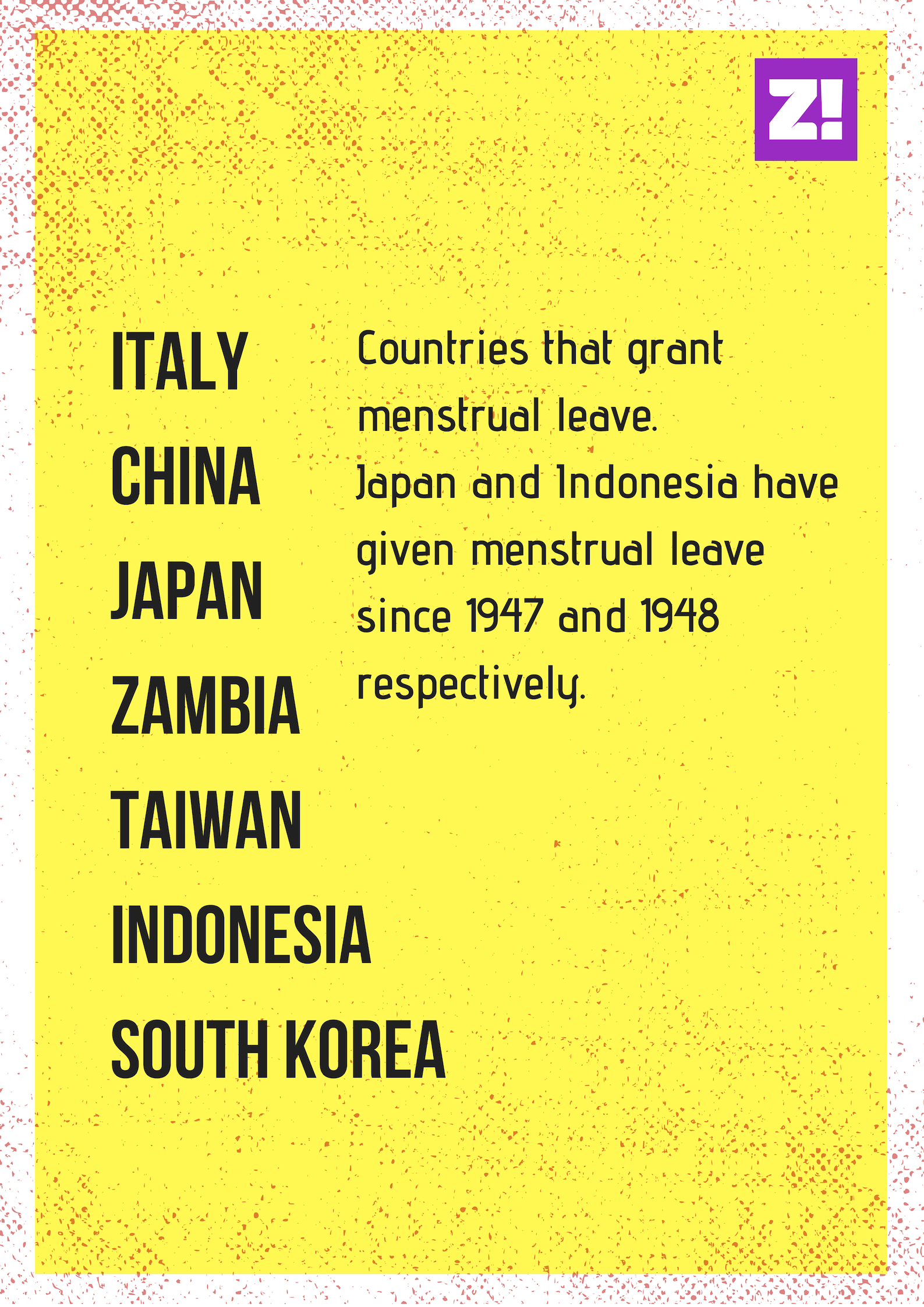
    Times like these, I wish I were born in a country like Japan or even Zambia – where period leaves are called Mother’s Day.

    While this is no sure fix-it for the woes women bear with menstruation and the workplace, at least they understand the import of a pain that has made me Google, at my worst; ‘how to perform a uterus autonomy’.

    Back to pregnancy as a solution.

    My friend – who read an early draft of this story – said to tell you that you can, in fact, get pregnant and still see your period.


    So, there goes my plan –haemorrhaging away, like my next period.

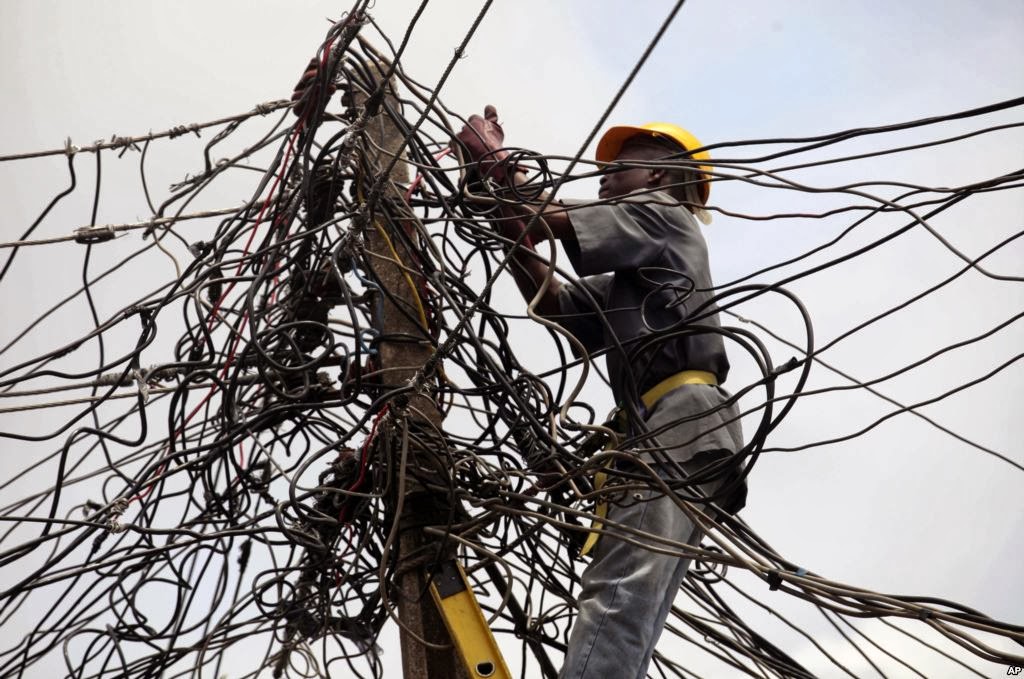
  • The Nigerian power situation has been especially bad this year, due to militants’ sabotaging gas pipelines up east of the country. In March, power generation capacity actually fell from 5000 MW to a miserable 1,580.6 MW. With the help of the Japanese government however, light, it seems is now at the end of this very dark tunnel.

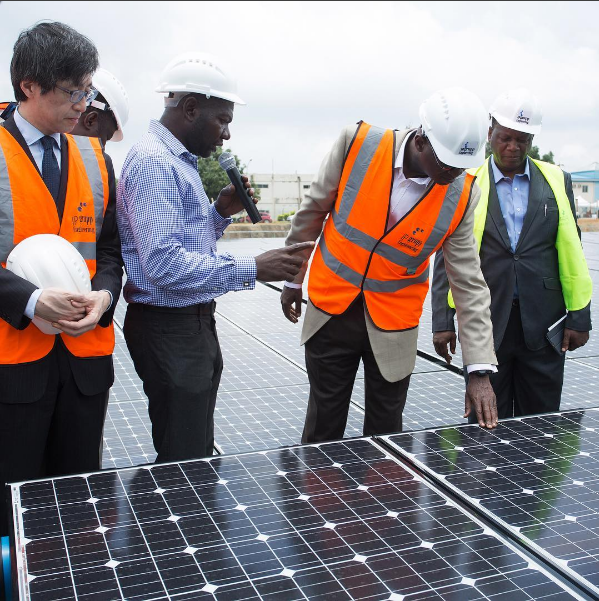
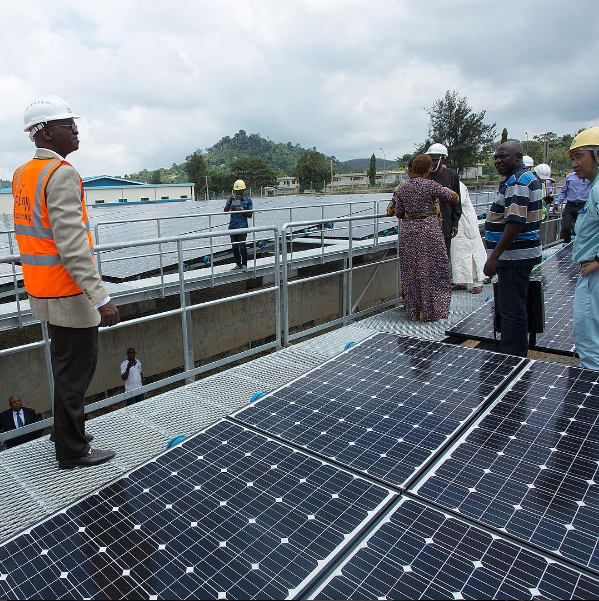
    Brethren, it looks like our situation is finally about to change for the better! Minister of Power, Works and Housing, Babatunde Fashola is seen here inspecting the brand new solar-panels at Usman Dam, Abuja.

    The panels were donated by the Japanese government, through the Japan International Cooperation Agency, and are worth a whooping $9.7 million dollars!

    We think it’s time to actually fast and pray for this country called Japan, because these guys must be angels of the good Lord.

    The newly donated solar panels are expected to generate 1,496WH of power, and reduce electricity payment by N31.5 million per year.

    The implication is that you and I will now pay less for more electricity-we hope!

    To be honest, we are getting really tired of the NEPA wahala! Every time no light! We can’t charge phones, we can’t iron clothes for work and we can’t even watch Telemundo in peace!

    So we really hope this donation translates to tangible, visible results; a lot of companies are finding it difficult to continue operations in Nigeria because of the mess that is our power situation.

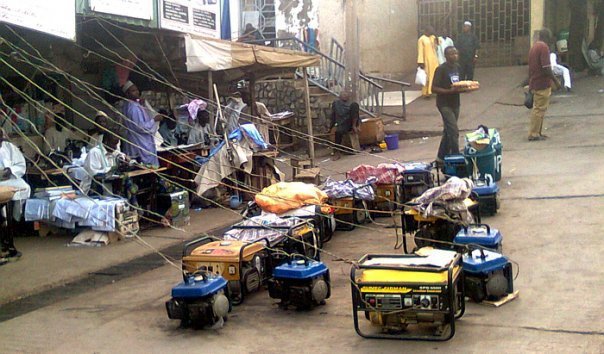
    We can’t wait for a time when we get to use clean, stable energy, and finally throw these annoyingly loud, pollution-inducing demons away.