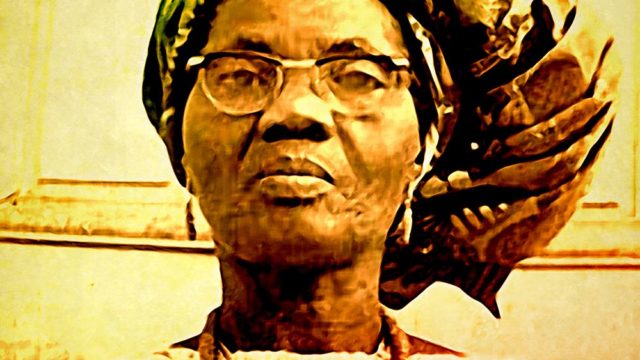
Nollywood is in a constant state of evolution. Over the past few years, the industry has found its way out of the ghetto. We bade adieu to bad wigs with no frontals and ghosts that obey traffic signs, and quickly said hello to that one bridge that never misses a project and an array of actors with accents we just can’t trace. All in all, we’ll take what we can get and call it progress.
Izu Ojukwu’s Amina is currently showing on Netflix. The film is one of the few Nollywood offerings that take us away from the overly milked Lekki-Ikoyi set “Why can’t I find a man” romcoms that come out every Eke market day. Chronicling the life of Northern icon and the original Khalessi, Queen Amina, the film had us thinking about some other badass (some are just downright bad) Nigerian historical figures that deserve biopics of their own.
Welcome to history class.
Fela and Funmilayo Ransome-Kuti
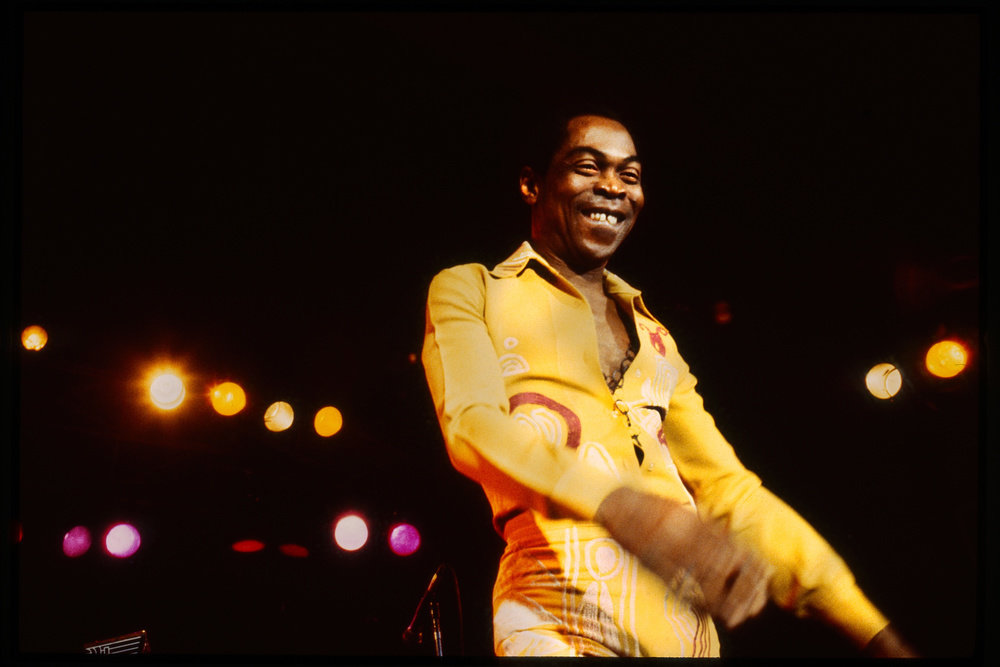
What better way to kick off our class than with the man Burna Boy so desperately wants to be like. Arguably the most famous Nigerian musician of all time, Fela has been sampled by everyone from Beyonce and Missy Elliot to Skales and Wizkid. While Fela has two plays based on his life with one showing on Broadway, seeing the story of the man who dared military leaders for breakfast on a big screen would slap real hard!
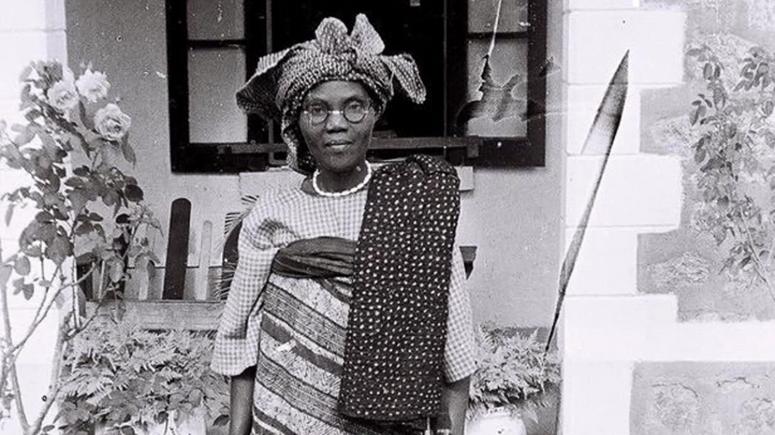
Funmilayo Ransome-Kuti, a renowned feminist leader, and mother to Fela is another figure who deserves a Nollywood biopic of her own. Before she was thrown out from a second-story window by the military in 1977, the original badass Kuti had her foot on the necks of the British and the Nigerian military. She was known to lead marches, revolting against unfair taxation. She’s also famous for being the first woman to drive, a feat some of us have failed to achieve years later
General Sani Abacha
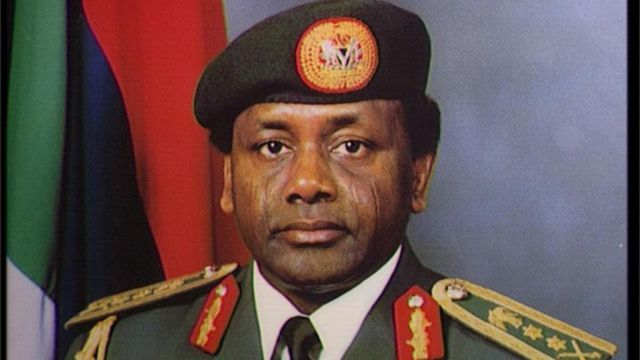
Uganda has The Last King of Scotland, Britain has all the adaptations of Henry VIII, so it’s only right we get a full feature film about the military dictator who “allegedly” met his death eating a ₦100 green apple. General Sani Abacha who ruled Nigeria like Game of Thrones’ Jeoffery is by far one of the most brutal leaders this country has ever seen. His reign of terror lasted from 1993 – 1998. The man was offing people left, right, and center. However, these days, Abacha randomly gifts Nigerians a couple of millions from all the money he looted during his tenure. Where does this money go? Well, tomorrow is another day.
Samuel Ajayi-Crowther
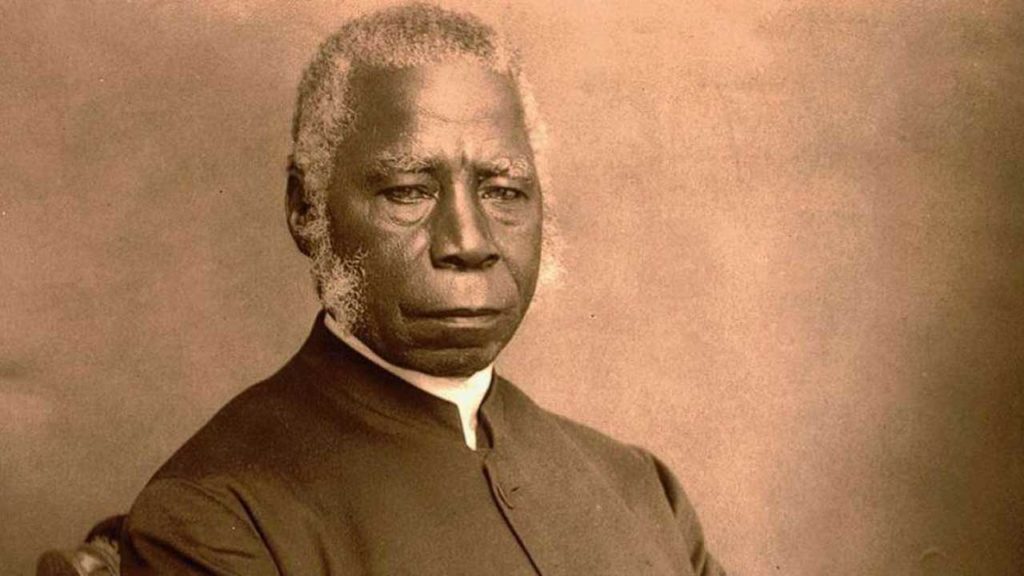
We all know The Oscars love a good slave story. Well, Samuel Ajayi-Crowther is our shot at the gold naked man. Slave turned linguist, turned the first African Anglican Bishop, Crowther served us some serious range! Our good bishop was praised for his contribution to education and religion in the country. Years later, he was eventually pressured out of his position. Why? well, two European missionaries accused African pastors of fraud, ignorance, and immorality – smells like racism. Imagine a Nollywood biopic about this? The drama! The tea!
Nnamdi Azikiwe
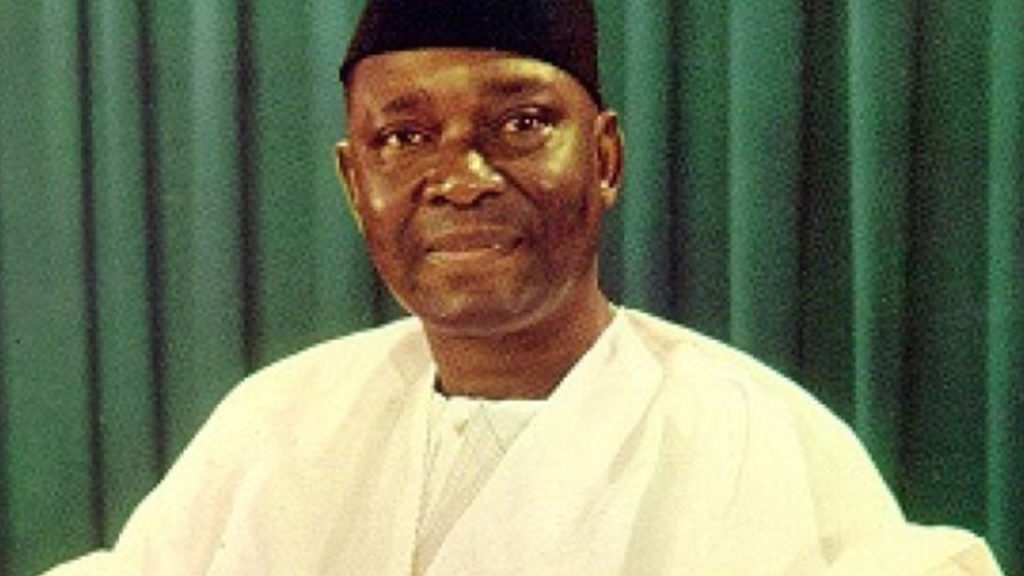
It’s not easy being the face on ₦500. When you’re big, you’re actually big! Popularly known as Zik, Nnamdi Azikwe was famous for forming a temporary government alongside another iconic figure, Abubakar Tafawa Balewa. He received the largely honorary posts of President of the Senate, Governor-general, and, finally, first President of Nigeria from 1963 – 1966. A controversial figure during the Biafran War, his biopic will be sure to feature long monologues and enough political backstabbing to have us at the edge of our seats.
Kanu Nwankwo
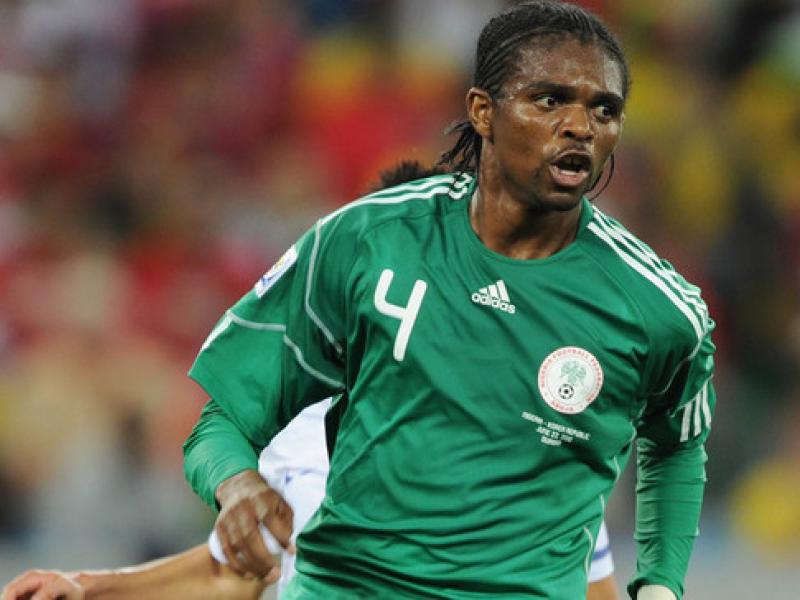
Kanu Nwankwo, also known as Papilo is one of the most famous Nigerian footballers of all time. Scoring two last-minute goals that saw Nigeria beat Brazil, he led the country to victory at the 1996 Olympics. He is also famous for that one milk ad that we all couldn’t escape growing up. Whether or not we’ve made our parents proud is still up for debate. We are sure that a Nollywood biopic, aptly titled Papilo, will have Nigerian cinemas in a chokehold.