• I have a love-hate relationship with intermittent fasting (IF). I love it because it helped me lose weight. I hate it because I have to deprive myself of food at certain hours of the day. Okay, hold up. Before I jump into my rant, let me explain what intermittent fasting is, for those who don’t know. 

    What is intermittent fasting, and how does it work?

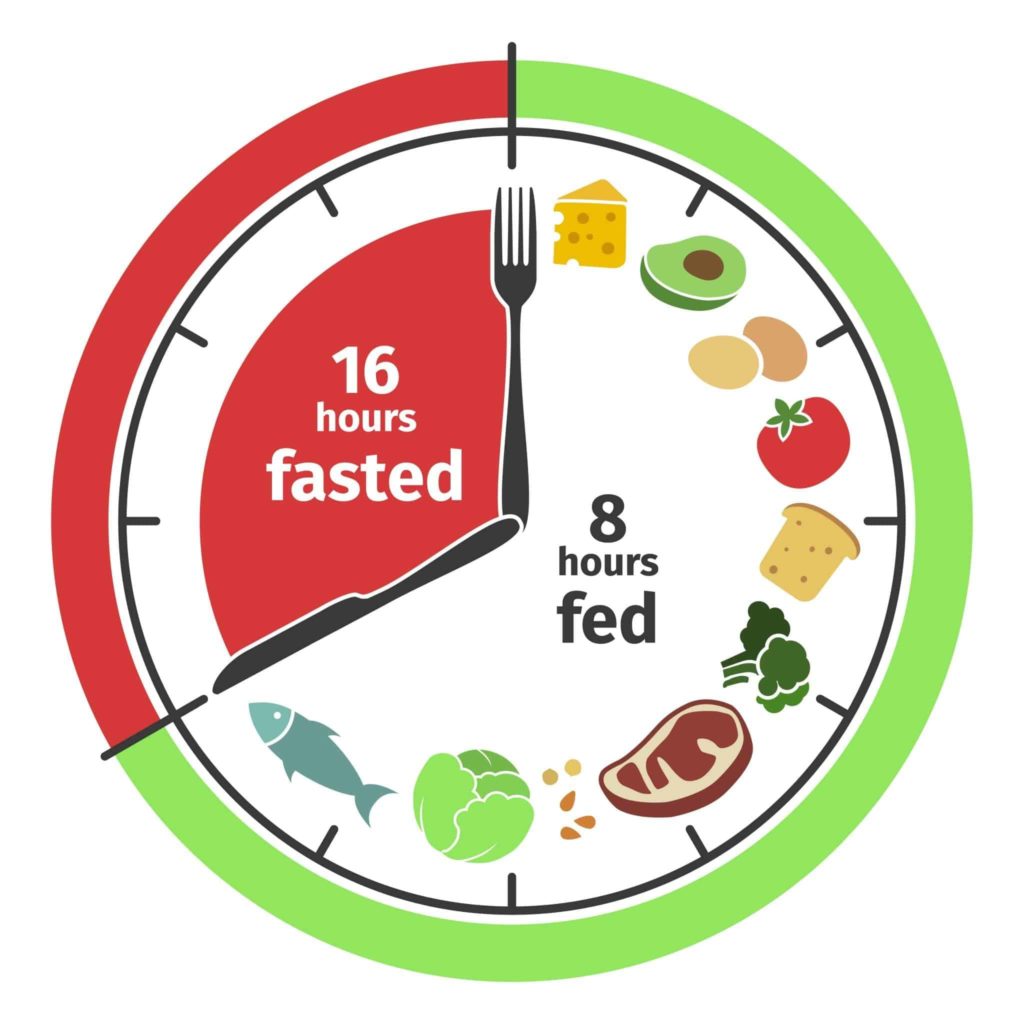
    Intermittent fasting is one of the most popular weight-loss trends out there. According to Healthline.com, it is “an eating pattern that cycles between periods of fasting and eating. It doesn’t specify which foods you should eat, but rather when you should eat them.” You eat during certain hours of the day and fast for the remaining. The period when you choose to eat is called your “eating window,” and it can vary from person to person. You may fast for 18 hours and have an eating window of six hours (18:6), or fast for 16 hours and have an eating window of eight hours (16:8), and there’s the 5:2 ratio which involves eating one 500-600 calorie meal, twice a week. You get to choose what works best for you.

    So just fasting? That’s it?

    You’ll be surprised how many people think, just because they’re intermittent fasting, they can eat anything they want. Sadly, that’s not how it works. The world is an unfair place, so if you pack your feeding time with junk food, you’re most likely not going to lose weight. You don’t have to be on a restrictive diet, but you do need to eat clean. When I first started my weight loss journey doing IF, I was eating small portions of regular food and staying off junk, and that worked for me. Also, I worked out like my life depended on it. That’s another way for intermittent fasting to work effectively. The fasting period has to be paired with physical exercise or activity so that your metabolism can switch to breaking down the stored fat and glucose in your body.
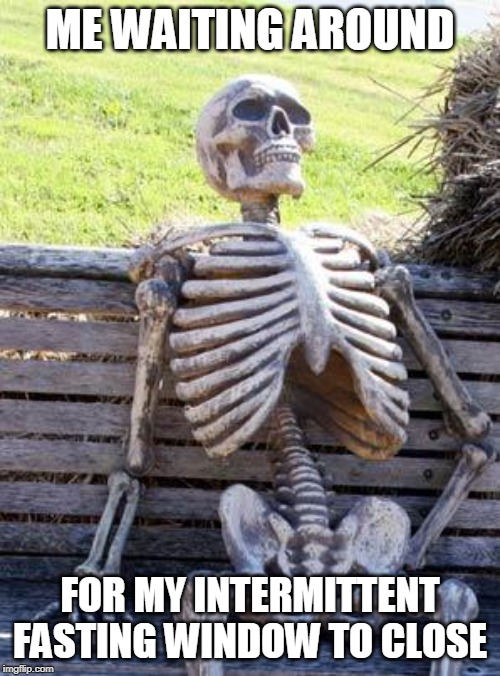
    A meme about intermittent fasting

    RELATED: I Tried Intermittent Fasting For A Week

    The Pros and Cons

    Every “good” thing in this life has its bad side. I say this as someone who has experienced both the good and bad of weight loss and dieting. Let’s explore the pros and cons of intermittent fasting for a minute.

    Pro: Aids weight loss 

    For those who are trying to lose weight, IF is quite effective. When you’re fasting, you eat less. Hence, weight loss is expected. Fasting enables you to burn through all your stored glucose and dig into your fat reserves for energy, so you begin to lose body fat.

    Con: It’s not sustainable

    There’s nothing you can tell me. There’s no one who can do any form of intermittent fasting every day of their lives. You have to go without food for a particular amount of time, eating a set quantity of calories during your eating window. Low energy, cravings, and the sheer discipline required, will make it very difficult for you to stick to your fasting period.
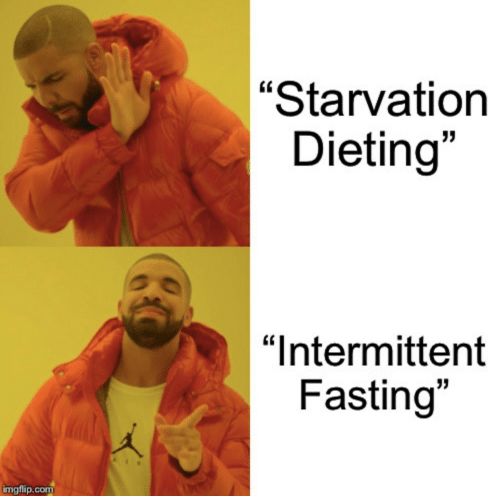
    A meme about intermittent fasting

    Pro: Boosts brain function

    Intermittent fasting may assist in boosting memory and mental performance as well as support brain health and function. Keep in mind that it’s not simply the act of intermittent fasting that brings these potential benefits. It’s what happens during IF; decreased inflammation, body fat reduction and healthier blood sugar levels. 

    Con: Causes reduced energy levels

    Long periods of fasting, especially when paired with exercise, may reduce your energy to a dangerously low level, lowering your blood sugar levels and leaving you feeling lightheaded, dizzy and tired. You may also suffer headaches and nausea. 

    Pro: It’s easy to follow 

    Most diet plans will have you eating certain food while restricting or avoiding others. This can be hard to do and maintain. It’s even more stressful having to cook complicated recipes. With IF, the major requirement is, do not eat for a certain period of time.

    Con: May cause weight gain

    With the hunger that comes after not eating for such a long time, you may feel inclined to overeat. At these moments, vegetables and healthy food don’t taste so good. It’s fried and other high-calorie food that will enter your eye. And this is where the weight gain begins. 

    RELATED: This Is What Eating Healthy Means To Nigerians

    Intermittent fasting as an eating disorder 

    Intermittent fasting can easily become an eating disorder. How? I’ll explain. Wikipedia defines an eating disorder as “a mental disorder defined by abnormal eating behaviours that negatively affect a person’s physical or mental health.” IF can relate to this since it can cause irritability, moodiness, tiredness and sleep impairment, which affect your physical and mental health.

    Now, let’s compare intermittent fasting to a popular eating disorder — anorexia.

    People with anorexia often restrict the number of calories and types of food they eat, ignoring their bodies’ hunger cues, according to the National Eating Disorders Association. They’re frequently obsessed with concerns such as weight, calories and dieting. Anorexia is also marked by a negative body image and a desire to avoid social events that involve food. Intermittent fasting has many of these features.

    Take a look at the 5:2 method, for example. I doubt that there’s any certified health professional who’ll agree that eating only 500-600 calories a day is in any way healthy. If you do this for a while, you won’t function properly, either physically or mentally. That’s how it becomes an eating disorder. 
    A meme about intermittent fasting

    Summary

    I think we can all agree intermittent fasting has its benefits. From personal experience, I can say that it works great for those who are trying to lose weight. However, if your goal is to build and maintain a fitness lifestyle, IF is not it. It’s just not sustainable. When I first started my weight loss journey in 2021, my eating window was between 11 and 4 p.m. After that, no food for me till the next day. I was doing this consistently for months until the Detty December break. Since then, I haven’t been able to get back into it. I now get hungry more frequently because my metabolism increased once I lost fat and gained muscle. If you want to practice intermittent fasting, you need to be very careful. As I stated above, it can easily become an eating disorder, so I would advise that you speak with a doctor and do thorough research before making up your mind about it.
    ALSO READ: Breast Cancer and Diet: Advice From a Dietician

  • From vegetarian to paleo to keto diets, it seems like a new diet and fitness fad pops up every minute. I had never paid any attention to them until I noticed I had added more than an inch or two to my waistline. I decided to do something about it.

    I considered all my options very carefully and started with joining a gym for a month. If anyone took the time to check how many times I came in, I’d probably get a refund. I decided to try out a diet. My biggest dilemma with all of the weight loss plans I researched, was that I only wanted to lose a couple of inches of my waistline. With my newfound weight, my otherwise nonexistent butt had taken on some form of shape and I was filling out my jeans. But I also have an affinity for crop tops and itty bitty slinky dresses and I didn’t like the way my love handles were hanging out of them.

    I took a deep dive into the world of diet fads and came out with two solutions for my peculiar problem. First of all, I had to find a way to cut down on carbs to trim my waistline. That seems easy enough if your favourite food isn’t any kind of pasta and you consider a whole box of pizza a snack. I also needed to control my portions. The problem was I needed to find a diet where I could still eat anything I wanted while doing these things. And that’s how I found intermittent fasting. With it, in theory, I could eat anything I wanted just not anytime I wanted. 

    There’s no one way to do intermittent fasting. There’s the 5:2 method where you eat regularly for 5 days a week and fast for 2 days. Then there’s the Alternate-Day-Fasting where you fast every other day. The most suitable for me, however, seemed to be the 16/8 method. With it, I’d be fasting 16 hours a day and eating for 8. Following the diet meant I could only eat between 11 am and 8 pm. If I had dinner at 10 pm I couldn’t eat till 1 pm the next day. It seemed easy enough in theory. Here’s how my first week went. 

    Monday 

    In an attempt to cut out carbs from my diet I switched from my usual pastry filled breakfast to fruit smoothies. On Monday morning I woke up nice and early and dutifully made my breakfast made up of bananas, an avocado, apples and some greek yoghurt. I got into work at about 9:30 am and popped my smoothie in the fridge. On a regular day, I’d be having meat pie and tea with enough milk to give the office admin manager a mini-stroke for breakfast as soon as I got in at 9 am. Today I had to wait till 11 am to have my smoothie.

    It was easy enough, an extra two hours wasn’t going to kill me. At 11 am I had my smoothie and the minute I dropped the bottle, I realised I was even hungrier than before I had the smoothie. While I’d have had my lunch at 3 pm I had it at 1 pm, which meant that by 5 pm I was hungry again. I stopped by Cakes and Cream on my way home and bought a couple of slices. The plan was to have a bit of it every day for the rest of the week. Never a full slice at a go. I had two slices before 8 pm and consumed half a box of leftover pizza before going to bed. 

    Tuesday

    Feeling bad about all the junk I ate the night before, I decided to fast for 17 hours instead. Still determined to stick to my smoothie breakfast I had one at 12 pm. This time I loaded up on the yoghurt and drank it very slowly. I read somewhere that eating slowly can help you fill up faster. By 12:30 pm I realised not everything you read is true. By 1:30 pm I had a headache, by 2 pm I was snapping at my coworkers for no reason. I had my lunch at 3 pm to prevent myself from having a large dinner like the day before, and it worked. By 7:30 pm I had some spaghetti and stir fry and called it a day. 

    Wednesday

    I got into work at 9 am. I couldn’t make my usual smoothie because NEPA was well being NEPA and my generator had given up on me the night before. My plan was simple, fill up on water until I could have my lunch at 2 pm. The only flaw in my plan was that water is no remedy for hunger and our Admin guy had just stocked up on biscuits that morning. I nibbled on one at 9:30 and planned to have just a couple with a cup of green tea at 11 am. By 10:30 I was halfway through the pack.

    I managed to reign in my appetite to have a lunch of Jollof rice, plantain and beef at 3 pm and some dodgy slices of pizza I didn’t know were still in my freezer for dinner at 9 pm. I also found a slice of cake and I Googled how many calories are contained in 3 slices of pizza and a slice of cake as I ate. Coming to the realisation that the number was ten times my weight didn’t stop me for finishing them off. 

    Thursday 

    I woke up knowing trying to stick to my ‘diet’ was going to be tough. On Thursdays, I work remotely which meant I’d be home all day in super close proximity to my freezer which was almost always full of leftovers. My first mistake was opting to eat a full meal of rice and stew for breakfast. By 1 pm I had talked myself into believing I deserved a cheat day for being somewhat well behaved for 3 whole days. I nibbled on some pringles at 2, tore into a bar of chocolate at 4, ordered rice from TFC at 5 and couldn’t help but throw in a burger into my order. By 6 my food came and I started with my rice. I meant to keep the burger for later but I ended up eating it almost immediately after the rice. Thankfully I ended up feeling too bloated and uncomfortable for the rest of the day to eat anything else. As far as cheat days go I didn’t think I did too badly.

    Friday

    It’s back to regular programming and I find myself busier than usual at work. I barely have time to gulp down my smoothie at 12 pm before getting into a flurry of activities that stopped me from having lunch until 4 pm. I get home and for the first time the whole week I can’t find anything to eat in my freezer. I settled for making another smoothie for dinner. 

    Saturday & Sunday 

    I realise I have two weddings and a party on Sunday. I declared the whole weekend a ‘cheat weekend’ and promise myself to continue my diet on Monday. This week we go again.