• Every year, on Independence Day, Nigerians in the diaspora paint everywhere green and white. This consistent show of patriotism must have impressed the lawmakers in the House of Representatives, who have now proposed a bill that could allow this category of Nigerians to vote in future elections.

    Section 1 of the bill lays the groundwork for granting voting rights to Nigerians living abroad. It proposes that once passed, elections conducted under this Act would include provisions for Nigerians outside the country to cast their votes, with the Independent National Electoral Commission (INEC) taking charge.

    Meanwhile, Section 4 clarifies that the bill isn’t trying to disrupt existing laws but is designed to create a framework that lets Nigerians in the diaspora join the electoral process without compromising current regulations.

    This bill, co-sponsored by Speaker Abbas Tajudeen and Sodeeq Abdullahi,  passed its second reading on November 21 and has been sent to the constitution amendment committee for further action. So there’s a solid chance that it could become law soon. 

    Why are they pushing for this bill to become law?

    In July 2024, during the debate on the bill’s general principles, Abdullahi clarified why he’s standing on his ten toes to see this bill come to life. His reasons? Section 39 of the 1999 Constitution (as amended) gives Nigerians the fundamental right to freedom of expression and opinion. He says this includes the right to vote no matter where you are.

    He added that Nigerians in the diaspora invest heavily in the economy by sending money home through remittances, which make up about $20 billion annually. He argued that this financial contribution alone should earn them a say in choosing the country’s leaders, whether they live in Nigeria or not.

    In his words,  “It is widely believed that diaspora remittances have contributed remarkably to the development of Nigeria. Nigerians in the diaspora make considerable contributions to the Nigerian economy through huge financial inflow. Sadly, existing laws in Nigeria have not provided voting rights to Nigerians in the diaspora”. 

    Abdullahi also emphasised that this bill has the potential to “promote holistic inclusiveness in a democratic society.”

    What does this mean for Nigeria?

    It could boost democracy in the country by giving millions of Nigerians abroad a direct say in choosing leaders. The new level of inclusivity the bill would promote, as Abdullahi said, would also bring fresh perspectives and accountability to the political scene.

    But there would be some potential hiccups, too, since this is uncharted territory for Nigeria. There’s a lot to figure out, from setting up secure voting systems to ensuring votes are accurately counted. Considering Nigeria’s bad history with electoral processes, it’s fair to wonder how smoothly this will actually go.

    Has this worked in other parts of Africa?

    In South Africa and other African countries,  citizens in the diaspora are allowed to vote. If you’re wondering how that’s going, all we can say is that the process isn’t flawless. While the idea is good, the process has some weaknesses. In South Africa, for example, one of its major flaws is that diaspora voters can only cast their ballots at South African embassies or consulates, which can be inconvenient and stressful to access.

    The voting process itself is not hard to figure out, but given the not-so-great turnout recorded, the system could use a little more “wow” factor—maybe a digital option or something that makes it easier for people to get involved.

    For diaspora voting to work in Nigeria, INEC will not only need to address inadequacies that threaten its integrity to conduct free and fair elections, but it will also need to study the gaps in systems from countries like South Africa and use those lessons to create a smoother, more efficient voting experience for diaspora voters (that’s if the bill gets passed).

    [ad]
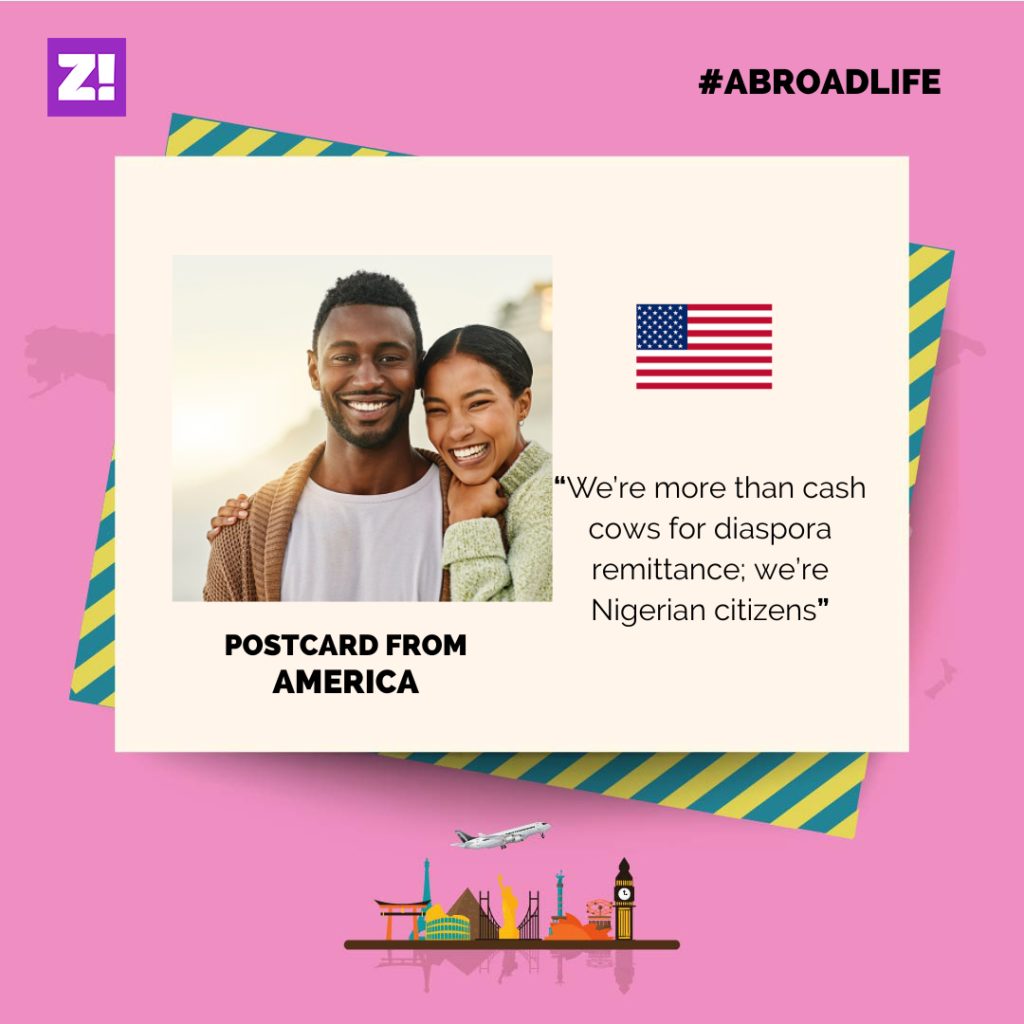
  • The Nigerian experience is physical, emotional, and sometimes international. No one knows it better than our features on #TheAbroadLife, a series where we detail and explore Nigerian experiences while living abroad.


    This week’s Abroad Life subject is a Nigerian couple who’ve lived in America for over 20 years. The husband was born and bred there while the wife relocated from Nigeria in 2001. They share the ups and downs of living in America and being catalysts for change in Nigeria, despite not being able to vote.

    How did you migrate to America?

    H: I was born in the state of Delaware and automatically became a citizen. My dad moved to America in 1976, but he travelled back to Nigeria often for visits. During one of his travels, he met my mum, and they entered a long-distance relationship until they got married. My mum moved here ten years later, in 1986, because they had to wait five years for a visa, and another five years to get her permanent residency. I was born three years later, in 1989. 

    W: I moved to America with my family in 2001, when I was in my early teens. We were in Florida for a year before we moved to Atlanta in 2002. My family moved here because my father got a H1-B visa, which allows skilled workers to migrate to the U.S. It took five years to get it, but we eventually moved with him in 2001.

    What would you say are the ups and downs of living in America? 

    H: I’d start with the ups. It’s the land of opportunity. I believe America gives opportunities to all immigrants as long as they work hard. One has access to basic amenities like power, good roads, and so on. However, I’d admit it’s become more difficult to get jobs due to the rise of polarised politics and —

    Wait, what do you mean by “polarised politics”?

    H: This is when the two major political parties no longer have the same fundamental ideas, which is not supposed to be the case in a democracy. The polarised politics was caused by the rise of social media — people sharing their own news through their pages — and independent media — the rich spend billions of dollars to establish media agencies that report their own version of the news. I believe that’s what has caused the U.S. legislation to change, especially towards immigrants and visas. The immigrant votes have been known to be discounted during elections in the U.S. That’s the only thing I don’t like about America.

    How does this affect immigrant jobs? Well, the quality of jobs largely depend on the ruling party. If a Republican was President, then you would be less likely to find good immigrant jobs (as they are biased towards non-Americans).

    W: I’d say the same thing. Yes, America is where most of your dreams come true. For instance, I’d never earn up to $1k per week as a medical doctor if I lived in Nigeria. However, in terms of election and governance, immigrants are treated as second-class citizens. We could stay in polling booths for hours and not have officials attend to us. Even if they do, it’s with disdain, like only Americans by blood should be allowed to vote. I don’t mind taking part in the upcoming 2023 elections for Nigeria. But too bad I’m in America, and I can’t.

    Why not?

    H: Because by law, Nigerians that reside outside the country are not eligible to vote. Also, it’s hard for me to relate to Nigerian politics because I have very few memories of the place from my childhood visits. However, I can say diaspora voting should become a thing for people who want to vote. I see Kenyans, Mexicans and so many other immigrants vote with their passports in their various embassies. It should become a rule of law for Nigeria too.

    W: I’m definitely not like my husband in this regard, LOL. I have so many childhood memories of Nigeria, and it sucks that I can’t vote here due to “some law.” I attended Peter Obi’s diaspora rally at Howard University, Washington D.C., and he had clear visions of how to govern the country. If I could vote for whoever I wanted here, best believe Obi would get my ticket come February 25. I hate that Nigeria is in turmoil and there’s absolutely nothing Nigerians here can do about it. We’re more than cash cows for diaspora remittance; we’re Nigerian citizens. Our location shouldn’t dictate our right to vote as Nigerians.

    But what about the other candidates?

    H: Both Atiku and Tinubu have past records of corruption. Tinubu is even worse, with his allegations of drug trafficking. And I don’t see why I should vote for a candidate who lies about the smallest things, like his age. They’ll just maintain the usual style of governance.

    W: About Tinubu, he was the governor of Lagos when me and my immediate family at the time were living there. I can remember passing through Ojuelegba to and from school every day, and seeing agberos, many of whom I later learnt were under his command. For his dirty past record and much more, I don’t think Tinubu is up to the job at all. Neither is Atiku. They’re not forward thinkers. They’re only thinking about enriching their coffers while in office, just like this current president and the president before him.

    Did you attend their rallies?

    H: I wasn’t aware of any rallies for Obi’s rivals close to the Washington  DC-Maryland-Virginia axis, so, no.

    W: Same here. Tinubu and Atiku, to the best of my knowledge, did not campaign in our area. Peter Obi took his time, visited and campaigned for the presidency in about ten or so different cities in North America. He cares deeply about getting Nigerians in diaspora involved in the next election, especially through donations.

    How do you plan to show support ahead of February 2023? 

    H: Well, largely because of my wife, I’ve been researching the political candidates for the National Assembly (NASS) and governorship elections. I’ve also donated money to Obi campaign groups here in Washington.

    W: My friends and family know me as the loudest voice for Peter Obi. I’ve been encouraging my relatives back home (Nigeria) to vote for him. He’s never taken a dime from government funds and has an economist background that could fix up the nation’s economy. All the good roads in Anambra were made so because of Obi. I can go on and on. 

    I may not be able to vote here, but that doesn’t mean I can’t be a catalyst for change.

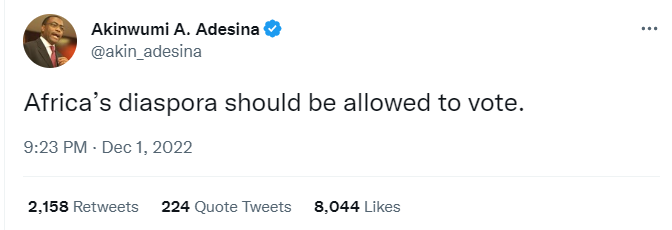
  • When the president of the African Development Bank (AfDB), Akinwumi Adesina, lends his voice to growing calls for the acceptance of diaspora voting across Africa, you know it’s time to pay attention. 

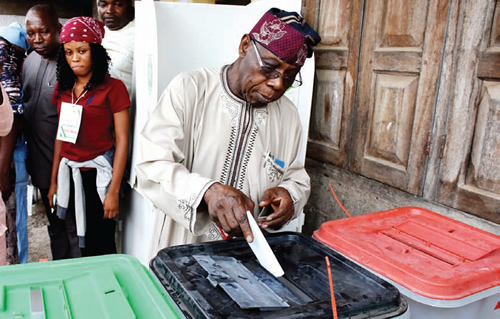
    It’s not the first time we’ve heard this, and it likely won’t be the last. Only in August 2022, former president, Olusegun Obasanjo, backed calls for diaspora voting in Nigeria. Never mind that he promised to “look into it” when he was a civilian president.

    Obasanjo wondered why the National Assembly hadn’t amended laws to allow Nigerians abroad to vote. Let’s see what happened the last time the diaspora voting bill hit the floor of the Senate. 

    Senate votes against the diaspora voting bill

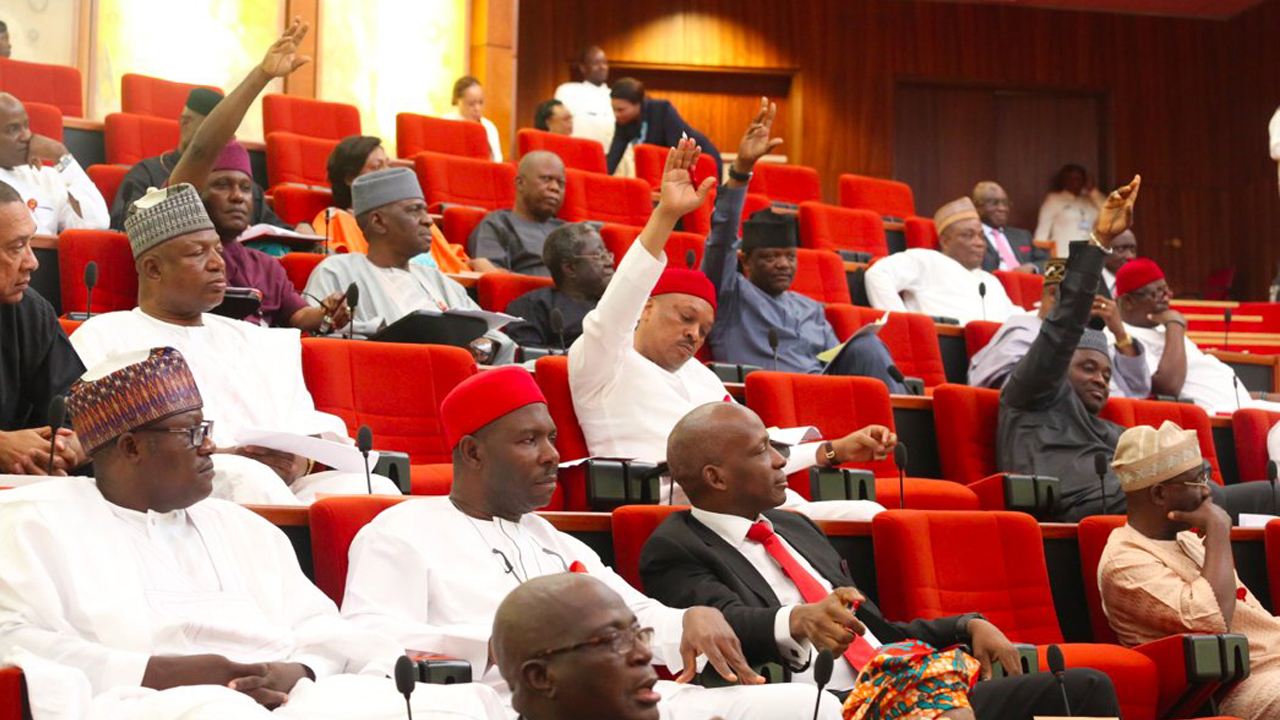
    In March 2022, the Nigerian Senate had the opportunity to pass historic legislation on diaspora voting but voted against it. Of the 92 senators that took part in the vote, only 29 voted in favour of diaspora voting. 

    All hope isn’t lost though. In November 2022, the House of Representatives’ Committee on Diaspora said it would reintroduce the diaspora voting bill. So, fingers crossed.

    What’s the case for diaspora voting?

    Section 42 (1a) of the Nigerian constitution which centres on the right to freedom from discrimination states, “A citizen of Nigeria of a particular community, ethnic group, place of origin, sex, religion or political opinion shall not, by reason only that he is such a person – be subjected either expressly by, or in the practical application of, any law in force in Nigeria or any executive or administrative action of the government, to disabilities or restrictions to which citizens of Nigeria or of other communities, ethnic groups, places of origin, sex, religions or political opinions are not made subject.”

    Supporters of diaspora voting say that by taking away the right to vote from Nigerian citizens living abroad, the Nigerian government is in violation of the social contract and its very own constitution. 

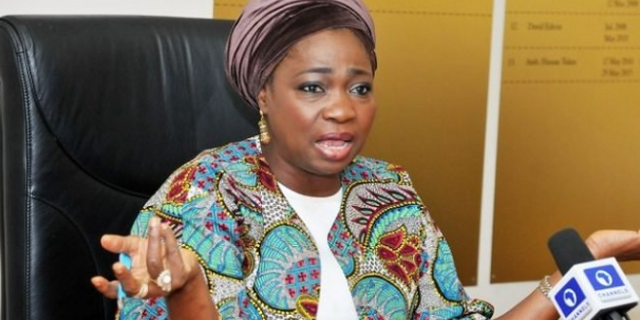
    The chairman of Nigerians in Diaspora Commission (NIDCOM), Abike Dabiri-Erewa, said the Nigerian diaspora remitted $20 billion back home in 2021. That’s a very sizeable figure. The number of Nigerians in the diaspora is currently unclear. The United Nations Department of Economic and Social Affairs (DESA) put it at 1.7 million in 2020. In 2017, Dabiri-Erewa claimed the number stood at 15 million.

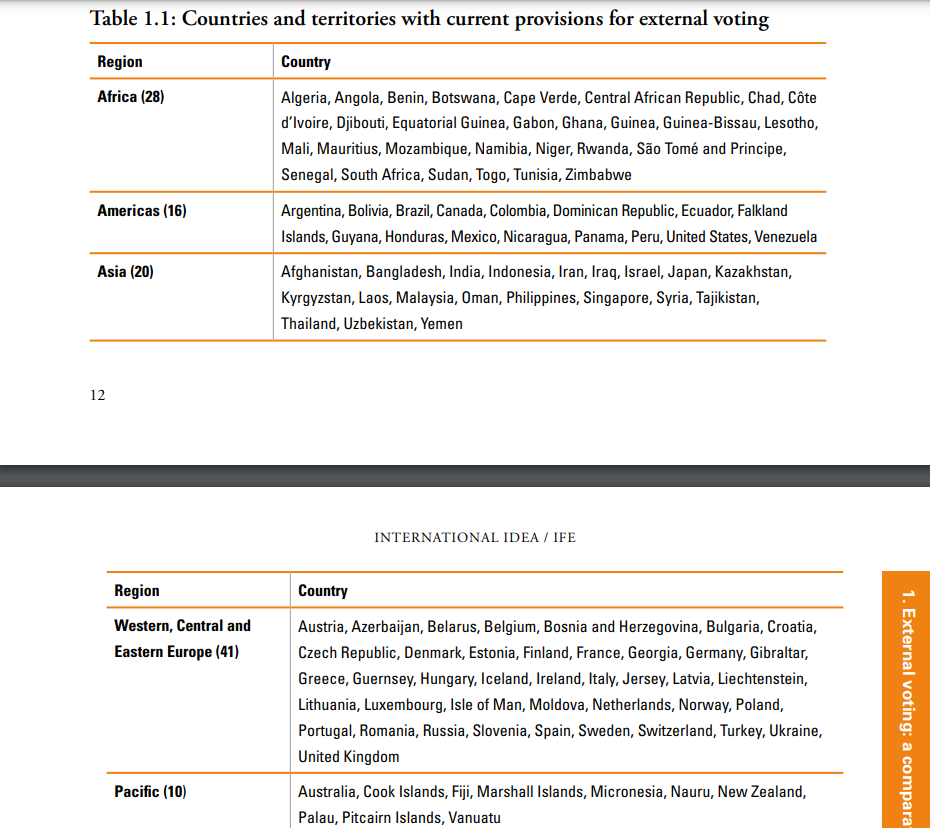
    According to the International Institute for Democratic & Electoral Assistance (IDEA), external voting is currently allowed by 115 countries and territories in the world. Of those countries, two-thirds allow all their citizens vote from abroad. 28 African countries allow external voting but Nigeria isn’t one of them.

    [Source: The International Institute for Democratic & Electoral Assistance (IDEA)]

    The Independent National Electoral Commission (INEC) has in the past spoken in favour of diaspora voting. The commission’s chairman, Mahmood Yakubu , has called on the National Assembly to hasten its passage.

    What’s the case against diaspora voting?

    Not everyone is sold on the idea. There are worries that if passed, diaspora voting will extend to neighbouring African countries with its porous borders and lax rules. 

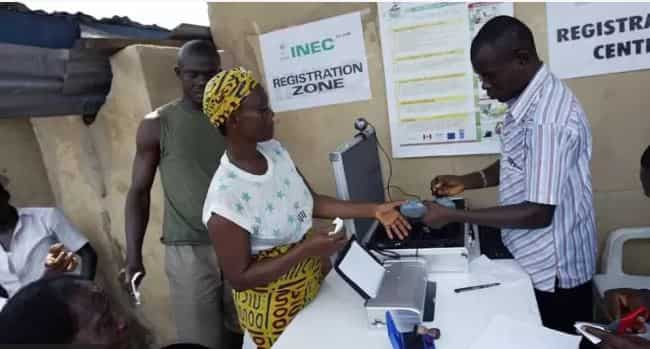
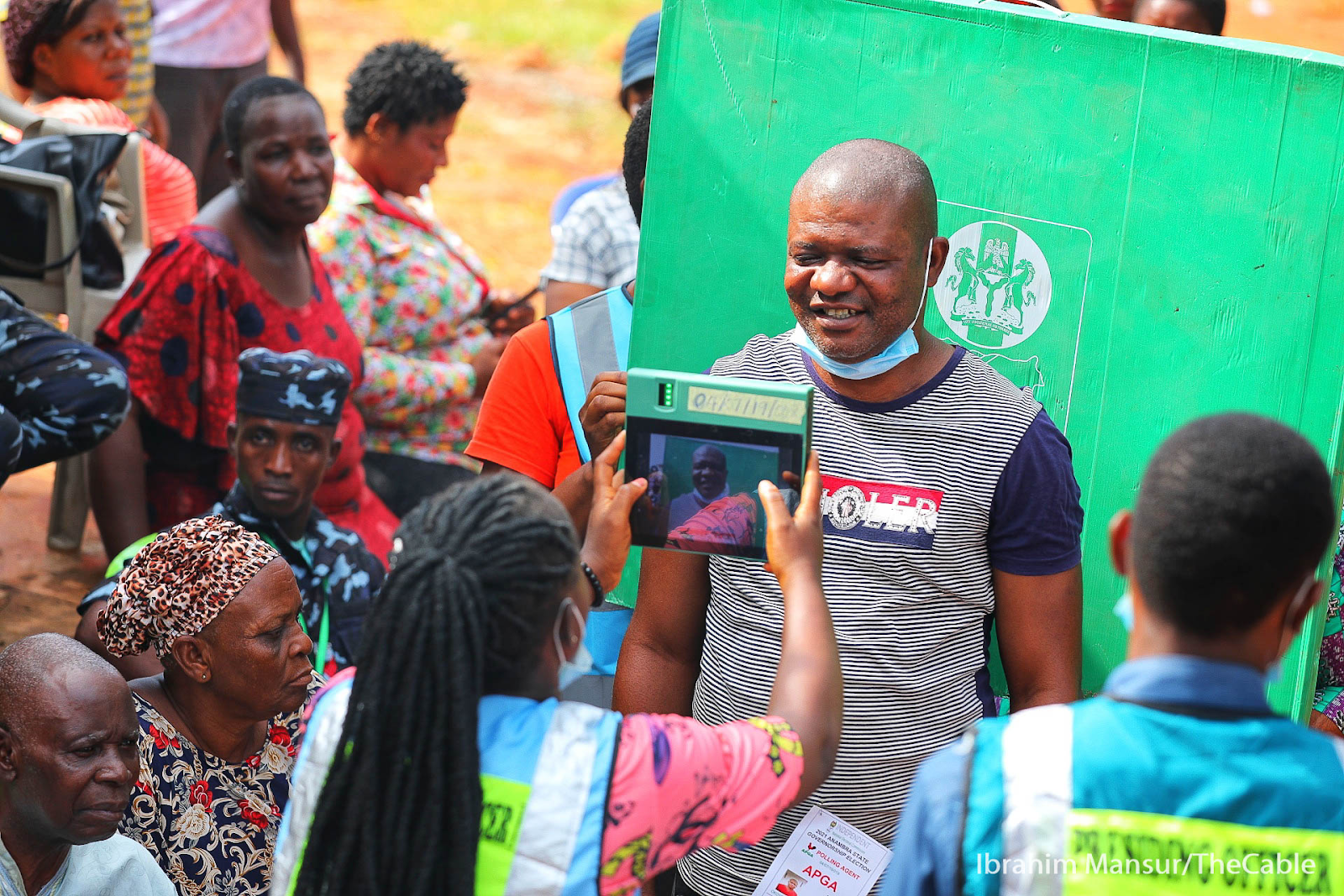
    In October 2022, the Nigerian Army arrested two officials of the National Identity Management Commission (NIMC) for allegedly enrolling non-Nigerians for a National Identity Number (NIN). With concerns over INEC’s voter register and how it’s littered with numerous cases of fake identities, underage voters and multiple registrations, confidence isn’t high in the commission being able to properly implement diaspora voting.

    The lack of political will to implement diaspora voting is also evident. In 2012, under the Goodluck Jonathan administration, the bill also failed to pass and was criticised for not clearly stating the type of elections expatriates could take part in, and the conditions under which any restrictions would exist. A decade later, this bill has still not passed.

    One explanation given for this lack of political will is that ruling parties don’t think the diaspora voters will vote in their favour during elections. By this logic, granting voting rights to a voting bloc that large might be political suicide.

    Is Nigeria ready for diaspora voting?

    Nigeria has the capacity for diaspora voting if it has the will to see it through. Many of the concerns about diaspora voting can be addressed through the use of modern technology. After all, neigbouring countries like Ghana and most recently, Kenya, have implemented it and they don’t have two heads. We already discussed how INEC can leverage technology to improve its voter register

    However, it’s also wise to acknowledge that the impediments to diaspora voting aren’t only technological. As long as there aren’t heavy risks attached to manipulating the electoral process with impunity, diaspora voting will be abused. It’s necessary therefore to ensure that whatever laws are passed in its favour should include serious and enforceable penalties for people who try to game it.