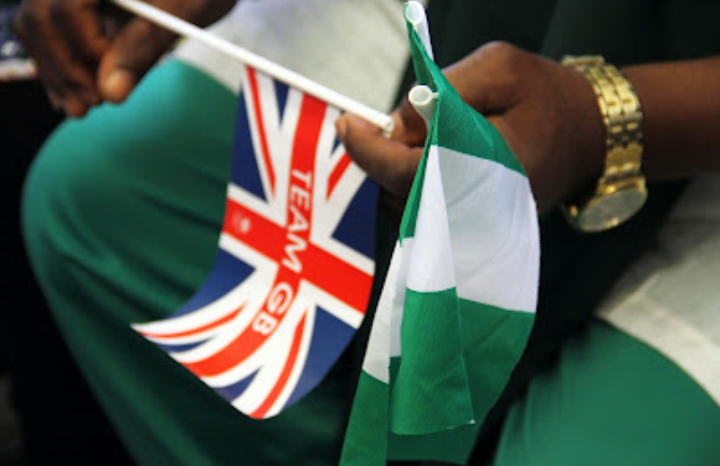
• Young Nigerians are the largest immigrant population from Africa into developed countries, with thousands of Nigerians migrating every year. The most popular reason for emigration from Nigeria is education; young families leave in order to offer more opportunities to their children, as well as for higher education themselves.

    Hotspots

    The most popular destination for Nigerian migrants is Canada, followed by the US and the UK, found a 2020 study conducted by Africa Polling Institute (API). Other popular destinations include Australia, Germany, Spain, Italy and South Africa.

    Favourable Canadian immigration policies appear to constitute a key enabler and “pull factor” attracting prospective migrants. Whereas in the case of the UK, Nigerian independence from Britain was gained in 1960, and more permanent migration has followed. Today, large Nigerian communities have formed across the UK, with the largest population residing in Peckham, a neighbourhood in South London.

    In the US, the number of Nigerian-American immigrants is relatively small, with a population of around 25,000 reported in 1980 versus 348,000 in 2017 and an estimated 374,311 Nigerian-born people in 2018. Out of all African countries, Nigeria is responsible for the most migrants to the US according to figures obtained from the United States Census Bureau.

    Famous Nigerians who fly two flags

    Many Nigerians have gained worldwide recognition and proudly fly two flags for the UK and Nigeria:

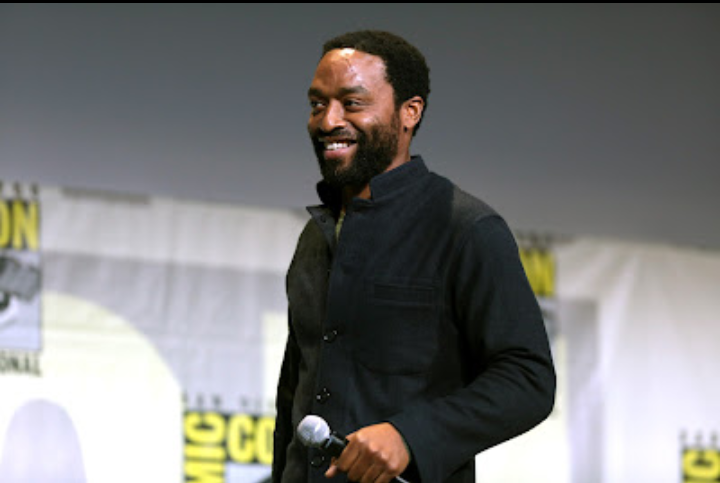
    Actor and filmmaker Chiwetel Ejiofor was born in East London to parents of Igbo descent. He has been honoured with a Global Promise Award by the GEANCO Foundation for his charity work in Nigeria.
    Four-time Grammy Award winner, Helen Folasade Adu, professionally known as Sade, was born in Ibadan, Nigeria before moving to Essex, England with her mother and older brother. She later became a singer, songwriter and actress, whose music has influenced countless artists worldwide, including Aaliyah, Missy Elliott and Kanye West.

    Born in South London, Tinie Tempah is an entrepreneur, rapper and singer. He rose to fame in the UK after releasing mixtapes and creating his independent label, Disturbing London.

    As Nigerians continue to emigrate to other parts of the world, we are seeing more Nigerian migrants proudly flying two flags. They are maintaining their Nigerian culture while also discovering and adopting interesting traditions and lifestyles from their host communities.

    Miracle moved to Ontario a year ago and has begun to settle in and experience living in the Canadian province. She enjoys the serenity that comes with being far from home but also loves the thrill of Lagos nightlife. While in Nigeria she would cheer on the Nigerian Super Eagles when the football kicked off but also now cheers on the Toronto Maple Leafs during the ice hockey season.

    Similarly, Eniafe was born in London but moved back to Nigeria when he was ten years old. With one foot in Lagos and one in London, Eniafe’s favourite music is a fusion of UK artists and Nigerian afrobeat. He thoroughly enjoys an English breakfast which is incomparable to Nigerian food which he also loves.

    For Eniafe, Miracle and many other Nigerians in the diaspora flying two flags, WorldRemit provides a fast and safe way to send money back home, providing a means through which they can stay connected to family, friends and the things they love!

    What about you, how many flags do you fly? To find out more, visit: https://www.worldremit.com/en/blog/community/the-nigerians-who-fly-two-flags
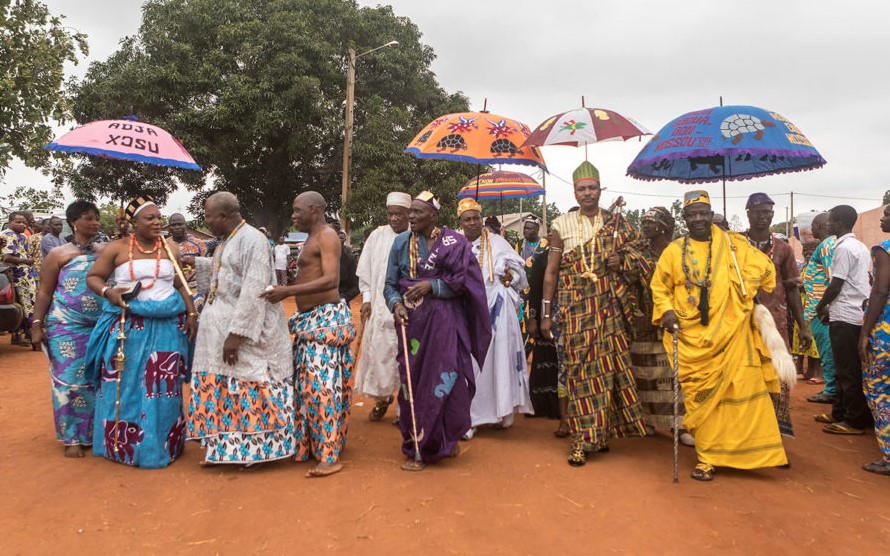
  • Everyone hears Yoruba and automatically assume the speaker is from Nigeria. You couldn’t be wronger. Most Yoruba people are from Nigeria, but there are estimated to be about 47 million Yoruba people worldwide.

    1. Benin Republic

    Yup. Our quiet French-speaking neighbors to the West have a large Yoruba population. Of Benin’s 11.5 million people, 1.7 million of them share the Yoruba heritage.

    BENIN REPUBLIC GOES DOWN CULTURAL LANE – News in Africa

    2. Ghana

    Yeah. The guys you’re always fighting over jollof. There an estimated 500,000 Yoruba people in Ghana’s 30million-strong population.

    3. Sierra Leone

    The Oku people, with an estimated population of 25,000, are an ethnic group in Sierra Leone and the Gambia primarily the descendants of educated, liberated Yoruba Muslims from Southwest Nigeria, who were released from slave ships and resettled in Sierra Leone as liberated Africans or came as settlers in the mid-19th century.

    Oku people (Sierra Leone) - Wikipedia

    4. Togo

    The Atakpame people of Togo speak Ife, known by scholars as Ife Togo, which traces it roots to Ile-Ife, Nigeria. The ancestors of the Atakpame people were Yoruba people who fled inter-tribal wars in the 17th Century.


    5. Ivory Coast

    There are about 120,000 Yoruba speakers in Cote d’Ivoire, despite being 2000 kilometres away.

    6. Cuba, Puerto Rico, Dominican Republic, Venezuela, Saint Lucia, Jamaica, Brazil, Grenada, and Trinidad and Tobago

    No thanks to the trans-Atlantic slave trade which saw millions of slaves taken from the Western coasts of Nigeria to islands all over the Americas and the carribeans, there’s a thriving Yoruba culture in these countries.

    Read: 7 Things Nigerians Will Do Once The Coronavirus Vaccine Is Out


    [donation]

  • If you live abroad and have pondered on how to keep your kids interested in Nigerian culture, this brilliant mother of two has come up with a solution.

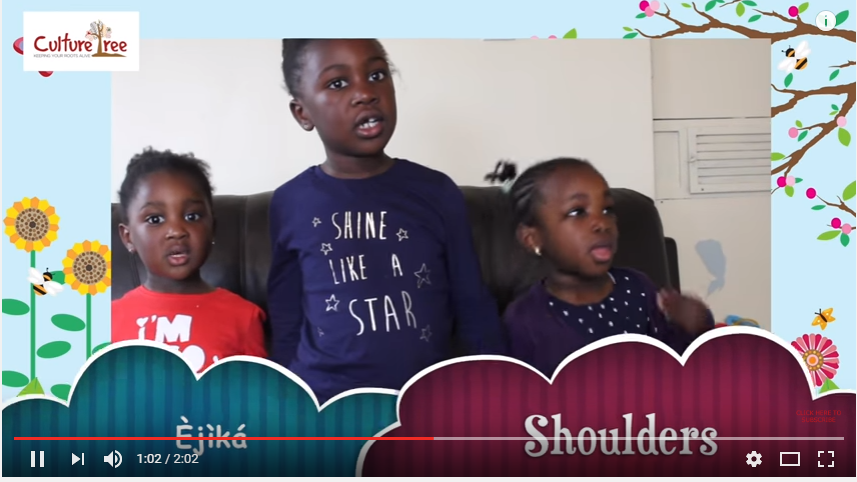
    Gbemisola Isimi came up with a fun show idea when she realized that her 3-year-old daughter who loved to watch videos on her iPad, was not being exposed to Yoruba rhymes for kids, because there weren’t any available on Youtube. She started by translating the English nursery rhymes her daughter liked into Yoruba.

    Culture Tree TV (available on Youtube) aims to teach youngsters Yoruba by translating old English nursery rhymes and children stories into animated videos in Yoruba. Just look at these cute kids go!

    https://youtu.be/Y1uGmoN8uPg?list=PL-2SN7O0BfY9Z5kK2LOhP0ldymtDAYcEz

    We hope Nigerian parents all over the world will take advantage of this fun platform to train their kids. We also hope to see Culture Tree Tv expand to accommodate as many Nigerian languages as possible.

  • According to a report by the News Agency of Nigeria, The Joint Admission Matriculation Board (JAMB) is making plans to establish exam center in foreign countries to enable easy access for candidates who want to study in Nigeria.

    JAMB’s Media and Information head, Mr Fabian Benjamin, explained that the Board also plans to ensure more candidates are able to write the UTME exams within and outside the country.

    He stated that this step was taken so that candidates in the Diaspora who want to study in Nigeria shouldn’t have to go through the stress of travelling down to write an exam.

    Although JAMB’s UTME exam is currently being conducted in countries such as Cameroun, Saudi Arabia and Ghana, they aim to spread their reach to countries such as the U.S and others.

    We kuku have a few questions. Will the 180 cut-off mark also apply to these candidates?

    Considering the history of Nigerian examination bodies, will the exams in such centres be properly conducted?

    Share your opinion on this development in the comments section.

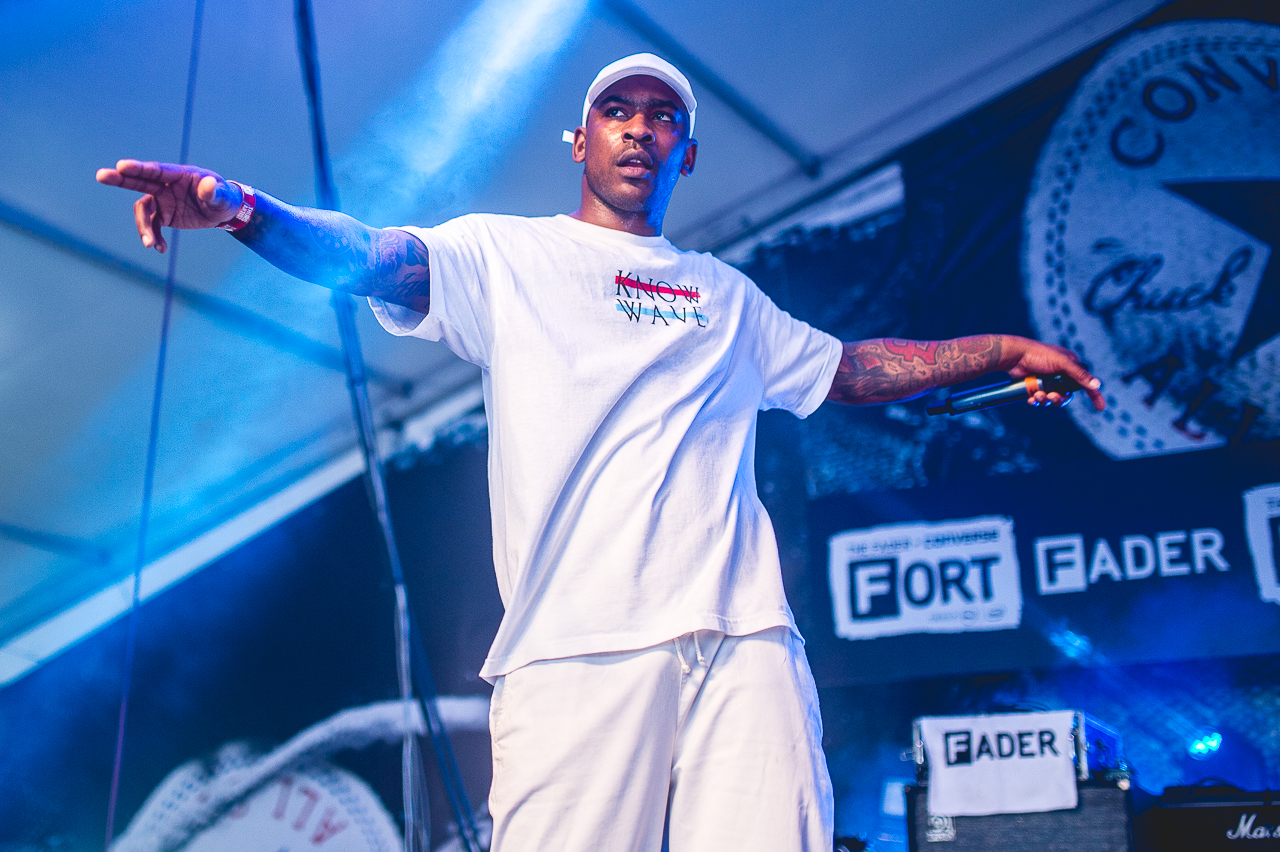
  • It is not uncommon to find successful Nigerians in the diaspora making efforts to give back to their home country and now Skepta has decided to be one of them.

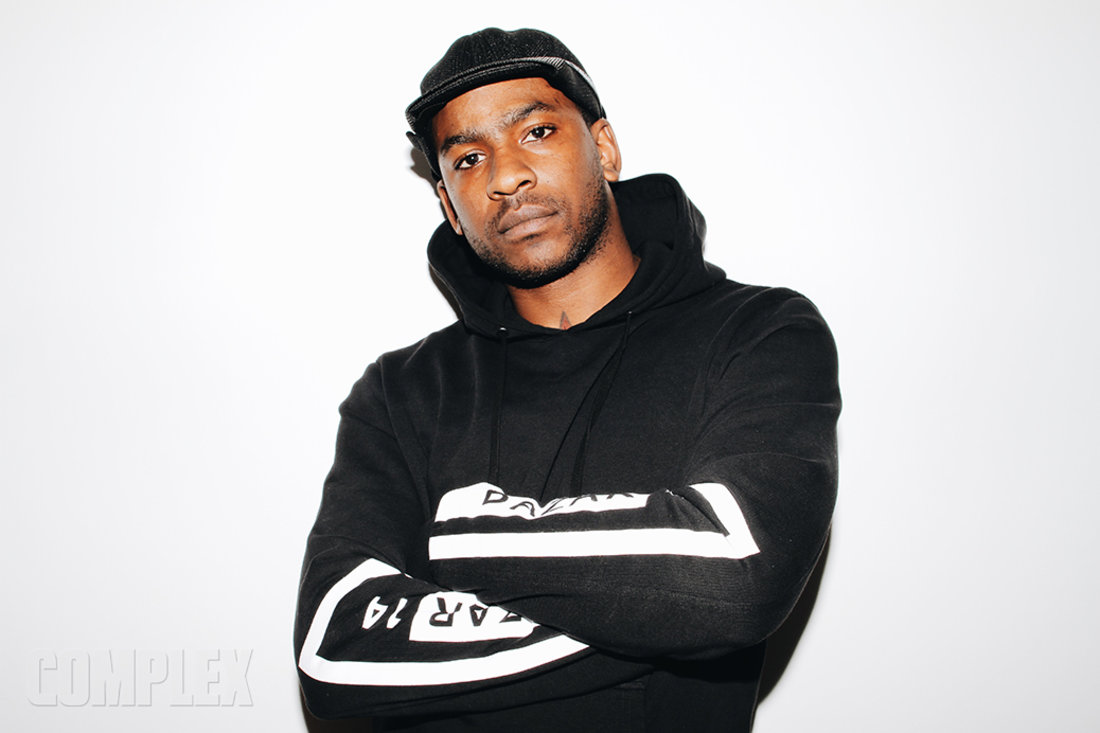
    Out of the spotlight, the British-Nigerian grime artist and MC is known as Joseph Junior Adenuga.

    Born in Nigeria and relocating to the UK with his family at only 3 years old, Skepta launched his musical career together with his younger brother JME in 2005.

    Skepta is one of the note-worthy names in the world of British grime and he is also a songwriter and record producer. He has also performed with top rappers Drake and Kanye West and was also on the remix of Wizkid’s Ojuelegba alongside Drake.

    After spending so many years away from home, 34 year old Skepta decided to give back to his home country, more specifically his home town in Ijebu Ode.

    https://www.instagram.com/p/BCWCyQATDkV/?taken-by=skeptagram
    He started building a children’s playground in his father’s village in Ijebu Ode.

    On February 29, he shared pictures of the unfinished playground on his Instagram page. He explained that he’s building the playground to engage children in fun activities that will further enable them explore or develop various talents.

    https://www.instagram.com/p/BCWDTUMzDlj/?taken-by=skeptagram
    He stated that the playground had to be launched by his mother in its unfinished state because she had to leave Nigeria for London the following day. Skepta believes the completion of the project will go a long way in inspiring the children.

    Hian! Why ‘launch’ an incomplete playground? Why not just wait? In fact, where is the playground?

    https://www.instagram.com/p/BCWDyDhzDmv/?taken-by=skeptagram
    As far as we are concerned Skepta’s lovely mummy rocked iro and buba with red beads to cut a yellow ribbon for a red dunlop tyre storage facility. Because we see no playground.

    Nigerians responded to the story of this unfinished playground on social media.

    Abeg, who dunlop tyre don inspire?

    https://twitter.com/MrBigzOfficial/status/704306251245682688

    The playground may be a poorly executed project but who gesture don epp?

    Should he demand a refund from the person he paid to build the playground?

    https://twitter.com/campalagirls/status/704414911821172736

    Bros, abeg which side the playground dey?

    https://twitter.com/isthecolor/status/704412102904123393

    We are just wondering sha..

    It wasn’t a joke afterall.

    @Ifeagbeja @Phardiga @Skepta Wait… is the playground real? Thought it was a humorous post o

    — AdaEZEnwa Chinanu (@Chynanu) March 1, 2016 [zkk_poll post=21418 poll=content_block_standard_format_13]
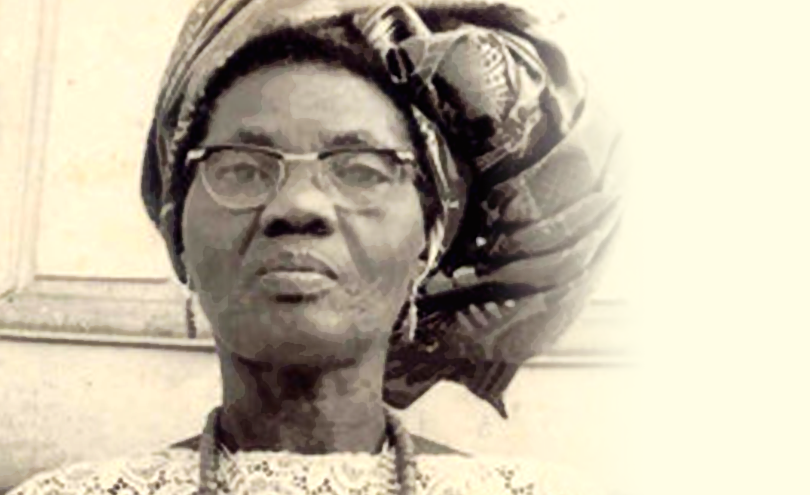
  • Before country’s independence, it used to be that Nigerians went abroad for their higher education, because we didn’t have a lot of universities then. But most of them always returned to put their knowledge to good use in th coutry. Examples are Odumegwu Ojukwu, Obafemi Awolowo, Nnamdi Azikiwe, Funmilayo Ransome-Kuti just to mention a few.

    Shortly after independence, Nigerians began migrating to the diaspora, some for better education, but more in search of greener pastures.

    But in recent times, we’ve noticed a growing trend in the country and it’s been happening for the past few years now. Second generation Nigerians are beginning to return in droves to their home country, because they’ve realised that there are massive opportunities here.

    This video “Nigeria: the “repats” who’ve returned” deals with this.

    Michael Ugwu, who works with Sony West Africa, is one of the returnees. Born and bred in the UK, he sees Lagos as home now and has no regrets with moving base to the fatherland.

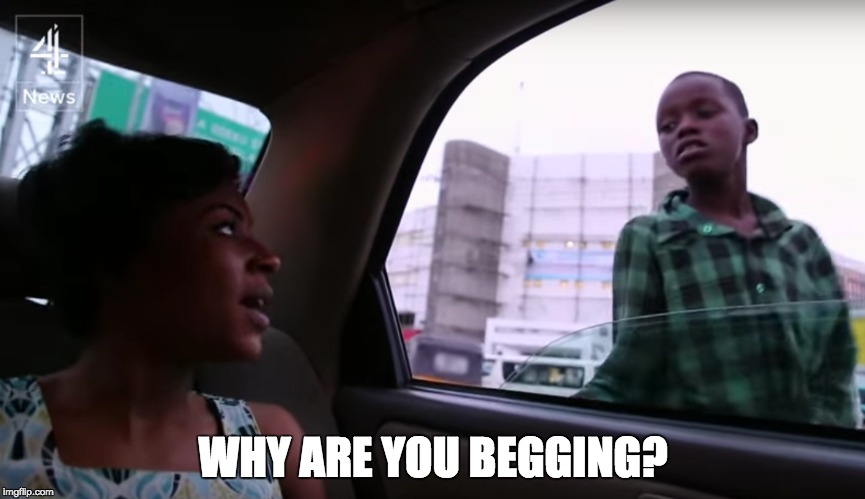
    While watching this video, you can’t help but have the notion that the repats in this video don’t know what they are on about. A prime example is Aisha Shaba, who returned in 2012 and is now a successful actress in the country.

    In the video, she asks the question “Why are you begging” with a look of contempt and disgust.
    That she could easily give him some money, but instead lectures the child on why he shouldn’t beg is indicative of the fact that she must live in a bubble. Her statement that “They have no reason to beg. Nigeria is in a different system” is further indicative of that.

    Isn’t it better to just ignore them if she didn’t want to give them money? No one chooses that kind of life for themselves.

    Another repatriate, Baba Epega, believes that Nigerian is in an era of meritocracy. The government has changed and Buhari is in power. All we can say is…

    As much as this video  tries to tell the “I just got back and I’m doing well” story and the system of things currently in the country, it doesn’t do justice to matter as it’s about a select few, who have beliefs that don’t apply to majority.

    All in all, we are glad that our brothers and sisters are coming home.

    [zkk_poll post=15950 poll=content_block_standard_format_12]

    Share your opinion in the comments.

  • In the usual fashion, Nigerians at home and abroad are making positive marks in all works of life. Forbes magazine’s 30 under 30 list dropped recently and some Nigerians made the list.

    The list is made annually in recognition of young people under 30 that have been of great influence in their career paths. From the creative arts, fashion and media industries, these are the 4 trail blazing Nigerians that made the list.

    Kelechi Anyadiegwu

    After obtaining a Masters degree in human-computer interaction from Carnege Mellon, Kelechi was driven by her love for web design, textile and African fashion to start up an e-commerce site for African fashion items, ZUVAA. At 26, she has built a fast growing avenue for Africans in diaspora to express themselves in African wear without stress.

    John Boyega

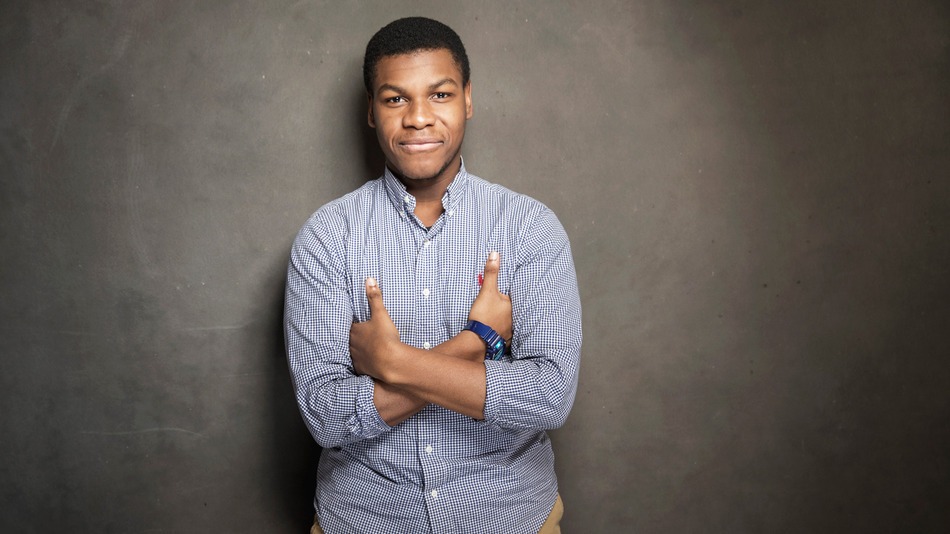
    The 23 year old first captured hearts in Nigeria with his role as Ugwu in critically acclaimed movie, Half Of A Yellow sun. He recently bagged a major role in the latest Star Wars movie franchise and he is loved even more for his brilliant acting and witty clap backs.

    Zim Ugochukwu

    Being the youngest precinct judge for North Carolina’s Board of Elections at 19 was merely a stepping stone for Zim. The 27 year old graduate of  Biology  from University of North Carolina launched Travel Noire in 2013 as a means of providing necessary resources for black travelers like herself.

    Angela Nwandu

    Her rough childhood in the foster care system didn’t deter her from going on to be one of the forces to reckon with in the blogging world. 25 year old Angie,  launched The Shade Room popularly called “the TMZ of Instagram” in 2013 and has changed up the face of celebrity gossip. You can view the complete 30 under 30 list here.
  • Not every time work with your degree, sometimes follow your passion and start something amazing.

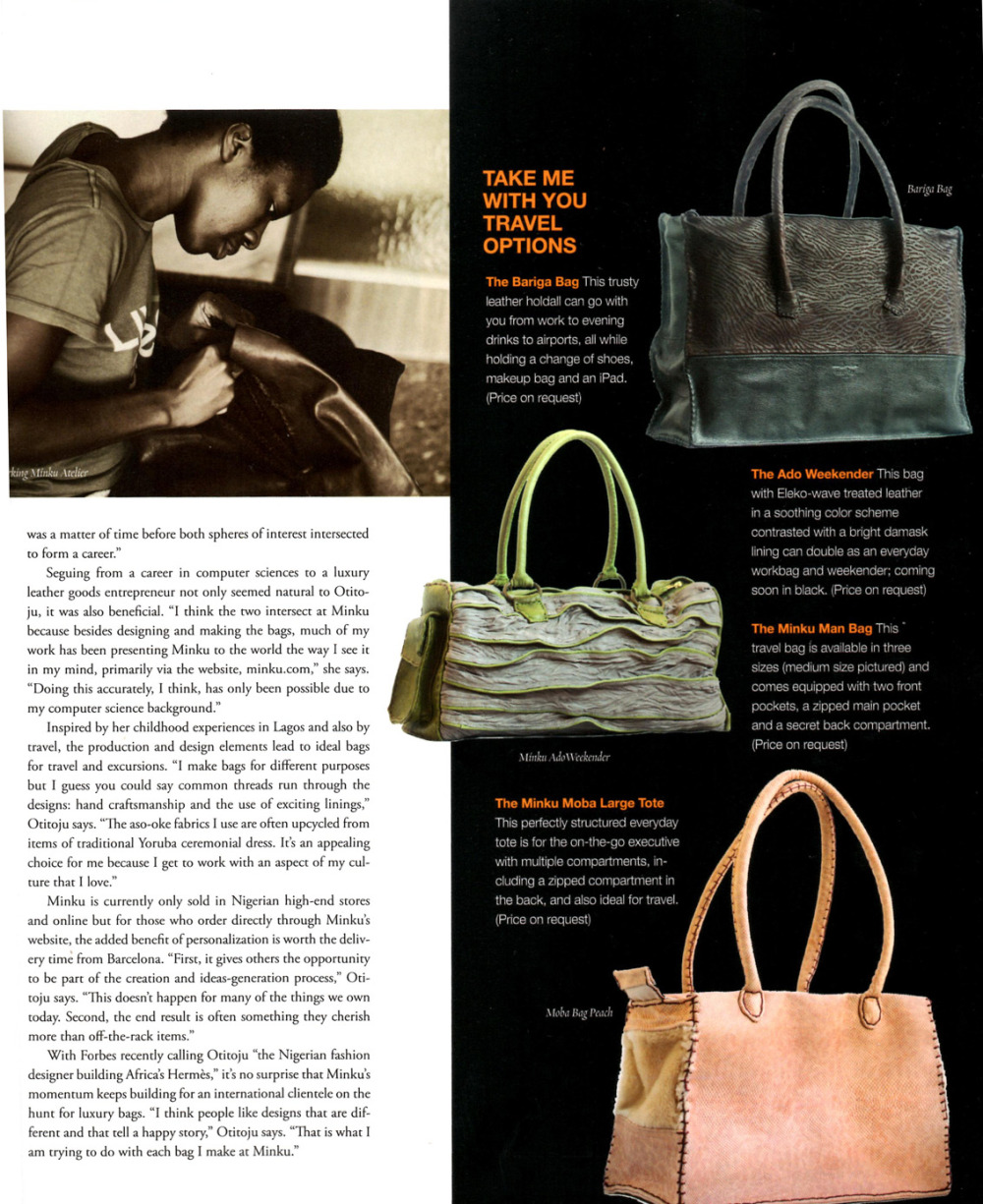
    After winning a prize in fine art every year in Queen’s College Lagos, Kunmi Otitoju obtained her B.Sc. and Masters degree in Computer Science from Howard University and Virginia Tech respectively.

    She moved to Europe in 2010 and launched her brand Minku the following year.

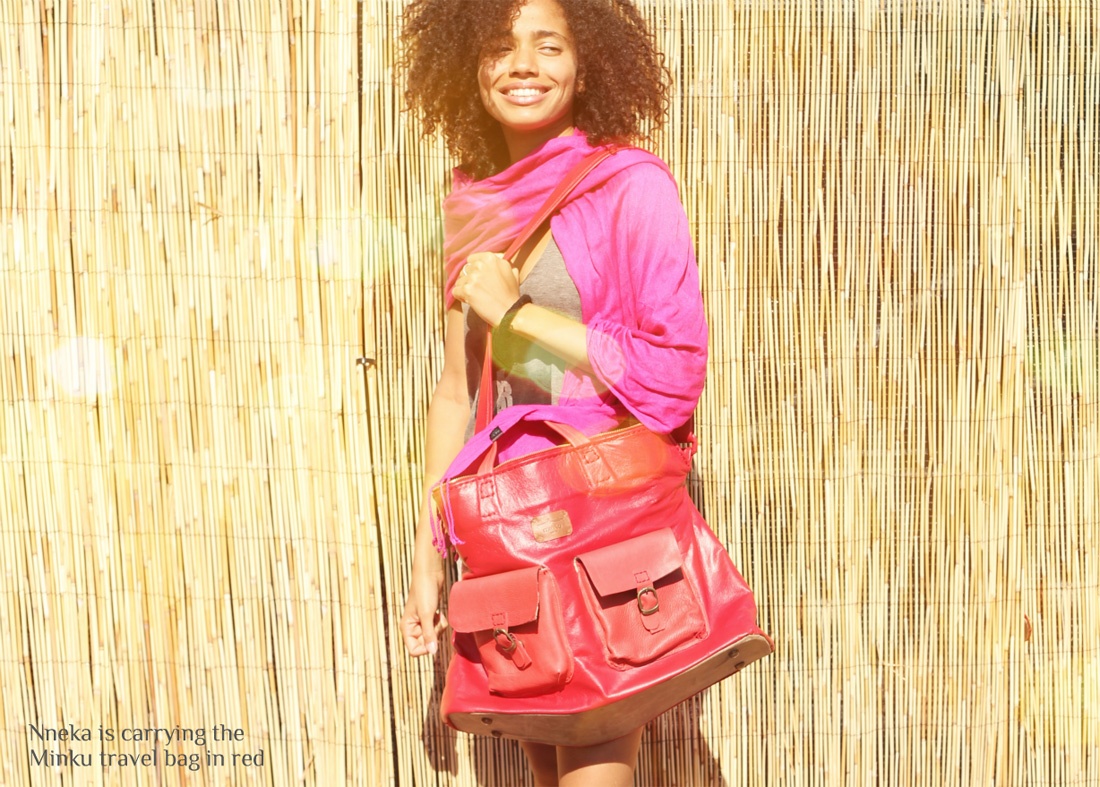
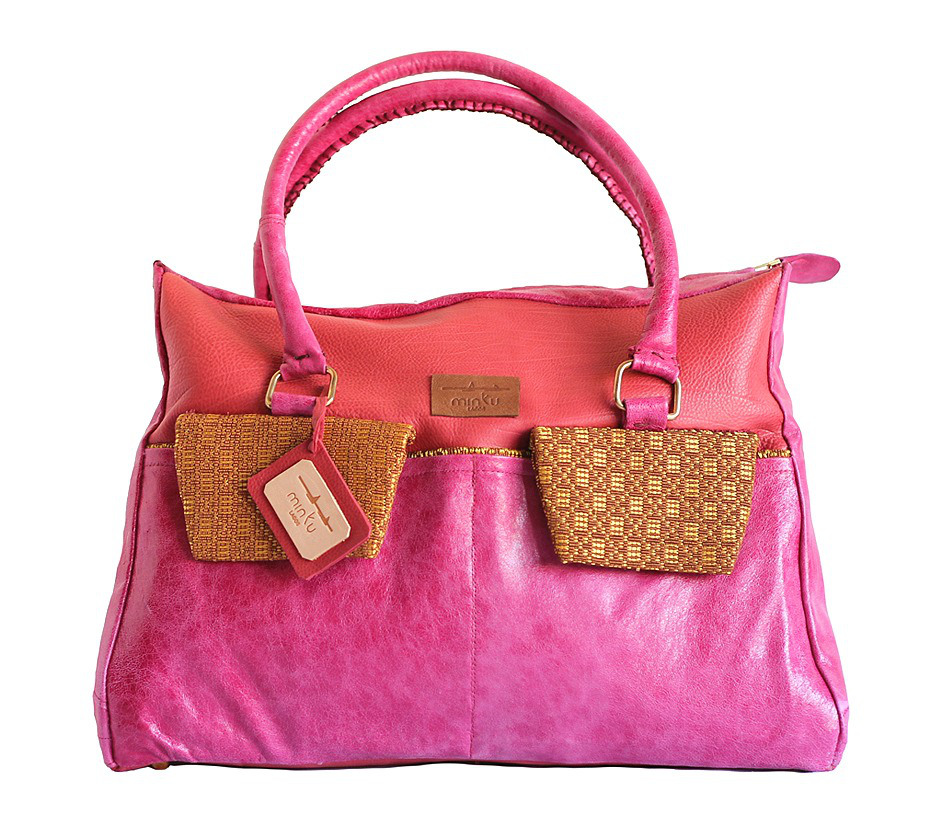
    With Minku, Kunmi blends the sophisticated hand woven aso oke with premium leather to produce quality luxury bags.

    She aims at sharing the beauty of vintage aso oke and damask from Africa with the world through her brand.

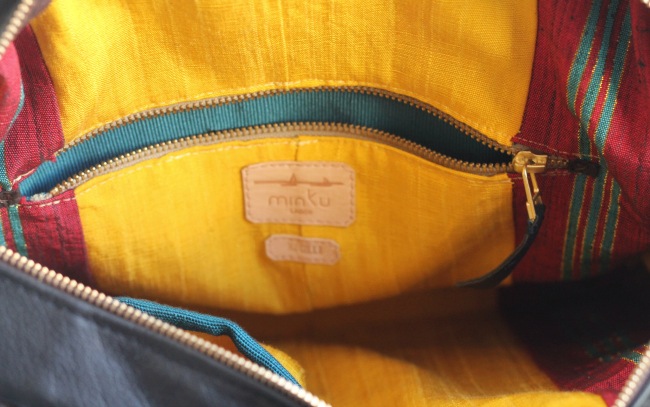
    To cap all that awesomeness, Minku products are reuse and recycle friendly and are usually lined with remodeled aso oke fabric.

    All Minku products are made by hand from a workshop in Barcelona, Spain and can be purchased from the online store.

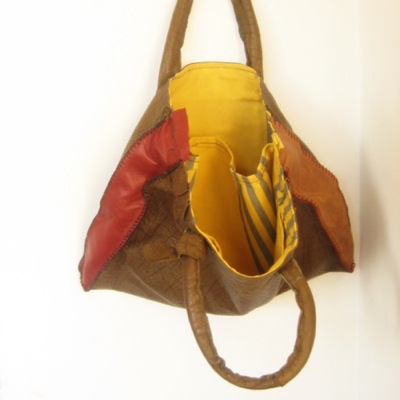
    The Isinmi shoulder bag

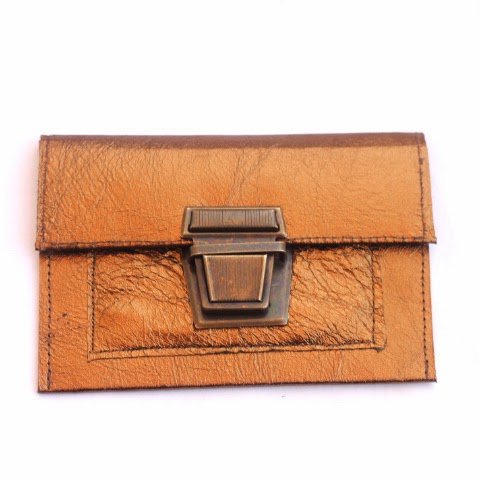
    The Nina Simone laptop bag

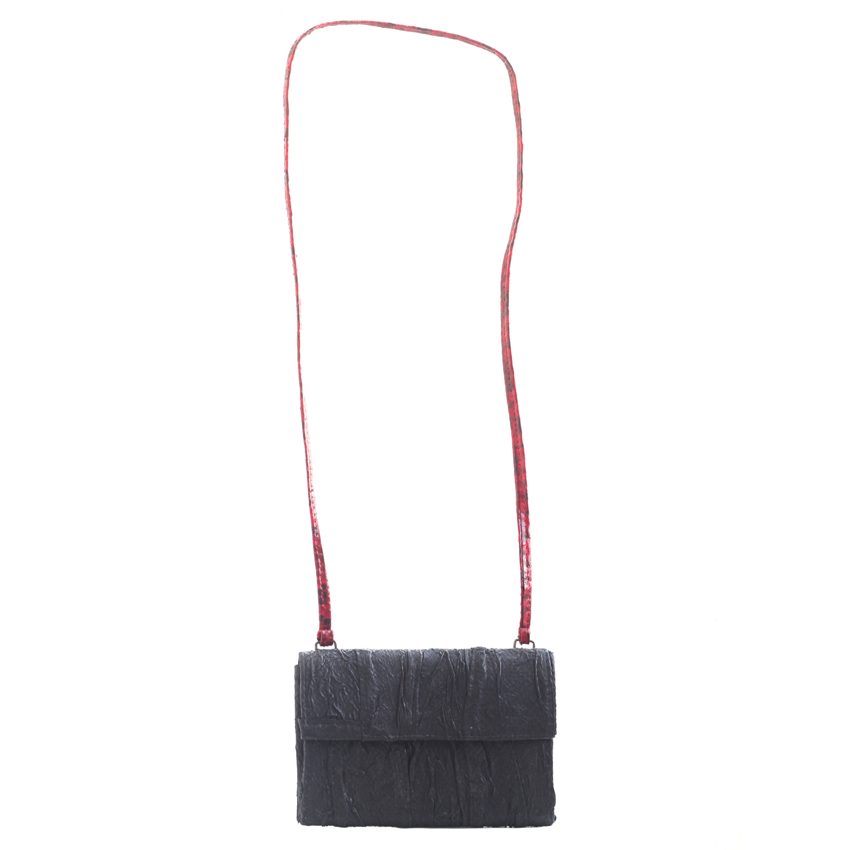
    Ebute Metta clutch purse

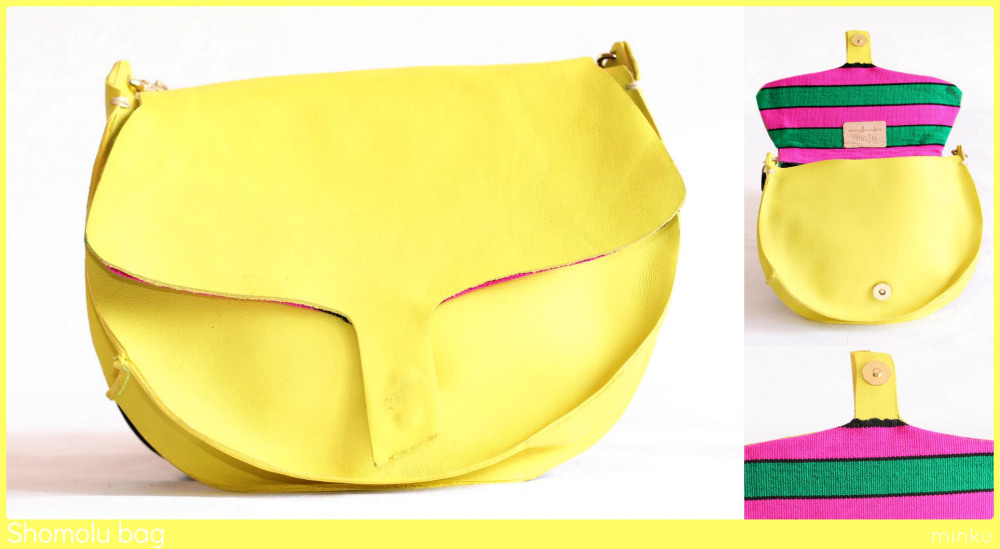
    The Shomolu bag

    The Fagunwa bag

    Minku products can be purchased online or from selected retailers in Lagos.

    The website for shopping is http://shop.minkudesign.com More products can be found on Instagram: @Minkudesign Twitter: @Minkudesign Facebook: Minku Official website: www.minkudesign.com
  • Chemistry, applied or organic might seem to be one of the toughest courses to study in the world.

    Yes, in the world of science.

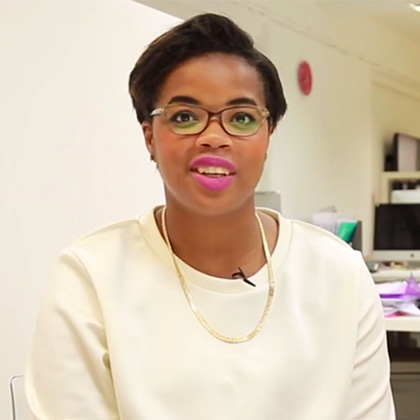
    But to 24 year old Florence Adepoju, her B.Sc. degree in Cosmetic Science paved way for her into the glamorous world of makeup.

    After working at the counter of a makeup store and getting tired of not finding the perfect lipstick shade for dark skinned women, Florence got inspired to study the science of cosmetics and start her own makeup brand.

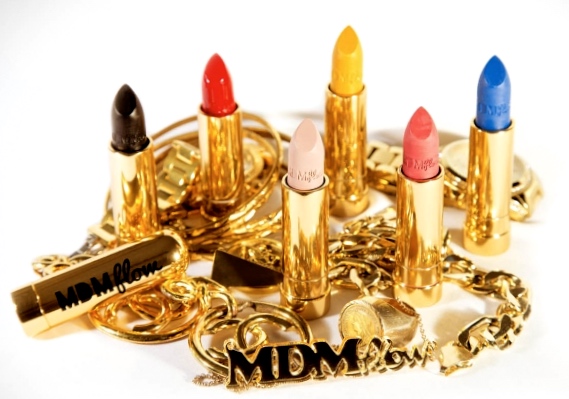
    Kicking off in 2014, she launched her lipstick line MDMFlow in varying shades from her parent’s shed in Essex.

    MDMflow short for Florence’s nickname” Madam Flow”, has gained international recognition in Belgium and is currently stocked in Topshop stores.

    The lipstick shades are inspired by her love for Hiphop and have been named after songs and artists.

    The mustard shade lipstick was named after  rapper, 2 Chainz and another was named after the song “Milkshake” by Kelis.

    The latest MDMflow product, Greater Than mascara is selling out really fast and she plans to release her official mascara line later.

    You can watch her 2015 interview for the London College of Fashion Awards ceremony here.