• The Nigerian experience is physical, emotional, and sometimes international. No one knows it better than our features on #TheAbroadLife, a series where we detail and explore Nigerian experiences while living abroad. 


    Nath (21) became too troublesome for his parents to handle so they brought him back to Nigeria as a form of punishment. In this week’s edition of Abroad Life, he shares how he struggled after the sudden relocation and defied all odds to find his way back to Brazil.

    Where do you live, and when did you move out of Nigeria?

    I live in Brazil, and I moved here from Nigeria in October 2024. Although I was born and partly raised in Sao Paulo, Brazil.

    So why did you come back to Nigeria?

    In 2011, my parents brought me back to Nigeria to discipline me. I was becoming too rowdy for them, so they brought me back to instil morals in me. I did my primary and secondary school education in Nigeria.

    First of all, how did your Nigerian parents end up in Brazil?

    My dad’s first business took him to Brazil. Then he returned to Nigeria, married my mom and took her to Brazil with him. That’s how we all settled there.

    What was growing up like in Brazil?

    It was much simpler than my life in Nigeria. Everybody’s free-spirited in Brazil. The food and culture were great. Food and soccer brought people together. Even looking back at those memories makes me happy. It was so peaceful; nobody was worried about anything. We were always dancing. Brazil has this party-everyday atmosphere that makes life worth living.

    So, how did you feel when you moved back to Nigeria?

    Unfortunately, the first place I set foot in after our relocation was Lagos. I was shocked by how chaotic and busy it was. From Lagos, we flew straight to the village to see my grandma, and I stayed there for about one month. I only knew Portuguese and couldn’t speak a single word of English, so I felt left out.

    I’m so sorry to hear that. Did it get any better?

    It didn’t. We left the village and settled in Lagos, where I was enrolled in school, and I’m not exaggerating when I say I hated school. I was mocked for not knowing how to speak English and for having a heavy Portuguese accent.

    I had to learn a new language (English) from scratch. Even after I started learning, it was impossible to drop my accent. It was so bad that my nanny had to learn how to speak basic Portuguese. It took me a whole year to learn how to greet in English.

    The school also threatened to kick me out if I didn’t learn how to speak English soon enough. As a young child still trying to process  Lagos’ bustling nature, I found it hard to learn quickly.

    Get More Zikoko Goodness in Your Mail

    Subscribe to our newsletters and never miss any of the action

    Did your parents attempt to teach you English while growing up in Brazil?

    No, they didn’t. The place where we grew up is full of Portuguese speakers, so there wasn’t any need to learn English. How many years did it take you to learn how to speak proper English?

    It took over two years to learn the basics, but I got better as the years passed.

    So why did you go back to Brazil?

    To chase my dreams. The first thing you should know is that ever since I watched a Brazillian movie called City of God, I wanted to go into theatre and filmmaking. But I also wanted to impress my parents so badly, so after finishing secondary school, I decided to study law because that was what they wanted. I sat for the Joint Admissions and Matriculation Board (JAMB) exam twice, and I failed both times. I decided to write it for the third time, but I failed again. It was then  I started thinking of returning to where I was born to finally chase my filmmaking dream. I was already a citizen, so I didn’t need to look for a visa or passport. I just renewed my passport, and off I went.

    I love that for you!

    Thanks! I got equipment to kickstart my filmmaking journey a few days after I arrived Brazil. I also started brushing up on my Portuguese; I never forgot how to speak it, but I needed some lessons to help me speak more fluently. Now, I’m a film school student in Brazil, and I’m living my best life.

    How did you convince your parents to allow you to go to film school?

    When I first told my parents, they thought I wasn’t serious. It took years to convince them, so I had to find ways to keep the passion alive. I started watching many movies while waiting for my big break. My sister introduced me to old Hollywood movies and inspired me to start my movie catalogue, which now has up to 3000 movies.

    3000 movies?

    Yes. I started collecting them in my SS2.

    Wow! So, at what point did they start supporting your passion? 

    After failing to pass JAMB three times, my dad told me I could do whatever I wanted. It was starting to look like I was failing the exam intentionally so I wouldn’t be forced to study law. In all honesty, I tried, but it was only to please them.

    How is life going in Brazil?

    Returning as an adult is different but the place is exactly how I pictured it as a child. There’s still the same free spirit and free socialisation devoid of race or class bias. I’m trying to immerse myself in the culture all over again.

    Are your parents sponsoring you?

    We struck a deal. My dad promised to sponsor me if I hit a certain sales quota for his business. I hit it, and he kept to his end of the deal.

    Nice. How does it feel to be chasing your dream finally?

    It’s been beautiful, but I  plan to live in Brazil for only two years and then return to Nigeria. I’m passionate about seeing Nollywood grow, so I plan to apply everything I’m learning here to the Nigerian industry. One of my dreams is to win an Oscar for the Nigerian industry.

    That’s ambitious. Have you found it easy to reconnect to your Brazilian roots?

    I’m getting there. I took a barista job for my first three months here, so it would be easier for me to connect with people. I’ve also finally visited the Jesus the Redeemer statue, which I’ve wanted to see since childhood.  When I went there, I was astonished.

    Brazillian food is another thing I’m happy to be experiencing again. I still feel close to Nigeria because there are four Nigerians in my department, and we connect regularly. I also live with my Nigerian aunty, so I actually don’t feel far from home.

    So would you recommend relocating to Brazil?

    100%. There’s peace of mind, affordable housing, quality education and free healthcare here.

    On a scale of one to ten, how happy are you with your life in Brazil?

    10 over 10. I’m so happy. Life is beautiful in Brazil!


    Do you want to share your Abroad Life story? Please reach out to me here. For new episodes of Abroad Life, check in every Friday at 12 PM (WAT).

    [ad]

  • Despite the depth and importance of our ancestry, African deities are sadly, still viewed through post colonial lenses  as primitive and satanic. It’s however uncanny to note that Yoruba deities especially are even more appreciated overseas than right here at home.

    Case in point, Beyonce’s repeated reference to Sun through out her visual album, Lemonade.

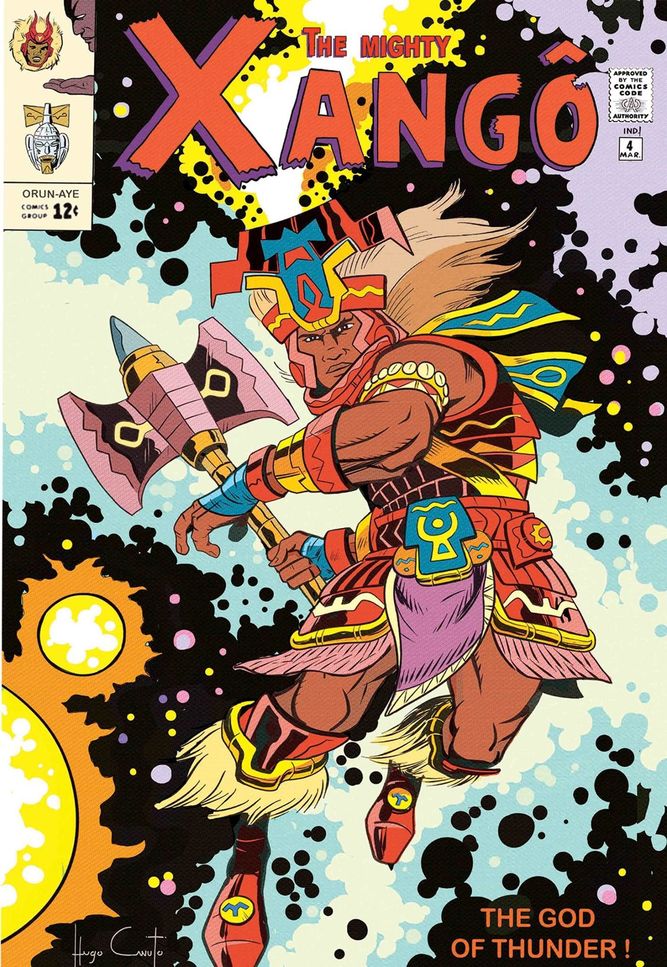
    Be that as it may, Nigerians familiar with the superhero comic universe can relate Marvel’s Thor to Sango, the badass Yoruba got of thunder.

    How Nigerians have been DC and marvel to include Yoruba Orishas into their comic universes.

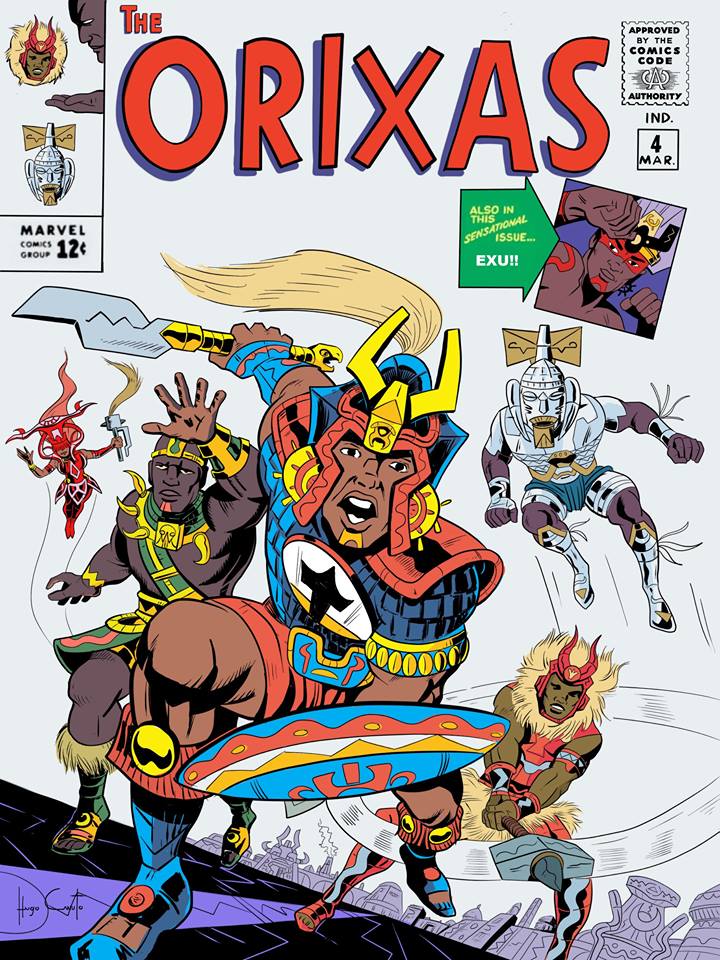
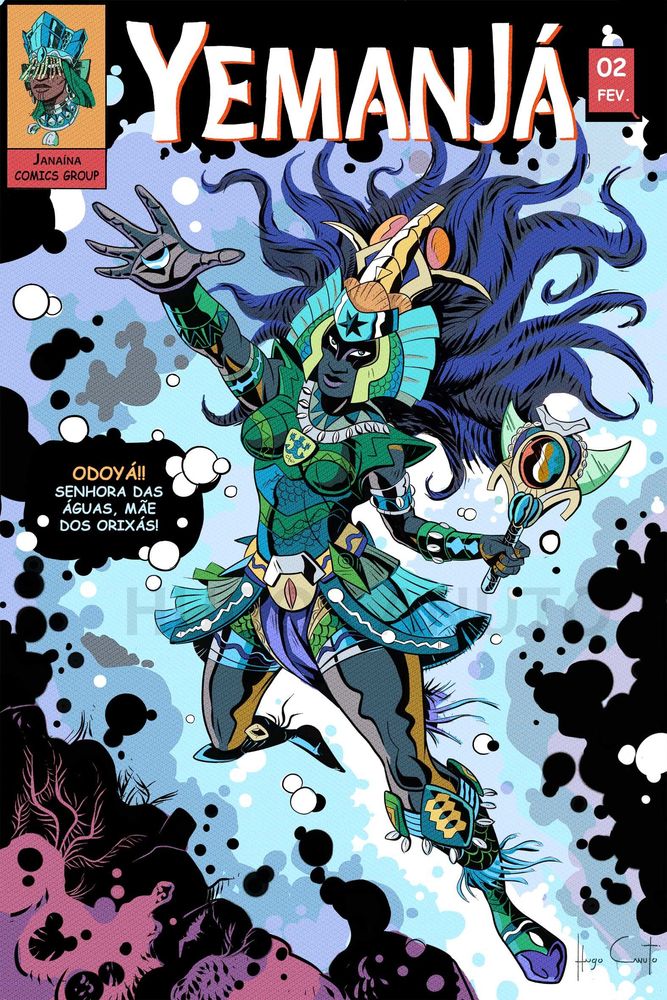
    Doing it for the culture, in 2016, talented Brazilian artist, Hugo Canuto, reimagined The Avengers as Yoruba gods, The Orixas, and his depiction is absolute perfection!

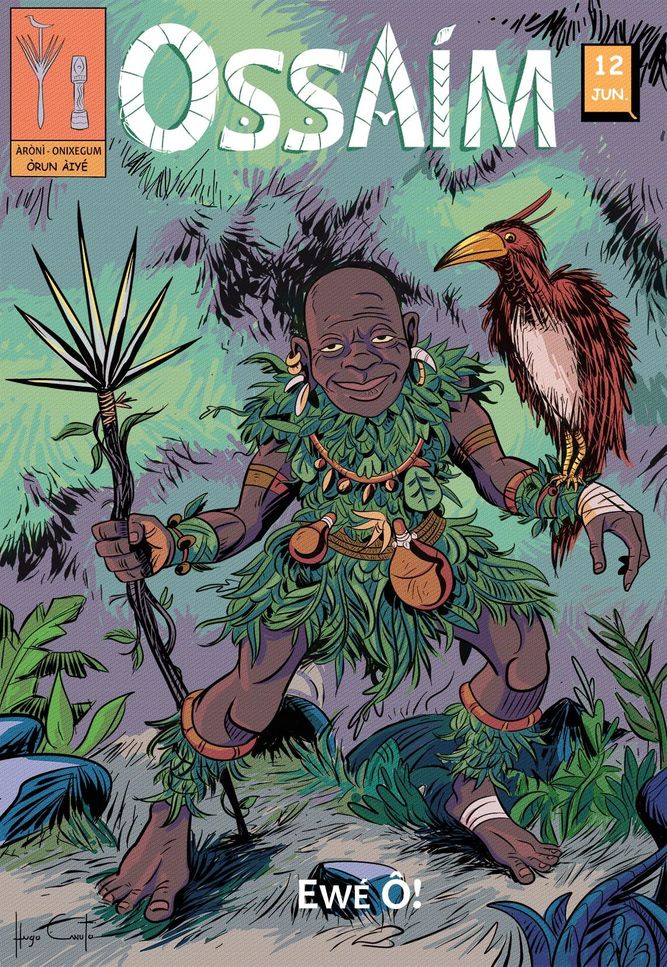
    And Antman is none other than Ossain (Osanyin), the god of the the forest and healing.

    He created this spin-off titled, ‘Tales of Orun Aiye’ mixing Portuguese and English throughout, to celebrate African culture and its influence on his Brazilian roots and religion.

    After setting up a crowdfunding campaign, Hugo plans to use the proceeds to publish at least 2 comic books this year.

    We hope to see more of this brilliant work, especially African artists real soon!

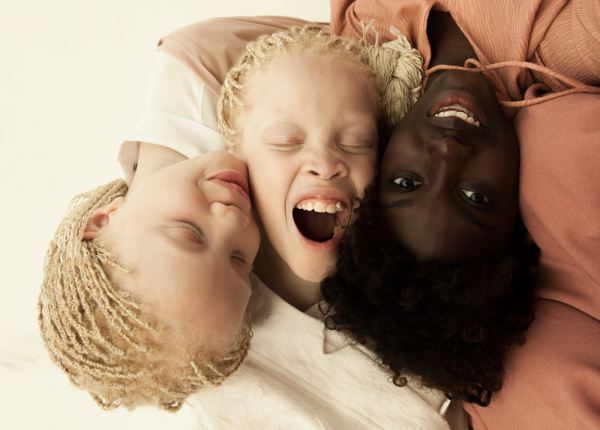
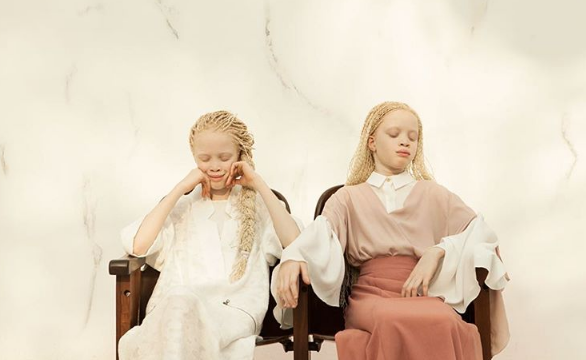
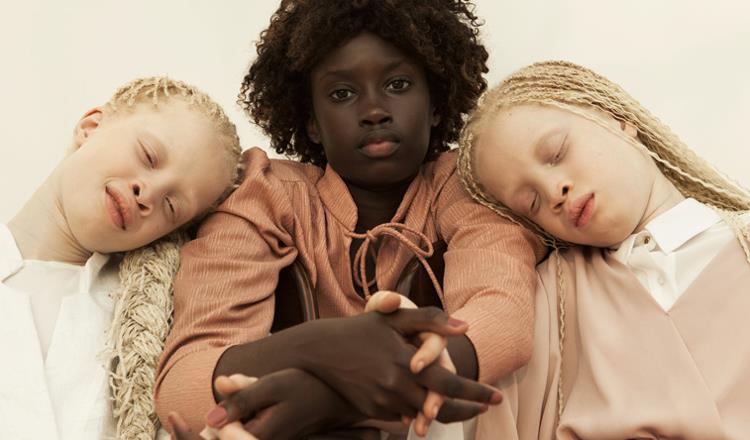
  • When Brazilian photographer, Vinicius Terra Nova, decided to do a photo series he named, ‘Flores Raras’ (translated as Rare Flowers) with these three sisters, magic was the only expected result.

    The twins, Lara and Mara who have albinism slayed this shoot with their elder sister, Sheila.

    It’s hard to get over how beautiful they look.

    Look at how the twin’s creamy skins glow beautifully against Sheila’s popping dark skin.

    They’re giving serious hair goals.

    Se them serving artsy vibes in this upside-down shot.

    To view more amazing pictures from this shoot, check out Vinicius’ website here. Featured image credit: Vinicius Terranova
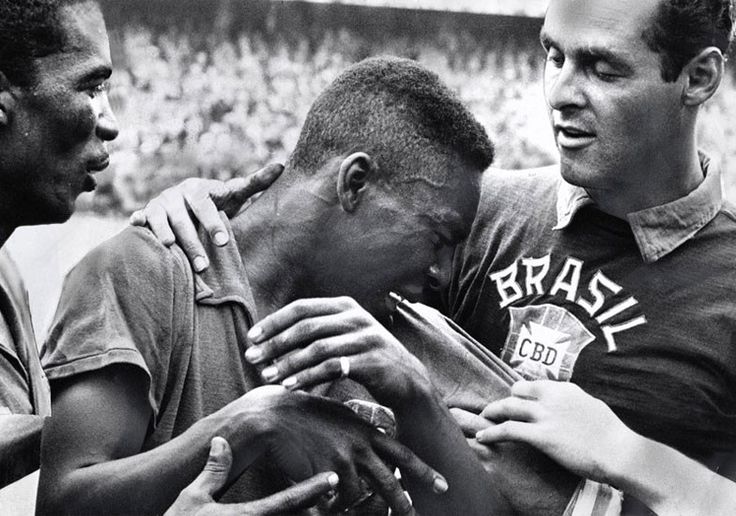
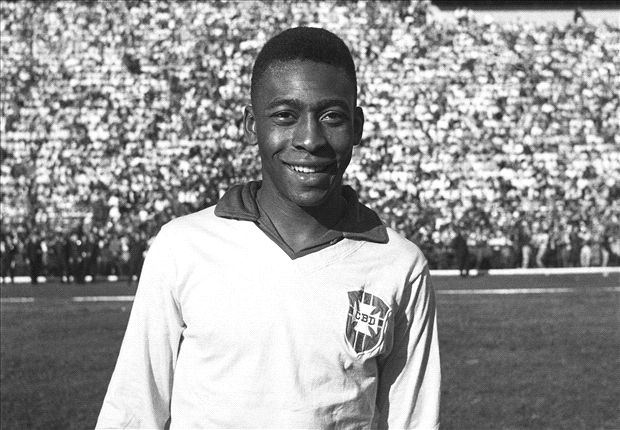
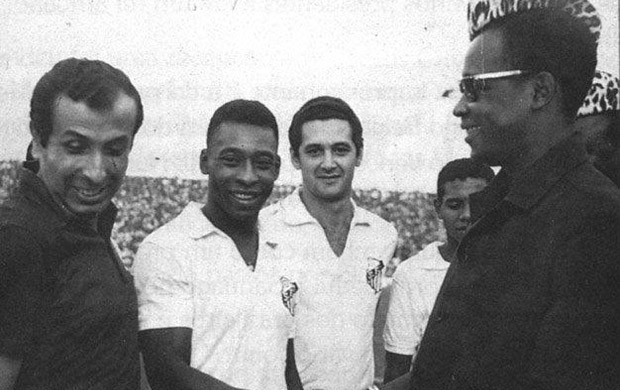
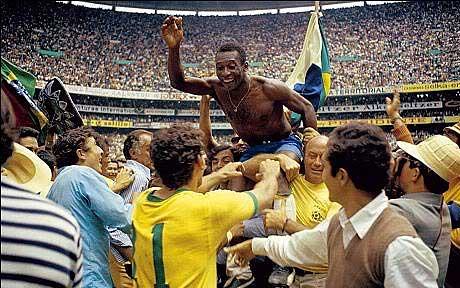
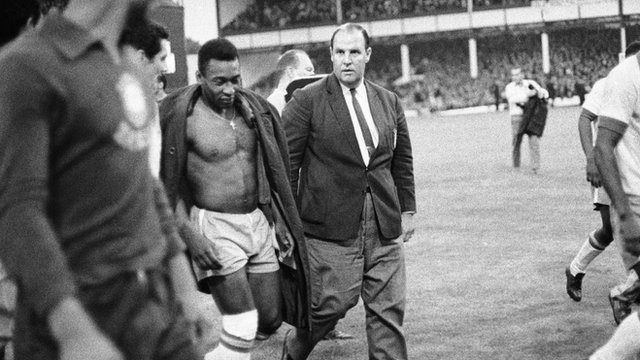
  • In the football world, the name of Brazilian football legend, Edson Arantes do Nascimiento,  who was named after inventor, Thomas Edison, will never cease to be mentioned. Almost 60 years after making his first appearance in Nigeria during the famous ceasefire of the Nigerian civil war, Pele will be in Nigeria for a series of football events, happening in Lagos later in 2016. Although he was earlier scheduled to visit Nigeria on August 11, his trip was postponed due to reports of his ill health on August 5.

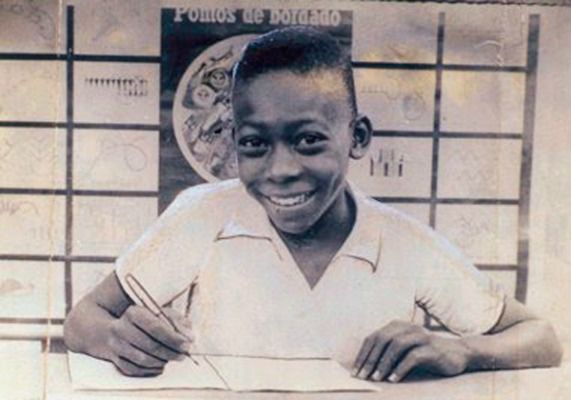
    To celebrate the arrival of this legend, here are 13 iconic pictures of the amazing Pele:

    1. When he was just a little boy.

    2. When he shed tears of joy after winning the first World Cup for Brazil in 1958.

    3. When he became the youngest winner of a World Cup at 17.

    4. During his first visit to Nigeria during the civil war.

    5. That time his team carried him up high after Brazil won the World Cup yet again in 1970.

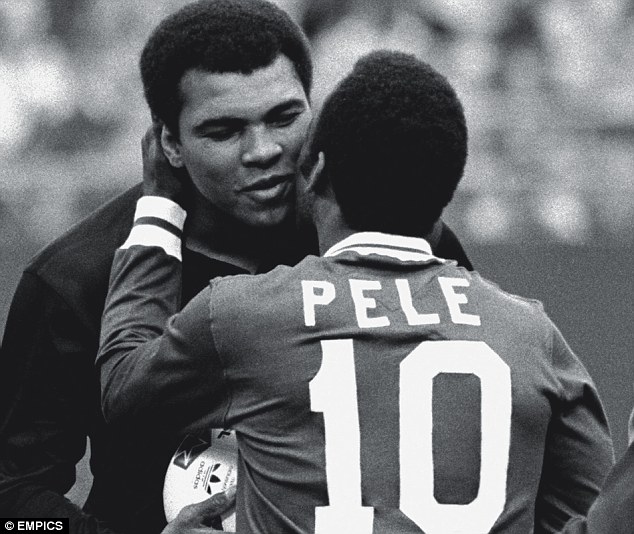
    6. Pele sharing a hug with the incredible Mohammed Ali in 1977.

    7. This picture was taken at the famous football match he played during the civil war in Nigeria.

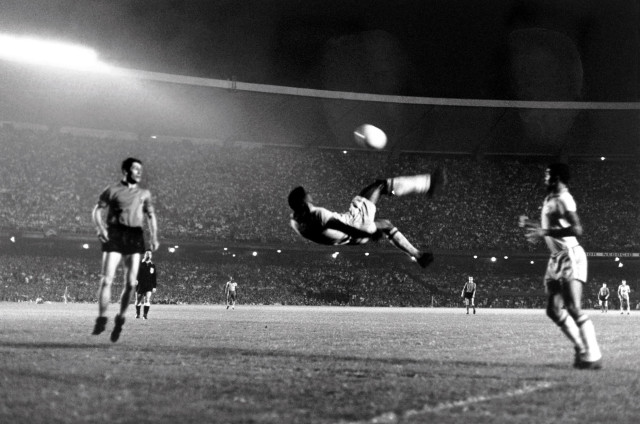
    8. When he delivered the most effortless bicycle kick we’ve ever seen in 1968.

    9. This picture of two of the greatest Brazilian footballers ever.

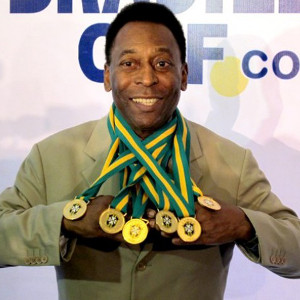
    10. He was basically chilling with his medals like a bad guy.

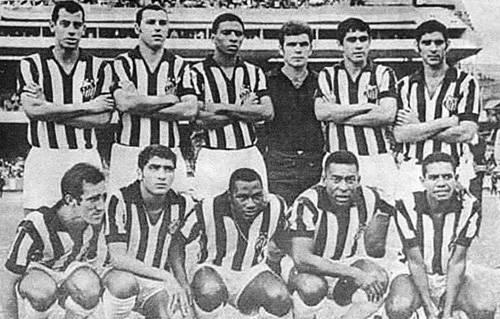
    11. That time his team mates celebrated his 1000-goal count in 1969.

    12. When he had to leave the pitch after getting injured during a match against Portugal in 1966.

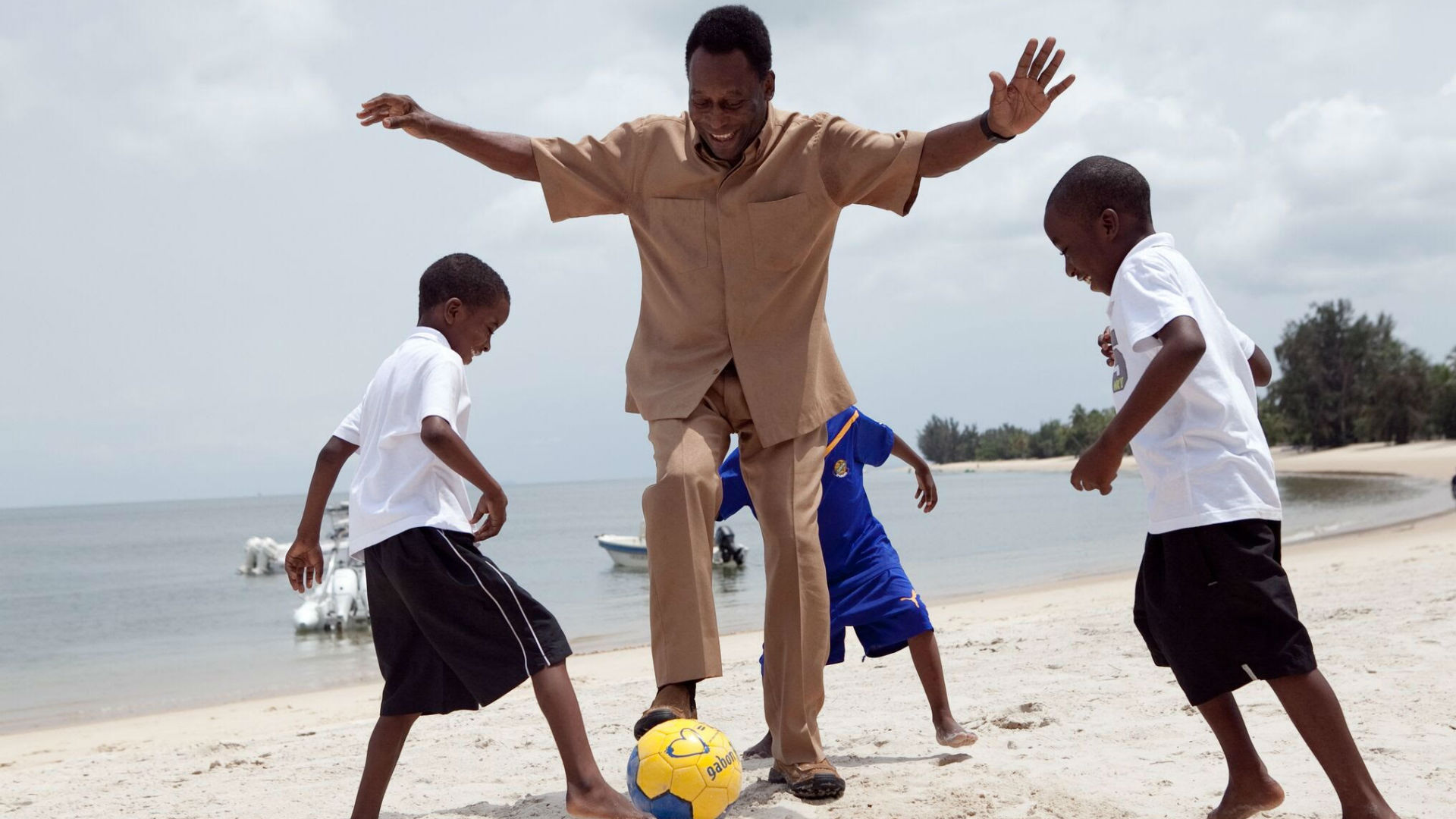
    13. This adorable picture of him playing football with children on the beach.

    We wish him a speedy recovery so he can come and visit us soon!

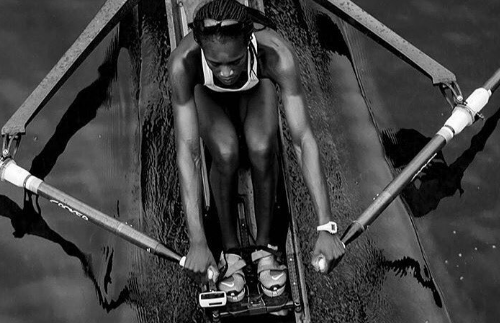
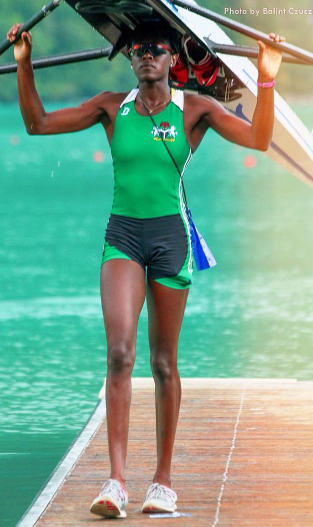
  • For the first time ever, Nigeria will be represented at the Olympics rowing event in 2016 by a resilient 23 year old woman.

    But this feat didn’t come easy for Chierika Ukogu, who had to put off medical school for 2 years just to make her dream of representing Nigeria at the Olympics possible.

    Despite not receiving any financial help from the Nigerian government, this Stanford University graduate funded her training and travel expenses through her full-time job and T-shirt sales.

    However, with the Olympics drawing nearer, the need to train harder drove Chiereka to raise more funds via her GoFundMe page.

    Although she was born and raised by Nigeria parents in the U.S, Chiereka is thrilled to be the first Nigerian athlete to row at the Olympics

    What motivates her isn’t just her personal goal to be a great athlete, but also the need to promote sports in Africa and also inspire young people in Nigeria and the U.S.

    We’re so proud of Chiereka! We wish her all the best and hope she brings all the gold home.

  • You don’t get the crown. Or even worse you get the crown, then it gets snatched from you!

    This is Nayara Justino.

    https://www.instagram.com/p/BBqNeZNx7WU/

    The chocolate-coloured beauty of African descent was born and lives in Brazil. 

    https://www.instagram.com/p/-uadKyR7cM/?taken-by=nayarajustinooficial
    She’s dreamed of being the Globeleza carnival queen since was six-years-old. Globeleza is a carnival organised by the biggest TV station in the country. So, Justino jumped at the chance to apply when it was time to pick a new queen.

    The actress and dancer wowed the judges with her beautiful personality and Samba skills, taking home the coveted title.

    https://www.instagram.com/p/BAM9urvx7a2/?taken-by=nayarajustinooficial
    But things quickly turned sour for her. Justino received backlash from fellow Brazilians who deemed her too dark and therefore didn’t deserve the title. She was called everything from a monkey to a darkie. Even worse, many Black Brazilians also thought the same thing.

    Then one day, without notice, she received a call…

    You’re not going to be Globeleza anymore. Thanks for your participation.

    Then, Globo announced Erika Moura, as the new queen without even taking a public vote.

    https://www.instagram.com/p/BBkj9Q_QZoJ/?taken-by=eriika_moura

    Watch her share her story below:

    <!– // (function(d, s, id) { var js, fjs = d.getElementsByTagName(s)[0]; if (d.getElementById(id)) return; js = d.createElement(s); js.id = id; js.src = “//connect.facebook.net/en_US/sdk.js#xfbml=1&version=v2.3”; fjs.parentNode.insertBefore(js, fjs);}(document, ‘script’, ‘facebook-jssdk’)); // ]]>
    The Brazilian carnival queen deemed ‘too black’Nayara Justino thought her dreams had come true when she was selected as the Globeleza carnival queen in 2013. But some in Brazil regarded her complexion to be too dark to be an acceptable queen
    Posted by The Guardian on Wednesday, February 10, 2016 [zkk_poll post=18481 poll=content_block_standard_format_10]