• For many young Nigerians, maintaining a polished social media presence, from curated meals and designer outfits to skincare routines and travel adventures, involves meticulous planning, disciplined saving, and real spending.

    Social media isn’t just a hobby for the five Nigerians we interviewed for this story. It’s a business, a passion, and sometimes an investment in themselves. They reveal how much it costs to maintain a feed that turns heads, builds influence, and keeps followers engaged.
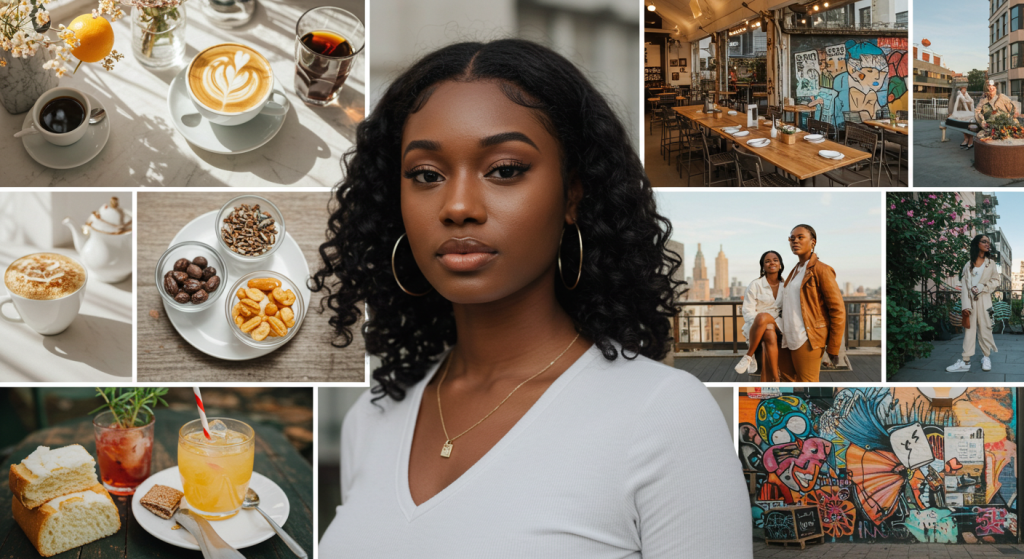
    “Every carefully planned outing is both a memory and a business strategy” — Esme*, 22, Content Creator

    When people hear “content creator,” they think it’s just taking random pictures and posting them online. But it’s work. As a lifestyle creator, my entire brand depends on how well I can curate experiences. I have to plan my week ahead — the restaurants I’ll eat at, the events I’ll show up to, the resorts I’ll sneak away to. If I don’t have content, then I don’t have a business.

    It didn’t start this way. Back in school, I posted because I genuinely enjoyed it. Then, after graduation, I decided I didn’t want to be tied to a 9-to-5. That was when I took content creation seriously. I knew the kind of brands I wanted to attract, so I started showing up in the spaces they cared about: expensive restaurants on the Island, rooftops with city views, art galleries, resort weeks, and curated Lagos events.

    On restaurant days, I easily spend ₦50k–₦70k on food and drinks — a plate of spaghetti here, a mocktail or cocktail there, pastries, maybe even a full course if I know I want more than one look. Doing this 4–5 times a month, my food and drinks budget easily adds up to about ₦300k.  

    I plan my outfits and schedule fittings with my tailor. I used to shoot my own content, but now that I’ve grown to over 45k followers, brands send me clothes, wigs, and even offer free photography and video coverage. I don’t have to chase collaborations anymore; I let the quality of my feed do the talking.

    Still, it’s not cheap to stay relevant. I buy new attire myself when I’m not getting free outfits or sponsored shoots. I spend money on makeup artists, transportation, and whatever it takes to make sure my content is always top-tier. I’ve signed deals worth about ₦3 million for six months of content, so I have to balance brand campaigns with organic, everyday lifestyle posts. I never want my page to feel like an endless ad. It has to feel real, with people constantly engaging with my content.

    At the end of the day, this is my job. My content is my product. Lagos is my office — every restaurant, rooftop, and carefully planned outing is both a memory and a business strategy.

    “I spend about ₦50k every two weeks cooking different dishes just for content” — Sofia*, 24, Corper

    My biggest dream is to become a private chef, but the journey started much smaller. In university, cooking brought me joy. Every two or three weeks, I would host my friends in my hostel and cook a full spread for them to eat. My friends loved it so much that they convinced me to try a food business. I gave it a shot, but I had to stop after a semester. Selling food in school is tricky — you either sell at lower prices to compete, or you compromise on quantity and quality to turn a profit. Neither felt right to me. 

    Although I left the business, I never stopped cooking. Instead, I turned to Instagram. I was already following food creators, learning how they styled plates, adjusted lighting, and made dishes look as good as they tasted. Inspired, I began creating my own food content — carefully plating dishes, shooting with my phone, and posting once a week. Sometimes a lucky friend got to eat the food. I even dropped recipes, and slowly, people started engaging with my posts.

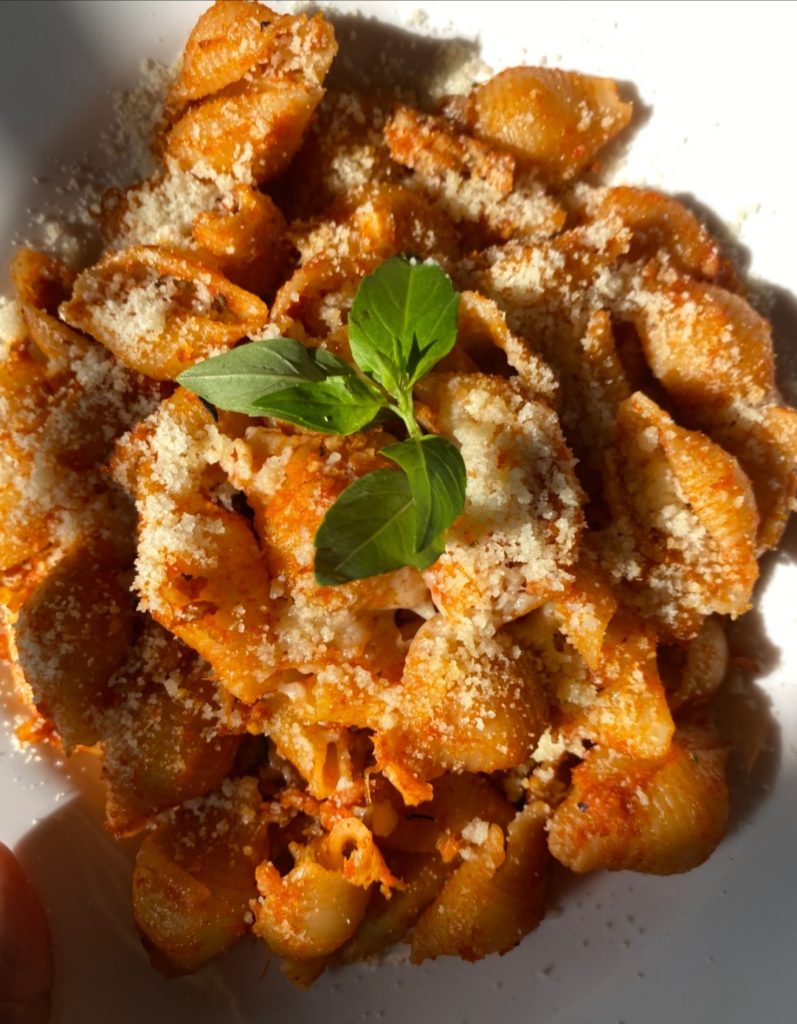
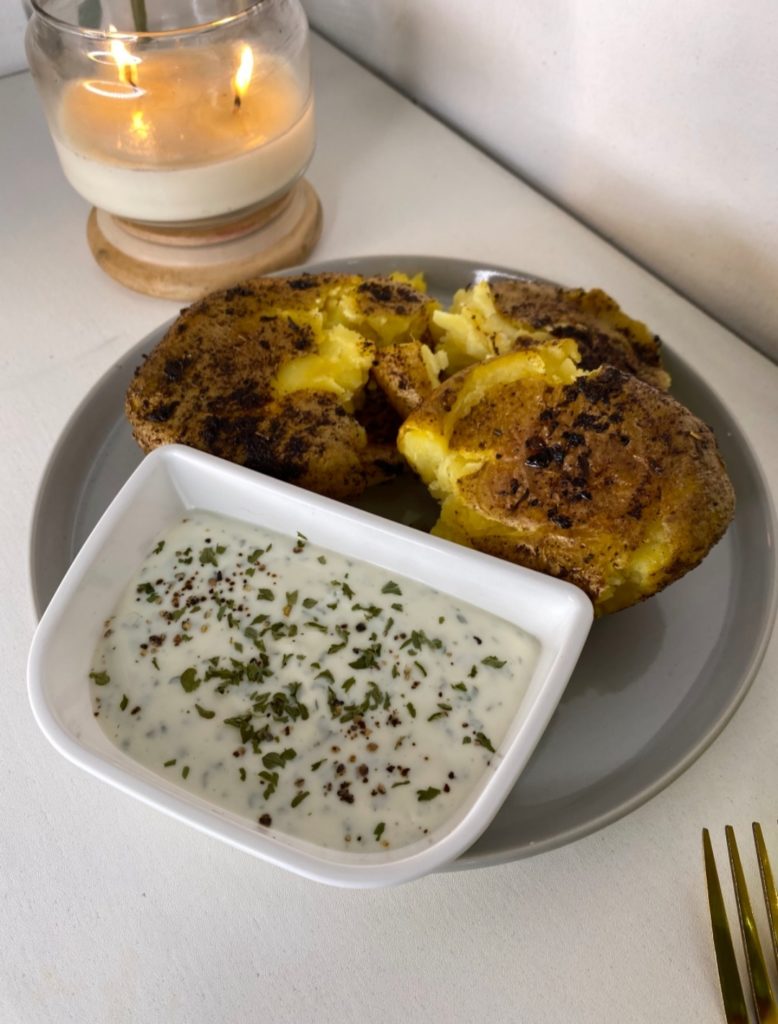
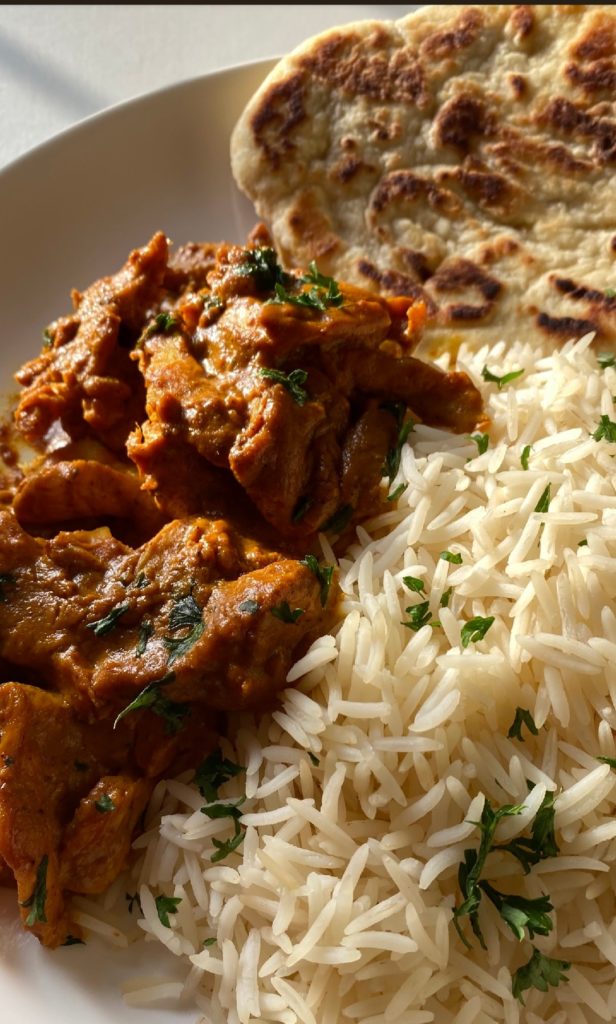
    Cooking for Instagram became its own business. These days, I spend about ₦50k every two weeks on ingredients. I cook in bulk, prepare different varieties at once, and then spread the social media content over days. On top of that, I’ve invested in props, lights, tripods, and better plates — all the small details that make food look irresistible on camera.

    The first time I charged ₦150k to cook for someone, it confirmed that all the money and effort were worth it.

    Right now, I balance NYSC with an IT support job, which gives me up to ₦200k monthly. Out of that, I deliberately set aside money to fund my content. Because even though cooking started as joy, it’s also my future. Every reel I post, every plated dish I share, is me building toward the private chef I know I’ll become.

    “To look like my Pinterest board, I sometimes burn through half my ₦200k allowance” — Anita*, 21, Recent Graduate

    I don’t have the height or body of a model, but I have taste. Fashion is my playground. I can put together outfits for days, and nothing excites me more than styling looks for Instagram. However, consistently looking good in Lagos doesn’t come cheap.

    The truth is, clothes here are hard to buy. You’re either stuck with expensive Instagram boutiques or big-name brands selling nothing but their name at outrageous prices. I’ve tried thrifting, but it’s stressful. The markets are chaotic. I either get scammed or get completely lost in the crowd. Sometimes I get lucky with thrift pages on Instagram, but even then, the finds rarely match the mood boards I’ve carefully built on Pinterest.

    Since this is something I do consistently, I’ve had to strike a balance. I survive on the ₦200k allowance I get from my parents every month, so I budget carefully. I buy from Shein because I can find exactly what I want, but the exchange rate makes it a painful experience. I mix those buys with thrift pieces I can style creatively to soften the blow. On average, I spend about ₦100k every two months on new clothes and accessories just to keep my Instagram fresh.

    The trick is knowing how to pair things. Not every post has to feature a brand-new outfit. Sometimes it’s about styling old pieces in new ways so the results look intentional, curated, and Pinterest-worthy. That’s the skill.

    This isn’t about becoming a stylist or building a fashion career. I just genuinely love dressing up. My dream is to grow beyond the 2,000 followers I have, so brands will start sending me clothes and accessories to style. Until then, I’ll keep creating colourful, fabulous looks because it makes me happy and because I believe consistency will eventually pay off.
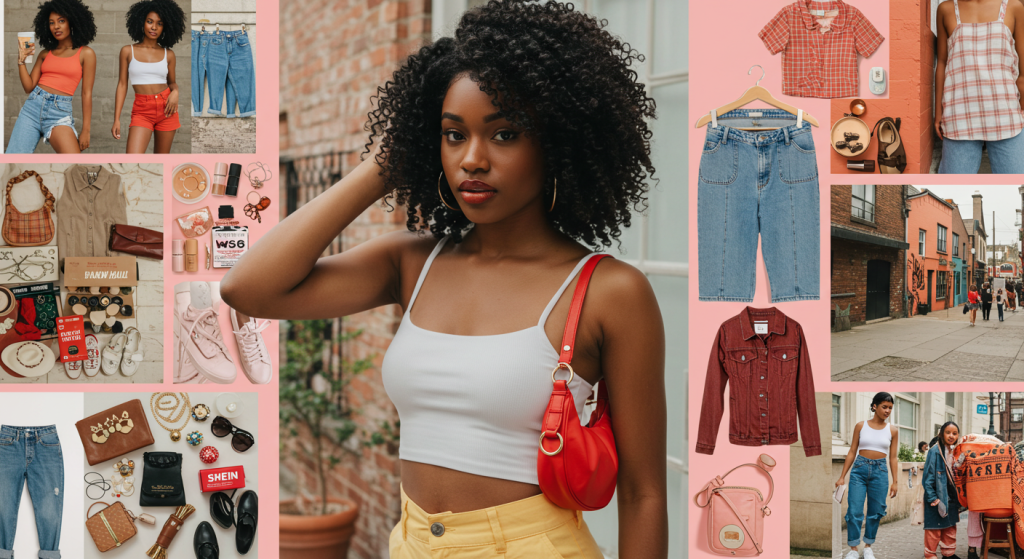
    “I spend over ₦200k on skincare quarterly because taking care of myself and sharing on Instagram is an investment” — Korede*, 26, Tech Bro

    I know what people think when a guy posts skincare routines online: “Vain,” “extra,” “probably gay.” I hear it all the time from friends. But for me, it’s an investment. I treat my skin like some people treat their laptops or cars: carefully, consistently, and purposefully, and yes, it also makes great content.

    I spend over ₦200k quarterly on skincare: K-beauty imports, serums, moisturisers, sunscreens, masks. I read labels, research ingredients, and test products until I know what works for me. It’s a routine, but it’s also an education. 

    My feed is full of shelfies (photos of skincare products neatly arranged for the gram), unboxing videos, and nighttime routine reels. Every post is carefully planned — lighting, camera angles, and even background colour matter. Good lighting costs money; ring lights, cameras, and backdrops aren’t cheap, but I’ve learnt they’re necessary if I want my content to feel professional.

    I started posting because I loved the process: the glow after a good routine, the satisfaction of seeing visible results, and the creativity in styling shots for Instagram. But slowly, it became a business as well. Brands started noticing and sending me skincare PR packages. People began asking for tips. My followers expect new content weekly, and I ensure that I deliver it.

    It’s about how I present myself, feel in my skin, and communicate my passion for self-care. And yes, if it inspires someone else to take care of themselves or makes them smile, that’s a bonus. Skincare is a lifestyle for me, and it’s worth every naira I spend.

    “I save almost everything I earn all year, so when travel time comes, I can fully fund trips, and keep my feed curated for months” —  Mariam*, 25, Banker

    Travel has always been my escape. I live for airports, boarding passes, and the thrill of a new country. Posting travel reels, for me, is about building a “passport aesthetic,” a curated feed that feels aspirational and authentic.

    I earn about ₦500k a month, and, fortunately, I still live in my parents’ house, so I don’t have rent or major bills. I save almost everything I can throughout the year, because I know that when my annual leave comes, I want to fully immerse myself in travel without worrying about money. By setting aside roughly ₦300k each month, I’ll have built up a travel fund of around ₦2.5 million by the eighth month. That’s enough to cover flights, hotels, tour guides, and outfits to an African country.

    Planning is everything. Before I even step on the plane, I map out content ideas for every destination. I plan what to shoot, where to shoot it, and the outfits I’ll wear so I have posts ready for the next couple of months. Every trip is carefully curated to maintain a consistent, engaging, and on-brand feed. It’s all about creating a story that lasts long after I’ve returned home.

    Travel keeps me sane. It’s the highlight I look forward to all year, and the discipline of saving, planning, and executing content around it allows me to enjoy it fully. Every post, reel, and shot is part of the bigger picture, building my personal brand, one flight and one city at a time.


    Read Next: Had I Known: 6 Nigerians on the Cost of Keeping Up Appearances


    Get More Zikoko Goodness in Your Mail

    Subscribe to our newsletters and never miss any of the action

    [ad]

  • Creator Spotlight is a weekly series celebrating young Nigerians in the creative industry doing unique things. Everyone has a story, and Zikoko wants to tell it.


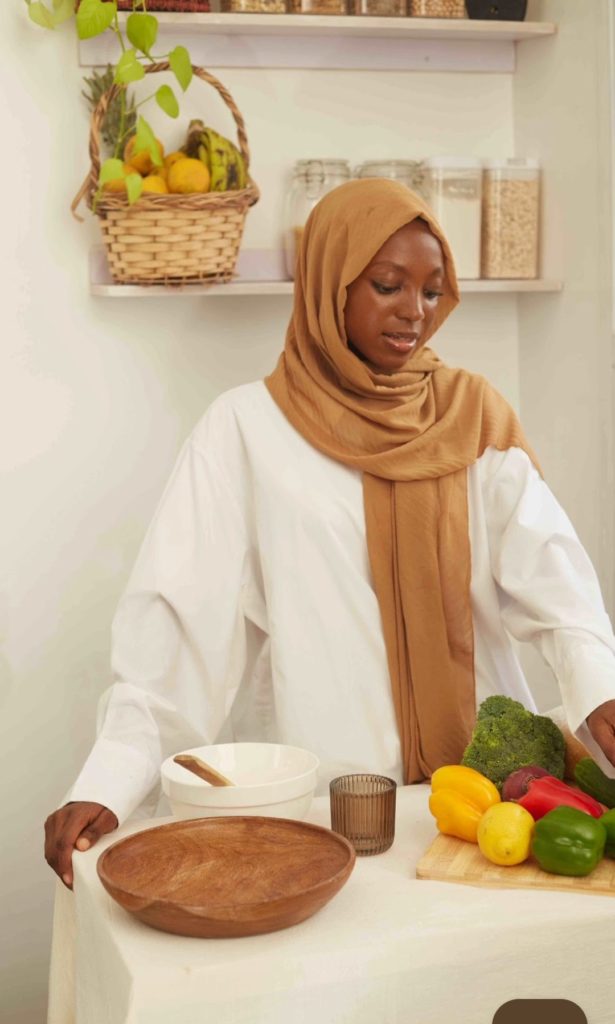
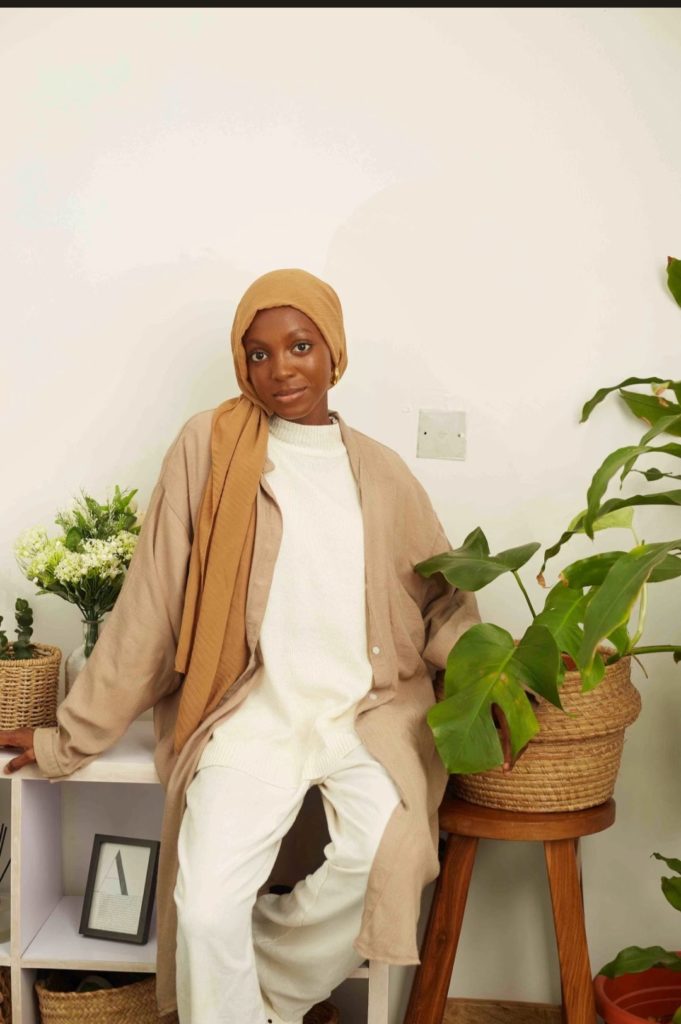
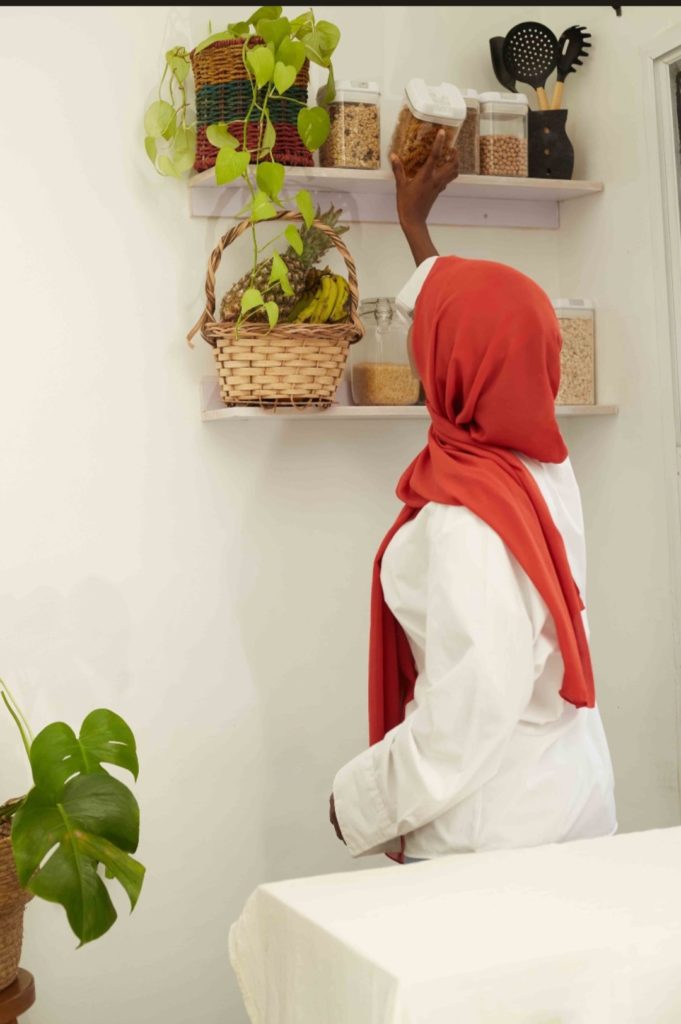
    Fareedah Abdulsalam is a lifestyle creator who’s also killing it at marketing for a startup firm. She’s into many different things, including food, fashion and interior design. People tell her that she’s funny and always laugh at her own jokes. She’s a big fan of Asian culture and reads a lot of Asian literature. Her food advice is for people to try jollof rice with seaweed because it slaps; according to her, if you don’t like it, you don’t have good taste.

    What Asian literature do you read?

    I read a lot of books by Haruki Murakami. I’m reading Norwegian Road for like the seventh time. I like his writing style; he can be cheeky, but he makes his characters feel real. He’s my go-to when I feel overwhelmed. Norwegian Road is a story of loss, love and pain. It’s a young adult book, and I can see myself as the main character. It’s not an easy read, especially if you’re reading the book for the first time, but it’s very relatable for me. Every time I pick it up, it’s like I’m reading it for the first time.

    Are books a big choice of escape for you? 

    Books are important to me. I used to read feel-good, cheeky romance novels every night before bed. Recently I’ve opened my eyes to many different genres and improved my reading culture. But my ultimate source of escape is music. I listen to a lot of hip-hop, EDM and jazz. If I weren’t into everything I already do, I would be a DJ.

    Who listens to jazz? Your uniqueness is second nature at this point

    For starters, my name, Fareedah, means “unique”. Since I was young, I’ve always wanted to do things differently. I’ve never been a follow-the-crowd type of person. Even if it’s tiny, I must be different. 

    Made by Fareedah

    Speaking of different, it’s rare to see a young Nigerian pick healthy cooking as a content niche. How did that happen?  

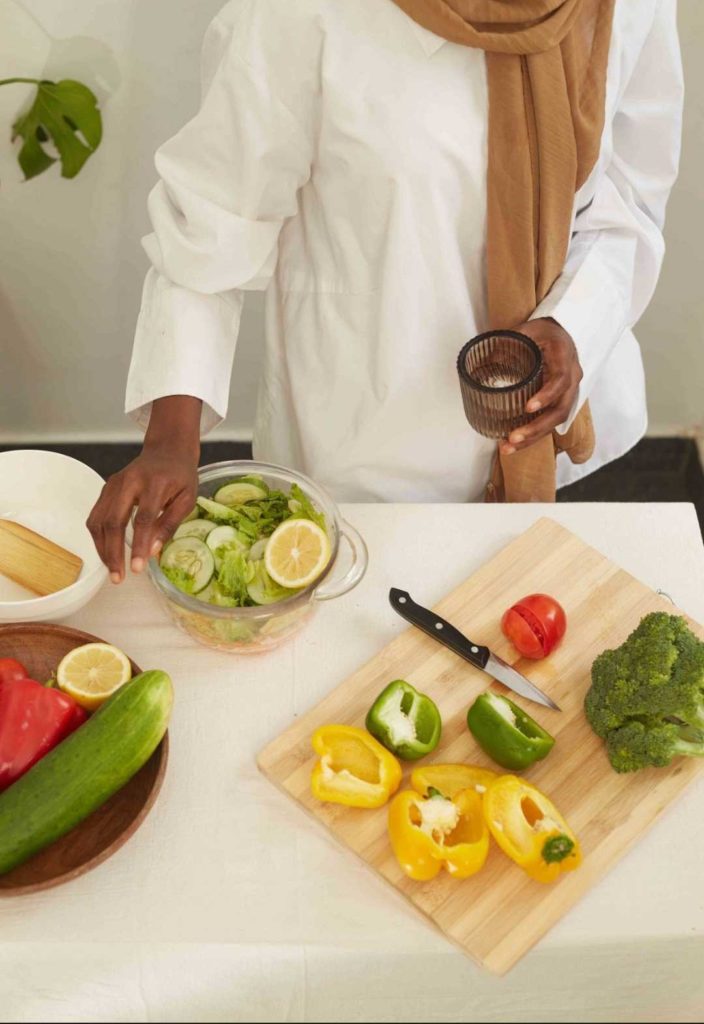
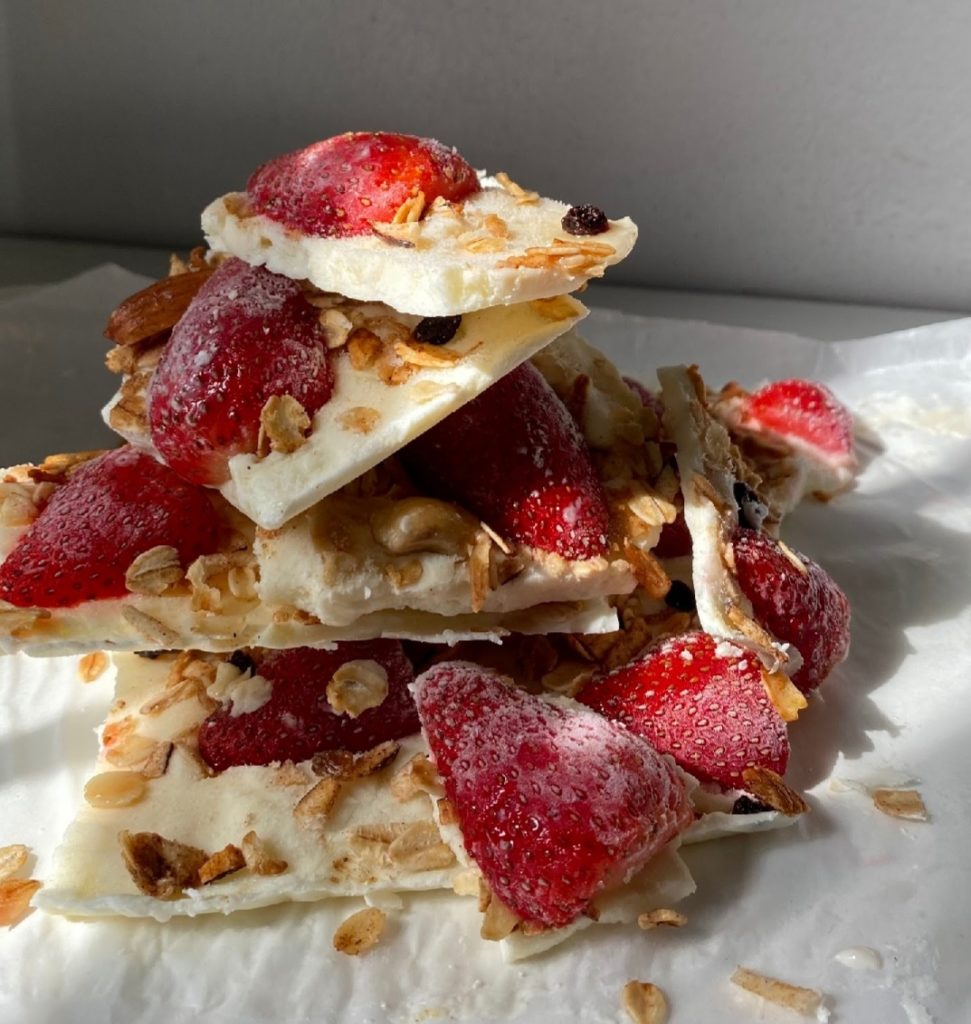
    I started posting food and talking about recipes because I discovered a vast gap in the misinformation about healthy eating culture in Nigeria. You’ll tell someone you want to start eating healthy, and they’d think it means salads and ice cream deprivation, but it goes beyond that. My page teaches people how to live their best healthy lives, based on the Nigerian palate, and without compromising on the food they love.

    When I started posting my videos on TikTok, it was just about creating cute content of the food because I’m all about the aesthetic life. I found I enjoyed cooking, how colours come together to make a sumptuous meal, and people were interested in my content, even though it looked different. It turns out many people don’t know they can eat healthily in Nigeria, and to be fair, I grew up eating efo and ewedu, so I would’ve been shocked if anyone told me I could make soup from celery and carrots too.  

    Why was teaching people about healthy food options important to you? 

    I’ve always been fascinated by how human beings interact with food: how people can eat a particular food every day without getting tired, and the power it has over us. I was so into it I added food science and technology as my third choice when I wrote JAMB. Plus, my mum was a caterer. She’d make these elaborate meals for the family, for example, moin-moin, and all I’d have to do is double the nylon for the beans puree.

    So, you’ve always been surrounded by food?

    Yes, but I didn’t learn to cook until I was 18. I remember boiling rice when I was younger and burning it. I’ve also dealt with my fair share of food problems. I had an eating disorder as a teenager and was diagnosed with ulcer shortly after. I’ve also had appendicitis, so I’ve always been particular about things I put in my body because I know they can have negative effects. 

    I was tired of going to the hospital and complaining about my gut health, so I took matters into my own hands, researched, and took a nutrition course in uni. Then I looked for foods like broccoli and celery around me. I was shocked at how easily I found them. I wondered why my mum never cooked foods like those.

    How’s your relationship with food now?

    I told myself I couldn’t keep going to the hospital for food problems and had to do things differently. For example, I did a January challenge and didn’t eat rice for 30 days; my body felt amazing. That month, I had the best menstrual flow, and my skin was glowing. My relationship with food is much better. Even my conversation around it is different. 

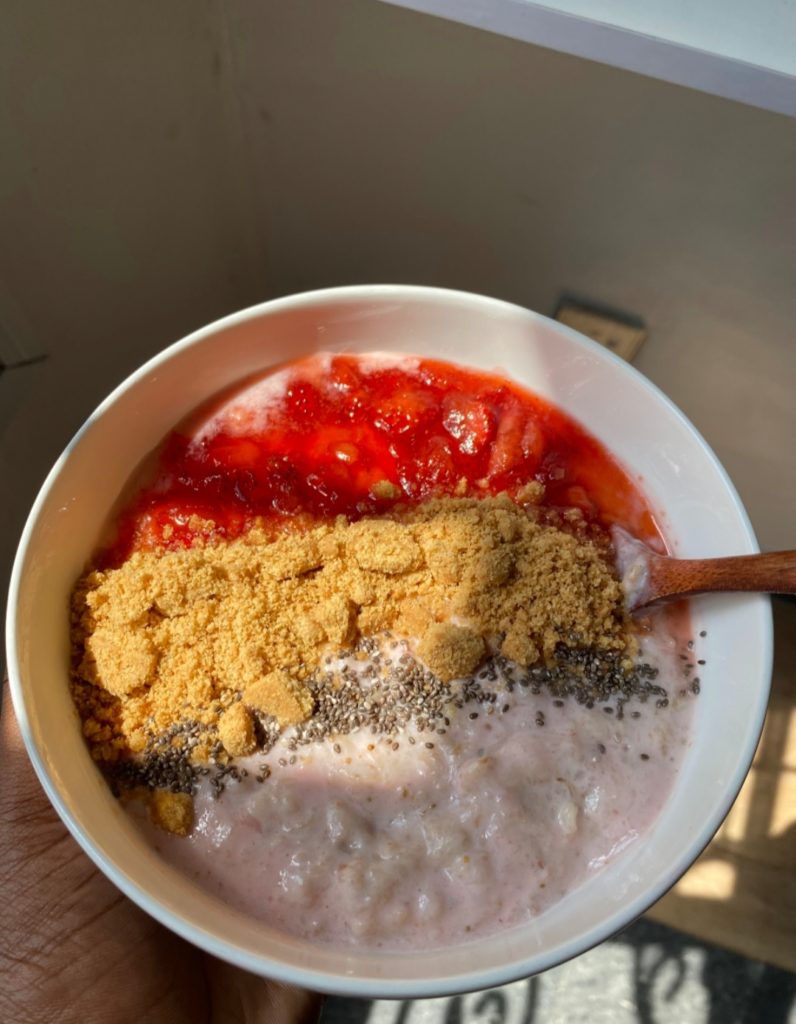
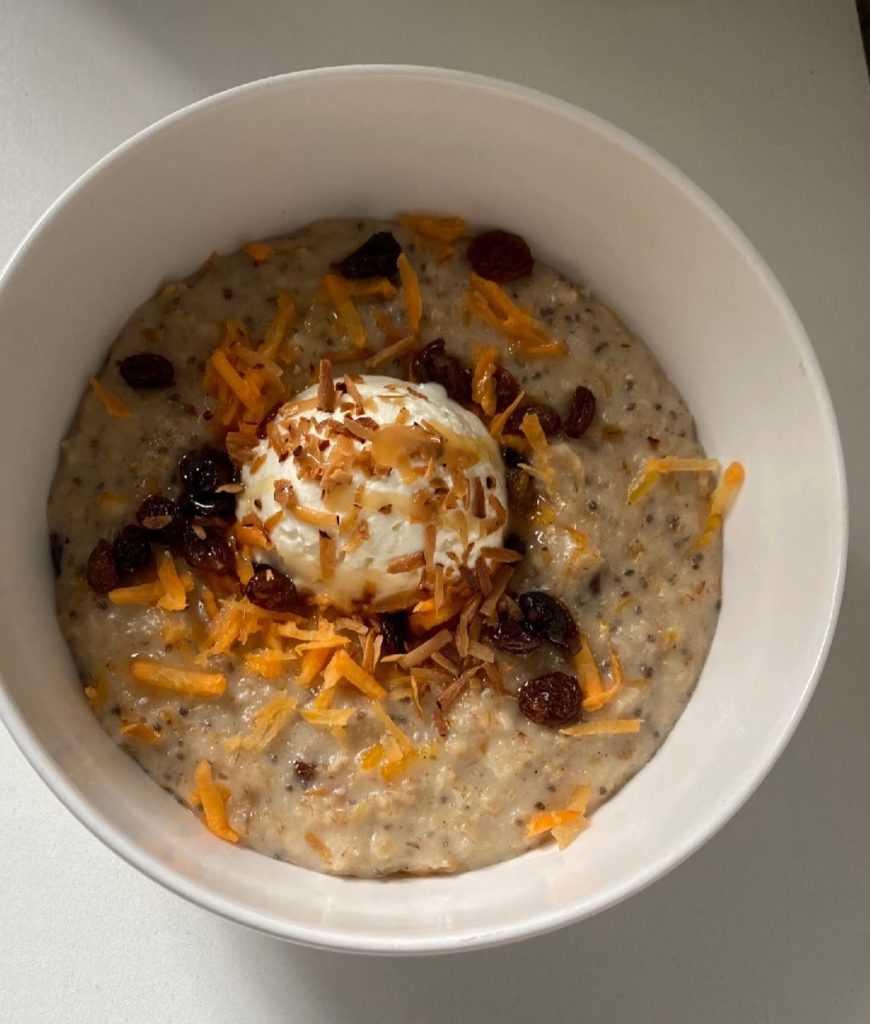
    A lot of your content is on different oatmeal recipes. It’s your good taste for me

    They’ve even started calling me “the oat babe”. I especially like oatmeal, and I wish people appreciate it more. It’s so versatile. How can you hate it? It’s rich in fibre and fills you up quickly. Oat is more than adding sugar and milk. When I started sharing my recipes, people kept expressing shock. I understand eating rice every day is culturally ingrained, and it takes a lot to get out of that mentality. I’d make a simple pasta meal and get comments saying, “Where’s the stew/meat?”

    How many oat dishes have you tried?

    30. I have this note app where I came up with over 50 oat recipes and other things I want to try. I’ve shared some, but I haven’t had time to shoot more. Now, I have a website, so I’ll upload some more soon. 

    A website sounds great. What should we expect?

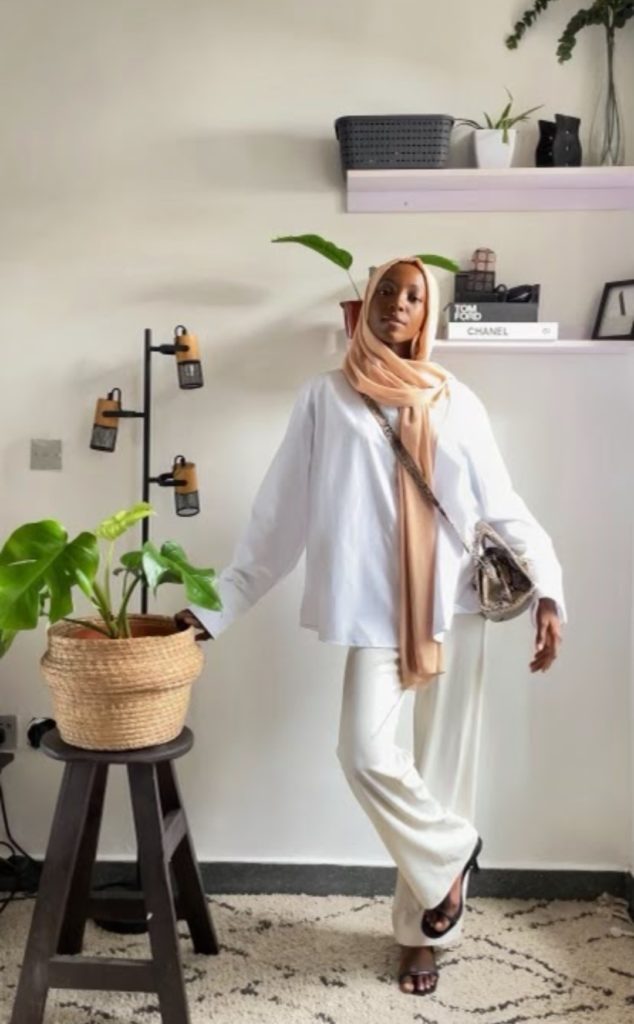
    I’ll write about lifestyle, house plants and interior design tips. I design houses on the side. I do it well and have had people hire me to redesign their spaces. It’s a thing I take on when I have time. After the lockdown, many people wanted their space to look nice, to spark joy or make their videos look nice. I wake up and move things around my house almost daily, and my friends always complain. You can come to my house today and find my bed in my living room. That’s how much I love interior design.

    I feel like we don’t have the same 24 hours. How do you make time for all your passions?

    Omo, I sometimes suffer from working on one thing even when it takes me hours and wastes my time. My 24 hours aren’t enough. It sounds like many things at once, but I give everything unequal attention. 

    You sound more human now, but to crown it, do you have many food fails?

    The omo is long. I’ve tried many food recipes that tasted horrible and didn’t look good. That’s why I always try recipes I find online and taste them before I make a video, so people don’t drag me for recommending nonsense. I won’t recommend what I can’t eat. For example, I  tried to make pesto pasta and didn’t have basil. A recipe online said kale tasted equally amazing. I was so confident it would be sweet that I didn’t taste it before serving it to guests. My friends were like, come and taste this thing. I tasted it and couldn’t swallow it. 

    That’s why when people recommend things for me to make, I avoid them. I can’t make my content around other people’s requests except if it’s a series. My series are usually well-planned as opposed to my random videos.

    What about food wins?

    My “What I Eat in a Day” (also known as WIEIAD) series has to be my favourite. I can’t say I pioneered it in Nigeria. Still, the series has inspired many people to share their daily meals — something I’d rarely seen from Nigerians on social media before then —, and it makes me proud.

    Who is your content for? 

    Everyone. As a young person, I know how important healthy eating is, and I’m also aware of how expensive groceries are in Nigeria. I don’t want people to spend too much on something they’d hate. I do everything with intention, and the way I share tips and reply to comments reflects that. After making my account public, I started making food videos in mid-year 2021, and I decided to take my content seriously. It meant replying to comments, interacting and building a community of people interested in what I do. People have told me my account isn’t growing as fast because I do this one thing, recommending healthy recipes as opposed to native Nigerian meals. The biggest misconception people have is my recipes are expensive to recreate. I’m 22, living alone, and I can’t buy expensive things. It goes back to people’s misinterpretation of healthy living. That’s why I’m constantly educating people, even though I understand that access problems and food insecurity stops people from exploring new foods. 

    What do your groceries for a month look like, though?

    I can’t track that because, as a food blogger, I tend to make meals outside my usual weekly meal plan, or if I don’t get a recipe right the first time, I have to try it again. I also make food for my friends — a perk of being friends with me — so it’ll be hard to track the cost. But most meals would have things like oatmeal, sandwiches or wraps, maybe a rice dish. I’d go to the local market, which is always my go-to. I buy a little of everything while considering the electricity situation in Nigeria. I’d buy a bulb of lettuce for ₦200, parsley for ₦100 and local or imported lemons from those Hausa men who sell in barrows. I buy bell peppers from ShopRite at three for ₦900. There’s this soup pack with peppers, corn and green beans, and it goes for less than ₦1k. I have a “grocery haul” highlight on my Instagram to give people insights on costs.

    It does sound a lot cheaper than I expected. Does what you do feel fulfilling?

    It feels worth it, especially when people send messages telling me how my content helps them, and I have gotten a lot. I wrote a book earlier this year, during Ramadan, because I wanted people to spend less time trying to figure out what to eat when they break their fast. The book had about 90 food inspirations. Even though I don’t have a lot of followers, the quality of people I have are enough. I can’t disclose the amount, but I sold a lot of copies. Even non-Muslims bought it, and the feedback inspired me. It felt good to see that I’m making an impact. What you put in your body affects everything positively or negatively. Even for myself, my skin is glowing, and I feel good. My mental well-being is great. I’ve seen shege, but the beautiful life people think I have is real, not just for the gram. It’s giving rich in a “fake it till you make it” way. 

    I’m jealous sha. What inspires you? 

    I’m inquisitive, so most of my content inspiration comes from research. Sometimes, I think, “Has anyone tried to mix this and that?” I get on Google, explore related content and find ways to tweak it based on what’s accessible to me and my audience. I also follow other inspiring creators on Instagram and TikTok. 

    Do you have any challenges as a creator?

    Monetising content is my biggest headache as a creator. I’ve realised that I put more effort into building, retaining and growing my audience than on finding ways to monetise my content. There’s a lot of running costs of creating content, especially in a country like Nigeria, where people undervalue creativity. I also wish I had more time. I have a 9-5, and finding balance can get challenging. I’d love to make it my full-time profession, but the decision isn’t simple, especially when you don’t know where your next paycheck would come from. I might as well use this as an open call for a manager because the business side of content is giving me a headache.

    Any plans for the future?

    I’m taking a certification course to learn how to be better at several things, from wellness coaching to recipe development. I’m also furthering my education and research experience; I’ve gotten an MBA admission to make that happen. These align with my goals of building my lifestyle brand, Bloome Living, and transforming the discourse around wellness and lifestyle in Nigeria. I’m a girl of lofty dreams, so plans might change. Who knows?  

    Give us food for thought

    Here’s one I like even though I don’t know who said it first, but you can live your best healthy life without having to compromise heavily on the food you love and are accustomed to.


    READ ALSO: Creator Spotlight: Sigil on Breaking the System Through Rock Music

  • Piercings are cool, especially when you’re growing a second head to break your parent’s hearts. However, beyond piercings being cool and nice to have, they also require some maintenance. I have about ten piercings and I’m writing from experience. Your experience might be different from mine. If you notice any weirdness, please talk to a professional.

    Here are a few things to keep in mind before getting a piercing. 

    1. Some piercings take forever to heal

    Nose piercings are cute but they take a long ass time to heal and they close up fast. My nose ring fell off one time and the piercing closed in under two hours. The piercing was about two months old and although it had stopped hurting, it had still not healed. 

    2. Needle piercings hurt less

    I have beef with piercing guns. Piercing needles are a lot healthier and safer than piercing guns and they also hurt less.


    3. No, absence of pain doesn’t mean complete healing

    Some piercings take forever to heal and that means healing time varies for different spots. Simply put, that your piercing has stopped hurting anymore doesn’t mean it’s healed. Tampering with a piercing that has not healed can cause you an infection. 

    4. Do not touch your piercing unnecessarily

    We know you know your piercing is cute and a spirit keeps convincing you to touch it. Ignore that spirit and get your hands off it. The only time you should touch your piercings is when you want to clean them. Avoid touching your piercings with dirty hands if you don’t want them to get an infection. 

    5. Be serious with aftercare

    When you get a new piercing, the professional should give you a prescription for caring for your new piercings. Take the information given to you very seriously. It’s not a suggestion.

    6. Infected piercings hurt like shit

    A piercing getting infected is going to make you question why you got it in the first place and make you swear to never get another one. If your piercing gets infected, consult a medical professional. 

    7. Your skin can reject a piercing for no good reason

    My helix, for the life of me, refuses to accept being pierced both times it got pierced. It’s always got infected and hurt like hell. I’ve decided not to bother anymore. 

    8. Piercings can be addictive

    Getting pierced can be somewhat addictive. You get one piercing and decide to throw your home training away and get ten more piercings. They are so addictive, you start to wonder if you have a pain kink. Who knows? 

    ALSO READ: Beginner Tips to Know Before Dyeing Your Hair