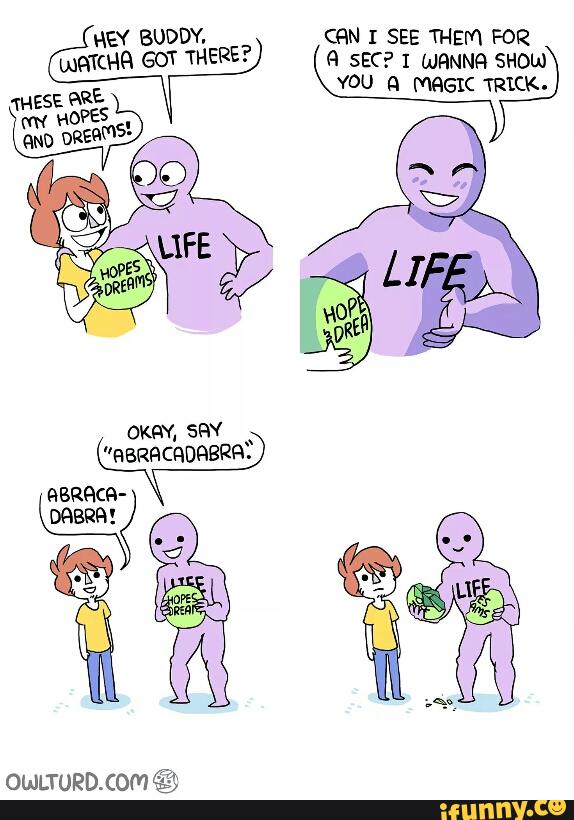
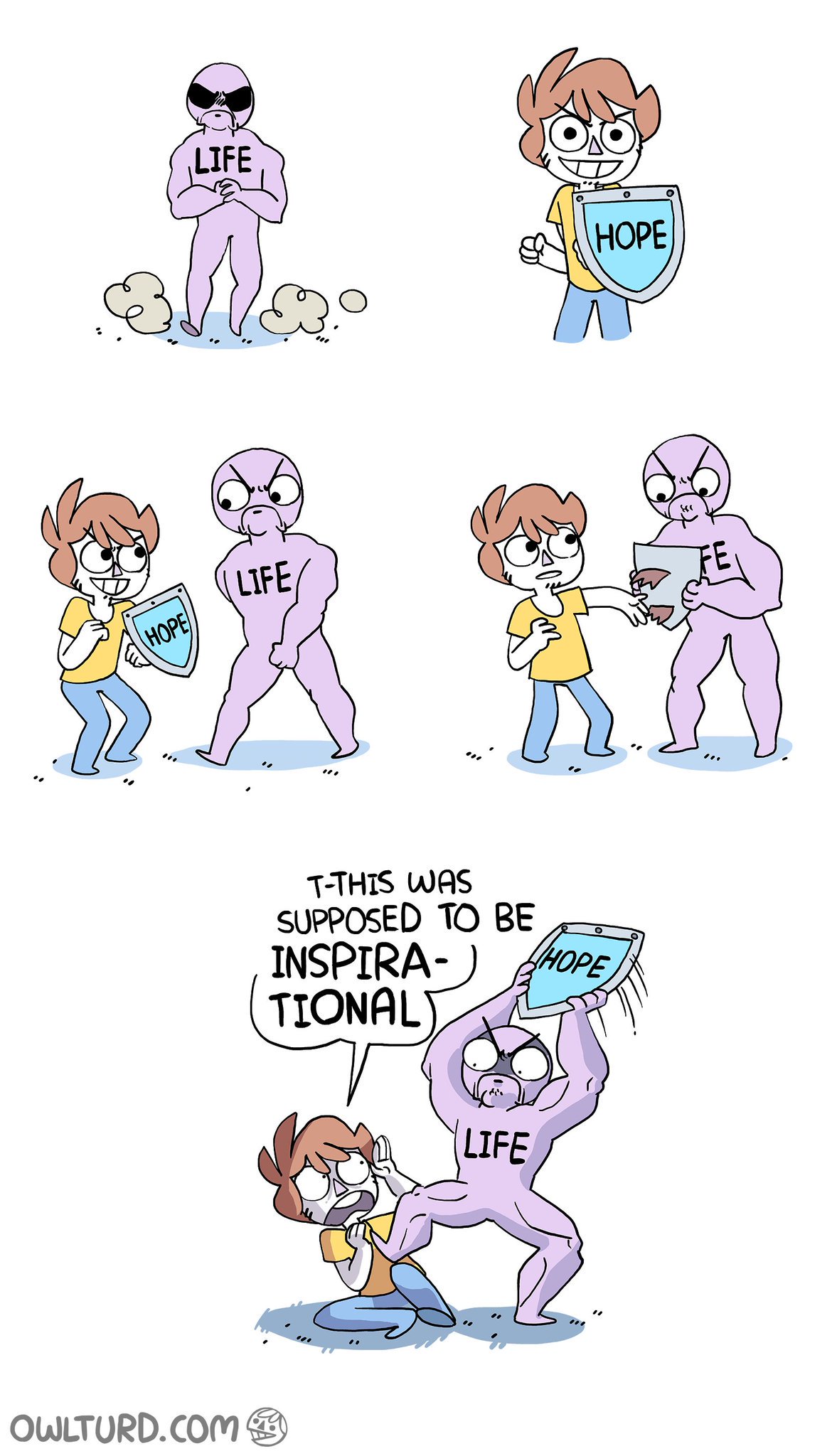
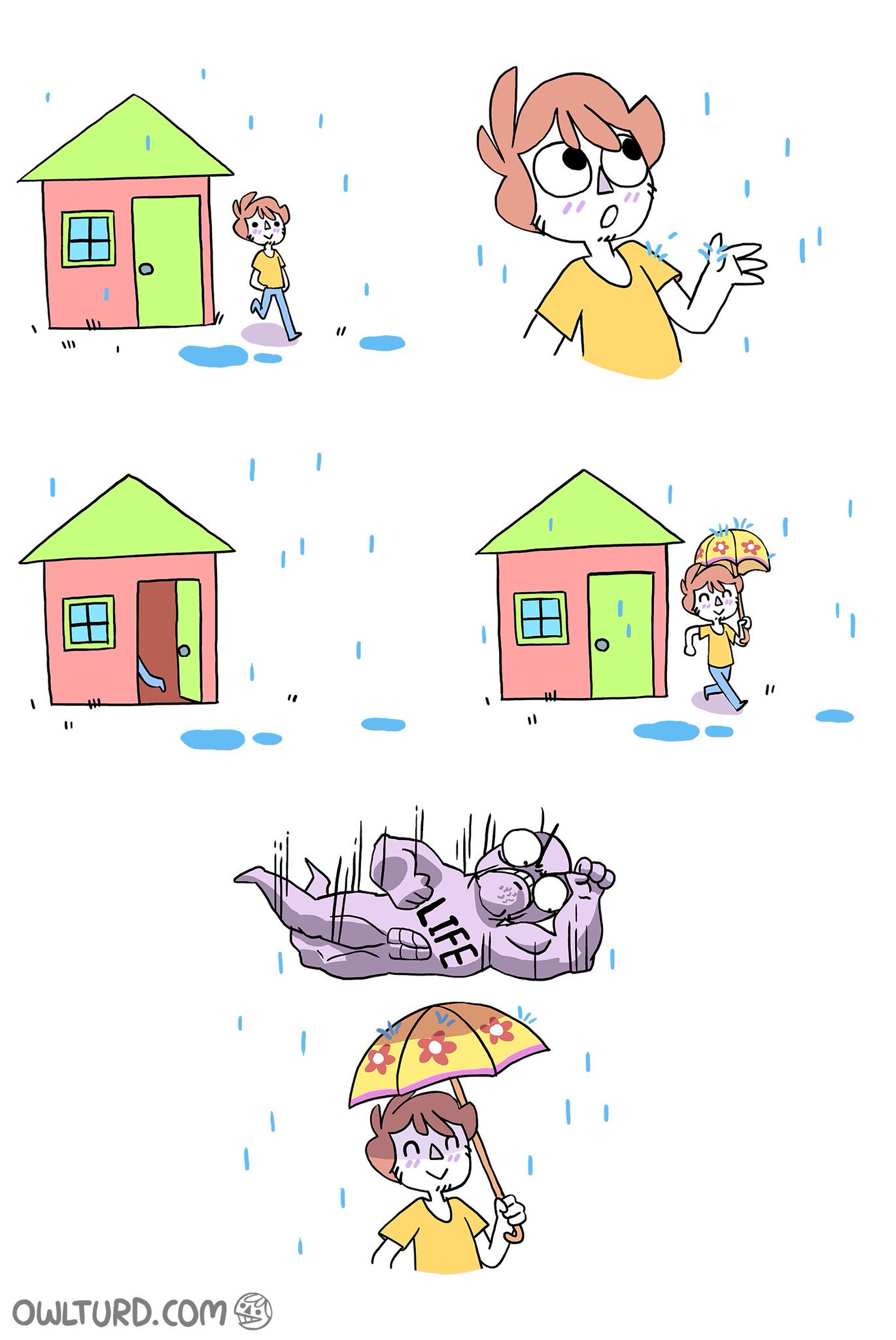
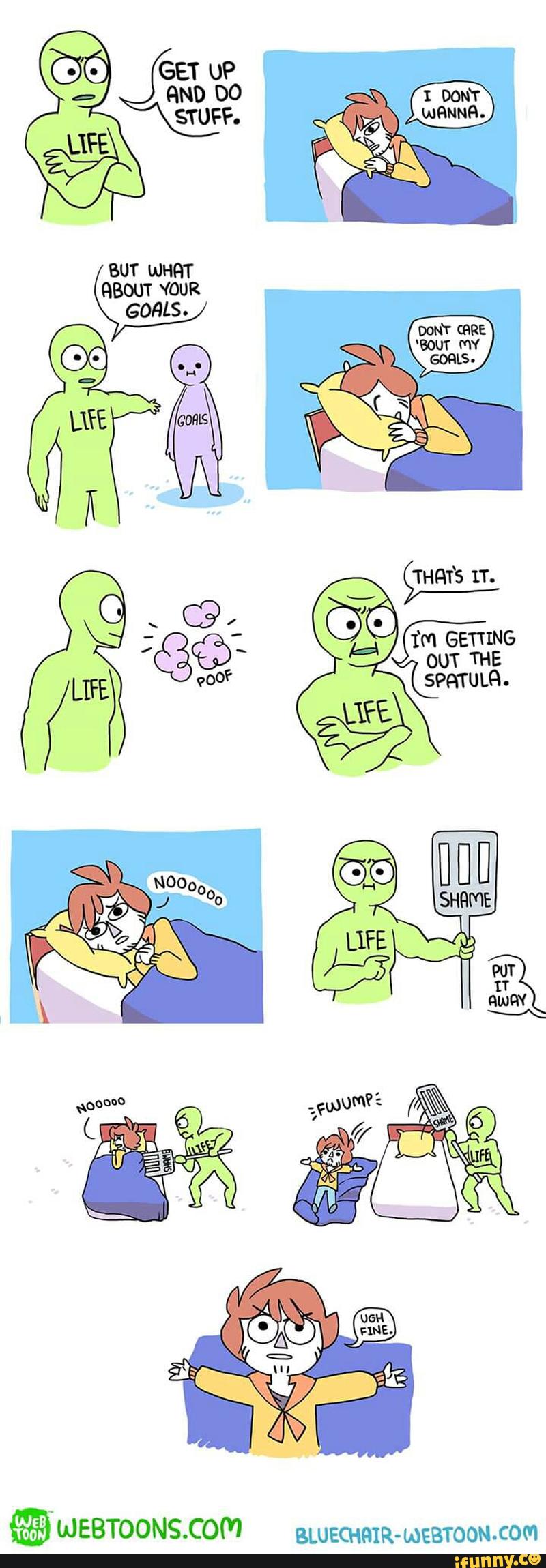
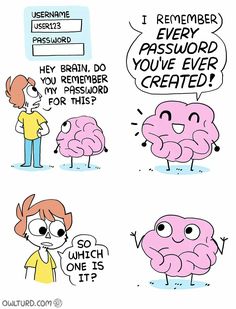
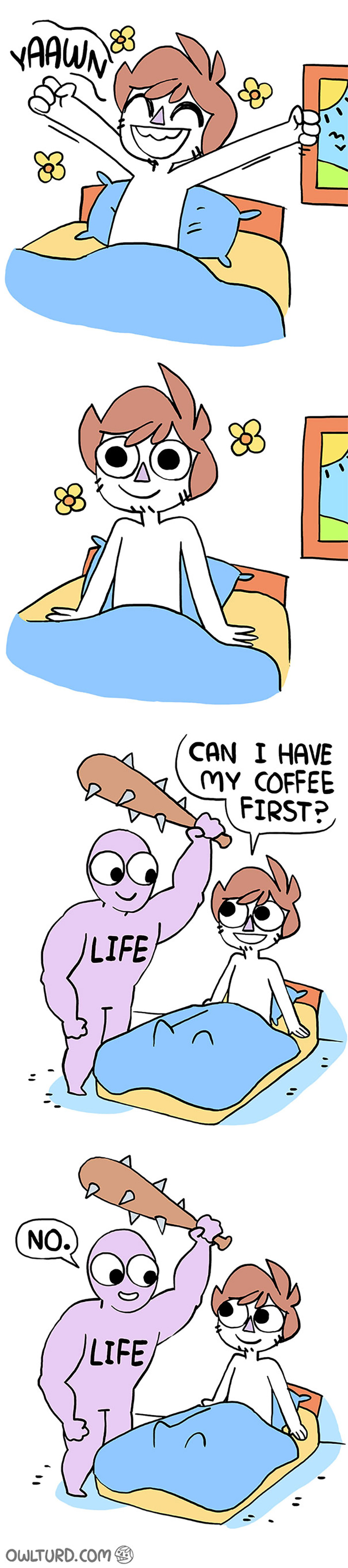
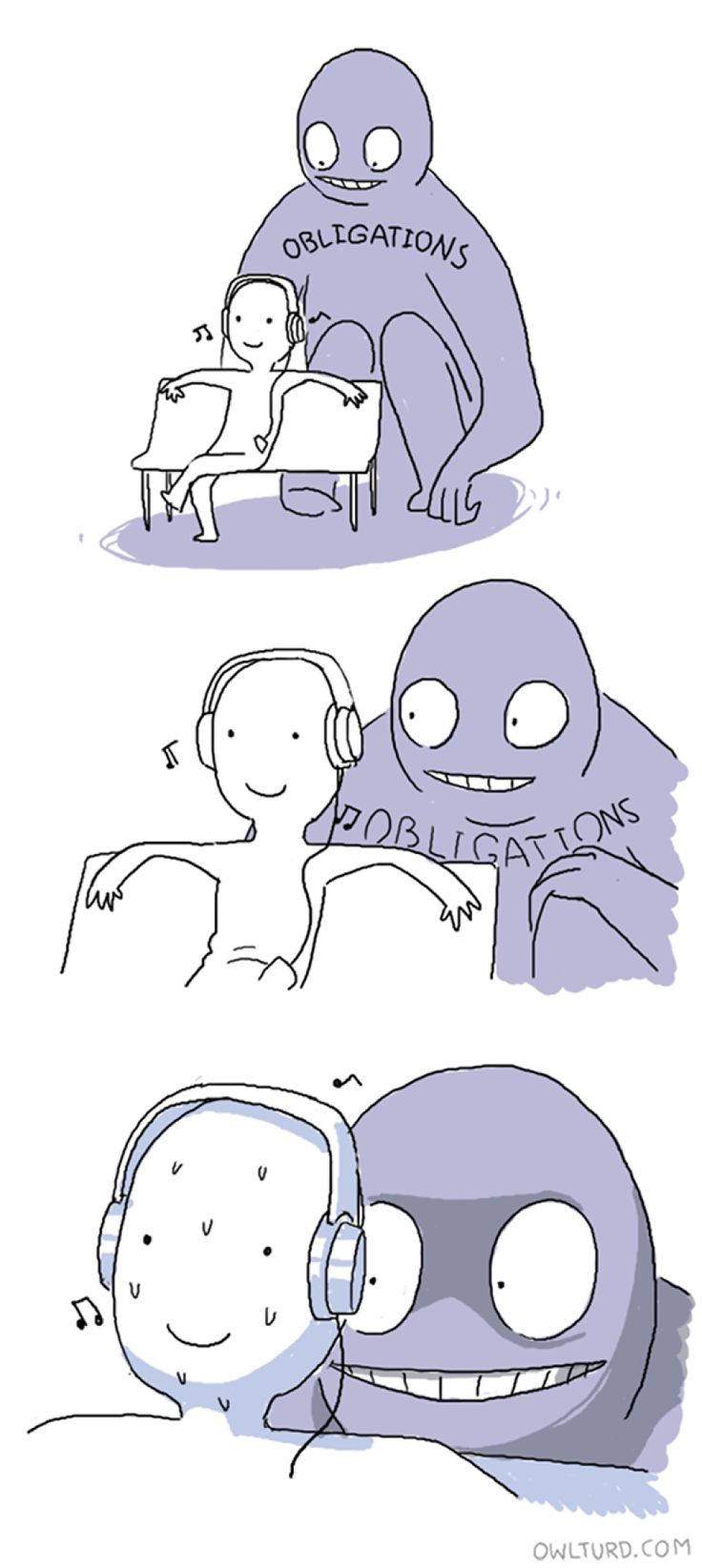
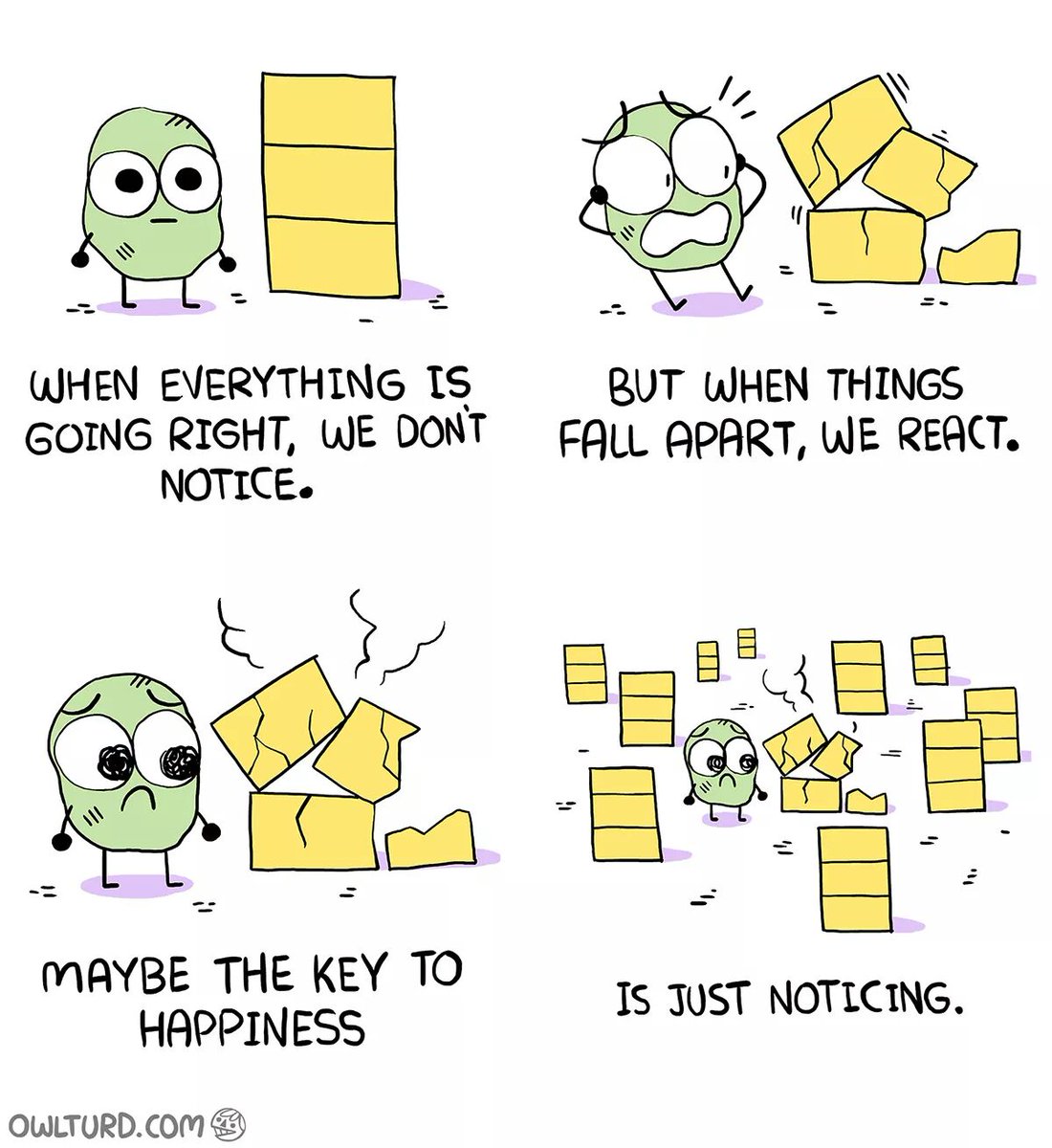
Christmas as an adult is less fun than as a kid. Although the emotions are similar, every adult knows that the difference is they are responsible for how everything turns out to be.
This makes Christmas a daunting season for many because of the expectations and family drama associated with it. Furthermore, while a child always expects to receive gifts at this time an adult is required to give instead. Here are some things that make Christmas a different experience altogether:
Decorations and food are on you:
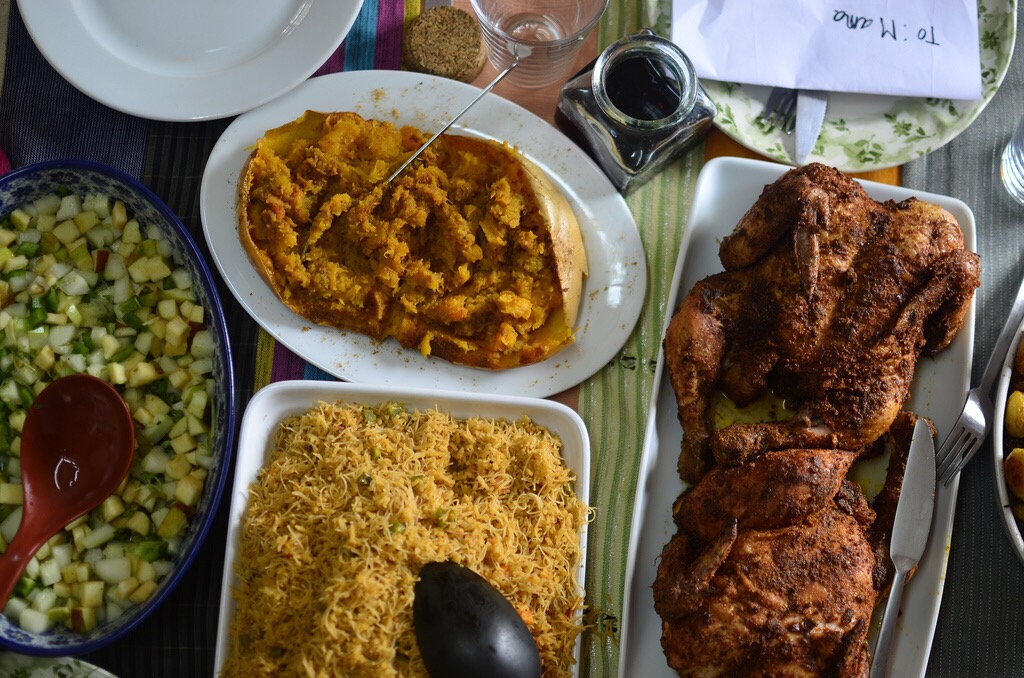
Being a child comes with the assurance that Christmas dishes will always be available because someone provides them. Now, however, you’re not so sure if you’ll be able to have the good old Christmas rice and chicken available on the D-day, so you’re working double-time to ensure that you don’t end up drinking only water on Christmas day.
You’re gonna have to rethink attending those parties because they are a money drain:
When you were a kid it was all about wearing new clothes and having your hair done for Christmas so you could attend your friend’s party, you also had to present at your school’s Christmas carol, church carol and drama presentations.
Nowadays though, things have changed for you, now you have to think about the monetary aspects of these. The number of church groups you’re in determines the monetary contributions you’ll make, there are concert tickets to think of, you also need to buy drink vouchers at that ticket-free event. And let’s not forget the family reunion that has you buying more clothes, shoes, and foodstuff than you need
The emperor’s new clothes are on you:
Let’s be honest, all you were really bothered about when you were younger was if you were gonna get that video game you really wanted or if your mother would let you go on the slide and bouncy castle while you eat cotton candy. Christmas clothes were the last things on your mind because you knew you’d always have something new to wear.
But now you have grown and you have to buy all those stuff yourself. And it’s more than usual because there are even more places that require your presence. Some are themed parties that require specific clothes you’ll never wear again after the event.
Now you are the one buying presents:
Remember those times you anticipated visits from your aunts and uncles because of the presents you’d receive? Haha, now you are the aunt/uncle and you have to buy presents for those cute babies your siblings and cousins wouldn’t stop birthing. Think of when you have your own kids too–no excuses then either.
You’re gonna have to rethink your travel plans:
Travelling is no longer an excuse for an excursion, you don’t even get excited by the sights. You’ve been disillusioned by adulthood so much you only see potholes and experience road rage.
You also think of the double fees you are gonna have to cough up for that flight ticket because you know everything gets more expensive during Christmas (why do merchants complain of being broke in January too?).
You’ve got your boss and coworkers to think about:
As a child, it was guaranteed that you only had to give your friends, parents, and siblings gifts but now you have to think about a whole village when buying presents.
Not only will you be visiting the orphanage, giving to the less privileged, giving your family and giving church donations, you will also be giving your boss and colleagues Christmas presents, even those you hate and no, nobody appreciates handcrafted gifts anymore, please.
Trying to be on the good graces of your employees:
Because you know how they will look at you if you don’t throw an office party and you don’t give them their bags of rice and bonuses.
They don’t want to hear about how prices of things have skyrocketed during Buhari’s tenure, just give them their groundnut oil abeg.
Command performance at family reunions that have you screaming on the inside:
Attending family events as a kid was such fun because you got to run around and play, eat lots of food, get many presents and attention from your older relations.
However, the adult version can be horrific, because this is a time you have to show what you’ve been doing all year and you don’t want your IJGB cousin stealing away your spotlight. You also don’t want that other cousin who couldn’t look you in the eyes a few years ago monopolizing the conversation now that he has a chieftaincy title.
We want to know how young people become adults. The question we ask is “What’s your coming of age story?” Every Thursday, we’ll bring you the story one young Nigerian’s journey to adulthood and how it shaped them.
There are a lot of things you don’t realise about life and growing up when you’re a child. It’s worse when you’re a sheltered child, like I was. I grew up in an old city in south-western Nigeria, in a family of thirteen. My family was comfortable financially, but this changed and got progressively worse as I got older.
Because I was smart, and because I hung out at a school close to my house, I started school early. Most of my early memories are dominated by this — school: of the awards I collected, the friends I made, the crushes I had. Which is ironic because I hate school now.
I’ve never had a grand plan for life, so my thoughts for the future were shaped by older people with influence over my life. People like my literature teacher who believed I should study law because I was good in government and argued a lot. I was fascinated by his belief in me and followed this path until I failed to gain admission into the university on my first attempt. I settled for English and continued riding that wave and winging life from there.
Growing up, the only big picture I saw for myself was that I wanted to be comfortable. I didn’t want to be trapped in the same struggle-driven lifestyles many people around me lived. I have never been able to work out how to reach that state and stay there, but I know it’s important that I do.
I think about adulting in two phases — the point when my parents first regarded me as an adult, and the point when I started regarding myself as an adult. The day I got my first NYSC allowance and travelled back home from Taraba was the day my parents regarded me as an adult. I was 22 at the time and they stopped giving me handouts after. It’s not like they completely kicked me out of the nest and neglected me, but they never offered anything and I never asked. In fact, I started sending money home to my mother soon after. I felt weird the first time I sent money to my father because it was such an adult thing to do and I still felt like a 12-year-old at heart.
For me, adulthood started when the post-NYSC struggle arrived. This was the point when I knew I needed to actually do something with my life but I still had no plan. I was still actively winging things which made things worse. It was the most confusing period in my life.
I eventually moved to Lagos because there was a job waiting for me; well a low-paying internship. I don’t think I should need to explain why I chose it. The only other offer I had was from that literature teacher. He offered me a position teaching government.
I hopped from a bus to sleeping on a distant stranger’s cold floor to another even more distant stranger’s couch. I was living the adult dream; I was an intern at a media firm at this point, making barely enough to just eat. Things got better, and I made great friends who were along for the ride.
At the same time things started to settle, I lost my father. It sucked because he deserved to get more out of life. But the universe doesn’t concern itself with giving you your dues. That’s one of the things I’ve had to learn from becoming an adult. You get it or you don’t, you still die.
Since I’ve been forced to grow up, the most obvious realisation that’s hit me is that you can’t live for just yourself. With my father gone now, I’ve taken up more responsibility for my mother and sister. People call it the black tax. It can sometimes be really stressful, but I don’t know how you can do it any different for the people you love.
Most fundamentally, I think adulting has made me grow more cynical with everything you can think of, so I tend to dissociate a lot and it sometimes bothers me.
There’s no grand plan to life. I might be saying this because I’m a heathen, but I don’t believe anyone sat down to map out anyone’s destiny. It’s a luxury to think they just jump from one stage to another as designed. Things happen to you, and you just wing it; or you’re deliberate about life, and it works out for you or it doesn’t. You’d expect most people to be envious or concerned but my cynicism will not allow me feel badly about my peers doing better than me.
Only one thing could make me jealous. It’s that some of them live deliberately with plans that sometimes work almost as well as designed.
I’ve been lucky at life and enjoyed certain privileges many would kill for, but I’ve also held the short end of the stick from time to time.
When life deals you a hand or several hands, you wing it and hope you luck out.
We want to know how young people become adults. The question we ask is “What’s your coming of age story?” Every Thursday, we’ll bring you the story one young Nigerian’s journey to adulthood and how it shaped them.
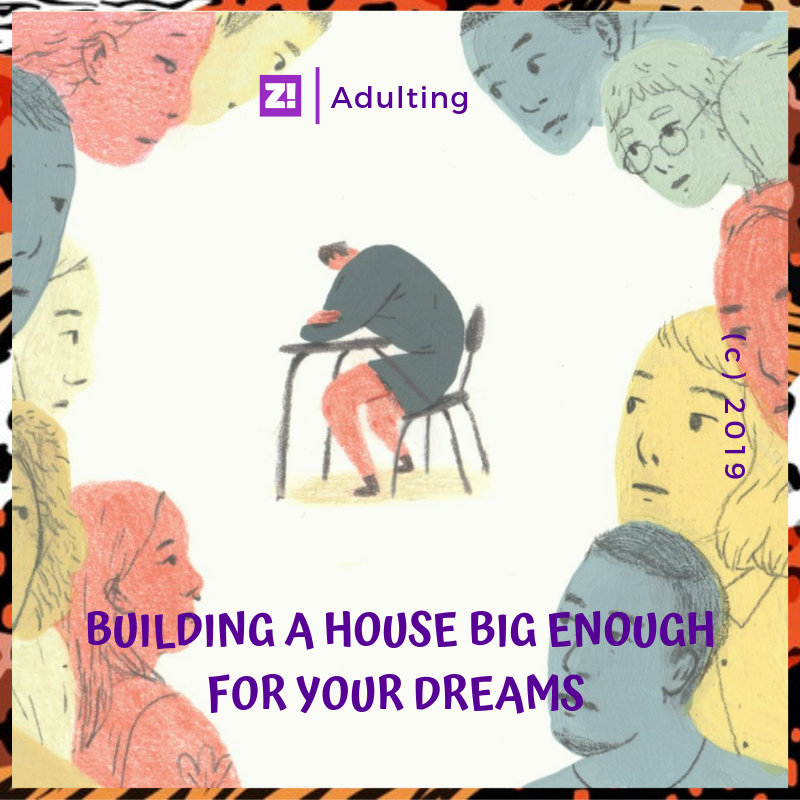
The guy in this story is not your regular guy. He lived all his life in one small town till his early 20s and graduated from university at 32. You may be tempted to assume he waited too long to make things happen, but when you’re building a house big enough for your dreams, it tends to take a lot of time.
I don’t think people realise how small the average mud house is. I would know, I spent most of my childhood inside one. Our house was boxy — the kind you see in clusters when you’re travelling through the South-west, Nigeria. Those huts are so small, you can’t fit regular furniture in most of them. At some point in my life, just after I finished secondary school, I decided that houses were big enough to contain the ambition of the people who lived inside them.
I was born a farmer, not unlike the way Trevor Noah says he was born a crime. My father’s people have always lived in Aisegba, a small town in Ekiti where I was born. They’ve always been yam farmers. They’ve always taken wives from the town, or nearby. They’ve always raised their sons to be like them. I was supposed to follow in their footsteps.
It takes a lot of patience to farm; I think that’s where I got mine from. From early childhood, my younger sister and I walked from our community grammar school to a fork in the road. She’d go home to my mother and I’d continue to the outskirts of town to meet my father. Sometimes, we had nothing to do. Sometimes, we did basic things like take the husks off new maize. When I was 18 and in the final year of secondary school, I got my own half-plot with my seedlings.
Walking home from the farm at night, my father talked about his childhood and how he walked the same roads with his own father. He was proud of that legacy. I was too, for a while.
When I was in Primary 6, I took an interest in my English teacher, a youth corps member from Port Harcourt. Unlike the tired middle-aged women and men who filled our halls, she seemed to enjoy her job. Somehow, she also took an interest in me, enough to notice that I couldn’t string two sentences together in English. She gave me extra classes in the evenings, mostly for free. Sometimes, my parents gave her foodstuff.
She left at the end of the year, with a place in my heart and more words in my vocabulary. The most important thing that she did — and all the other youth corp members who came to our school after that — was to show me that there was another world outside my own.
One of them, Olamiotan, was my government teacher in SS3. I ran errands for him, lost his books, got him angry and spent his change more than once. When he passed through Ekiti and chose to visit Aisegba four years after, I wasn’t surprised that he came to check on me. By this time, I was frustrated. After secondary school, my friends and I had slotted into this mundane existence, like everyone around us. All of a sudden, I was 22 and I’d never gone out of Ekiti. For most of my life, I’d been satisfied with living within my means and taking the mantle of ‘breadwinner’ from my father, but in 2009, the same year that Ola visited, something switched.
Even though I don’t believe in such things, maybe Olami’s visit was predestined. My father used religion to defend his lack of ambition so many times that it turns my stomach. Olami advised that I should pursue tertiary education, but I didn’t have the compulsory 5 credits in my O’ levels. I had no idea what UME looked like, but I realised that I also had no choice. It was university or a life spent wondering what could have been.
My dad wasn’t as ecstatic as I’d hoped. Maybe it was fear of the unknown or just sheer impudence, I’ll never know. Within a week, we went from an innocuous conversation about universities to a family meeting that no-one told me about. I still wonder about how he managed to frame my desire to go to university as some sort of cross-generational rebellion. Maybe it was. I sure didn’t make things easier by walking out on him and the whole family. My mother and sister cried while we exchanged choice words. It hurt, but I couldn’t care. I was done.
Later that month, in August 2009, I gathered what money I had — borrowed from friends and Olami — and got on a bike to Ado-Ekiti. The joy of taking that leap overshadowed the fact that I didn’t have anything I needed to get into university. With Olami’s help, I got a job as a sales boy in a cassette shop near the centre of the town. When night fell and other salesboys closed their shops, it was also the place I called home. I did this for nearly a year while I tried to get into school. I wrote WAEC again and UME for the first time. My results were so bad, I considered going back home.
In 2010, we began to hear that the federal government was setting up a new university in Oye, another town in Ekiti. The gist was that indigenes would get preference and people like me would find it easier than if we’d applied elsewhere. I knew this was my only shot. So I paid a student at the nearby university to write WAEC and UME for me. It’s something I’m ashamed of till this day but I know I wouldn’t have gotten in otherwise.
I’d saved up to 50,000 naira from my salary and other sources to get me through my first year in school. I ended up using it to pay the student. I got my results; and soon enough, there it was. I got admitted to study Political Science Education at Federal University, Oye.
The next five years were heavy. I earned a living as an indigene while I mixed with people from all classes from around the country in university. It was hard; I started off by running errands for students with cash to burn. When I had enough saved up, I bought a used motorcycle from Ado and became an okada man. Most people had no idea that I paid 1500 naira a month for a room with a dirt floor and no electricity so I could afford my fees. That was all my life revolved around — books and money. Olami was very helpful; he paid my first and second year fees and visited when he passed through, especially after he got married and moved to Akure.
I don’t know what it says of me that my strongest memories of university were the days I spent trying to explain why I went there. Not the time I ran for PRO in my department and got two pity votes. Not the day that one of my lecturers offered to pay my fees. After my first year living in Ado, I figured I’d go home in case my parents thought I was dead or worse, an unemployed junkie. Let’s just say my dad didn’t care.
I began to send money home shortly after through drivers. My mother always sent back things too: my dad’s old clothes and later when I got into university, foodstuff. I even got my sister a small internet-enabled Tecno phone so we could stay in touch. It’s how I learned that my dad found out about the money and began collecting it from my mum as household income.
The next time I returned to Aisegba in June 2012, something about the way he sat — lonely and tired — made me feel hollow inside. Then he noticed me walking close, waited for a while and said he assumed I’d died in Ado. It was the last time I saw him.
I finished from FUOYE in 2017, at32. Between heavy reading and my endless displays of overzealousness, I got up to speed with the rest of my colleagues so well that I became the resident class analyst. By 400 level, my nickname among friends and my frequent customers was Elder. I’m built like a labourer and I have a weird tendency to sound weighty when I talk about the most mundane things. I know where it comes from so I wore the moniker with pride.
Service year was next. You’re probably wondering how a 32-year-old got into NYSC. I was advised to falsify my age in 2010 to help my chances of admission. By the time I finished, my papers said I was 27 so I got posted to a state parastatal in Kwara. It was the first time in my life I tasted real money. My superiors had their hands deep in the state coffers and sometimes, crumbs would fall at our table. I began to send more money home. When my sister decided to move to Ado and learn a trade, I was able to support her. When service year ended, I applied and got into the state civil service.
Adulting to me is not being afraid to go beyond the reaches of what you think you know. I’ve heard kids from wealthy homes talk about the pressure of parental expectation. I had to live with the pressure of zero expectations. My entire life has been a case of wanting more and convincing myself that I deserve it.
This year, I got married to my fiancée, a colleague from work. Sometimes, I joke that if she’d met me 10 years earlier, she’d have given me money out of pity. She often laughs it off but to me, it’s a reminder that while my English may still need work and I’m terrible with technology, I can continue to improve.
That’s what being an adult is: getting better than all the challenges that will inevitably come your way and building a house big enough for all your dreams.
Did you enjoy this? You should sign up for our weekly pop culture newsletter, Poppin’. You’ll get to know what we’re up to before anyone else + insider gist, reviews, freebies and more. If it sounds like your deal, sign up here.
We want to know how young people become adults. The question we ask is “What’s your coming of age story?” Every Thursday, we’ll bring you the story one young Nigerian’s journey to adulthood and how it shaped them, in their own words.
The woman in this story has a contagious energy. She’s 20 and figuring out life after university. Youth service is next but she doesn’t need a government program to acknowledge the work she’s put in for herself and those she loves. Adulting, for her, is blossoming against any odds.
My mother used to say, ‘Just you wait, my girl, women will run this world.’ She’d mention powerful women who were kicking ass and taking names. Her favourite was Margaret Thatcher who she said I should aspire to: no-nonsense, practical, direct.
I grew up as the fourth of five very playful children. My siblings were my best friends and Margaret Thatcher wasn’t anyone’s priority. We played different games: ice and water, policeman and thief etc. If it was cheesy, we were playing it.
One of my earliest memories is laughing as my sisters and I tried to catch my brother who was playing Rambo, complete with the mandatory wrapper as a cape. I guess one reason we were close is that we didn’t really have anyone else to play with. There were only two houses on our street and we were separated from our neighbours by a huge barbed wire fence that is still taller than me.
In 2005, when I was 6, we moved houses and changed schools. All of a sudden, we were surrounded by people including children my age who were not brought up in a strict Catholic household like ours. I heard Pidgin English for the first time and got teased for how good my English was. This new environment was foreign to me and like a hermit, I retreated. I found new friends in books. Book friends didn’t call you ‘skeleton’ or ‘orobo’ when you finally gained a little weight. If you can think of a story idea, I’ve probably read about it in some variation.
As a child, I admired my mother a lot. She might have shown me heroes in suits and positions of power, but if I ever looked up to anyone, it was her. She had to drop out of school because she got pregnant with my brother, and gave birth to all of us with only two years separating each one. She went back to school before she gave birth to my younger sister, and she joked that because she was pregnant, she couldn’t sleep, so she had to read. She gave birth to her days after her last exam paper.
Growing up, I didn’t have a master plan. I don’t imagine a lot of 10-year-olds do. Life was good and our finances were okay as far as my younger self knew. I was doing reasonably well in school too. I wanted to become a nurse, mainly because I was a bit sickly as a child and had been at the mercy of too many nurses to not be influenced in some way. Well, that all went down the drain.
In 2010, my mother died, exactly a week after my 11th birthday. It had been a big deal, and till date, I feel guilty for being so happy just before the tragedy. I was with her in the hospital for a week before she died. I was the only one she took. She told me I was the strongest of us all; I still don’t know about that. The day before she died was a Sunday and I remember praying for her to just see the end of the next day. Call it childish, but somehow I believed that everything would be fine if she just made it to the end of Monday. I went to sleep on Sunday night and was shaken up to be told that she had died in the night.
I grew up real quick. My dad lost his job and we were forced to live off his paltry severance pay for a while. Without my mum’s income to support, finances became a problem. Money became my primary motivation as it did for my siblings. I’ve promised myself that I will never struggle as hard as we did those years. We struggled and then gradually, silver linings showed.
My brother and sister got into university and won scholarships. This took a lot of weight off everyone in the house. When I got into university in 2014, I knew I had to get one too. I did and the next challenge was putting my head into my books so I could maintain my grades and keep the scholarship. I don’t like asking for money, and I can’t even imagine how life would have been like without that scholarship.
Getting into school didn’t mean I was absolved of any money-making responsibilities. The first job I had was teaching biology and chemistry to secondary school students to prepare them for WAEC. This was in 2014. I remember that feeling of having my own hard earned money, not given, not loaned. It was a heady feeling.
Now, I contribute substantially to housekeeping. I’m always happy when I do, and I’ll do everything in my power to ensure we never go back to the way things were. I send my younger sister money every other week. She’s living my dream and I’m proud of her. I want her to experience all the university thrills I never did because I was worried about money. She has it all, and she will have more if I have anything to say about it.
Finishing university this year was a big deal for me. I’m 20 and everyone says I have my whole life ahead of me. Sometimes, it feels like so much has already happened. I know this is a new phase but the same old needs persist.
Adulting to me now means “Saving, investing and never running out of money.” I’m working on all three. On the more-human, less-mercenary side of life, my biggest inspiration is my older brother. For a while before we found our bearings, he had to shoulder the responsibility of five of us, and yet he is so kind. He is my lesson: You don’t always have to be a reflection of the circumstances that raised you. When I finally complete this growing up thing, I want to be like him, wise and with an unending capacity for kindness.
The world is mine for the taking, I know it. Now more than ever, women are demanding credit for the work they do. I’m benefiting from the hard work women of all ages did to make sure they are recognized. I don’t take this for granted. Would my mother be proud of me? God, I hope so. I know I’ve been slacking. It’s easier that way, coasting and being comfortable. She always said to put in my best and strive for excellence. I’ll do better.
In certain cultures, adulting is marked with rituals, tests and celebrations. But when you’re Nigerian, adulting often comes at you without warning. Adulting comes in different forms; bills, family, responsibility, and you guessed it, a child.
Everyone who’s crossed that bridge has a unique story. Stories that can help you see you’re not alone. That’s why every Thursday at 9 am, we’ll bring you one Nigerian’s journey to adulthood, the moment it happened and how it shaped them.
The question we’ve been asking is, “when did you realise you were an adult?”
The 26-year old woman in this story has never had to worry about anything that matters. Just 26 years of pure cruise. She’s a baby girl, shuttling between Lagos and Abuja, with a comfortable life. Nearly everything simply falls in her lap. It’s why she feels like there’s a big chance that she never got the chance to grow up.
It’s weird but Abuja reminds me of how most people like to think they can determine their fortune. I don’t know the exact details of how my parents moved there. My dad often talks about it as a story of him taking a big chance by buying land here and trusting his business acumen but I think he thinks too much of himself. It was just luck. He was just in the right place at the right time when someone offered land in what would become Gwarimpa. Just luck. What if he hadn’t been at the place when whoever it is first told him about land in Gwarimpa? What about the people who weren’t?
I’m part of a generation that doesn’t know what our parents like to call ‘home’. Both my parents are from the South; my mother has a bit of Yoruba in her, I think, but I hardly ever go “back home”. When I was born, my father had been on what I like to call a winning streak. He’d been in finance for a while; then he saved up.
With the help of one of those old friends he calls his brother, he got into importing in the 90s. Now, they import cheap things from China; shiny, cheap things that people have to buy. They had me when his money came. I have two older brothers. The gap in years between me and my immediate older brother is big enough to make me look like an afterthought.
One time, when I was about 9, my entire extended family travelled back to Agbor for a burial. Someone in my father’s age grade had died and I assume he was the wealthiest of his peers. So I guess he felt responsible for the whole thing. The Lagos People travelled in one convoy and us Abuja people travelled in ours. We spent the night after the first half of our journey in a hotel in Enugu.
What we did could have been called a complete takeover. My uncles, cousins, everyone was somewhere in the hotel; in the kitchen, at the bar. Except us. We were in the room; me, my parents and my two brothers. My dad told to order whatever we wanted as long as it wasn’t alcohol. But we couldn’t go out to be with with everybody else.
That’s what my childhood was like. We had everything we wanted but we couldn’t share it with anyone else. Mondays to Fridays were for going to school, watching television and playing with whatever. Weekends, we’d go shopping with my mum and on Sundays, church. Nothing else, ever.
Of course, my brothers figured their way around getting out of the house. I was allowed to have friends over but every time I suggested going to their houses or anywhere else, I was reminded that our compound was big enough to play. And it was. But nothing is ever big enough. I got in trouble too much for literally harming myself or doing silly things like climbing the stairs on the short end of the railing. I have a chipped tooth because of that one.
I learned very on that if I wanted something, all I had to do was ask. My dad was the one who could hardly ever say no to me but it didn’t matter who I asked. Everything was just always so easy. When I was a lot younger, my favourite status symbol was having a driver who took me everywhere and waited until I was finished. As I grew older, I didn’t worry about the things I imagine people my age were worrying about. It’s almost like there was a script I was acting. I remember this one time in secondary school, I had a friend who kept talking about a phone so much, so I bought her one.
I thought it was ironic that my parents were so restrictive but they’d give me money when I asked for it. So I started asking the help to buy me things I was really interested in; like jewelry, art and books from the market. I’d write names of writers for her and she’d buy whatever the woman gave her and we’d both try to make sure my mother’s watchful eyes did not stumble on us.
University was always meant to be the escape I first found in books, the place where I’d eventually see ‘life’, something different. It wasn’t. I didn’t realise it till I’d left but I went there and did exactly what I was supposed to do.
My parents and I had fought over my supposed desire for distractions. I could have gone to Atlanta or some random school in the UK easily but it was ‘unnecessarily far’ for them.
So I went to the American University of Nigeria in Yola. It’s exactly all that it’s made out to be. But all I did was eat, swim, read, go on trips with my girls. The only consolation is that, at some level, I did some of the more absurd things I always wanted to do. That’s where I went wild. I would go to Abuja on a whim just to do something as random as getting a back tattoo. I even had a car parked in the town at some point. But I flunked my courses like hell while I was there. I like to think I’m not entirely stupid but I couldn’t be bothered to make the effort. It didn’t count and I knew it. Everything was already set. I barely even graduated. I loved Yola. I still do. But by the time I left, life had begun to feel very hollow.
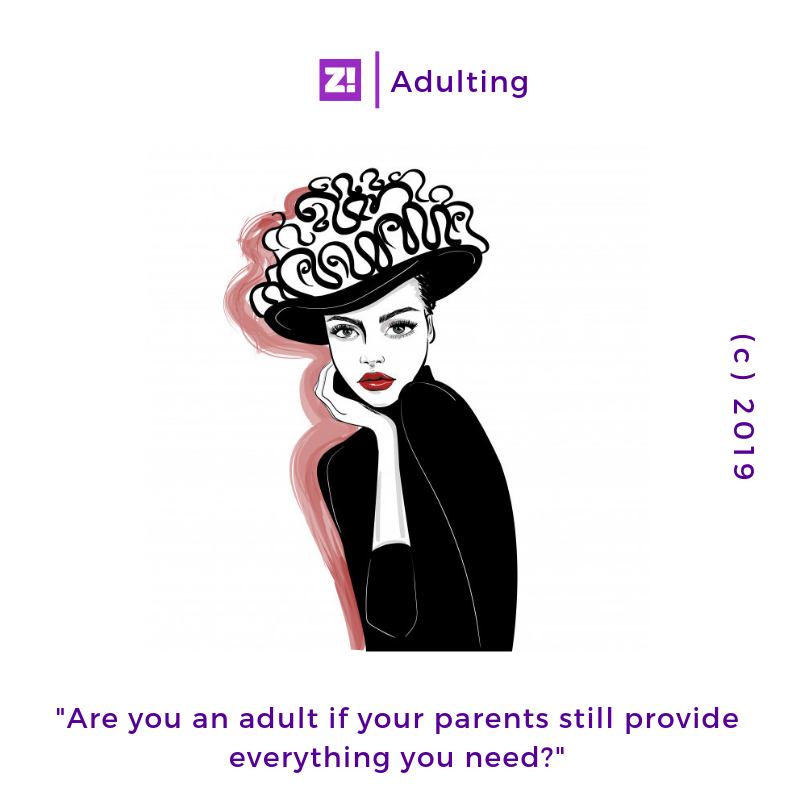
Are you an adult if your parents still provide everything you need? How can you defend yourself or anything you stand for when there’s a blanket waiting to catch you and all the consequences of your actions? How can you earn a life that was always literally handed to you?
There’s this poem called “Convenience Stores” by a spoken word poet called Buddy Wakefield. I think it describes what I feel like on most days. This driver walks into a shop and throws some life-shaking questions at a sales girl. And at a point, he asks her, “Is this it for you, is this all you’ll ever be?”. I’m not a salesgirl but I’ve always felt like everyone was asking me that question.
“Your father has money, and then what? What about you?”
Most people are judged by how they’ve overcome their challenges but apart from the odd hectic week at work, I can’t say I go to through anything that qualifies as ‘gruelling’. It’s not hard for me to admit my privilege or say I’ve had more room to make mistakes than others. I don’t feel bad about it. I’ve enjoyed it. I wouldn’t change a thing. But where are the mistakes? I’ve not even gone out and made those.
What I am now is what you would call a bad bitch.
My dad put me on the books at his firm as soon as I returned to Abuja, same as my brothers. I did my NYSC there and got paid my first salary. It was rather uneventful at first but because of the mess with the new tariffs at Apapa, the Lagos end of his business is more important. He’s getting older so he sends me down sometimes. I met my boyfriend on one of those trips.
He’s one of the few things I enjoy about my life. Everything else is the same as it has always been. People introduce me by my father’s full name and then say I’m his daughter. I do it too. It opens doors. But I’m worried that if we all do it enough, I’ll forget who I was supposed to be, whoever that is. I don’t think I ever figured it out. And I’m running out of time to.
I’ve told my mother that I want to quit and move to the UK. She always forces her hand over my mouth when I mention it.
“Don’t let your father hear. He has big plans for you.”
I’m 27 in July and I live in the family guest house at home. Life is good; I have a well-paying job with money that I don’t spend. My parents make faces when I’m travelling “too far”. My boyfriend mostly buys me things because he thinks he has to. So he buys things I already have; like an extra bottle of perfume. He should take the hint and buy a big, shiny ring soon.
I have a few investments of my own here and there; money in a friend’s business, some mutual funds. I give a lot to causes on social media too. But it sucks to have come so far and still feel like there’s something I’ve not done.
Maybe my real fear is that Nigeria could happen to us and the family business–our source of security somehow ceases to exist. I worry that I won’t know how to handle a life where everything isn’t at my fingertips. Or maybe I’m just overthinking it.
I’m quitting my father’s firm this year. We’ve been talking and I have the support of my brothers. My mum will take some more convincing. First, the UK. We went a lot as kids so it feels familiar. I need a brief calm before the tempest comes. From there, I’ll decide what’s next. As of now, I have no inkling what ‘next’ is. Setting on a path with no plans is not the smart choice, but that’s the entire point of doing it.
1. When you get that first credit alert.
I’m now a bad guy!
2. When all the debit alerts enter and the money starts disappearing.
Na wa oh!
3. When your parents no longer dash you money anyhow.
But I am still in need now!
4. When your siblings start expecting you to buy them all sorts of things.
My friends you better get out!
5. When borrow-borrow family members think you are now an ATM.
You and who please? The Lord will provide for you.
6. When you start realising how valuable every single naira is.
Wow!
7. When your friends start bringing their aso ebi.
“It’s not in my culture to buy aso ebi and I don’t want to offend the gods.”
8. When you start seeing “bank maintenance charge”.
What does that one mean?
9. When unexpected expenses come out of nowhere and reduce your salary to chicken change.
Lord help me!
10. When you realise you still have to pay taxes, insurance and pension contribution.
AH!
1. Nobody telling you what to do, how to do it or when to do it.
2. You can decide to leave your shit lying around and no one will complain about it.
3. You never have to share your food.
No extra mouth that’ll be eyeing your meat.
4. You get the bed all to yourself.
Sound sleep loading!
5. You can stay home completely naked all day with no judgement.
Freedom. Absolute freedom.
6. You get to meet your things exactly where you kept them.
7. You get to do whatever weird things you like and don’t have to worry about anybody finding out.
1. We know it’s a hard life out there for everyone.
2. But then when you’re single, female and live alone, it’s like everything is conspiring against you.
3. Your parents are always trying to get you to move back home.
Uhm…I have a job?
4. And they always want to know if you’re finally in a relationship.
5. There’s always that creepy colleague that keeps asking when he can “come over”.
No. Not now. Not ever.
6. And when you have a male guest over your neighbours are always like:
Is he the one?
7. You love your life but sometimes it can be frustrating.
8. When you’re walking home and you notice someone following you:
If you get any closer I will land you blow.
9. And your landlord assumes your rent is paid for by your parents or a man:
Adulting is hard.
Like very very very hard.
Whether you are in Nigeria or in Obodo, you will agree that “adulting” is not even easy at all.
There are so many responsibilities and expectations. Sometimes you just want to scream:
In Nigeria, PHCN will suffer you. Fuel prices will make you cry. The Federal Government will just be doing anyhow.
In the obodo, they will work you like a slave and tax you like an animal.
But at least there’s plenty light na abi?
…Only if you pay your electricity bill sha.
Short story, there’s sha sufferhead everywhere.
Although some people prefer their sufferhead in the abroad.
This Naija guy chose obodo sufferhead and now, it appears he’s tired of it all.
Below is a skit by comedienne Maraji, showing an argument between a Nigerian man and his British wife, and it perfectly describes everything we feel about adulting.
https://youtu.be/qq5YPY64QnE
If you could totally relate to this video, and you’re absolutely done with adulting, then this next post is for you: