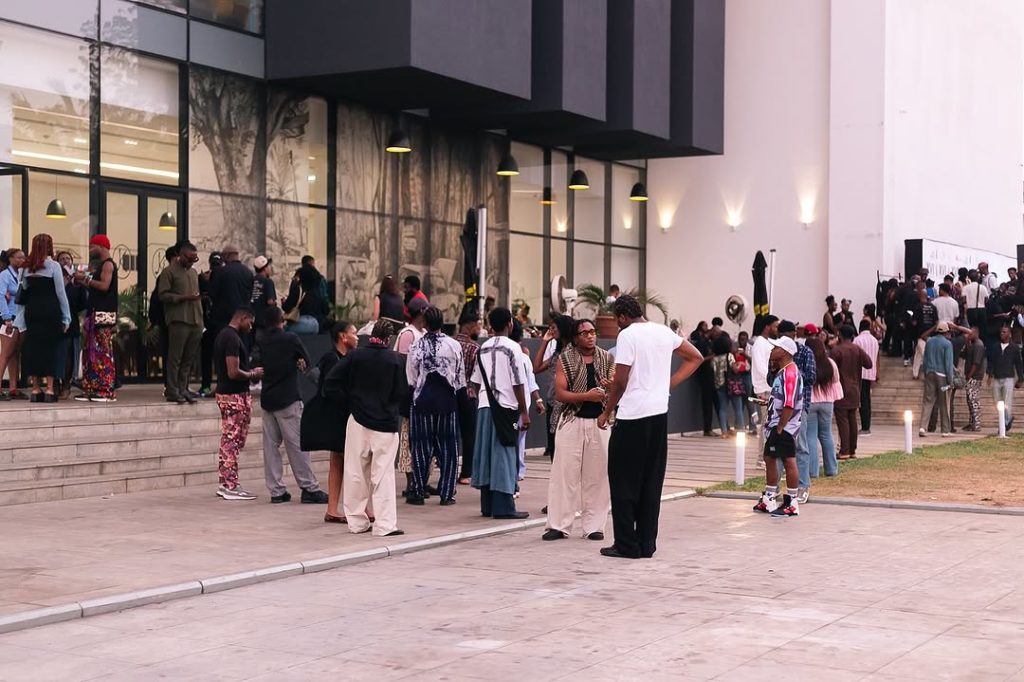
• On the opening night of the S16 Film Festival on December 10, the actress Lala Akindoju strolled in, wearing a casual jumpsuit. That was as star-studded as the four-day festival would get.

    There were no bodyguards pulling people out of the way, and there weren’t long media lines—in fact, there almost weren’t any media lines at all. There were rising hotshot directors, writers, cinematographers, and directors of photography.

    Interns waiting for their big break joined queues with established filmmakers for Quacktails. Inside Alliance Française, audiences watched the opening film, an A24 feature, On Becoming a Guinea Fowl, directed by Rungano Nyoni. Later they watched more movies in that vane, some of which were too preoccupied with being films that truly understanding them was nearly impossible. After all, this is the house that the Surreal16 Collective—Michael Omonua, CJ Obasi, and Abba Makama—built.
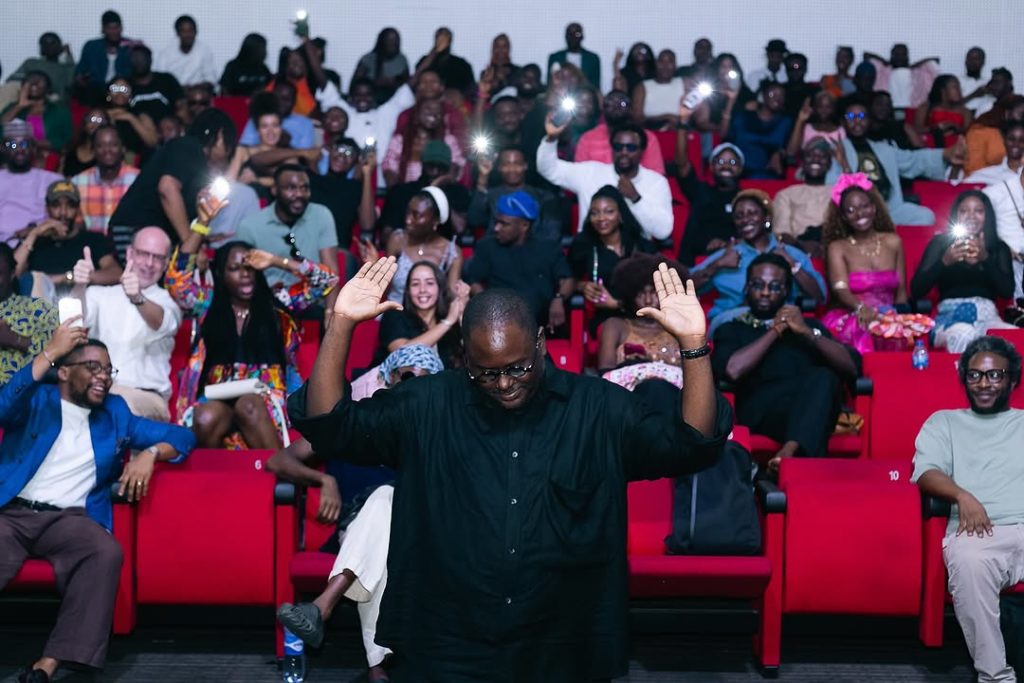
    “It’s a festival where we know that the filmmaker and the film are the most important aspect of the festival, period,” Omonua, one of the founders, told Zikoko. “It’s incredibly hard work.”

    For at least the last decade, Nollywood has relied heavily on celebrities and other big brand personalities to grow. It wasn’t always like this. People once watched Nollywood films for the reasons that motion pictures became the most influential storytelling tool—great acting, suspense, action, the stupidity of the characters, tact. 

    But somewhere in Nollywood’s development, an aggressive push for profitability led to a meteoric rise in the quantity of films it produced. The quality fell flat, and young Nigerian audiences enamoured by huge-budget Hollywood productions fled.

    The Nigerian film industry has been trying to attain profitability again in the last few years. The strategy has been to make films with big celebrities, hoping that fans of these stars will pay to watch them at the cinemas or on streamers. The downside of this is that films without big celebrities almost never make it to the cinemas, or even to production.
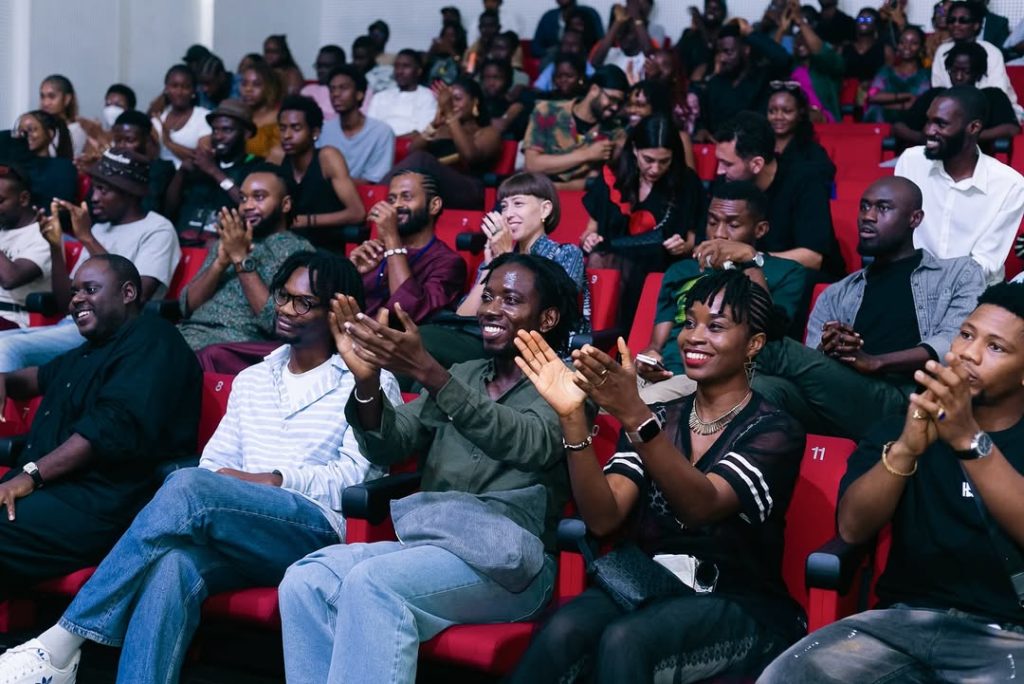
    It has also turned the industry into something of an endless jamboree. Films are stuffed with famous influencers. To accommodate these influencers, directors are compelled to smash unaccounted-for scenes into their films. The premieres look like carnivals, and the films forget that they are, first, works of art.

    “10 years ago, if you had told me that there would be talented artistic-minded filmmakers coming out of Nigeria, that would probably have been hard to believe,” Omonua said. But now he said, “No one can ever tell me Nigeria doesn’t have amazing filmmakers with unique voices, an artistic mindset, and the ability to make films that can compete with anyone in any country.”

    It was suspicion that led him to this conclusion. Scanning the state of the industry, he knew that there were “crazy, mad talented young filmmakers in Nigeria” who just wanted to make really great films that carried important messages. “They just needed a place to come where they could see them.”

    He hopes that S16 is that place. “We want to be a place where the best works come to screen for audiences in Nigeria,” he said.

    This year, the Africa International Film Festival (AFRIFF), the biggest film festival on the continent, hosted Star Wars actor John Boyega and the rapper Skepta. There were also off-site parties, five screens showing films simultaneously, red-carpet events, and an army of PR experts. Some guests were lodged at the Art Hotel.
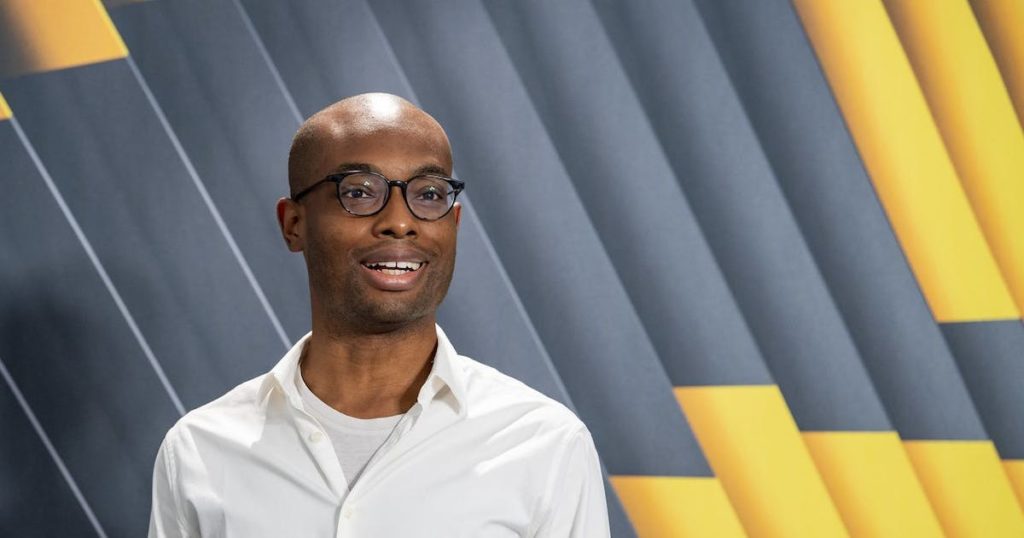
    Michael Omonua (Shutter Stock)

    Filmmakers who have had their work screened at other international festivals in the West said it was a good place to network, but complained that the films were not the centre of attraction. Some didn’t bother submitting their work this year.

    “Our vision is a film festival that is filmmaker-focused first, and I hope we are on the journey to better that every single year,” Omonua said of working with his co-founders. “We all share that vision. There are no egos. Everyone pulls their own weight.”

    But doing this has not been easy. “It’s not easy to run a festival and keep surviving every year,” he said.

    Getting funding for a festival that almost makes no money and very little noise in an industry accustomed to noise is tough. “Often, we’re not even funded until the last week, but we prepare everything and are just working towards the vision. That has actually been the case in almost every single edition. It all comes together somewhere at the end,” he said.
    “As long as we stay consistent with our goals, I think the festival will inevitably grow over time.”

    ALSO READ: What Problems Does a Film Festival Like AFRIFF Solve?

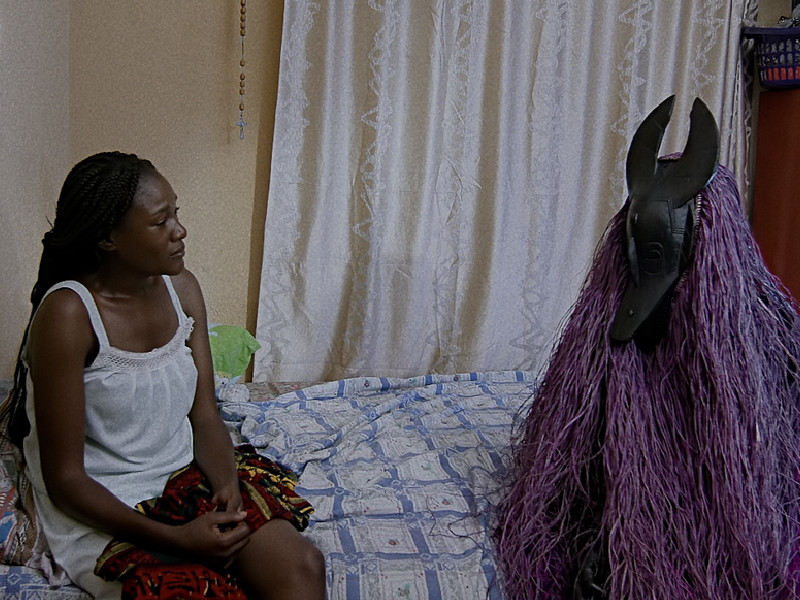
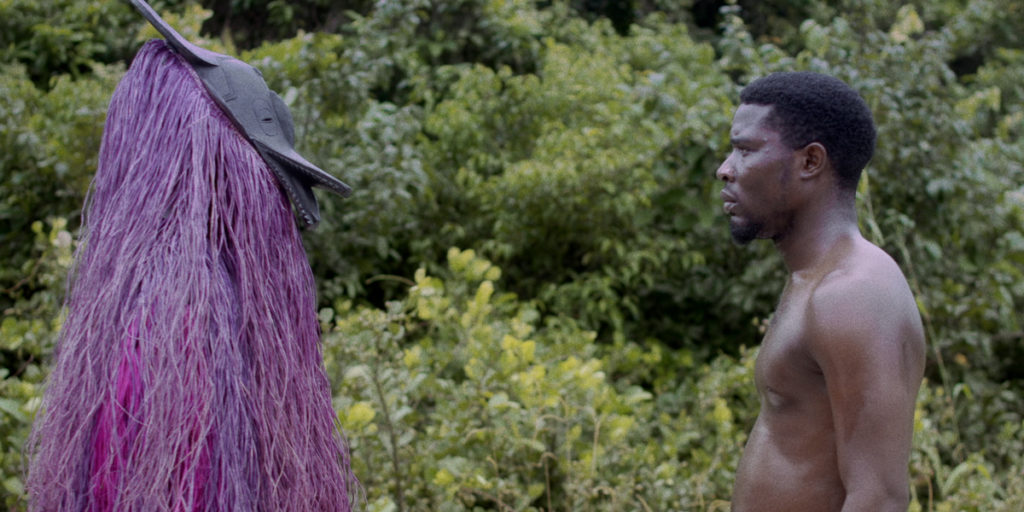
  • The Lost Okoroshi, a 94-minutes film, snagged its audience from the first scene, which was reminiscent of childhood nightmares. The lead character, Raymond Obinwa (played by Seun Ajayi) ran from a masquerade, also referred to as ojuju, in his dream; his wife, Nneka Obinwa (Judith Audu) would have none of it, advising him to seek help from her pastor, in order to rid himself of the recurring dream.

    Obinwa is a security guard with a jaundiced view of the urban city life in Lagos — what he and his colleague Musa (Jamal Ibrahim) term as “city madness”. He is a dissatisfied man who is lackadaisical about his job and his living condition in a cube-sized apartment.

    He mostly finds solace in the discussions he has with his best friend and elderly neighbour, Chief Okonkwo (Chinwetalu Agu), who supports Obinwa’s beliefs and his yearnings to leave his city life to pursue a quiet farm-life in the village. 

    Okonkwo is a vital character in the mysterious journey that Obinwa would eventually embark on, unknown to both of them. Being a great supporter of tradition and ancestral heritage, he instructs Obinwa to confront the masquerade he runs away from every night, informing him that there must be something the spirit wants to tell him.

    Twinged with an infusion of satire and humour, The Lost Okoroshi takes a swift turn from the comical to tragicomedy when Obinwa gears up the courage to confront the masquerade in his dream. In the first instance, the audience is swayed to believe that this might bode well for him, until he wakes up as a masquerade himself. Nneka’s attempts to get rid of Obinwa’s shocking regalia proves futile and for a moment we are able to glimpse the harmony between husband and wife, birthed in despair. 

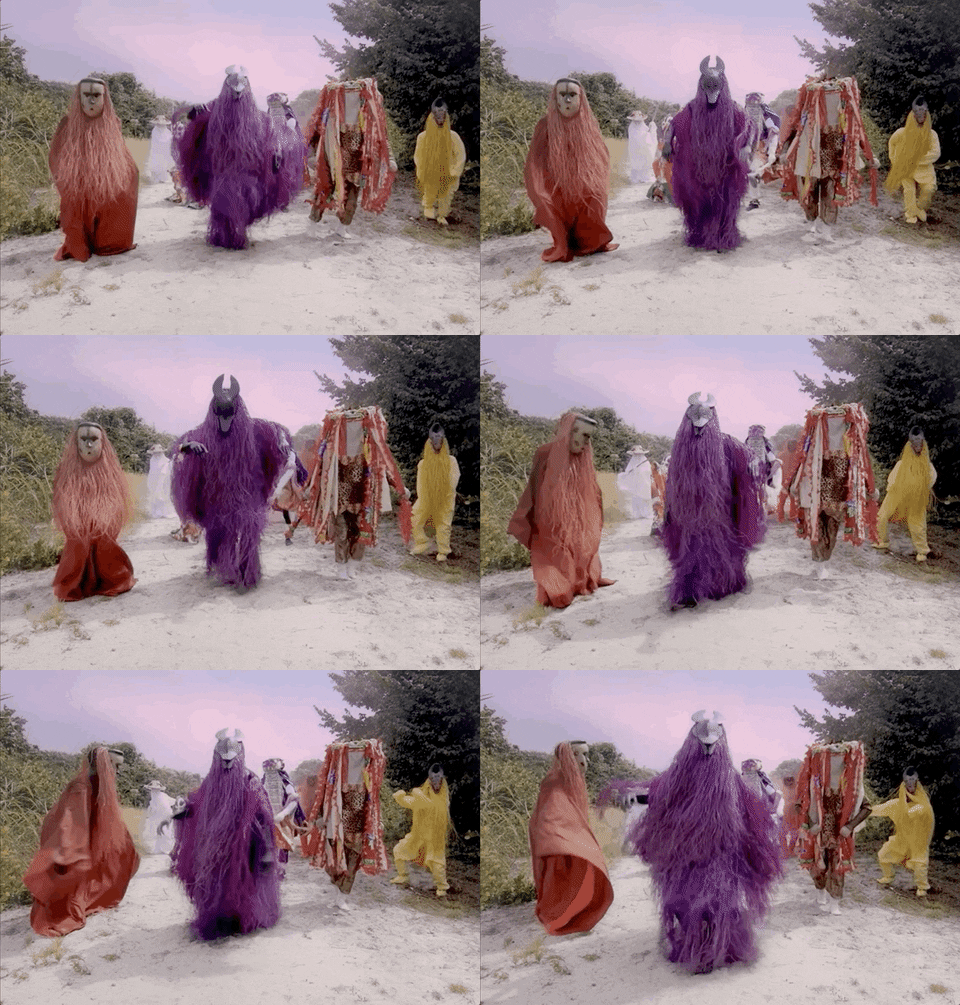
    So begins Raymond’s spiritual journey into unfamiliar waters, as the spirit he embodied constantly teleports him from place to place, this is how he is able to be of help to a prostitute (Ifu Ennada), reprimand a thief and dance in different open markets (where he meets a comical character, Willy Willy).

    However, halfway through the film, the pace of the film slowed down — this was mostly during Okoroshi’s teleportation and his dancing scenes. There were a few disjointed scenes here and there and some confusing aspects of the movie — like, why didn’t the TV in Obinwa’s bedroom ever go off? After a while the audience can see it’s deliberate, but why? It didn’t add to the narrative, neither did it serve as a piece to a significant puzzle that would have given us a eureka moment at the end. 

    Despite these, the film left the audience in awe especially with its deep dive into tradition. A classic example of this was when Okonkwo explained the importance of masquerades and when the fictional Igbo People’s Secret Society of Heritage Restoration and Reclamation (IPSSHRR) reclaimed Okoroshi and tried to integrate him back into society.

    The afrobeats vibe of the soundtrack in combination with the mist of colour in the air from the masquerades, the moon and the costume of the ancestral spirits gave the film a surreal and eerie feeling.

    The Lost Okoroshi is not perfect but it is a film that will consistently leave its audience asking themselves questions about tradition.

    The movie is an Osiris Film and Entertainment production and it is co-written by Abba Makama (producer and director) and Africa Ukoh, with Rimimi Makama as the executive producer.

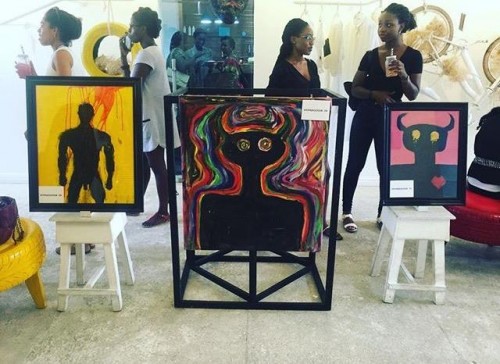
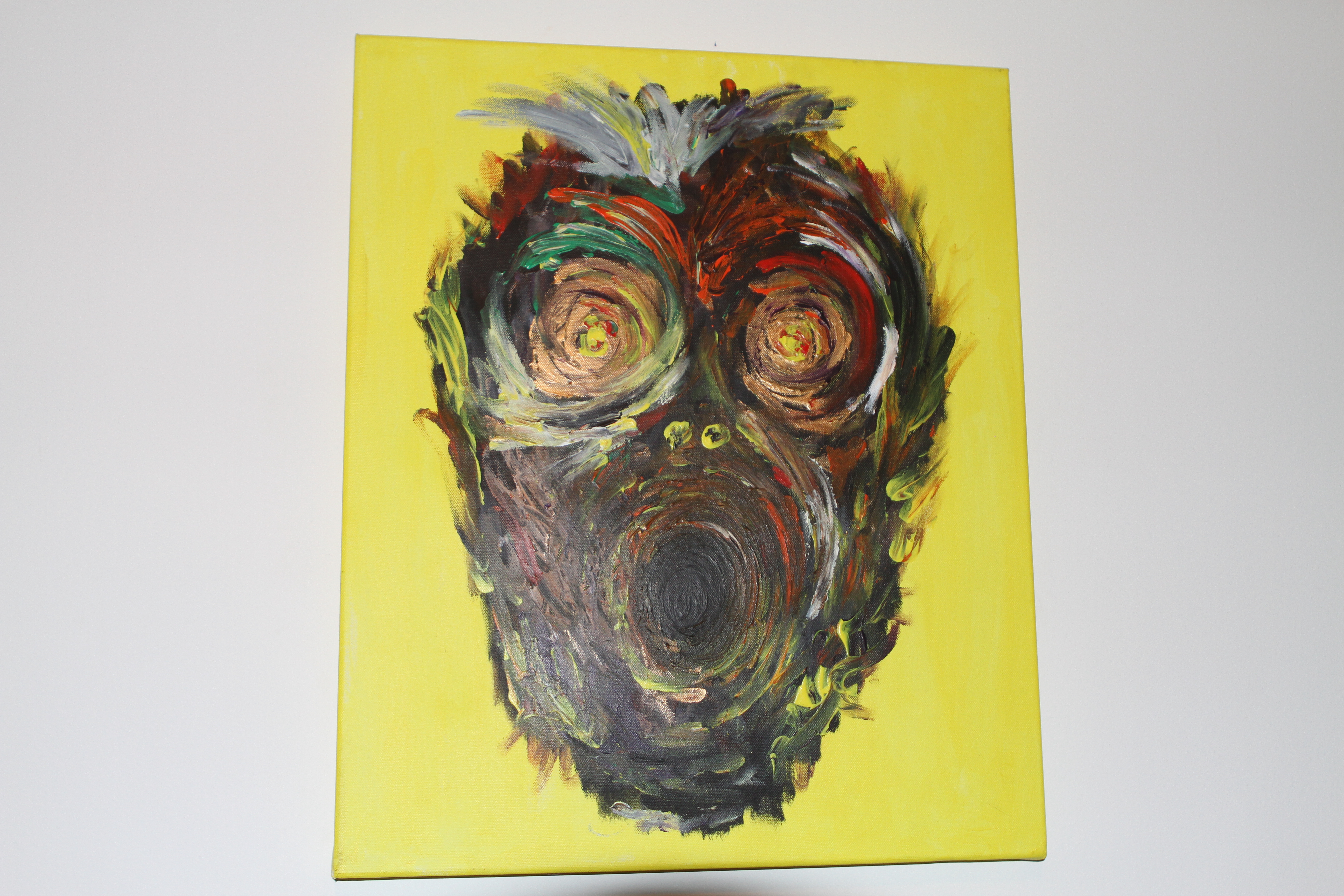
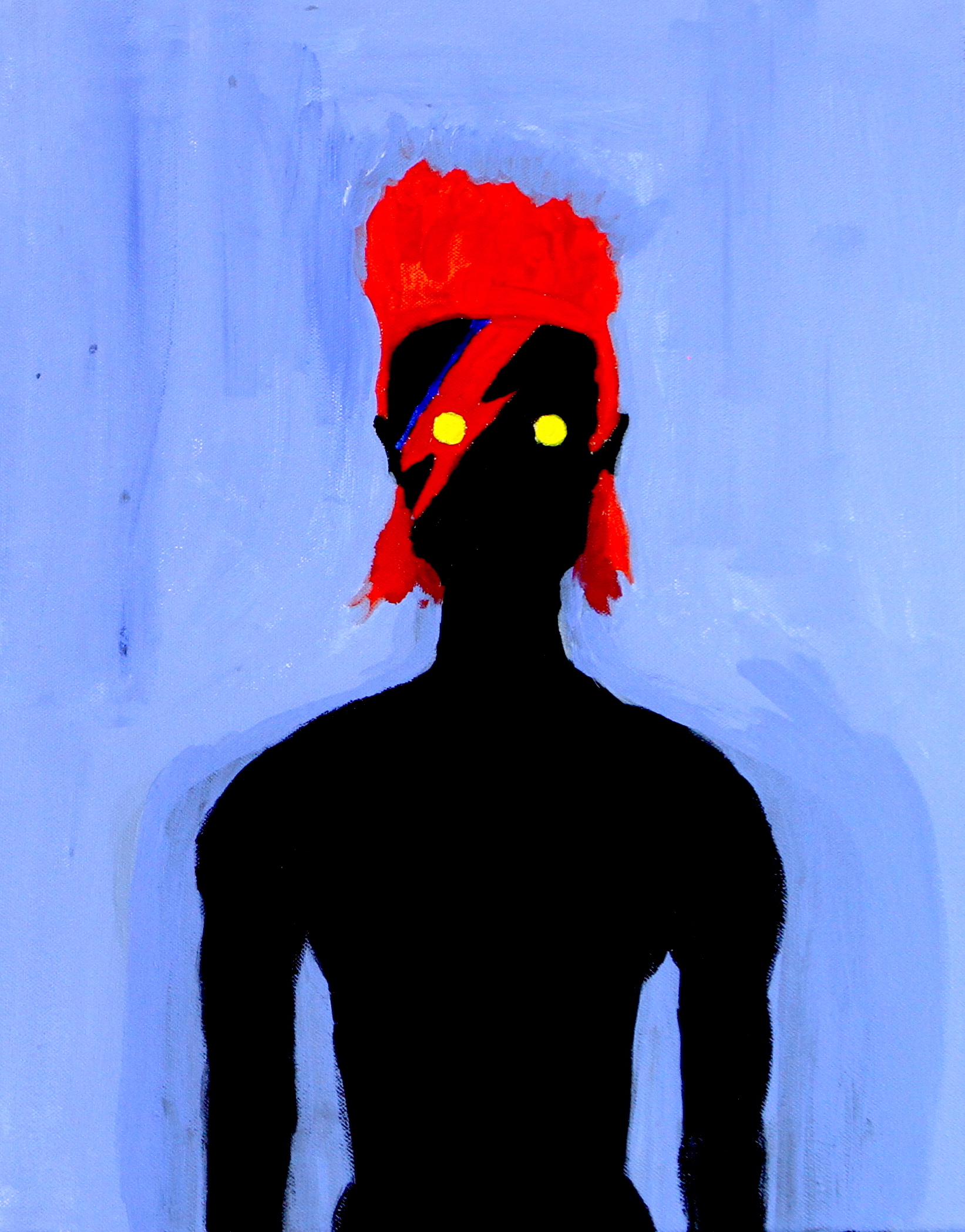
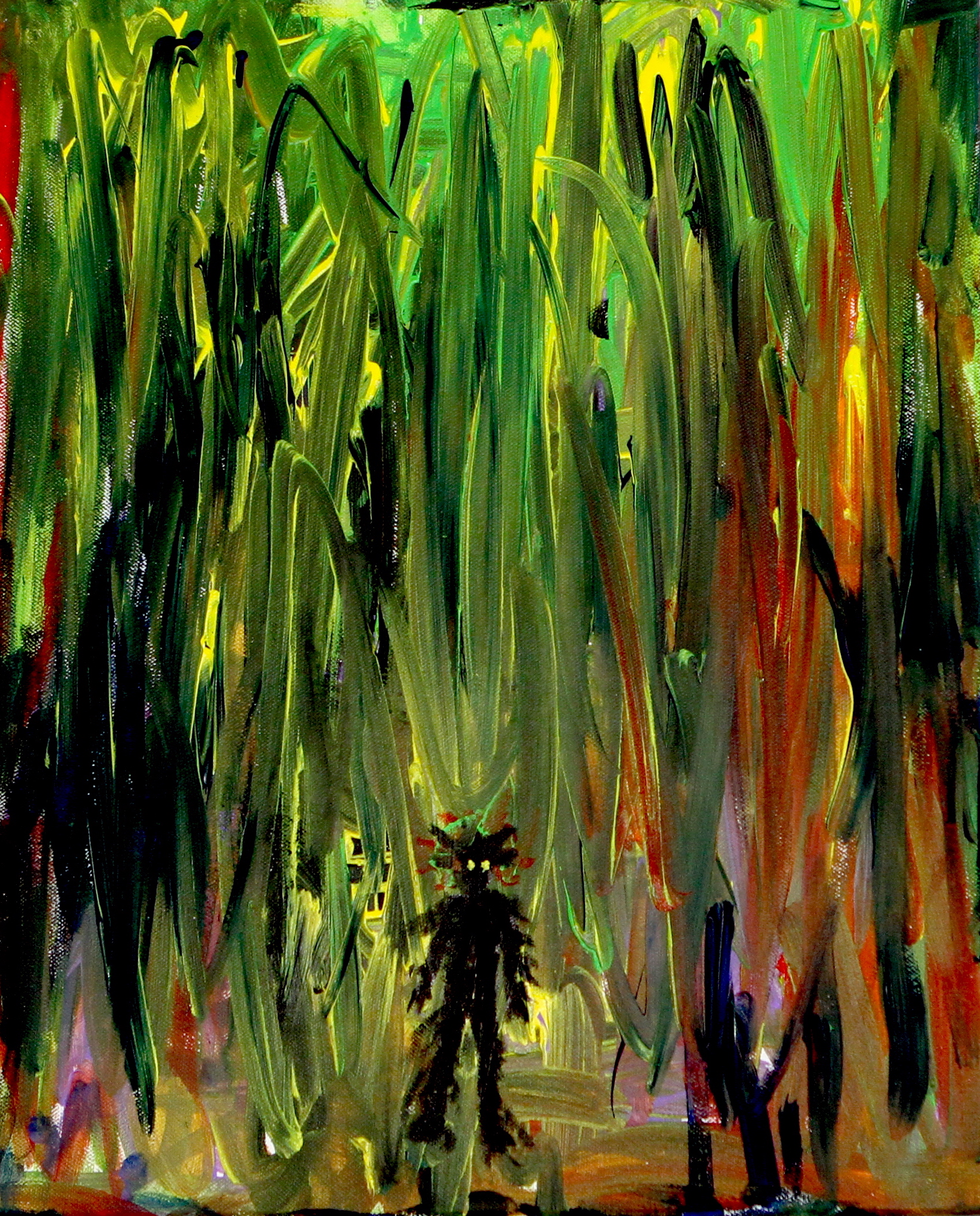
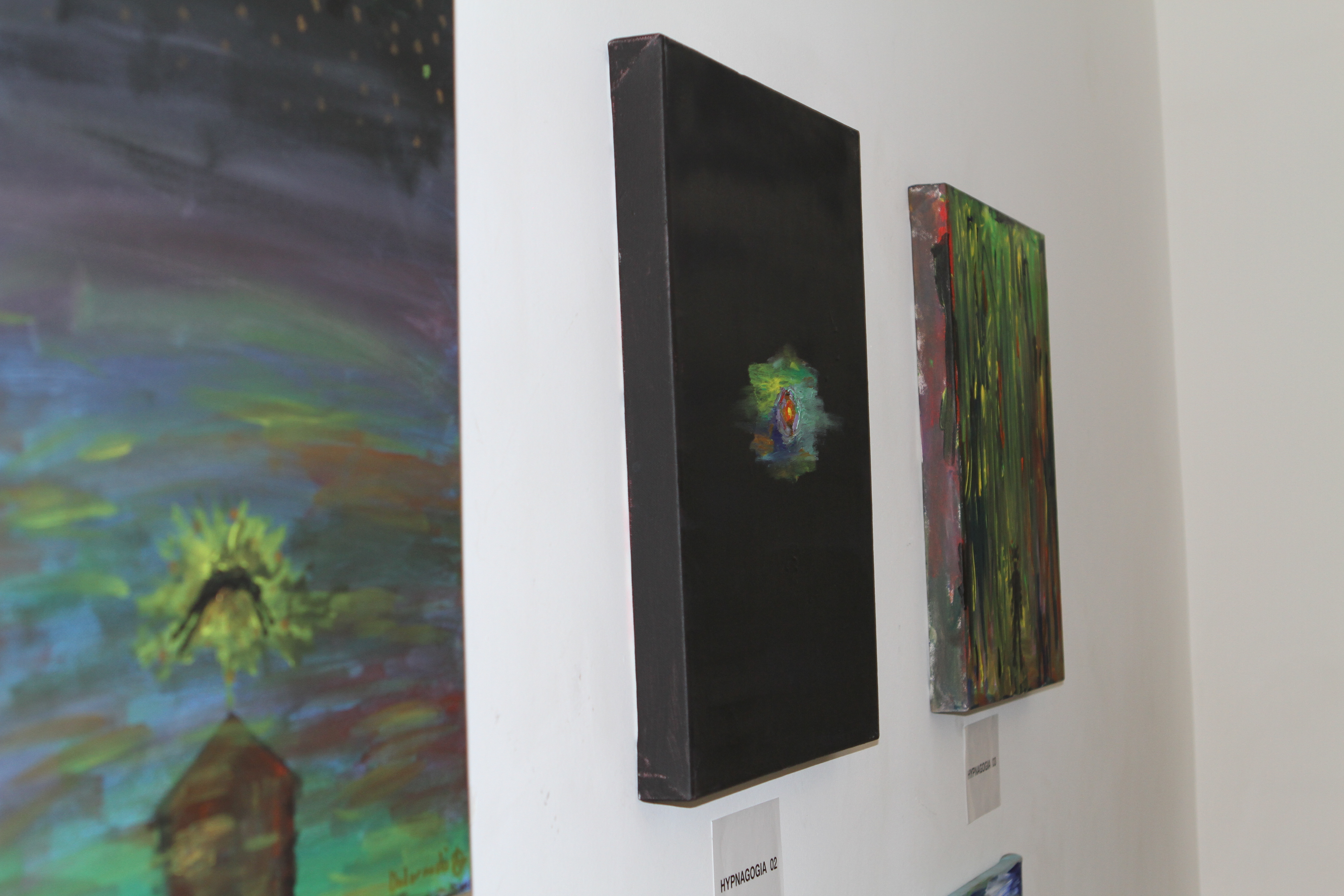
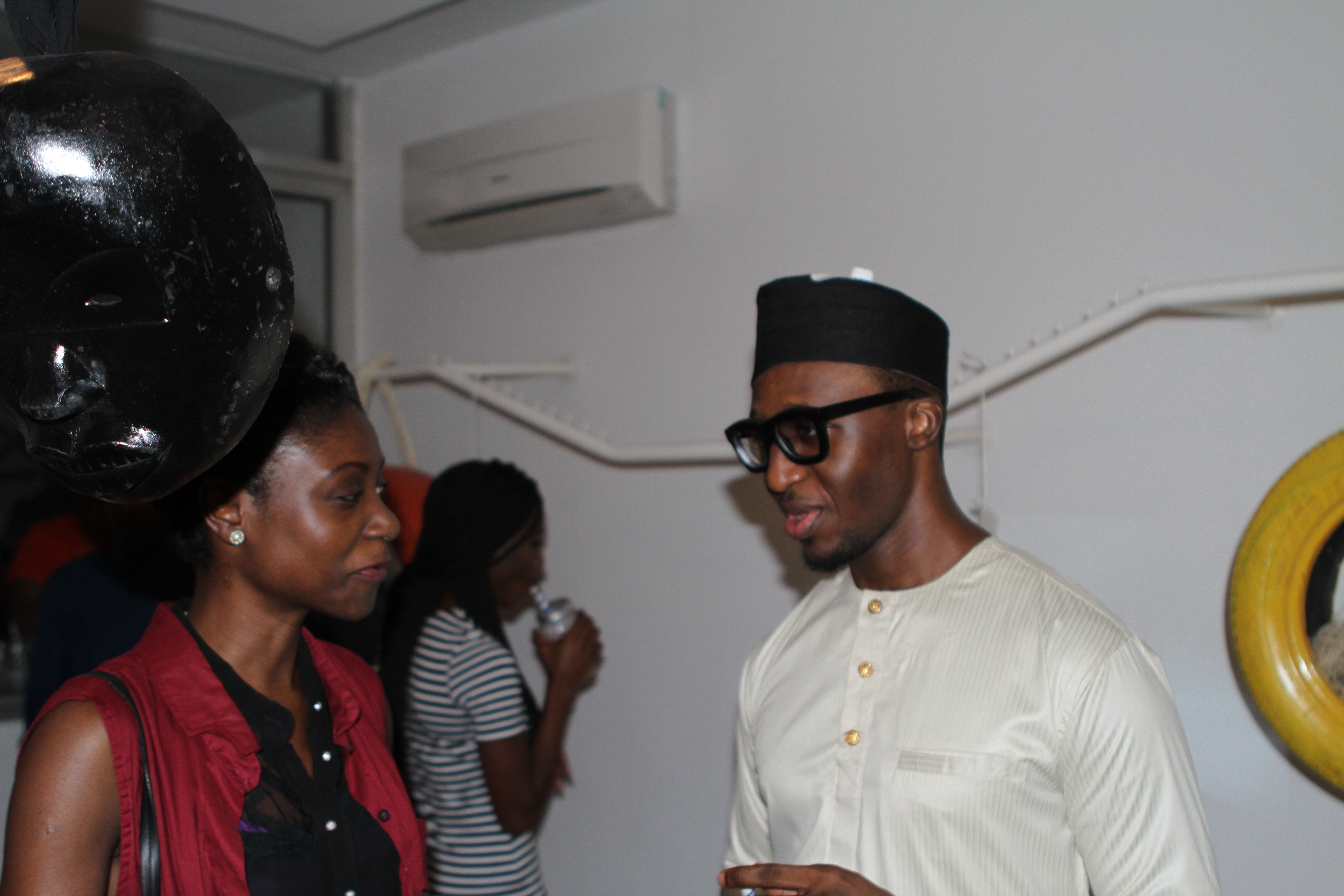
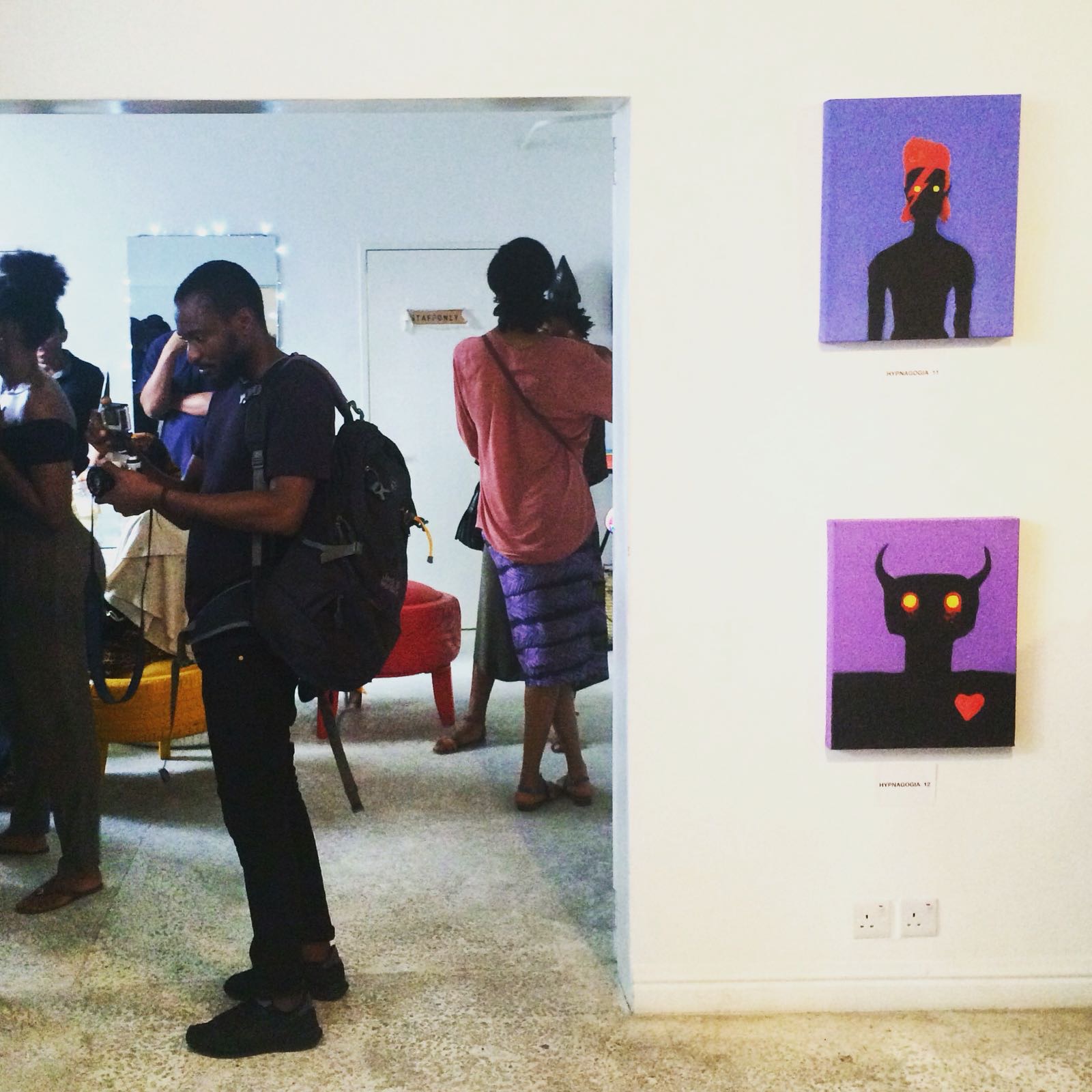
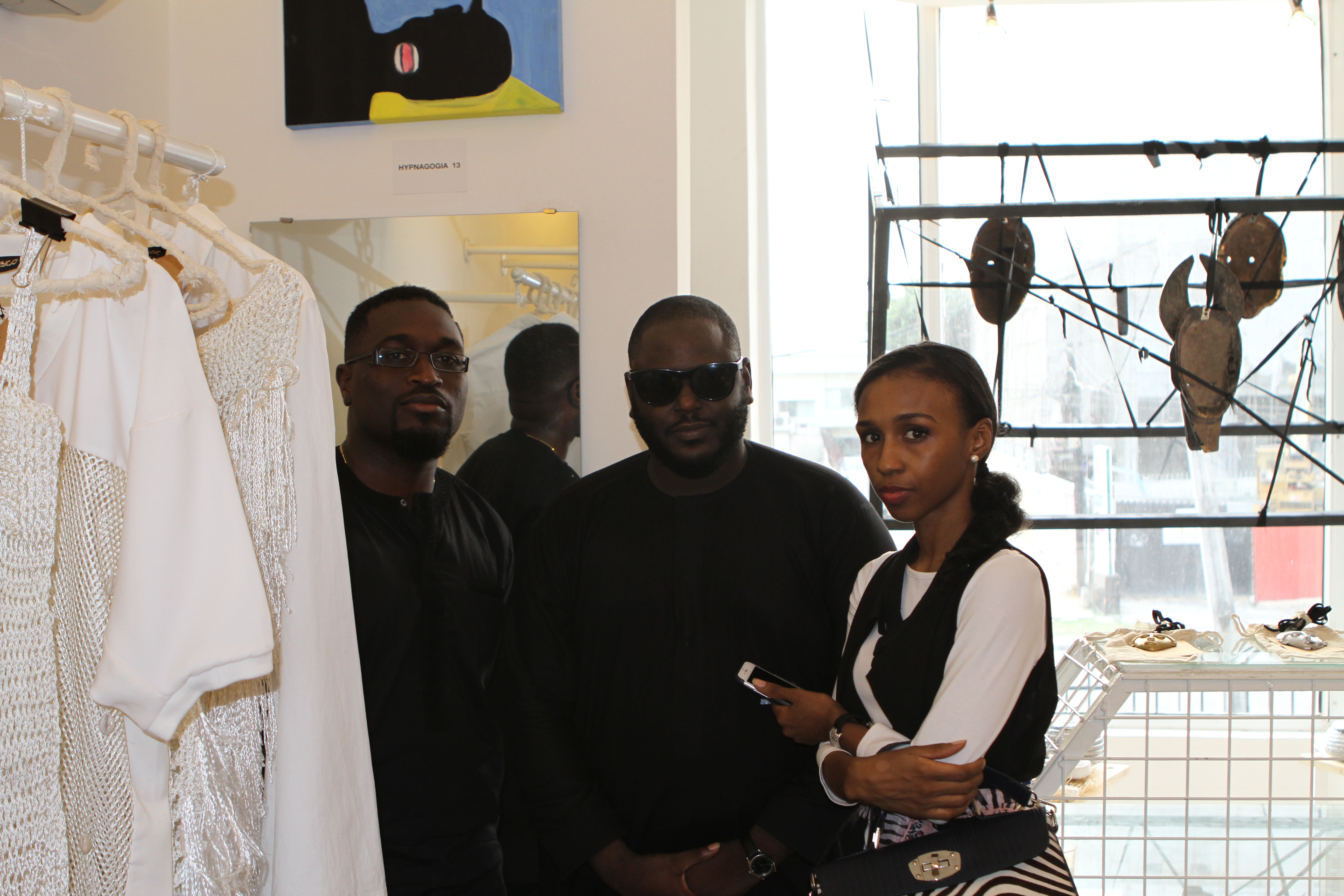
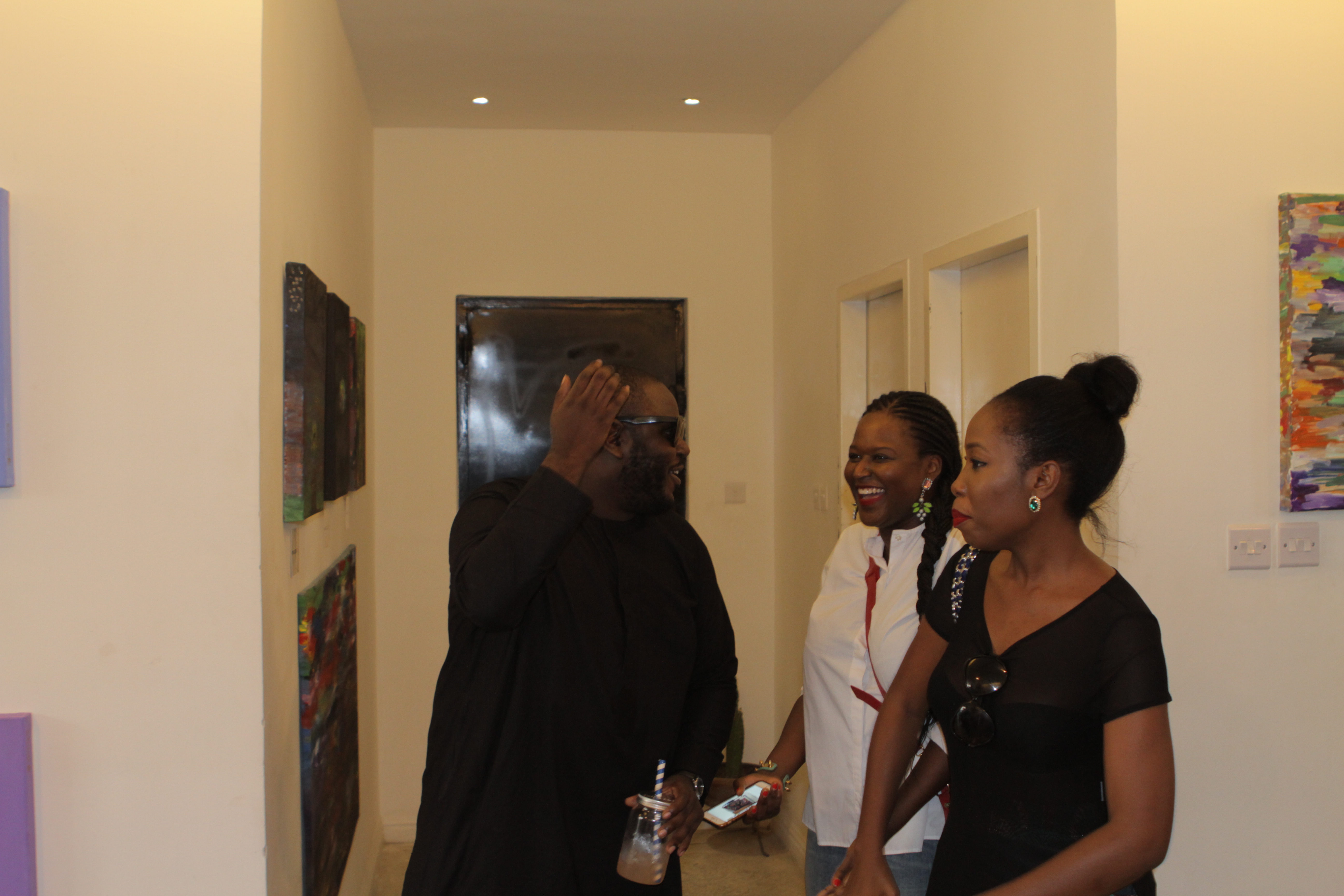
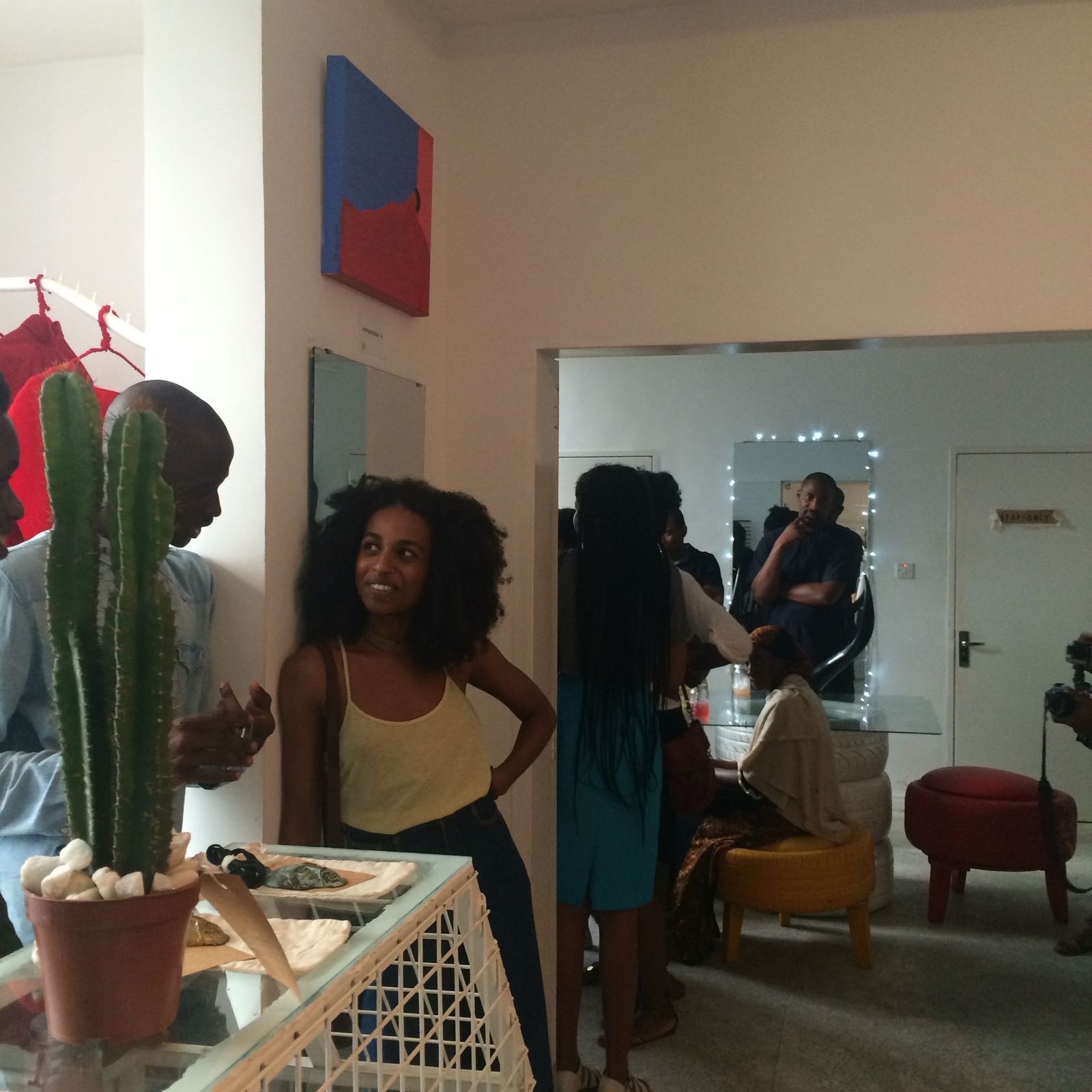
  • Visual artist, creative director and filmmaker, Abba T. Makama, had his first solo art exhibition on February 28th, 2016 at the IAMISIGO showroom.

    The art show is titled “Hypnagogia”.

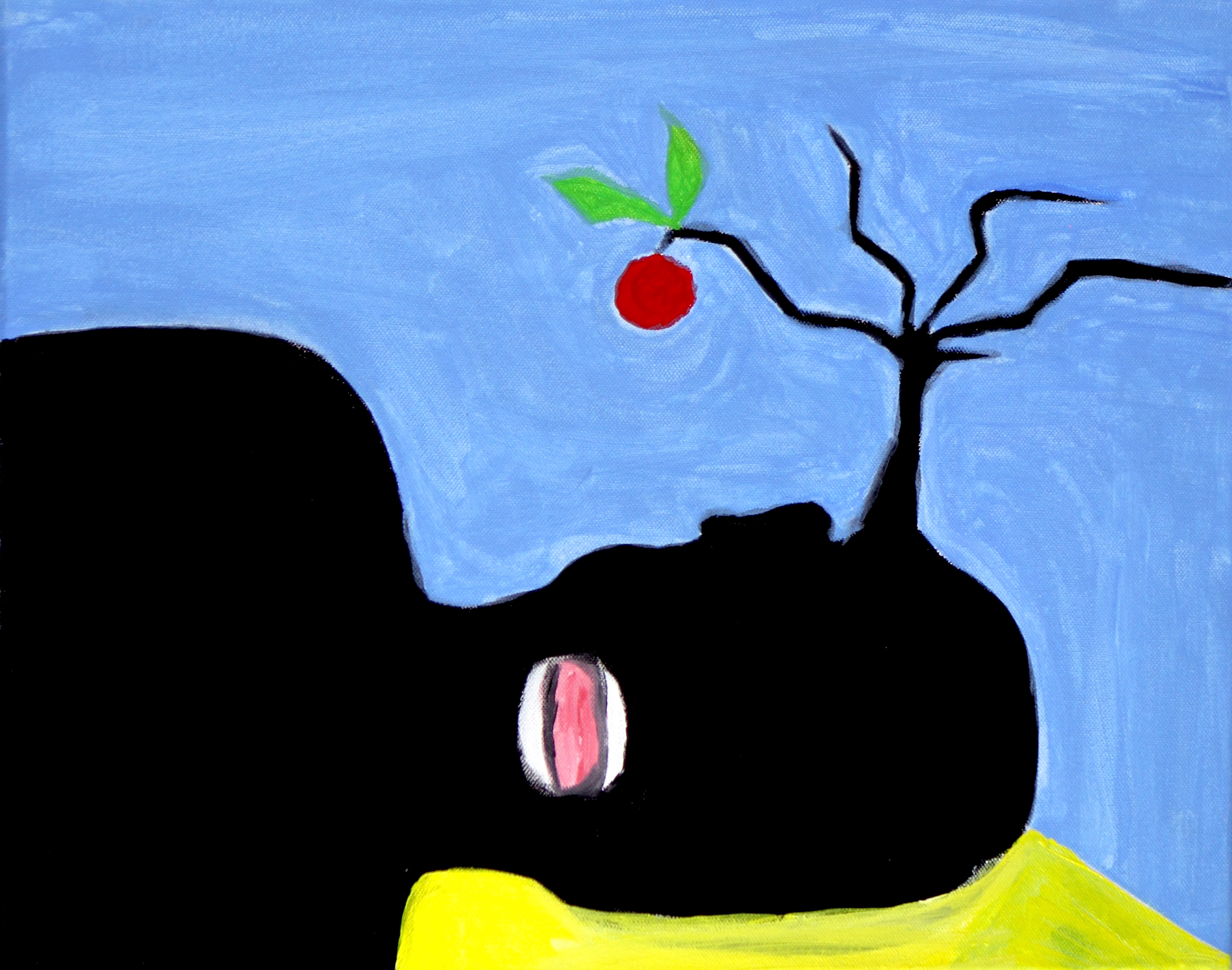
    The exhibition consisted of acrylic paintings on canvas, alongside a video representation of the work, inspired by waking hallucinations and sleep paralysis.

    Hypnagogia is the imagery, sounds and strange bodily feelings that are felt at “sleep onset.”

    Hypnagogic hallucinations, are vivid and frightening episodes of seeing or hearing or feeling phantom sensations while falling asleep.

    In sleep paralysis a person who is either falling asleep or awakening, temporarily experiences the inability to move, speak or react.

    According Abba Makama aka Dodorowski, “The purpose of the exhibition is to demystify the phenomenon. Hypnagogia is a benign and common experience.”

    Some of the guests at the event were:

    Bez Idakula.

    Tom Saater.

    Owen Osawe and Haowa Bello.

    Rimini Makama and Kame Tseja.

    And Yagazie Emezi.

    Check out his Facebook page for more photos.