For years, Chiamaka struggled with impulse buying, breaking her savings whenever money got tight. But a pay bump and a mindset shift in early 2025 changed everything.
Here, she breaks down how a structured approach to managing her finances helped her raise ₦1.2 million to co-fund a power bank business, and why she’s now preparing to launch her own and build a second income source that once felt out of reach.
This is Chiamaka’s story, as told to Boluwatife.
My professional career started in January 2020, two months after I completed my NYSC year. I was living with family and earning around ₦60k/month. I didn’t have any financial responsibility per se, and my money management was practically non-existent. I wasn’t thinking about the future or making any real financial decisions. I just spent money as it came.
I maintained that pattern for years. As my income increased, so did my tendency to spend without giving it much thought. My money went into impromptu purchases: shoes, bags, and random things. Whenever I tried to put money aside, I’d eventually take it back, telling myself that I’d replace it later. I never did.
Even when I tried savings apps, I lacked a clear goal. Every month, I’d deposit ₦20k or ₦50k, but when things got tight, I’d break the savings to survive. There was no direction, so nothing worked.
Things changed in 2024 when I decided to move out and get my own space. The main rent was around ₦500k, but with agency and agreement fees, I paid about ₦874k. Although my salary had increased to around ₦270k/month and I received some financial assistance for the rent, living on my own significantly increased my expenses.
By this time, I was aware of the need for a safety net and to be more intentional with my finances, but it was now impossible to save. Between trying to set up my apartment, surviving day-to-day, and supporting my family, there was hardly any extra money left from my salary. It felt like expenses were constantly popping up around me.
By January 2025, I reached a breaking point. I looked back at my financial situation and realised I couldn’t keep living like that. How could I be earning without having anything tangible to show for it? I accepted that I couldn’t keep holding on to the same financial habits and expect my life to change.
I work at Credit Direct, so I had known about the Yield app for a while, but I had never really paid attention to it. Around that time, I had a salary review, and my income increased by about 25%, along with various allowances coming in at different times of the month. I decided it was time to step up and take my financial life seriously. I even told my friends it was time to lock in.
That was when I started using Yield intentionally.
I began dumping allowances and any unexpected credit alert directly into the app; sometimes ₦200k, sometimes up to ₦600k at a time. I used the Fixed Yield plan to lock away funds for set periods to earn interest. The plan doesn’t allow you to touch or update the fixed funds once they’ve been locked, so whenever I had extra cash, I created multiple new plans set to mature at the same time.
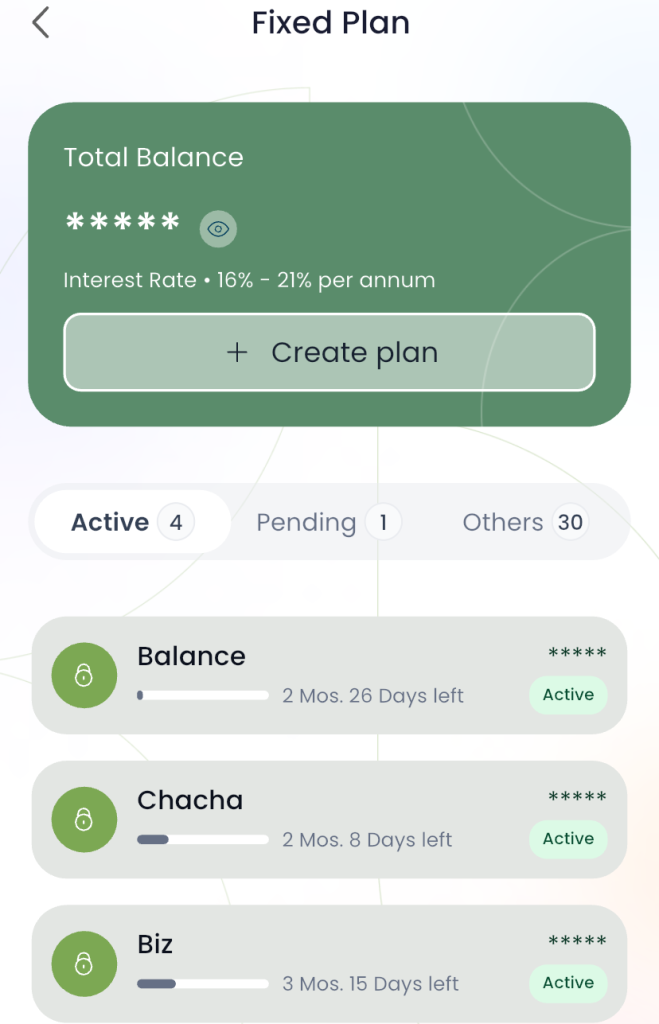
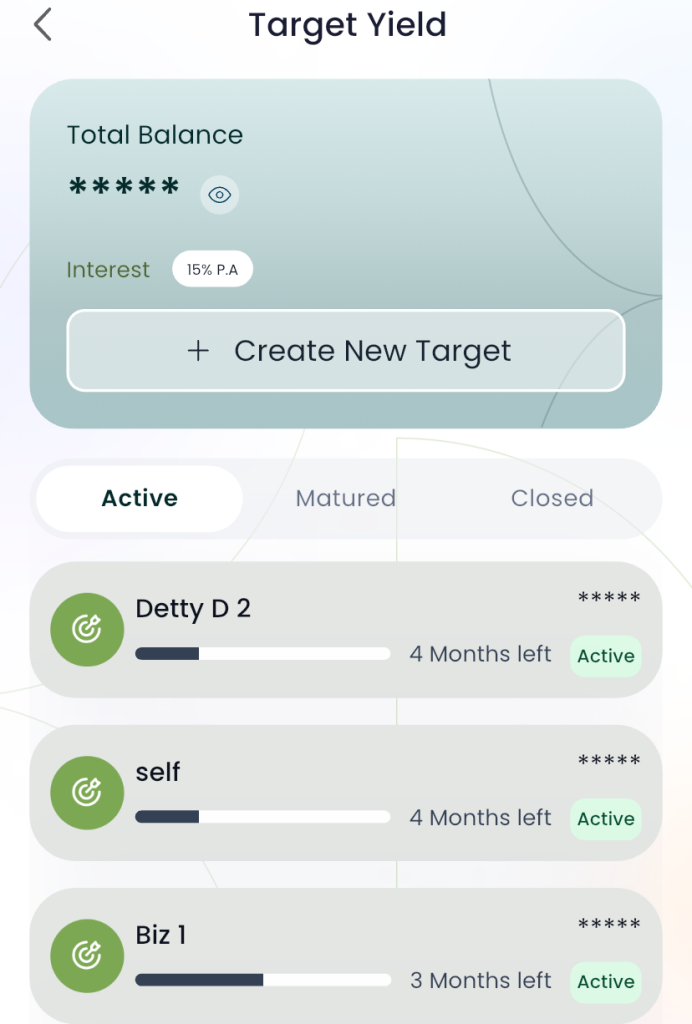
Once they matured, I’d liquidate everything and roll the lump sum over again for another set period. Later on, I also started using Target Yield to save toward specific targets like my rent payment.
By May 2026, that discipline paid off. A friend of mine who sells phone accessories mentioned an opportunity to import power banks. He wanted to start with 50 units, but after reviewing his market location and realising he was close to the target audience, I suggested scaling to 100 and offered to fund the remaining 50.
I withdrew ₦1.2 million from my Yield funds and invested in the shipment. He handled importation, marketing, and sales, while we agreed on a structure in which I would get my ₦1.2 million capital back plus a ₦250k profit by the end of August. Seeing that return come in within three months opened my eyes to what money could do when it isn’t spent on impulse.
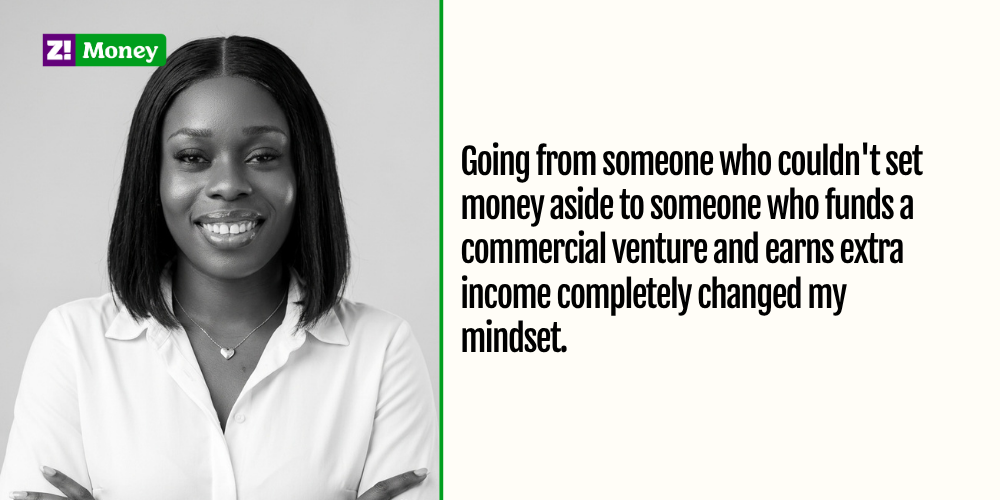
Before this, the idea of having a business or generating a second source of income felt entirely out of reach. I used to think I would just work my 9-to-5, collect my monthly salary, and spend it as it came without any real long-term plan. But going from someone who couldn’t set money aside to someone who funds a commercial venture and earns extra income completely changed my mindset. It showed me that I don’t have to rely solely on my salary to build wealth.
Now, I am actively thinking like an entrepreneur. Seeing my balance grow on the app challenges me to set higher targets. I’m already using my ongoing Yield earnings to prepare the groundwork for my own hair accessories business before the end of the year.
It’s interesting how what started as a saving habit became a potential second income stream for my future.