Segun is hustling. Iniola has Daddy’s number.
Segun logs into Lagos Life and discovers that even a virtual Lagos can humble somebody. His character has bills to pay, a career to build, and a loan repayment waiting to collect its pound of flesh. There is no time to form billionaire when rent is doing countdown.
Every shift counts, and every naira comes with a job. Spend carelessly today and next week’s expenses can turn the whole experience into financial wàhálà. Segun is playing a game, but the pressure to make money and build wealth feels oddly familiar.
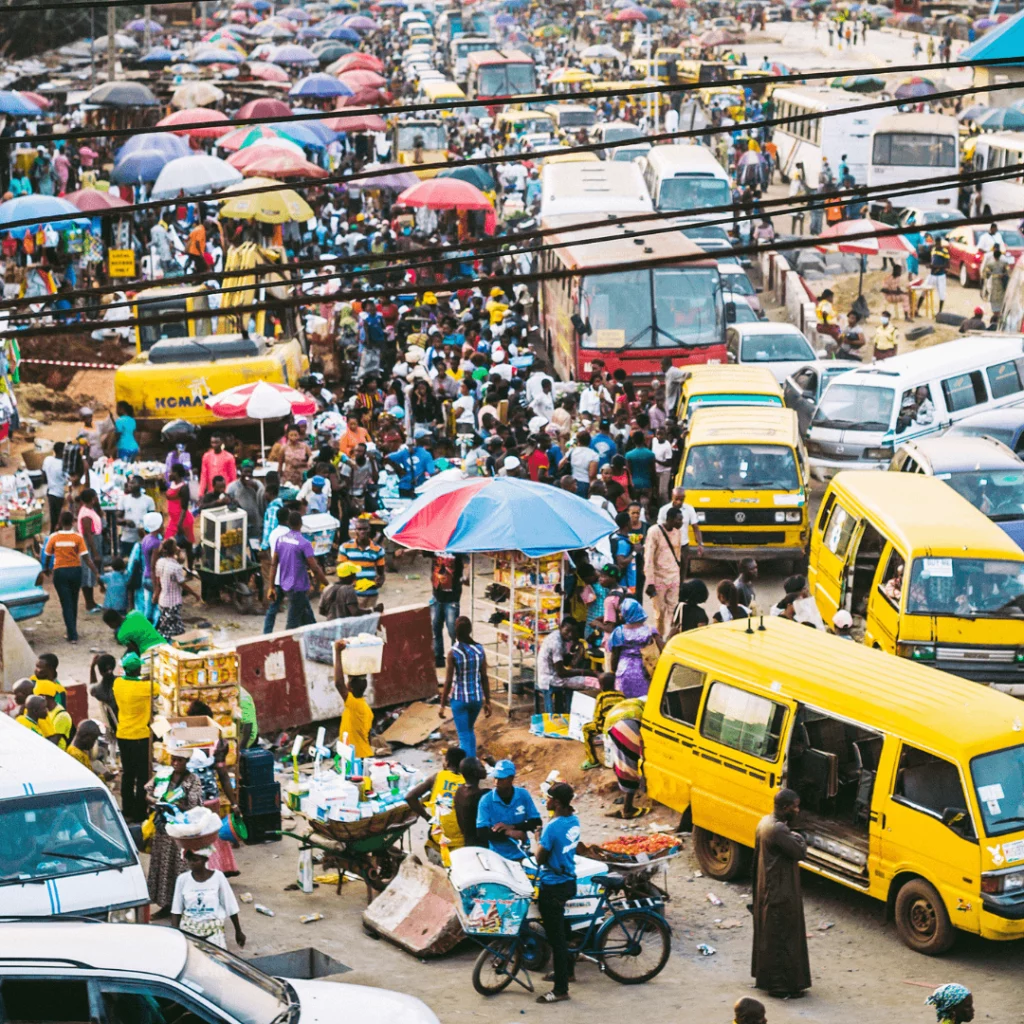
Iniola, meanwhile, gets a different introduction to adulthood. Her character starts as a Nepo Baby, with ₦500,000 in pocket money, a furnished Lekki apartment, a car and a bank manager job. Daddy handles the rent. She has a head start before she even begins figuring out how to survive in the city. Lagos Life’s guide to its starting options lays out the difference.
Same city and same game, but different financial starting lines. Segun has to think about how to earn his next Naira. Iniola has room to think about what to do with hers. One is climbing the ladder while the other has already been handed a few rungs.
Of course, Iniola can still make questionable financial decisions. Money can disappear when someone is determined to enjoy life, and even a comfortable start doesn’t guarantee a comfortable finish. Segun can also work his way up, develop his skills and build his own wealth. The difference is how much pressure each character faces before getting there.
Lagos Life, a Lagos-inspired life simulation, lets players experience the city through work, housing, spending and everyday survival. Its different starting options illustrate how much a character’s financial circumstances can shape their experience.
The game also has found a way to turn Nigeria’s favourite argument about privilege into a playable experience. Some people start with connections and capital; others start with obligations and a motivational speech from their own suffering.
Now, let us take the game’s money problem into the real world.
Let’s assume the Nigerian government decides that everybody deserves a head start. On a random Monday morning, every Nigerian wakes up to a ₦1 million credit alert. No loan agreement, no guarantor, no repayment schedule. Just money.
Plenty of people would breathe easier. Some would even have enough left to plan beyond the next emergency. But before you get lost in this imagination, let’s look at what such a payment would actually mean for Nigerians and the economy.
A ridiculous amount of money
For this to work, the government would have to pay for the generosity, and the economy would have to absorb it. Nigeria’s population is estimated at more than 230 million people. Using ₦230 million as a rounded working figure, a ₦1 million payment to everyone would cost approximately ₦230 trillion. Let that number sit for a second.
₦230 trillion is not money the government can casually pull out of a drawer at the end of a long meeting. It is a massive national spending commitment, and the source of the money would shape what happens next.
The government could use revenue it already collects, borrow, increase taxes, or finance the payment by creating additional money through monetary financing. None of those options is consequence-free.
Using existing revenue would mean deciding what other spending gets reduced or postponed. Borrowing could increase public debt and the interest payments future budgets must cover. Higher taxes could reduce the disposable income of households and the money businesses have available to invest.
Financing a huge payment by creating money could also put pressure on prices, particularly if spending rises faster than the economy’s ability to supply goods and services.
The scale of the proposal is very different from the cash transfers governments use to support vulnerable households.
Nigeria already has a targeted cash transfer programme. On March 31 2026, the Minister of Humanitarian Affairs and Poverty Reduction, Dr. Bernard Doro, said no fewer than 9.2 million Nigerians have benefited from the Federal Government’s Household Prosperity and Empowerment Cash Transfer Programme, with approximately ₦688bn disbursed within two years.
In its 2026 assessment of Nigeria, the International Monetary Fund (IMF) reported that enrolled households for that cash transfer programme had received up to three payments of ₦25,000 since 2023.
A universal ₦1 million payment would require a completely different level of funding. The government would need to explain where the money came from, how the programme would be funded and what it expected to achieve after the transfers ended.
If everybody has money, who is selling the rice?
Let’s say the government somehow sorts out the ₦230 trillion bill and the alerts land. People head to the market, supermarkets, furniture shops, property agents and car dealerships. Business owners suddenly have more customers ready to spend.
For a while, the economy could get a welcome boost. Businesses would record more sales, some might hire extra workers, and households could finally afford purchases they had postponed for months.
A trader who sells out her stock might order more goods. A mechanic could buy equipment that helps him complete jobs faster. Someone who has been borrowing at high interest rates might clear the debt and stop losing part of their income to repayments.
Those are real benefits. Cash transfers can improve people’s lives, especially when the money reaches households that need it most.
The trouble begins when everybody wants more goods and services at once, but suppliers cannot increase what they have available quickly enough.
Take rice. A market has 100 bags available, and buyers have enough money to purchase every one of them. Suddenly, another wave of customers arrives with fresh money in their accounts. They all want rice, too.
The traders cannot produce another 100 bags by lunchtime. If more supplies cannot reach the market, competition for the available bags could push prices upwards.
The same pressure could affect rent, transport, food, building materials and other goods people are eager to buy. Landlords might receive more prospective tenants who can afford higher rents. Suppliers dealing with expensive fuel, poor roads, insecurity or electricity costs might struggle to expand their businesses quickly.
Economists call a sustained rise in the general price level inflation. A large cash injection could contribute to it when spending increases faster than the economy’s productive capacity. The size of that effect would depend on how the transfer was financed, how people spent the money, how businesses responded and how monetary policy reacted.
Nigeria’s existing inflation problems show why these details matter. The IMF’s June 2026 analysis of inflation in Nigeria identified food as a major contributor to headline inflation, alongside the growing importance of transport, housing and exchange-rate-sensitive prices.
Giving people more money does not automatically produce more food, build more homes or reduce the cost of moving goods across the country.
If supply expands alongside demand, businesses can sell more without necessarily raising prices as sharply. If supply remains constrained, some of the new purchasing power could be eaten up by higher prices.
The Big Daily is your weekday shortcut to the biggest news shaping Nigeria. We cut through the noise, connect the dots, and explain why the news actually matters, all in one quick read.
₦1 million may not solve next month’s problem
For somebody who has spent months trying to stay afloat, ₦1 million could be life-changing. But also, the results would depend on people’s circumstances and what opportunities were available to them.
Consider two people who both receive ₦1 million.
The first uses the money to clear expensive debt and cover essential bills. That could remove a heavy burden and give the person more breathing room every month.
The second invests some of the money in a business that generates steady income. If the business succeeds, the initial payment could keep producing benefits long after the cash has been spent.
Both people received the same amount, but their financial outcomes could look very different.
The same applies to the wider economy. A one-off payment can help people get through a difficult period, but it cannot guarantee that their earnings will cover their expenses in the years ahead.
The World Bank’s October 2025 assessment of Nigeria highlighted the need to address food inflation, improve infrastructure and logistics, and expand social protection. These issues affect how much people earn, what businesses can produce and how much households must spend to meet basic needs.
Should everyone get ₦1 million?
Cash transfers can be useful when designed around a clear objective. They can provide emergency relief, help households afford essentials and prevent vulnerable people from falling deeper into debt.
A universal payment would reach wealthy and poor Nigerians alike, but a targeted programme could concentrate more resources on households facing the greatest hardship, although it would need reliable records, effective payment systems and safeguards against excluding eligible people.
There is no guarantee that every recipient would spend the money wisely, and there is no reason to assume that every recipient would waste it. People have different needs, and many know exactly which bills are waiting for them.
The economic outcome would depend on the government’s financing decisions, the response of businesses, the supply of goods and services, and how monetary policy responded to changes in spending and prices.
Because in Nigeria, ₦1 million can enter your account in the morning, and by evening, rent, food, fuel and one emergency you didn’t order have held a family meeting about it.
The alert may be sweet, but who funds tomorrow’s enjoyment?