• Oluwaseun

    In 2019, I got a DM on Instagram from a company, informing me that they had some open vacancies. I applied for the role of supervisor and sent in my CV. A few hours later, I got another DM and a text message from their representative, inviting me to an interview at an office in Ilupeju. I did little research and realised that a recruiting firm had an office there, so I thought it was legit. 

    I lied at work and took a day off. When I got there, I met four other people who had arrived before me. Before 10 am, the number had risen to 30. They took us in batches to their conference room to write an aptitude test. I guess I passed because I was directed to another room for the oral interview. My interviewer took interest immediately she saw my phone and MacBook. At the end of the interview, she told me to expect a call or text from them soon.

    A few hours later, I got another text asking me to come in the following day. This time, they planted one of their people in the room where the candidates were. But everything he said was too good to be true. My suspicions were heightened when I met the director. First, her spoken English was off. Then, she asked for a ₦50k commitment fee.
    The woman who showed interest in me the previous day was on my case to drop something, so I dropped ₦5k. They asked for a photocopy of my international passport and 2 passport photographs. 

    The next message I got from them told me that I’d been selected for the job, and the salary package was ₦400k per month. The text also stated that induction was the next step, and it included an address to a hotel in Ikeja. Something was off about the whole thing, so I searched for the woman’s name and their office address on Nairaland. The address was used by at least 20 fake companies. I realised that I’d been hoodwinked.

    I decided to go to the bogus induction, so I took another day off at work, although my boss was irritated. When I got to the hotel, they asked us to order for Chapman, and I did. 

    I knew my money was gone, so I wasn’t shy to order food. By the time I left, I’d ordered three more glasses of Chapman and Chinese rice — everything was up to ₦20k. When they asked me to balance up my commitment fee, I told them I would need to use the ATM outside to withdraw the money and they sent a lady to go with me. I used an ATM card that had expired, and when it didn’t work, I told the lady that I would have to go into the bank. I had already ordered a ride, and I texted the driver to wait for me two buildings away from the hotel. Immediately I crossed to where my ride was, I got in told the driver to drive off.

    Bridget

    It was 2018, and I’d just finished my service year. I got a text message to interview for a job I didn’t remember applying to. I thought I had nothing to lose, so on the day of the interview, I dressed up in my Sunday best and hopped on a bus. The location of the interview was Onipanu in Lagos, and it took ages to get to the venue. When I finally did, I met about 10 staff members waiting at the place to welcome us. I thought that was weird. I was directed to the interview room and met a couple of applicants there too.

    Shortly after I arrived, the rigmarole started. First, we were given a test. Then they introduced the members of staff at the company and their successful boss. Alarm bells started ringing in my head and I realised that it was a job scam. Their boss noticed how uninterested I was and made a snide comment about Doubting Thomases. Anyway, they asked us to pay ₦20k to register with their company and stuff, and they asked whoever didn’t believe them to leave. 

    Five people, including me, made a room to leave. The boss stopped me and asked for the price of my phone and said I could have used the money to start a business. That did not stop me, but they weren’t ready to give up either. They sent someone to call me back. WhenI got back inside, they tried to convince me in their shitty office that they were legit and I was going to make lots of money. My patience had run out, and I insulted all of them before I ran out. I noticed that the boss was following me, so I walked faster to meet up with the people I left with earlier. 

    That was the last time something like this happened to me. I know how to spot fake interviews now. 

    Krystals

    This happened when I was in university and ASUU was on one of their strikes. I saw a job vacancy online and applied for it and got an invitation to interview. I should mention that I had only ₦2k on me, but I decided to show up for the interview. The venue was somewhere in Gbagada. Some guy came to pick me up at the gate and took me to this large open space that looked like a warehouse. From the gate, I could hear loud shouts and claps, which I thought was weird. That was the first red flag. 

    A large number of people were seated in the hall, but they were divided into groups. I would later find out that this was based on some hierarchy system. The newcomers like myself were put in a separate group and were addressed by one guy in a shirt and worn-out shoes. I’ve forgotten his name but he said he was a director at the company. He explained what they do and why we were there. After, he painted a story of how we would get rich in just three months, even though his dressing told another story. To prove the authenticity of his claims, he showed us a couple of magazines that depict the success stories of the pioneers. It was a long, arduous lecture. 

    After he was done — and this was where it got real — he said that to join their company, we had to pay a fee. I don’t remember the exact amount, but it was about ₦20k. But that’s not even all: after we pay, we would be paired with 10 people who would become our downlines and they would also have to bring 10 people each. That was it for me. I was tired, hungry and pissed. The guy who invited me wanted to know how much I was willing to pay on the spot. When I told him all I had on me was my transport fare and would trek home if I gave it to him, he said: “It’s going to be a part of your success story.”

    Chibuzor

    Last year, I went job searching because schools were closed. A friend told me that his priest referred him to a home-schooling job and asked me to follow him. On the day we went to the job agency, there was heavy rain and I was soaked from head to toe. The traffic was also bad. I finally met up with my friend and we called the interviewer to send us the address of the interview venue. This was the first warning signal. It was supposed to be a teaching agency, so why wasn’t their office in a known business area. Why was it in a forgotten corner in Benin?

    We got to the venue and found a big flood surrounding the building. One guy who looked like a skinny Quasimodo was waiting to guide us in. You should see him pointing to the flood as though he was Moses and asking us to wade through it. At first, I thought he was an office assistant. It turned out that he was the “boss” we spoke to on the phone. 

    The reality hit when we entered the building. It looked like an abandoned garage. Quasimodo gave us a seat and we got started. The first thing he asked us was if we knew what “era” was. He had a Bini accent, so I thought he was making reference to some Bini Idol or some traditional teaching method he thought I should know about to prove my worth as a home lesson teacher. 

    My friend and I were confused when he spelt out the word: “E-R-A”. My friend decided that he’d heard enough and stood up to leave. Quasimodo was riled up and told me I could leave if I wanted to. He was only trying to help us. I apologised and asked him to continue talking. Then he started talking about eras, times, and seasons.

    Whenever I asked him to talk about the tutoring job, he would flare up and remind me of the favour he was doing me. I was so confused, like what’s the relationship between teaching and era? When he finished, he asked me if I wanted to know more about the job. I declined and stood up. On my way out, I met a woman talking to another lady about how opportunities must be seized and asking her to pay ₦15k for some job package. It was then I realised what Quasimodo was driving at. 

    By the way, the rain had gathered again when my friend and I were leaving. We asked Quasimodo if we could stay and wait out the rain. Oga didn’t agree oh. He asked us to leave immediately.

    Funsho

    I got the mail inviting me to the interview in 2019. I didn’t even have to pay it any attention because I had a job. There were no details about the job in the email, but I was curious and open to other opportunities, so I decided to give it a try. 

    I met someone at the entrance of the venue who directed me to go upstairs. I met another person midway who directed me to the right floor. The whole thing looked like a sentry of sorts, and I was scared for a minute. 

    I eventually got to the waiting area and was told to fill a form. Then, the person attending to me directed me to a small hall. There were people seated in the hall, watching a presentation from a projector. They thought they’d come to a real interview too. 

    It was a long presentation, and everyone was getting agitated. The protocol officers didn’t help either, enforcing stupid rules like no side talks and preventing people from leaving. I already knew I’d wasted my time going there, but I wanted to see how it would end. 

    Finally, they introduced their product to us. It was access to joining a team that organises workshop for multinational companies, and network marketing. I didn’t even have a problem with that. The nail in the coffin came when it was time for the call to action. They said that to join their team, we had to pay at least ₦20k. A lot of people, including me, had heard enough and left. Some people actually joined and paid. I really hope that it turned out for them. 

    [ad]
  • Every week, Zikoko seeks to understand how people move the Naira in and out of their lives. Some stories will be struggle-ish, others will be bougie. All the time, it’ll be revealing.


    This #NairaLife is a little strange. She earns enough to meet her needs. The only problem is, she’s dealing with some regrets, especially with her financial decisions in the past 10 years.

    What’s your oldest memory of money?

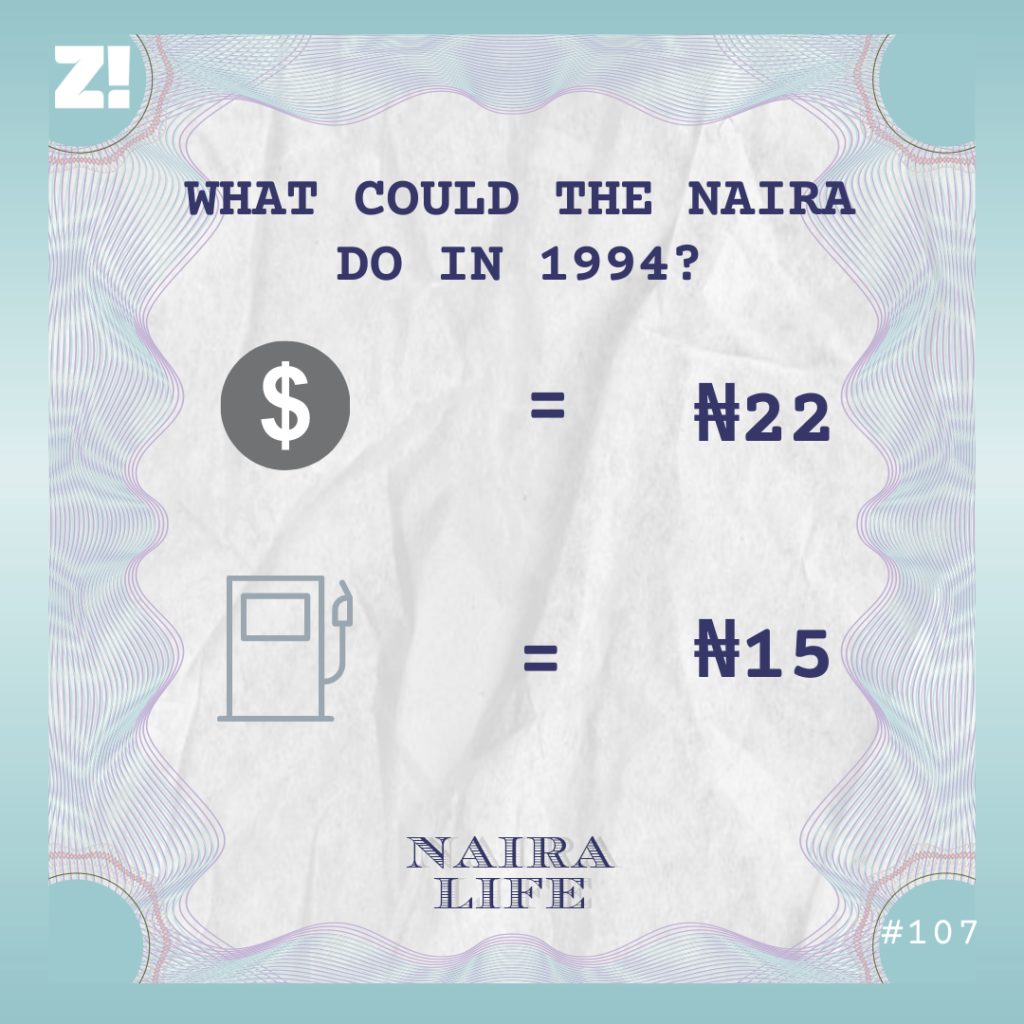
    In  1994, I got admitted to secondary school. My dad took me on a tour of the school, and I liked it so much my heart was set on the place. Then one of my dad’s friends came to our house and said something like, “If you send this one to this school, what school will her siblings go to?” I have four siblings, and the tuition was ₦10k at the time. My dad looked at the long term implications and decided that he couldn’t afford the fees. I went to a government school instead.

    What was that like for you?

    I was just like, “What the hell?” It didn’t help that I didn’t like my new school very much. I transferred to a different school after three years — another government secondary school.

    The difference between both schools, however, were the kind of people who went there. My new school was filled with wealthy people and the military governor’s kids. It was insane the amount of wealth I saw there. They went on summer vacations abroad and all of that stuff. I felt so close to wealth, but I felt far away from it. When they started talking about going to uni abroad, I also went to tell my parents that I’d like to go to the US for school. My dad didn’t shut me down. He said, “Take the SATs and A-Levels, but also take JAMB.” I was like, “If I’m going to America, why do I need JAMB?”

    LMAO. What did your parents do for a living?

    My dad worked in the civil service and retired as a director. I don’t know how much money he had, but I don’t think he wasn’t earning a lot. He told me years later that he did a lot of side jobs, mostly consultancy gigs. My mum was a managerial staff in an insurance company. They both carried the financial load of the family.

    So, did you leave Nigeria for uni?

    Not for my first degree. JAMB won. I was offered Law at a university in the southwest in 2001. My dad didn’t want me cooking or working, so he put me on a couple of allowances. There was an allowance for food and another one for my upkeep. Everything was up to ₦10k per month. 

    For the first three years, the money came on time. But sometime in my fourth year in 2006, there was a radical shift. The money started coming in late. Sometimes, I wouldn’t get anything for two months. I didn’t know what was happening. Thinking about it now, he must have been going through a rough patch. Also, he was close to retirement at the time, so maybe there were other priorities. 

    That was a change from what you were used to. What did that mean for you?

    It wasn’t that bad. My mum picked up some of the slack and supported me. Also, I picked up a catering side gig and started cooking for my friends’ birthdays and other small events. This didn’t bring a lot of money — maybe ₦1k or ₦2k every once in a while. Although money from my dad became irregular, I didn’t really feel the heat. 

    After I finished uni, I went to law school. At the time, I was dating someone who worked in an oil and gas company. Whatever my parents couldn’t do, he did it. Money almost became an infinite resource to me. All it took was a phone call. 

    Interesting. What happened after law school?

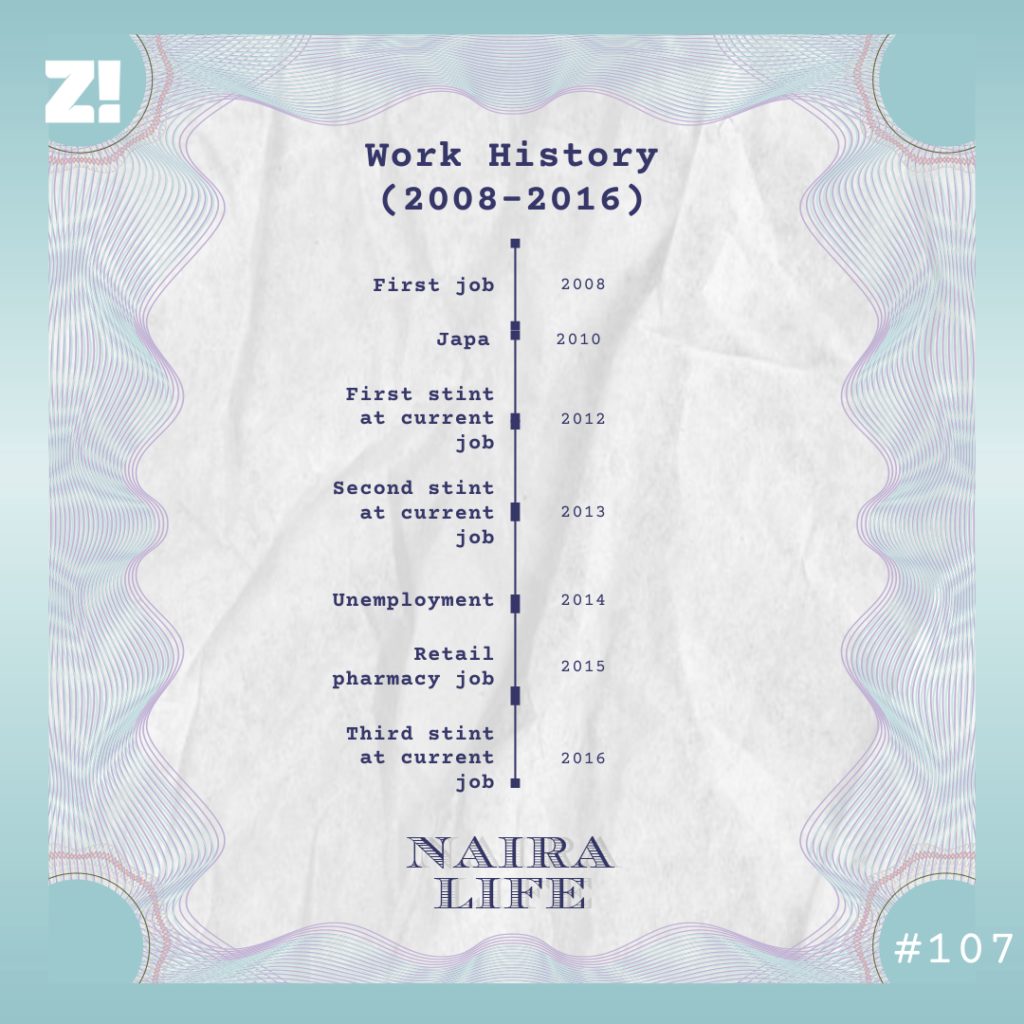
    I went to serve in the north. After two months, I got a job at a law firm and returned home. During the interview, they asked me how much I wanted, and I said ₦30k. They looked at themselves, and one of them said, “We pay our corpers ₦120k per month.”

    Omo.

    This was November 2008; it was also when I realised that my dad’s day job didn’t pay him a lot. When he saw my offer letter, he was like, “This was my salary when I was an assistant director.” I was looking at him, wondering how he had been raising a family. 

    Anyway, after my service year ended, the law firm increased my salary to ₦135k. I didn’t have a lot of expenses. I was living with my parents, so all I had to worry about was transportation and food. I still wanted to study in the US, and I started putting some money away for that. I was at the job from 2008 until August 2010 when I left for the US.

    How did it happen?

    I won the visa lottery. 

    Whoa. Back it up now. 

    I applied for it in 2009. I just filled out an application online, and that was it. A year and a half later, I got a notification that I’d been selected in the lottery. What followed was this massive paperwork and an interview. I got my immigrant visa in February 2010. But there was a problem.

    What was that?

    My dad didn’t want me to leave. He thought I was on a well-defined career trajectory in Nigeria and didn’t understand why I wanted to leave that to go and “wash plates in the US”. He believed everyone who migrated had to resort to menial jobs to survive. We had a huge fight. 

    I knew the best way to convince him to let me go was to make it about going to school, not the lottery. So, I applied to 10 schools in the US. I think each application cost $75. Remember the boyfriend I talked about earlier? He paid for it. I got into three, and one of them was my dream school. The tuition was $50k, but I got a part scholarship and had to pay only $20k. In August 2010, I packed my bags and about $10k, which was my savings and the money my mum, my ex and my previous employers gave me. 

    Lit. But how did you raise money for tuition?

    My dad paid part of it even though he wasn’t speaking to me. But here was a problem — the money didn’t come on time. I had a green card and was qualified to take student loans. I started taking these loans to cover tuition, and I’d offset it whenever my dad sent money to me. But it never turned back to 0.

    I picked up a job on campus for some time. It paid minimum wage: $7.25 an hour, and I could work 20 hours a week. I was making money but I wasn’t thinking of saving for the future. I was living bougie and above my means. 

    Why?

    I was like “Omo, I’m in school. Let me just enjoy it.” That thinking resulted in student loan debt I’m still paying today. Towards the end of graduate school, I got an unpaid internship. What I should have done was to get a job on the side, but I didn’t. My living expenses were sponsored by the US government courtesy of student loans. Terrible decision making.

    Omo. When did you get your next paying job?

    February 2012. It was a six-month internship at an international financial institution somewhere in the Middle East. It paid $750 per month, but only the first three months were paid. Company policy. I left the US and was away for six months. 

    I was still living my large, baby girl life. It was easy to find cheap flights to Europe, and London was like three hours away, so I was always travelling.

    After my internship ended, I returned to the US to look for a job. I didn’t find anything. After four months of looking, I got an email from someone at the institution I interned at. A contract position had opened up, and they wanted to know if I was interested. I applied and got it. I left the US again in January 2013. This time, my salary was $4,500. 

    What was your relationship with money like during your second stint at the job?

    Nothing had changed. I was saving a little, but it wasn’t a priority. It felt like the good times would always be there. I was at the job for 18 months before I had to return to the US. 

    What happened?

    I was about to lose my permanent residency status. I couldn’t stay outside of the US for more than six months at a time, so while I was at the job, I was always going to the US and back. But one time, an immigration officer pulled me aside and said the conclusion he drew from my travel history was that I didn’t live in the US. He advised that I should consider moving back or risk losing my green card.

    Intense. 

    I decided to focus on getting my citizenship and didn’t renew my contract with the institution. That’s how I returned to the US and started looking for a job oh. 

    How did it go?

    Ah, I cannot put what my eyes saw into words. I was going to interviews and getting to the last stages, but they would go with another person. Thankfully, I saved up some $10k when I was at my previous job. However, I was still living like I had a job. I was unemployed and having $200 dinners. 

    After being unemployed for a few months, I realised that some of my friends had started to pull away from me. Then the family friends I was staying with kicked me out of their house. 

    Ah, Why?

    I’d been unemployed for six months. They were like, “We’ve tried for you, so we need you to move out in two weeks.” I knew I was fucked. 

    What did you do?

    I had about $1-2k left in my savings, and I used it to pay the deposit on the shared apartment I got. 

    Omo. How did your job search end?

    My friends advised me to get whatever job I could find. That was how I found myself in a retail pharmacy in January 2015. The woman who hired me was puzzled when she saw my resume. I remember her asking me, “What are you doing here?” She wanted to hire me as an assistant manager, but because I had no retail experience, I started as a shift supervisor and was earning $18 per hour. 

    Must have been tough.

    It was almost like I’d proven my dad right. Like I left a growing law career in Nigeria for this? I actually got into a corporate fellowship, but it was unpaid. I had no choice but to devote more time to the paying job because the bills kept piling. Omo, I was hustling. Working on the hour translated into real-life lessons for me. I needed to work a number of hours to make rent, another number of hours to afford food. One time, my health insurance provider charged me $90 for some service. I stayed on the phone with them for three hours to clear it up. It was that bad. 

    Later in 2015, I got an interview with an oil company in Nigeria, but I couldn’t afford a plane ticket home. My father offered to pay for it but I refused. I was tempted to put it on my credit card, but I wasn’t sure I wanted to work in Nigeria, so I let it go. 

    How long were you at the pharmacy?

    More than a year. I eventually moved to assistant manager and my wages increased to $22 per hour. I left when I got another job at my previous company.

    You have an interesting work history with this company. How did it happen this time?

    I applied for a professional programme. They recruit young people and groom them to become the future leaders of the company. I applied in 2013, but they’d just relocated to Abidjan, and they suspended it for a while. When they reopened it again, I was selected. I got the job offer in December 2015. When I got the email and saw “Congratulations”, I screamed down the stairs.

    I feel you. 

    I’d applied for my US citizenship already, so I could leave. I came back to West Africa and resumed at the job in March 2016. The thing is, for the first few months, you have to do a bit of everything before they put you in a department.

    How much were you put on?

    $65k per annum. 

    That’s a huge jump.

    It was. But guess what? I went back to vibes and inshallah for a bit. I was with someone at the time, and I was the top earner in the relationship. I invested a lot of money into that relationship. I was travelling to the US at least four times a year. For perspective, ticket prices were $2,000 – $2,500. That’s $10k already. I was literally funding two lives — one in Abidjan and another one in the US. Whatever I managed to save always found its way to the US.

    Why did you feel like you had to do that?

    I thought I was in a solid partnership. It wouldn’t have mattered if that was it. But this person wasn’t pulling their weight. I’d arrive at the airport and ask them to pick me up, and they would be like, “Tell your friends to pick you up now.” It is what it is. 

    Ah. How has your job and earnings evolved since 2016?

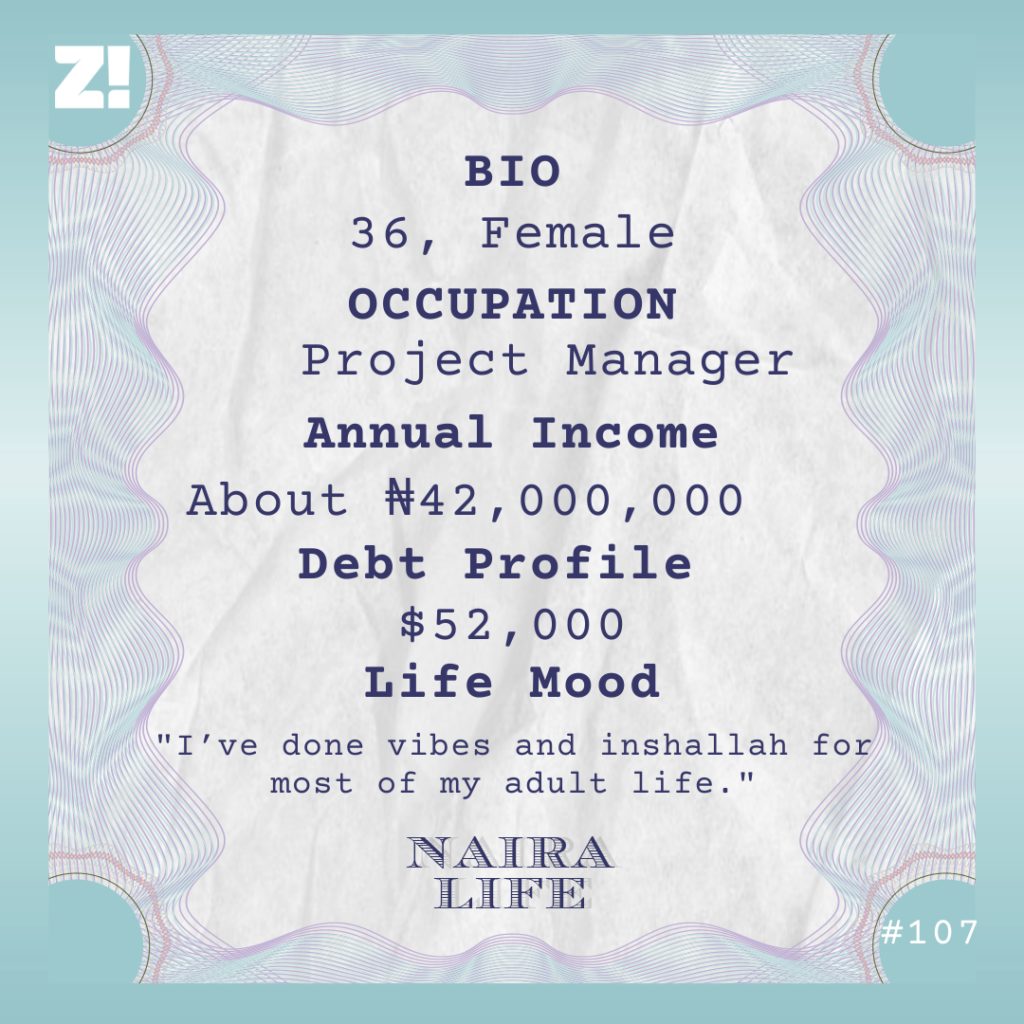
    I started as legal counsel, but I’m a senior project manager now. My company is a multinational, and finances development projects across the continent. What I do is look at proposals and make recommendations on who we should give money to. There have been promotions and raises since 2016. My basic annual salary in 2019 was about $98k. When you add performance bonuses, I earned about $110k. I don’t know what my annual income was in 2020 because I’ve not gotten my bonuses yet. 

    OMO. That’s over 42 million. 

    I don’t think in naira anymore, but yeah, it should be around that. 

    Flex. You were in a tough spot about three years ago. Has anything changed about how you move money in and out of your life?

    After I got out of that relationship in 2018, I looked around and couldn’t point to any asset or investment I owned. Yet I’d been working since 2008. I thought about the kind of life I wanted to live after retirement, and I was nowhere close to it. Also, I started listening to this personal finance show and people would call in and talk about being 60 or 70 years old and in debt. These stories hit home. Like, this is what my life could potentially be like if I don’t get serious with my finances. 

    I went back to the basics and started with a budget. I hold a budget meeting with myself every month now and plan around what I have coming in. I try to put money for utilities aside two months before they’re due.

    The rest goes into things like food, transport, health, housekeeping and other fees. My day-to-day expenses are in West African Franc and stack up to CFA 1.5M per month. The major expense I currently have in naira is the ₦150k I send to my parents every month. 

    I do another review at the end of the month and look at how much I spent the previous month, what I spent it on and how every purchase made me feel. 

    Do you have some savings now?

    Yes. But If you’d asked me this question two days ago, I would tell you that I have $15k. I looked at my debt profile and almost had a panic attack. I had $10k debt on my credit card only. I closed my eyes and paid it off. Now, I have $5k in my emergency fund. 

    What other debt are you trying to pay off?

    My student loans oh. I owe the US government $52k. I intend to clear it later this year. 

    Oof. What about investments?

    In 2018, I started putting $6k in a personal retirement account. I have $18k in it now. I also have a pension fund at work and my employer matches what I have in it. That’s currently $140k. I have some shares in some banks in Nigeria, but the dividends are not a lot, so I don’t think about it.

    What I need to hack this year is other investment options. I have no idea how those things work. I’m speaking to a financial planner later to help me figure it out. 

    Do you think about retirement a lot?

    I do. That’s one of the reasons I’m talking to a financial planner. I’ve done vibes and inshallah for most of my adult life and need to step it up. I’m currently putting 10-15% of my annual salary into my retirement accounts, but how do I get it up to like 25%? How many more years do I need to work now to retire in the best possible position? Those are the questions I’m hoping to answer this year. 

    How has your relationship with money over the years shaped your perspective about it now?

    Money is a gift. If you have it, you’re only a steward and must use it properly. It’s also a finite resource. I’m afraid that I will wake up one day and all of it will be gone. Now, if you’re going to spend it, it should be to make yourself and the people around you happy and secure your future. I’m so big on the proper stewardship of money now. Every penny must count for something. 

    What was the last thing you bought that required serious planning?

    The house I grew up in came up for sale in 2019, and my mum really wanted it. It was on the market for ₦33m and I bought it for her. My entire savings and more went into it. It brings in ₦1.1m in rent every year now because there are tenants, but that goes to my parents. 

    That’s lit. Is there an expense you wish you don’t have?

    My student loans are a drag on my life. Imagine what I could do with $52k? I obsess about it a lot. I have to clear it out this year. 

    Anything you bought recently that improved the quality of your life?

    It has to be the house. I can’t imagine my mum moving out of that place. She’s built a community in it. So yeah, that definitely made me happy. I also bought a car recently. Moving around in Abidjan is a struggle, so the $21k was worth it. 

    On a scale of 1-10, how would you rate your financial happiness?

    I’m at a four. I look at all the things I should have done earlier but didn’t do and wonder how my financial decisions in the past 10 years will impact my life. I’m almost 40 now, and I probably earn more than most people my age, but there’s also a lot of regrets about all the things I didn’t do right. 

    Damn. That’s heavy. What would make this number higher?

    Maybe when my investments hit about $500k. That will probably move me up to a 7. I obsess a lot about money these days. Also, I can’t wait to start thinking about my expenses in percentages. When all of this happens, I can now say that I’ve arrived.

  • How do you feel on Valentine’s Day? Don’t answer that yet, take this quiz first.

    Let’s begin.

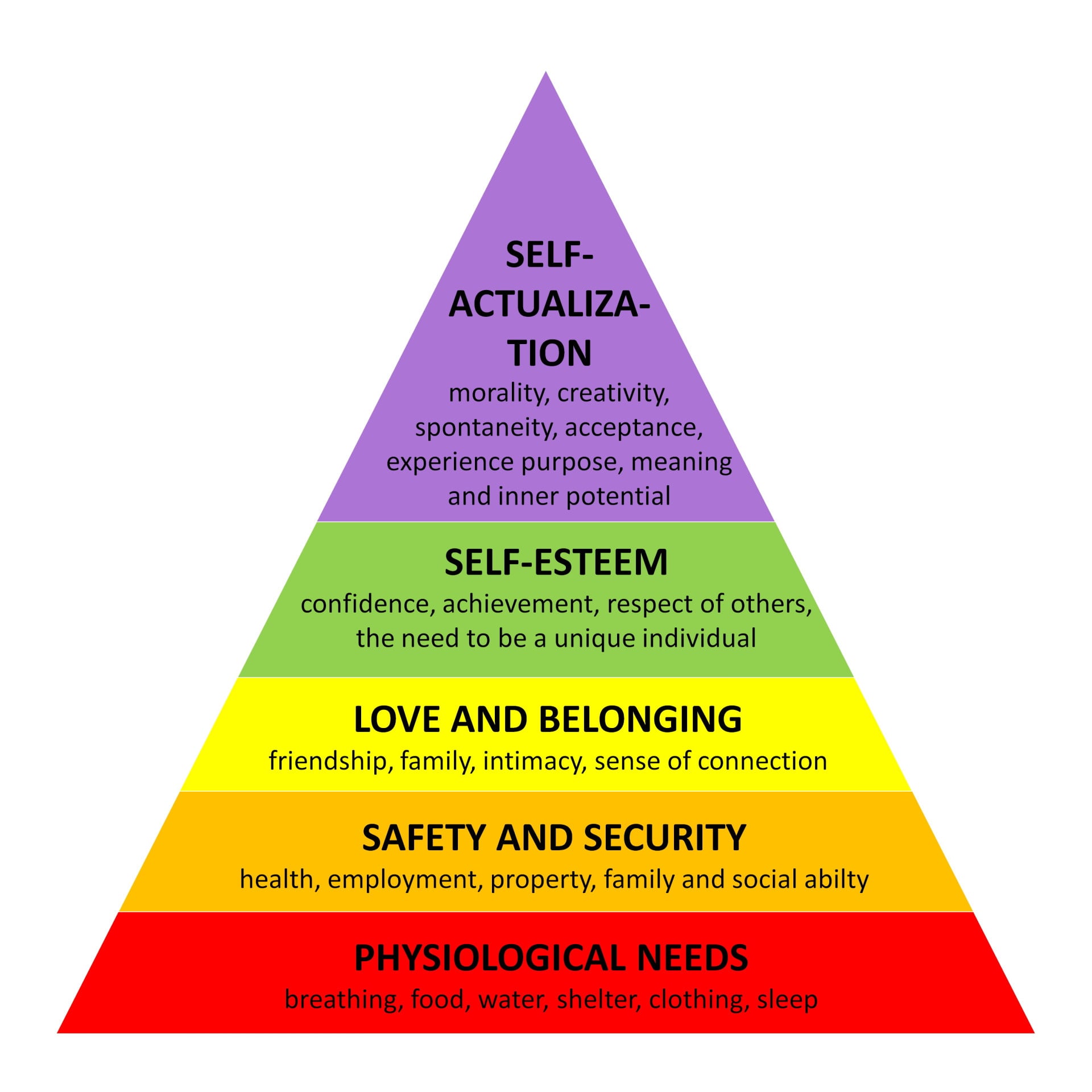
  • I’ve always been fascinated by Maslow’s hierarchy of needs, and the relationships between each level of the pyramid– how one must be completed before other.

    Image result for maslow's hierarchy of needs

    According to his theory, physiological needs are the most important requirement for human survival. ‘Shelter’ is one of these needs. So, I decided to ask young Nigerians about their struggles with rent. I put a call out, and these are some of the responses I got. 

    Laila

    My rent expired July last year in the middle of the pandemic. My landlord decided that he needed to increase the building’s rent from ₦300,000 to ₦550,000 to survive can survive. Unfortunately, I’d not worked in a while. I work as a virtual assistant, but because of Covid, people weren’t outsourcing work as much as they used to and it became struggle to earn up to the usual ₦100,000 to ₦300,000 I got monthly.

    I tried to raise the money because the alternative was to move back to my aunt’s place. She is my guardian, but she is a pill. I moved out of her house as soon as I was able to. To make things worse, my sister got sick and we couldn’t figure out what was wrong. I was paying for tests after tests. 

    I couldn’t get the money. Eventually, I had to do the one thing I didn’t want to do: move back to my aunt’s house. 

    Jaden

    I live with my parents, and they pay the rent. However, my mum’s business is not moving as much as it used to, and my dad doesn’t have a job. My grandma died last year and all the money available is going into her funeral arrangements. 

    The landlady has been patient because she understands the situation, but I don’t know how much longer her patience will run. The last tenants who didn’t pay their rent on time were given a quit notice, and I’m scared that we might be next.

    Dami

    I pay ₦300,000 every year in rent. It’s always been a struggle to raise the money, but it’s more difficult now. Until last year, I was earning ₦85,000 per month. But Covid happened and I lost the job. The next job I got — which I’m still at — is as a personal assistant toa woman and that’s only paying ₦40,000. I get up to ₦60,000 – ₦70,000 only when I get procurement gigs, where I get things for people and add my own cut to the price.

    Now, I’m on survival mode. Before I think of rent, I think of short term expenses. My rent will expire in May and I have ₦0 saved up. I still wonder how I will make rent, but you know what? My faith in God is kinda lit. It would be great if I could get a better paying job now. That could change everything. 

    Jenna

    I moved to Abuja in 2018 for NYSC. One of the first things I realised was that real estate in Abuja is the ghetto. I was coming from a place where ₦200,000 can conveniently pay for a two-bedroom apartment. But in Abuja, the same amount could hardly pay for a self-contained apartment. I discovered every settlement in Abuja during my search and eventually had to settle for a shitty place in Jabi. I paid ₦170,000 for it but had to leave after 8 months because of septic tank issues. 

    After my service year ended, my PPA wanted to retain me, but they didn’t pay salaries on time and I didn’t like the job, so I turned down their offer. I was unemployed from October 2019 to July 2020 before I found a new job, which is currently paying me ₦60k. I’ve been staying at a family’s friend house, but I’m not very comfortable with that arrangement because it’s not my place. It’s been a race to raise enough money to get my own space, and I should have ₦200,000 in the next two months. I’ll need between ₦350,0000 to ₦600,000 to get the kind of apartment I want, but I can’t afford that right now unless a miracle happens. So, I guess I’ll stay in another shitty place for a year and hope to find a better paying job or a side hustle.

  • As told to Toheeb.

    Last year, I thought it might be interesting to talk to a student cultist for Aluta and Chill, the flagship series I was writing at the time. I put the word out, but it was futile. I was about to give up my search when a friend told me there was a guy at his church who had just left a cult and had started rehabilitation.  Let’s call him Philip.

    Philip agreed to talk to me under one condition: I had to meet him at the town where he was hiding out. He wouldn’t do the interview over the phone. On March 7, 2020, I travelled from Lagos to this town, also in the South-West, with no promises that I would get the story I was chasing. 

    Luckily, he decided he could trust me. We talked for close to two hours, and I was on the edge of my seat the entire time. After the conversation though, I realised it wasn’t an Aluta and Chill story. The question I asked myself in the following months was if I still wanted to write it; if it was even safe to do so.  Last weekend, I decided that I wanted to. And I got to it —  I retrieved the recordings and started writing. And now, I’ve written it in the as-told-to format.


    My grandmother always wanted a son, but she had four daughters. When I came along, my mum thought I could be the son her mother had always wanted, so she shipped me off to live with her. I was just one at the time.

    At four years old, I started hawking fried fish on the streets of Ibadan for my grandmother. If I didn’t make enough money in a day, she would send me back out to make more. Sometimes, she locked me out of the house and made me sleep outside. I don’t remember much from that time, but I know that because I was always out on the streets, I was running errands for the boys in the neighbourhood, getting them packs of cigarettes or  wraps of weed.

    I returned to my mum when I was seven. I started smoking cigarettes when I was 10. By the time I turned 15, I was experimenting with weed and drugs. It was about that time that I decided that I’d had enough of school. Not that we had enough money, anyway. Things were tougher than ever at home because my dad had died, so I dropped out of school and went to live with a cousin who sold phone accessories. The plan was to learn the business from him and go out on my own, but he wasn’t exactly the model teacher. 

    He would buy fake phone accessories at cheap prices and sell them at a ridiculously high rate. He was also the first person that introduced me to girls and clubs. In fact, he facilitated my first sexual experience. I was 16. 

    ***

    I left my cousin when I was 20 or 21 and went to work at a hotel as a housekeeper. One night in 2018,  this group of guys came to party and lodge at the hotel. I was immediately drawn to them. They were all the things I wanted to be: rich and lavish. I knew what not having enough money meant, and I wanted what they had.

    I served them until it was time for me to go off-duty. One of them asked me to sit with them for a while, and I agreed. Let’s call him B — he will come up in this story again. We partied together all night and when they were leaving, they gave me ₦15k, promising to come back.

    They did come back. The more I talked to B, the more I wanted to be one of them. A part of me knew that they belonged to a cult, but they had what I wanted — wealth or some semblance of it. I was disappointed when B told me that they were leaving town in a few days, but I quickly got over it  and asked if I could come with them. He said I could, but I had to be ready to leave in three days. I was ready to leave anytime. The way I saw it, if I was with them, I’d never lack.  

    ***

    We left Ibadan on a Saturday and travelled to Abeokuta. They were students in a school somewhere in Ogun State. The first thing they did was throw a big party to welcome me. That felt very nice. Around 1 am, they said it was time to meet other members of the gang, and we left the house. I was going to my initiation. 

    The other guys accepted me into the fold. There was something really weird about a part of the initiation process. They dug the ground up and asked me to lie in it. The deal was that I’d be there until I had an orgasm. I was confused, but B calmed me down and told me it was easier than it seemed. All I had to do was think of someone I liked a lot and imagine myself having sex with her. For some reason, it worked, and they congratulated me. They scattered something over the wet patch before covering the ground up. Afterwards, we went to a club to celebrate a successful initiation. 

    I got into a new world of debauchery, but I quickly became restless. I had everything I wanted, but they weren’t telling me anything about where the money came from. Yahoo would have been my best guess, but they weren’t doing anything like it. B was like my teacher and mentor at this point, and every time I brought it up with him, he told me to calm down. Oh, I should say something about B: his most distinguishable features were his fingers. He was missing a thumb. 

    They eventually thought I was ready and began the next phase. This time, we drove to a part of town to a herbalist of sorts and told him I was a new recruit. The herbalist asked if they’d explained everything to me, and they said yes. That was a lie. The man got down to business and prepared this thing inside a bowl wrapped in white cloth. I opened it and found the heart of an animal inside. Then he handed me a bottle of gin and asked me to eat. 

    After that, they revealed that I’d been sworn to secrecy. I couldn’t talk about it to anyone if I didn’t want to risk my life. Also, I had to return every three months to renew the process. 

    Now, the gang told me what they were really up to. They worked for ritualists. And now, I was one of them.  

    Their targets were girls, but they didn’t kidnap them. All they had to do was sleep with them and clean them up with a handkerchief. Their masters needed only the used handkerchiefs. 

    The girls who were involved either became barren or died a slow death. 

    I was baffled at first, but I got over it. Now, it was time to prove myself, and I wasn’t about to mess it up. I pitched the idea of returning to Ibadan — I grew up there. I knew how the town worked. They agreed after a few months, and we relocated. 

    I don’t think I processed what I was doing for a while. There wasn’t a lot of time to even think about it — we had a target of three girls per week. I also didn’t know who exactly we were working for. I just know they were rich and powerful. I also never received a payment. They only provided whatever I wanted. 

    There was this immunity that came with our crimes. It didn’t matter how badly we messed up, we always got away with it. There was a time the police stopped two people in the gang and found two bodies in the trunk of their cars. I thought that was it, but they were out in two weeks. And that was the end of it. The only way things could go sideways was if we clashed with a rival cult. We were practically invincible. 

    ***

    One thing I didn’t understand about myself during that time was that even though I was quite brazen about a lot of things, I was always interested in listening to conversations about religion. One day, I went to this pharmacy with my girlfriend at the time to buy a bottle of codeine. The woman at the pharmacy must have thought we were kids who had lost our way. Before we left, she asked us if we knew the use of what we wanted to buy. My girlfriend was livid, but I calmed her down. Then the woman asked if we had a bible. That was it for my girlfriend, but I answered the woman and told her that I didn’t have one. She said if I came back the following day, she would have gotten me one. 

    I actually went back the following day but something had changed in her. I think she had time to think about what she was about to do and decided that it was best to stay away. I noticed her reluctance to talk to me and cursed her out before I stormed out. On my way back home,  I saw a church I’d never been to before and decided that I would go there the following Sunday. My plan was simple and heinous: find church girls to sleep with. 

    When I got to the church on Sunday, everyone’s attention was on me. I didn’t fit into the category of the people who usually came to worship there. My hair was blond, and I was high as a kite. I was uncomfortable throughout the service. When it ended, nobody came to talk to me. The same thing happened the following Sunday. I decided not to go back.

    I would later meet the pastor’s son on the street. He started a conversation, and we exchanged numbers. Nothing happened for some time after that. He only kept in touch. 

    On my own part, I was growing disillusioned with the cult activities. It wasn’t working out the way I’d hoped it would. Sure, they gave me whatever I needed, and I wasn’t hungry anymore, but the other guys had things going for them. Things they had bought or built. Gifts were where it ended for me. 

    Shortly after, a beef with a rival cult culminated in the death of a friend who died from gunshot wounds. I think that was when I began to get more clarity on what could also happen to me. It was inevitable. 

    One day, I called the pastor’s son I had met months earlier. We’d kept in touch. He asked if I wanted to meet up at the church, and I agreed. The moment I got into the church’s premises, I felt this calm I hadn’t felt in a long time — possibly ever. Then I burst into tears. It was as though the events of my life up to this point were replaying in my head and the things I saw weren’t pretty. I told him the same story I’m telling you now, and we prayed. 

    When I returned home, I told the others that I was coming from church, but they didn’t answer me. It wasn’t important at the time, I guess. But when they noticed that I wasn’t giving them my 100% anymore, they chalked it down to my recent interest in  church and told me to stop going. They gave me two options: leave the church or leave the house. Leaving the house could be dangerous for me, so I stayed. 

    Eventually, they kicked me out. When this happened, I returned to the church and told them what happened. They took me in and got an apartment for me. 

    After that, things got a little difficult. A week after I was kicked out, three people in the group were murdered and there were no traces of who could have done it. That was a problem for me because they thought I set them up. They found me and told me they knew what I had done, but they would let it go. The point of that conversation was to let me know that I could never leave them as long as I’m alive. It was practically a threat to my life. 

    The next time I saw them was December 31, 2019. They stormed the church during crossover service. I had a tight feeling in my stomach when I saw them. They must have come to cause trouble. When the service ended, they beckoned me to come out to talk. The reason they came was to let me know that I was still in their grasp and they could always find me. Besides, it had been three months since I last ate the concoction thing and it was time to do that again. They reminded me of my duties and what would happen if I refused to do them. They actually said that they were going to commit a crime and blame me for it. 

    After they left, I told the pastors at the church what happened. They decided that it was time for me to leave town. The problem there was that I had to tell the cult that and they had to agree to it. If I fled town without informing them, they would take it as an act of war and come after me. I tried appealing to them and luckily, they agreed. The agreement was that I would travel for a while and return to them. I think they were sure that they could always find me, so they didn’t think too much about it. I left Ibadan and went into hiding. I haven’t been back since. 

    The last thing I heard about them was that B had fallen terribly ill, and they were looking all over for me. B didn’t survive — he’s dead now. When I joined them, there were 15 people in the gang. Now, there are only eight. Am I out of this? I don’t know. I’ve started my rehabilitation. But again, I took them to that town. That’s going to be on me forever. 

    Editor’s note: This conversation was had in Yoruba and was translated to English and edited for clarity.


  • Every week, Zikoko seeks to understand how people move the Naira in and out of their lives. Some stories will be struggle-ish, others will be bougie. All the time, it’ll be revealing.


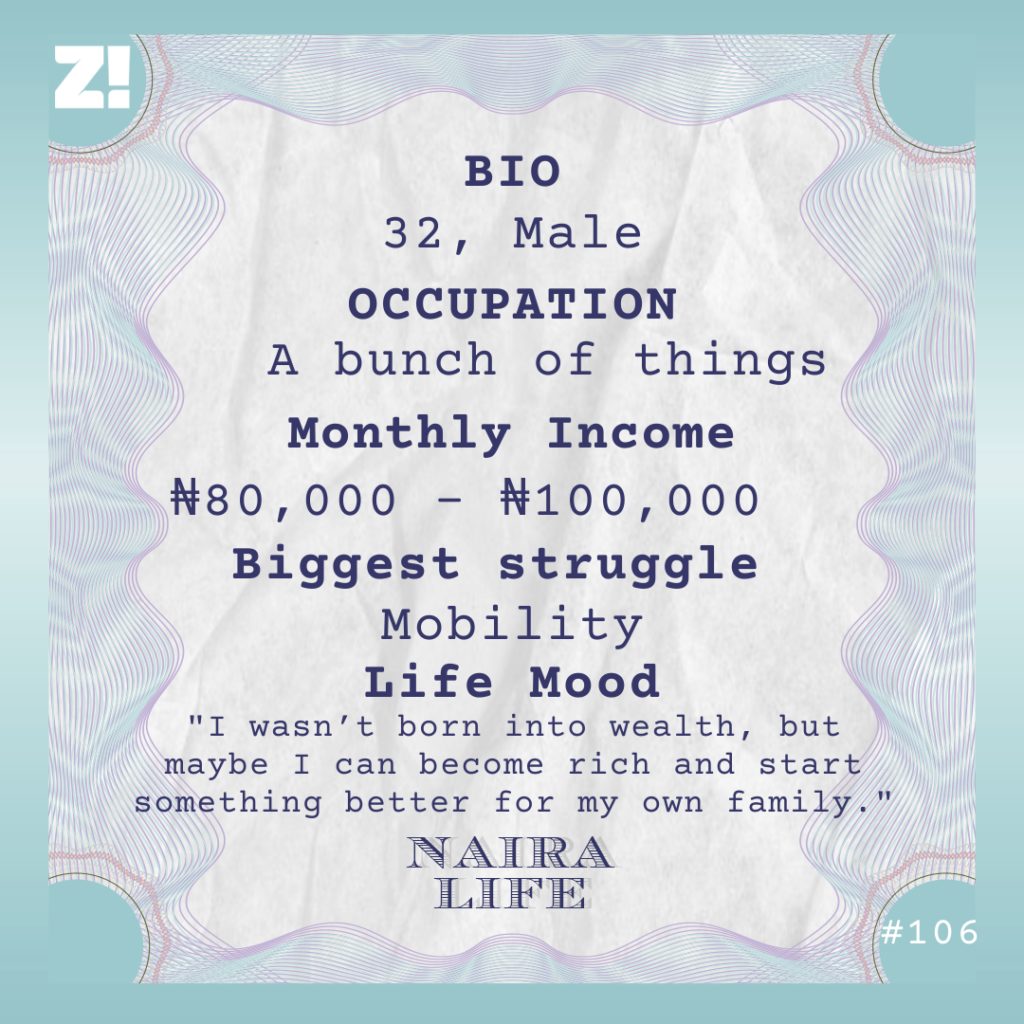
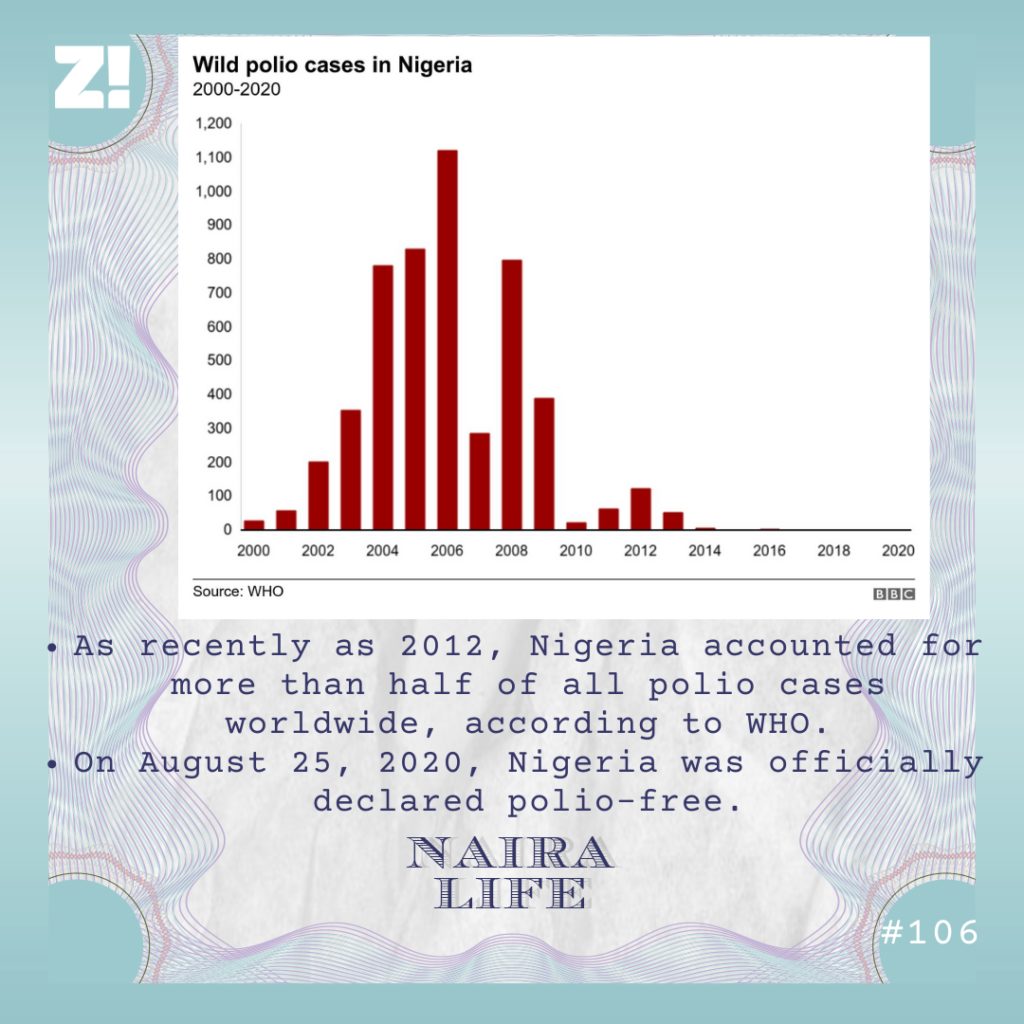
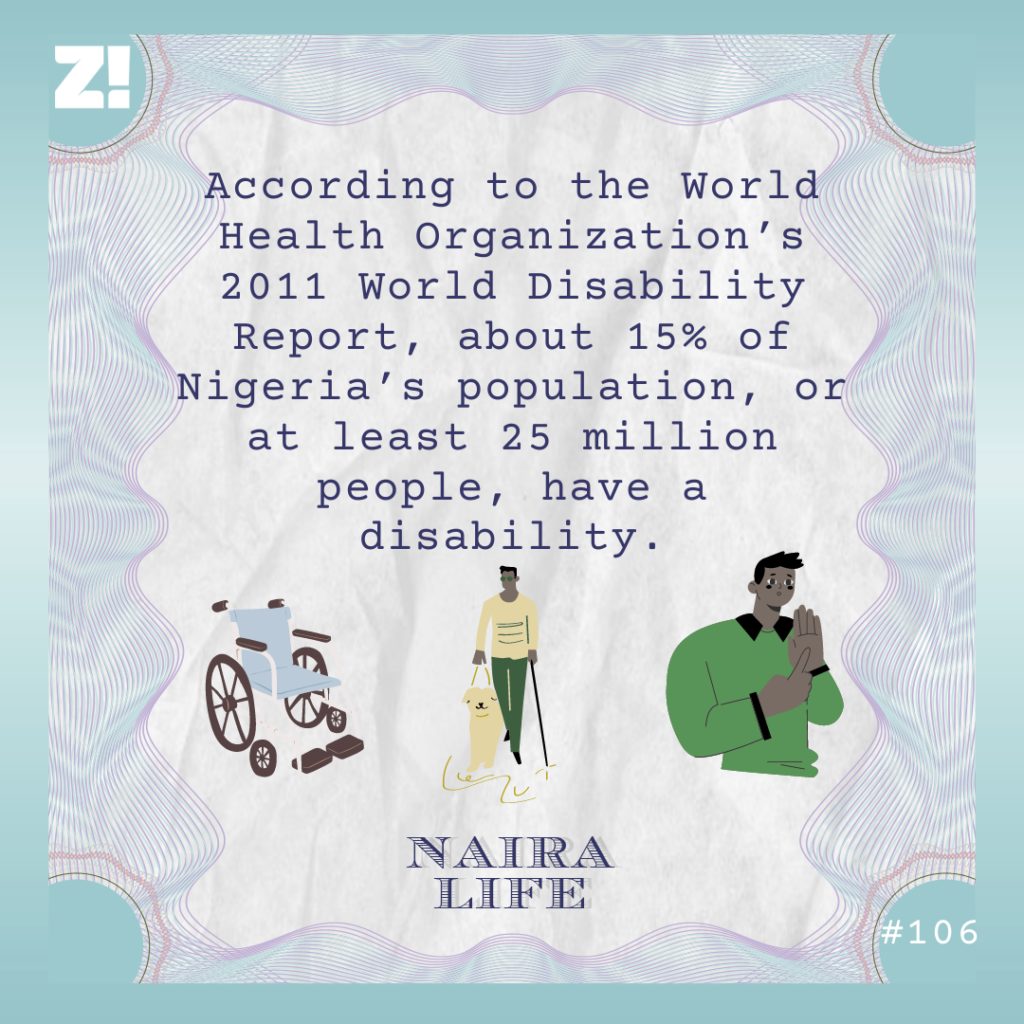
    At least 25 million Nigerians are living with a disability. This #NairaLife is about one of them. The subject survived polio when he was young, but that’s not the only significant life event he has had to deal with. This one is about resilience and hope.

    What’s your oldest memory of money?

    I don’t remember the year, but there was a time I went out to buy a bar of soap. The money was in my pocket when I left the house, but when I got to the store, it was no longer there. I was so stressed. A woman who lived in the neighbourhood came to the store before it got embarrassing and offered to pay. On my way back, I saw the missing money right by my house gate. 

    Lmao. Don’t we all have this story? What was it like growing up?

    When I was four years old, I was hit by polio. It turned out to be a significant life event. Although I survived, I lost the use of my legs and have been in a wheelchair since that time. 

    Oh wow. I’m sorry. 

    It’s fine. I don’t think it changed a lot. At least, my parents and the neighbours I grew up with it didn’t make it seem like such a big deal. I had a normal childhood. My parents brought me up with the same level of love, care and empathy they showed to my siblings. 

    How did having polio affect your family’s finances?

    When it happened, nobody thought it was polio. When the hospital didn’t work, they thought it was a spiritual attack and went for traditional treatment. Those things weren’t cheap. From what I heard, my dad spent a fortune. He even had to sell a couple of his properties to raise money. When they eventually discovered that it was polio, things slowly went back to normal. We weren’t super-rich, but we were comfortable. My mum was a businesswoman — she sold clothes, but she also did this cocoa business on the side, and my dad was a cleric. The family was stable. 

    Did you have open conversations about money?

    I don’t think this ever happened. They didn’t tell us anything about personal finances or talked about the importance of knowing how to make money. They were happy to provide. 

    Ah, so you didn’t feel the need to earn money?

    You could say that. I mean, I made money for the first time when I was 17. This was 2005 or thereabout, but it wasn’t out of a need to earn. I was just doing something for the fun of it and it brought in money. This is the story: I couldn’t walk, but I loved sports, especially football and table tennis. So I founded a U-13 grassroots football club. I managed its operations and led the team to local tournaments, and when we won, we got up to ₦5,000 in prize money. This money, I shared with members of the team and kept the rest. 

    Interesting. How long did you do this for?

    About three years. I moved to a new city after secondary school in 2008. The football club didn’t have any structure,  so it crumbled once I left. I took a break for two years from school, and during that time, I learned a computer course at a rehabilitation centre for people with disabilities. In 2010, I got admitted to the university, and that began some of the toughest years of my life.

    Why, What happened?

    My dad died when I was in 100 level. He was sick for some time. Unfortunately, it was one of those health issues that drain money. By the time he passed, my family had spent so much taking care of him, we had run out of money. 

    I’m sorry about your dad.

    It was that time I first understood what disappointment meant. Uncles and aunts promised to take over and sponsor my education. But when the time came to do that, they all disappeared. 

    That sounds tough. How did you navigate the period?

    My mum did her best to take care of school, but there was only so much she could do. My grandmother and a few family members were the angels God sent: she chipped in and ensured that I didn’t have to drop out of school. It wasn’t the best — my monthly allowance was always late, and it was never enough. ₦25,000 was what I needed to live comfortably in a month, and I always got less than that. On top of that, I had to spend so much on transportation. 

    But the only other option was to drop out of school and start begging. I’d promised myself not to be that person who begged to survive. 

    Why did you have to spend so much on tfare?

    The cab drivers at my school always charged me more than they did the other passengers. I paid ₦500 where others paid ₦200. Also, when I chartered a vehicle, they would ask me to pay more because I was in a wheelchair. They just didn’t care and that made things tougher for me. Most of what I had was spent on transportation.

    That’s disturbing. 

    Point is, there was hardly enough to cater for all the things I needed. I once sold my computer to raise money for tuition. It was the first time I realised I was poor.

    But I needed to get through university. I started writing to organisations I felt could help me. Writing these letters was one of the hardest things I’d done in my life. I understood that anyone could use my disability against me. People see me and assume that I’m there to beg for something, so I find it difficult to ask for help.

     In my final year, I wrote to a professor at my school, and thankfully, he and one of his friends funded my project.  I graduated from university in 2017.

    Phew. What came after uni?

    Most of my friends were going for their masters,  but I couldn’t. The next best thing was to look for a job, which  was hell. I was so broke that I struggled to feed myself each day. I had to do something I hated again — depend on people. My siblings, mum and family members were sending me money. The problem with this arrangement is that, when people send you money consecutively for three months, they get tired, and you will notice it even if they try to hide it. I was also tired of asking people to send me money.

    That’s tough. So what did you do?

    I started volunteering for NGOs working with people with disabilities. They didn’t pay a salary though — just a stipend every now and then. The amount of work I did in a month was a factor to what I got paid. Usually, it was between ₦10,000 and ₦20,000.

    I started making money on the side too. I’d learned how to make shoes a few years before, but I left it to focus on school. I was making between ₦30,000 and ₦50,000 each month. Sometimes, it was more. Sometimes, it was less. 

    Interesting. What has happened between 2017 and now?

    I’m a problem solver. Working with other people with disabilities has always prompted me to look for what I could do to add value to their lives. A lot of these NGOs I work with are big on skills, but mostly technical skills and not creative skills. Me, I love entertainment, and I love talented people. So, I thought: “Why don’t you start something where you can find and promote these talents?” I started working on starting an entertainment company.

    Nice.

    I registered the company, and it became operational in 2019. Right now, what I do is to organise events where talented people living with disabilities can show off the creative thing they know how to do best. 

    That’s interesting. How much did it cost you to set this up?

    About ₦500,000. That was the limited resources I had. Also, I didn’t put all the money in at once. It was bits by bits. ₦50,000 here. Another ₦30,000. Buy a few  things. Hire one or two staff. At the time of the launch, what I spent had run into ₦500,000. 

    Ah, I see. 

    After launch, we got down to organising events. It was a lot of paperwork. Making budgets and writing proposals. For one of our earliest events, I had only 10% of the ₦1.5m budget. So, we had to partner with other organisations. Unfortunately, everything was in place when Covid happened, and we had to postpone the event. 

    Damn Covid. 

    But after I saw how the world moved to virtual events, I tried to do something like that too. I decided to do a virtual workshop. The strategy had to change because no company wanted to sponsor a virtual event. Our events had been free, but for this one, we sold tickets, which brought in ₦150,000. 

    Did you turn in a profit?

    Not exactly, no. Most of the money we got went into paying artists we invited and persons with disabilities that performed at the event. I didn’t mind. It was the first time I did something on that scale. 

    Lit. 

    Another interesting thing happened in 2020. You know how people say they did something that changed their lives forever? For me, it was applying to the MTN Revv Programme for SMES. I’m not even sure how I got in, but it was such a rewarding experience. Listening to experts talk about how to be better managers and entrepreneurs helped. It couldn’t have happened at a better time because the effect on Covid on my company was enormous. It’s harder to get sponsorships or even organise virtual events. But now, I think I have more clarity on how I intend to scale. 

    Another thing I learnt was how to navigate personal finance, especially savings. Now, If I don’t need something, I don’t buy it. It’s a life-saving tip. 

    Lmao. You said that the pandemic slowed things down for you. How do you make money these days?

    Ah, I’m into so many things to survive. I still make and sell shoes. I work with real estate agents and market properties. That gets me a commission. On the side, I consult for NGOs and get a token from some of them. On a good month, I make between ₦80,000 and ₦100,000. 

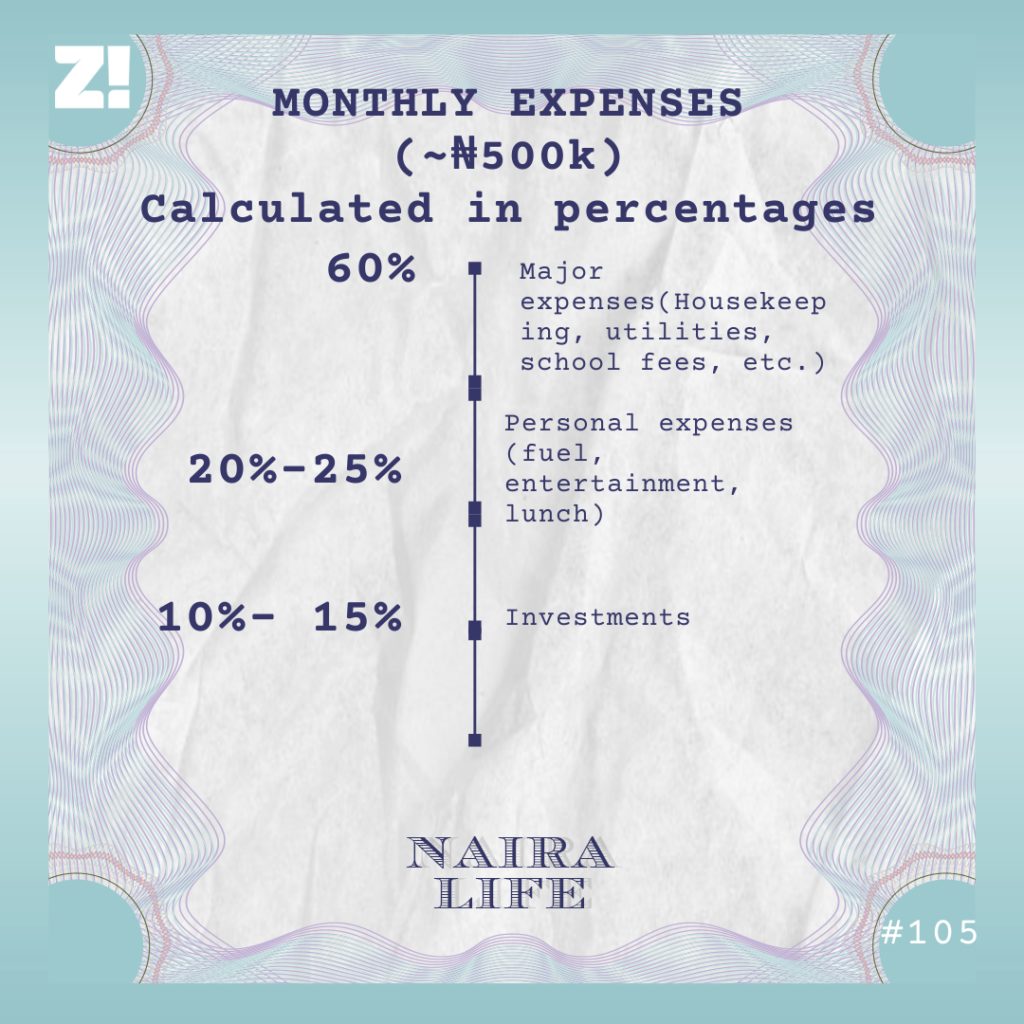
    Interesting. Can we break down your monthly expenses?

    What about your savings?

    Until recently, when I started learning more about personal finance, I wasn’t big on saving. I have a bank account I rarely use or linked to an ATM card. After settling my monthly expenses, I transfer the “change” that remains to this account. For the most part, this goes to rent and other emergencies. 

    How much do you have in your savings account now?

    I’m not going to lie, I have less than ₦20k in that account. I just moved to a new apartment and had to do a couple of things to make the place comfortable for me. Everything took about ₦450,000. There’s no other way to say it: I’m currently broke. I’m just hoping that things will pick up again in the next couple of months, and I can start saving again. 

    Realistically, how much do you think you need to be earning to stop worrying about money?

    At the moment, ₦200,000 will do. This will definitely solve most of my troubles. But since it’s not happening, I can only plan for the future. In five years, I want to see myself earning more than ₦1m every month.

    Is there a plan to do this?

    People pay for value, and I know I have a lot to offer. Accessibility and mobility is a problem for people like me who are in a wheelchair, so I’m in the middle of setting up a new business installing ramps in offices and public places. I’ve been working with a team and submitting proposals to organisations. However, it’s capital intensive, so I haven’t done so much on it yet. But I’m really excited about it. Fingers crossed. 

    I’m rooting for you. How would you say your experiences have shaped your perspective about money?

    It’s important to have money. If I had the best financial support when I needed it the most, maybe I’d be in a position to do more and touch more lives. It’s unfair how only a few people have access to all the money they need. But that’s the way it is, so it’s necessary to strive. I wasn’t born into wealth, but maybe I can become rich and start something better for my own family. 

    Is there anything you want right now but you can’t afford?

    A lot. Mobility is a huge problem for me. If I have a car, moving around will be so much easier. I can also help other people I work with get around easily, especially when we have events. 

    When Covid hit, I couldn’t continue paying the people I hired. I’m currently sourcing for funds to make sure we return to work and continue planning all the things I have in mind. That would be great too.

    I feel you. What was the last thing you bought that significantly improved the quality of your life?

    I bought a laptop recently for ₦195,000, and it was money well-spent. It’s been helping me market my services better and do a whole lot of other things. 

    That’s great. Where does your financial happiness rank on a scale of 1-10?

    Maybe a four. It’s not even so much about my personal finances now. I manage just fine with what I have. It’s more about the people I work with. I see the smile on these kids faces at the events, and I wish I could do more. I need money to do that. The more I can do for them and other people like me who live with a disability, the higher this number will be.

  • Do you ever wonder if you graduated with the ‘honours’ you actually deserve at university? We were thinking of the same thing, so we did the best thing we could. We made a quiz.

  • Loaning people money can be a tricky situation because there is always a chance that they might default on payment. There are no guarantees, really. In this article, we asked four Nigerians to talk about being owed money by their friends. This is what they said.

    Dapo

    An ex was in a tough spot, and I asked her to stay with me for a few months to figure out her next steps. Few months dragged into two years, and she was still at my place. When it was time to leave, she needed money to complete her house rent.

    I’d given her ₦250k earlier, but she needed an additional ₦80k. I told her that the ₦250k was a gift, but I would need the ₦80k back because it was from my salary.

    I tailed her for almost a year after she left and all I got were excuses and indefinite responses. When I got tired of the whole situation, I sent her a text to tell her not to bother anymore as I’d written the money off as bad debt. All she said, and I kid you not, was “Lol.”

    Bidemi

    This friend and I were coursemates in university, and we went on to intern at the same hospital. So, I knew he was earning well. I do photography on the side. When he wanted to get married in January 2020, he hired me as his wedding photographer. I charged him ₦140k for the services, but he paid a deposit of ₦50k, which I agreed to because I thought he was going to balance me up as soon as possible.

    Months rolled by, and he didn’t pay me my money. We both earn over ₦130k per month, but he never thought to pay what he owed. Whenever I asked him about it, he would go: “Omo, the salary has already finished oh.” After a lot of vexing and pleading, he paid another part payment in October 2020. Now, he owes me ₦10k. The funny thing is that he has a child now and has yet to pay my balance. He probably thinks ₦10k is not enough money to ask for, but I expect to be paid for my services. 

    James

    This friend I made in school reached out to me. He wanted to 2x his income and needed to take a training course that cost over ₦200k. I was in uni and unemployed at the time. He knew this, but he thought I was the best person to help him. I was sold when he explained how he planned to repay the loan and showed me his income and earnings from his side hustles. 

    I raised the money for him from my savings, scholarship, and what I made from my side hustles in school. He was supposed to pay back after four months, and when he didn’t, I hit him up. But he said something profound that hit me: “It’s your fault that I’ve not paid you. When I had money, you didn’t remind me.” I wished that the ground would swallow me up.  

    The slew of excuses came after that. If he hadn’t just paid his mum’s rent, he had just sent his siblings some money. At the end of the day, he paid in bits and pieces until I got ₦120k. But you see that ₦80k balance? I think it belongs to him because I don’t understand anymore. 

    Recently, I went to visit him at his new apartment and spoilt something in his house. The item couldn’t have cost more than ₦1500, but this guy dragged me for weeks to make me pay for it.

    I’ve decided to take a break from loaning people money. I just act like I’m broke and unemployed because that’s the only way these sorts of people will give you peace of mind. And It’s working out great so far.

    Gift

    In November 2020, a friend reached out to me, asking if I could loan her ₦300k for some business she wanted to do. I told her I can loan her ₦250k, but I’d need it back as soon as possible. She promised to return it in a week, which I thought was fair. I thought we had a deal. It’s been months now, and I’ve not gotten a dime back. When it was time to pay back, she said she was going through some things and couldn’t pay me my money back just yet. The most annoying part of the situation was that I was always the one calling her to ask for updates.

    And what have I not done to get my money back? I’ve threatened her. I’ve called her out on social media. Still, I haven’t recovered anything. I can’t even reach her anymore because she has blocked my number. 

  • Every week, Zikoko seeks to understand how people move the Naira in and out of their lives. Some stories will be struggle-ish, others will be bougie. All the time, it’ll be revealing.


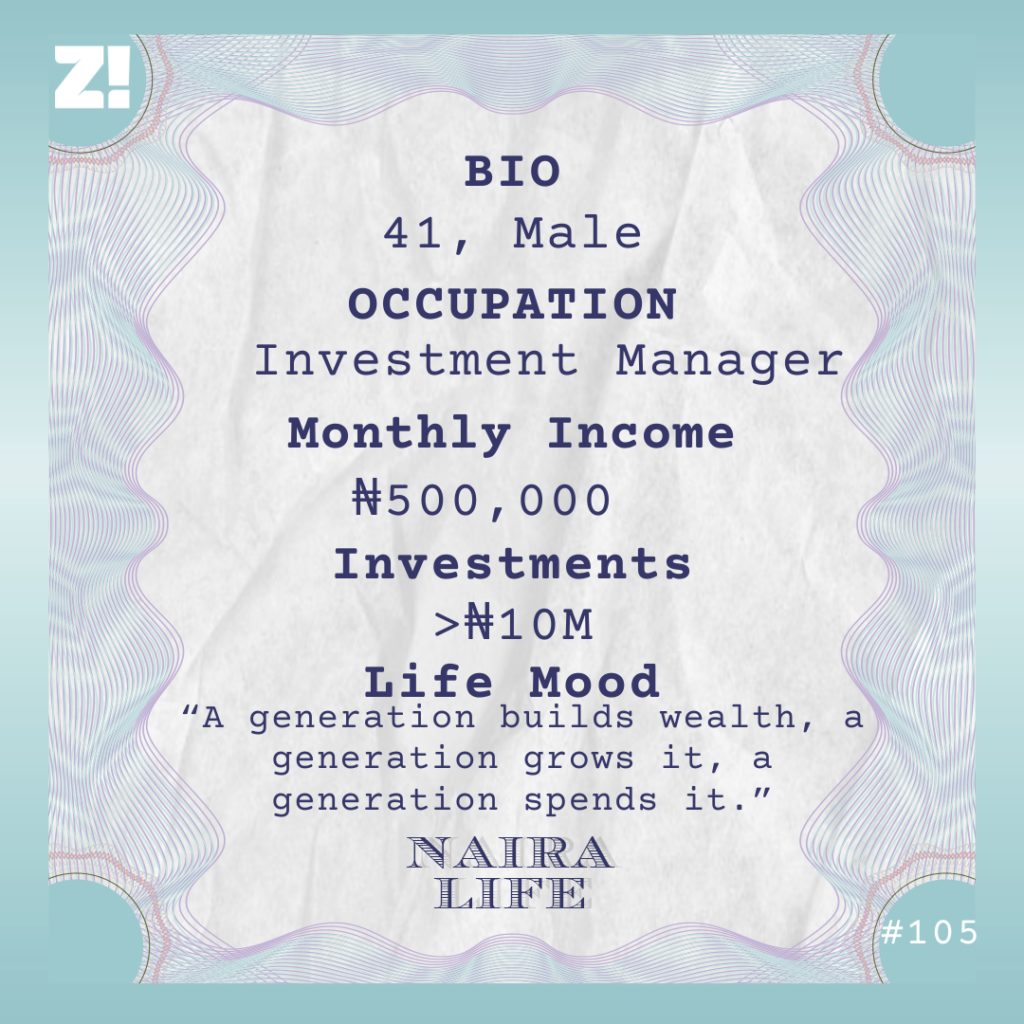
    This subject of this week’s #NairaLife is an investment manager. He is in the business of helping people make money, and he has learned how to do the same thing for himself. What is most interesting about him? His motivations.

    What’s your oldest memory of money?

    Growing up, my dad did this thing where he would give me money and say:” Put this money in an envelope and keep it. I’ll ask for it later.” It may be weeks before he’d ask, but he usually did to confirm I still had it. Then he would give it back to me and ask me to keep it again. The lesson was, you don’t touch the money that’s not yours. After he died a few years ago, my mum found an envelope labelled “Daddy’s money” in a drawer at home. It’d been there for years. 

    I’m sorry about your dad. It must have been a profound moment when your mum told you about that envelope.

    It was. My parents taught me how to respect money at an early age. When I got money gifts, they made sure I spent half and saved half. I grew up interested in how money works.

    What was the first thing you did for money then?

    After I graduated from university in 2001, I offered to work at a stockbroking firm for free. I studied psychology and had no major prior experience in the financial markets. However, the firm I worked at didn’t have much business to do at the time. After three or four days, I quit. A friend of a friend had a forex exchange company in the same building as the stockbroking firm, and he offered me a job at his. 

    What was the job about?

    He sourced forex and sold to his clients, who were mostly merchants. He was like the average Bureau De Change guy, but he did more volume. When I started working for him, I was earning ₦5,000. I was his runner, doing administrative work and helping him facilitate transactions. He increased it to ₦8,000 during my service year. In the two years I worked for him, he gave me a few raises. When I left in 2003, I was earning ₦30,000.

    Where did this interest to have a job in the financial markets come from?

    It was something that built up over the years. My parents were big on saving, and I got a sense that investing was a thing too. I spent a lot of my mornings watching Lou Dobb’s “MoneyLine” show on CNN, and everything I saw looked interesting. Also, my mum worked in a bank, so I appreciated financial services. After uni, I decided to go for it.

    Interesting. 

    While I was working for the forex guy, I enrolled in a part time postgraduate diploma management course at a university in the south-west. My parents paid for it. I’m not sure how much it cost anymore, but it was less than ₦100,000. I got my first well-paying job towards the end of the programme.

    Where?

    A telecommunications company. I worked in the customer service department. My salary was ₦80,000, which I thought was fair at the time. But looking back now, it could have been better.

    How?

    It was the first time I realised that bonuses and other benefits can make a difference. I had a friend who worked in another telecom company and was earning half my salary. However, when I added up his bonuses and other allowances, he was earning more than I was. 

    After about three years at the company, I quit and travelled to the UK for my Master’s Degree in Financial Management. This was 2006. 

    How much did it cost?

    About £10,000 pounds. At the time, a pound was, maybe, ₦250. My parents sold some of the shares they had to raise the money. 

    Interesting. How did it go in the UK?

    My parents were only interested in taking care of the tuition. They expected me to figure out the rest. While I was in school, I got a customer service job. It paid minimum wage — £5 pounds per hour. I also picked some extra minimum wage jobs. At the end of each week, I was making over £200. A lot of it went into buying clothes. 

    Haha. Why?

    The thing is, when I was in Nigeria, it was difficult to get shirts my size. But in the UK, I saw shirts that fit, so I just started buying as many as I could in preparation for my return to Nigeria. Four shirts cost £100.

    That makes sense. How long did you spend in the UK?

    I finished my programme in 2007 and graduated in 2008. But I stayed back a while because I was trying to find a job in their financial markets. 

    I moved to another town in the UK and lived with a friend. I did some manual labour at a hospital for about two weeks before I got a stable job. Again, it was in customer service, and they offered me a 10-month contract. It paid well above minimum wage. I was going home with over £1,200 every month. 

    Lit. 

    In 2009, I was close to getting my dream job at an international investment company in the UK. They had given me papers to sign and everything. But a financial crisis hit the UK and the markets crashed. I lost out on the job. 

    Damn. 

    I moved back to Nigeria in the same year and did a few interviews that led nowhere. In 2010, I got a job with the state government’s Internal Revenue Service as a tax administrator, with an offer of about ₦100,000 per month. 

    At the time, was the plan to build a career in the civil service?

    I actually wanted to give this a try, but after some time on the job, I realised that it wasn’t for me. I wasn’t bad at it. It wasn’t just what I wanted to do. I spent less than two years before I resigned. I did a bit of consulting after that, helping small businesses set up PAYE systems, file their taxes, and other related stuff. 

    How long did you do this for?

    Not long. I finally got a job in the financial services sector in 2012. It was a core investment firm, and I’ve been there since that time. 

    You’ve been there for more than 8 years. How has your role evolved over time?

    The company works with pension funds. This is how it works: a lot of employers deduct a portion of their employee’s salaries, match it and put it in a pension savings account. What we do is to invest that money on their behalf. 

    When I started, I was in the research department. My job was to look into the companies we wanted to invest in and analyse their finances and market trends before making recommendations. I’m not sure what my starting salary was anymore, but it was about ₦300,000.

    What happened after that?

    I moved from being a stock broker to an investment manager. In 2014, I was promoted to a junior portfolio manager role, and it changed my life. I had to specialise in something, and I chose the bonds market rather than the stock market. My job now was to look into the businesses we lent money to and confirm that they were credit-worthy.

    Ah, I see. 

    As I grew in the business, I got more responsibilities. I’m a Portfolio Manager now. I take care of different funds and portfolios and come up with strategies to help the investors grow their money. For the most part, this is dependent on their preferences and how much risk they can take. My salary has also grown over the years. Right now, my monthly pay is about ₦500,000, minus bonuses. 

    I want to know how your job has helped you with your finances.

    My job is basically helping people to pick the best investment opportunities and growing it. If I can do that for people, why won’t I do it for myself? When I do research for work, I’m also doing it for myself. If I see an opportunity and I have enough capital, I put money in it. I may not do the same volume as an institution will, but it’s working and I’m building my own wealth too.

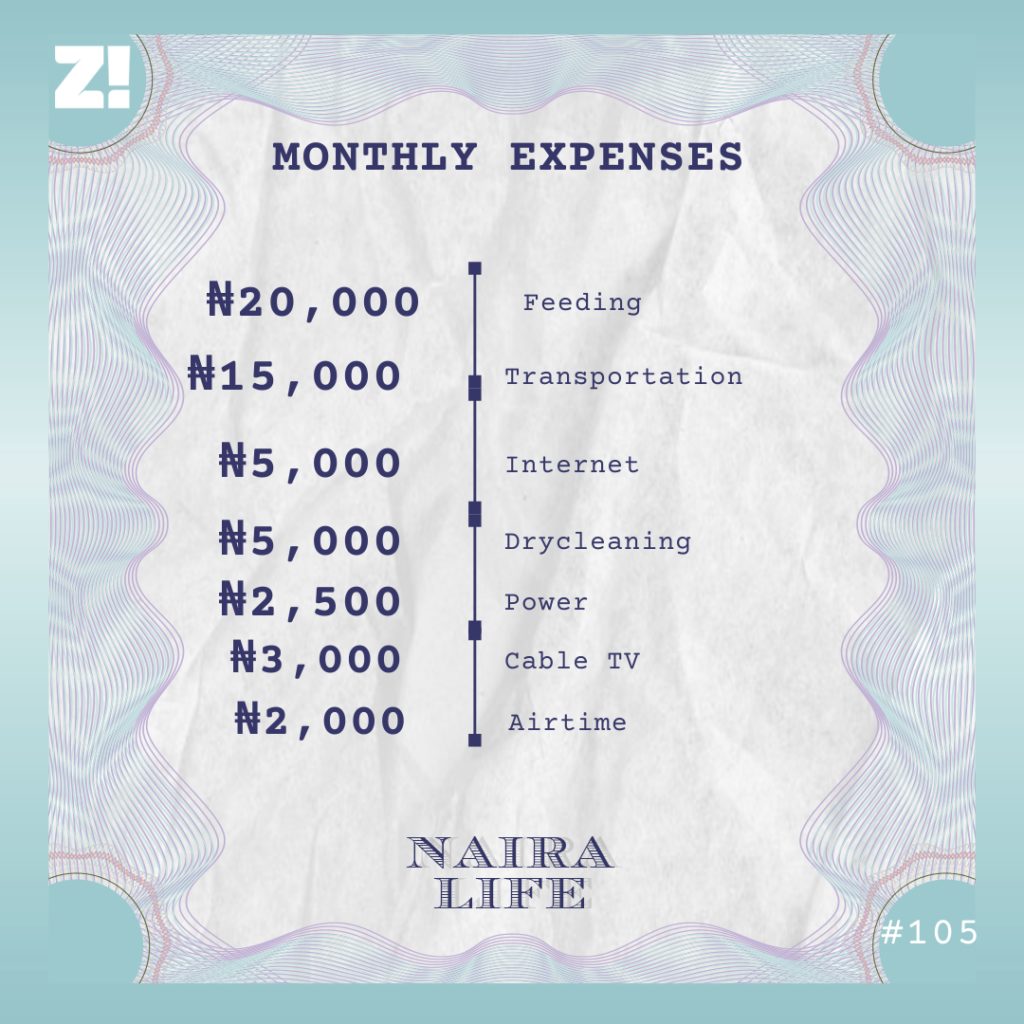
    Haha. Fair enough. What do your current expenses look like?

    My monthly expenses are calculated in percentages.

    I don’t pay rent anymore. My dad left me a house. 

    Flex. Speaking of your investments, what do you invest in?

    I invest a lot in shares, mutual funds, and treasury bills. Have I lost money? Yes. But I try to stay in the middle of high risk and low risk. I’m not trying to make all the money I can make at once. Wealth creation is not a sprint, it’s a marathon. 

    How do you try to avoid losses?

    There’s a strategy in the market called averaging down. For example, you buy a unit of shares at ₦50 and the value drops to ₦40. That’s a ₦10 loss already. Some people may decide to sell it immediately to minimise the loss. But I would buy another unit at ₦40. Now, the average price of my investment is ₦45. This way, I’ve managed to keep my loss to ₦5. If the price goes back up, then I can make my profit.

    What happens if the price continues to drop?

    If I have the money, I hold my position and put more money in it. I continue buying at lower prices. When the trend changes, I start posting a profit, then I sell. I just exited one of such positions I held since last year. I made about 12% profit on that. 

    That’s intense. So, how much do you have in investments right now?

    I’m not sure about the exact amount right now, but it’s over ₦10m, and that’s a conservative number. I don’t like talking about these things. 

    Phew. I’m curious about something. A lot of your earliest memories about finances were influenced by your parents. What does this now mean for you?

    That I have to do the same for my kids. I have two, and they are both below 10. They are still young, but I’m teaching them about these things. My parents taught me how to save. I learned how to invest. The idea now is to pass all the knowledge to my kids. I’m trying to build generational wealth here. 

    Tell me more about this. 

    A character in Billions, a show I watch, said something in the lines of “A generation builds wealth, a generation grows it, a generation spends it.” At the moment, I’m building on what my parents gave to me. It will be their job to teach their kids too even if they don’t work in financial services. The way I see it, they need to understand how to put money away and the processes involved in growing it. 

    That makes sense. 

    I opened a stock brokerage account for them the moment they were born. If someone gives them a cash gift, I match it and pay it into their accounts. I’m building a small portfolio for them already. When they’re old enough, they will be trained on how to manage it. 

    Hook it in my veins. Let’s go back to you. What do you think your finances will look like in, say, five years?

    I have no idea, but I definitely want more. And it’s not from a place of greed — I’m just testing myself and growing what I have. I’m used to a certain lifestyle, and I want to be able to afford it for as long as I’m here. So, I’m in this for as long as I can do it. At the same time, the long term plan is not totally tied to income but the feeling of  self-actualisation, which will be decided by just how much of all this I can teach my kids. 

    Lit. Now I’d like to know how your experiences have shaped your perspective about money.

    Money is a by-product. If I have it, then it means I’ve worked to earn it. And I’m not afraid to earn and put money away. But I’ve also realised that putting it away somewhere is not enough. It needs to grow consistently. Like my dad used to say, work for money when you’re younger so it works for you when you’re older.

    I also think that money is an end in itself. Everything is valued in a currency, so it’s really important to have it and hold it. I’m not saying you shouldn’t spend on yourself or have a decent quality of life, but it will be unwise to go overboard. 

    Speaking of quality of life, what’s the last thing you bought that improved yours?

    I installed an internet broadband service at home. Everything took about ₦30,000, but it’s cut my monthly internet costs and made it easier to work from home.

    Also, I turned 40 last year and I thought of buying myself a meaningful gift. I decided on a wristwatch I’d wanted to buy for a while. I’m not going to tell you how much I bought it, but I had to save for a few months. Every time I look at it, I see something I strived for, and it’s so fulfilling. 

    Got it. On a scale of 0-10, how would you rate your financial happiness?

    I’ll give it a 7. I’m comfortable, but I’d love to amass more wealth. If it was just about me, I’d probably be okay with where I’m at now. But I’m building this for my kids too, so they have a legacy to stand on when they’re older and can make their own decisions. My parents did their best to do that for me. It’s only natural that I do the same thing for them. 

  • Do you ever wonder what your soulmate is like? We know that you have a lot of questions. So, let’s help you find an answer to one of them– their best quality.

    Go ahead: