Clothing is a basic need. But according to an American financial planner, you should spend 5% of your monthly income on clothing. I wasn’t sure how this works in Nigeria, so I decided to talk to a couple of people on how they shop for clothes and how much they spend.
Tosin, Developer Advocate, 18
Monthly income: ~ ₦1m (Subject to changes in exchange rates)
I shop for clothes once every three months, and my budget is about ₦300k. I’m very big on native wear and they make the bulk of my wardrobe. A visit to the market for the material usually cost me between ₦30k and ₦40k. For my shirt, joggers, and hoodies needs, I shop from an online store because I know the owners. I spend some ₦20k-₦40k at a time on this. My shoes take most of the budget. I mostly wear handmade shoes, and I spend between ₦80k-₦100k on them.
My income has grown x10 in the last year, and it’s influenced how I shop for clothes. Prior to this, I used to shop once every six months and go for things that won’t bite into my account too much. My budget at the time was always ₦50k. I think my current clothing budget is the right amount. It’s resizable and if there’s anything left, it either goes home or to my investments.
Chidera, Youtuber, 25
Monthly income: ₦180k
I wear the same sets of clothes for at least three years, so I rarely buy new ones. When I do, I don’t go for expensive clothes. For the most part, I go for Okrika, and my budget each time is ₦20k or less. I’d rather spend money on food, to be honest. But when I earn more money or buy into an ICO, I will definitely spend more money on clothes. There’s a leather jacket I’ve wanted for the longest time.
Mary, Digital Strategist and Sales Manager, 31
Monthly income: ₦700k – ₦900k
I buy at least one clothing item every month, but I don’t go over ₦20k per item. My budget increases on the rare occasion I do bulk shopping, but I also make sure it doesn’t go over ₦50k.
My shopping behaviour depends on my needs. I attend a lot of social and work events, and I shop for such clothes at boutiques because I can try them on first and see what I look like before buying. I buy from online stores on Instagram too. I’m a bit of a spontaneous person, so if I see an outfit on Instagram and I love it, I place an order for it even if I have nowhere to wear it to.
There are some clothing items you can’t find on Instagram or in fancy boutiques. Eko market covers that bit for me. However, I rarely go to the market because it can be so stressful and sometimes risky.
I don’t spend as much as I used to on clothes. I’ve realised how quickly they go out of fashion, and for someone who is super conscious about her look, it doesn’t make sense to buy a lot of it. Besides, I’m working on a project running into thousands of dollars, so every penny I earn needs to be spent wisely. Now, I just buy clothes based on my needs and have learned to re-rock my clothes and turn down events that will require too much clothing effort.
Malik, 23, Freelance Web and Product Designer
Monthly income: ₦0- ₦150k
My income is not stable, so I don’t spend money on things I don’t really need. Clothes fall into this category. The last time I bought new cloth was December 2020, and I had to because a friend was getting married.
In months I get more jobs than I expect and make more than I usually do, I’m more open to shopping for new clothes. I prefer going to physical stores and after a couple pairs of jeans and some round necks, I’m done. All of this doesn’t cost me more than ₦30k. This works because I don’t crave things I can’t afford.
Do I think I have enough clothes? Well, my wardrobe is not so big but I have clothes I’ve not worn in about two months.
Tolu, Brand and Communication Professional, 31
Monthly income: ₦330k
I shop for clothes based on how I feel. Once I see an item I like, I go for it. Sometimes, it’s every week. At other times, it’s once a month. I don’t stick to a budget, but I spend between ₦20k and ₦40k every time I buy something new.
I don’t have the time to go to stores or boutiques, so I use Instagram vendors. I’m not loyal to any store though. I don’t do bulk shopping either — I imagine I’m too broke for that.
I used to buy directly from ASOS and have them shipped to Nigeria for a small fee. But things have changed, and I blame Buhari. I’d have to buy items worth £100 to get free shipping to Nigeria, which is a lot when you think about the exchange rate. Now, I use a personal shopper to get by. I send them a link to the item(s) I want, they buy it, add their 25% cut on it and deliver it to me.
I believe I spend within my limits. I’m likely to gift myself a designer item when my income increases, and it will be a one-off purchase. I’m hoping to close my eyes one day and buy a Ted Baker dress or Kat Maconie heels. The latter will cost me about £250. I could faint if I convert it to Naira, so I won’t do that.
Every week, Zikoko seeks to understand how people move the Naira in and out of their lives. Some stories will be struggle-ish, others will be bougie. All the time, it’ll be revealing.
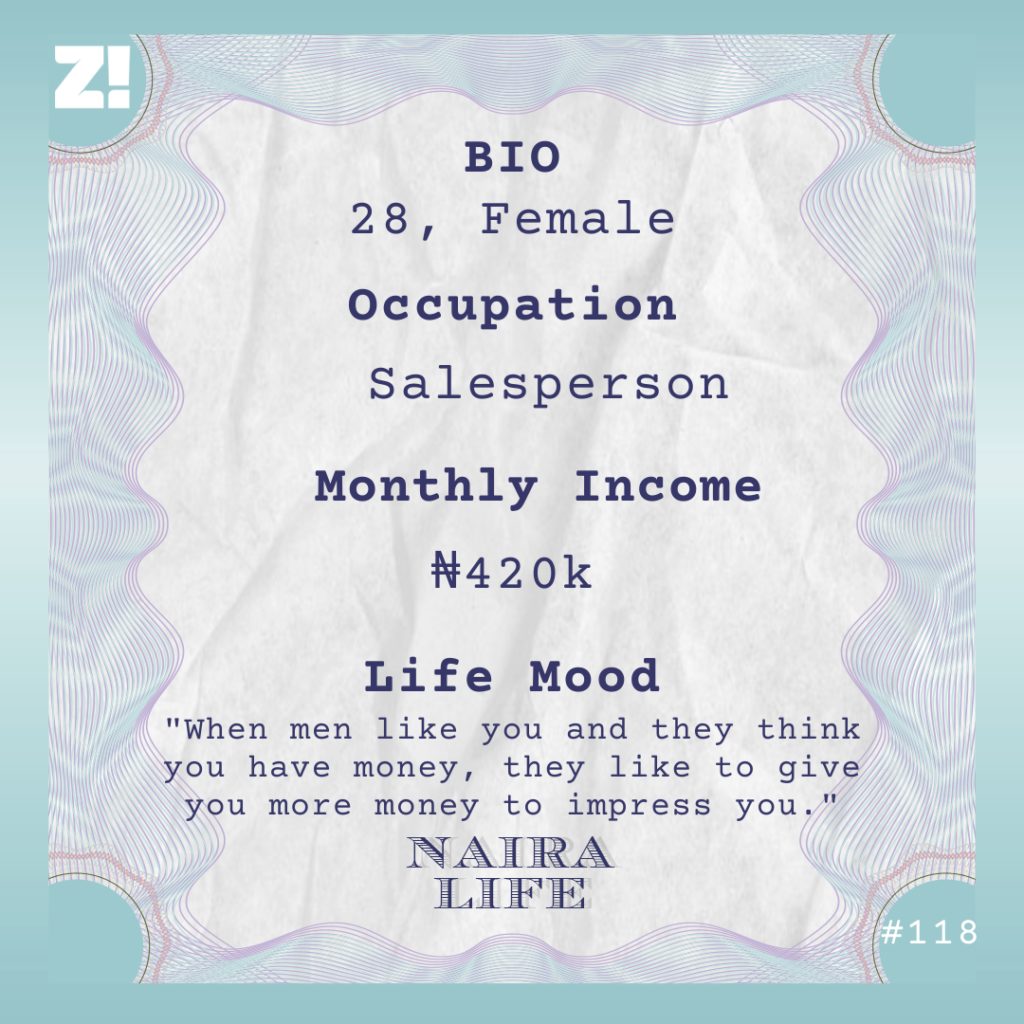
The 28-year-old in this story was at her last job for three years and didn’t get a raise once. Two years into her new job, she got a raise. She’s built her wealth to ₦7m within two years, but she thinks she can do a lot better.
What’s your oldest memory of money?
I didn’t grow up with privilege. My parents and I lived in a face-me-I-face-you one bedroom apartment, and we shared a toilet with a couple of other tenants. I knew we didn’t have money because my parents struggled to pay rent. Eventually, we got a quit notice. Like that, we were homeless. My mum went to one of her friends, my father lived with his brother, and I moved in with one of my uncles. We were separated for about two years.
What were those two years like?
God, I hated it so much. Even though we had no money, my mother spoiled me because I’m her only child. I didn’t cook or wash my clothes. I had to do all of that and other chores at my uncle’s. The most stressful part was that there were like six other kids in the house and we ate from the same plate. I wasn’t used to that and it didn’t help that I was a slow eater. I went to bed hungry a lot of the time.
That doesn’t sound like fun. How did your living situation change two years later?
My mother did the work oh. In those two years, she learned a new trade, went out on her own and started making money. My dad was there too, but he was comfortable with his civil servant salary even though it wasn’t a lot. He liked the stability. My mum was the one who was always looking for the next opportunity. I imagine they raised the money together, but my mother was the major contributor. We moved into a two-bedroom apartment this time.
Were there other expenses your mum took care of?
Many. She was the breadwinner in so many ways. I remember that we were going through cash problems when I got into secondary school and couldn’t afford my ₦25k school fees. My mother managed to find the money. Things like that.
Also, she was always worried that I would have to carry the weight of my family in the future, so she wanted me to have the same hustling spirit she had.
What did that mean?
She made me work as soon as she thought I was ready. I was 12 or 13 and in SS 1 when she hooked me up with one of her caterer friends. I started working with her friend twice a month during holidays and served guests at parties. My pay was ₦800 per day. ₦1500 on days she felt generous.
How long did you do this for?
About a year, but it was also on and off. By the time I was finally done, I’d raised enough money — about ₦6k. I used it to buy a phone.
Well done. Did you do another job pre-university?
Yeah. I was admitted into university in 2008, but there was a three-month wait before resumption. I got another job as a sales girl at a call centre. My salary was about ₦5k per month, and I was there for three months.
In uni, my allowance was ₦5k or ₦6k. I had a boyfriend who used to supplement what I got from my parents and buy me food every now and then. We were together for two years until he broke my heart.
Wiun.
University was all right for the most part. At least until my father got sick when I was in my third year.
He had a stroke. He and my mother had just returned from an outing when I noticed that his mouth looked weird and brought his attention to it. He took some meds that night. The following day, they went to the hospital and the doctors told him he had a stroke. They gave him some medicine and said he was free to go. When they came back home, he couldn’t get out of the car. He had lost the use of his legs.
Damn.
They returned to the hospital, and he was there for more than six months. He was ill for anoher three years.
That must have been tough. I’m sorry.
My mother had to slow down with her business to stay by his side and take care of him at the hospital. I still got an allowance every month, but it wasn’t always ₦5k anymore. I wasn’t even comfortable asking for money because I knew my mother had enough problems. So I went out to find a job.
What job did you get?
An ushering job. I held it for a while and got between ₦10k and ₦20k from each job I went for. I took some of the money I earned out and started selling shirts in school. I’d buy for ₦800 and sell for ₦2500 or ₦3k.
So money was coming in?
Sort of. It wasn’t bad, but it also wasn’t consistent. I was occasionally broke. One time, I went to the bank to withdraw my last ₦4k. On the bus ride home, they removed the money from my pocket. I wanted to run mad.
I’m not even going to try to unpack that.
Lmao. I finished university in 2013, and my mother told me that she had tried her best to send me to uni and I was now on my own.
What does a reality check like that do to someone?
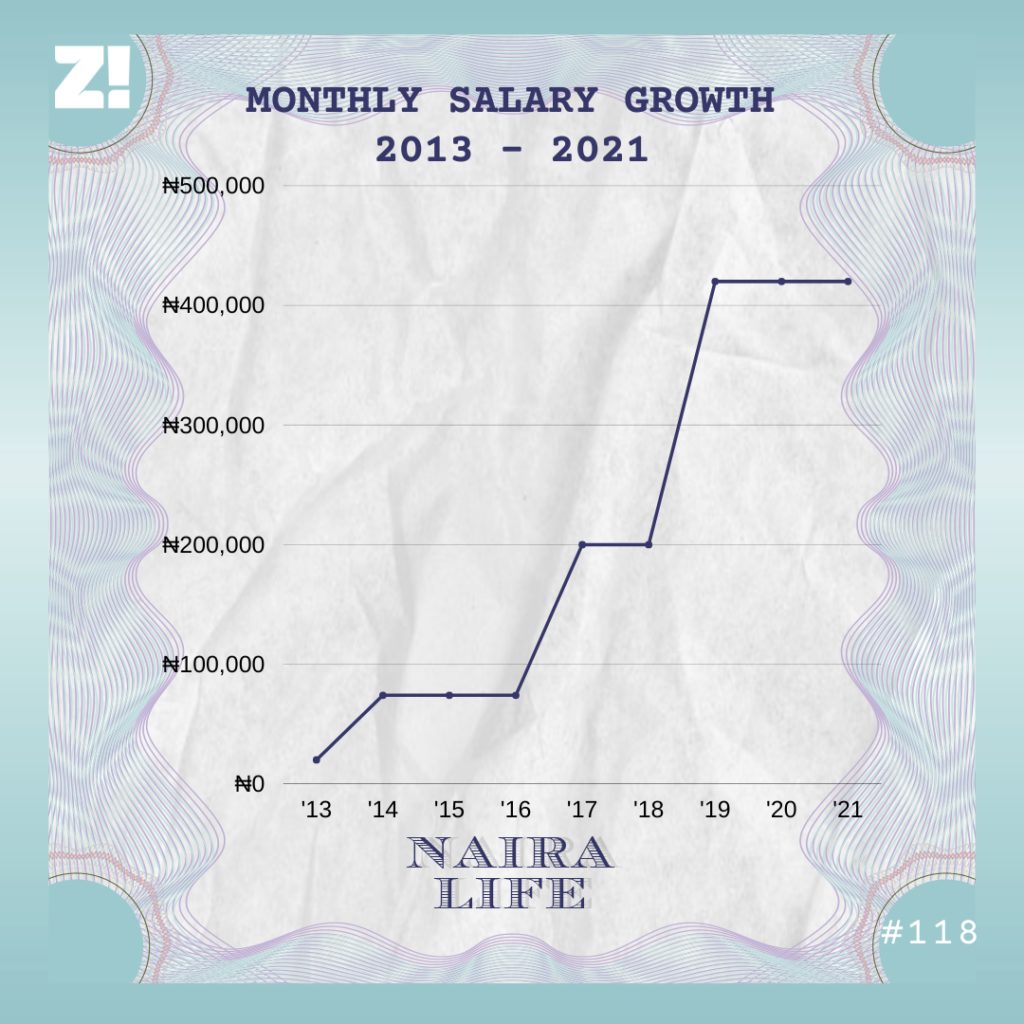
You find a job ASAP. I started working almost immediately after I finished university. At first as an intern at an agency and on a ₦20k salary.
I went for NYSC that year. And nothing spectacular happened until I was done in 2014.
And it was back to job hunting?
It was such a struggle. I was squatting with a friend, so I had accommodation. But you know when you’re living with someone but can’t contribute ₦1, you always wonder when they will kick you out. I continued looking for a job frantically. It took five months before I found one.
Whew.
It was at the same agency I interned at before my NYSC. I went back and started working in the finance department. My salary was bumped up to ₦74k.
Nice. You were earning money now. Did that change anything?
A month after I got the job, things went sour between me and the friend I was squatting with, so I had to move out. My parents live on the outskirts of the city, but I moved back in with them. For next five months, I would get out of the house at 5:30 a.m., hitch a ride with someone, take a bus after that and then walk the rest of the way to the office. The entire experience was draining.
I was saving ₦40k out of my salary every month to raise money for rent. I eventually got a dead apartment for ₦150k. God, two people couldn’t fit in the kitchen or the bathroom. Don’t even get me started on the rats. Two years later, I left the house.
What happened?
My landlord asked me to pay rent in advance. I wasn’t going to do that. But I also didn’t have enough money to move out.
How did you navigate that?
I thought my father would help. He’d just collected his pension, which was a decent amount of money. I asked him for a loan, but he refused. He blew the money away. He claimed he bought a car and a plot of land. Till today, we haven’t seen anything.
When I didn’t get the money from him, I applied for a loan at a loan company and the interest rate was insane — about 21%. I was desperate, so I took ₦250k from them. The good news, I was able to finally move out of my shitty apartment. The new apartment cost ₦230k. The bad news, I had to pay them a portion of my salary every month.
Were you still at the same job?
I was there for about three years and didn’t get a raise once. But that was about to change too. I met this HR person on a random day. We spoke for a while and I casually told him I was looking for a job. He asked for my CV. A few months later, he reached out to me about an opening at an FMCG company. I applied, interviewed and got a job in their sales department. This was 2017.
My salary went from ₦74k to ₦200k. They also gave me a car. It felt so surreal. I had walked the streets of Lagos in my dusty shoes, but now I was getting a brand new car.
I get that.
I cleared the outstanding loan first which was about half of the initial ₦250k I took plus interest. Then I started saving more aggressively. For the first time, I could see where my life and career was going. I’ve been at the same job since that time.
Cool. What has happened between then and now?
I’m my mother’s daughter. I’ve done a couple of businesses on the side — I’ve sold make-up products, perfumes, clothes and other stuff at different points to supplement my salary.
I was promoted at work in 2019 and moved from ₦200k to ₦420k. I was managing a lot of sales reps when I joined the company, but after the promotion, I started dealing with clients directly. However, all of this came with a transfer.
Yay?
Not really. They only gave me a few weeks notice, so it was scary. Fortunately, they gave me ₦600k to get a new house and ₦100k for my flight ticket. But it took a while to settle in at the new office. My job is pretty male-dominated, and I try not to ask for privileges because the men already think I’m supposed to be bad at my job. I got the hang of it quickly and still hit all my targets. I mean, I’ve not missed a target since 2018.
This flex. Let’s talk about those targets.
Each salesperson has their own yearly target, and It depends on the type of customers they’re managing. For me, it’s usually between ₦200m and ₦500m. Meeting your targets means getting a performance bonus.
What has been your best performing year so far?
2020, weirdly. Most of my clients are supermarket chains, and consumers moved to those kinds of outlets to buy their products instead of going to the markets. I was able to grow our numbers despite the virus. I got a bonus at the end of each quarter in 2020, and it was between ₦400k and ₦600k. But money came from other sources too.
I’m listening.
I’m a babe, so there were a couple of men who liked to give me money or take care of some of my bills. I was bent on moving to Canada in 2019 and someone paid my visa fees. Another person gave me money to add to my proof of funds. I also started seeing someone casually and he was giving me ₦100k to ₦200k every month, so I wasn’t spending my salary. When men like you and they think you have money, they like to give you more money to impress you. The best thing about it was that I could save more aggressively than before.
I stan.
Lmao. At the end of 2020, I had ₦5.5m in savings.
Interesting.
2021 has been pretty slow so far, but I’m still saving more than ever. I think I have saved about ₦7m. However, I hardly ever have money in my main bank account. I sort of have my money everywhere.
Can we try to trace where your money is and break down the numbers?
Dollar investment on Risevest: ₦4m
Cryptocurrency: ₦1.8m
Emergency funds: ₦600k
Rent savings: ₦470k
PiggyVest: ₦50k
I invested ₦270k in a friend’s business and I’m expecting my capital and ROI in a couple of months. I also have ₦400k in a special fund I opened for my dad’s funeral.
Wait, what?
I know it sounds very dark, but it is what it is. I like my father, even though he’s done some bad shit to me and my mother. But he’s elderly and will die eventually, and I want to be ready for the expenses that will follow. I started thinking about this last year because of Covid.
I wonder what your relationship with him is like.
Like I said earlier, my mother was pretty much the breadwinner. He became intimidated, and it morphed into violence. There was a time he beat her and didn’t stop until she fainted. Fast forward to the time I needed the loan from him, he didn’t come through. He was spending money for outsiders, yet I was suffering. I don’t think he has ever treated me or my mother fairly.
I-
He’s my business, and I take care of him now, but I wish we didn’t have to struggle so much when I was younger. If he carried everything on his head like my mother did, some of these things wouldn’t have happened to me. I like him as a person. But as a dad? Not very much.
This has impacted my relationships too. If I meet someone and they start giving me signs that they’re intimidated by me, I start to panic. I’m very careful with my relationships. I would hate to be in the same position my mother was.
However, I still do my duty and send him and my mother money every month. I’m not even sure if my mother needs it. She has more money than I do.
Phew. This sounds like a good place to talk about your expenses.
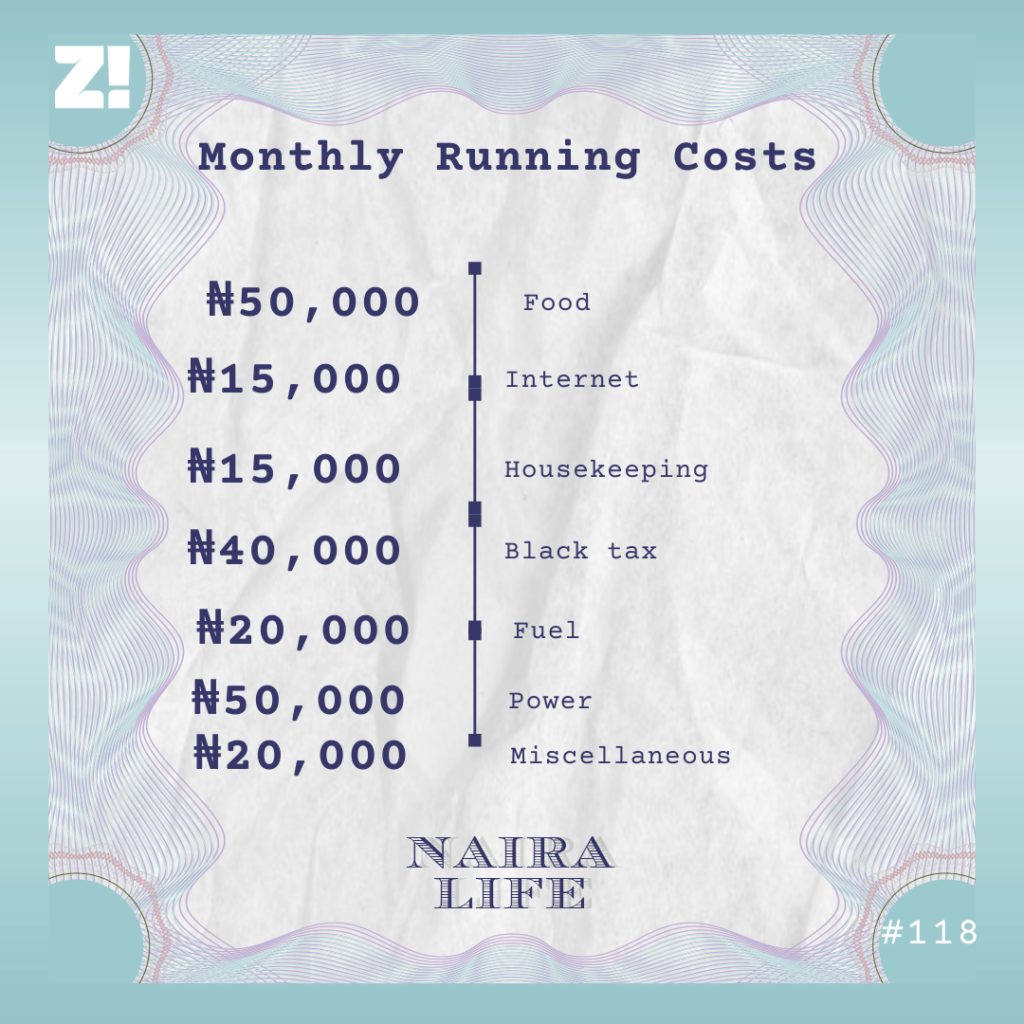
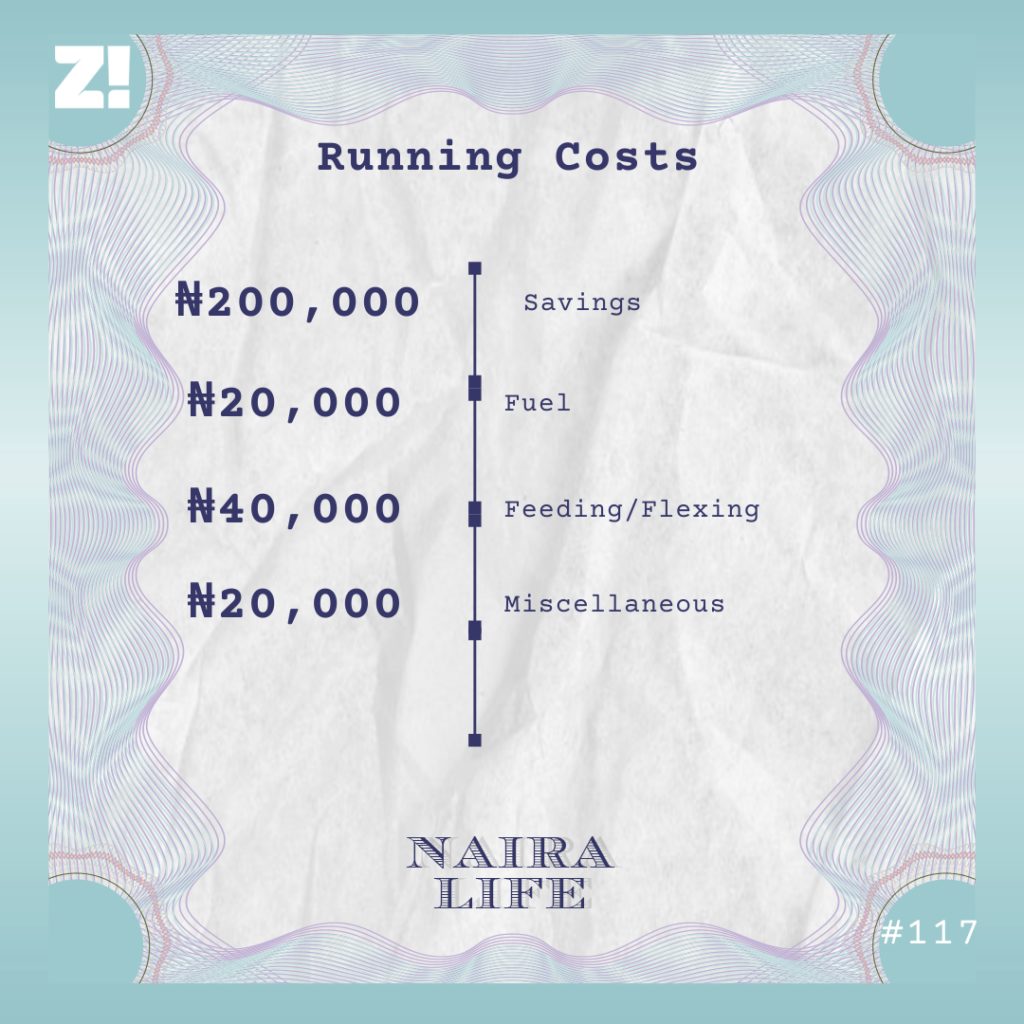
I don’t really spend the money I work for. I get gifts here and there, but my running costs per month should look like this.
Interesting. But how much do you think you should be earning now?
At least ₦8m per annum. However, I’ll have to leave my current job to get that. Leaving the job isn’t my priority. Leaving Nigeria is.
Is there something you currently want but can’t afford?
I don’t know. I live within my means and I’m not big on things. Wait— I’d like to buy my first designer bag this year. The bag I want costs about $1200.
Cool. What was the last thing you paid for that improved the quality of your life?
My smart TV. It’s made me like my house more. I got a good deal for it too because it was on sale. It was only ₦70k.
What do you think you could be better at, financially?
I think I’ve saved up decent money, and I’m cool with that. There’s nothing I want that I can’t buy for myself. All I want to do this year is to double my income, and I’ll do it. I just have to take all my side businesses seriously.
I see. How have all of these experiences shaped your perspective about money?
I still live in panic mode all the time. It’s why I’m so big on having an emergency fund. Covid didn’t help matters. I was so scared I’d lose my job even though I was making money for them. I save most of the money I get, but I still don’t think I’m doing well for my age.
What would make you panic less about money?
The goal this year is to add at least ₦5m to what I currently have. That should do it.
How would you rate your financial happiness then, on a scale of 1-10?
7. I’ve made a lot of progress in the last two years and I’m thinking about my future and actually working towards it. But at the same time, I feel like I could do better and time is running out. If I hit my extra ₦5m target this year, I can move to 8.
More Nigerians are getting into retail investment these days, thanks to the rise of investment platforms. I imagine trying to make money is a lot of fun. But the struggles? Those ones are there too.
1. The first thing you worry about is the naira to dollar exchange rate
I’m actually poor. Should I be doing this?
2. When you buy security because of a tweet you saw and the value goes down the next morning
@Stockmarketinvestmenttips2396, it’s on sight ohhh.
3. When you buy the dip but it keeps on “dipping”
Rise abeg, don’t waste my money.
4. When you realise the commission your investment platform will get from trading your assets
You people should just start carrying guns.
5. When you set a stop loss and your investment platform rejects it
You wanna see crazy?
6. When you find out that you can’t sell a newly bought security until two days after you bought it
God pls!
7. When you don’t exit a position when your stock is doing well and it ends up dipping
Omo. looks like I played myself
8. You, when studying the technical and fundamental analysis of stock trading
Why all these English though?
We’re all in a relationship with the naira already. But let’s imagine these notes as living, breathing humans capable of falling in love and being romantic partners. How will that work out? Hmm, let’s see.
1. ₦1000
₦1000 is that partner that is convinced that they’re the hottest thing in the dating pool and you’re lucky to be with them. The relationship will always almost feel one-sided. Sure, they will do one or two things when they feel like it, but you won’t hear the end of it. Run out of that relationship before it consumes you, dear.
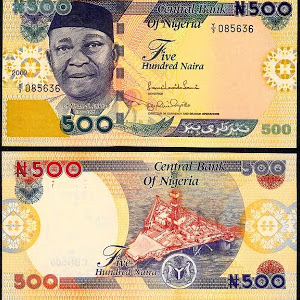
2. ₦500 note
The thing is that ₦500 will actually make a good partner. They will be level-headed and do what needs to be done. However, no matter how much they do or how much weight they carry, they will always do like they’re not doing enough. And that can be a problem.
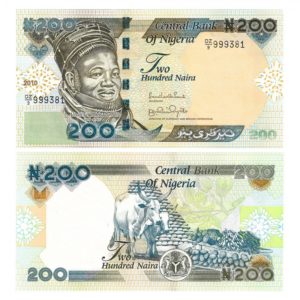
3. ₦200
Hmm, they are neither here nor there. On some days, they will be the best partner a person could hope for. On the other hand, they can also be a nightmare. But their heart is always in the right place.
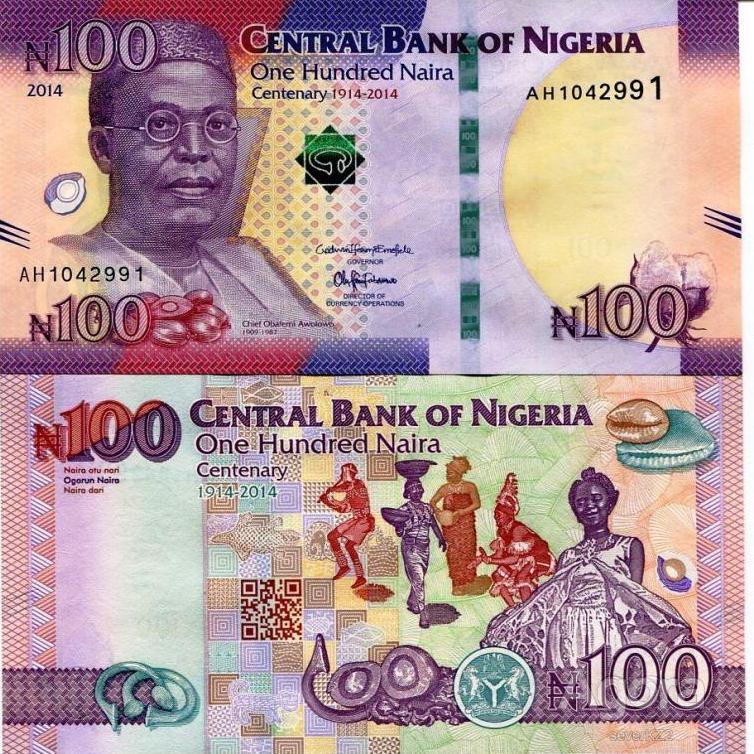
4. ₦100
I’ll say it. Nothing good can come out of a relationship if ₦100 is your partner. Where do I even start? They will probably want you to take care of them. No oh, send them back home to their parents if you know what’s good for you.
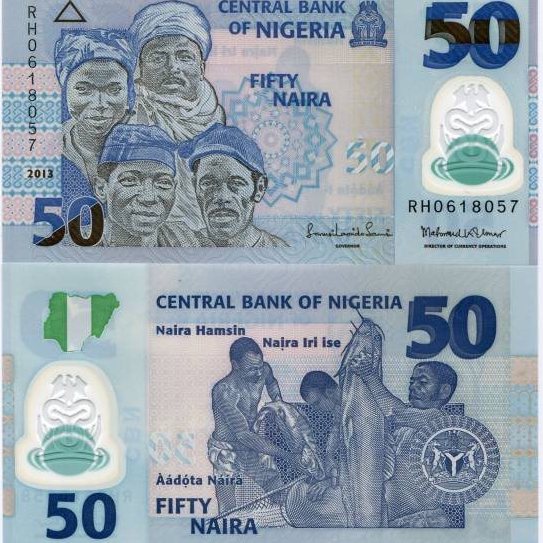
5. ₦50
₦50 is the partner that is only in it because they think it makes them look good. It’s all about aesthetics. They will promise to be with you forever, but the moment they feel like they’ve gotten everything out of the relationship, they’re out.
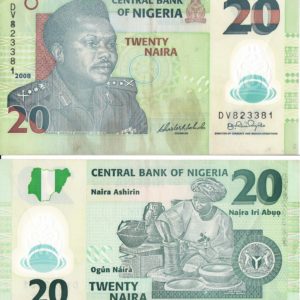
6. ₦20
On the outside, ₦20 would seem like a good partner. But omo, the way they will try to break you ehn. May God be with us.
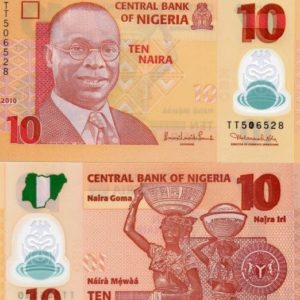
7. ₦10
They want the good things of life but are not ready to work for it. They are the kind of partner that will move into your house and spend your money without any sense of shame.
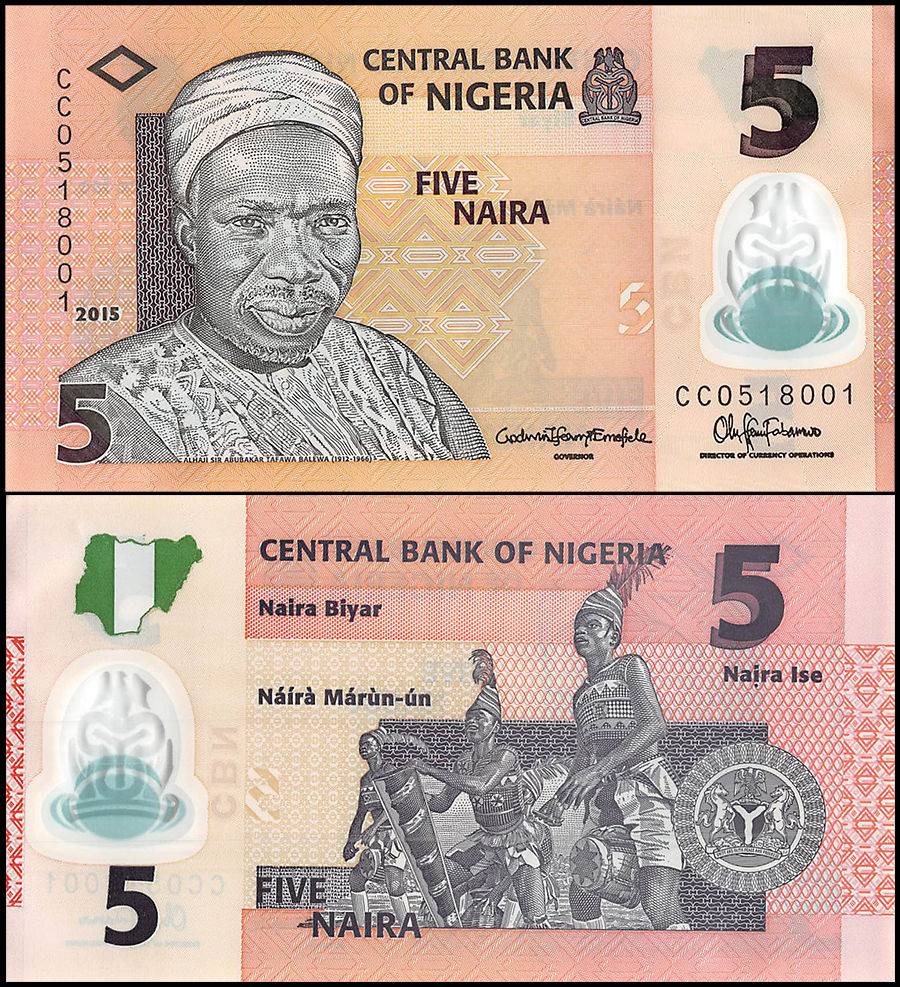
8. ₦5
Let’s not even waste time on this one.
Every week, Zikoko seeks to understand how people move the Naira in and out of their lives. Some stories will be struggle-ish, others will be bougie. All the time, it’ll be revealing.
The 29-year-old guy in this story placed his first bet over a decade ago as a university student. At first, it was for the thrill. It quickly became a coping mechanism. Then an addiction. He thought he was in control but his debt profile and troubled relationships proved something else: He was not.
What’s your earliest memory of gambling?
I lived with my grandmother for a while with some of my older cousins. They were much older and played dice and rubber games and bet against themselves. The first time I saw gambling on the screen, I was watching a movie with an uncle and a casino scene came on. He explained how Russian roulette and the other games worked, and how people made money from them. I found it fascinating. It felt like a sure way to make money. Besides, the people I saw looked like they were having fun.
When was the first time you acted on this?
Towards the end of my first year in secondary school. I started taking decks of cards to school and signing my classmates up to play and place bets. Although I was investing my money into buying cards, I never staked or made money from it. I was only trying to recreate what a casino looked like. I did this from 1999 to 2002. I got bored in JSS 3 and abandoned it. That side of me didn’t resurface until a few years later when I went into sports betting.
What happened?
In 2007, I travelled to the UK for my A-Levels. I was 17, but one of my closest friends who was two years older than me was into gambling. There was no football game he wouldn’t place a bet on. At first, I was only helping him research the best games and odds. When he won, he spent the money on us. I liked the distraction it created. The following year, I asked him to teach me how it worked.
I placed my first bet in November or December 2008. I selected the games and I staked £5. I didn’t win anything in the first month. I eventually won £30 after a couple of losses.
Hmm.
The following week, I staked another £10 and won £120. I remember this because I was coming to Nigeria for the Christmas holidays and my winnings went into buying gifts for my family.
Back to back wins.
Yes. I thought I had learned the trick. I spent about two weeks in Lagos before I returned to school. It was a struggle to continue gambling because school became overwhelming, and I couldn’t keep up with the whole process. Occasionally I’d find some loose change and put it in a game. If I won, I celebrated and if I lost, I kept it moving. It was money I could afford to lose.
What happened after that?
I finished my A Levels in August 2009 and came back to Nigeria. A few months later, I returned to the UK for uni. It took 8-9 months before I gambled again.
Why was that?
I found other distractions. Parties, girls, and my local football team. The Champions Leagues final in 2009 was my return to gambling. I was watching the match with a couple of friends when an advert from a betting company lit up the screen. It was something like “Bet £10. Predict the next goalscorer and win £1000.”
My friends and I immediately raised the money. I created a profile on the website, funded the account, and placed the bet.
Did you win?
Nope. Right after that, another sign flashed advertising new odds. We could 10X our stake this time if we predicted the number of corners left in the game. We put £50 in and lost that one too. My friends gave up. But me? I wanted to make the money I had lost.
I returned to gambling regularly. I was getting £600 from home every month and was placing bets up to £100. I adjusted my spendings to fund my gambling. But once I reached the £100 threshold, I was done for that month. I was partly playing for the thrill of it and in the hopes that I might recover all the money I’d lost over time. There were the occasional wins too. This continued until 2012 when I finished my degree.
I guess that was when I got addicted.
Why do you think so?
While waiting for my masters, I got really bad news from home. My mum had fallen sick and my family kept it a secret from me. It was a tradition for her to visit me at the beginning of every school year. When I picked her up from the airport, I knew something was wrong. She broke the news to me on the car ride to my apartment, and it hit me so hard.
Do you want to talk about it?
It was cancer, man.
I’m so sorry.
Thanks. My parents decided that she would be treated in the UK. My sister was also preparing to move to the UK for school. My dad insisted that I remain in school while my mum got an apartment in the UK. I was splitting my time between her apartment and my campus. It was a tough year, and I needed a distraction.
You went back to placing bets.
Yes. And it worked for a bit. When a match was on, I didn’t think about anything else but my stakes. I had started betting on other sports too, so it was a 24-hour process. Football in the afternoons, basketball, hockey and baseball at night.
My monthly income at the time was £750: £600 from my dad and £150 from my job. After spending money on groceries and travel tickets, which was about £250, the remaining £500 was for gambling…
Ah.
Luckily, my mum got better the following year but my dad had spent about £30k on her treatment. I don’t know how my dad did it but I respect him for how he worked his ass off and carried the family on his back.
I get what you mean. But now, you had no reason to gamble anymore?
No, but I didn’t stop. I couldn’t go a day without it. I finished my Masters in 2014 and returned to Nigeria. After a couple of weeks, I realised that I wasn’t ready for Nigeria yet. I moved to the US in January 2014 because a work opportunity opened up. As soon as I settled in, I researched betting companies and found out that online betting was restricted in the city I was in. For about two months, I stayed off. In March, I found a VPN to bypass the location restriction and went back to it.
Nothing changed?
The only thing that changed was that I was earning about $3500 every month. My major expenses were rent and groceries, and these ran into $2000 in a month. I was saving $1000 every month too. I returned to staking small sums of money — $5 here, $10 there, but they stacked up to $200 in a month.
I spent a little over a year in the US before I finally returned to Nigeria in October 2015. I thought I was coming back to a job. The uncles who promised me jobs in Chevron or Shell didn’t come through.
I’ve seen this movie before.
Hehe. I had about $10k in savings, so that was good. I started my NYSC that year but I was alternating between Nigeria and the US because of my girlfriend. When I finished NYSC, I took another break from gambling and travelled across Europe and America. However, I was spending a lot of money on plane tickets.
During one of those visits to the US, I met an uncle — we weren’t related but I called him uncle. He had a clearing and forwarding business and needed someone on the ground in Nigeria to help clear his goods at the port. I thought I could do it, so I agreed to it. The plan was I would pay the agents at the port and once the goods were cleared, I would get my money with an additional cut. The arrangement worked fine the first three times. But everything went sideways the fourth time.
How?
He needed about ₦40m to clear his containers. I promised to find at least half of the money. I told a few friends what I was up to and vouched for the guy. I raised ₦20m, added ₦3m from my savings and gave it to him. Uncle disappeared after that.
Ah!
The goods landed in Nigeria a couple of weeks later, and I went to the port to clear them. But there was no arrangement to move them out of the port. That meant I had to pay more money every day for storage.
That wasn’t my biggest problem — the people I promised their money back started disturbing me. So I needed cash, and fast. In the middle of this, I would open the newspaper and see an advert from a betting company: someone posing with a cheque of ₦20m, which they won from placing a bet with ₦200. I was like, maybe I should start gambling again since I was technically in debt and needed to raise money.
Omo.
I reached out to an uncle, and he sent me about ₦700k. All the time, I was thinking about the multiplier effect of sports betting. If someone could win ₦10m with ₦100, then it should be easier for me to turn ₦700k to ₦70m. I just needed to have one good week and I’d make enough money to clear all the debt at once.
How did that go?
Terribly. I placed a bet with ₦200k at first, hoping it would return ₦4m. It didn’t. Then I went all in and staked the remaining ₦500k on basketball games. I lost all of it in a night. I was back to square one again.
This is scary.
I was very desperate. I started borrowing more money from other people and giving them conditions that were impossible to meet. I raised another ₦3m in the following week, cleared ₦1m from the debt and gambled the rest of it away. I was winning insignificant amounts too, but ultimately, I was always back to 0. It became a cycle and it lasted for months.
Omo.
We had incurred an additional ₦3m on the port bill and my debt profile had risen to ₦35m in only a few months. I was tired of the whole thing and decided to bring my grandmother into it. She was the one I trusted to talk to my parents on my behalf. Unfortunately, she died before I could tell her about the whole situation.
I’m sorry.
This is how I lived during that period: if I made a new friend, I would ultimately ask them to loan me money and use it to place bets in the hopes that I’d get the money back and return it to them. I wasn’t gambling casually anymore — I actually needed it to make me money. But it just wasn’t working.
Did you ever talk to anyone that you might be dealing with an addiction?
I actually told a couple of people but they brushed it off. I remember someone telling me “Don’t worry. Your eyes will clear.” I locked up after that and decided that it was my mess to clean.
How long did this last?
About 5 months. Within that time, I gambled away ₦15m. That’s an average of ₦3m every month.
Wild! How much was your debt profile at this point?
It had risen to ₦45m. It became harder to borrow money from people because I had used up all my goodwill. I pretty much went into the dark and avoided all my friends. Some of my close friends finally managed to contact my mum and informed her that I might be in trouble. My mum invited them into our home, and I was forced to tell them about everything.
How did your parents take it?
They were very upset. If my dad had a gun, he would have shot me. But they also wanted to put an end to it as soon as possible. My dad asked me how much I owed and I stupidly lied and told him it was ₦35m instead of ₦45m.
A few days later, he asked for a list of people I owed money and cleared everything. Till today, he claims that he paid the ₦35m from a portion of my inheritance.
But fresh start, yeah?
Yes. I started actively job seeking and got a job in financial services in January 2018. My starting salary was ₦180k. But remember I was still owing about ₦10m. I was committed to clearing that myself. I would take ₦50k out and put the rest in my savings to raise the money.
However, in April 2018, I ran into an old acquaintance. I visited him at his house one day and he talked about how he rented and furnished the place from his winnings from gambling. Like that, I started thinking about it again. I was like maybe I lost all that money because I was placing the bets myself. I told him I had ₦500k I wasn’t using and looking to turn it into ₦1m before the end of the month. He agreed to select the games for me.
Wiun!
I won ₦200k on my first attempt. I should have taken it slowly but the following week, I put the whole ₦700k into it. And I lost it. The moment that happened, I knew I was done.
That’s what finally did it for you?
Man, I had made significant progress between January and March and couldn’t just fall into the trap all over again. Besides, the tension between my parents and me was at a peak. My friends had removed me from our group chats, and it was incredibly awkward whenever we ran into one another. Also, I’d started staining my girlfriend’s white because we rolled in the same circle and the gist had reached her. She broke things up that same year.
That’s a lot.
Yeah. So, when I lost the ₦700k, I just knew I had to cut my losses and move on totally.
Whew. What’s happened since then?
I kept my job and got a couple of raises. I was earning ₦250k in 2019, so it was very easy to save. By the end of the year, I completely cleared my debt. I should add that some of the people I owed pardoned some portion of the debt.
Yay.
I had nothing in my savings though.
2020?
I returned to gambling.
Sir?
The lockdown was the trigger this time. After the second week of lockdown, I got bored and started staking money on virtual games. Nothing more than ₦1k though. What I do now is that at the beginning of every month, I send ₦5k into a separate account. If I lose the ₦5k before the end of the month, that’s it.
I had a stroke of luck last year and had about ₦300k in winnings between June and September. I took ₦200k out and sent it into my fixed deposit account. That’s how I approach it now.
The plan is to keep it in control?
Yeah, I’ve realised that I might not be able to stop completely, but I can control the way I gamble. I mean, I started as a casual gambler, then it became a coping mechanism before it blew into an addiction. I think I’ve returned to doing it casually and not expecting anything from it. I’m in a better place now. But imagine my parents weren’t there to clear the bulk of my debt?
I don’t know, man. What aspect of your life does gambling make you feel guilty about?
The stress I put on my family. My relationship with my parents and my sister has been strained since that time, and we are only just beginning to return to the old days. I can’t randomly ask my sister for money without her asking for intricate details. If an unknown number calls my mum repeatedly these days, she thinks it’s because I’ve gambled someone’s money away or I’m in some money trouble. They don’t completely trust me anymore, and it’s my fault.
That’s deep.
That’s why I need to move out of the house as soon as possible. This was supposed to happen last year but I had to buy a car.
Why?
I had an accident and my last car was totalled off. I’m actually not sure how I survived. About ₦5m — most of my savings — went into buying a new car because of work.
Sorry, man. Speaking of work, how’s that going these days?
I’m still at the same job and my salary has increased to ₦380k. I don’t have any major expenses at the moment, so I’m saving as much as I can.
What does your running costs look like every month then?
I’ve built my savings back to about ₦1m between the time I bought my car and now.
That’s great. What do you wish you could be better at financially?
Unlocking new ways to make more money, especially in forex. That would get me to my goal faster. I’ve registered for digital marketing and coding classes. We’ll see how it goes.
What has your experience with gambling done to your perspective of money?
I hate how much importance we attach to money. I think people give money way too much respect. It was how I couldn’t cut my losses and let go before things got out of control.
Uhm. What about your happiness levels?
I’m currently at a 5. I’m not dissatisfied but I’m also not extremely happy. But I will take it. I’ve been at my lowest and I know how that feels. At some point, I couldn’t afford data without borrowing money from someone. On the other hand, some people earn considerably less than I do but have a better quality of life. They cut their coat according to their size, which is something I should have done earlier.
I’m curious, what do you think your life would currently look like if you hadn’t been addicted to gambling?
I would still be with my ex, and we would probably have started talking about marriage. We broke up because of the whole mess I got myself into. If I had also put all the money I blew away into streams of investments, I’d probably have a strong portfolio now.
Ah, right. Did you ever get in touch with that “uncle” again?
Oh yes, I got in contact with his sister. He ran into a wire fraud situation in the US. He’s currently in prison. I think he’s getting out next year.
Taraweeh is the special sets of prayers Muslims are expected to perform after the last daily prayer. Ramadan is a big deal for Muslims all around the world, and these prayers are a big part of it. But let me tell you something, they can also a struggle sometimes.
1. When you haven’t had a proper meal but it’s time for Taraweeh
At first, you wonder if you should eat that heavy dinner first. But the thing is Shaytan has been locked up, so it’s really your fault if you miss your prayers.
2. Your face when the Imam starts reciting a long surah
Alaye, let’s respect ourselves now. Some of us have not eaten.
3.You, struggling to concentrate when the Imam recites a Surah you don’t know
And your parents tried their best to make you learn the Qur’an oh. Look at your life now.
4. When you’re praying alone and you forget the Rakat you’re on
But I’m on the fourth Rakat now. No, it’s the eight. Wait, how many times have I done the taslim?
You’ve been holding in that fart since the fourth Rakat. Now, you have only one Rakat to go and you got too comfortable. As you breathe in deeply and breathe out, the fart escapes. Omo, now you have to start all over again.
6. When you leave the mosque and can’t find your shoes
If you think nobody sins during Ramadan, go to a very crowded mosque and wear a pair of your best shoes. What you might find out will surprise you.
7. How you feel after completing Taraweeh
Alhamdulillah. You: 20 – 0 Shaytan
8. When you miss the whole prayer and promise to pray it before the next morning
You: 2 hours later
9. Your mood, on the last day of Ramadan
I’ve paid my dues.
Isa Pantami has been on the news lately. This article is a roundup of everything we currently know about this event.
How it started.
On April 11, 2021, Isa Pantami became a subject of public interest when a couple of publications reported that he was on the US terror watch list. A video circulating on social media showed the minister in an exchange with Mohammed Yusuf, the man who founded Boko Haram. The video implied that Pantami had a rather amicable relationship with the terrorists.
I'm not speaking for Pantami, he can speak for himself. He was never a confidant of the late Mohammed Yusuf, founder of #BokoHaram. As a matter of fact, Pantami put the #BokoHaram doctrine to task more than any other Muslim cleric in northern Nigeria. https://t.co/Q8QfnYd9H6
As it turned out, Pantami was indeed criticising the extremist views of the terror group on western education.
The twist
Various sources debunked reports that Isa Pantami was on a terror watch list, claiming he has no direct ties to the Boko Haram terrorists. One of the publications that had earlier reported the news published a retraction and deleted the story from their website and social media accounts.
The minister while responding to these claims denied a connection with the terrorists and threatened to press charges.
1) @NewsWireNGR your RETRACTION through your independent investigation,has been noted. However, investigative journalism requires the investigation before publishing, not after. Further, major publishers will meet my lawyers in the court on this defamation of character. https://t.co/08W3dP4tlf
— Prof. Isa Ali Ibrahim, CON (@ProfIsaPantami) April 12, 2021
But that wasn’t the end of it. The events of the day led to a surge of interest in the minister and more information about his past started coming to light.
After the new development and the reemergence of the damning videos, the minister came out to renounce his views. According to him, he was a young cleric when he made those statements and had “changed his position” on them.
Isa Pantami did not regret deriving joy from the killing of unbelievers.
He did not regret wishing the Taliban & Al-Qaeda victory.
He was in his 30s when he delivered sermons, not 13 or 21.
“The minister did not renounce,” our religious affairs analyst Imam Nojeem Bakare said. pic.twitter.com/0St1lIRUUF
Nigerians have been wondering how someone with such a problematic past became the head of one of the most sensitive ministries in the country. How did he scale through the supposedly iron-clad background check by Nigerian Intelligence, a prerequisite to his appointment?
How did Mallam Pantami become a minister of the FEDERAL republic then?
How did Pantami move through background check to become a Minister? 😳😳😳
Pantami responded to the questioner by saying that yes, these scholars have some truth, for Bin Laden is liable to make mistakes, but “I still consider him as a better Muslim than myself.” https://t.co/AcfmXVfryo
It should be noted that up until the time of writing this, the Federal Government hasn’t made their position known on the issue. Isa Pantami is still the Minister of Communication and Digital Economy.
Things became even more interesting when new troubling documents implicating the minister in more dodgy events surfaced on April 21, 2021. The document contained minutes of a meeting chaired by Isa Pantami in 2010.
— Great Oracle Extraordinary & Plenipotentiary (@AbdulMahmud01) April 21, 2021
The participants of the meeting decried the rise and spread of Christianity in the North and talked about strategies to stop this growth. A section of the document was dedicated to ridding Kaduna state of non-muslims and plotting the “elimination” of the Governor of the state at the time, Patrick Yakowa.
Governor Yakowa was killed in a helicopter crash two years later. There is so far no evidence linking this meeting to the fatal accident.
Nigerians are still asking one question — why is Isa Pantami still a minister of the Federal Republic of Nigeria? There is no answer yet, but we hope there will be one soon.
But hold on a second, why is Pantami still a minister at this point? I really need answers
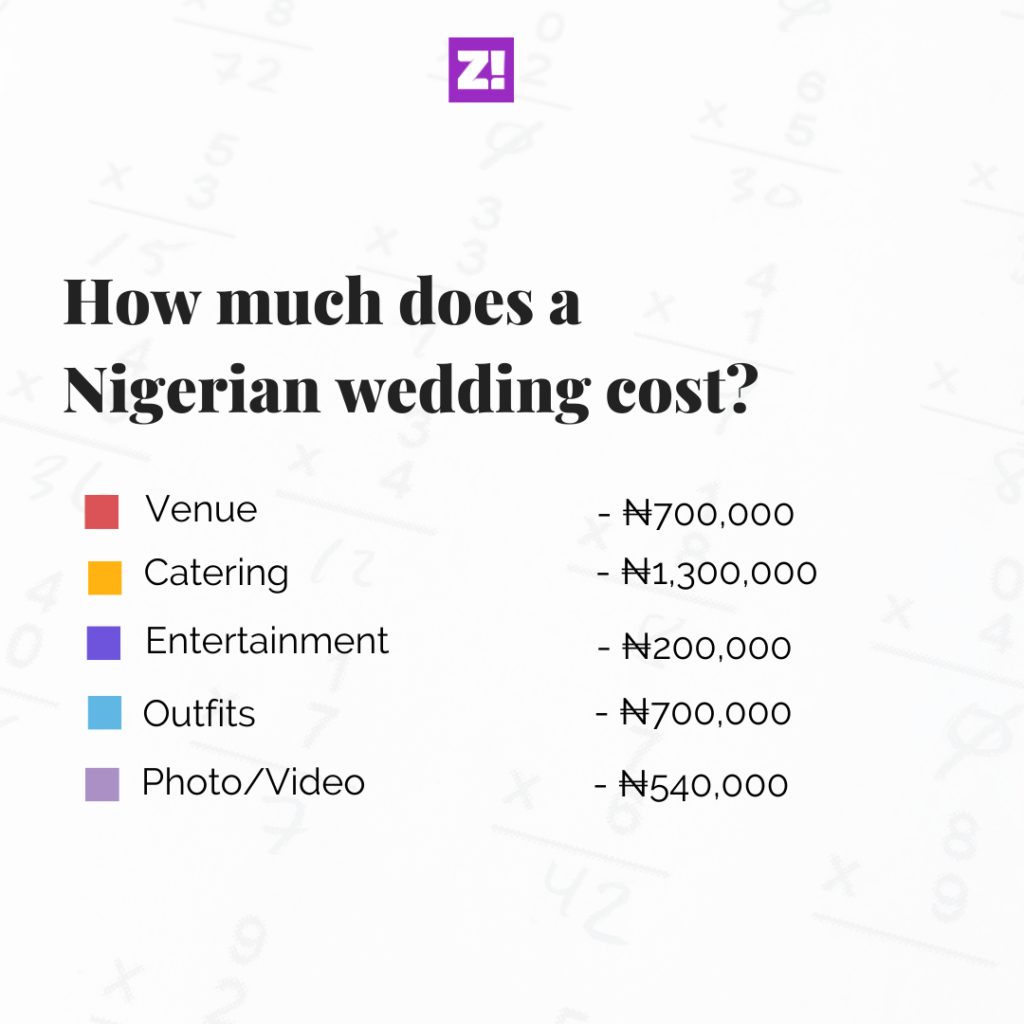
Weddings are definitely a big deal in Nigeria. It’s not unusual to see couples and their families go all out on throwing the best wedding party they could afford. So I thought it would be great to speak to a couple of Nigerians and have a conversation about how much they spent on their weddings. This article is an attempt to break down their wedding budget with a focus on the major expenses.
1. Alfred, 30
Budget: ₦7.7m
Venue: ₦700k. The going rate was ₦1, but my dad knows the owner of the venue so we got a discount.
Catering: ₦1.3M. We had 300 guests during the reception and 150 guests for the after-party. I don’t think this number is accurate because my sisters hired their own caterer and my dad did the same too.
Entertainment: My wife’s uncle hired a band for us. I have family ties to the DJ, so he gave us a big discount and we paid ₦100k. For the Afterparty, the Hypeman charged ₦100k — another big discount because I know him. His normal rate was ₦250k.
Outfits: About ₦700k. There were lots of attires.
Photography/Video: ₦540k. Again, we called in favours here and got discounts.
2. Mark, 34
Budget: About₦2m
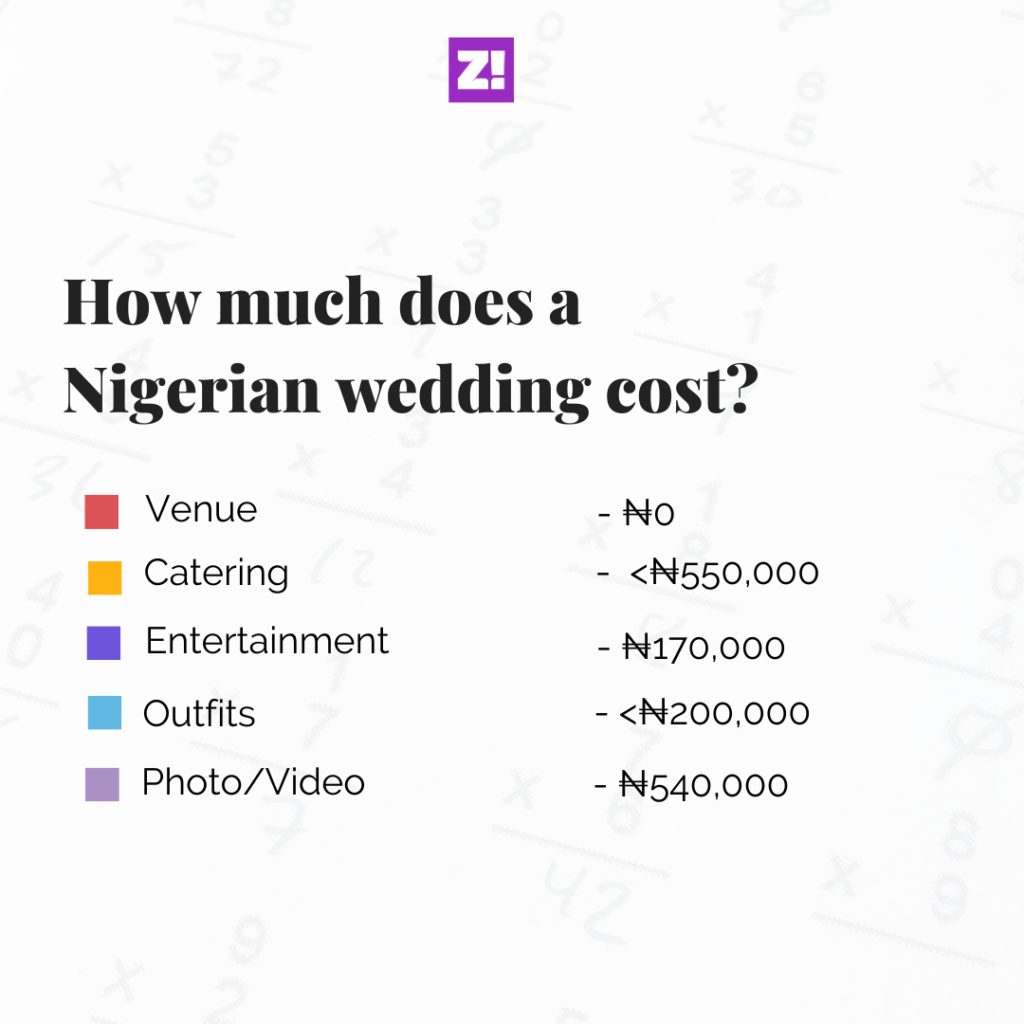
Venue: My mother-in-law used to work at the venue, so we got it for free. We would have paid about ₦300k for it.
Outfits: We didn’t spend up to ₦200k here. My wife’s wedding dress was rented, and it cost about ₦80k. Her wedding shoes was ₦12k. My wedding suit was ₦35k and I bought a shirt for ₦30k. My shoes and pair of socks cost ₦15k and ₦7k respectively.
Catering: ₦550k.We hired a catering company to take care of 300 guests. The plan covered three main dishes.
Entertainment: ₦170k. We got a DJ and an MC for the reception. The DJ was paid ₦120k and the MC charged ₦50k — we gave a lot of quality for that price though.
Photography/Video: Photography took ₦250k and the video cost ₦290k. We got discounts for both though.
3. Bimbo, 28
Budget: ₦1.9m
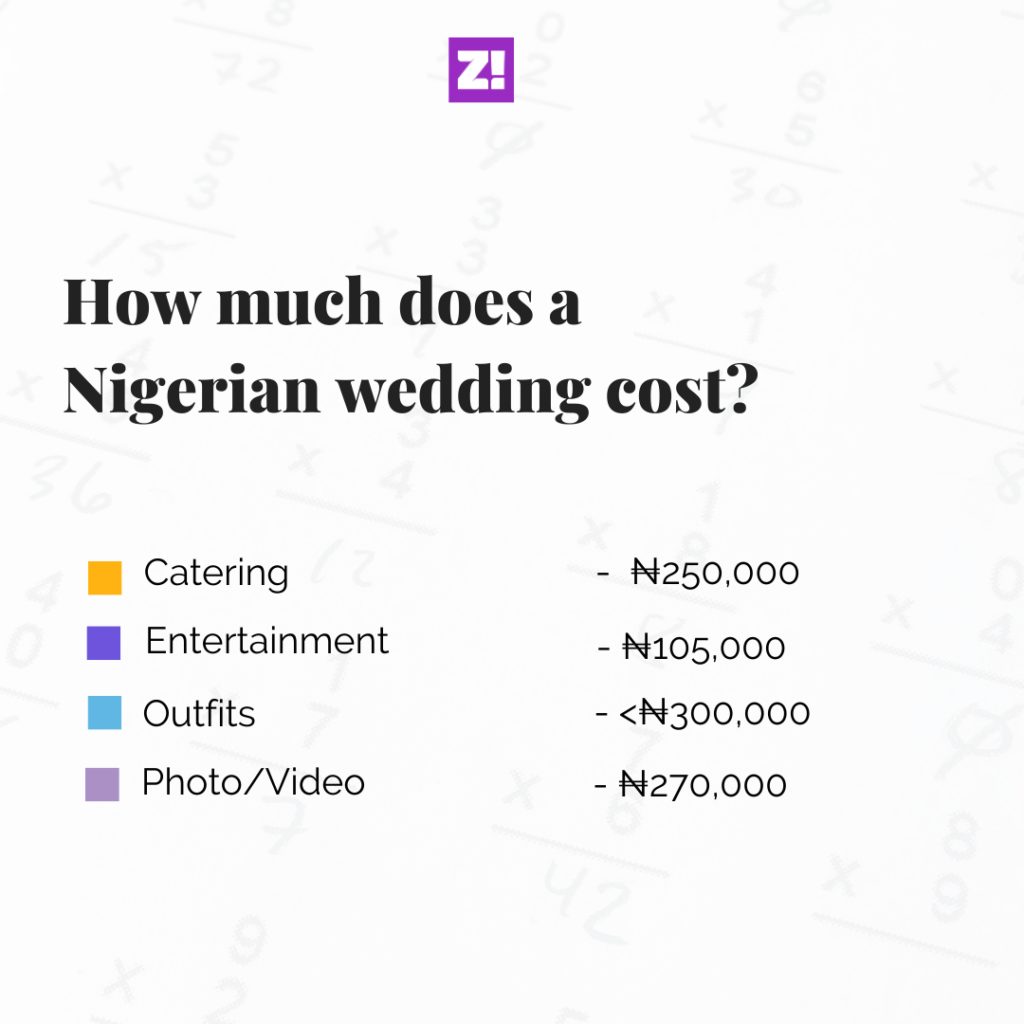
Catering: ₦500k. We hired a caterer and planned for 120 guests.
Entertainment: ₦105K. We got a DJ, a live band and an MC.
Outfits: About ₦300k. My wedding dress alone cost ₦50k. I don’t remember how much we spent on other outfits, but everything ran into ₦300k.
Photography: ₦270k. The photographer charged us ₦200k. We paid ₦70k for the video,
4. Jude, 29
Budget: ₦2m
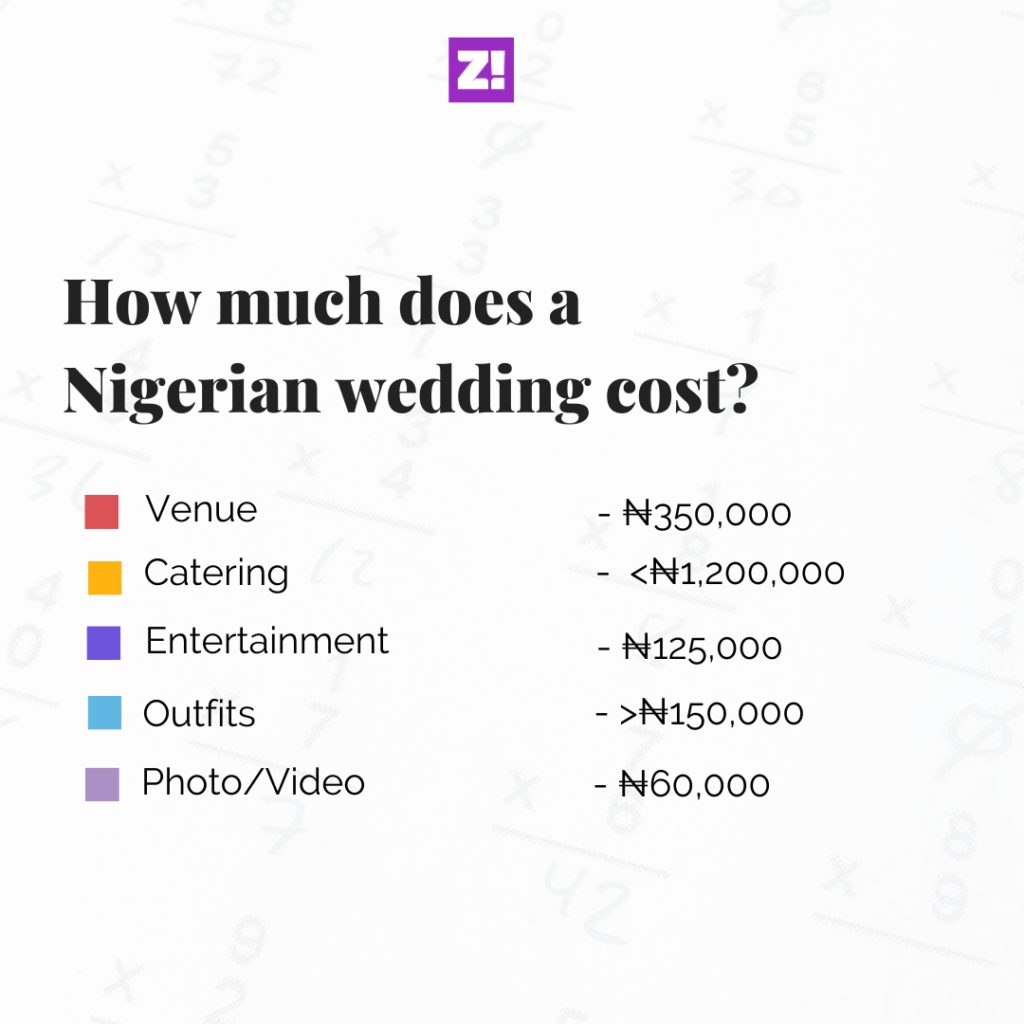
Venue: We used a 1000 capacity hall, and we got it for ₦350k
Catering: We spent ₦1.2m.to cater for 900 guests. The options included about five main dishes. There was a separate budget for small chops and finger food.
Entertainment: The live band we hired got ₦100k, and we paid the MC ₦25K.
Outfits: My wife’s wedding gown cost ₦65k. I bought my suit for ₦35k and a shirt for ₦5k. I also got two pairs of shoes and each one cost ₦15k. My outfit for the traditional wedding was ₦30k. I’m not sure how much my wife spent on her other outfits and accessories.
Photography/video: We paid almost nothing for both because our friends did them and they wanted to contribute to the wedding. We only paid about ₦60k for their running costs.
Every week, Zikoko seeks to understand how people move the Naira in and out of their lives. Some stories will be struggle-ish, others will be bougie. All the time, it’ll be revealing.
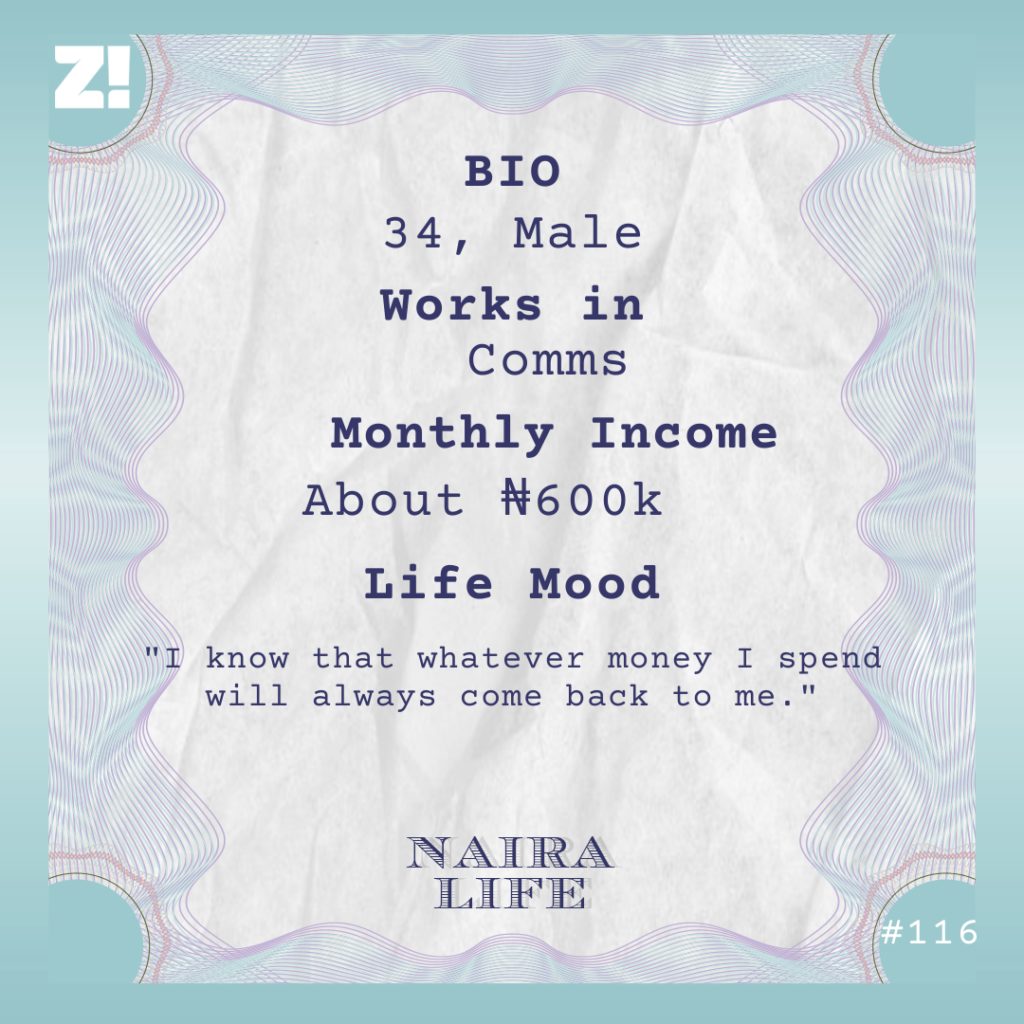
A couple of things to know about the guy in this week’s story: He’s 34. Spent 13 years in university. Has done a couple of stuff but currently works in comms. He’s found a way to balance a full-time job with three side gigs. This is his #NairaLife.
Do you remember your oldest memory of money?
My mum worked in the civil service but she always dabbled in one thing or the other. When I was 12, she did a bit of GNLD and built a community where we lived. I was involved in the business and got a few orders for her. The first and most memorable moment was when I pitched some supplements to a classmate who had a bad case of acne. She told her mum about it, and her mum signed off on the purchase. It was about ₦10k, and I made ₦2k from it. It wasn’t about the money, but the thrill of making it.
Nice. What happened after that?
By 2002-2003, the GNLD thing had gotten saturated and there were competitors springing up everywhere, so we moved on. I finished secondary school in 2002, took a gap year and got admitted into university in 2004. I should lead with this: I spent 13 years in university.
Wait, what?
My university was a special breed. We took at least two months break between semesters, and there were also long school closures and strikes. Also, I wasn’t passionate about the course I was studying, so I struggled with it. I eventually switched departments in my fourth year and started all over again.
That sounds intense.
It was. By the time I switched courses in 2011, it’d become easier because I was doing a couple of things on the side and making money. I was pretty much a non-academic student.
Haha. Let’s talk about that.
I partnered up with a friend and we started consulting for people who wanted to start their businesses. Our services mostly revolved around strategy and marketing. The only problem was that our potential clients either had a limited understanding of how branding works or didn’t have the budget. It took a while but we eventually landed a client who wanted to start a school and we did a feasibility study for her. We got ₦25k from that job. Other jobs came too, but they were far and in between so the business wasn’t the core money earner for me.
Oh. So how were you earning?
It started in 2010 when I was in a government-funded TV show where I was paid ₦300k. I remember I bought a laptop and a Blackberry phone with the money. The following year, I deferred a semester from school as part of the process for changing departments. I opened a blog and started writing about government policies in the North since I was born and was living there. At the end of the year, a blog reached out and asked me to be a contributor. The deal was that I’d write four articles a month and get ₦10k. I was like “Great! Now I have BIS money.” This gig ran for 3-4 months. As it was ending, I got another contract with a different blog and it paid me the same amount.
Interesting.
Writing gave me a lot of visibility, and it helped build my clout. A lot of people weren’t writing about the kind of topics I was interested in. The clout brought better opportunities. Once in a while, I would get invitations to be a resource person on a project or get invited to a conference and get per diem allowances — this was anything between ₦60k-₦300k. This continued until 2014.
In the months leading to the 2015 elections, I got a lot more writing contracts, especially from foreign publications, and of course, the pay was much better. I was averaging at least ₦50k per article.
Baller.
It didn’t feel like I was making a lot of money, although it did increase my standard of living in school. I’d also become totally independent and wasn’t living on an allowance from my parents. Life was sort of soft.
Of course. 2015?
I worked at an NGO for my I.T for ₦100k monthly. I had two side hustles at the time too — a writing gig that paid ₦20k monthly and a social media job that paid ₦30k monthly. Now, my income was steady and I knew how much to expect at the end of each month.
What was that like?
This is very embarrassing for me to say. I lived with a family friend during my IT, so I wasn’t spending money on accommodation or feeding. But there was a lot of lau-lau spending on hangouts and women. I saved some money too, but what I saved was not a reflection of what I earned.
IT ended in 2016 and I returned to school. I eventually graduated from uni in 2017 and moved out of town to a city in the North-Central.
Man, 13 years though. What was your post-uni plan?
The initial plan was to pick up the consulting business with my partner from where we left off and focus on it, but it didn’t work out as quickly as I hoped — the jobs weren’t coming in. My parents also gave me two choices: find a job or move back home. I found a job.
Lmao. When was this?
May 2017. It was at the Nigerian division of a non-profit focused on renewable energy. I was hired on a six-month contract to handle comms which kept getting extended, and my salary was ₦400k per month. But there was a challenge.
What was it?
Salary never came on time, and nobody explained why this happened. We could go three months without a salary and it made it very hard to make plans. My boss in the Nigerian office also had her own NGO, and she started giving it more attention. In December 2018, she brought most of us in on her project. That meant a contract revision and a pay cut.
How much?
₦200k
Oop.
Well, we were being paid on time. A while after I started the new job, I got a side job with another NGO, and they offered me ₦150k per month. That brought my monthly earnings to ₦350k
Lit.
I was with my boss until the end of 2019. There were lots of departures that year, so I took on a lot more roles and my workload increased. My health suffered for it in the third quarter. I was physically and mentally exhausted. I’d wanted to quit earlier, but I was involved with a family project with my brothers and needed to keep earning.
Anyway, a media company reached out to me towards the end of the year and gave me an out. But I knew the arrangement wasn’t going to last because of their model. They were very particular about recruiting people who had large social media followings, even if they couldn’t write. We agreed to a ₦30k per article deal. It lasted for about three months, but I made at least ₦380k every month from them alone.
…
It ended in January 2020, and I had also quit my job. I took the whole month off from work. Money was already running out in February, so I found a job at another non-profit. My salary this time was ₦250k. Everything went sideways the following month.
Covid?
Yeah. There was no money coming in and everything came to a standstill, including our salaries. I was meh from April to June. My income dropped massively. Fortunately, I had a small gig with a media company that was paying ₦20k, and it became what I relied on to get me through each month. My brothers also stepped in from time to time to help because I was the hardest hit.
Damn. What was navigating that period like?
It made me realise the difference between needs and wants. It also made me cut down on my spendings. I wouldn’t have thought that I could live on ₦5k per week.
Things started opening up in July and I got hired to work on three projects back to back. An energy consulting company I’d reached out to months earlier finally got back to me and wanted to see if I was available to work on a part-time project. I signed on to it. Also, I reached out to a UK risk analysis firm and was brought on one of their projects. Not long after, the last NGO I worked with came back to engage me on something else. I worked long hours in August and September. At the end of it, I think I got about ₦800k from all of these projects.
Wild! Can we break it down?
Energy consulting: ₦570k
2. The UK risk analysis firm: ₦140k
3. NGO: ₦100K
Must have been a huge relief.
It was like a swing from one extreme to the other. I started deliberately reaching out to more folks for job opportunities and attending job interviews. In January 2021, I got another full-time job at a non-profit I applied to in August last year. I’m currently leading their communications team and getting paid ₦320k per month. The good thing is that I’m still working with the energy consulting company and the UK risk analyst firm. Also, there’s another writing contract with a media company. At the moment, I have a full-time job and three side gigs.
How much do you make from all of them?
About ₦600k. My full-time job pays ₦320k. The UK risk analysis firm and energy consulting company pay me ₦160k and ₦100k respectively. I also work with a media company, and it brings in ₦20k per month.
How do you balance all of this?
Time management. I decide on the numbers of hours I need to spend on each job per day and stick to it. However, I don’t work on all of them every day. Besides, there are deadlines and that helps too.
Ah, I see. How much do you think you should be earning now?
My earnings are fair. I can live comfortably without even touching my core salary. However, I’m still trying to find my footing with my new earnings because of how life has changed.
What do you mean?
My biggest worry at first was balancing my side gigs with my full-time job, but I’ve been doing that well. I got married in January, and now, there is a kid on the way. Kids aren’t cheap, so there will be a lot more expenses. Also, I moved into a new apartment recently and well, my account took a hit.
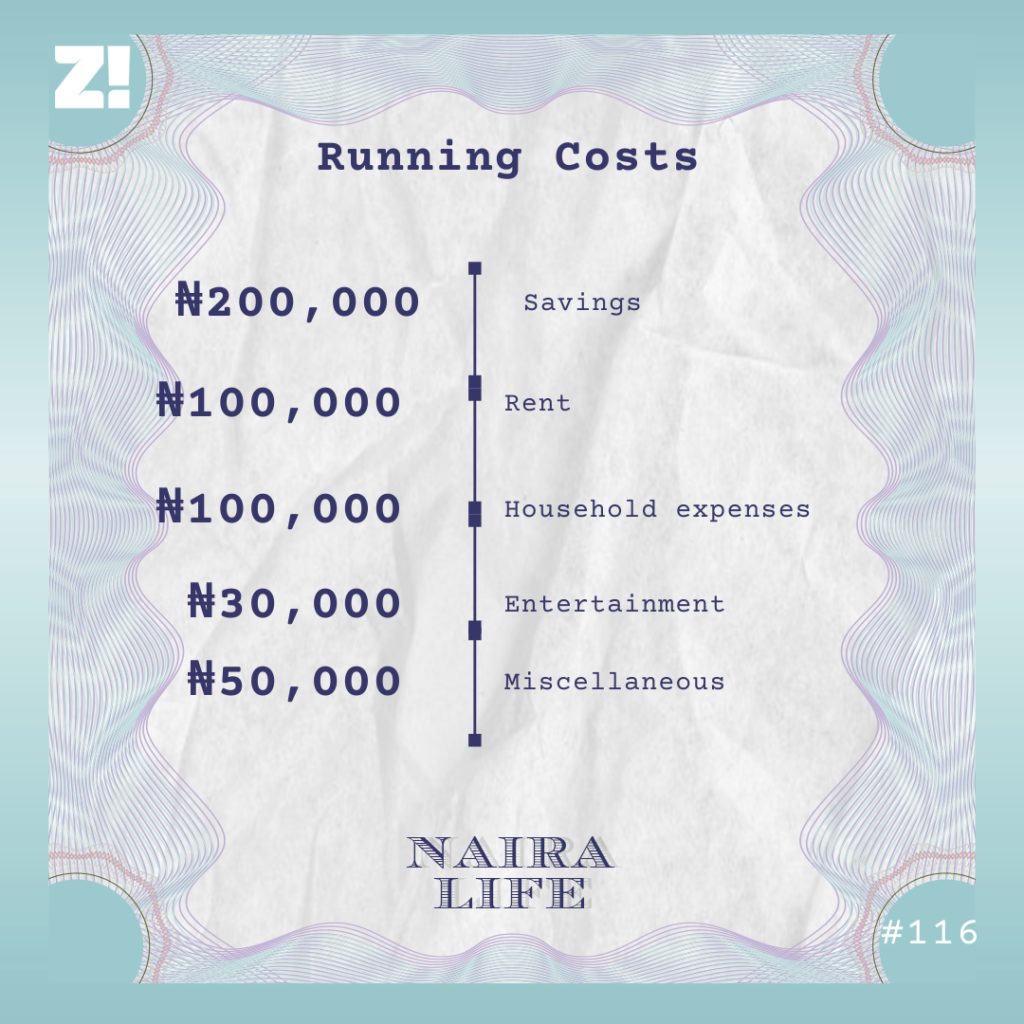
I’m curious about what your running costs look like each month now.
This is more of a projection because everything is currently changing so fast. I expect these numbers to change in the coming months.
Let’s talk a bit about your savings
I have about 200k in my savings account now. I’m just coming out of a wedding and have just moved into a new apartment, so that’s a factor. However, this doesn’t include all the money I have outside — I always have money outside from jobs that haven’t paid.
Do you have investments?
I talk with friends and I follow conversations about investments on social media. There’s also a lot of reading and research on my own part. I started a portfolio with Risevest last year but I couldn’t consistently fund it because of the pandemic. My investment portfolio is about 100k at the moment. The plan is to be more consistent this year.
What do you think you need to unlock your next level of income?
Working on more side gigs. I want to get to a point where the money I make from these projects is at least twice my monthly income. That should do it.
How have all of your experiences shaped your perspective about money?
I’ve realised that people will always pay for value, so I know that whatever money I spend will always come back. At the same time, savings and long term investment plans are important. I’m afraid that the quality of my life will drop if my salary stops coming through — I’ve seen it happen to a lot of folks. That may be why I’m so committed to having multiple streams of income.
Fair enough. What’s something you want but can’t afford?
I’d like to furnish my new apartment to taste, but that will run into 500k-600k. I can close my eyes and do it, but it will affect a couple of things.
Interesting. What’s something you got recently that improved the quality of your life?
My car. It was a gift from my parents. I thought I was doing fine without one, but my life has been immensely better since I got it.
Nice. On a scale of 1-10, how would you rate your financial happiness?
I’ll give it a 7. I’m not there yet but I’m in a place where I can conveniently take care of my basic needs and some of my wants. The way I see it, it can only get better from here.
During a random conversation with a friend, Sierra*, a few weeks ago, she mentioned that her mum passed several years ago and that she has never met her dad. I couldn’t stop thinking about the story the whole evening. On the following day, I hit her up to ask if she would be open to talking about it in more detail and if it was okay for me to write about it. She agreed to it and we set up a call.
My mum died on an afternoon in December 1998 inside a maternity ward. She had just birthed my baby brother, and I imagine her handing him to my grandmother and asking her to take care of her babies as she drew her last breath. When she had me three years earlier, it had been a difficult experience. She was in labour for three days, and for the most part, the doctor didn’t think both of us would make it. But we did. After it was over, they had some news for her: she had no business trying to have another child. Well, she tried to have my brother.
After she was gone, a decision was made about what the family would do with us and who would take us in. My older brother, who my mum had in her previous marriage and was about 15 years older than me, went back to his dad’s family. My grandmother took my baby brother. My mum’s older sister took responsibility for me and brought me to her home. I called her and her husband mum and dad for my entire childhood.
However, the disadvantage of tossing all the kids around and separating us was that we never really bonded. We’ve made significant progress in recent years, but the cracks are still there.
Anyway, my foster parents changed my last name to theirs, and I answered that for years. We talked about a lot of things but only so much came up about my mum. Nothing about my father.
In 2009, the man who raised me passed away after a long illness. I remember coming home from school for the holidays sometime in the previous year, and he was sicker than I’d ever seen him. He had lost most of his mobility. By the time he eventually died, mum had spent most of their money on hospital bills.
My older brother came to his funeral, and we had time to talk. He pulled out a passport photograph from his wallet and asked if I knew the woman in it. When I said no, he revealed what I could have guessed. The woman was my mum. I wanted to know more, especially about who my father might be but he promised to tell me more the next time we saw.
Things became more difficult at home after my foster dad’s death. Mum couldn’t afford my school fees anymore but she managed to keep me in school and the boarding house I was in. But there was a day things were so tough and I called my brother to send me ₦500 airtime. Unbeknownst to me, he took it as a cry for help. Not long after, he showed up at my school, lied that mum asked him to pick me up and instructed me to pack my stuff. I was confused but I followed him, no questions asked. I lived with him for a year or thereabout. And he was the only one who’s talked to me openly about my dad.
One day, he gave me a slip — it was my birth certificate and it had both my parents’ name on it. That was my first interaction with my father. I knew his name now, and I decided to take his first name as my last name.
Apparently, my mum met him after her first marriage. She had just moved to Ibadan with my older brother to start a new life. She put herself in school and met my dad during that period. But there was a problem: he was Igbo and my mum was Yoruba. It was a taboo relationship, but they didn’t let it stop them. They married in secret and kept it that way for years. Only my maternal grandmother knew about the marriage, I doubt that any of my dad’s family came around for the wedding. The rest of the family didn’t know who my dad was until my mum passed away.
However, taking his name didn’t feel as nice as I thought it would be. I couldn’t shake away the fact that he abandoned his kids after his wife died, and I wondered what kind of man it made him. I thought he didn’t want us. I was mad, and it was torture. I had a father who couldn’t be bothered about finding me. For many years, I struggled with this. I wanted to be accepted by any man — for someone to look at me and say “You’re enough.”
***
I reconnected with my mum’s sister the following year, but I didn’t ask her about my father. I didn’t want her to think I was ungrateful. The best way was to piece everything together myself. I got the missing parts of the story from various people as a teenager, and then as an adult. These parts never and still don’t make much sense to me.
I once struck up a conversation with an older relation who is now late, and he told me that my dad didn’t exactly abandon us. He tried to reach out to us after my mum’s death but because he had no job and was broke, he wasn’t allowed to see or take us with him. He stayed away because they told him to. I understand that my mum’s family did what they thought was best for us, but sometimes, I can’t help but think that they had no right to send him away.
But it’s been years now, and he hasn’t tried to make contact. But I like to think that he has tried and probably still is trying. Sadly, my younger brother thinks he broke our family — that if our mum hadn’t died while having him, we would know our father. I blamed myself too. I felt like she would have been in better shape to have my brother if there weren’t any complications when she had me. But I also know that it’s neither of our faults. Childbirth comes with its own complications. It was out of our control.
I started dealing with my abandonment issues and a whole lot of other psychological issues that everything has caused me a few years ago, and while I’m still learning, I’ve made a lot of progress. I’ve accepted that I might never know or meet my dad. The only thing that links to him is a piece of paper with his name. And you know what? That’s all right for now. I harbour hope that maybe, he will come for us before I’m 30.