• Nigeria’s history is full of stories that deserve their place on the big screen. From the dramatic and heartbreaking to the disturbing and sometimes completely unbelievable, our past reads like a script that’s begging to be adapted for the purpose of entertainment and/or education.

    An example is Hijack 93, a movie that chronicles one of Nigeria’s most infamous events. Whether you think it nailed or missed the mark, the interest in it showed that there’s a hunger for such stories to be told.

    It’s that same hunger that has driven me to write this list of eight events in Nigeria’s history that are begging for movie adaptations.

    The Arrest of Hushpuppi (2020)

    Ramon Abbas, AKA Hushpuppi, went from flaunting luxury cars and private jets on Instagram to foolishly drawing attention to him and being arrested in Dubai on June 10, 2020, for a global cyber fraud scheme that ran into millions of dollars. His story is a modern-day thriller that showcases the allure of social media fame, international crime networks, and an eventual high-profile takedown. In November 2022, Hushpuppi was sentenced to over 11 years in a federal prison in the U.S, and scheduled for release in August 2029.

    This narrative of its adaptation would work best with suspense, commentary, and drama about the life of cybercrime in Nigeria. It’ll make for intriguing storytelling if made from the POV of the government agents trying to take Hushpuppi down.

    The Assassination of Dele Giwa (1986)

    Dele Giwa, the editor-in-chief and co-founder of Newswatch Magazine, was killed on October 19, 1986, by a letter bomb at his home in Lagos. His death shocked Nigeria and remains one of the country’s most notorious unsolved murders. His death came two days after he was interviewed by the State Security Service (SSS) over a cover story that threatened to expose the government of General Ibrahim Babangida (IBB).

    Giwa’s assassination ties politics, (investigative) journalism and courage, making it a compelling thriller. This could be a social-realist movie that follows the tension of press freedom, government surveillance and the risks faced by truth-tellers in the volatile military era.


    Subscribe to Zikoko Pop newsletter, The Feed, for the most important pop culture news


    The Death of Abacha (1998)

    On June 8, 1998, Nigeria awoke to the shocking news that General Sani Abacha, the country’s military ruler known for his iron-fisted regime, had died suddenly of a heart attack. As a dictator who wasn’t loved, Abacha had enemies who wanted him dead and tried everything they could.

    The sudden collapse of a dictatorship led to a shift from fear to cautious optimism. This adaptation would be a history and thrilling drama, that’d make it a ripe story for cinematic experience.

    The #EndSARS Lekki Tollgate Shooting (2020)

    On the night of October 20, 2020, thousands of peaceful protesters, mostly youth, gathered at the Lekki Toll Gate in Lagos. Their reason is calling for an end to police brutality and demanding accountability from the now-disbanded Special Anti‑Robbery Squad (SARS). What began as a hopeful protest turned tragic when soldiers opened fire, in one of the most shocking incidents in recent Nigerian history.

    According to investigations, tens of unarmed protesters were killed, with many more wounded, even as CCTV cameras were allegedly disabled, lights cut and ambulances denied access. The Lekki shooting tragic event remains a dark moment in Nigerian history and it deserves a movie for its demand for justice and collective struggle that caught global attention.


    READ NEXT: 7 Nigerian Books that Need Movie Adaptations ASAP


    The Kalakuta Raid (1977)

    Fela Anikulapo-Kuti was a regular when it came to police and military brutality. However, a spectacular incident occurred on February 18, 1977. Fela Kuti’s Kalakuta Republic, a communal compound and recording studio, was raided by soldiers on orders from the military government. Fela was beaten, his mother Funmilayo Ransome-Kuti was thrown from a window, and the compound was destroyed.

    This violent suppression of Fela’s artistic expression, activism and resistance sums up the struggle against oppression in Nigeria. Although there are already stage dramas, documentaries, and books about the Afrobeat legend, an up-close movie adaptation of this incident will properly showcase Fela’s lifestyle, music, philosophy, defiance, resilience, community, and politics. A political thriller, biography, and cultural spectacle about Fela will be a great time at the cinema or on streaming services.

    The MKO Abiola’s June 12 Election (1993)

    The June 12, 1993, presidential election is widely believed to have been won by Chief Moshood Kashimawo Olawale (MKO) Abiola. It’s also considered to have been annulled by the military regime of General Ibrahim Babangida (IBB). The annulment sparked protests, political unrest and a decades-long struggle for democracy in Nigeria.

    This is one of Nigeria’s most critical moments in its democratic history. A well-done cinematic adaptation could capture the military governance, political intrigue, tension, betrayal and stakes of a nation on the brink.


    Get More Zikoko Goodness in Your Mail

    Subscribe to our newsletters and never miss any of the action


    The Super Eagles AFCON Win (1994)

    The year was 1994 when Nigeria’s Super Eagles made history by winning the Africa Cup of Nations in Tunisia, beating Zambia 2 – 1 in the final. It came after years of political and social unrest, and marked a moment for national jubilation, pride and unity. The team was led by the star players Rashidi Yekini, Sunday Oliseh and Emmanuel Amuneke.

    That same year, the Super Eagles made its debut at the FIFA World Cup in the U.S.A., beating European teams like Greece and Bulgaria. 1994 is widely remembered and revered as the golden era of Nigerian football. This adaptation is needed not just because of the sports drama and ambitions, but also because it’s a tale of national pride, teamwork under pressure, victory against odds and a closer look at the Super Eagles.

    The Umaru Dikko Affair (1984)

    In 1984, Nigeria became embroiled in a bizarre international scandal. Former minister Umaru Dikko was drugged, packed into a crate and nearly flown from London to Nigeria in a kidnapping attempt orchestrated by the Nigerian military government. The plot was foiled by British customs and made headlines worldwide.

    This Umaru Dikko affair has everything a spy-thriller movie needs, from political tension to international espionage and dramatic moments that also feel cinematically impossible. This is a real-life plot of power and the lengths people will go to silence their opponents.


    ALSO READ: 10 Nollywood Period Dramas Ranked by How Much They Make You Want To Time Travel


    [ad][/ad]

  • As Nigerians navigate the highs and lows of 2025, from the hustle and bustle to quiet, personal moments, one thing remains constant: music is a powerful tool.

    I reached out to ten Nigerians to compile a list of songs that’s more than just a list of hits. They’re candid and personal music that are carrying them through their year, giving them melodies, joy and resilience needed to face another day.

    “It was my prayer point during the crossover night and in fact for 2025.” — Favour

    The first 2025-realised song that I first heard this year is Lawrence Oyor’s “Favour”, back in January. The title was my prayer point during the crossover night and in fact for this year. I just want God’s favour in everything I do and the song fits perfectly. Also, my name is Favour — and so far, my name has been a reflection of my life. My grades are good, my family too. If there’s something that’s ever felt perfectly made for me, it’s this song.

    “It clearly expresses many of my feelings to my partner.” — Tunde

    I have been in love for the most of this year and FOLA’s “you” clearly expresses many of my feelings to my partner. It’s groovy and Afrobeats; just how my babe loves her music. It’s delivered in languages my babe and I understand; very easy to sing to each other.


    Subscribe to Zikoko Pop newsletter, The Feed, for the most important pop culture news


    “On a deeper level, it’s about how I lost my spark and praying that I will soon find myself.” — Wale

    Easy. It’s Tim Lyre’s “Find You.” The entire Spiral album has an introspective theme that makes it emotive, but “Find You” stood out to me because I had different interpretations of the song.

    On the surface, I associated it with an ex I was deeply entangled with in the past and still imagine a future with—just because of how perfect we were together and how she brought a brighter aura to light up my life. So maybe, if it’s meant to be, I’ll find her. But on a deeper level, I interact with the song as if it’s a letter to myself, about how I lost my spark and praying that I will soon find myself. It’s a really beautiful song that’s helped me so much this year. Shout out to Tim Lyre for real.

    “It helped me survive a hellish commute in the first quarter of this year.” — Thomas

    It’s “Egaju” by Tim Godfrey and Emekasongsz. It’s a beautiful Christian song, which is funny because I’m not religious. Like many Christian songs, it doesn’t have a lot of lyrics (most of it is a call and response of the same two lines), but somehow ends up being seven minutes long.

    It’s catchy as hell and helped me survive a hellish commute in the first quarter of this year. Tim Godfrey (the main artist) gets bodied by the person he features (Emekasongsz) and I find that so fucking funny.


    READ NEXT: The AI Album Breaking Charts and Nigeria’s Copyright Laws


    “There was a particular midnight I had it on repeat and I got a little teary eyed.” — Wisdom

    For me, it’s “Memories” by Lojay and Tyla. It’s a heartbreak song sort of and there was a particular midnight I had it on repeat and I got a little teary eyed at some point. I didn’t exactly cry but it made me feel something and reminded me of some past experiences with heartbreak.

    “It’s my motto and where I find my optimism right now.” — Folaranmi

    When Seyi Vibez first released “Pressure”, I loved it, though not almost as quickly as I loved his previous releases. But a couple months later, around the time I was experiencing a drought: volunteering and looking for freelance gigs but nothing — a line in the song hit me. It says, “Only a diamond can come from all this pressure.” I repeated that line like twice after I heard it and shook my head in agreement.

    It’s my motto and where I find my optimism right now. By the time better days come, you’d know that my struggles made me but they wouldn’t matter anymore.

    “It makes me feel that love in any form is still worth believing in.” — Mercy

    One song that means a lot to me this year is Burna Boy’s “LOVE” from his latest album. It makes me feel that love in any form is still worth believing in. I liked the song immediately when I heard it and every time I’m driving my car, it’s a must-play — once, at least.


    Get More Zikoko Goodness in Your Mail

    Subscribe to our newsletters and never miss any of the action


    “It’s been healing me and activating the spirit of worship in me.” — Chidinma

    I found a song titled “Ya Yesu” by CHEE and Kaestrings. Personally, I have been through a new phase in my faith. I have been looking for God’s mercy and this song is part of my journey. It’s been healing me and activating the spirit of worship and reverence for God in me. If I’d found it earlier, it’d be my most played song this year.

    “This song was my ‘I know God will not forget me.’” — Honour

    For me, it’s Sound Of Salem’s “Promise Keeper.” You know how they say after you cry, you will look for a solution? Well, this song was my “I know God will not forget me, my name is Honour and God will honour me.” When this song comes on, I’ll bop my head because I know the pain I’m facing is nothing compared to the joy that’s coming. So, I celebrate.

    “It’s the song I have played the most this year.” — Yomi

    I will go with Rema’s “Baby (Is It a Crime).” It’s one of the best produced songs this year. It’s beautifully written too. It’s the song I have played the most this year, whether I’m working,cleaning or want to sleep at night. I expected more of Rema’s 2025 releases to follow that song’s template and I was disappointed tbh. “Baby” is a  jam. In fact, it’s the best Afrobeats song of 2025.


    ALSO READ: Motherhood Changed Me, But It Didn’t Take Music Away From Me


    [ad][/ad]

  • In the ’90s and early 2000s, a generation of Nigerian actresses defined what the industry looked and felt like: its drama, glamour, emotional depth and unforgettable characters. These women shaped early Nollywood and influenced how audiences understood love, family, conflict and identity. They became the cultural icons who raised an entire generation of film lovers.

    This list highlights twelve Nigerian actresses whose talent, charisma and screen power helped lay the foundation for what Nollywood is today.

    Bukky Ajayi

    Bukky Ajayi was one of Nollywood’s earliest pillars and a theatre-trained actress whose experience grounded early films with authenticity. Long before Nollywood became mainstream, she was already a household name through classic television shows like Village Headmaster and Checkmate. She often played the quiet and wise matriarch whose presence shaped the moral arc of stories. 

    Clarion Chukwura

    Clarion Chukwura’s acting style set a high bar for female actresses at a time when Nollywood was still experimenting with tone and form. From the home videos in the 1990s, she has stood out for her ability to dominate the screen with roles that demand range. She shaped the template for strong female leads. Whether playing a baddie, the defiant mom, the wronged woman, or the outspoken matriarch, she elevated any movie she was in.


    Subscribe to Zikoko Pop newsletter, The Feed, for the most important pop culture news


    Genevieve Nnaji

    Not only has Genevieve Nnaji shaped Nollywood on-screen, but she also has seamlessly bridged local fame and global relevance. Her early roles in romantic and family dramas, as well as coming-of-age movies, showcased a refined acting that goes beyond the theatricality of many early Nollywood actors. Beyond acting, Genevieve’s crossover success as the producer and director of Lionheart, Netflix’s first Nigerian original movie, has solidified her as an industry trailblazer.

    Joke Silva

    With a background in stage and film training, Joke Silva’s acting carried a level of class that elevates any movie she touches. Her usual portrayal as the calm and graceful mother or aunt has made her one of Nollywood’s most respected figures.

    Joke Silva’s influence also goes beyond acting. She’s a mentor, educator and co-founder of Lufodo Academy (Film) with her husband, Olu Jacobs. If we’re talking about legacy and stewardship of the industry’s future, we’re never leaving Joke Silva out.

    Kate Henshaw

    In the early 2000s, Kate Henshaw brought a youthful dynamism to Nollywood. She became synonymous with strong-willed women, romantic leads with charming characters that lit up our screens. Over time, she has become one of the most durable actresses and has transitioned into a respected veteran. Kate Henshaw is proof that longevity is possible when talent meets adaptability.

    Liz Benson

    Liz Benson was, in many ways, Nollywood’s first true superstar actress. Her breakout roles in movies like Glamour Girls made her the industry’s symbol of sensuality and drama. Her range allowed her flexibility to shift between drama and romance, and made her one of the most recognisable faces of the VHS era. Even after stepping back from mainstream acting, Liz Benson’s influence remains.


    READ NEXT: Nigerian Reality TV Shows that Need to Make a Comeback


    Idowu Philips (AKA Iya Rainbow)

    Idowu Philips, popularly known as Iya Rainbow, is a foundational mother of Yoruba Nollywood, having shaped and acted in numerous movies. She often starred as a mother whose love was both tough and tender; possibly bringing her experience as a trained nurse  into her roles. She has helped shape the Yoruba movie industry through roles that balanced tradition, morality, family and humour.

    Iya Rainbow remains one of the most influential actresses of her era.

    Omotola Jalade-Ekeinde (AKA Omosexy)

    At her peak, Omotola was a larger-than-life actress who brought confidence and emotions to every role. She was a popular face and supernova who dominated screens as a magnetic leading actress, from family dramas to romance. She helped redefine the celebrity culture around Nollywood.

    Her star power extended beyond film into music, activism and global recognition, including being named one of TIME’s most influential people. She shaped Nollywood not just through acting, but by building one of its most iconic personal brands and competing on a global stage.

    Patience Ozokwor (AKA Mama G)

    Patience Ozokwor is a memorable face that brought an unforgettable ferocity to Nollywood. She mastered the role of the wicked mother-in-law, conniving aunt, or overbearing parent, becoming a cultural icon. Yet beneath the villainous roles is a comedic appeal and emotional depth.

    Her characters became a signal of the chaos and drama of Nigerian family life. Antagonists can be beloved, and Patience Ozokwor is an example of this. Her influence continues to echo across meme culture and dialogues.

    Regina Askia-Williams

    Regina Askia was the gorgeous IT-girl of the 1990s. She was a former beauty queen-turned-actress who represented Nollywood in the late 1990s and early 2000s. With her looks and self-assured presence, she quickly became one of Nollywood’s most recognisable stars, symbolising youthful, fashionable Nollywood in the early years.

    She often played the stylish career woman, the desirable love interest, or the romantic lead. Although her acting career was relatively short compared to her peers, her cultural impact was deep. 


    Get More Zikoko Goodness in Your Mail

    Subscribe to our newsletters and never miss any of the action


    Sola Sobowale

    Sola Sobowale has always been a force: loud and expressively unrestrained in the best way. In the Yoruba movie industry and early Nollywood, she has established a reputation for playing fearful, no-nonsense women. Her exaggerated yet deeply human performances contributed to Nollywood’s most chaotic moments.

    Her comeback in 2016’s The Wedding Party proved her timelessness and relevance, but her OG legacy began decades earlier. Sola Sobowale shaped Nollywood by embracing the full spectrum of female emotions, from joy to rage to heartbreak.

    Stephanie Linus

    Stephanie Linus emerged in the early 2000s in Nollywood, bringing a calmness that set her apart from the loud, melodramatic style of the era. She mostly acted as characters of women grappling with love, trauma, injustice or personal transformation. Her performances in films like Emotional Crack showcased her ability to dive into complex and emotionally demanding roles, helping shift Nollywood’s focus toward more socially conscious storytelling.

    She became one of the first Nollywood actresses to adopt a strong activist lens in filmmaking. Her award-winning film Dry addressed child marriage and gender-based violence, earning her international recognition and positioning her as a social storyteller.


    ALSO READ: I Watched All 25 Parts Of Tiktok’s The Danish Deception, So You Don’t Have To


    [ad][/ad]

  • Yesterday, the 23rd of November 2025, made it ten years since Olamide released  “Don’t Stop”, a dance-ready jam that compels a damsel not to quit dancing and have a good time. A decade later, Baddo (as he’s fondly called), hasn’t slowed down a bit. In the ten years since, he has released nine albums, become a music executive, signed global artists like Fireboy DML and Asake, and received Grammy nominations.

    Olamide hasn’t stopped performing either. On the anniversary of “Don’t Stop”, the Afrobeats legend sold out OVO Arena Wembley and filled it up with his fans, passionately singing his lyrics back to him.

    From his entrance and reunion with his former artists on stage to a tribute to an older Nigerian music legend, Olamide Baddo delivered an impressive two-hour performance to his audience in the UK.

    Olamide’s grand entrance

    In a bourgeois style, Olamide appeared on the OVO Arena Wembley stage: styled in a suit and pulled in a vintage car that looks like a 1958 Jaguar XK150. His entire entrance simply implied his “big-boy” arrival in London. And like that old saying goes: When in Rome, act like Romans. Olamide Baddo cosplayed the wealthy corporate-lad Londoner look, while delivering jams straight out of Lagos, Nigeria.

    The YBNL Mafia

    Badoo brought out his former YBNL artists, such as Lil Kesh, Pheelz, and Asake — whom he rocked the stage with, performing songs like “Shoki”, “Amapiano” and “99”. Fireboy DML, who’s still signed to Olamide’s YBNL record label, was present, but didn’t perform.

    Olamide and Asake

    His performance with Asake extinguished the rumours and flames of bad blood. This is their first reunion on stage since Asake left YBNL. It was a significant moment that showcased Olamide’s admirable leadership and cordiality with his signees, both past and present. 


    Subscribe to Zikoko Pop newsletter, The Feed, for the most important pop culture news


    Olamide brought more acts

    Olamide’s artists weren’t the only ones present at the event. He had a lineup of established and rising stars, including Lojay, Joeboy, Seyi Vibez, Darkoo, Soundz, Ashidapo, and Daecolm (who featured on Olamide’s “99”).

    Asake and Seyi Vibez

    Asake and Seyi Vibez’s warm interaction at Olamide’s Wembley show puts to rest the gossip that both artists aren’t friendly.

    This was one of their rare interactions, coming after two years of comparisons due to their Fuji and Islamic music influences, and street style. At some point, fans of both have accused one of imitating the other, often leading stan wars on social media platforms like X and Instagram.

    Hopefully a collaboration soon, good sirs?

    Olamide checked on fan

    Olamide stopped the music while performing to ask security to check on a fan who wasn’t looking well.

    He threw shots

    In the middle of performing “Lambebe”, the jam he made with music producer Major Bangz in 2014, Olamide took a breather, leaving the multitude to sing.

    The whole arena sang and echoed the lyrics to the song. It was an infectious head-swell moment that prompted Olamide to say, before he jumped to perform “Stupid Love”, that: “Won de wi pe baba iya won ni fans. Won ni sorire.” His statement is subliminal and a brag to anyone who thinks he has fallen off, to come and see him on a big stage, with thousands of fans in London, singing his old and new jams, word for word.


    READ NEXT: The 40 Greatest Olamide Songs of All Time, Ranked By Fans


    Special nod to Fuji music

    Olamide paid a heartwarming tribute to Fuji music by performing renditions of some Fuji hit songs. He did a rendition of Pasuma’s “Importer and Exporter” and Wasiu K1 Ayinde’s “Omo Naija.”

    He also performed Obesere’s “Osha Mo Condition Ti Mo Wa” from the Fuji legend’s Life In Europe album. These moments exemplify the impact and current resurgence of Fuji in contemporary Nigerian music.

    Olamide turned the concert into a Tungba gathering and even told the audience to take off their jackets and dance.


    Get More Zikoko Goodness in Your Mail

    Subscribe to our newsletters and never miss any of the action


    Olamide performed an unreleased

    Another special treat here as Olamide performed an unreleased love song, before he segued into “Rock”, another romance single in his discography.

    He performed OG hits too

    Olamide performed his old hot songs such as “Stupid Love”, “Motigbana”, “Melo Melo”, “The Money” featuring Davido, and “Wo” (the show’s closer).

    Reactions

    From fans to music critics and industry veterans like Joey Akan, Ayomide Tayo (AOT2) to ID Cabasa, the praise of Olamide is a current conversation.


    ALSO READ: Wizkid’s Son Makes Music that’s Nothing Like His Dad’s


    [ad][/ad]

  • Life-changing news comes in different ways, but few are as uniquely Nigerian as being told you’ve won a fortune from a soft drink company. It’s not just about the money; it’s about the sheer disbelief, the immediate reactions and the planning that follows.

    Imagine realising the Coke bottle cap in your hand is suddenly worth seven figures or more. Here are the 10 reactions you’ll have as a Nigerian when you realise you’ve just become a Coke millionaire.

    The Initial Shock

    You’re just trying to manage your life when a huge alert hits, and your brain does a factory reset. You’ll be standing still for five full minutes. Then you start wondering if your village people have finally retired.

    The Loudest Declaration

    This is the part where you start shouting: “Coca-cola gbemi debe!” You try to compose yourself and keep it low-key, but you can’t help it. You’ve arrived.

    Bouts of denial

    It still feels like a dream. You’ve checked your bank account statement to make sure the credit alert it’s real.

    Break the News to A Few

    Your contact list suddenly shrinks to immediate family and people who can connect you to a ‘New Money’ crowd.

    The Financial Planner Phase

    For the next few days, you’ll become a financial genius. Your brain will keep calculating ROIs of different business ideas.

    The Generous Flex

    You already see yourself in a better position to help others. You may Coke for the whole street. This is the moment your status in the compound goes from a normie to boss level.

    The Paternal/Maternal Instinct

    Calling your parents to retire and throw away their old car. You’ll get them new ones.

    Thanksgiving

    If you’re religious, you’re already planning your thanksgiving at your church or mosque. When good things happen, you give praise where it’s due.

    Closer to God

    Even though you’re convinced you had good luck and ran into that kind of money because village people are retired, you’re more prayerful than before. You don’t want to get back to poverty.

    Full-Blown Flex

    You’re already settling into that “Enjoy your life. You only live once” mindstate. Late for work? Just smile. Traffic jam? Just turn up the music. You are a Coke Millionaire and your happiness is non-negotiable.

  • Nollywood gave us a unique brand of fatherhood. For those who grew up in the 90s and 2000s, these on-screen dads became more than characters; they shaped how we imagined discipline, love, and family dynamics.

    Before social media made actors into personalities, these men were already familiar faces on TV screens. Some played the strict traditional patriarchs, others embodied gentle, emotionally aware dads, while a few gave us the chaotic or funny fathers who made family life feel relatable and fun.

    As we celebrate International Men’s Day, we spotlight ten Nollywood actors who portrayed fathers and were guiding an entire generation of viewers across Yoruba films, English-language Nollywood, and classic TV series.

    Abiodun Ayoyinka

    Abiodun Ayoyinka is legendary for his long-running role as Papa Ajasco, the goofy, exaggerated and hilariously flawed father in the iconic Papa Ajasco & Company series. His performance, as a dad who constantly finds himself in ridiculous situations despite trying to lead a normal family life, contributed to a golden era of Nigerian TV shows and comedy. portraying.

    His fatherhood is less about authority and more about comedic misadventure; the bald-headed, potbellied dad whose antics taught an entire generation that Nigerian fathers could be funny and clumsy. Some of his most memorable performances remain in Papa Ajasco & Company, Ajasco Reloaded and various stage and TV adaptations of the series.

    Akin Lewis

    Akin Lewis is one of Nollywood’s most versatile screen fathers, known for bringing charm, authority and humour to his paternal roles. He often portrays the sophisticated, eloquent dad who scolds you with one eyebrow but hugs you two minutes later, depending on the movie plot.

    His fatherly character is usually central to family dynamics. Akin Lewis represents the cool, modern Yoruba father figure who parents both strictly and softly.

    Some of Akin Lewis’s most notable father roles appear in Tinsel, Hotel Majestic, Madam Dearest (2005), and Your Excellency (2019).


    Subscribe to Zikoko Pop newsletter, The Feed, for the most important pop culture news


    Funsho Adeolu

    Funsho Adeolu is best known for playing the dependable, relatable Nigerian father in Family Ties — a role that transformed him into one of Nollywood’s most recognisable TV dads. His performance seamlessly blends firmness with compassion, portraying a father who works tirelessly to keep his household grounded amidst life’s adversity.

    In Family Ties, he embodies the everyday Lagos dad who’s responsible, emotionally available, and sometimes overwhelmed. But he’s always committed to doing right by his family.

    Although Family Ties remains his defining fatherhood role, his best acting extends into films like Heroes and Zeros (2012) and The Perfect Arrangement (2022).

    Jide Kosoko

    Jide Kosoko usually portrays the charismatic, outspoken, slightly dramatic Nigerian dad who’s loud when necessary, soft when it matters. His paternal characters usually blend humour, discipline and traditional authority.

    Jide Kosoko represents the expressive, proud, protective Yoruba father. His performances helped define fatherhood in Yoruba Nollywood, particularly for children who grew up in the 1990s and early 2000s. 

    Some of Jide Kosoko’s most memorable father roles can be found in Ti Oluwa Ni Ile 2 (1993) and The Royal Hibiscus Hotel (2017).


    READ NEXT: The 10 Best Nollywood Heist Movies on Netflix and Other Streamers


    Kunle Bamtefa

    Kunle Bamtefa became an iconic father figure through his unforgettable role as Chief Fuji in Fuji House of Commotion. As the lovable, chaotic patriarch of a polygamous household, he delivered one of Nigerian television’s most memorable portrayals of fatherhood.

    His character was the embodiment of the Nigerian dad navigating multiple wives, numerous children, endless drama and zero peace, all with a comedic brilliance that shaped early 2000s TV culture. Fuji House of Commotion remains his definitive father role, although he also had a popular acting career in productions like Saworoide (1999) and Checkmate (1991 to 1994).

    Norbert Young

    Norbert Young often plays the sensible, calm and sensible father who’s always ready to mediate household chaos with patience. He typically portrays the dad who listens more than he speaks.

    He represents the dad who believes in communication, understanding and fairness; a refreshing contrast to the authoritarian parenting style standard in older Nollywood eras.

    Some of Norbert Young’s prominent roles include Checkmate (1991-1994) and Edge of Paradise (2006).

    Olu Jacobs

    Olu Jacobs is one of the most respected veterans in Nollywood. He’s renowned for acting as a dignified, emotionally grounded dad. His characters typically strike a balance between authority and empathy. He’s the kind of dad who won’t yell first, but whose disappointment alone can reset an entire household.

    His parenting roles typically portray wisdom, calm leadership and a steady hand that guides younger characters from dangerous paths. On-screen, he embodies the older generation of Nigerian fathers that many will imagine as principled, dependable, patient and reasonable.

    Some of Olu Jacobs’ most memorable father roles appear in Adesuwa (2012), Potomanto (2013) and Victims (2017).


    Get More Zikoko Goodness in Your Mail

    Subscribe to our newsletters and never miss any of the action


    Pete Edochie

    Pete Edochie is a legendary actor known for often portraying patriarchal figures: authoritative, wise, and wealthy, with a wealth of African idioms and proverbs.

    His paternal role is sometimes central to the plot’s conflict, such as a father who disowns a child for going against his wishes or sets strict rules for his family. He represents a generation of Baby Boomers raised in a traditional environment. He has played a father figure so many times that he has earned the reputation as the “father of Nollywood.” He raised millennials and Gen Z by instilling fear and wisdom at the same time.

    Some of Pete Edochie’s most iconic roles are in movies such as Things Fall Apart (1987), Igodo (1999), Idemili (2014) and Lionheart (2018).

    Richard Mofe-Damijo

    RMD is the archetype of the stylish, emotionally intelligent modern Nigerian father. His fatherly characters often serve as the father who comforts, encourages ambitions and insists that family comes before everything.

    He represents the aspirational father figure who’s balanced, liberal and easygoing.

    RMD’s standout roles appear in The Wedding Party (2016), The Mr X Family Show (2018 – 2023) and The Black Book (2023).

    Tony Umez

    Tony Umez is Nollywood’s king of soft, emotional fatherhood. So tender, expressive, often tearful and deeply committed to his children’s well-being. His characters embody vulnerability in fatherhood, often putting love above pride or punishment.

    Tony Umez represents a generation of fathers who weren’t afraid to cry on-screen, hug their children, or fight the world to protect their family. He raised a generation of gentleness and sincerity, proving that fathers can be nurturing without losing their strength.

    Some of Tony Umez’s standout roles appear in Blood Sisters (2003), A Second Time (2004) and Sister’s Heart (2007).


    ALSO READ: Nigerian Reality TV Shows that Need to Make a Comeback


    [ad][/ad]

  • Most times, heist means masks, lasers and a vault hidden away somewhere that someone has to press their ear to and pick. But in Nollywood, the definition is far more exciting and chaotic. Here, heists can involve anything from tunnelling into a billionaire’s mansion, Shawshank Redemption-style, to kleptomaniac reverend sisters stealing a briefcase full of cash from a babalawo’s shrine. 

    We’ve compiled a list of the 10 best Nigerian movies that prove that heists  can be flexible, desperate, hilarious and often chaotic. These movies feature ingenious scams, the highest stakes, and unexpected double-crosses.

    10. Charlie and the Boys (2023)

    Running time: 1h 41m

    Director: Sele Got

    Genre: Drama

    Charlie (Kanayo O. Kanayo), a highly-rated conman who has been in prison for 13 months for a heist gone south, has just been released thanks to a gubernatorial pardon. He needs to win back his wife, pay for his daughter’s wedding, and, most importantly, plot revenge on the client who double-crossed him.

    He plans yet another heist to sort out his responsibilities, but has to go up against Officer Philomena (Tina Mba), his self-proclaimed nemesis, who has dedicated her entire career to catching him.

    Watch Charlie and the Boys on Showmax.

    9. Merry Men: The Real Yoruba Demons (2018)

    Running time: 1h 46m

    Director: Toca McBaror

    Genre: Comedy, Crime

    Forget Robin Hood; meet the Merry Men, a crew of four wealthy Abuja big boys who drive sports cars, wear stylish suits, and live comfortable lives. However, their modus operandi is correct, as it involves stealing from the rich and giving to the poor.

    Although the movie comes across as a showcase of flex and luxury, instead of guns and rounds of fire, the Merry Men carry out heists with just good looks and smooth tongues.

    Merry Men: The Real Yoruba Demons is streaming on Netflix, but unavailable in Nigeria.


    Subscribe to Zikoko Pop newsletter, The Feed, for the most important pop culture news


    8. Soft Work (2020)

    Running time: 1h 34m

    Director: Darasen Richards

    Genre: Action

    Dare Olusegun (Alexx Ekubo) is introduced as an attractive con artist who is supposedly every woman’s Prince Charming. He and a crew of unwilling swindlers are hired to execute a dangerous heist that targets Chief Ademuyiwa (Akin Lewis), a massively successful businessman whose entire empire is built on a secret business code.

    The entire operation is orchestrated by one of the Chief’s business rivals who wants the powerful code for himself. To smoothly carry out the heist, the crew must infiltrate the coronation ceremony being held for the Chief.

    Soft Work isn’t currently streaming anywhere.

    7. The Millions (2019)

    Running time: 1h 34m

    Director: Toka McBaror

    Genre: Comedy, Crime

    Bem Kator (Ramsey Nouah), a con artist who doesn’t like to lose, gets tipped off by Wole Baba (Ayo Makun) about a massive project: stealing $42 million buried in a Nigerian billionaire’s basement. Bem teams up with his old friend, Jerome (Blossom Chukwujekwu), a structural engineer, bullied into crime by his demanding wife, Adenike (Toyin Abraham).

    The plan is simple: tunnel into the basement and retrieve the cash. But they meet a roadblock after successfully extracting the cash.

    The Millions is streaming on Netflix, but is unavailable in Nigeria.

    6. A Tribe Called Judah (2024)

    Running time: 2h 14m

    Director: Funke Akindele

    Genre: Comedy, Drama

    After Jedidah Judah (Funke Akindele), a single mother of five, is diagnosed with chronic kidney disease, she’s required to find ₦18 million for treatment. The sons, ranging from the responsible elder brother (Emeka, Adamu) to his pickpocket and thug siblings, are forced to unite and find a means to save their mother.

    With no legal options left, the brothers decide on one desperate plan to carry out a heist. They decide to rob Emeka’s money-laundering ex-boss of his dollars. But problems arise when they arrive at the scene and they find out they’re not the only ones trying to steal the money.

    Watch A Tribe Called Judah on Prime Video.


    READ NEXT: The 10 Best Nollywood Movies to Watch on Netflix (November 2025)


    5. Oracle (1998)

    Running time: 1h 30s

    Director: Andy Amenechi

    Genre: Crime, Drama

    A desperate group of three: Uche (Ejike Asiegbu), Obinna (Saint Obi), and Donatus (Charles Okafor), decide the path to quick wealth is stealing the sacred mask of the revered deity Ogbakiri. They enlist the help of Uncle Ifedi (Enebeli Elebuwa) and Chief Odimkpa (Pete Edochie) to pull off the supernatural heist.

    After the mask is stolen, the trail of cash slowly turns into a trail of something far disturbing.

    Watch Oracle on YouTube.

    4. Ojukokoro: Greed (2016)

    Running time: 1h 50m

    Director: Dare Olaitam

    Genre: Crime

    Almost the entire movie is set at a petrol station called Lubcon. Andrew (Charles Etubiebe), the manager, is desperately trying to raise ₦10 million to avoid an impending financial crisis (we don’t know why, but we know he needs the cash). The station’s accountant and two attendants, Sunday (Tope Tedela) and Monday (Seun Ajayi) are also plotting their own scams to make money.

    Chaos breaks out when Mad Dog Max (Wale Ojo), a notorious kidnapper who has just double-crossed a politician named Jubril (Ali Nuhu), shows up at the fuel station looking for more money. Suddenly, the petrol station becomes a battleground where everyone, from the manager to the fuel attendants to the kidnapper, is simultaneously trying to rob, outsmart or kill everyone else for the loot.

    Ojukokoro: Greed is streaming on Netflix, but is currently unavailable in Nigeria.


    Get More Zikoko Goodness in Your Mail

    Subscribe to our newsletters and never miss any of the action

    3. Broad Day Light (2001)

    Running time: 1h 21m

    Director: Teco Benson

    Genre: Crime, Drama

    This Nollywood classic is from the era of VHS tapes, when we used to pay to rent home videos on tape. A highly organised crew of armed robbers execute a bold daylight robbery at an international bank, believing their plan has secured them bags.

    What the robbers fail to realise is that their success has instantly reached a committed police inspector who has sworn to hunt them down and deliver them to justice. The clock is ticking on their getaway. 

    Watch Broad Day on YouTube.

    https://www.youtube.com/watch?v=dFoPLEzC6zs

    2. The Millions Men (2021)

    Running time: 1h 17

    Director: Hollie Saint Edge

    Genre: Crime, Drama

    A specialist team of con artists recruits two swindlers for an ambitious new operation to scam a rich CEO of an oil company. The CEO is in a desperate bid to secure a crude oil lifting deal after his work support for the opposition candidate left him out of favour with the new government.

    The con artists set out to get 50% of the initial investment that the rich CEO plans to deposit for an oil allocation LPO (Local Purchase Order). To succeed without spilling blood, they need to hack the binary encryption to authenticate their fake product.

    Watch The Millions Men on AfrolandTV.

    1. Brotherhood (2022)

    Running time: 2h

    Director: Loukman Ali

    Genre: Crime

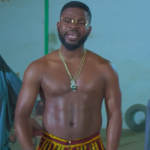
    Separated in childhood after their parents were murdered by robbers, two brothers, Akin (Tobi Bakre) and Wale (Folarin “Falz” Falana), end up on opposite sides of the law. Wale joins the police force, while Akin becomes an armed robber and member of The Brotherhood syndicate.

    Brotherhood centres on the Akin and The Brotherhood’s high-level heist operations, loaded with action, guns and explosions.

    Watch Brotherhood on Prime Video.


    ALSO READ: 7 Nigerian Books that Need Movie Adaptations ASAP


    [ad][/ad]

  • When an artist steps out of the spotlight due to significant life changes not made known to the public, assumptions inevitably fill the void. For singer-songwriter Temi Oni’s absence, chief among the assumptions that followed is that motherhood means leaving music behind. However, her disappearance was, in fact, an intensive period of rediscovery.

    Instead of allowing the societal expectations placed upon pregnant artists and new mothers to dictate her pause or her return, she used the time to find a new, more centered voice.

    Her latest work, including the EP titled Me Time, is a refusal to shrink.

    This is Temi Oni’s story as told to Marv.

    I don’t think there was ever a moment when I sat down and said, “I’m stepping away from music.” People assume that because I wasn’t releasing music, I wasn’t making any. But music has always been the undercurrent of my life: constant and always running in the background even when the world couldn’t see it.

    Artists like Adele disappear for five years and nobody says, “She stopped making music.”

    So even during COVID, when I got pregnant twice and everything in the world was shut down, I was still writing. I was recording from home. I was thinking, feeling and living. The real question for me wasn’t whether I was still an artist, it was, “What do I have to say now that life has changed so much?” I sat with myself: “Who am I now that I’m a mother?”


    Subscribe to Zikoko Pop newsletter, The Feed, for the most important pop culture news


    After giving birth to my kids, I stepped into a new version of myself. Motherhood changed the story I wanted to tell in my music, reshaping my relationship with both time and myself.

    I’ve always believed that music is storytelling. Before becoming a mom, my music was introspective, soulful, inward-focused.

    Two things guided me. First, I wanted to be mindful. I didn’t want to make music that younger girls, or even my own kids, couldn’t listen to. There’s so much beautiful R&B out there, but a lot of it is explicit in a way that makes it inaccessible to a certain audience.

    With this growth, motherhood has centered me, instead of censoring me.

    Second, I was craving a perspective I wasn’t hearing from anyone else. Where were the R&B women talking about motherhood? Where were the women in their thirties sharing the complexities of marriage, responsibility, shifting friendships, changing identities?

    There’s a whole generation of women: mothers, wives, caregivers, entering a new stage of life, emotionally, mentally, physically, and our experiences weren’t being reflected in the music. I wanted my new EP, Me Time, to be that reflection.

    When I got pregnant with my second daughter, my first daughter was only six months old. At that time, I realised that as a woman, especially a Nigerian one, I’m expected to carry everything with grace. People see me handling a lot, and they assume I’m fine and strong. But I wasn’t always fine and strong. “Something 4 Me”, the first song I wrote for the project, came from being in that headspace. I remember thinking at the time that I give so much time, energy and love, but couldn’t remember when I last did something for myself. I knew every woman, mother or not, would understand that feeling. So that’s how “Something For Me” was born.

    I began to listen more to women’s voices across the world, trying to understand their experiences and struggles. I began to see more of myself in them.

    By listening to others, I’ve become more vocal than ever about my needs, pain, desires, frustrations and dreams. If women everywhere are finding their voices, I want my music to amplify that energy.

    Every track I made around that time is rooted in time, wanting more of it, wanting less of it, wanting to freeze it, or wanting to escape it. Motherhood gave me a new relationship with time. It made me realise I don’t have a second to waste.

    There’s a lot of invisible labour in motherhood, and even with the amazing village I’ve been blessed with,, there are moments that I’m overwhelmed in ways people don’t see.


    READ NEXT: My Ex Dumped Me for My Commitment Issues. Now She’s Someone’s Wife


    The hardest part for me wasn’t the physical work. It was the expectations people placed on me. When I had my children, it felt like everyone around me silently assumed my life should pause. 

    The narrative was always,
    “Calm down and take care of your kids first.”
    “Relax.”
    “Don’t stress yourself.”
    “You can do your dreams later.”

    Meanwhile, men travel. They create, build and chase dreams, with children at home, and nobody blinks.

    I remember when I travelled to China a few months ago for a creative project. My husband had no problem with it. He’s an amazing partner and father. But my extended family? They asked,

    “Who will take care of the children?”
    “As a mother, how can you leave them?”

    No one ever asks men these questions. The cultural double standards are real, and navigating it has been one of my greatest challenges.


    Get More Zikoko Goodness in Your Mail

    Subscribe to our newsletters and never miss any of the action


    Advocating for myself is not new. I’ve always been the unofficial black sheep of my family, always known to speak up. But motherhood made it necessary in a different way. I made sure to ask for support, personally and professionally.

    Professional support, to me, looks like people not treating motherhood like a handicap. Ask me what I can or cannot do. Don’t decide for me. Personal support looks like giving me time that’s actually mine and I can choose freely. Not labour disguised as time.

    I realised that I don’t have time to waste anymore. Literally. Kids, home, life, career, it all requires structure. My days are carefully planned because they have to be.

    I don’t believe in balance. Balance implies equality, everything getting the same amount of attention at the same time. That’s not real life. There’s give and take. There are days I’m more of an artist than a mother. There are days I’m more mother than artist. There are days I’m barely either and just trying to breathe. My life works because I make choices with clarity, not guilt.

    If there’s one thing I wish people understood, it’s that the journey is long. There’s so much work, so much effort, so much sacrifice before the world recognises one. And motherhood adds another layer to that journey. For me, it’s not in a limiting way, but a transformative one. I’m still here, still writing, still becoming. And this version of me, the mother, the artist and the woman, is the most centred I have ever been.


    ALSO READ: The AI Album Breaking Charts and Nigeria’s Copyright Laws


    Everyone talks about love online, but what’s it really like offline? We’re collecting anonymous stories for Zikoko’s biggest relationship survey yet. Share your truth here.

    [ad][/ad]

  • Every child of a legend faces the impossible burden of legacy. When your father is a global music icon like Wizkid and you also happen to be an artist, the world is likely expecting the next “Soco” or “Ojuelegba” from you. However, the true mark of an artist is the ability to carve a space that is entirely their own. Champz, Wizkid’s son, is doing just that.

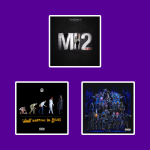
    With the release of his debut EP, Champion’s Arrival, he has unveiled a sonic world that stands completely apart from the Afrobeats rhythms and loverboy melodies that defined his father’s era. Champz delivers something utterly impressive with introspection and existential themes.

    This is a quick song-by-song breakdown of the EP and look into his execution of a precise but vogue style of rap music, presented by a teenager’s mind and experiences.

    “Champion Montana”

    Track: 1

    Duration: 1m 56s

    Producer: Karnz

    This is the EP opener and it sees Champz drawing influence from the tough-guy gusto. With the song’s title and opening lines: “Say hello to my little friend / My nigga call me Al Pacino, ‘cause I’m really him”, Champz likens the toughness of fictional mobster, Tony Montana, to how he sees himself.

    He goes on to reference 50 Cent, whose tested mortality and early branding was a reflection and capitalisation of his gangster days. But the fascination is less about crime life itself, and more about the fantasy of rebellion and success, status and identity, control and agency.

    Through his bars, Champz defines himself as not just a tough guy, but a dream-chaser and money-getter: the one who either gets it or dies trying. The one not deterred by teachers’ comments and knew the way before he was taught geography.

    It’s clear that a certain style of art is an influence on Champz: street art. Street raps and street (gangster movies). Though he’s a sweet 14-year-old boy who promises to keep grinding until he puts his mom in a Lambo, he aspires to operate in a boss position — perhaps a tough one like the men he references.

    Standout lyrics: “I ain’t Jesus Christ, but don’t say my name in vain.”


    Subscribe to Zikoko Pop newsletter, The Feed, for the most important pop culture news


    “Grind”

    Track: 2

    Duration: 2m 32s

    Producer: Lxcid

    Champz agrees he’s a nepo baby, as labelled by many (hard agree), and doesn’t want any disrespect to his talent. He acknowledges privilege but makes it clear he isn’t stuck on his parents’ wealth.

    He’s also amused by the public’s surprise at his talent, bragging that he could make music in his sleep. The beat bounces after each bar, cushioning up his flows from an impressive non-threatening to a high-alert but controlled cadence.

    In the same infectious energy Wizkid states in “No Lele” that, “See I go be number one / As a born champion, no lele”  — Champz also declares, “If you ask people what is the latest / They’ll tell you, “Alaye, Champion Montana ti debe.”

    Standout lyrics: “Give me five years, I’ll be riding on my high horse.”

    “Superstar”

    Track: 3

    Duration: 2m 8s

    Producer: Lxcid

    Champz opens this song rapping about pressure, perhaps that of carrying on his father’s legacy as his first son and also as an artist. In the lines that follow, he expresses his desire to be a present parent, saying: “When I’m older, I’m gonna show love to all my kids / ‘Cause these niggas take a piss, life taught me all this.”

    Without throwing a dig, what life has taught Champz about family time most likely hits close to home. He also throws shots at fake friends and hopes to one day be able to reveal his true feelings without pretence.

    Interestingly, this song title is his dad’s, Wizkid’s debut album title too — but Champz’s version leans more on family, loyal circle and freedom of expression, than the allure of party and celebrity lifestyle.

    Standout lyrics: “They keep saying I can’t rap, I need to have it worse.”


    Get More Zikoko Goodness in Your Mail

    Subscribe to our newsletters and never miss any of the action

    “Champion Sound”

    Track: 4

    Duration: 1m 58s

    Producer: TNIA and Hosanna

    If you heard his snippet when it went viral a few weeks back and liked it, your jam is ready. Champz channels his Afro-swing swag with a lukewarm but head-bopping delivery to brag about his arrival on the music scene.

    With a strong and grounded conviction enough to convert an unbeliever, he consistently calls himself a champion. He talks big and will have to back it up with the consistency of a champion. It’s truly an impressive song from a 14-year-old.

    Standout lyrics: “Shout to the OGs in the game, but it’s time to pass the baton to the champion.”

    “Champiano”

    Track: 5

    Duration: 3m 26s

    Producer: Hosanna

    This is the closing track and he jumps on Amapiano here. Champz takes a break from the good bad guy bars, smug brags, spotting fake friends, and carrying societal or family pressure on his shoulders. Here, he’s only about having a good time.

    He urges listeners to move and have a good time to his tune, the Champion Sound. If you’re not feeling him or just standing still in Champz’s party, he feels sorry for you. If fans like, they can call this Champz’s “What You Wanna Do?” or “Pakuromo” without booty-worship and name-drops.

    Standout lyrics: “I can’t kill myself, man I’m just 14 / Step to the party, move your feet.”


    READ NEXT: Wizkid’s First Son Boluwatife Gets Into Music


    Everyone talks about love online, but what’s it really like offline? We’re collecting anonymous stories for Zikoko’s biggest relationship survey yet. Share your truth here.

    [ad][/ad]

  • This one goes out to the people who spend more time searching for what to watch on Netflix than they do actually watching stuff. Choosing a good Nollywood movie on Netflix can feel like a daunting task because of how many truly terrible ones there are to sift through. However, I’ve done the deep dive, so you don’t have to.

    For this month, here’s a lineup of the best Nigerian movies currently streaming on Netflix, featuring everything from high-stakes, chaotic thrillers and complex family dramas to tear-jerking rom-coms that remind you that Nollywood still sabi the work.

    Here are ten of the best Nollywood films on Netflix right now to add to your November watch.

    1. Obara’M (2022)

    Running time: 1h 40m

    Director: Kayode Kasum

    Genre: Family Drama, Musical

    It’s been ten years since Oluchi (Nancy Isime) left her village to chase money and stardom in Lagos as a singer. She’s so dedicated to the grind that she’s become a woman in a male-dominated field: Deadbeat-ism. Turns out that poverty wasn’t the only thing Oluchi left behind when she skipped the village. She also abandoned her daughter, Ihunnaya (Darsimi Nadi), with her father, Humphrey (Nkem Owoh).  

    Oluchi only returns when a family tragedy hits. Now, the music star wannabe has to finally face the baby mama responsibilities she ran from and experience a rebirth she didn’t plan for.

    Watch Obara’M on Netflix.

    2. The Rise of Igbinogun (2022)

    Running time: 1h 52m

    Director: Ideh Chukwuma Innocent

    Genre: Drama

    Igbinogun (Damilare Kuku) is a modern day Robin Hood. Using the skills she learned from her father, Ogbu (Enyinna Nwigwe), she leads a gang of thieves and is on a mission to save her community by  stealing from the rich and giving to the poor. 

    Igbinogun defeats the entire palace guard and challenges the Prince (Blossom Chukwujekwu), who is so humiliated by the loss that he commits suicide on the spot. This throws the entire kingdom into chaos, leaving her with no choice but to lead her village.

    Watch The Rise of Igbinogun on Netflix.


    Subscribe to Zikoko Pop newsletter, The Feed, for the most important pop culture news


    3. Farmer’s Bride (2024)

    Runtime: 1h 52m

    Director: Jack’enneth Opukeme and Adebayo Tijani

    Genre: Drama

    Funmi (Gbubemi Ejeye), a young woman with big-city dreams, is married off against her will to Odun (Femi Branch), a wealthy, ageing farmer from a neighbouring village, in exchange for a few plots of land. Funmi makes it clear to everyone that she hates the arrangement.

    Things get dramatically worse — or better, depending on your moral compass — when Femi (Tobi Bakre), Odun’s stubborn, and eternally shirtless nephew, comes back from school in the city. The two are instantly consumed by a visceral and forbidden attraction to each other. An attraction that eventually throws the entire family into chaos.

    Watch Farmer’s Bride on Netflix.

    4. The One For Sarah (2022)

    Running time: 1h 37m

    Director: Lyndsey Efejuku

    Genre: Drama, Romance

    Sarah (Beverly Naya) is a young woman struggling to heal and reconnect with the world after escaping a highly abusive relationship. Her friend, Lizzy (Bimbo Ademoye), keeps pressuring her to get back out there, so Sarah reluctantly finds herself in a messy love triangle with two friends, Fred (Uzor Arukwe) and Michael (Bucci Franklin).

    On top of dealing with a Twilight-style romance, she also has to deal with her monstrous ex, Dare (Daniel Etim Effiong), sending her threatening messages. 

    Watch The One For Sarah on Netflix.


    READ NEXT: The 10 Best Nollywood Movies to Watch on YouTube (November 2025)


    5. Thin Line (2024)

    Running time: 1h 55m

    Director: Akay Mason

    Genre: Drama

    Pastor Raymond Njoku (Uzor Arukwe) constantly preaches about faith, purity, and the ideal of perfect marriage. That’s until he stumbles into a dangerous affair with a manipulative prostitute named Annie (Uche Montana).

    Annie, known for defrauding clients, starts blackmailing the good Pastor with threats to expose him and destroy his congregation. When Raymond confesses to his wife, Damilola (Mercy Aigbe), and thinks the worst is over, until Annie turns up dead, with all the evidence pointing straight to him.

    Watch Thin Line on Netflix.

    6. Jolly Roger (2022)

    Running time: 1h 28m

    Director: Walter Taylaur

    Genre: Drama

    Brume (Daniel Etim-Effiong) is having the worst year: he’s mourning the sudden loss of his mother and silently grappling with his wife’s infertility struggles. To compound his misery, he’s extorted by two corrupt police constables (Frank Donga and Toyin Oshinaike) demanding an immediate payoff. Then it becomes worse; his wife gets murdered.

    Consumed by grief and a thirst for vengeance, he recruits his friend, Dammy (Deyemi Okanlawon), to kidnap the two corrupt officers by posing as a big-time fraudster. The aftermath is a chaotic, tense hostage drama where the air is thick with betrayal, desperation and revenge.

    Watch Jolly Roger on Netflix.

    7. Ijogbon (2023)

    Running time: 1h 55m

    Director: Kunle Afolayan

    Genre: Drama

    Four mischievous teenagers ditch school and stumble across a bag of diamonds on a mountain. This huge discovery plunges them into an insane adventure that includes escaping all the dangerous people who also want the diamonds. Though dangerous, the things they go through test the bonds of their friendship and force them to grow up fast.

    Watch Ijogbon on Netflix.


    Get More Zikoko Goodness in Your Mail

    Subscribe to our newsletters and never miss any of the action

    8. Shina (2024)

    Runtime: 1h 38m

    Directors: Muyiwa Adesokun and Carmen Lilian Ike-Okoro

    Genre: Drama

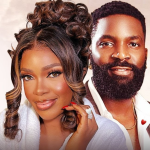
    Shina (Timini Egbuson) is an ex-addict, ex-cultist trying to turn his life around by driving a taxi. When his grandmother falls critically ill, his desperate quest to raise money for her medical treatment forces him to re-enter the dark criminal underworld he worked so hard to escape.

    He’s trying to make good choices, but the system, made up of corrupt police, dysfunctional hospitals, and crime bosses, is working hard to drag him back to the abyss.

    Watch Shina on Netflix.

    9. Kambili: The Whole 30 Yards (2020)

    Running time: 2h

    Director: Kayode Kasum

    Genre: Romcom

    Kambili (Nancy Isime) is a glamorous but messy and impulsive shopaholic who is facing the dreaded 30-year deadline to be both married and a CEO. Her life plans quickly go sideways when her boyfriend, John (Mawuli Gavor), dumps her for not being wife material.

    Desperate to prove she can be a disciplined babe, Kambili embarks on a self-improvement mission, complete with a strict checklist from her loyal bestie, Chidi (Jide Kene Achufusi). It’s on this journey that she realises that the love she’s been searching for has been in front of her the whole time.

    Watch Kambili: The Whole 30 Yards on Netflix.

    10. The Waiter (2024)

    Running time: 1h 40m

    Director: Toka McBaror

    Genre: Comedy, Thriller

    Akpos (Ayo Makun), the beloved mischief-maker from the 30 Days in Atlanta movie, is now working his first day as a waiter in a fancy Abuja hotel. that’s set to host a grand event for the Minister of Poverty Alleviation, Okon Edet (Shaffy Bello). Chaos ensues when Tonye (Bucci Franklin), a heavily armed former army captain, and his crew storm the building, taking everyone hostage.

    It quickly becomes a full-blown “revolution” that forces viewers to ask the classic Nigerian question: who is really to blame for the country’s woes?

    Watch The Waiter on Netflix.


    ALSO READ: What to Know About the AI-Generated Album Going Viral In Nigeria


    [ad][/ad]