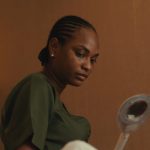
Apparently, if a woman suddenly gains a lot of weight within 2-4 years, the only reasonable explanation is that she must have had an abortion.
In 2024, a viral conversation on X (FKA Twitter) accused women of deliberately getting pregnant, waiting to gain weight, and then terminating the pregnancy. The conversation made its way to PUNCH in a report headlined, “How young girls get pregnant on purpose, abort to look sexy.” The report stated that it was common practice to use pregnancy as a way to achieve a fuller figure before terminating it at the five-month mark.
Stories like this, true or not, have the effect of creating the impression that abortion procedures are as casual as getting a wisdom tooth removed. In a country where access to safe abortion is legally restricted, that narrative overlooks the implications of terminating a pregnancy in Nigeria. Whether medically, financially, or emotionally.
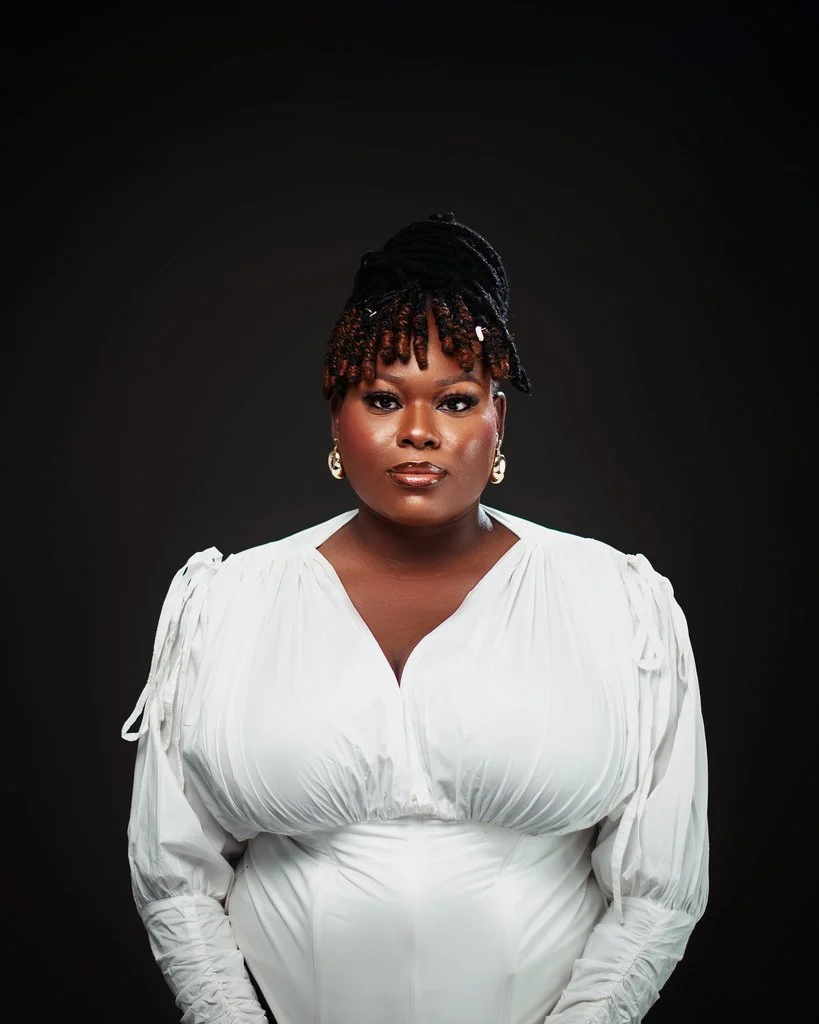
Sanasi Amos, co-founder of Komfot Health, a clinic that provides post-care services to women who have experienced pregnancy loss, is on the other side of the viral conversation. For her, the gap between how abortion is discussed and how women actually experience it is impossible to ignore. She has made it her mission to #Shiftthestory.
In this interview, she talks about what it means to run a post-abortion care clinic in Nigeria, the stigma attached to her work, and what getting an abortion really costs.
What made you decide to start a post-abortion care clinic?
I started out advocating for safer abortion laws and for people to know that post-abortion care is legal. But the truth is that people don’t have access to it. Where do people go when they eventually learn that post-abortion care is legal and that they can get help?
I met my co-founder, Elizabeth, and she shared the same frustration. So, we decided to start something together. Because it was a health-tech brand, we also had to find a medical doctor who shared our vision. We had to clearly define what we were doing when registering, since we offer more than just post-abortion care.
Our other services include sexual and reproductive health services, like STI testing, treatment, and pelvic inflammatory disease (PID)treatment. We also work with providers to give vaccinations and cervical cancer screening.
And that was how Komfot Health was born.
How does Komfot Health approach reproductive healthcare?
Only about 30% of primary healthcare centres in Nigeria are equipped to handle post-abortion care. Most of them are also in the Southwest and Northern regions. In other regions, post-abortion care is pretty much non-existent.
Even when we have clinics, they are not always properly equipped. Patients may have to travel to a nearby tertiary institution to visit teaching hospitals. When it comes to post-abortion care, medical care should be provided on time because the woman could be bleeding out. She might have sepsis and not know it.
The whole idea behind Komfot Health is to make care accessible. People often have questions like “Where do I start? Which hospital do I go to? Am I sure this hospital can provide the care I need? Will this doctor or healthcare provider be nice to me?”
We answer these questions and fill in those gaps.
Could you explain what you do in simpler terms?
Basically, we serve as the primary point of contact between the healthcare provider and the woman who needs care.
We find healthcare providers and train them on how to carry out an MVA (manual vacuum aspiration), as well as the medical evacuation of the uterus. They’re trained on how to use medication to complete an in-person procedure or stop bleeding. We also train them on how to recognise an emergency and determine when a patient needs to be referred. Then we onboard them onto our platform.
When someone reaches out to us with an issue, we connect them with a provider they can speak to. If it requires an in-person procedure, they go to the provider’s clinic or centre for treatment. Currently, we have providers in Abuja, Lagos, Port Harcourt, Enugu, and Ibadan. We’re trying to expand to Northern states.
Do you think women can have safe abortions under Nigeria’s regulatory policies?
That’s a tricky question to answer. The law says that an abortion is permitted if your life is in danger. But you actually have to wait for your life to be in danger to get help. By then, you could be too late, and you would actually be dying. If it’s an ectopic pregnancy, it could rupture before you get help.
The law also says two doctors have to agree that the pregnancy is high-risk before you get the procedure. But with the current healthcare climate in Nigeria, there are people who would never see a doctor till they die. s Sometimes it is because there are no doctors where they live. Other times, people cannot even afford to see a doctor.
In theory, you can get help when your pregnancy is high-risk. But again, people don’t know what a high-risk pregnancy is because the law doesn’t define that. So even when abortion is legally permissible, the circumstances for getting it done are unclear.
In your experience, what are the most common ways that women perform unsafe abortions?
We’ve heard of women trying extremely dangerous methods, including inserting objects into the vagina or uterus, ingesting harmful substances or unverified mixtures, and using physical force to try to end a pregnancy.
One woman we spoke to during research in a certain village told us that her friend had taught her to use a mixture of dye and herbs to terminate a pregnancy. When we asked where her friend was, she said, “Oh, my friend is dead.” She explained that the method had been very painful, but she would do it anyway.
Ah
Another method we’ve heard about involves women deliberately causing physical trauma to themselves in the hope that it will end the pregnancy. Others have tried introducing foreign substances into the vagina, which can cause serious infections and other complications.
The important thing is that these methods don’t reliably end a pregnancy and can cause severe injury, infection, poisoning, internal bleeding, or death. A woman who doesn’t want to continue a pregnancy may feel desperate enough to try almost anything, which is why access to accurate information and safe medical care matters.
Can you estimate how many of these cases you receive each month?
Because many healthcare providers are not trained in abortion procedures, most people you see trying to help are doing it through trial and error.
A woman came to us after taking abortion pills with alcohol. When asked why she did that, she said her provider told her that alcohol makes it more effective. Another person came to us after taking the pills with chloroquine. She said the chemist told her chloroquine could terminate pregnancies, so she should just combine everything.
It depends on the region, but in a month we get roughly 10-15 cases. Sometimes they get the abortion pills but won’t use them correctly, and then the result is an incomplete procedure. Then they start torturing themselves by drinking hot water and other strange things.
What demographic of women tends to be most affected by complications from unsafe abortions?
I would say ages 25 to 39. The patterns that we’ve noticed are things I already knew because I’ve done extensive research on the subject. Married women also come to us for help. The stigma is so bad that even when married women decide that they don’t want to continue a pregnancy, they cannot get safe abortion procedures.
The common complications that we get are from incomplete procedures. Because it’s incomplete, the woman develops sepsis. Sepsis happens when you have an infection, and your body tries so hard to fight it that it begins to attack your healthy cells. Haemorrhaging is also there, but it’s not top of the list. The biggest problem is stigma.
Why is that?
If there were less stigma, people could go to the hospital after an unsafe experience and get help. It’s a sad reality because stigma kills. I’ve seen it happen in real time.
As frustrating as it is, I understand the fear because there’s a thriving anti-choice network in Nigeria that most people are not aware of. Nigerians tend to go to pharmacies first to seek healthcare before visiting hospitals. Because of this, people from that network are notorious for paying pharmacists and even people who work in hospitals to report women who have performed unsafe abortions. They ask these women questions that are ethically wrong. Questions like, “Are you sure you did this safely? “Did you take this pill?” “Where did you get the pill from?” After making enquiries, they report the patient to the police.
If you are a friend who followed her to get the procedure, you face up to three years in jail. The woman herself gets seven years, and the healthcare provider who performed the procedure gets 14 years.
Wow
When we started talking about Komfot Health and our solution, we discovered that educating people about their rights helps reduce stigma. We tell people that post-abortion care is legal. Whether you had your procedure done unsafely or whether it was spontaneous, which is also known as a miscarriage.
Under the national post-abortion care guidelines, post-abortion care is your right, and a provider’s priority in that moment is to save your life. Not to ask you who facilitated your procedure or where you got the medication. We also teach people how to answer providers who ask questions like this in face-to-face situations.
People also need to be aware of the Patient’s Bill of Rights. This means the patient has to be aware of every medical procedure happening, including why the provider is asking certain questions.
We tell our counsellors that when they ask certain questions, they should prioritise explaining why they are being asked. We say things like “We are asking you this question to understand the situation you are in. How best to refer you and how quickly we need to get you care. We are not asking you these questions to report you to the police.”
Can you walk us through the typical process from when a woman first contacts Komfot Health to the end of her treatment process?
Most of the time, people reach us on social media or WhatsApp. Then they book an appointment with a counsellor or a provider. The reason why we do that first is to understand the situation
At registration, we collect your name and preferred names, because some people don’t want their real names disclosed to the provider. We also collect your NIN and location. We use a do-no-harm approach when it comes to saving data. That’s part of why we only ask for the state you reside in, not your actual address. We ask for this to help with pairing. Once that’s done and they get approved, a code is generated for them. The provider closest to them will reach out with the code and introduce themselves. Patients ensure that the code matches the name of the provider. Once the code tallies, the session begins. From the backend, we can see when the session has started.
What comes next?
We ask the patient why they reached out to us while assuring them that the chat is secure. Sometimes they worry about people taking screenshots of their chats or saving certain parts of them. We also tell them that, if it makes them feel safer, they can turn on disappearing messages so the chat disappears after the session.
Then we assess what is wrong with the patient. A common thing that we’ve seen is early signs of sepsis. They might say, “I feel cold. I have a headache. My discharge smells really bad. I don’t know what’s happening.” If it’s something like that, we tell them to get a scan done. We explain that a scan will show us whether the procedure is incomplete. If the scan shows that the procedure is incomplete, we explain what that means and the three ways it can be managed.
The first is medical evacuation, which is done with medication. You can consult with a doctor on our platform, go to the hospital, get a prescription, and complete your procedure. If you have more questions, you can reach out to the counsellor again.
The second is Manual Vacuum Aspiration (MVA), which involves an in-clinic procedure. We refer you to a clinic or hospital, where you can have the procedure. We explain this because there is a lot of misinformation. It’s important to tell them that nobody is cutting them open, and we show them what the procedure looks like.
The last option is expectant management, in which you wait for the retained products of conception to pass on their own. However, you still have to be evaluated by a doctor. Based on the explanations, the patient then decides what they think is best for them.
What other considerations do you make?
We also try to factor in the type of work that the patient does. You can’t tell a banker to go home and wait after being evaluated by a doctor. This is somebody who works every day.
Their financial capacity also matters. Some people cannot afford an MVA. If they want a specific method but cannot afford it, we have partner NGOs that can help. All we have to do is refer them there, tell them what to expect, and ask them to notify the partners that they are from Komfot Health.
Once the entire procedure or consultation is done and they are back home, they still have to reach out to the counsellor.
They can say, “I’ve been to the hospital, and I’ve gotten my prescription. I’ve also gotten the medication from the pharmacy, and this is how they said I should use it.”
We do this to ensure the patient fully understands the procedure, as they may be too scared to ask the provider questions. We then send a follow-up plan, which includes a recovery plan.
What does a recovery plan entail?
Recovery can be the hardest part because nobody explains what to expect afterwards. For example, a patient may have contractions after their uterus has been emptied and then begin to panic and wonder what went wrong. Typically, contractions occur as the uterus returns to its original size. The recovery plan is just nine pages, explaining what they should expect in the coming days and what to avoid.
We tell them to stay off sex. This is because the cervix is open; therefore, it’s very easy for bacteria to enter the system. The patient can develop PID if that happens. We also tell them not to use public pools and not to lift heavy things. These are basic things they should know, but nobody tells them about.
Then we work with a nutritionist to provide a nutritional recovery plan. When we started, we saw someone who drank alcohol the first two weeks after her procedure. She said her provider told her to do that to flush out the remaining blood. But alcohol can dehydrate you and slow down healing. We also explain what healthy food looks like, because some women starve themselves. They’ll say, “I want my stomach to return to how it used to be.” It’s not healthy.
We tell them to go through the guide within 24 to 48 hours, and then we come back to ask them questions. We do this because sometimes people are afraid to ask questions, so you have to initiate the conversation.
Once that’s done, we check in with them. Typically, the medical baseline is two weeks after the procedure. At the final check-in, they evaluate the counsellor who attended to them and the provider. We have a checklist: How quickly did the person respond to you? Did they carry you through the process? Did they explain the process properly?
That’s how we measure the quality of care.
Do you ask women the reasons they decided to proceed with an abortion as part of the treatment plan?
No, because that creates stigma and makes them feel judged. One of the most common things we hear is, “This is my first time. I didn’t know that this would happen.”
And we tell them that even though it’s your first time, or your twentieth time, it doesn’t matter to us. What matters is that we have to offer you care.
Do you offer psychological support in addition to physical treatment?
Yes, we do. When patients return from their in-clinic procedure, we tell them that they have access to a counselling session if they choose to use it. People often say abortions are traumatic. But I ask, have you seen how abortions are done in Nigeria? Obviously, if it’s done unsafely, it will be traumatic.
To worsen things, some women come from abusive homes. If they do, we refer them to NGOs that can help them get out of that situation. We also have people who go back, and this is much more common than I expected. We had a person who told us that she had completed her MVA procedure for an incomplete abortion, but she couldn’t go home because her husband would keep demanding sex.
It’s very shocking. This is why it’s also aggravating to hear certain myths surrounding abortion. There was an article where a certain journalist alleged that when women want to gain weight, they get pregnant. And then abort the pregnancy after they’ve gotten fatter.
My co-founder went on LinkedIn to find the journalist who wrote the article and asked him for his source. He said his source had died while the article was being published. Then he proceeded to block her.
Abortions are not so trivial that a person can sit down and decide, “Oh, this year I’ll get two procedures done so I can be fat.” It is really traumatising if you see how unsafely procedures are carried out in Nigeria. I’m not sure anybody would want to put themselves through that.
This is an honest look at what many young women in Nigeria quietly navigate because of limited access to reproductive health care and reliable contraception. If you’re sexually active, please prioritise safe sex and always use protection.
If you ever find yourself unsure, afraid, or in need of guidance, speak to a trusted medical professional or visit a certified reproductive health clinic for accurate information and safe options.
You can also reach out to organisations that provide confidential support and sexual health resources:
- Marie Stopes Nigeria (MSI)
Offers contraception counselling, sexual health services, and post-abortion care. - NURHI / SFH Clinics
Provide youth-friendly reproductive health services in various states. - Komfot Health
Confidential post-abortion care and support.
Next Read: Contraceptives in Nigeria: The Real Cost of “Not Being Ready” For It