If you spend enough time on Nigerian social media, you’ll notice that some of the loudest critics of feminism are deeply religious women. Mention feminism, and somebody will ask you who will submit to their husbands, who will cook for their families, or why women suddenly want to behave like men. Others will remind you that God created men to be the heads of their homes, as if questioning the arrangement is a sin in itself.
But what does it mean to be hyper-religious? It goes beyond simply being devoted to your faith. It describes an intense approach to religion in which religious beliefs heavily influence how a person sees the world, sometimes to the point where their interpretation of religious teachings becomes the standard everyone else is expected to live by.
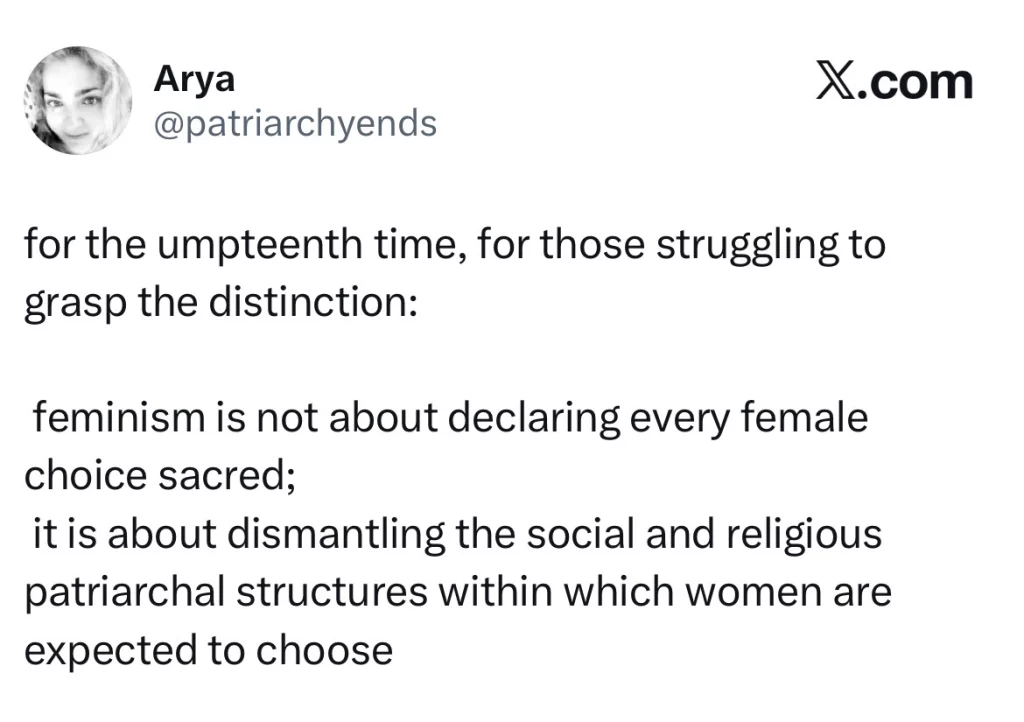
In conversations about gender, this can mean treating traditional expectations of women as unquestionable religious obligations.
Of course, being deeply religious does not automatically make someone anti-feminist. But when some hyper-religious women talk about feminism, conversations about women’s rights quickly become conversations about women’s duties. This answers the question of why women who are also affected by gender inequality sometimes defend the very expectations feminism challenges.
When Submission Becomes a Virtue
For some women, religion and womanhood are so closely connected that questioning traditional gender roles feels like questioning their faith. They have been taught that a good woman is submissive, accommodating and willing to put her family first. If you grow up hearing that these qualities make you a godly woman, feminism can easily sound like an invitation to become the opposite.
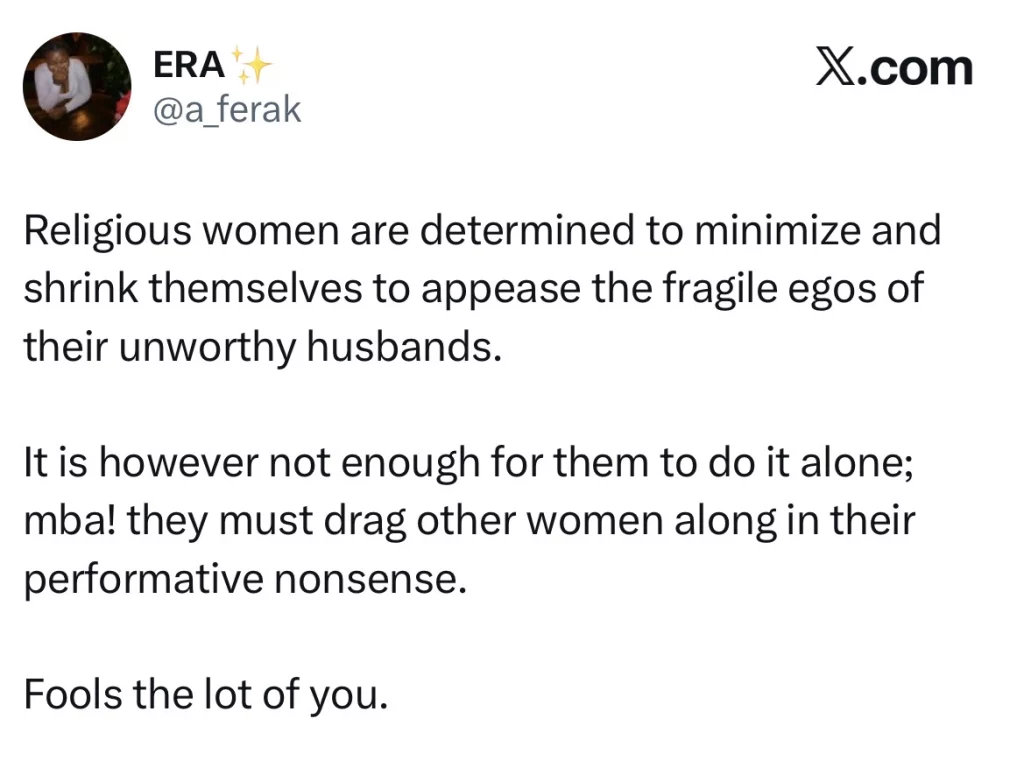
This becomes more complicated when traditional gender roles are presented as God’s instructions rather than interpretations of religious teachings. If submission is framed as a divine obligation, questioning why a wife must defer to her husband can sound like challenging God Himself.
But who decides what these teachings mean, and why are interpretations that preserve men’s authority so often treated as unquestionable?
Next Read: 10 Nigerian Women On Why They Need More Than One Source Of Income
Is Feminism Really Destroying Marriages?
One of the most common arguments against feminism is that it makes women difficult to marry. Apparently, once women start earning their own money, expressing their opinions and expecting their partners to contribute to domestic responsibilities, they become too demanding.
A woman wanting an equal say in her marriage is somehow a bigger problem than a marriage where she has very little say at all.
Feminism is often presented as a threat to marriage because it challenges the idea that a husband should automatically have more authority than his wife. But feminism does not mean every woman has to reject marriage, motherhood or traditional gender roles.
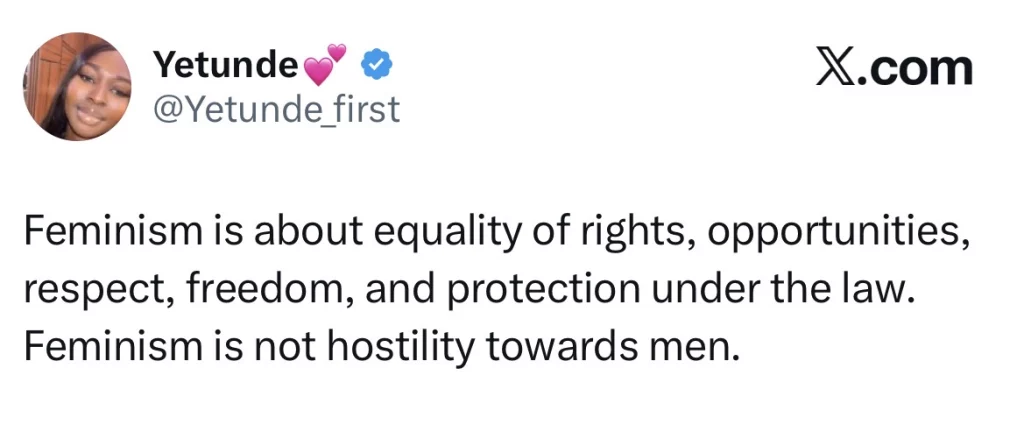
There is nothing inherently wrong with wanting a marriage where a husband provides or choosing to be a homemaker. The problem begins when a personal preference becomes a rule for everybody else, or when women who make different choices are treated as less godly, less feminine or less deserving of marriage.
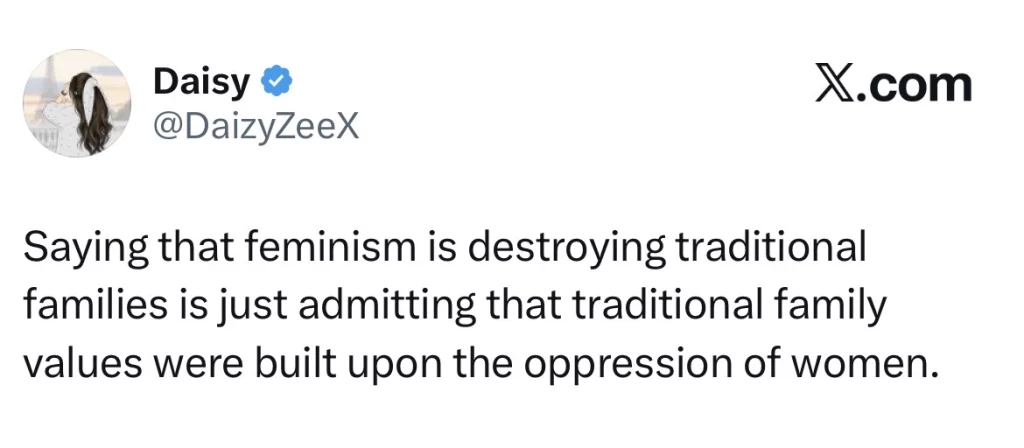
If a woman freely chooses a traditional marriage, that is her business. But why should another woman have to justify wanting a different arrangement?
The Pressure to be a “Good Woman”
In some religious communities, women are praised for enduring difficult marriages, making sacrifices and putting everyone else first. Meanwhile, women who question these expectations risk being called rebellious, disrespectful or too influenced by Western ideas.
Being accepted as a good woman can depend on how well she follows these rules. She is expected to be patient when a man is difficult, forgiving when he hurts her, and accommodating even when the relationship demands more of her than it does of him.
Over time, these expectations can become tied to morality. A woman who tolerates more is considered virtuous, while one who insists on being treated fairly risks being labelled difficult.
When a community teaches that conformity is virtuous, it becomes easier to understand why some women get defensive when someone questions the rules. Challenging them can mean risking the approval, identity and sense of belonging they have spent years building.
But being a good woman should not require accepting unequal treatment.
Women Can Uphold Patriarchy, Too
Women are not immune to patriarchy simply because they are women. They can absorb the same beliefs about gender that disadvantage them, defend those beliefs and pass them on to other women.
Sometimes, women defend traditional gender roles because they genuinely believe in them. Other times, they have learned that conforming to these expectations offers security, social acceptance or a sense of control over their lives.
A woman who has built her identity around being an obedient wife might struggle with an ideology that asks her to reconsider what she has always believed. A woman who has gained recognition for meeting traditional expectations may also find it difficult to understand why another woman would want to challenge those expectations.
This does not mean every woman who rejects feminism is brainwashed, or that choosing a traditional life makes a woman anti-feminist. There is a difference between choosing a life for yourself and insisting that every other woman must live the same way.
The issue is not that some women want traditional marriages. It is that women who make different choices are sometimes treated as if they are failing their faith, their families or their gender.
Can Religion and Feminism Coexist?
Plenty of religious women are feminists, and plenty of women who reject the feminist label still believe women deserve equal rights. Religious people also interpret their faith differently, including questions about marriage, leadership and gender roles.
The conflict is not necessarily between religion and feminism. It can also be about who gets to interpret religious teachings and whether those interpretations should be beyond question.
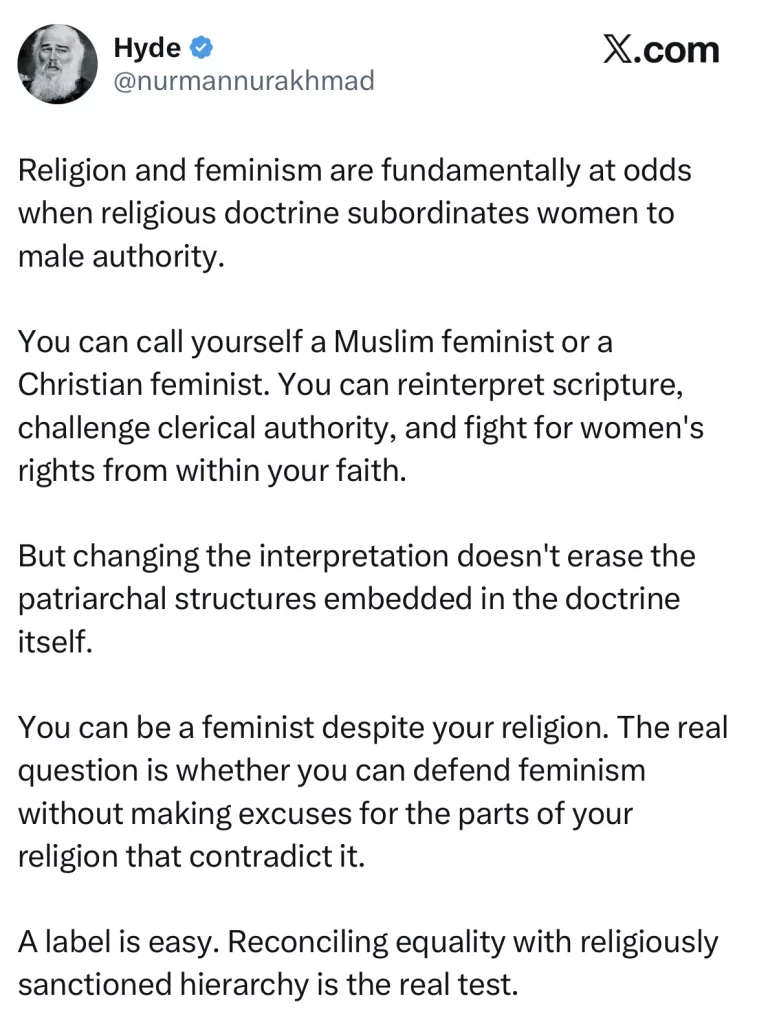
When women are told that wanting financial independence, equal decision-making or freedom from restrictive gender expectations makes them bad wives or bad believers, it becomes worth asking whose interests these expectations serve.
A woman can be devoted to God without agreeing with every traditional expectation placed on women. She can value marriage without believing her husband should have the final say in everything. She can choose to be a homemaker without believing that women who pursue careers are neglecting their responsibilities.
Ultimately, women should have room to make these decisions without being judged by a single standard of womanhood.
If a woman wants to submit to her husband, that is her choice. But another woman should be free to reject that arrangement without being called rebellious or immoral.
Why should being a good woman mean living by rules that women are rarely allowed to question?
You’ll Also Love: At 40, I’ve Turned My Passions Into Businesses That Fund The Life I Want