When Mercy became pregnant at 13, she had no idea how much her life would change. Growing up, she had been close to her mother, but sex was one subject they could never talk about. Now, at 25, she wishes she had known more about her body, pregnancy and the consequences of having sex.
This is Mercy’s Story As Told To Sofiyah
I was an only child, which meant my mother and I were very close. She tried to be both my parent and my friend, so we could gossip and talk about almost any subject that exists on the surface of the earth. Sex, however, was one subject she wouldn’t entertain. Whenever I tried to bring it up, she became dismissive, and at ages 12-13, I couldn’t understand why we could talk so freely about everything else but not something I was curious about and wanted to understand. I didn’t realise then how much her silence would influence the decisions I made as a teenager.
Although I had a good childhood, I often felt lonely. My routine revolved around school and my mother’s shop, where I spent most of my time helping her. I had few opportunities to spend time with friends.Even though I was friends with older women, I longed for the company of people my own age. I wanted friendships where I could feel understood and talk about the things I struggled to discuss at home.
At 13, I knew very little about sex, pregnancy or how my body worked. When I got my period, the only guidance I received was from school on how to use a pad. Most of what I knew about sex came from school and conversations with other teenagers, who confidently spoke as though they understood everything. I was extremely curious, and because I had so many unanswered questions, thanks to my mum, I tended to believe whatever information my friends fed me.
My friends had boyfriends, and I gradually began to feel that I should have one too. I attended a Catholic school, while some of the boys we considered exciting or “cool” went to a nearby government school. Because I was always busy at my mother’s shop, I rarely had time to go out, so church all-night programmes became one of the few opportunities I had to spend time with my friends. Sometimes I would slip away to meet them at a lounge, enjoying what felt like a small part of my life that was mine, separate from school and the shop.
Eventually, I started dating one of the boys who expressed interest in me. We attended different schools, and the relationship was shaped by the little time I had to see him. I was 13, curious and making decisions without fully understanding their consequences. I wasn’t forced into having sex, but I lacked the information I needed to understand pregnancy or protect myself. I knew people had sex, yet I didn’t believe that what happened between us could result in a pregnancy.
By the time I became pregnant, I was in SS2, and my days were already exhausting. I spent long hours helping at the shop, sometimes staying until late at night before waking up early to prepare for school. When I began feeling unusually tired in the mornings, I assumed it was because I wasn’t getting enough rest. I was also gaining weight, which didn’t concern me because I had always been skinny, and my mother had spent years trying to help me put on weight. I thought she would be happy to see the change.
My mother noticed that something was wrong and, one Friday, told me I was too unwell to go to school before taking me to the hospital. I didn’t know she had arranged for me to take a pregnancy test. Afterwards, she began giving me medication, saying I had malaria and needed a stronger drug. I trusted her and took what she gave me, completely unaware that she and my father already knew I was pregnant.
My parents kept the news from me while they tried to decide what to do. My father wanted me to continue the pregnancy, partly because my mother had long prayed for another child, and he thought this might be a way for her to have one. He was also concerned about my education and wanted me to finish my secondary school exams before the pregnancy became more difficult to manage. At the time, I was still in SS2, which meant my school wouldn’t allow me to sit for WAEC exams. To get around this, he arranged for me to be enrolled at a completely different school so I could write the exams with their SS3 students the following month.

It was after my exams were over that my father finally told me I was pregnant. On hearing that, I cried uncontrollably and refused to believe him, even when he showed me the test result. I knew I had a boyfriend, but I had never imagined that I could become pregnant at 13. I felt as though my life was over, and I was especially frightened of my mother’s reaction because she had gone quiet. Convinced she might beat me, I ran outside and refused to come back in until my father eventually reassured me that she wouldn’t hurt me.

The following day, my mother still wasn’t speaking to me. Frightened of being mocked by my classmates, the church and the wider community, I spent the night searching online for ways to end the pregnancy. I wasn’t thinking about my distant future; I was worried about how people would look at me and how humiliating it would be to become pregnant at 13 when I was considered someone who knew everything.
I also began asking older women questions indirectly, hoping someone would tell me how to terminate the pregnancy. When one of them reported this to my mother, she finally started speaking to me again. She told me about a relative who had tried to end a pregnancy using dangerous mixtures and died, explaining that she was afraid I might do something that put my own life at risk. She promised to help me get through the pregnancy without leaving me completely exposed to people’s mockery.
That conversation changed something between us. My mother began buying me beautiful maternity clothes, and instead of encouraging me to hide my pregnancy, she taught me how to carry it openly. She told me that if I dressed well and carried myself with confidence, people would have less room to laugh at me. Although that couldn’t stop the rumours, her support helped me face a situation I had been terrified of.
People speculated about who had impregnated me, while others accused my parents of arranging the pregnancy. My classmates, many of whom had encouraged me to get a boyfriend, behaved as though I had done something they could never imagine doing themselves. On days when I went for antenatal appointments, some of them waited near the school gate to watch me pass and laugh at my stomach. My mother helped me manage the practical difficulties of pregnancy, but there was little she could do to protect me from the humiliation that followed me around.
I was also angry with my father for keeping the pregnancy from me. I understood why my mother had tried to protect me, but I felt that my father had decided my life without giving me a say. As I grew older, I began to see the situation differently. I believe that if I had discovered the pregnancy on my own, I might have followed the dangerous advice people were giving me because I was desperate to hide it from my parents. Even so, at the time, I felt that the decision to continue the pregnancy had been taken away from me.
As the pregnancy progressed, my mother helped me prepare for delivery. My father had initially wanted me to give birth with a traditional birth attendant, but my mother and I opted for a hospital delivery after witnessing a difficult delivery there that ended in a stillbirth. When my labour eventually began, the pain was unlike anything I had expected. At the hospital, I refused to let a male staff member examine me and insisted on seeing a woman instead. The hospital was crowded, and word had spread through the community that I was about to give birth. People came to see whether I would deliver safely or whether something terrible would happen because I was so young.
Inside the labour room, the experience was agonising. Due to the fact that my body was still so small, the medical staff had to perform a severe episiotomy, cutting me with scissors to make room for the baby, and I felt every part of it. When they stitched me back up afterwards, they told me they couldn’t give me another dose of anaesthesia, so I felt every pass of the needle.
Despite the intense pain, I gave birth to my daughter, and my mother was so focused on making sure I was safe that she didn’t want to hold the baby until she knew I was alright. My parents were deeply involved in caring for us: my mother handled much of the practical work, while my father made sure I had a room of my own. I was cared for, but becoming a mother at 13 changed how I saw myself and what I believed was possible for my future.
You’ll Love: Why Can’t A Woman Just Be Good At What She Does?
Before the pregnancy, I had roles and opportunities waiting for me at church, but after writing my exams, I never returned to secondary school and couldn’t bring myself to go back to church. I watched other people take up the opportunities I had expected to have while I stayed home caring for my child. Even with my family’s support, it felt as though my childhood had ended the day I gave birth.
Life became more difficult a few months later, when the government demolished shops and markets, affecting my mother’s business and putting pressure on our finances. The strain began to change our relationship. My mother, who had once tried to shield me from the world’s judgment, started taking out her frustration on me. When I asked for things my baby needed, she sometimes insulted me and reminded me that I should have been concentrating on school instead of getting pregnant. I remained grateful for everything she had done for me, but living with those constant reminders of my mistake was painful.
There were times when I wanted to run away, and I even struggled with resentment towards my daughter because I associated motherhood with the upheaval in my life. It is difficult to admit that now, but it was how I felt then. I was still young myself, trying to understand what had happened to me while carrying responsibilities I had never expected to have so early.
I knew I needed a way forward, driven heavily by a desire to escape the constant insults and to prove my relatives wrong, especially my uncles, who mocked me and declared that my life had ended with a child in my arms. I wrote the JAMB exams to get into university, but I was initially offered a course my father didn’t like, and my mother felt my baby was still too young for me to leave home. So I waited an extra year and retook the exam.
I eventually returned to school to study medicine. Before leaving home, I promised myself I wouldn’t come back because I needed distance from the shame and insults. I started businesses while in school so I could earn my own money instead of depending on my mother. When her shop was demolished again, however, I returned to help her rebuild and took out a loan in my own name. In 2024, my mother passed away, leaving me to repay the debt while grieving her and trying to find a way to support myself and my daughter.
In 2024, I began creating content online, initially for fun and as a way of processing the pain of losing my mother. I had been using organic skincare products, but after her death, I neglected my routine and noticed changes in my skin. That experience pushed me to learn more about skincare, and I started making videos debunking claims about products that hadn’t worked for me, then moved on to honest reviews of products I had actually used.
As brands began reaching out, content creation gradually became a source of income. I rebranded as Mercy the Influencer because I wanted to work with different kinds of brands without feeling pressured to make claims I didn’t believe in. Calling out brands that wanted me to promote products dishonestly also helped me build trust with my audience, which was important to me.
The income made my life more manageable. I moved from a one-room apartment to a two-bedroom flat, could afford more of what I needed and began paying my way through school. I was also able to bring my daughter from my dad’s house to live with me, and I now pay her bills and school fees. For a long time, though, I kept motherhood separate from my life by not mentioning her at all at medical school because I wanted to experience a new environment without being reduced to the girl who got pregnant at 13. I wanted to prove the relatives who believed my life was over wrong, especially as some people continued to question whether I could succeed as a young mother studying medicine.
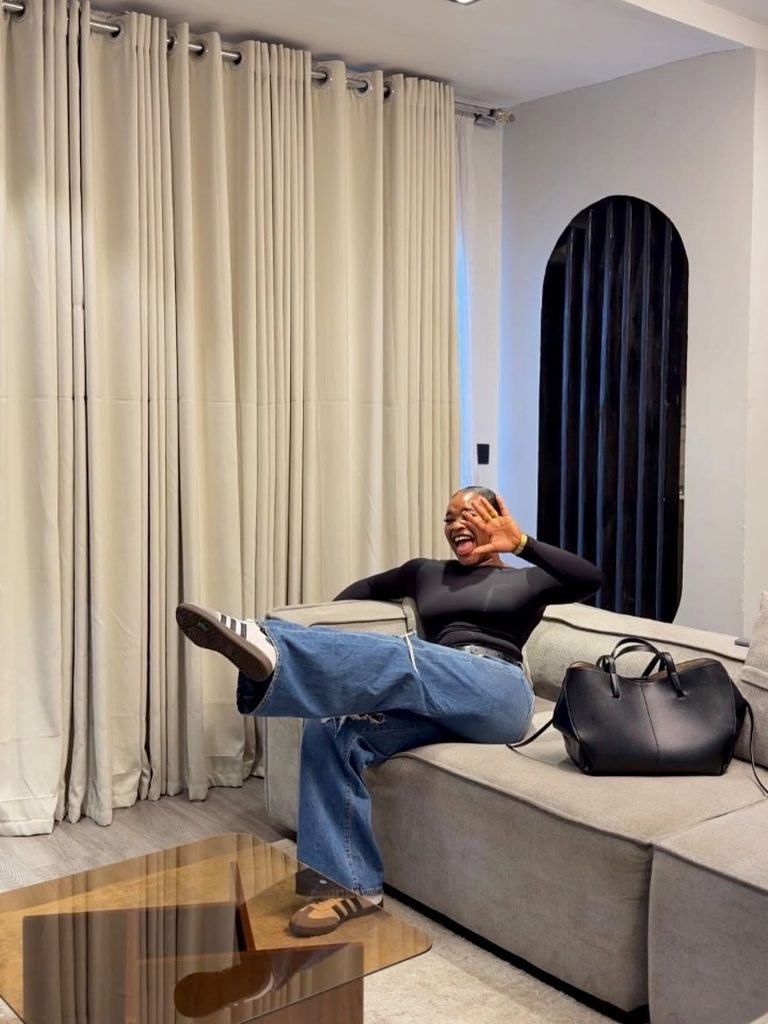
Today, I am proud to be a mother. People are often surprised when I tell them I have a daughter, particularly when they see us together, but I no longer mind being known as a mother. I am proud of what I have built, although I don’t want my story to be used as evidence that a teenage pregnancy is easy to recover from. When I think about the shame, trauma and opportunities I lost, I recognise that my circumstances were more manageable than those of many other girls.
What I wish I had at 13 was proper sex education: an understanding of my menstrual cycle, ovulation, pregnancy and the consequences of having sex. I wish I could have asked my mother questions without feeling that the subject was forbidden. Keeping young people uninformed doesn’t stop them from being curious or making decisions; it leaves them searching for answers from people who may not know what they are talking about.
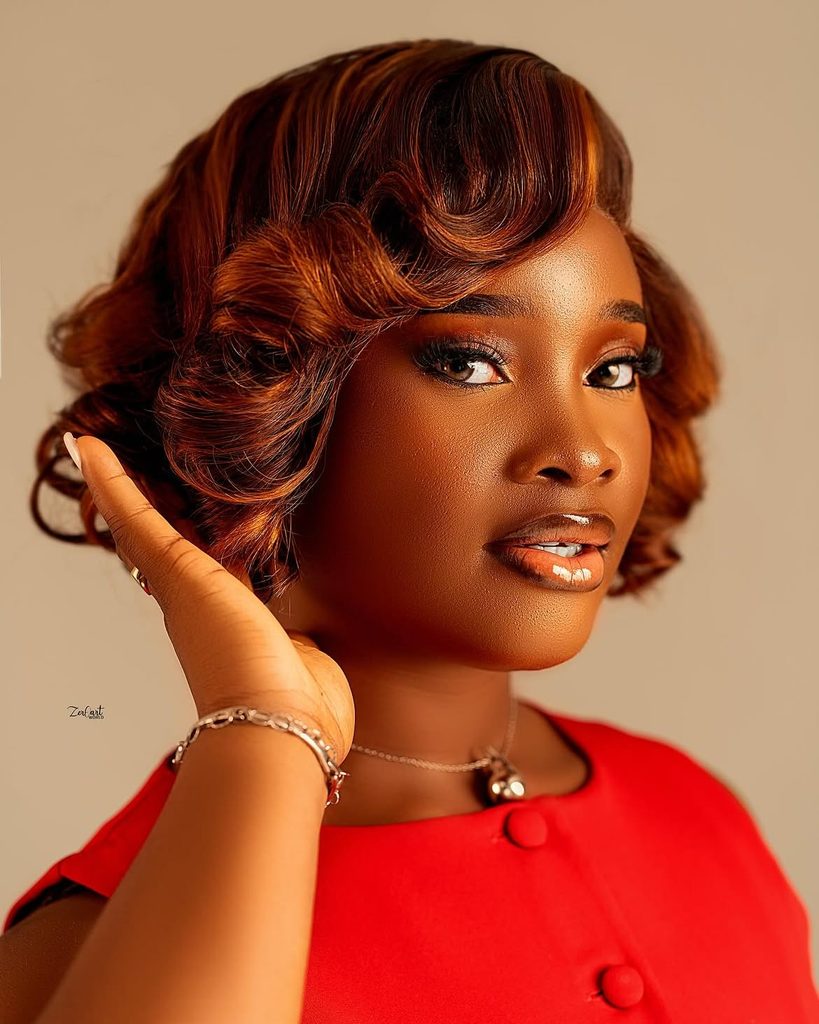
When I look at the girl I was at 13 and the woman I am today, I see a survivor. I was a child pushed into adulthood too quickly, and I had to find my way through public shame, other people’s expectations, grief and financial pressure. I survived and built a life I can be proud of, but I also know how different things might have been if I had received the information and support I needed when I was younger. I hope girls who have had similar experiences understand that their lives are not over and that they deserve more than judgment. They deserve education, support and the opportunity to grow beyond what happened to them.
Next Read: 10 Nigerian Women on What Financial Independence Changed About Their Lives