These days, everybody talks about sex. On the surface, it seems like progress. Especially when compared to the silence and stigma that surrounded the topic decades ago. But look a little closer, and it becomes clear that our openness has limits. Conversations about casual sex, one-night stands, sexual kinks or favourite positions attract laughter and curiosity. But that reaction quickly becomes judgement when someone admits that they’ve contracted an STI or slept with a few people in one night.
It’s this selective progressiveness that Uzoamaka challenges with Siraam. The film follows Siraam, a young woman who turns to casual sex after a painful breakup. But this story is about a lot more than just sex.
‘Siraam is like a lot of us, if not all of us. She has sex, and sometimes she weaponises it. Sometimes she uses it as a coping mechanism when she’s heartbroken or as a way to search for herself. I never wanted the story to become something that invited judgment or made sex feel like a dirty topic. What I wanted was to explore the life of a complete human being. One where sex is just one part of everything else she’s dealing with.”
Like the other films in the Zikoko Life series, Siraam is inspired by a real-life story published on Zikoko’s Sex Life vertical. But what drew Uzoamaka to the story wasn’t the young woman’s sex life; it was her honesty.
Rather than treating her experiences as shocking or scandalous, she spoke about them realistically. That honesty is the foundation for Siraam’s character.
‘I wanted to write a person in all her glory and all her messiness. Someone who is trying to succeed in her career and wants the person she loves to love her back. At the same time, she’s ignoring someone who’s in love with her and curious about the person messaging her on social media. She’s also determined to insist on ‘condom and commitment or nothing.’ There are always so many things happening in our lives at once. You might watch Siraam and think she’s chaotic, but aren’t we all?’

Uzoamaka speaks of Siraam in a familiar and nearly affectionate way. When asked why, she says Siraam’s life feels familiar to hers. Not necessarily the specific events, but the way Siraam experiences life. To Uzoamaka, Siraam is a complete human being. And that is how she observes her own life.
‘It’s not that extraordinary things are constantly happening. It’s that I notice the little things most people overlook. There’s a scene in the film where Siraam rushes out of the bathroom after hearing her friend knock, stubs her toe on a stool and pauses because it hurts. I’ve done that. Some writers might cut straight from the bathroom to opening the door because the toe-stubbing doesn’t move the plot. But life is full of interruptions like that.’
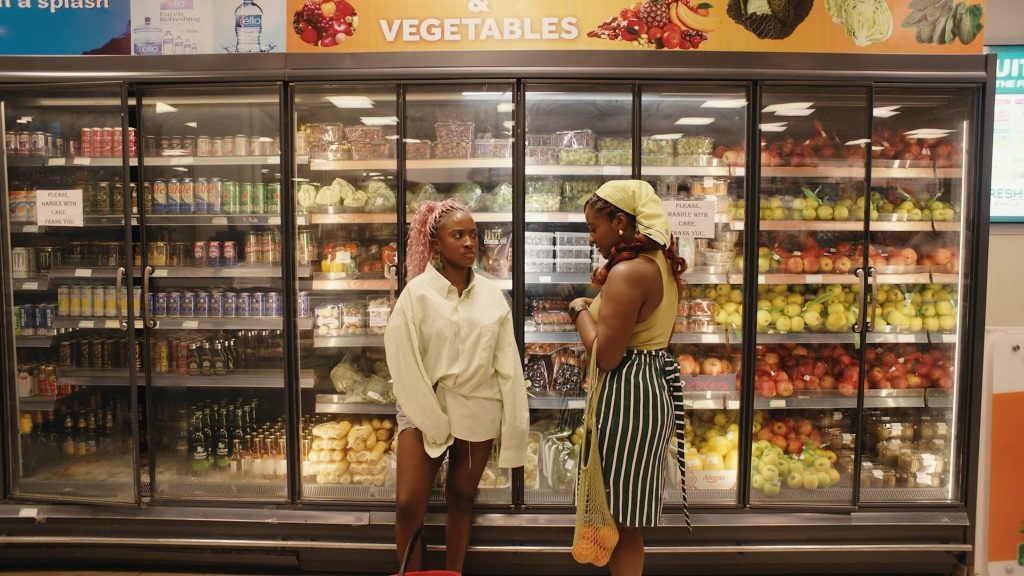
That attention to ordinary moments is a recurring theme throughout the film. Even the underwear Siraam wears says something about her. The film opens with Siraam sitting in front of a fan and drying a pair of multi-colored panties in front of it. While she’s waiting, she passes time by speaking into the fan and listening to her voice vibrate. Then she checks whether the underwear is dry, decides it’s good enough, and puts it on.
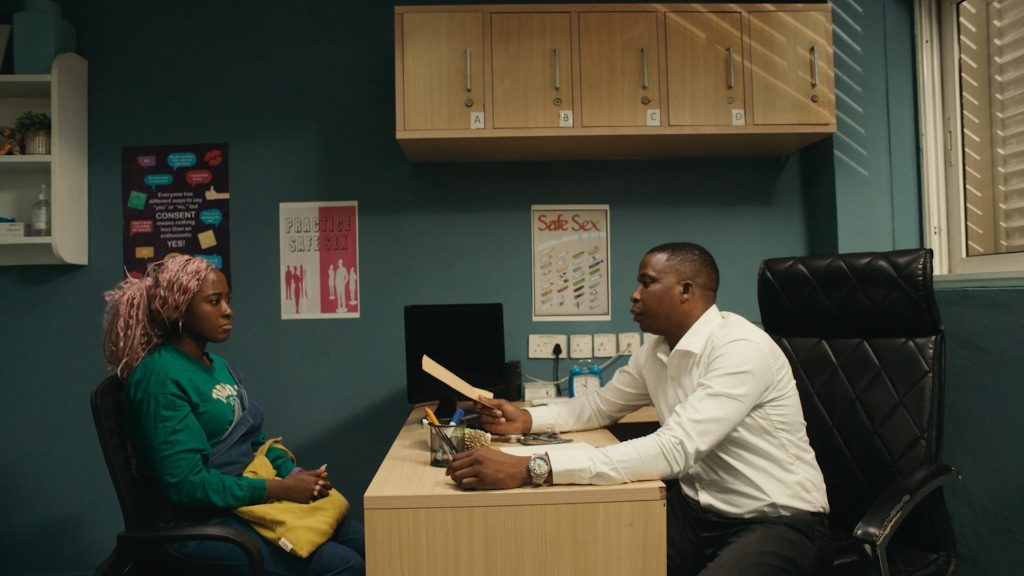
Siraam tells you who she is without having to say it. And because her character feels so familiar, your first instinct isn’t to judge her when the film broaches the subject of her sexual health. People are going to get pregnant and contract STIs whether society shames them for it or not. According to Uzoamaka, if the goal is to encourage people to take better care of their sexual health, then judgment isn’t the answer
‘The answer is normalising these experiences so people feel safe seeking help. That’s why, for example, when Siraam’s best friend sees her test result, it’s not a dramatic, catastrophic moment. Instead, her friend simply says, “It’s curable. Let’s move on”. Someone watching that scene might think, ‘Maybe I should get tested too.’ They might realise that if they do have an STI, it isn’t the end of the world’
Siraam is also relatable in the way she deals with heartbreak, and Uzoamaka is confident the audience will connect with this.
‘There’s a scene where Siraam calls her love interest and another person answers the phone. I have a feeling that’s going to resonate with a lot of people. I don’t think many experiences are so personal that no one else has ever lived through them.’
Largely, Uzoamaka thinks people will connect with Siraam’s journey because she isn’t perfect. She makes mistakes, learns from them and keeps moving forward.
‘Imagine someone telling their friend they have an STI, and that friend doesn’t suddenly think they’re a terrible person? I hope young people see that they have the power to decide what kind of relationship they want to have. With their bodies and with themselves. I also hope Siraam inspires people to ask themselves who benefits in relationships where sex happens in ways that make them uncomfortable.’
Ultimately, she hopes Siraam makes conversations around sexual health feel ordinary. Ordinary enough that people are comfortable getting tested. Uzoamaka wants people seeking treatment without shame and walking into pharmacies to buy condoms without feeling like the world will end. Uzoamaka loves Siraam so much because she’s self-aware, chaotic, and deeply human, and she hopes you will too.

Read Next: ‘You Need Some Whimsy to Get Through Life’ Genoveva Umeh on Her Role in Siraam