From October to November 2025, we asked over 10,000 people from across Nigeria about love, dating, sex, commitment, and marriage.
This is what we learnt about the state of love.

Brought To You By



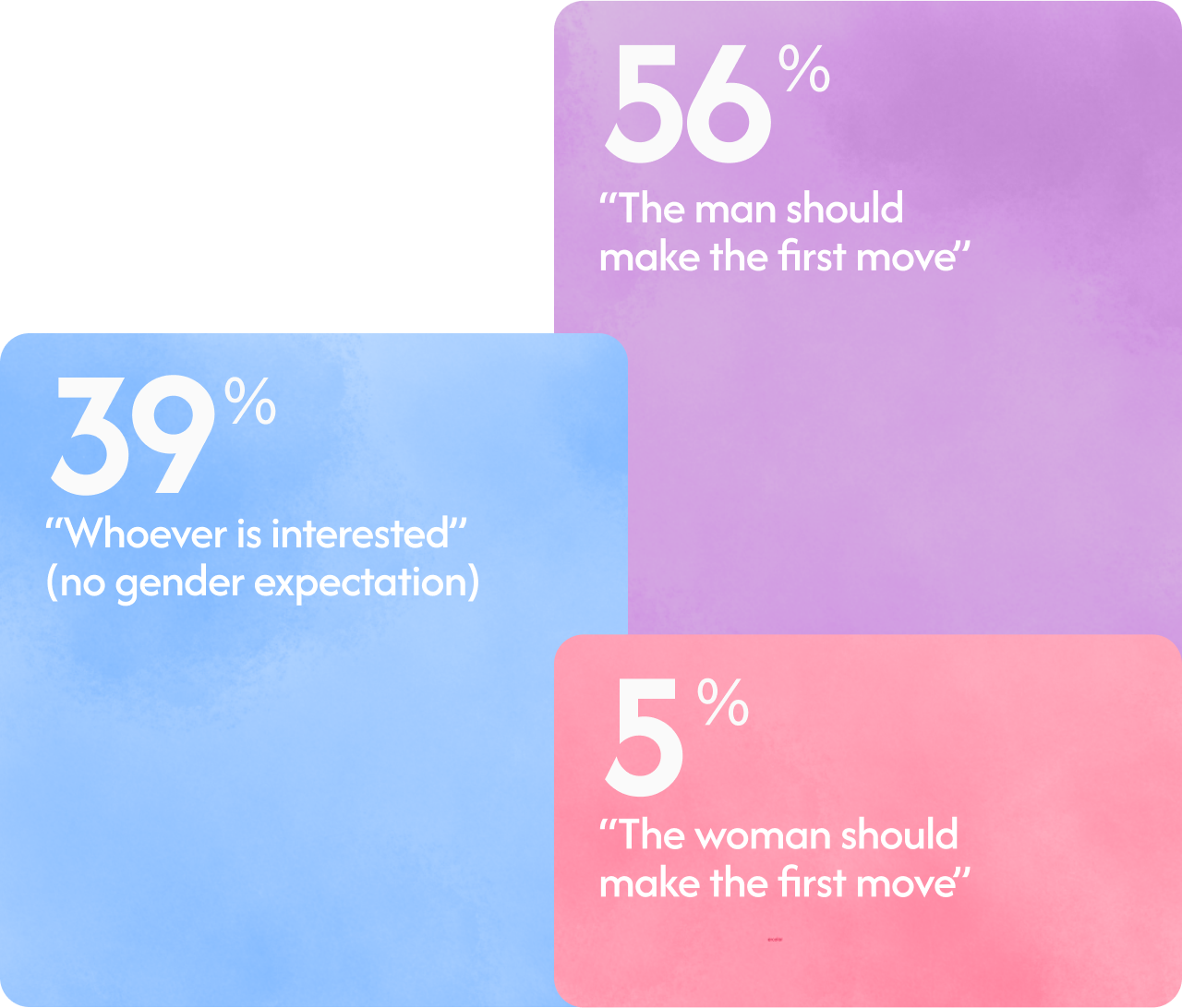
When it comes to the start of a relationship, 56% of Nigerians still expect men to shoot the first shot. But that’s far from unanimous.
4/10 Nigerians
say gender shouldn’t decide who makes the first move.
Share


If I like you, I’ll say it. I’m not waiting for someone to read my mind.”

Kehinde, 31
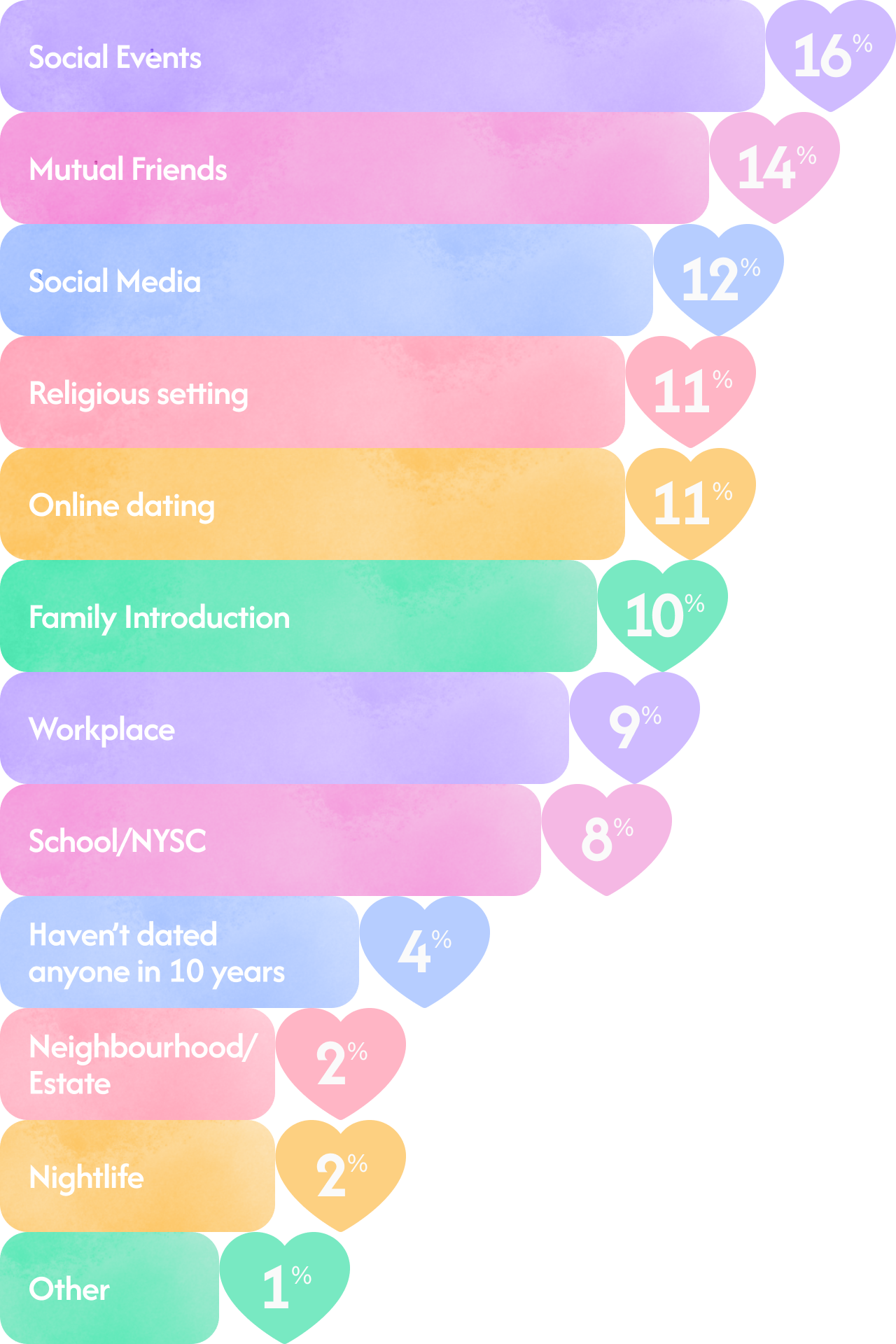
First moves are one thing. Meeting people you actually want to move to is another.
The top ways Nigerians
met their partners in the last decade.

Share

Yet the story isn’t just about where people find love; it’s about what they value most when choosing a life partner. Interestingly, kindness towers above everything else.
What do men and women
want in their partners?

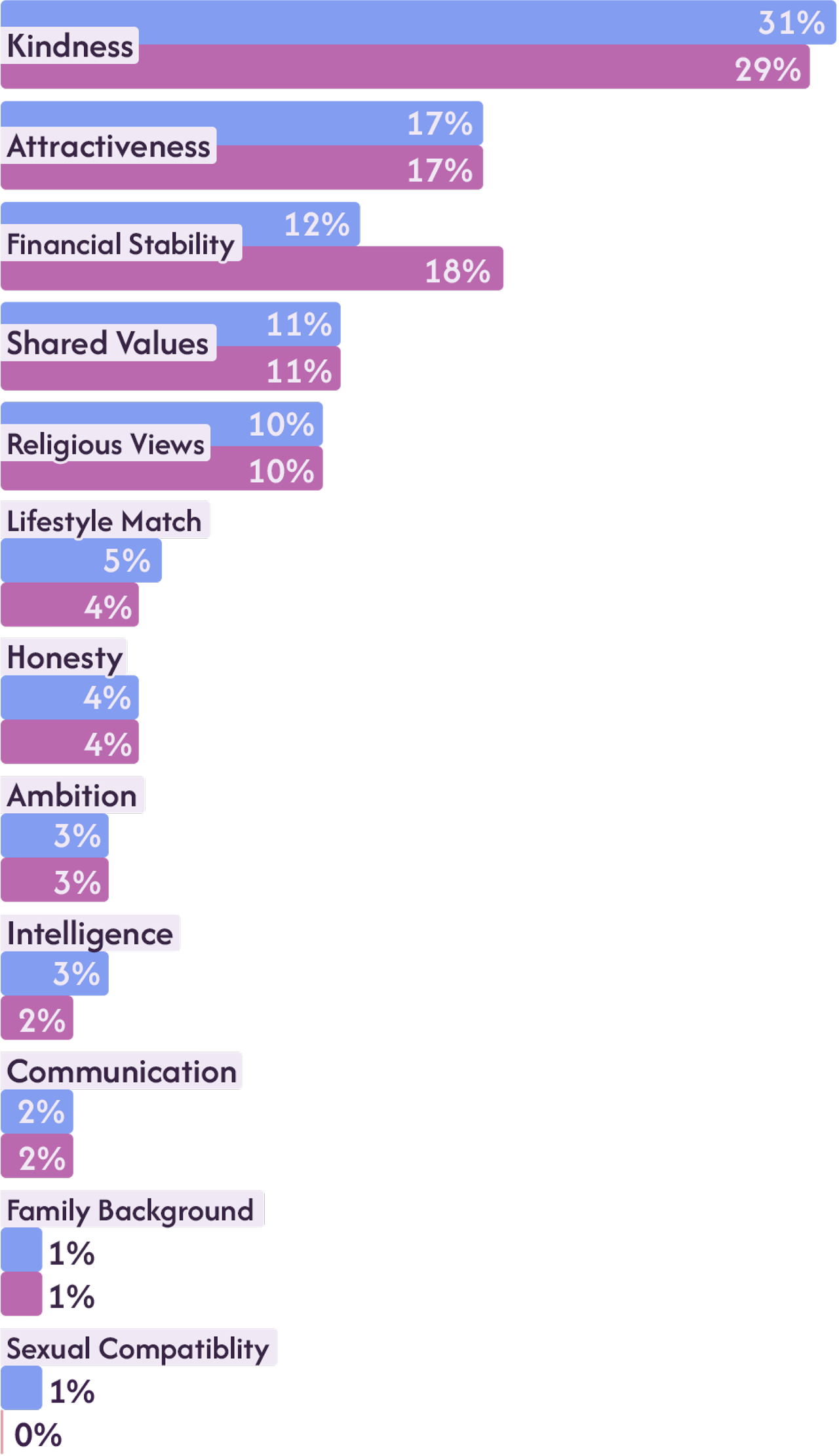

Kindness, attractiveness & financial stability top Nigerians’ partner preferences
Share
Men and women share similar partner priorities, but differ in emphasis. Kindness matters most to both, while women place greater weight on financial stability.


For 53% of Nigerians, relationships now happen without clear labels. Situationships have quietly taken the lead over labelled relationships.
Where do Nigerians stand in
their romantic lives today?
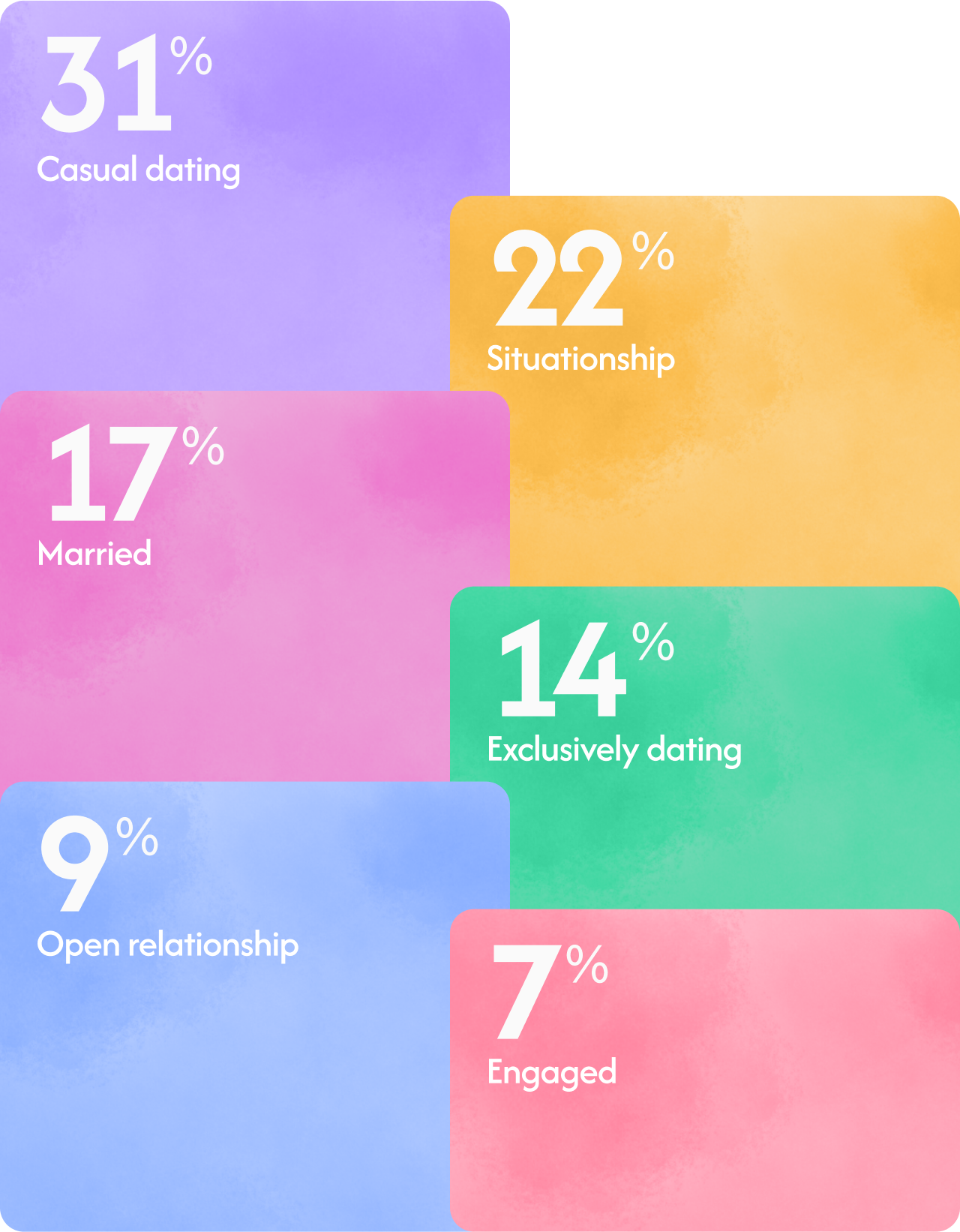

Nearly2 /3 Nigerian daters
are in relationships without clear labels.
Share
Dating now often lives in the grey area for most Nigerians. People are opting for ambiguity over labels and flexibility over commitment.

However, this drift toward no-strings-attached connections did not happen in a vacuum. Many Nigerians have chosen to walk away from relationships for reasons that still feel painfully familiar today.
Why are Nigerians breaking up with
their partners?
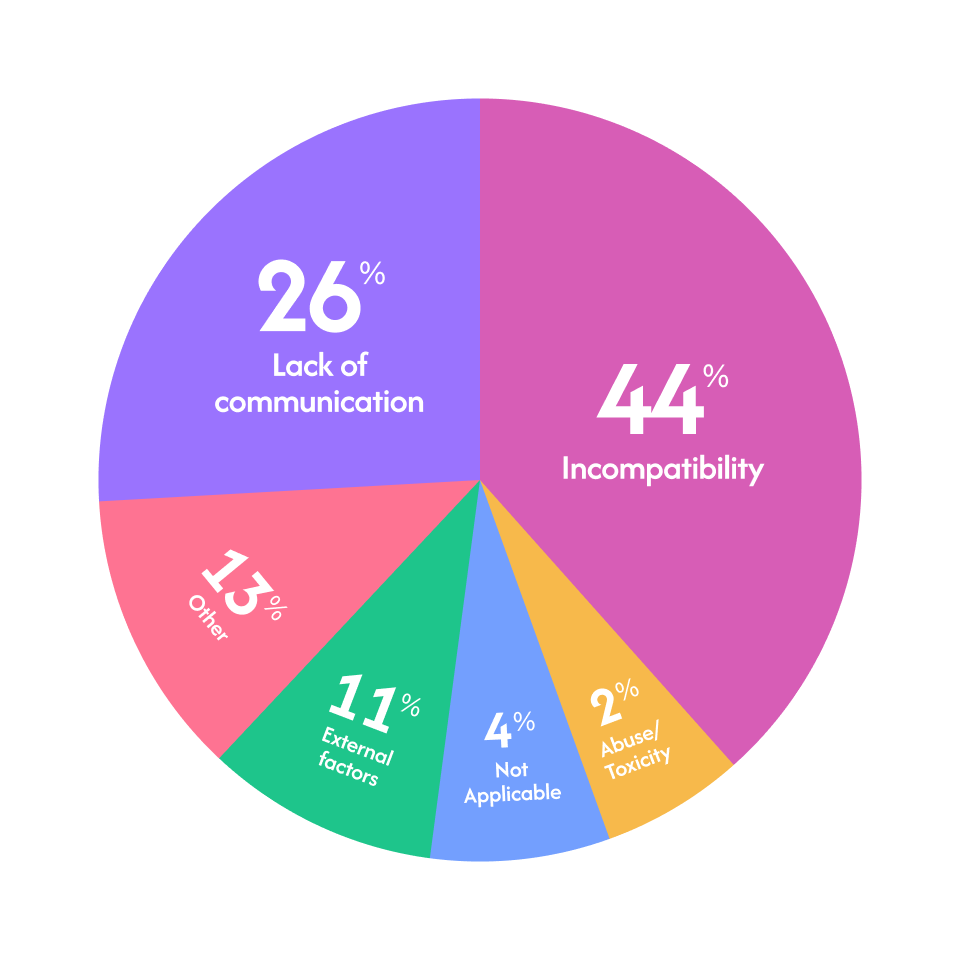
Incompatibility is the number one relationship killer in Nigeria.
Share

Lack of communication comes in second at 26% indicating that even when couples are compatible, failure to discuss things can still lead to the death of a relationship.
Beyond compatibility & communication, have Nigerians been faithful in their relationships?

5 /10 Nigerians
admit they’ve cheated on a partner.
Share
While cheating is often framed as a male habit, our findings suggest the gap between men and women is much smaller than expected.
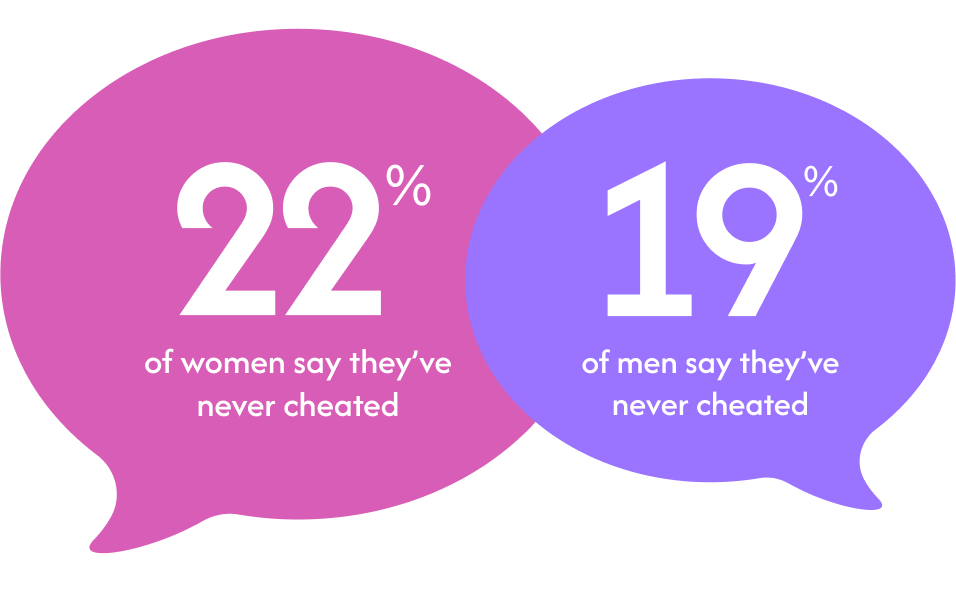
Men are slightly more likely to admit to cheating, whether once (15% compared to 12% of women) or more than once (12% compared to 11%).

I got carried away and had sex with someone during NYSC camp. Then I found he’d also been keeping himself busy with a ‘friend’ while I was away.”

Priscilla, 29

We asked Nigerians about their views on gender roles. Despite shifting conversations around equality traditional ideas continue to shape Nigerian relationships.

1 /4 Nigerians
believe in traditional gender roles, and even more refuse to say what they believe.
Share
A staggering 41% chose “prefer not to say”. Among those who responded, 24% believe the man should be the primary provider and decision maker, compared to 18% who believe in fully equal roles.
But what is the reality?
Only
17%
of Nigerian couples split expenses equally.
Share
3/10 Nigerian men say they handle most of the expenses in their relationships. Only about 1/10 women say the same.
Are people happy with this arrangement?
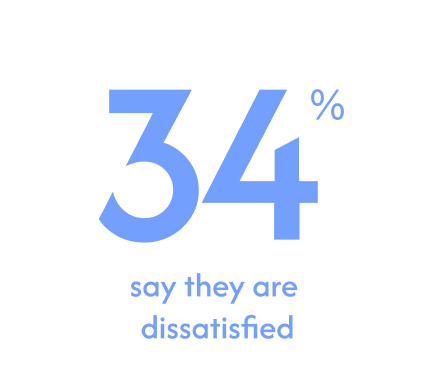
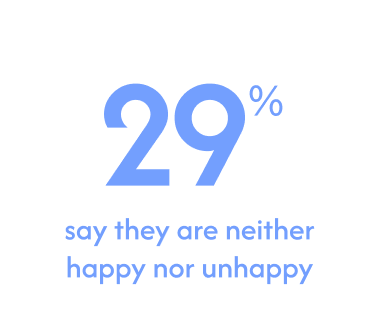
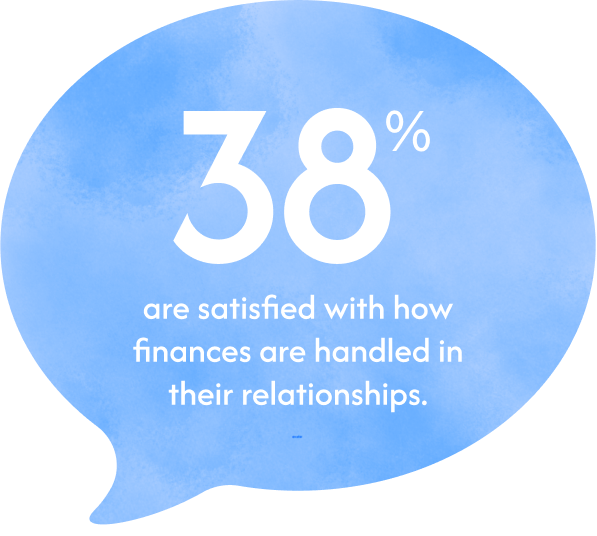
These feelings about money are happening in a tough economic moment. Dating, splitting bills, and planning for the future all cost more than they used to, and relationships are feeling that pressure.

8 /10 Nigerians
say the economy has affected their love lives.
Share
Financial pressure has changed how many Nigerians love

I’ve learned to see romance in things that don’t involve money.”

Ojonugwa, 31


In a country where marriage has historically been non-negotiable socially, culturally and religiously, a >>> Shift is taking place.

1 /4 Nigerians
no longer believe marriage is necessary for fulfilment.
Share

While 64% still believe marriage is necessary to feel fulfilled, more people are willing to say “No”
And even among those who choose to walk down the aisle, the reasons for getting married are less about love and more about the practicality. Beyond romance, people are thinking about children, partnership, and money, and how marriage fits into those plans.

Only 4/10 Nigerians
married primarily for love.
Share
But even when people refuse to go into marriage blindly, does the focus on practicality pay off?
Do Nigerians regret getting married?
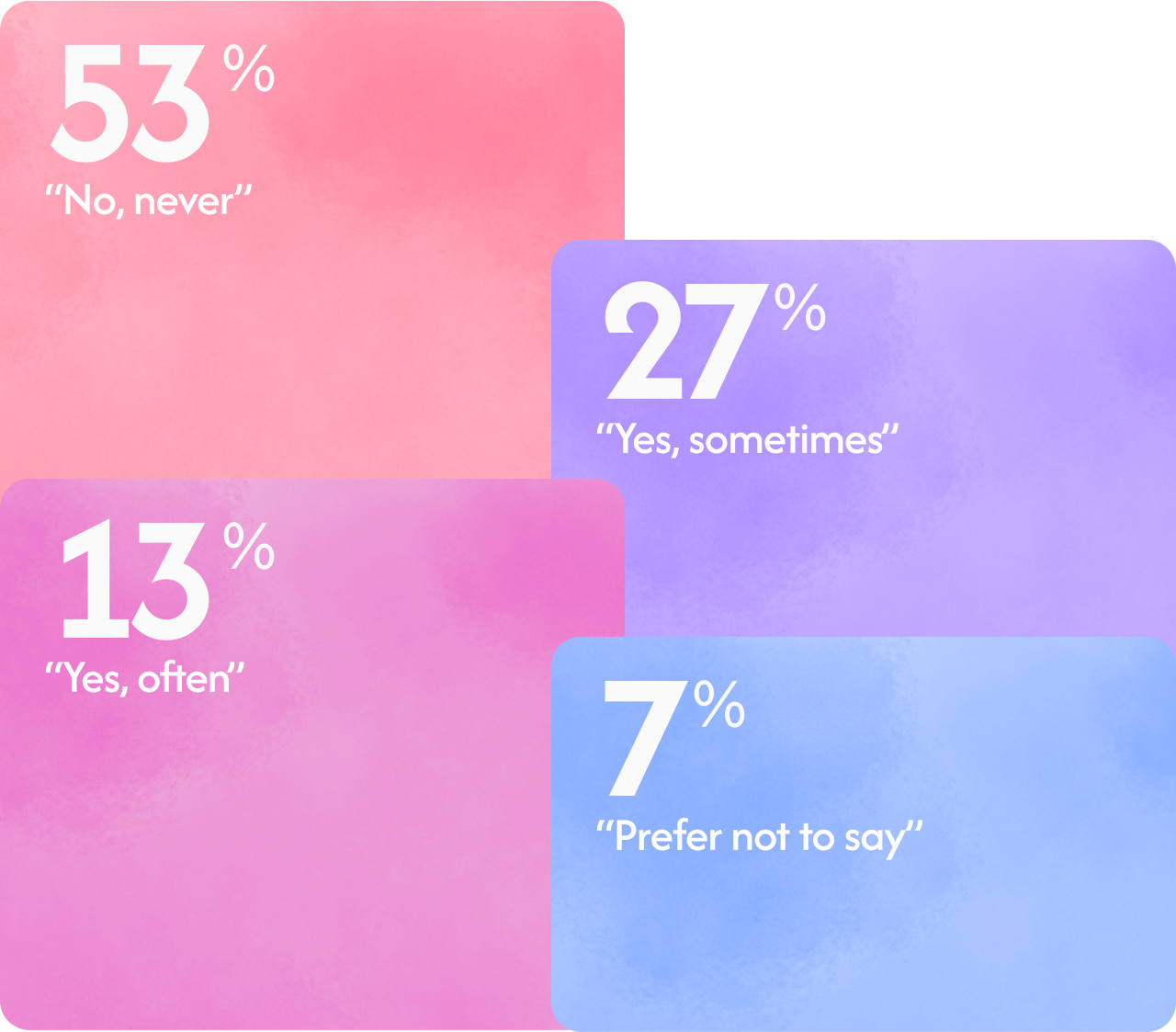
4 /10 Married Nigerians
say they’ve felt regret at some point.
Share
Across genders, men are more likely to say marriage has never disappointed them, but also more likely to admit it has. Women however, are more likely to regret their decision
As for what happens when regret becomes permanent.

6 /10 Nigerians
are resistant to ending a marriage, even when things aren’t working.
Share
What Nigerians think
about divorce
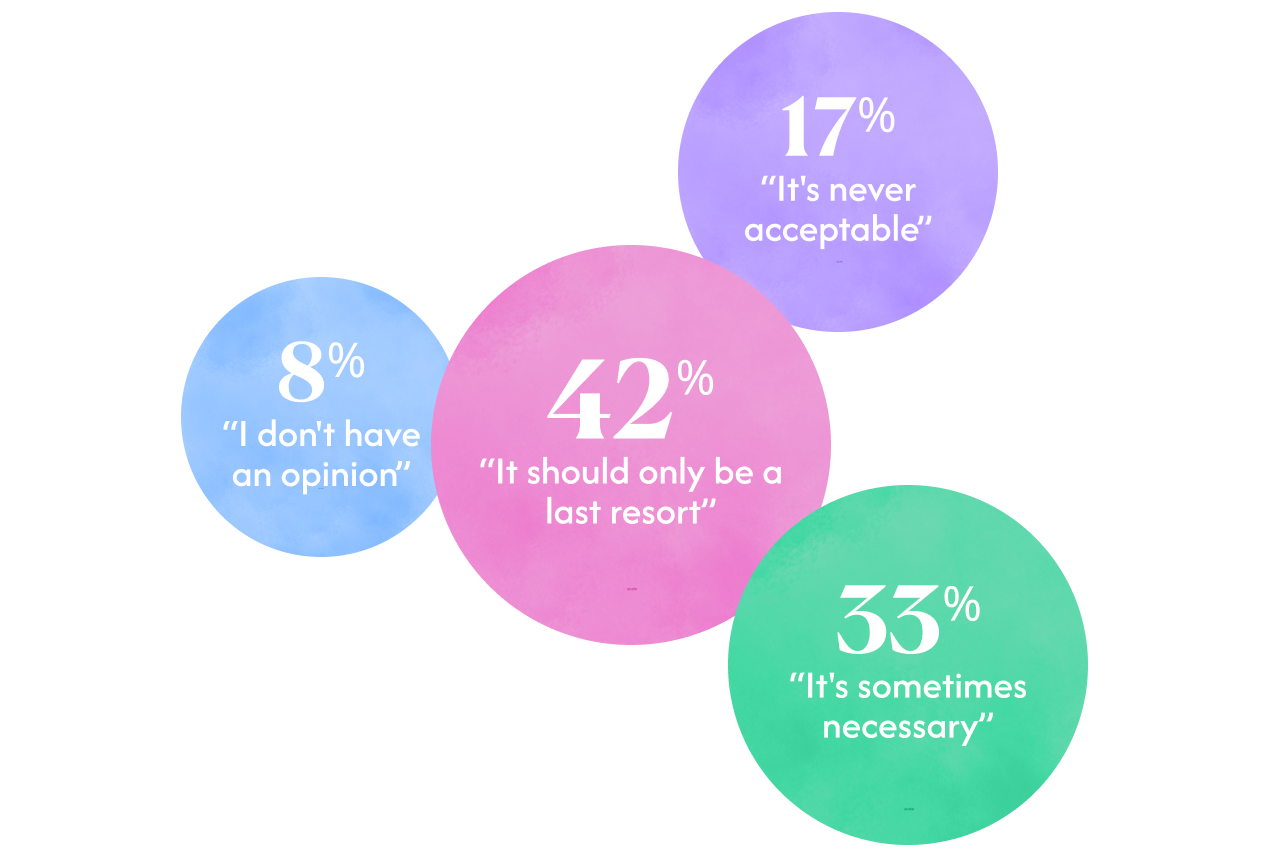
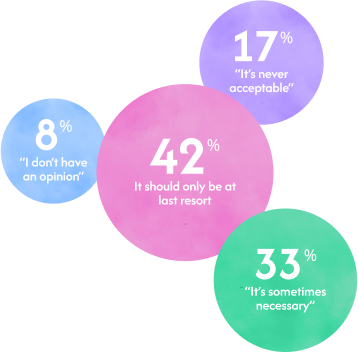
This reluctance cuts across gender. Men are slightly more open to divorce in practice, while women lean more toward “last resort” thinking.


Here’s where things get interesting:
Nigerians might be cautious about divorce, but they’re not waiting around for marriage to have sex


Nearly7/10 Nigerians
believe in sex before marriage.
Share
Even among the deeply religious, the numbers hold. 6/10 Christians and Muslims are fine with getting down before marriage. Among, agnostics, nearly everyone is onboard.

And when it comes to relationships, many Nigerians have clear expectations around sex even if they don’t always talk about it openly

4 /10 Nigerians
want sex every day or a few times a week.
Share
Nigerians on how often they would
like sex in their relationship
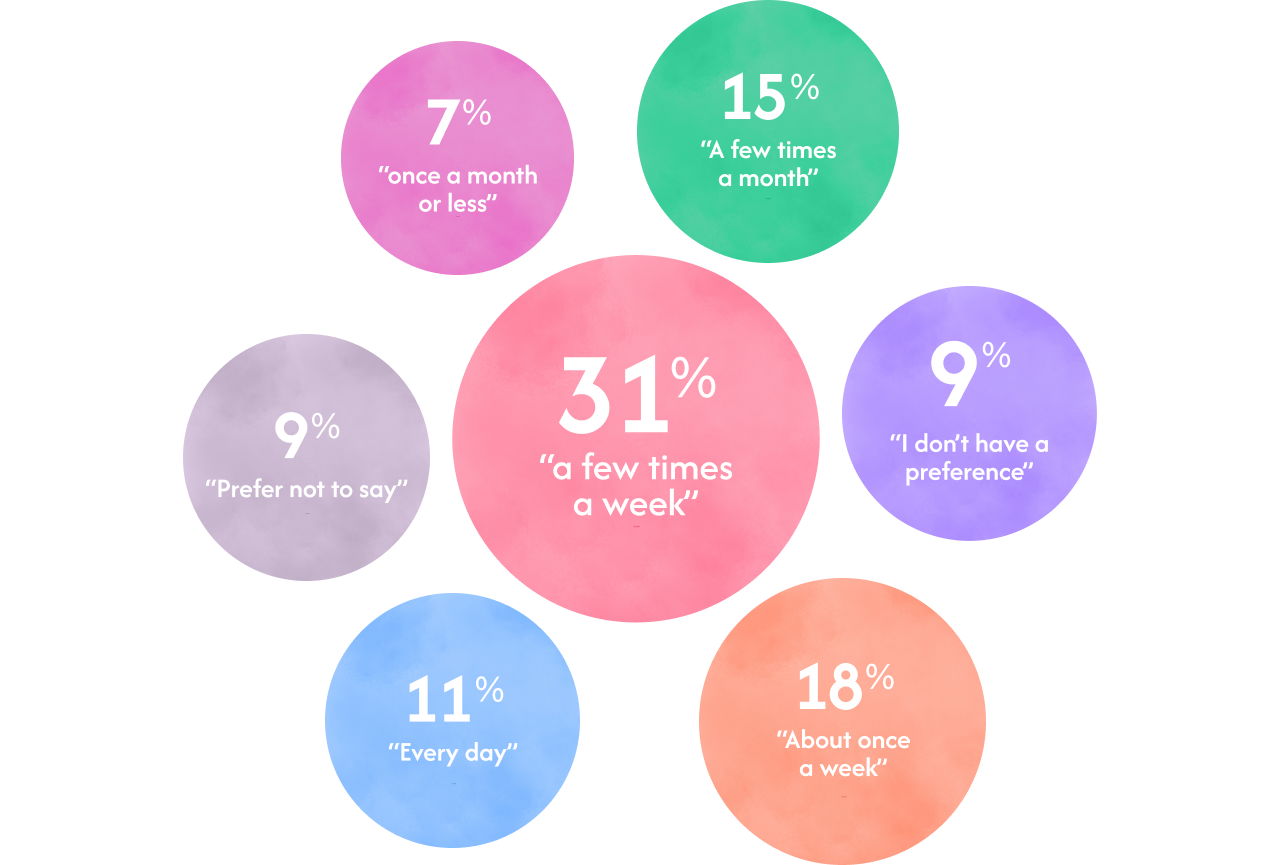
Sexual desire is nearly equal across genders, completely contradicting stereotypes. When it comes to sex, Nigerian men and women are exactly on the same page
They both want to get down frequently
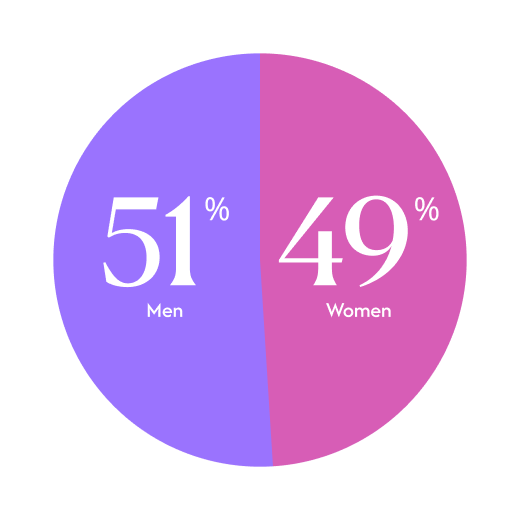
Nigerian men and women want to get laid almost equally.
Share
After surveying over 10,000 Nigerians, one thing is clear: the way Nigerians navigate love has fundamentally shifted.
People are still falling in love and seeking companionship. But the path from attraction to commitment now comes with more hesitation & economic pressure. Marriage is still celebrated, but it’s no longer a do-or-die affair. Even among married Nigerians, a growing minority now see divorce as a tool for resolution when the union no longer serves its purpose.

Nigerians still want love, stability, and connection; they’re just struggling to make it all work.